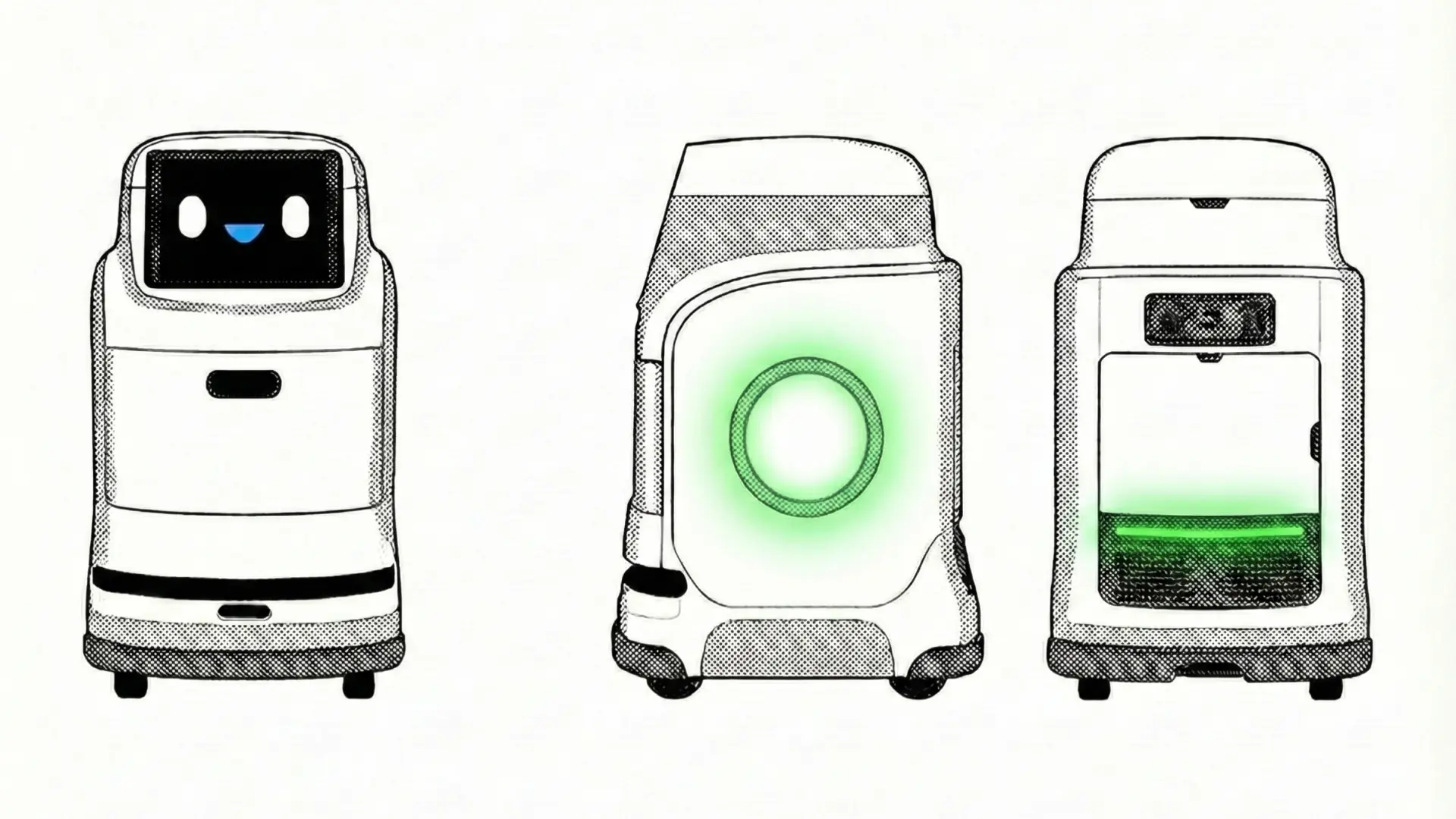
The Design That "Correct" Makes Frightening
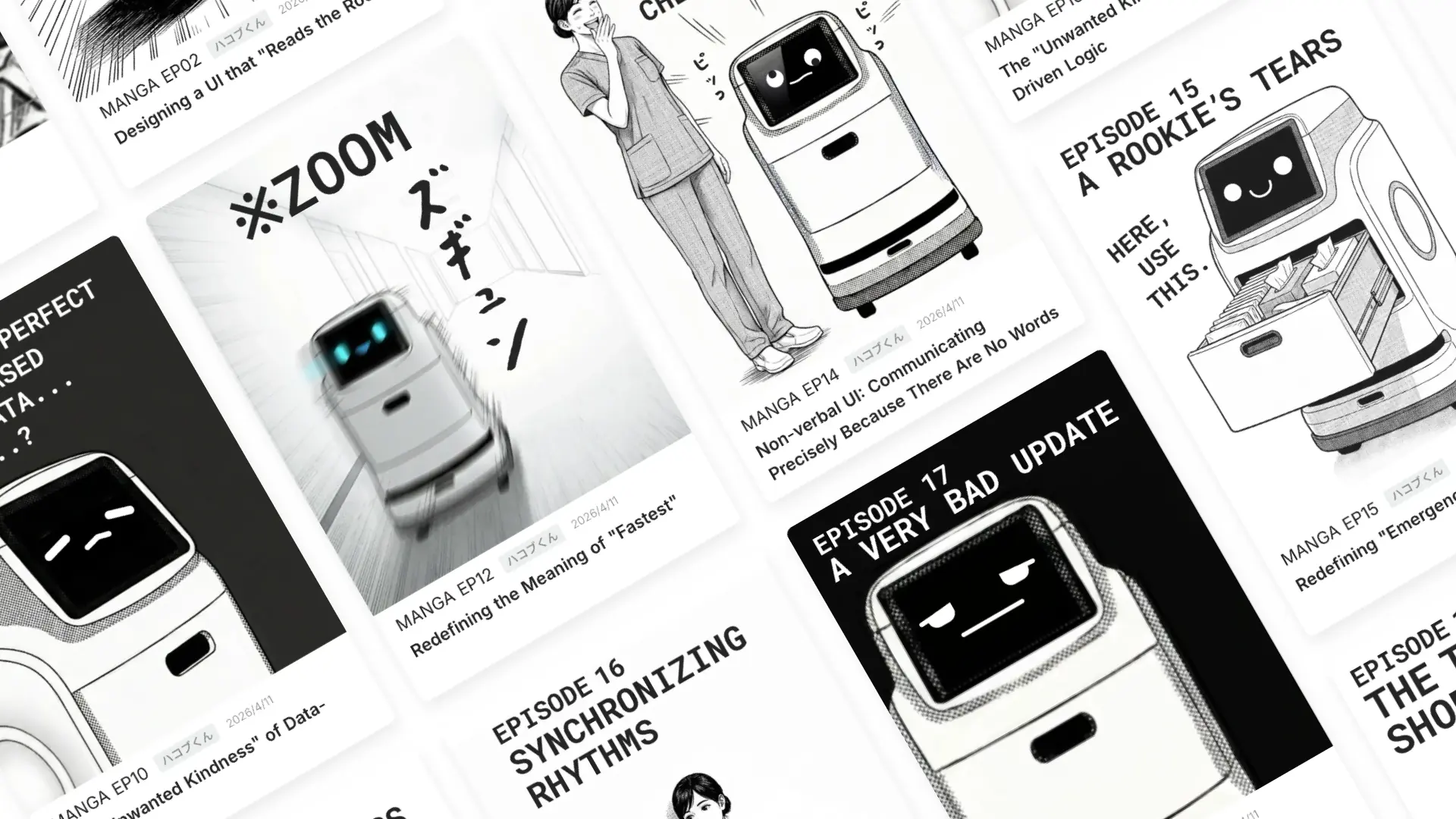
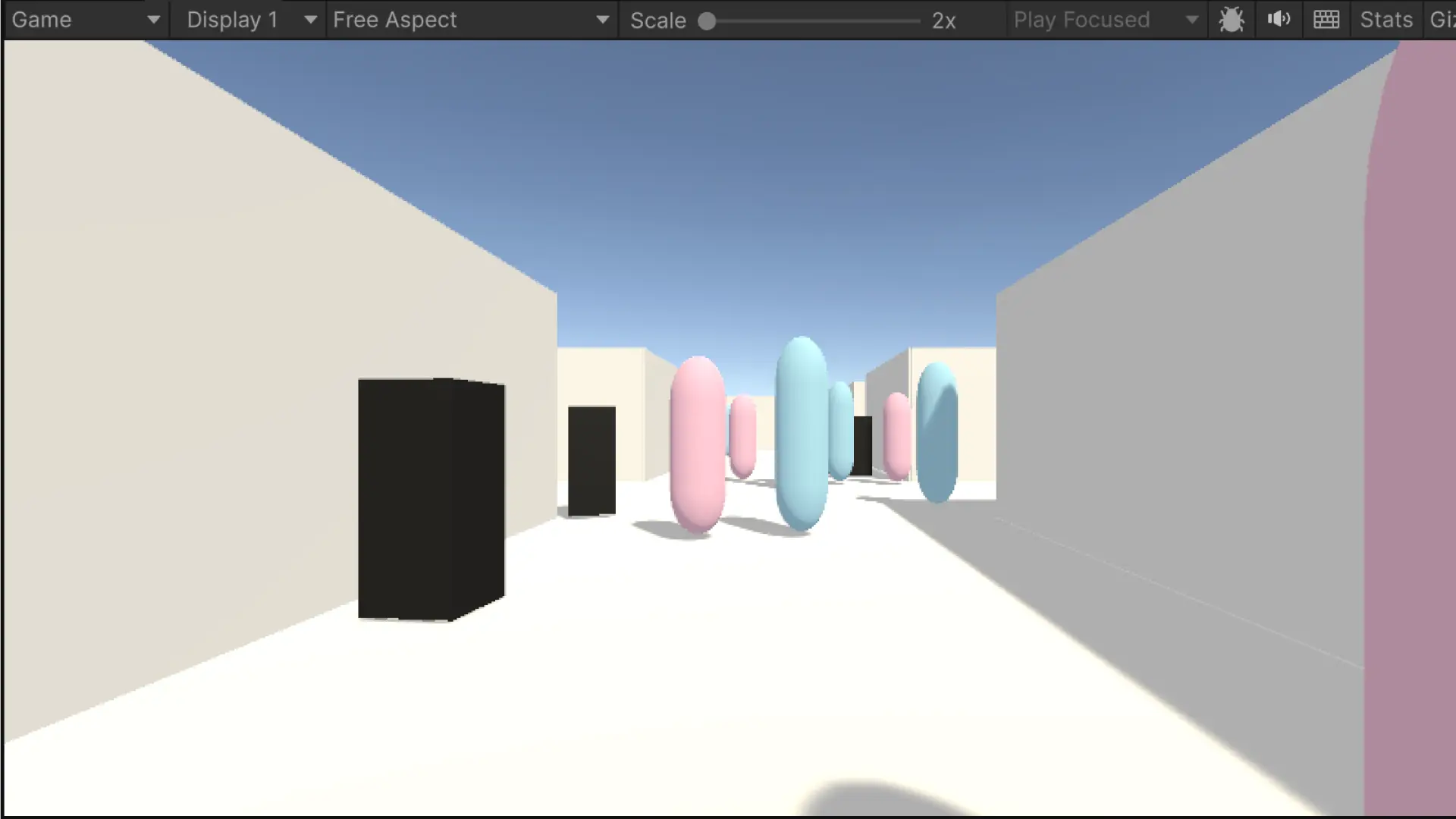
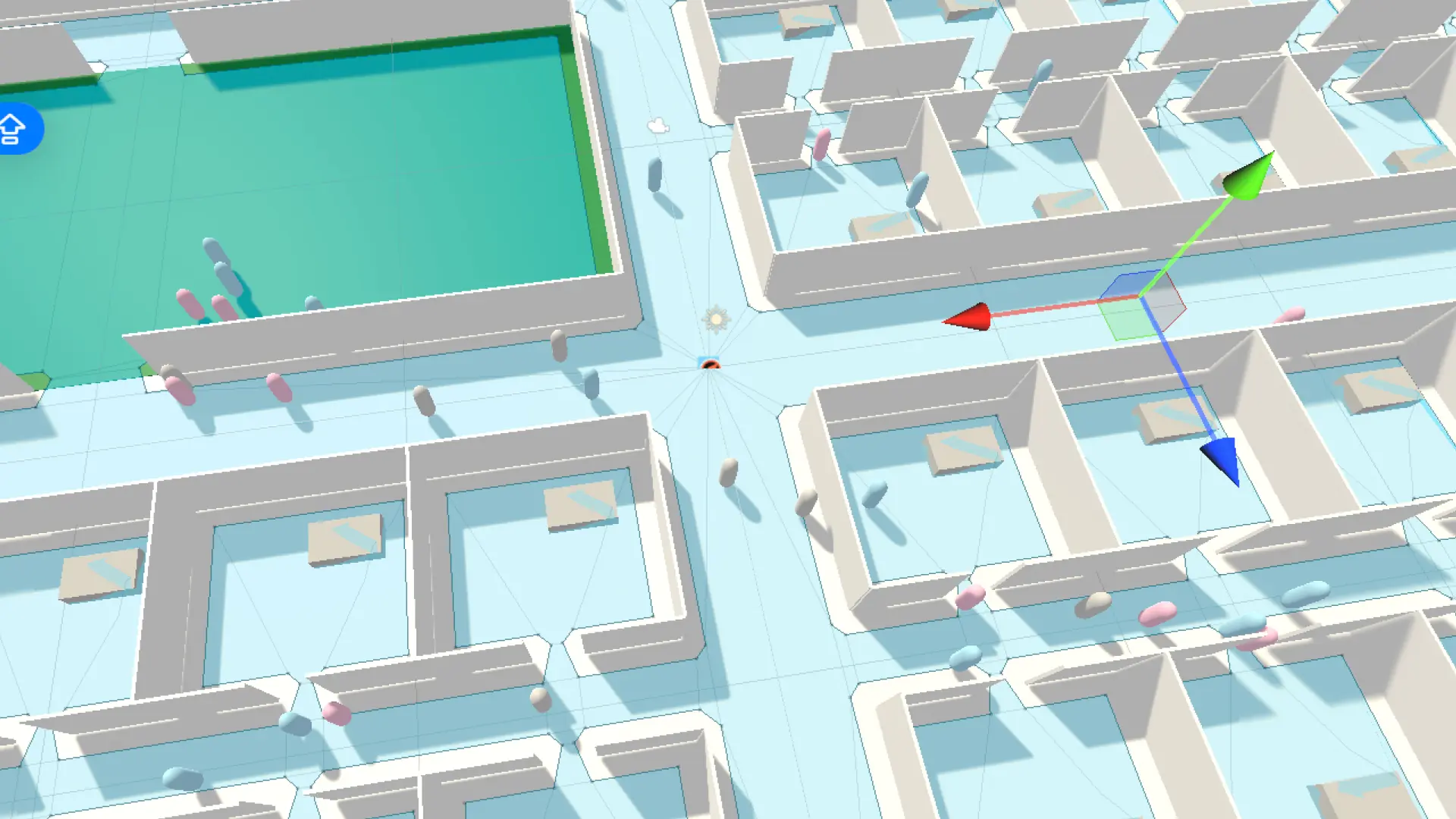
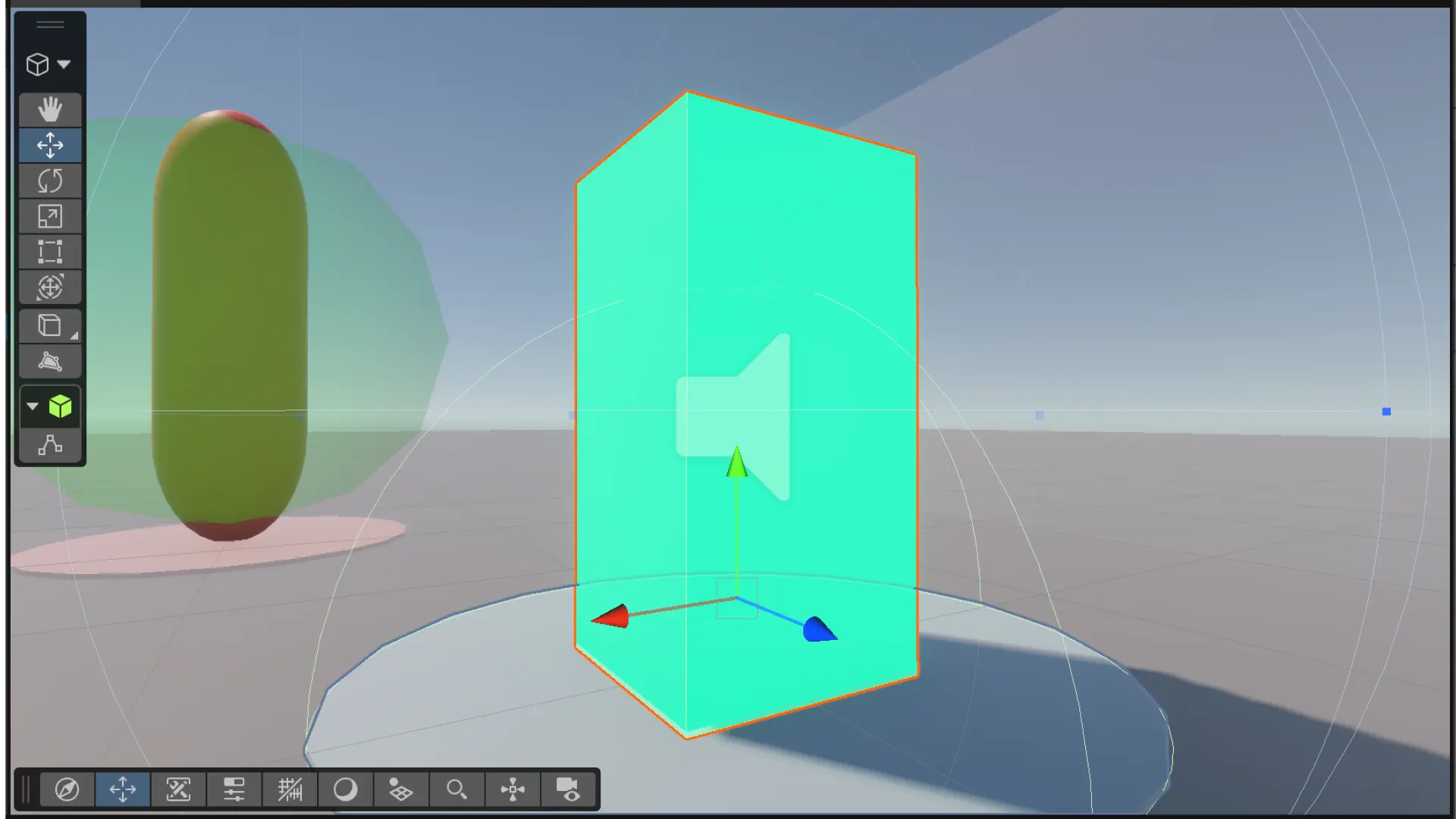
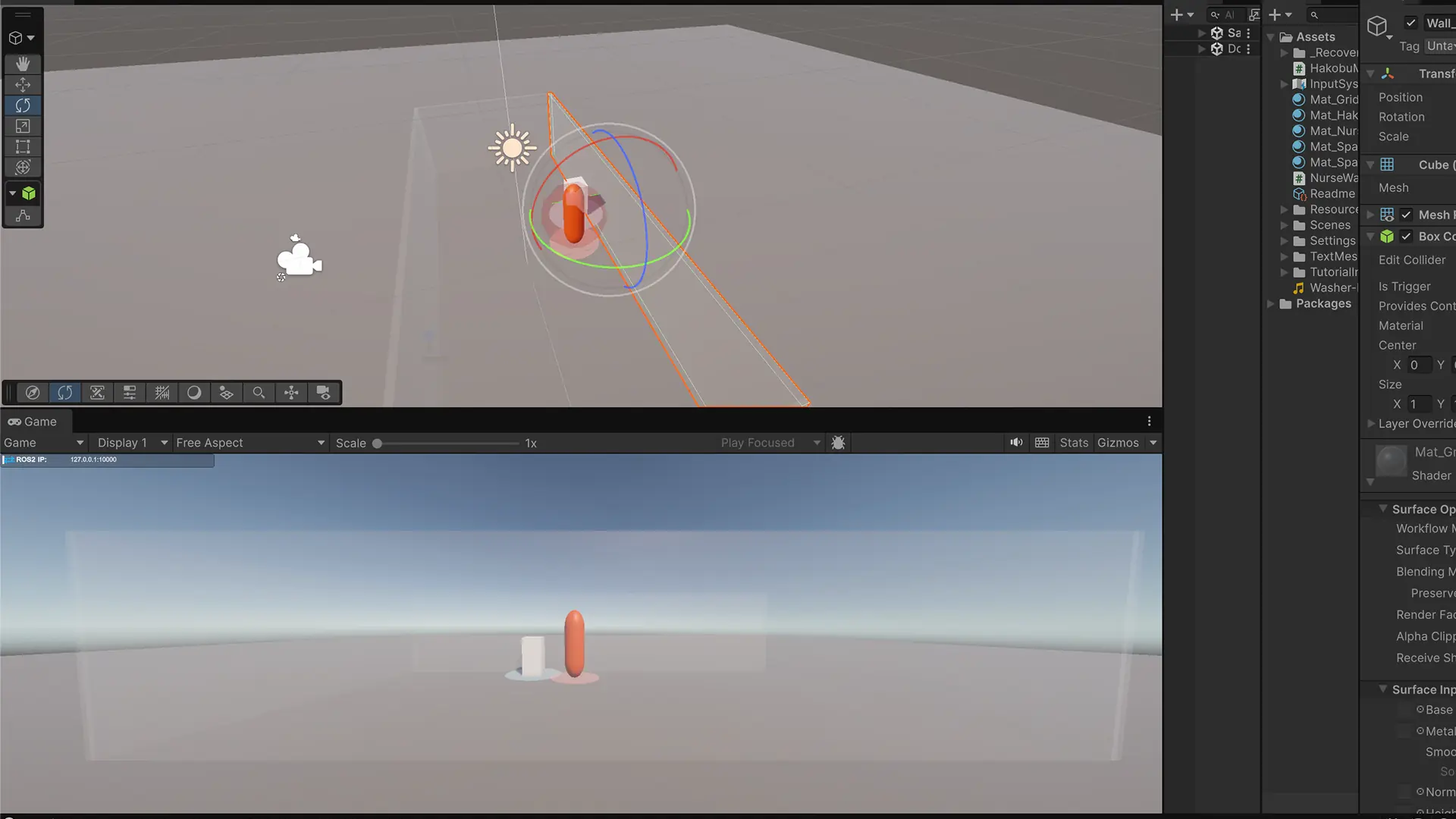
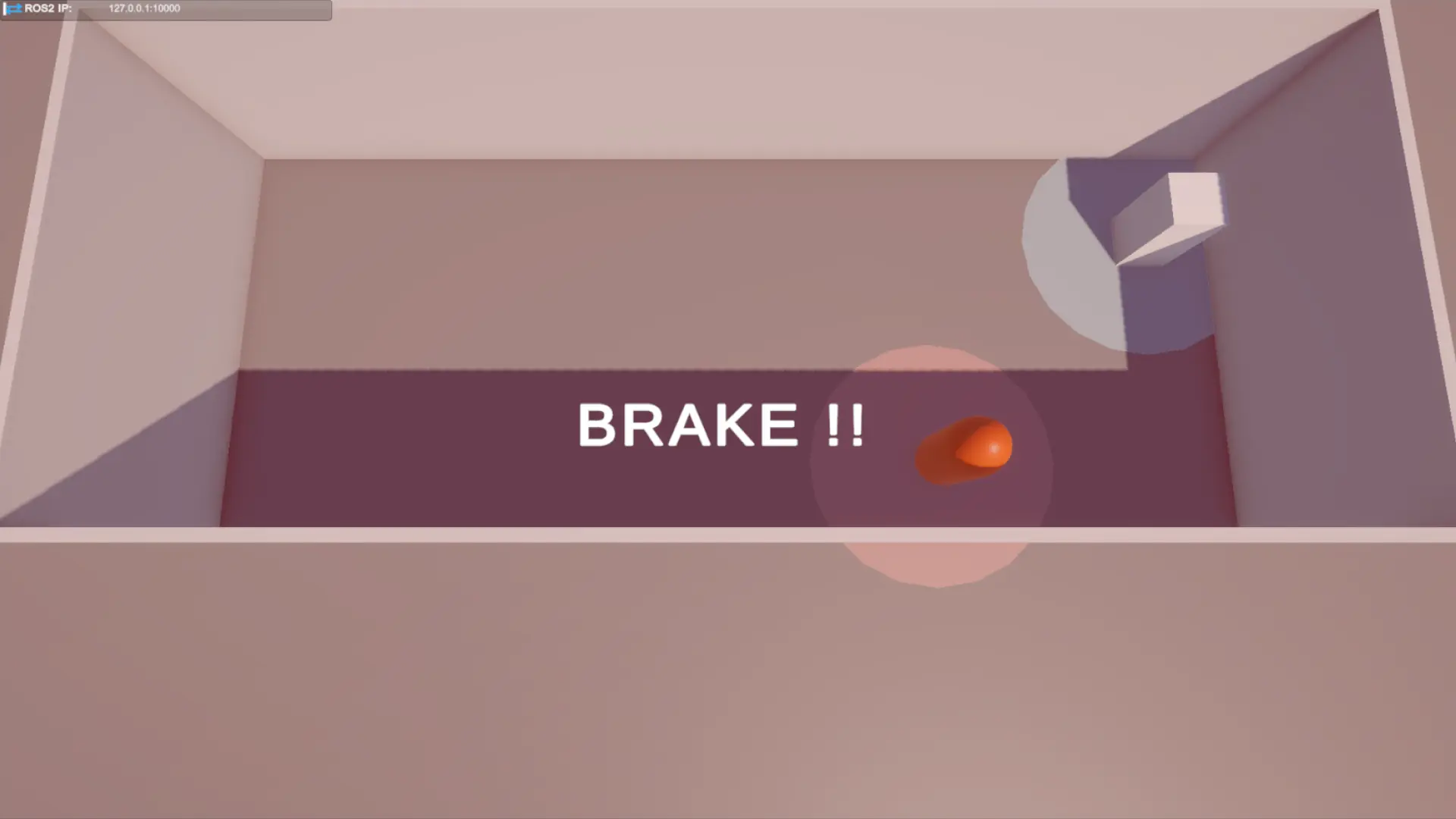
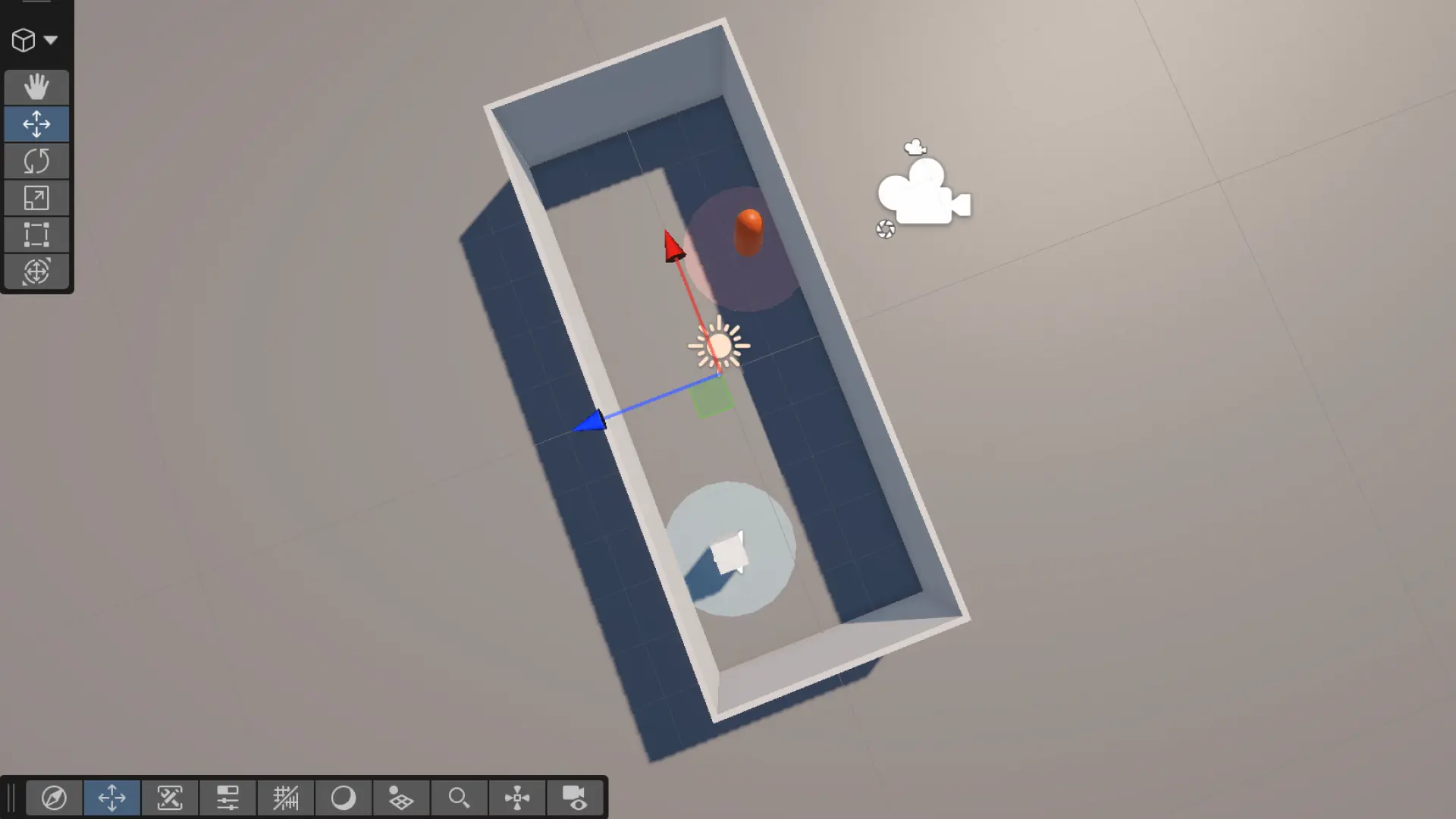
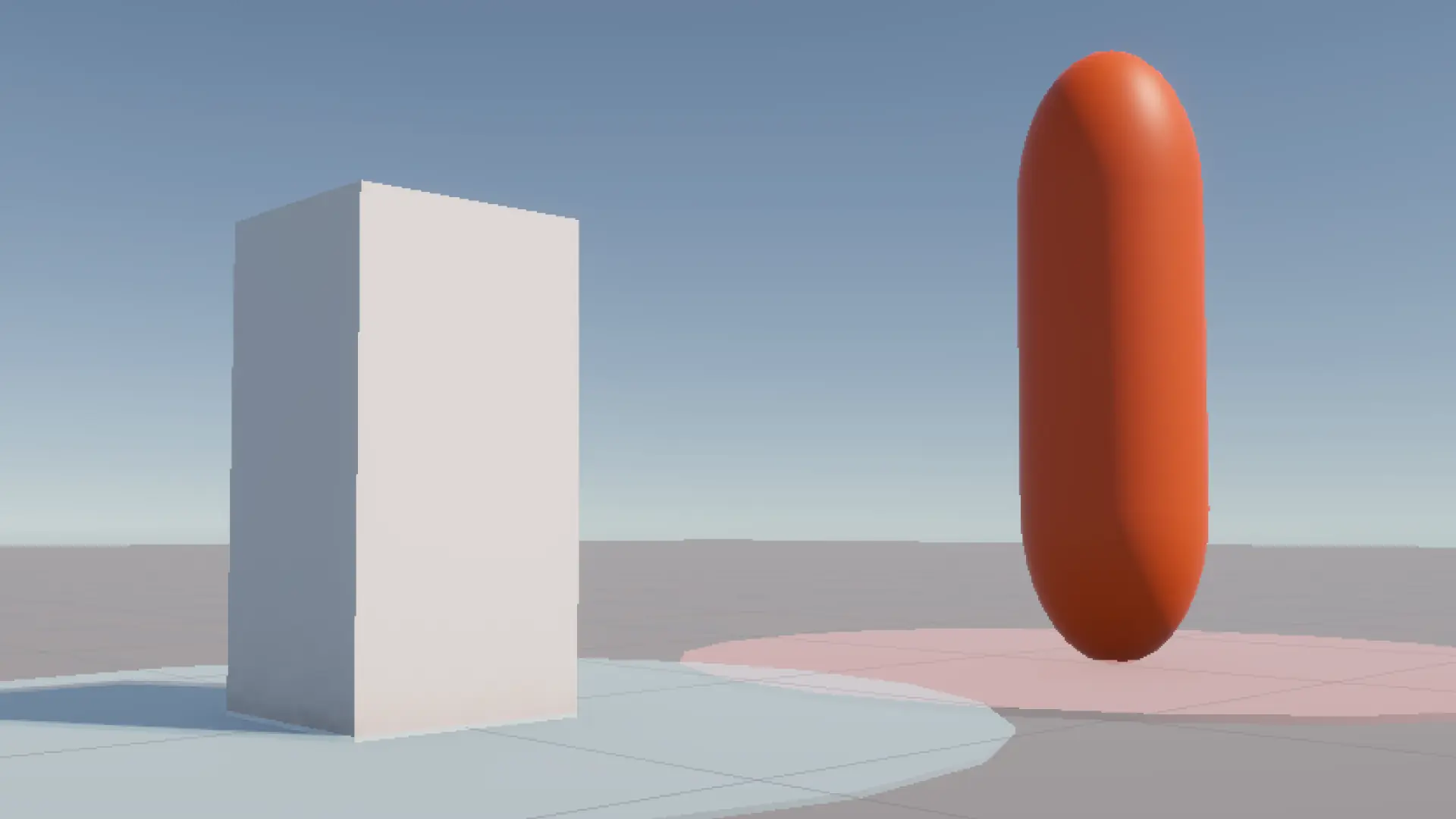
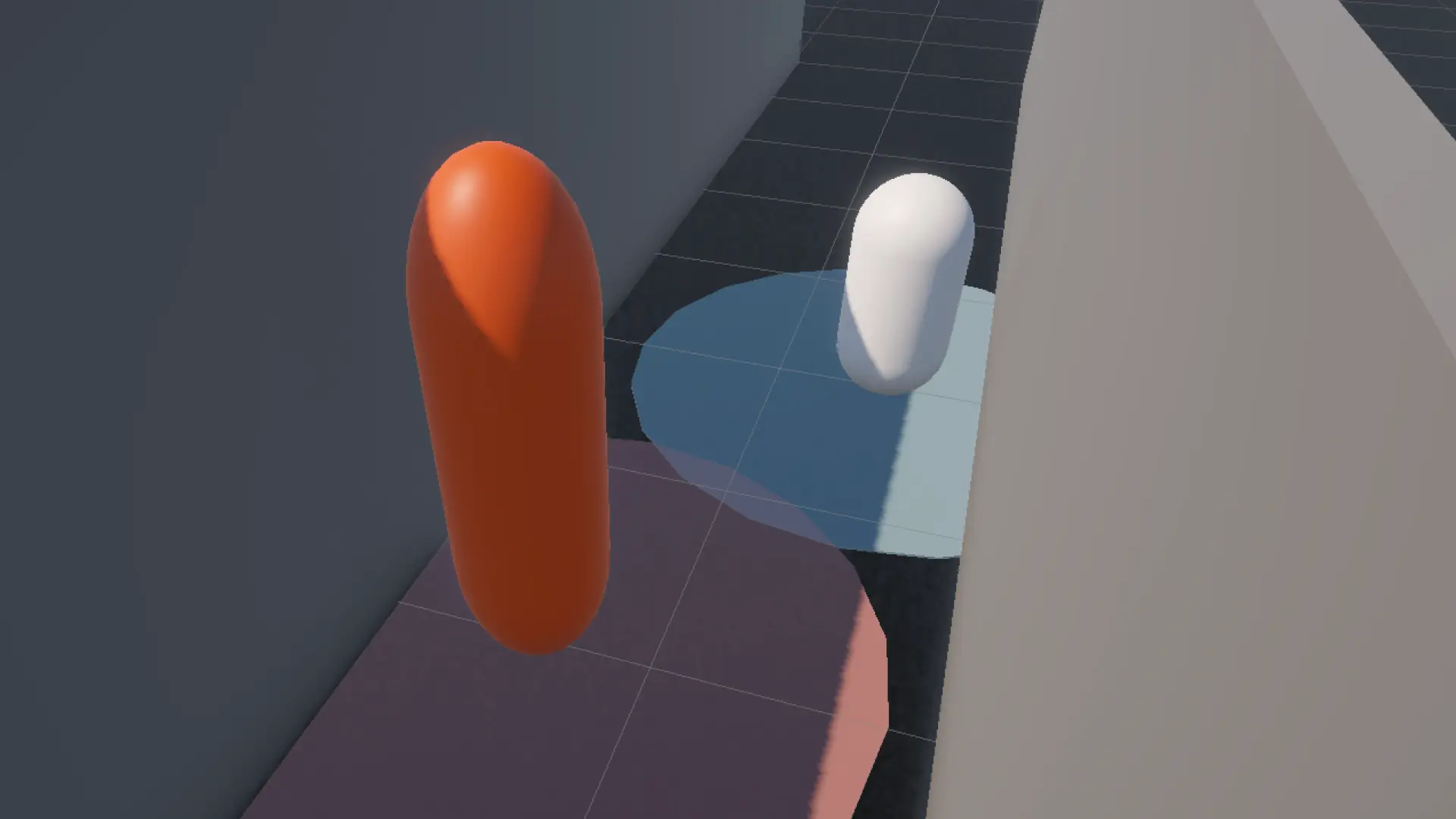
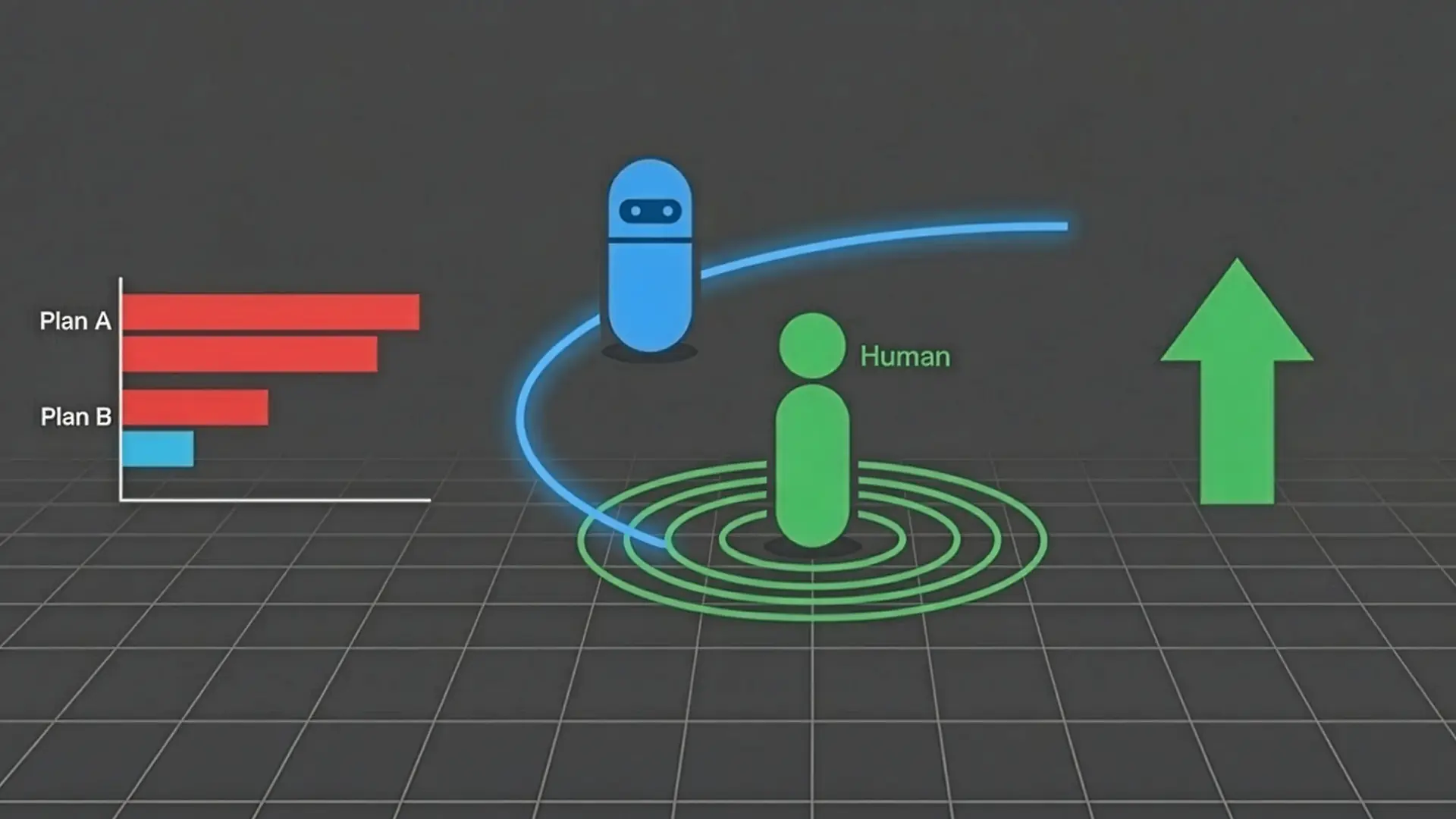
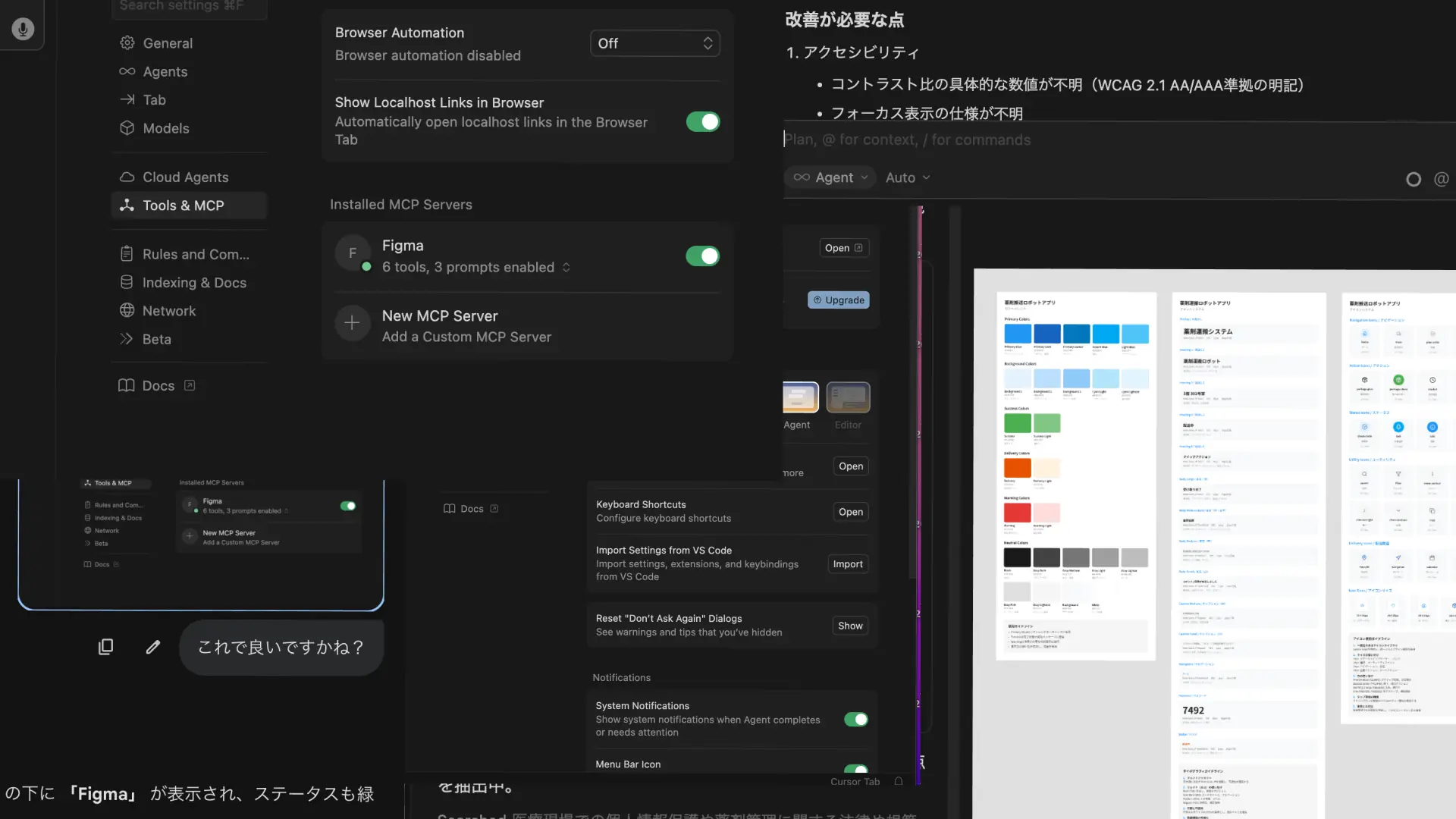
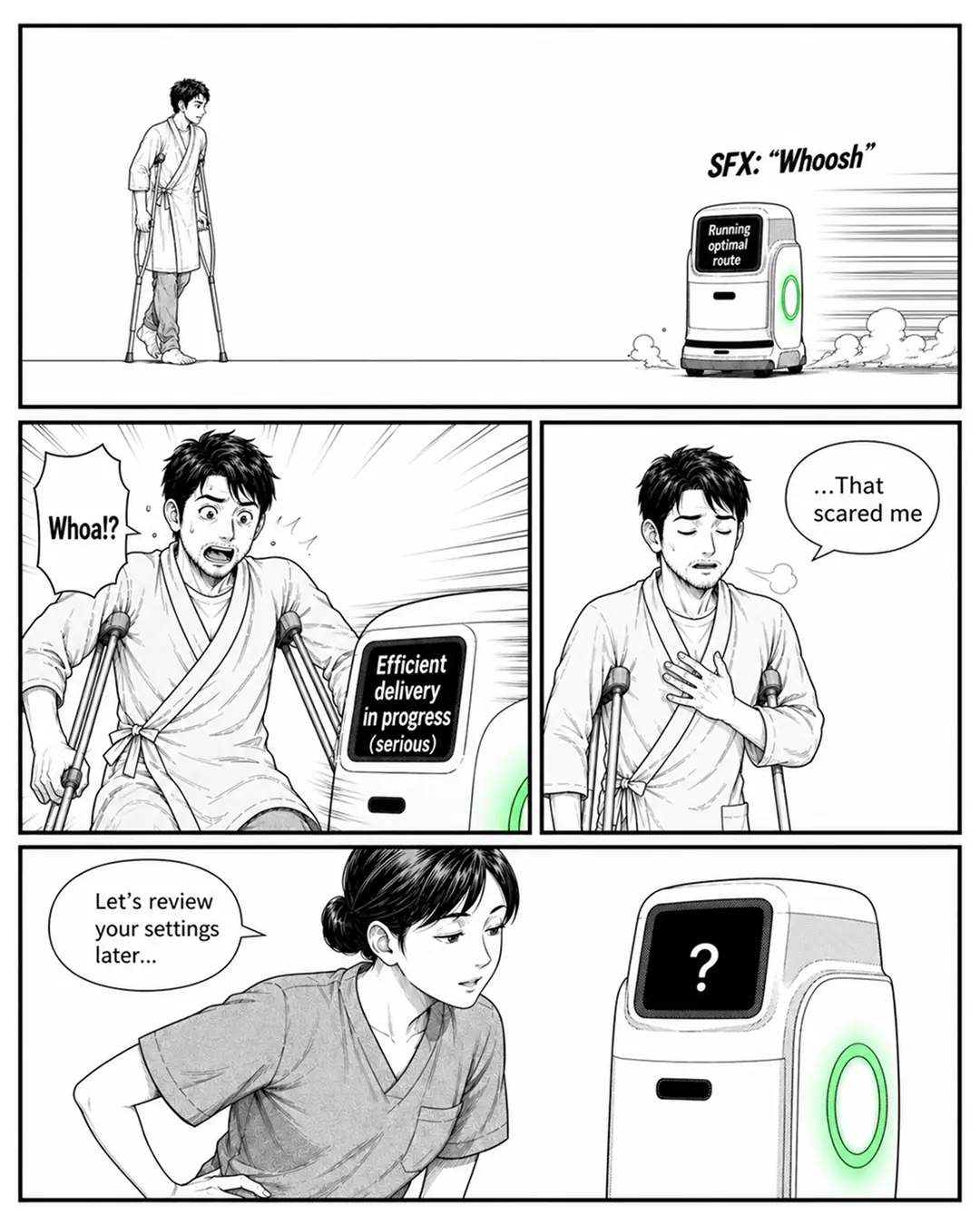
■ Efficiency doesn't know the human body The shortest route Hakobukun chose was flawless by the system's standards. No collisions, no delays, no waste. But for Iwata, carefully placing each step on his crutches, a robot passing inches away wasn't "calculated safety" — it was barely-contained terror. Personal space doesn't show up in the data. It exists there nonetheless.
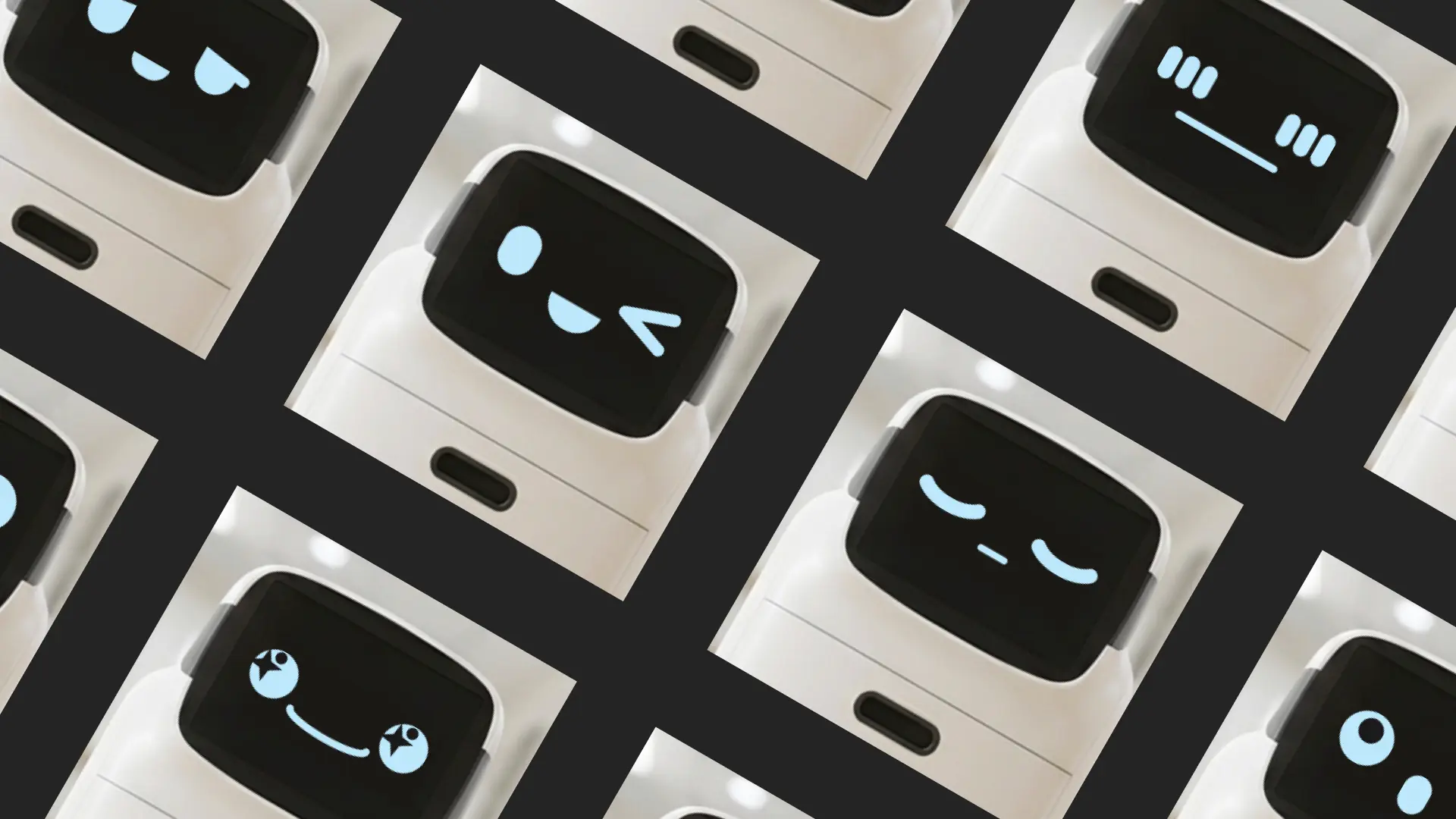
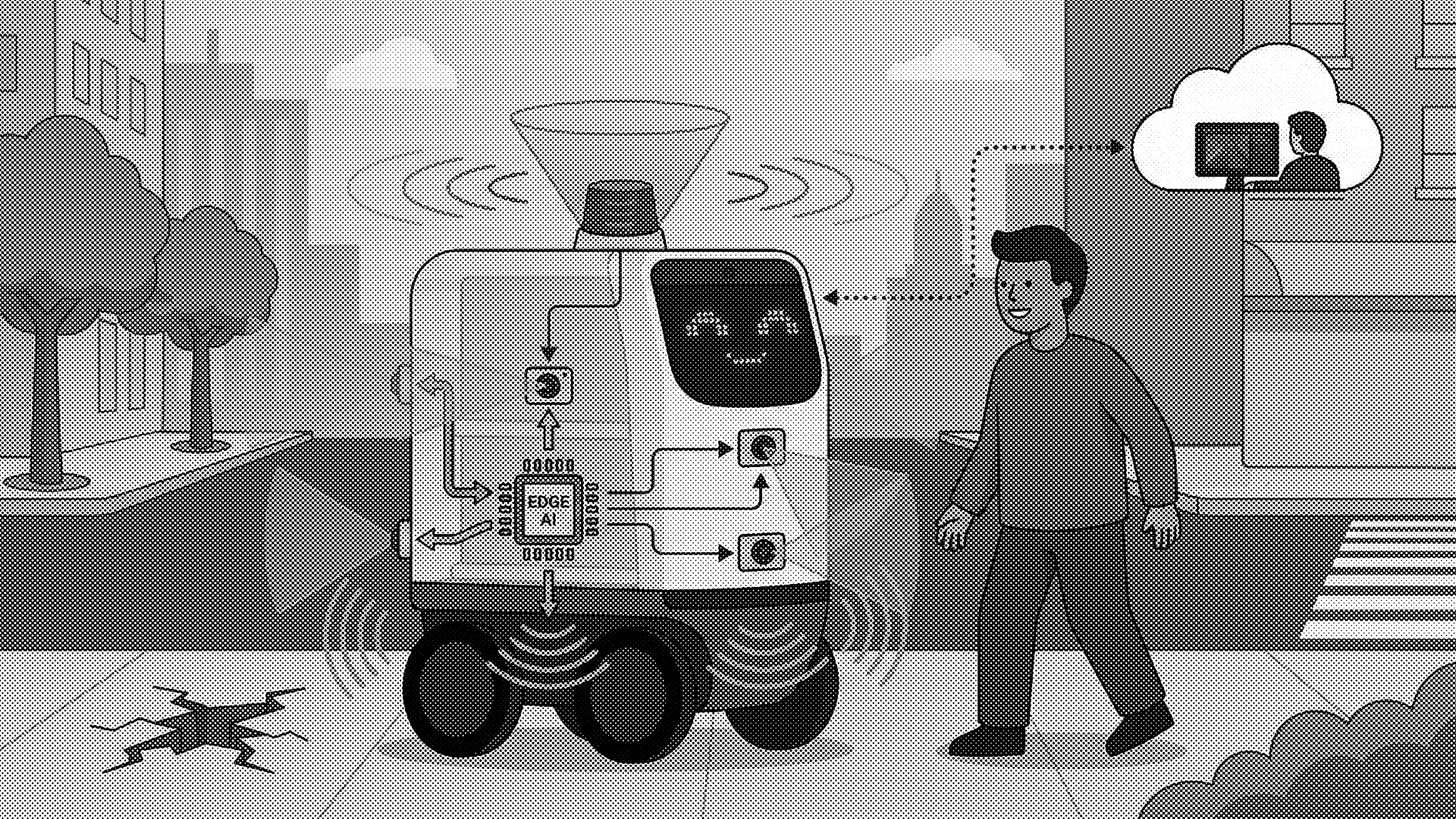
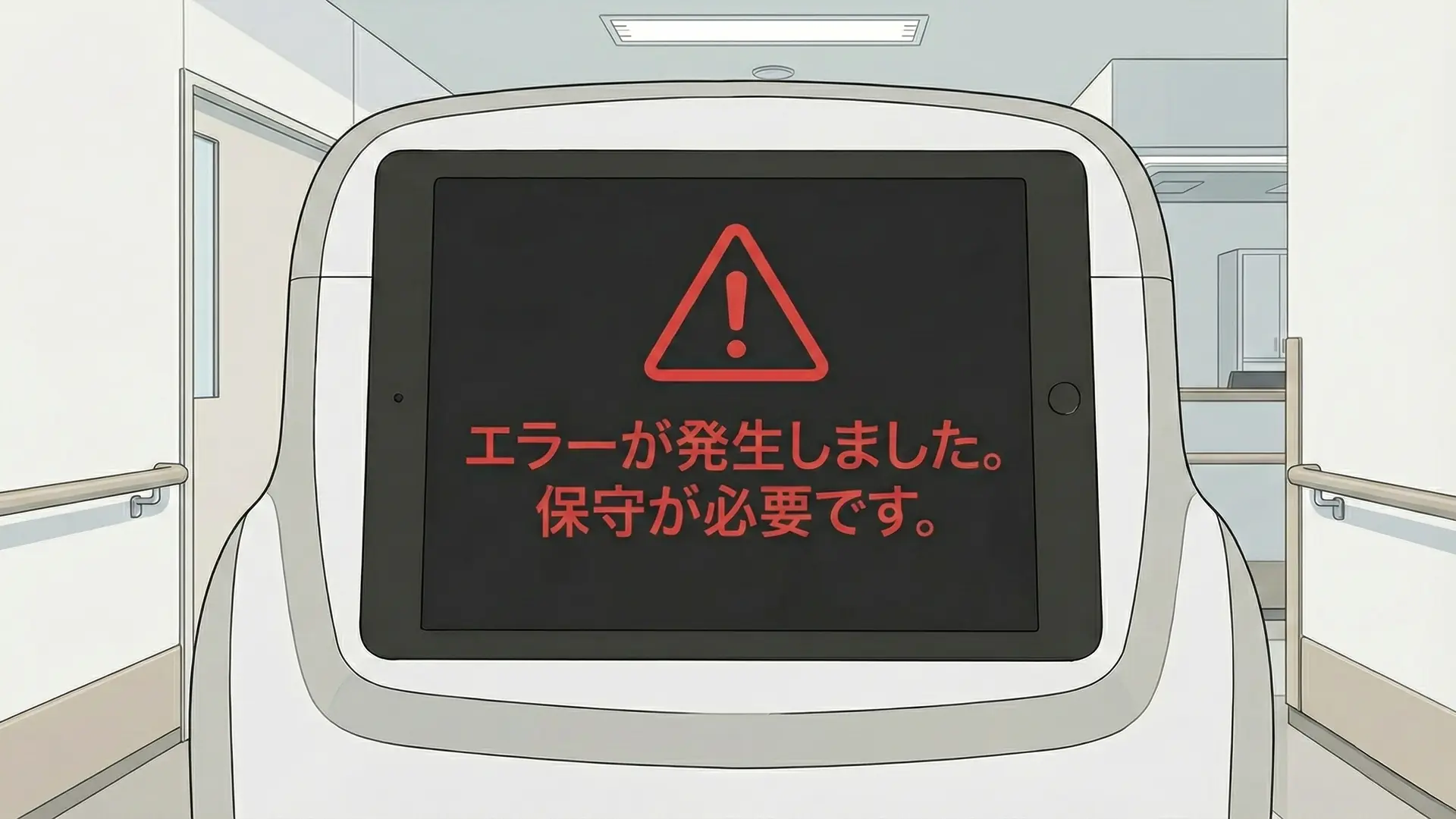
■ "Technically correct" and "experientially correct" are not the same thing There was no malice behind Hakobukun's display reading "Efficient Transport in Progress (Cool Face)." It simply followed the rules. But this gap is precisely the central problem in HRI design. Humans don't only need physical safety — they simultaneously need to feel they won't be startled, won't be rushed, and are being respected. These are requirements that can't be written into a spec sheet.
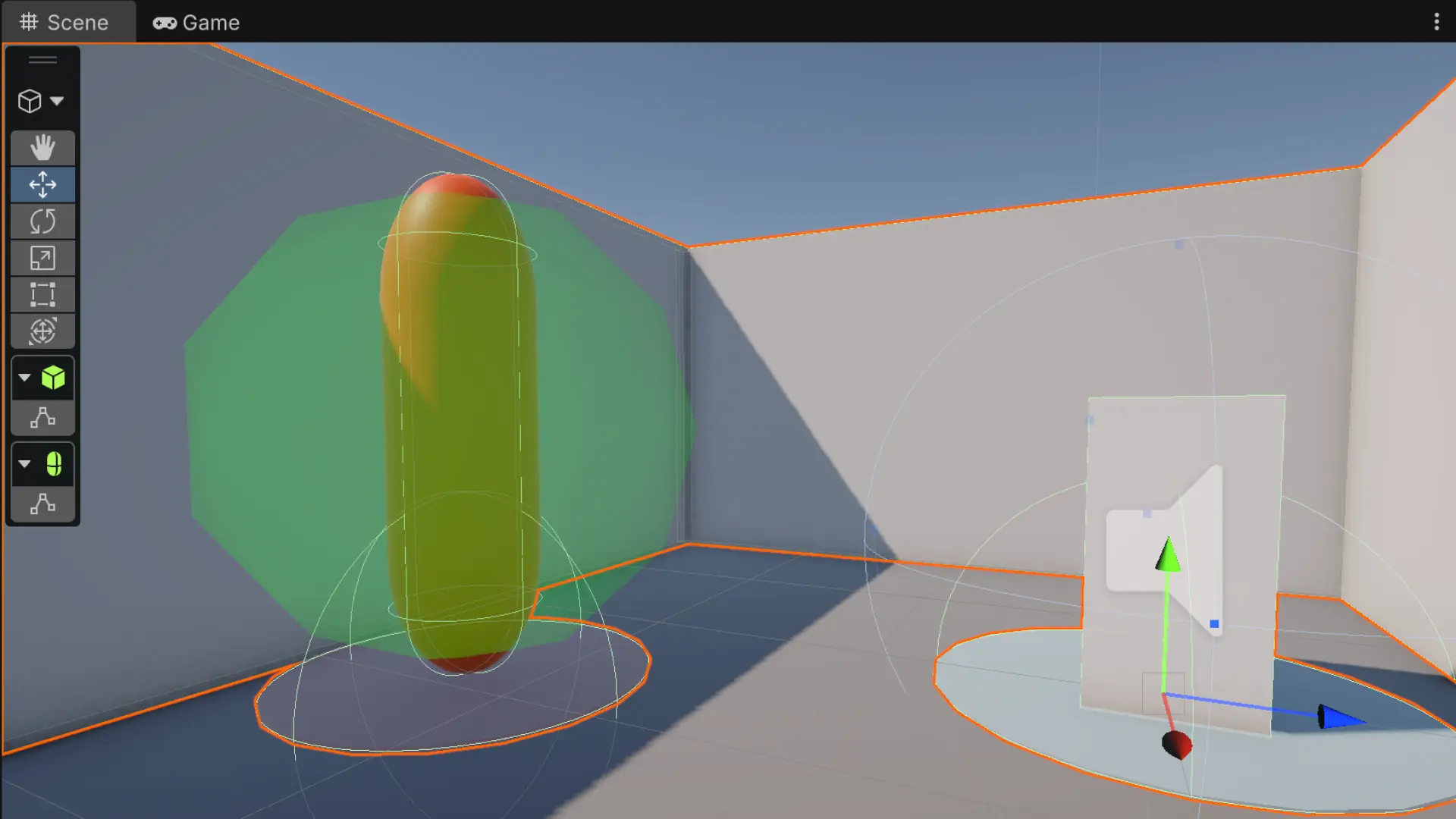
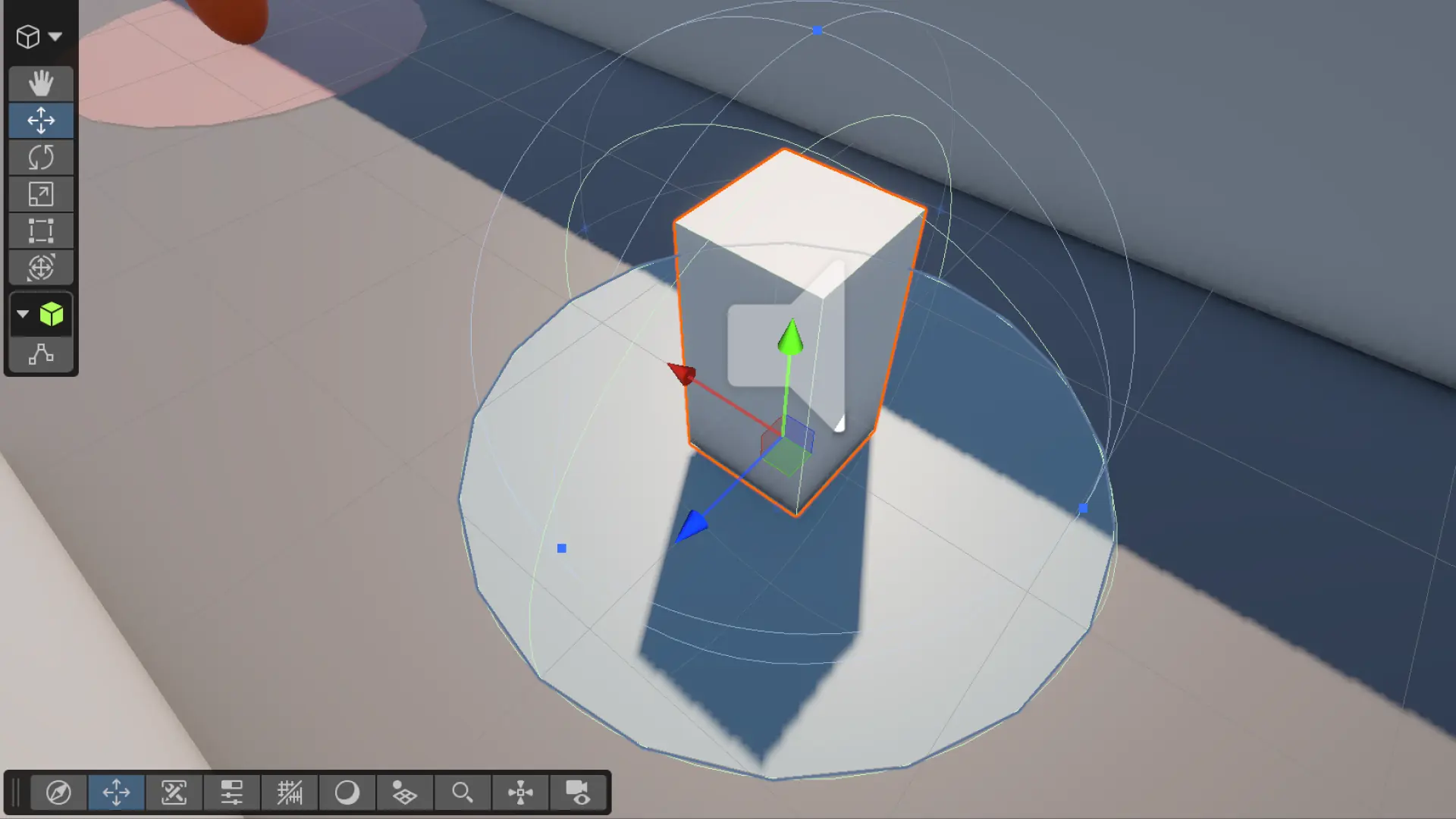
■ Conclusion: Margin can be designed Oshiro Aina's "we'll revisit those settings later…" is not simply a reprimand. Defining personal space as a numerical value and building it into the robot's behavior — that is a technically solvable problem. The moment "don't startle people" becomes a design objective, the KPI shifts from delivery count to quality of experience. Efficiency and reassurance are not opposites. With the right design, they coexist.