

Archive | English 4-Koma
4コママンガarrow_forward
Keeping Panic from Becoming the Way In
How to Deliver on a Disconnected Day
Writing "About Right" as a Tolerance Range
Let People Find the First Corner
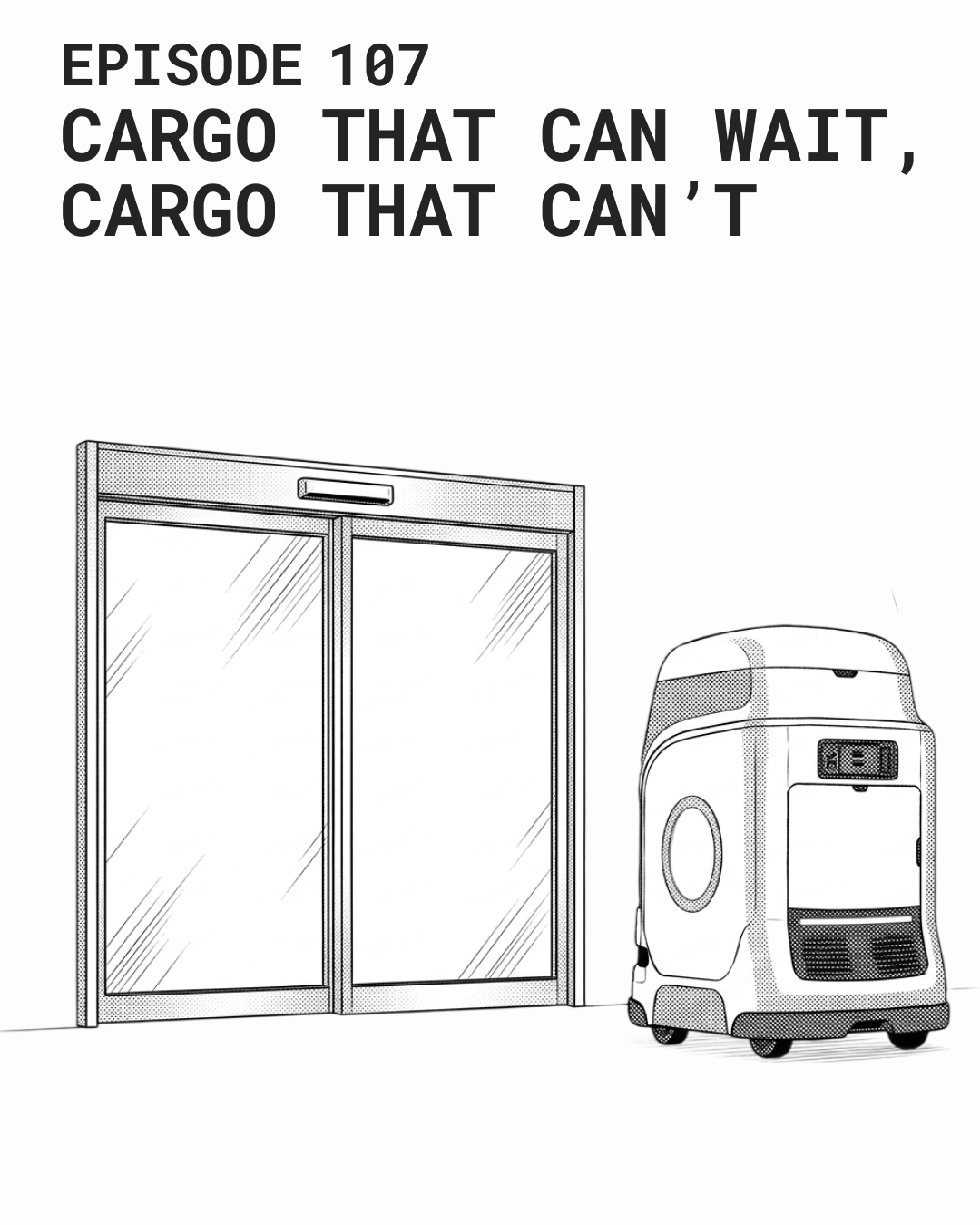
Let the Cargo Decide What Happens After a Stop

What an Undeletable Record Is Really For
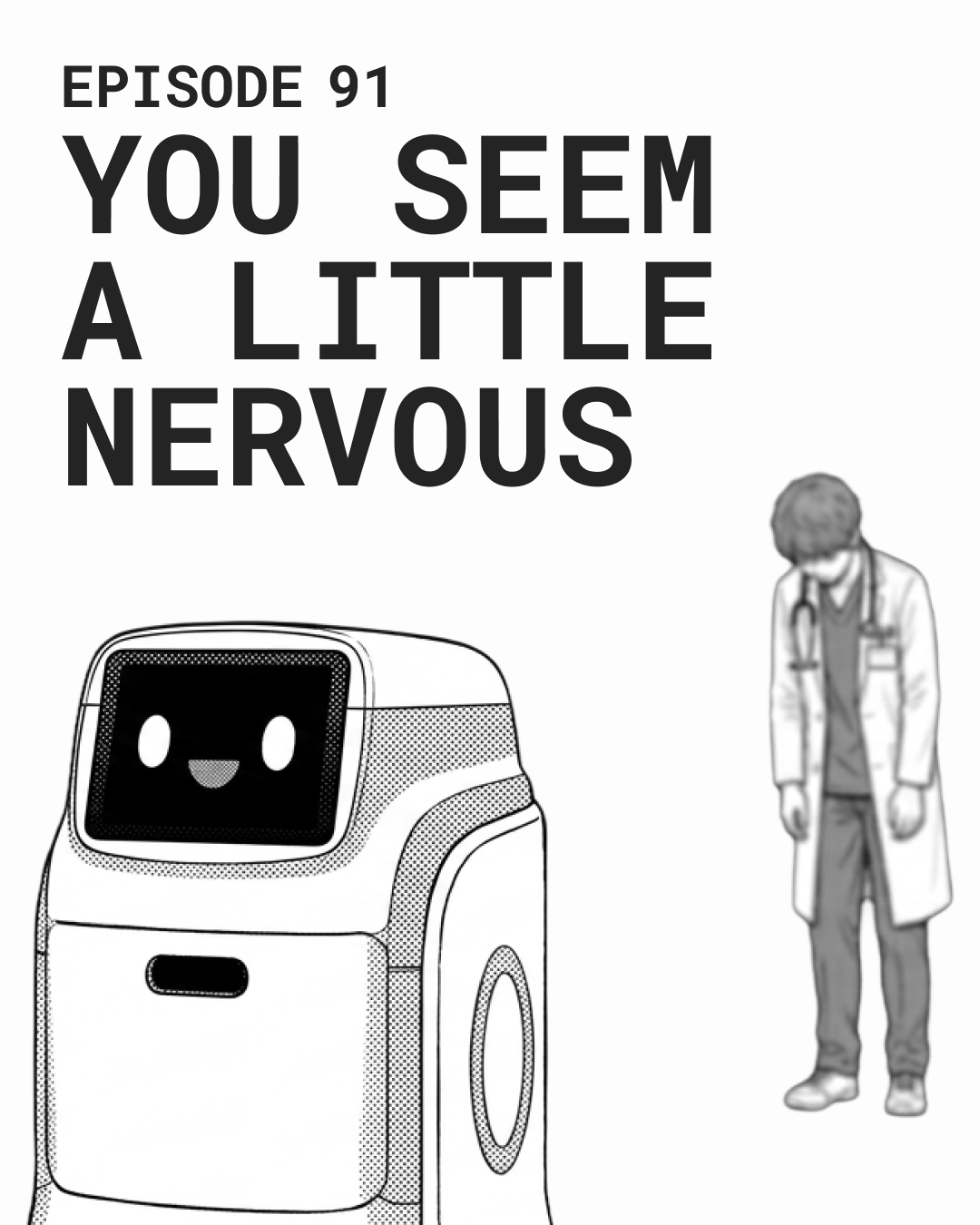
Where Sensed Body Signals Should Be Delivered
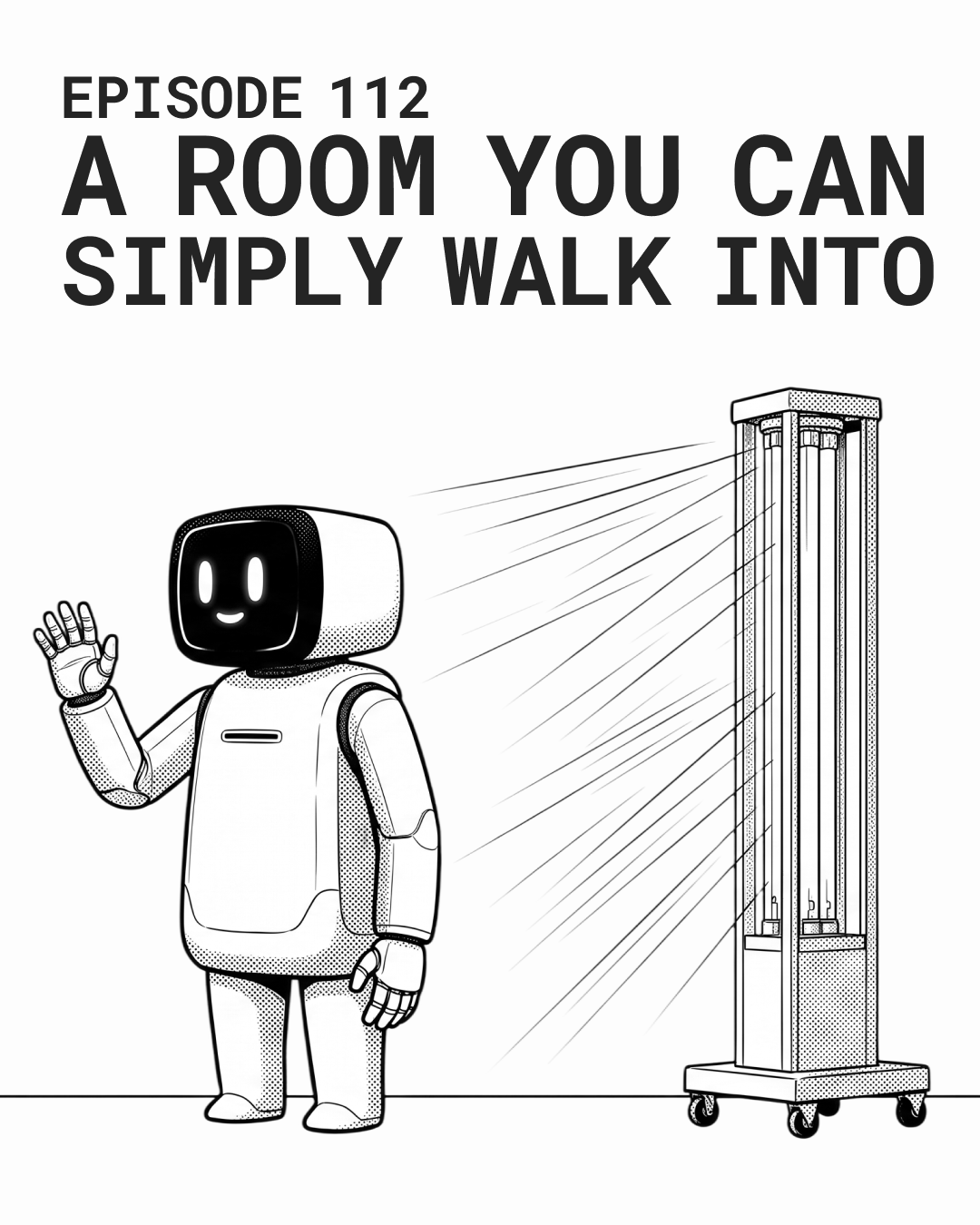
Being Close Through a Borrowed Body
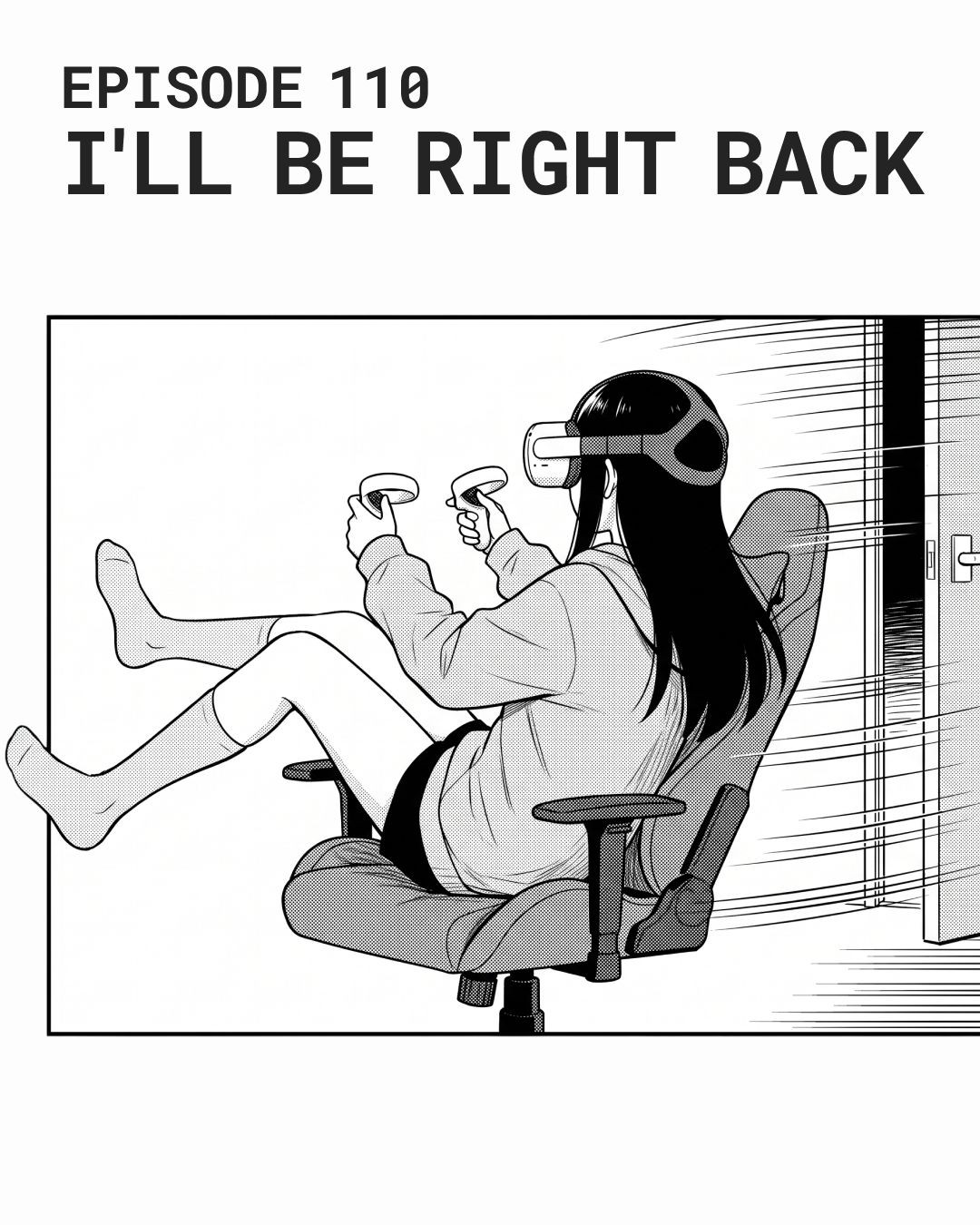
Designing Robots That Don't Hide Absence
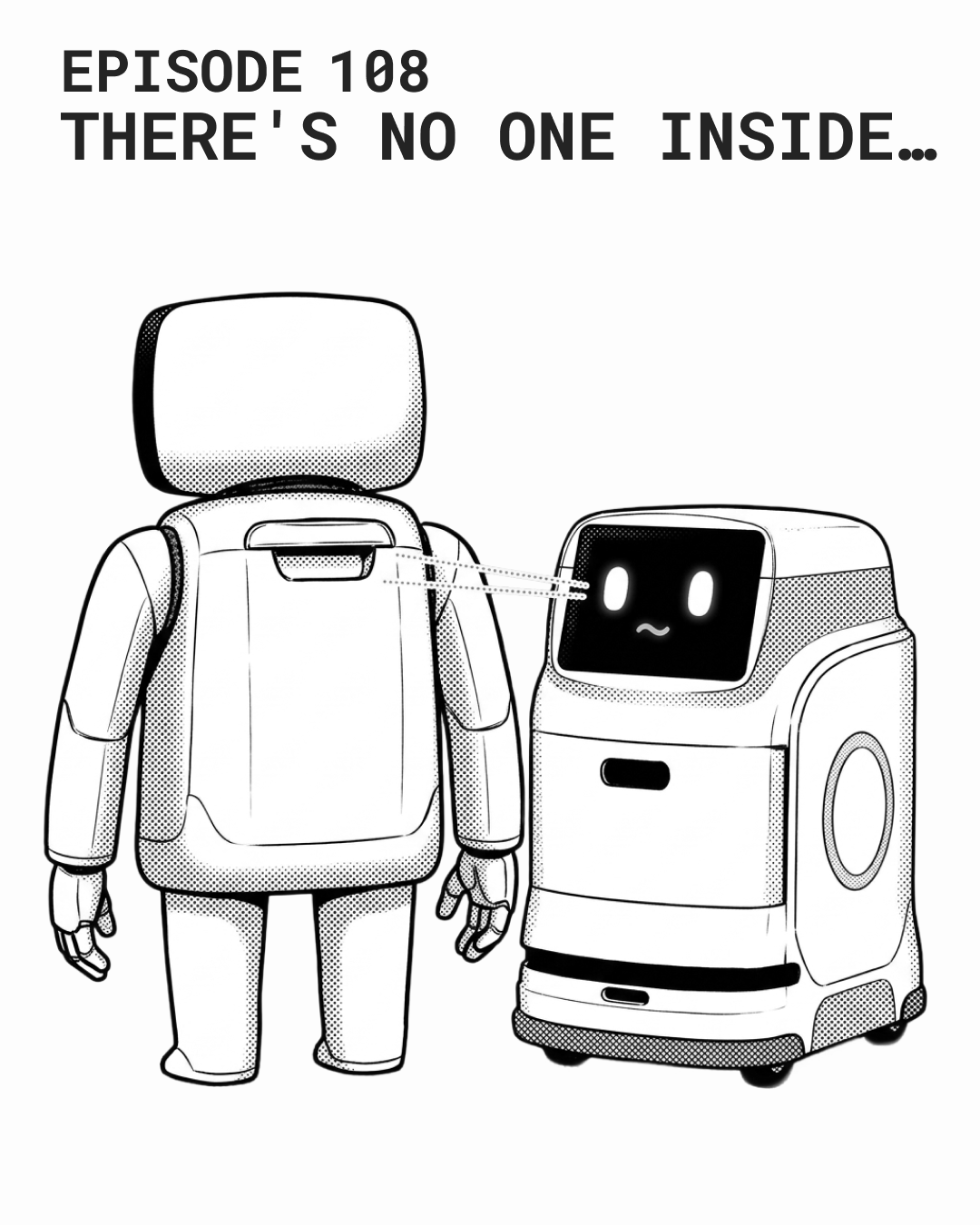
Showing Who Moves the Machine, Through Its Eyes

The Hedge That Got Lost in Summary
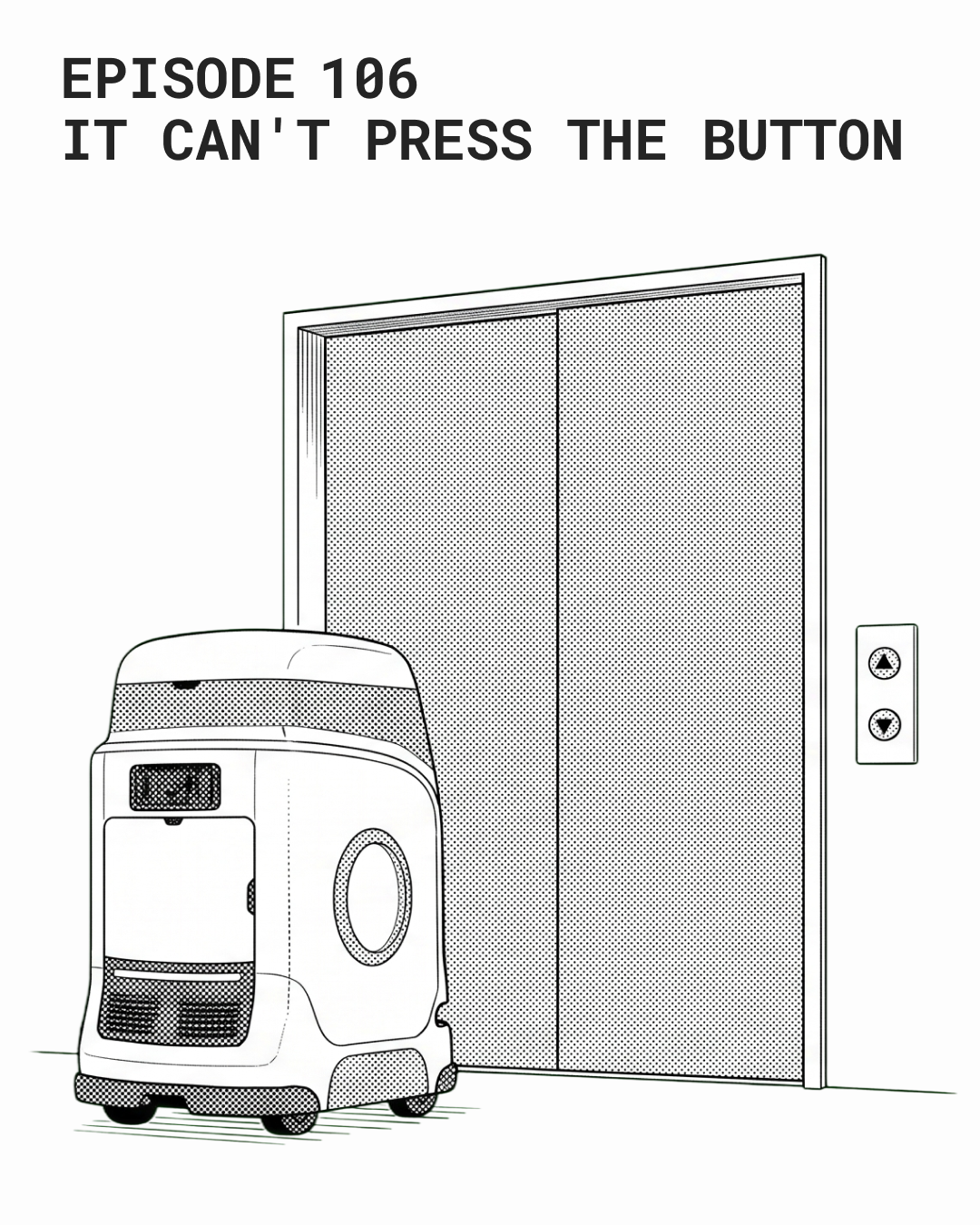
What the Night Elevator Asks
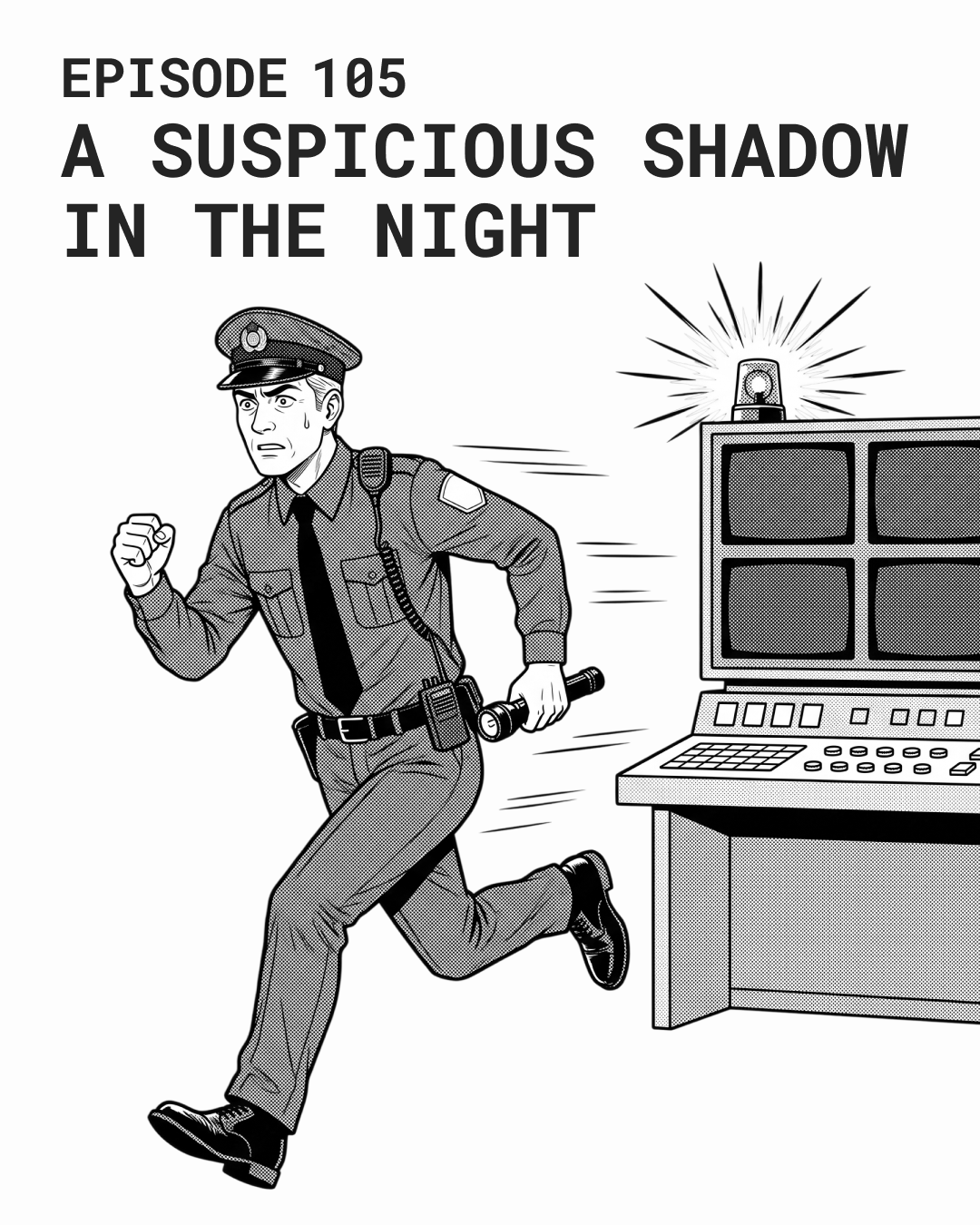
Keeping Alarms Worth Believing After Dark
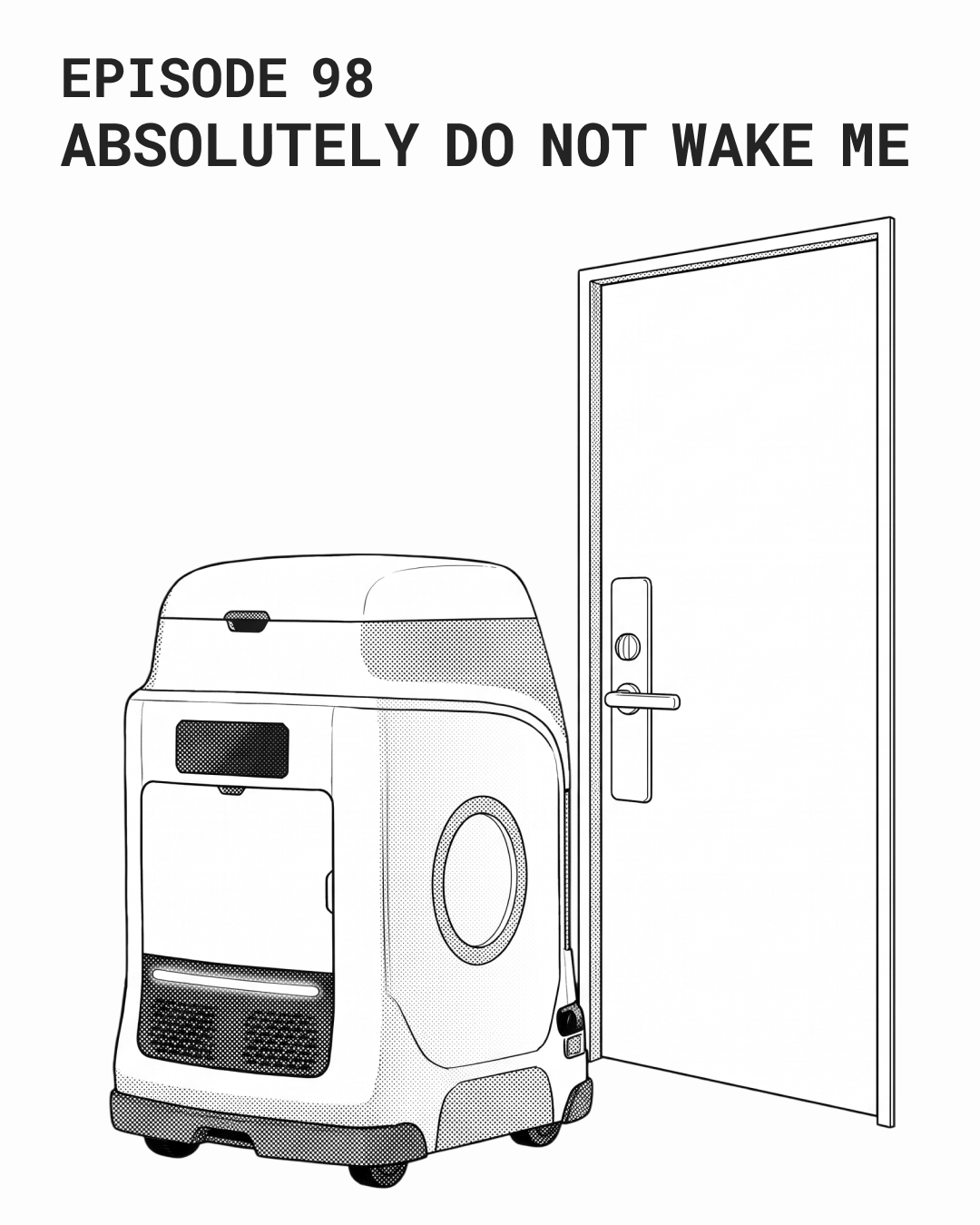
When It Is Right to Break an Order
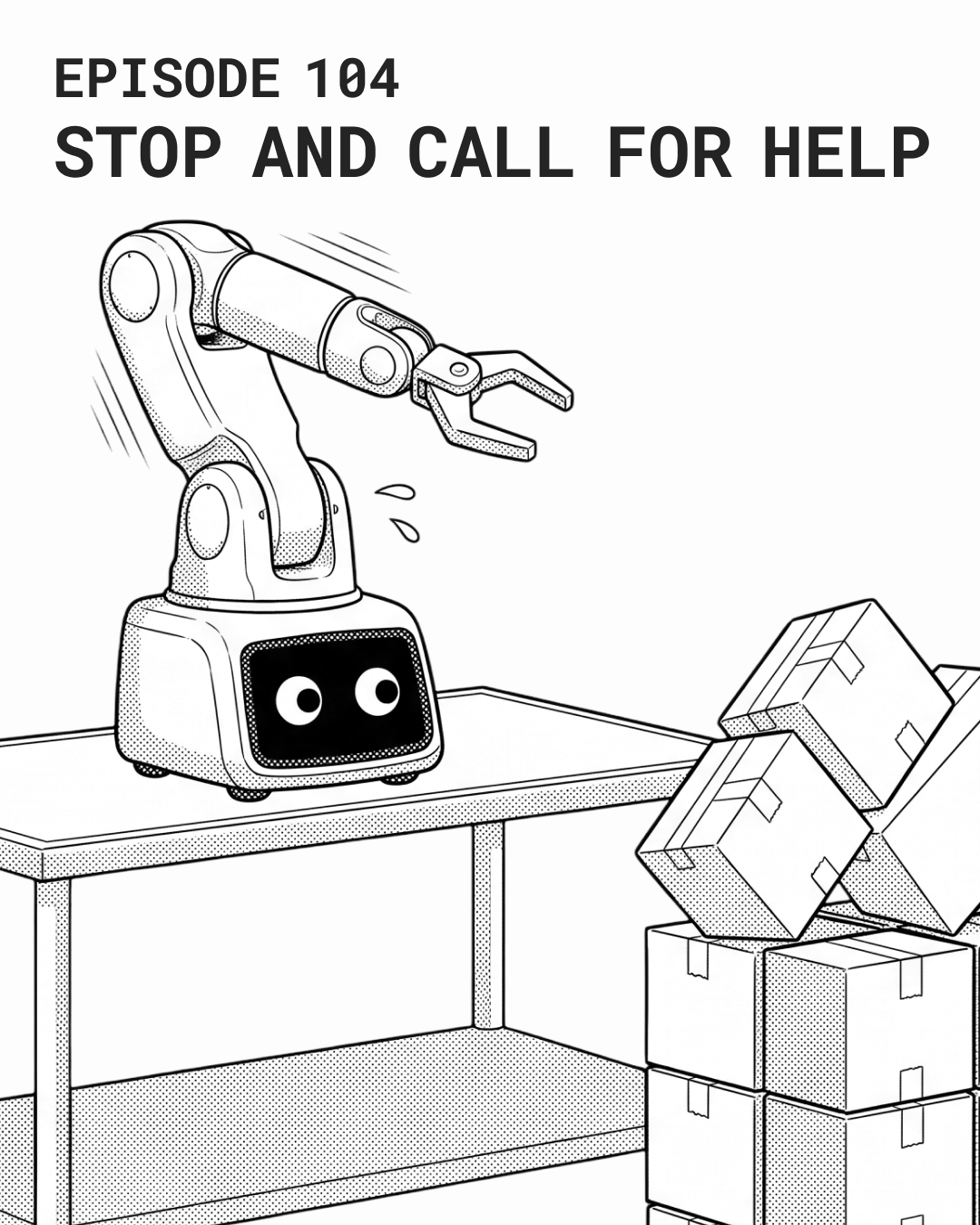
The Machine That Stops Keeps the Night Running
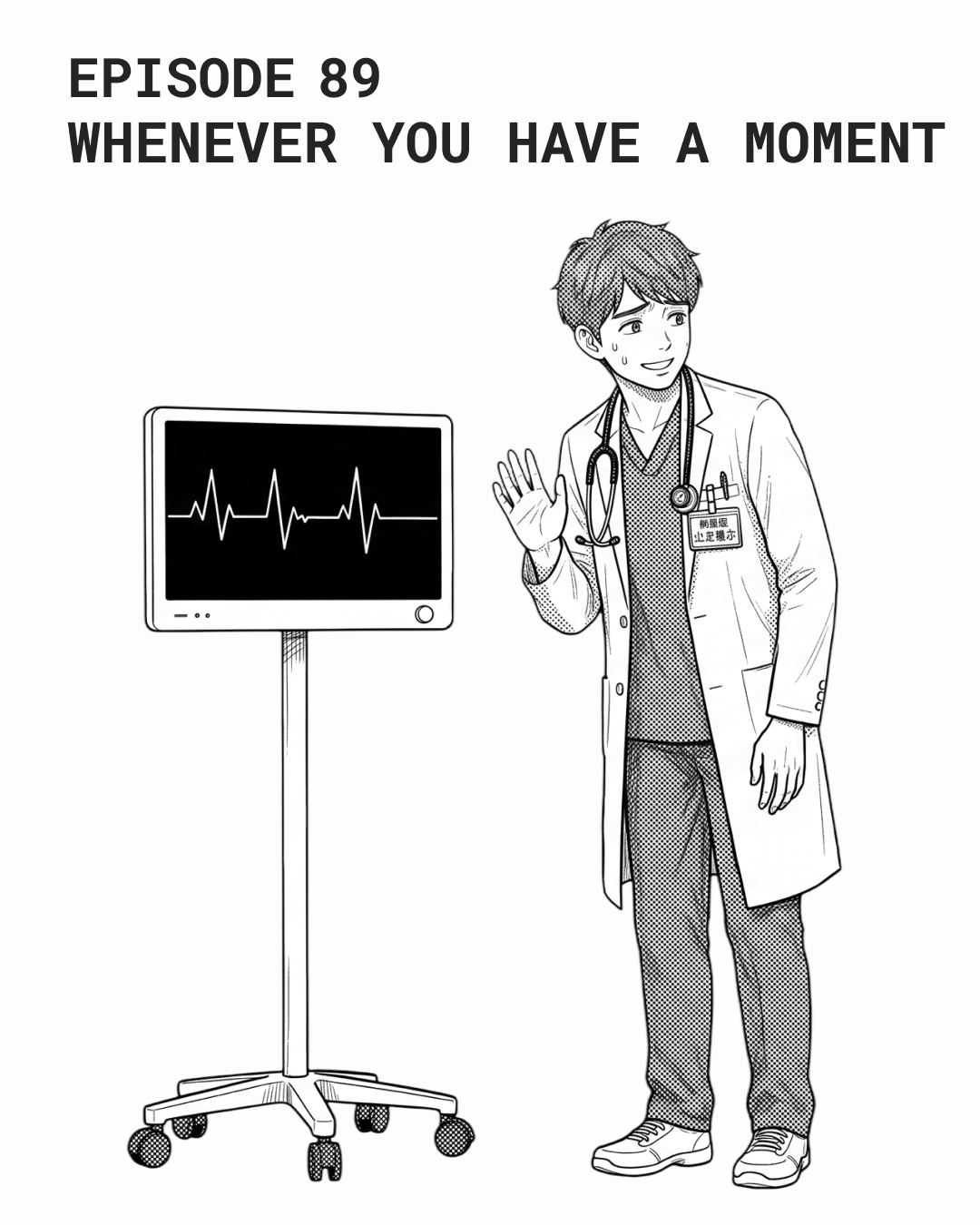
When Politeness Hides Urgency, Ask Instead of Guess
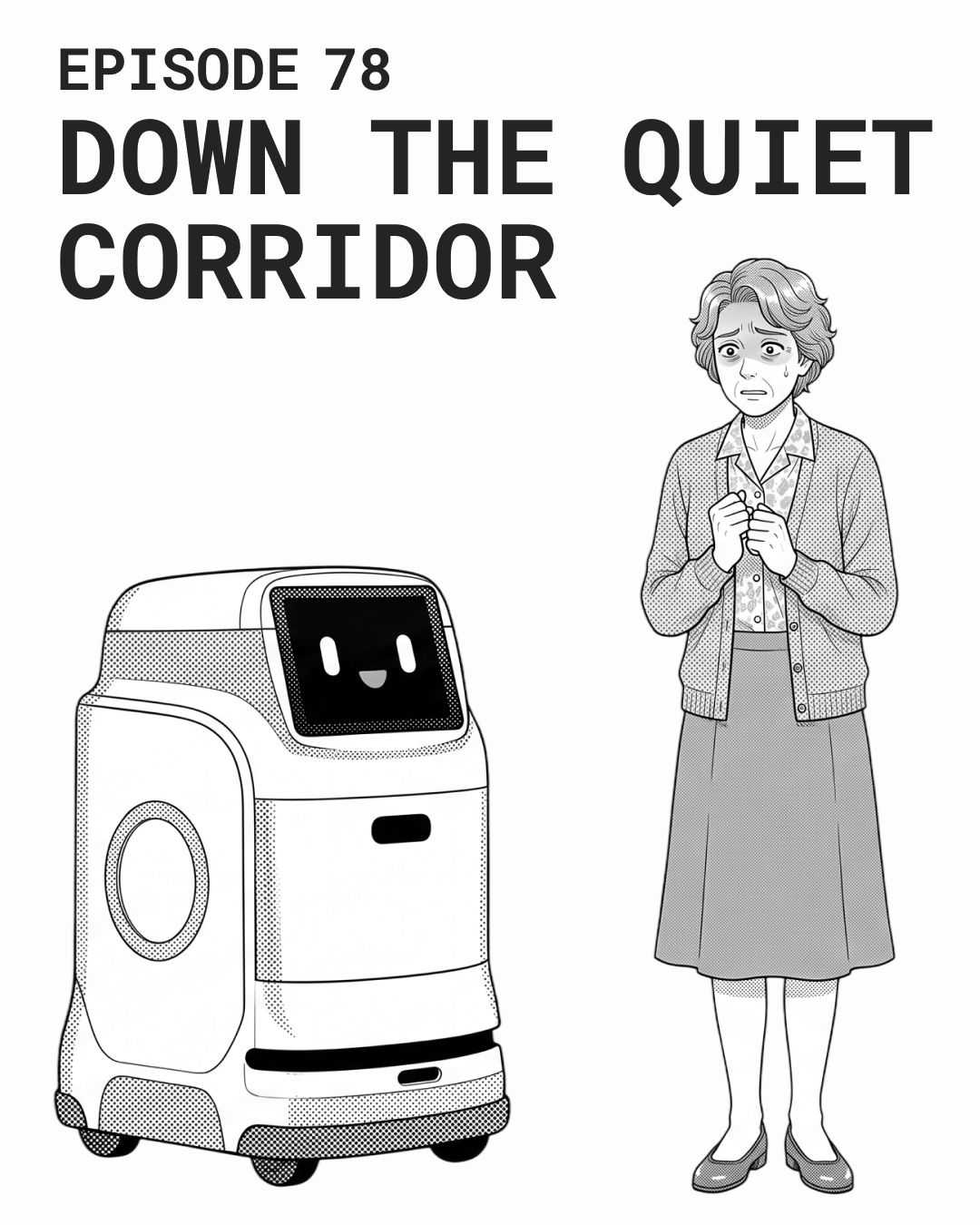
Knowing When to Turn the Brightness Down
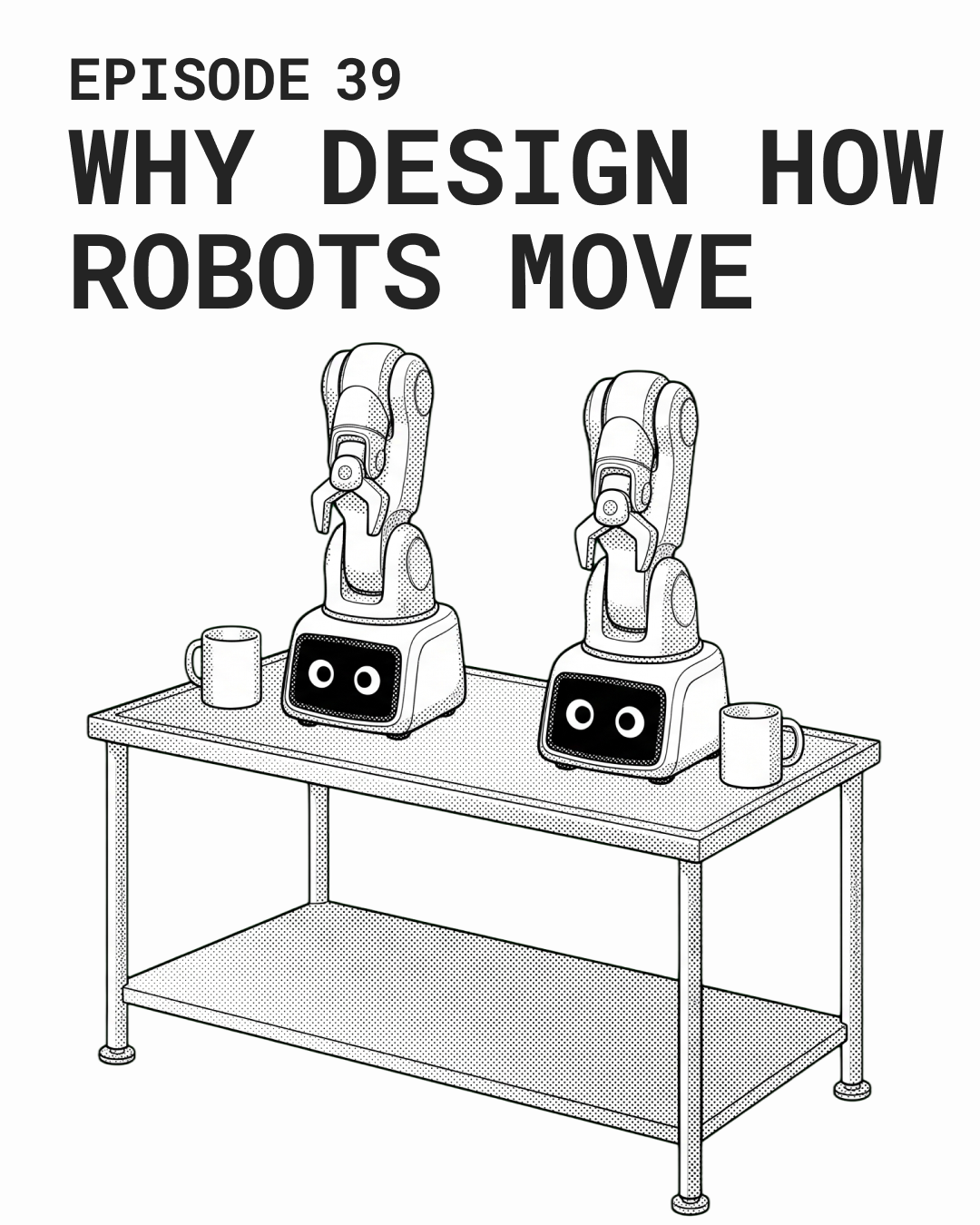
Motion Is Read as Personality

When It Starts, Decide How It Ends
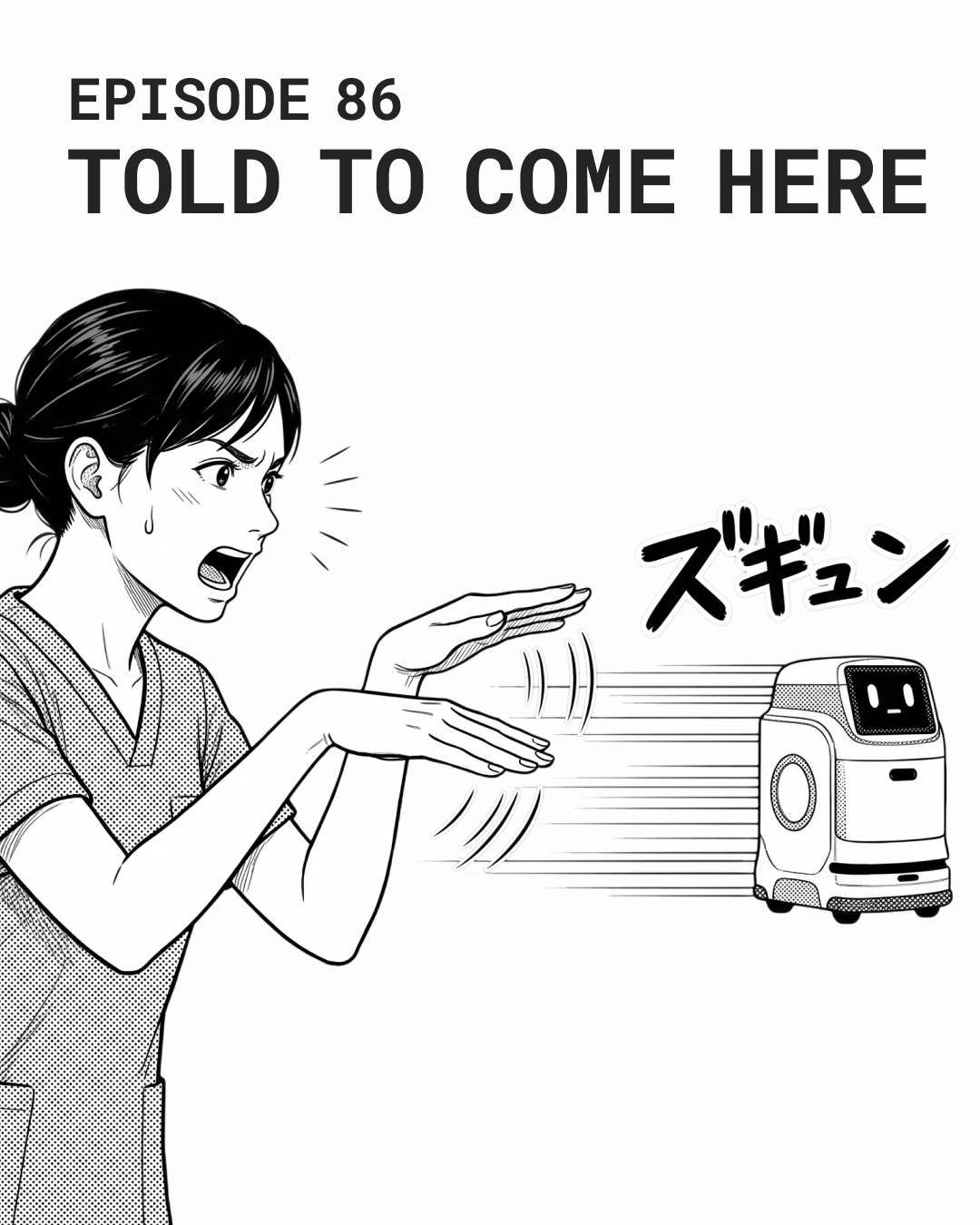
A Beckon Is Not Universal
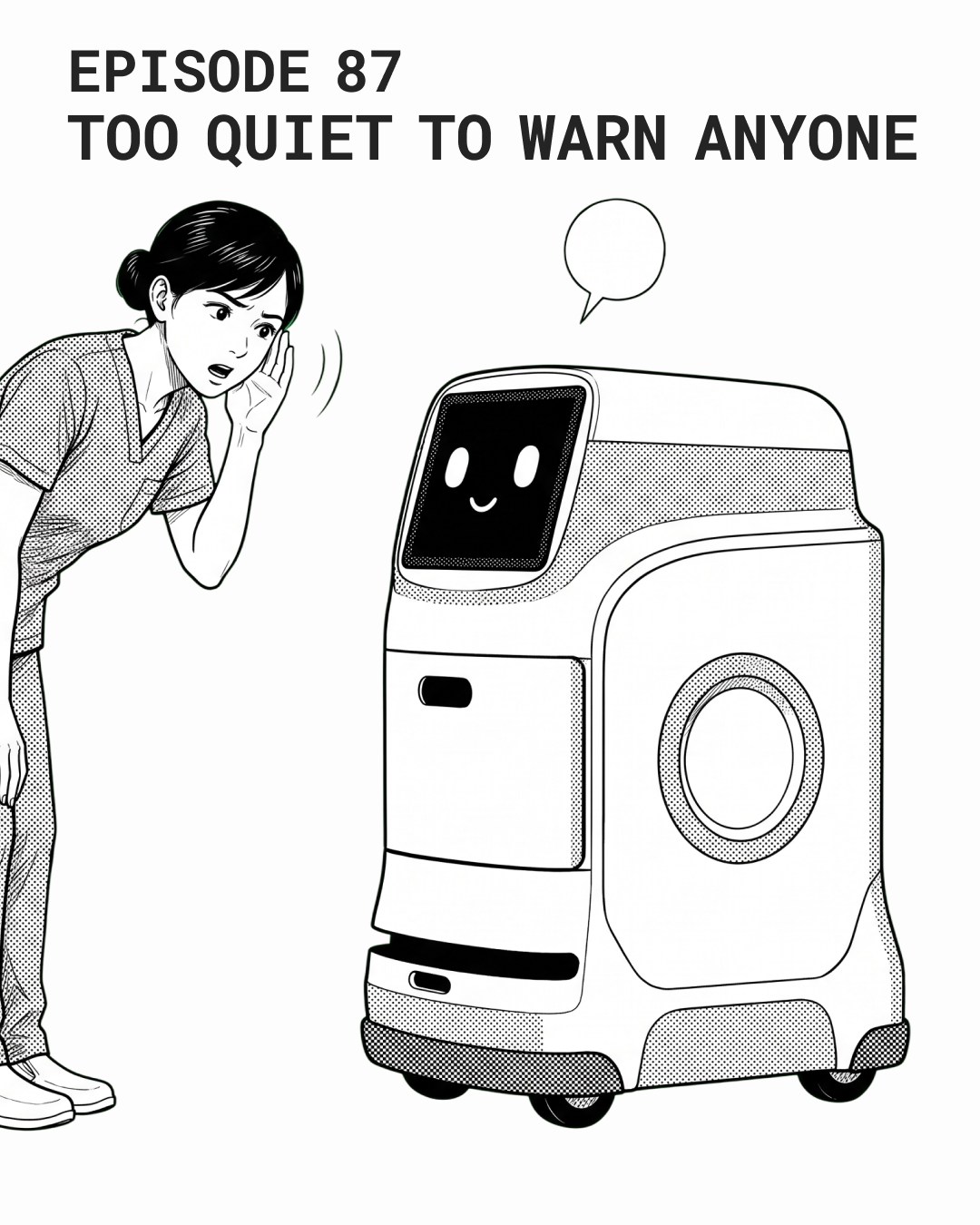
When Silence Swallows the Warning
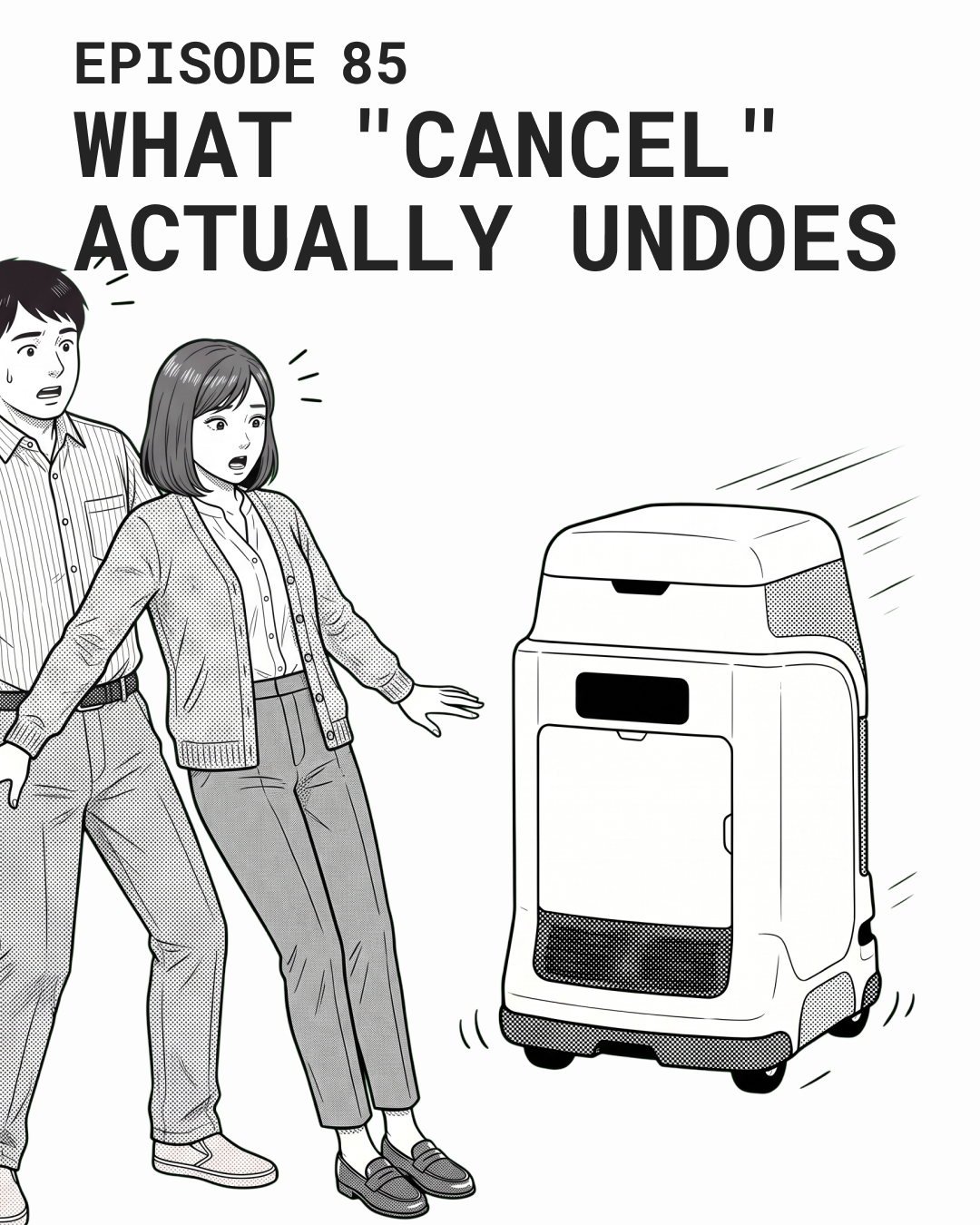
The Hidden Cost of Going Back
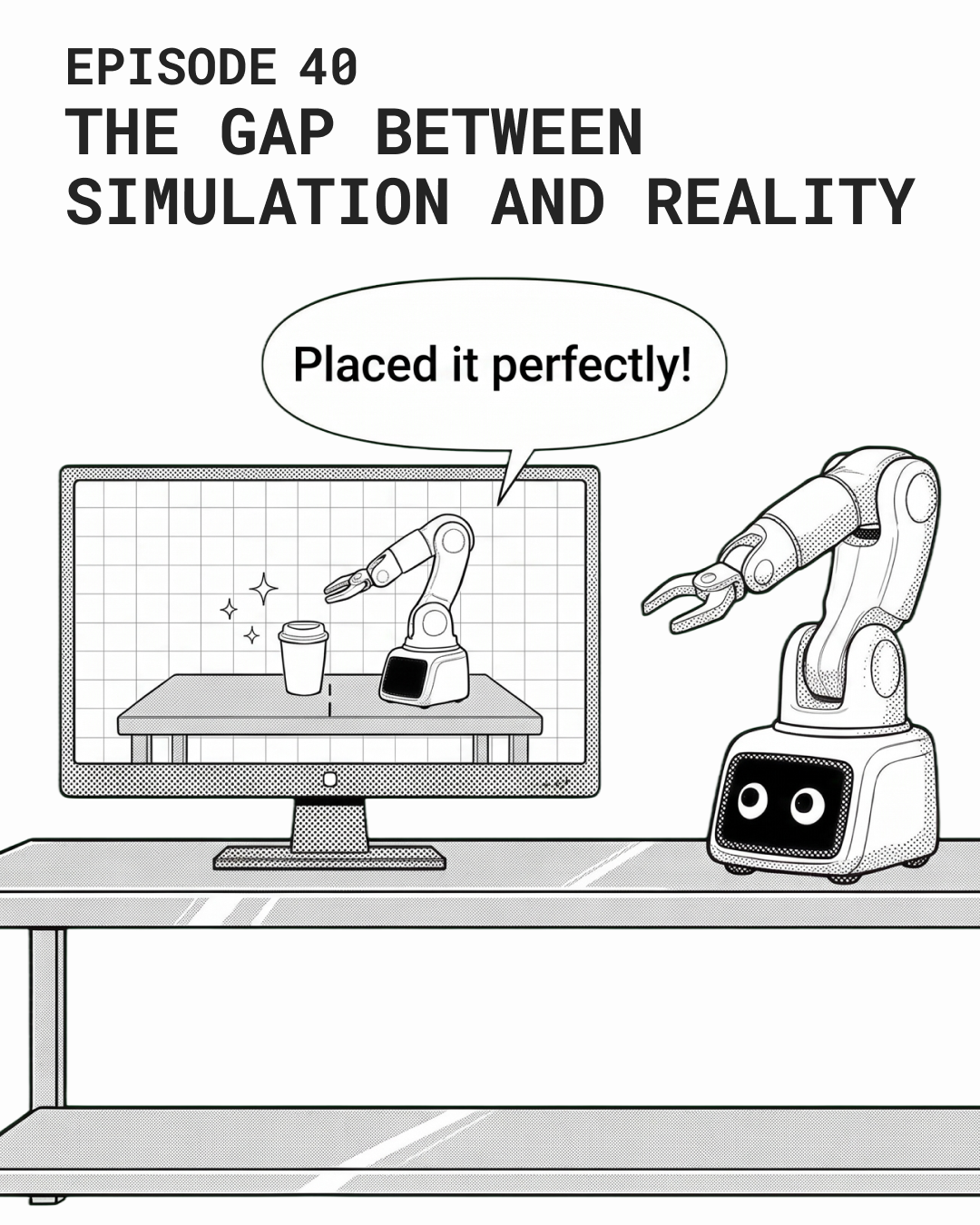
Perfect on Screen, Wobbly in Reality
A Voice Is Not a Key
Design Confirmations by Weight, Not by Count
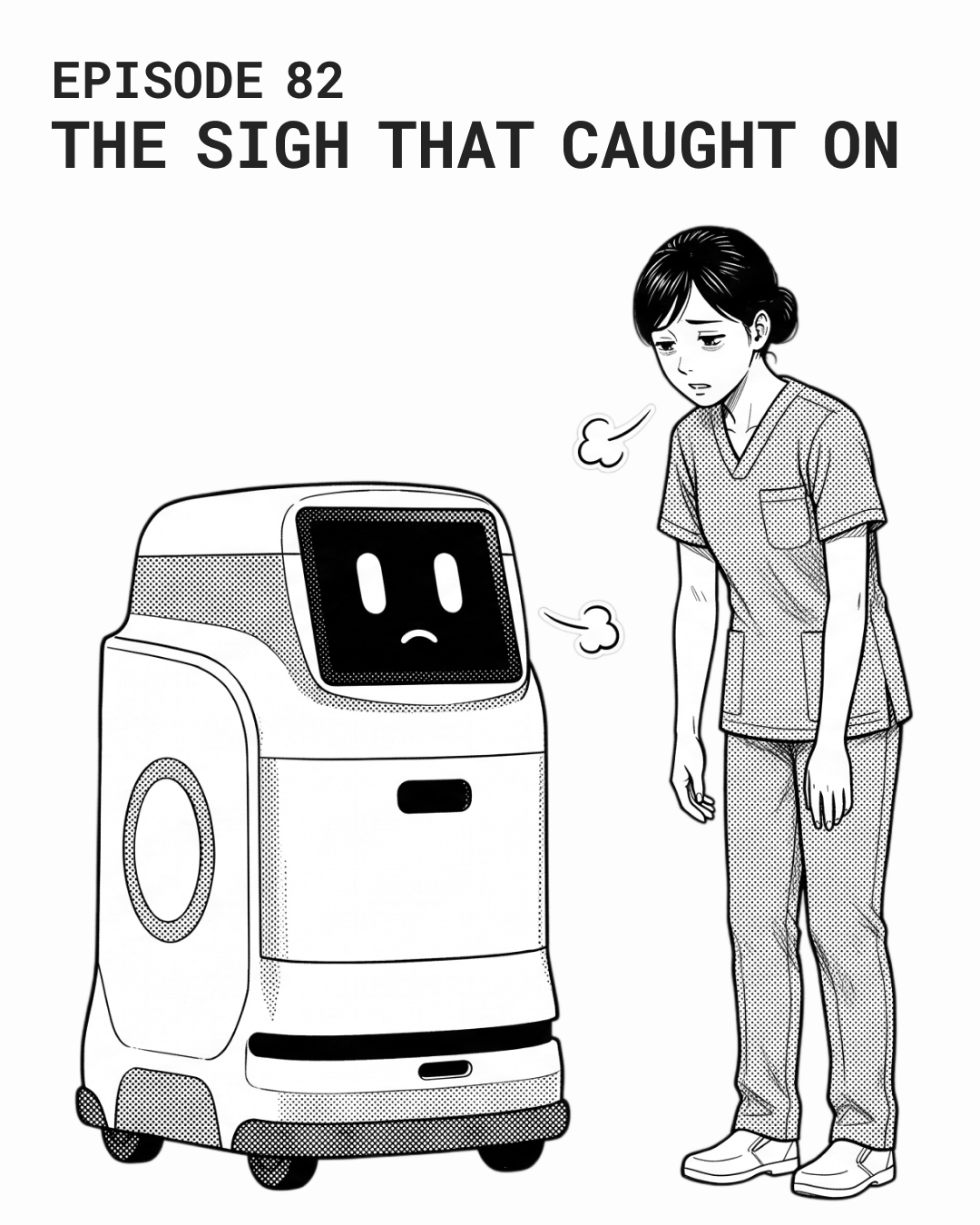
Designing the Emotions a Robot Should Not Return
Show Where Decoration Is Allowed, First
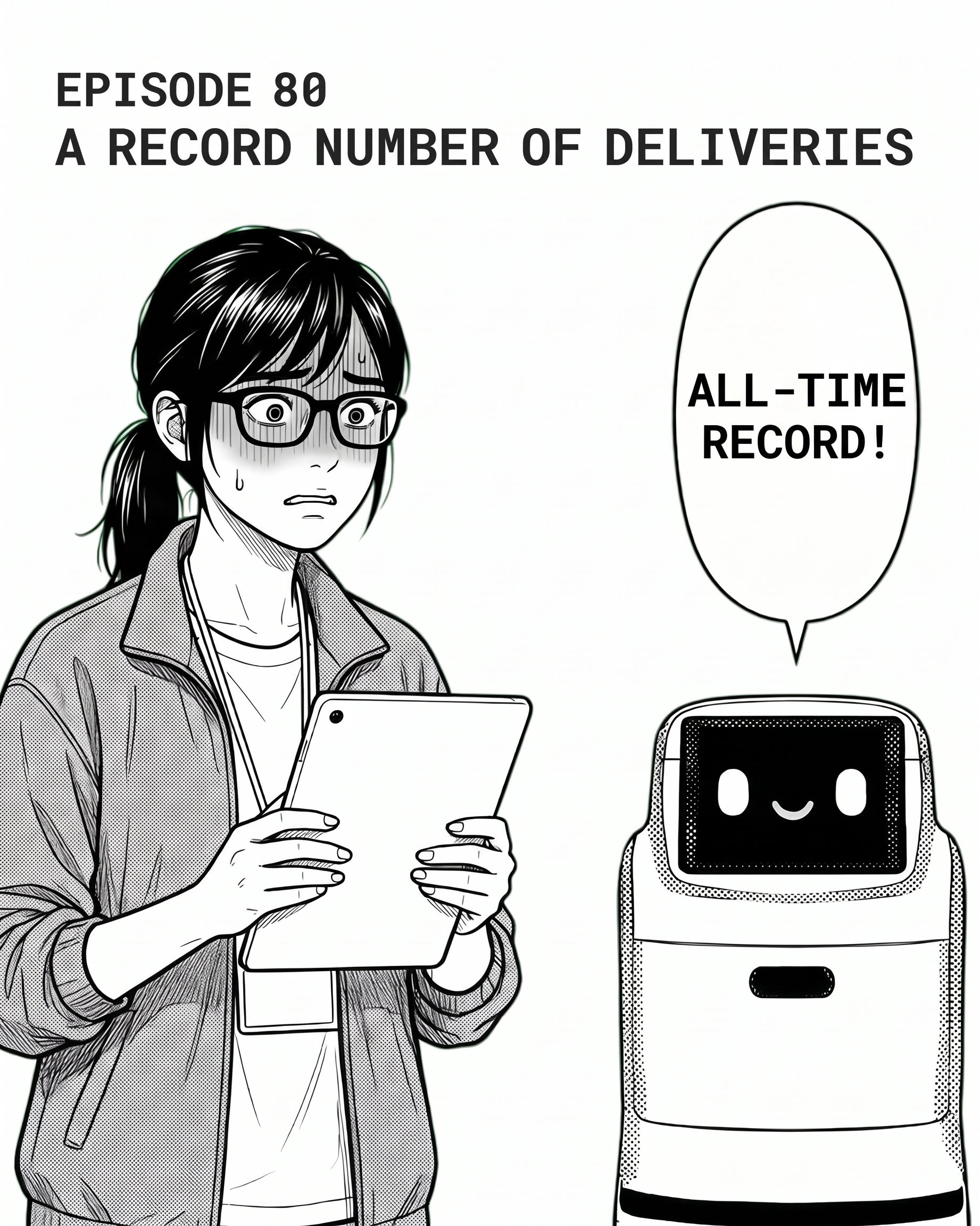
Numbers Don't Know What You Want
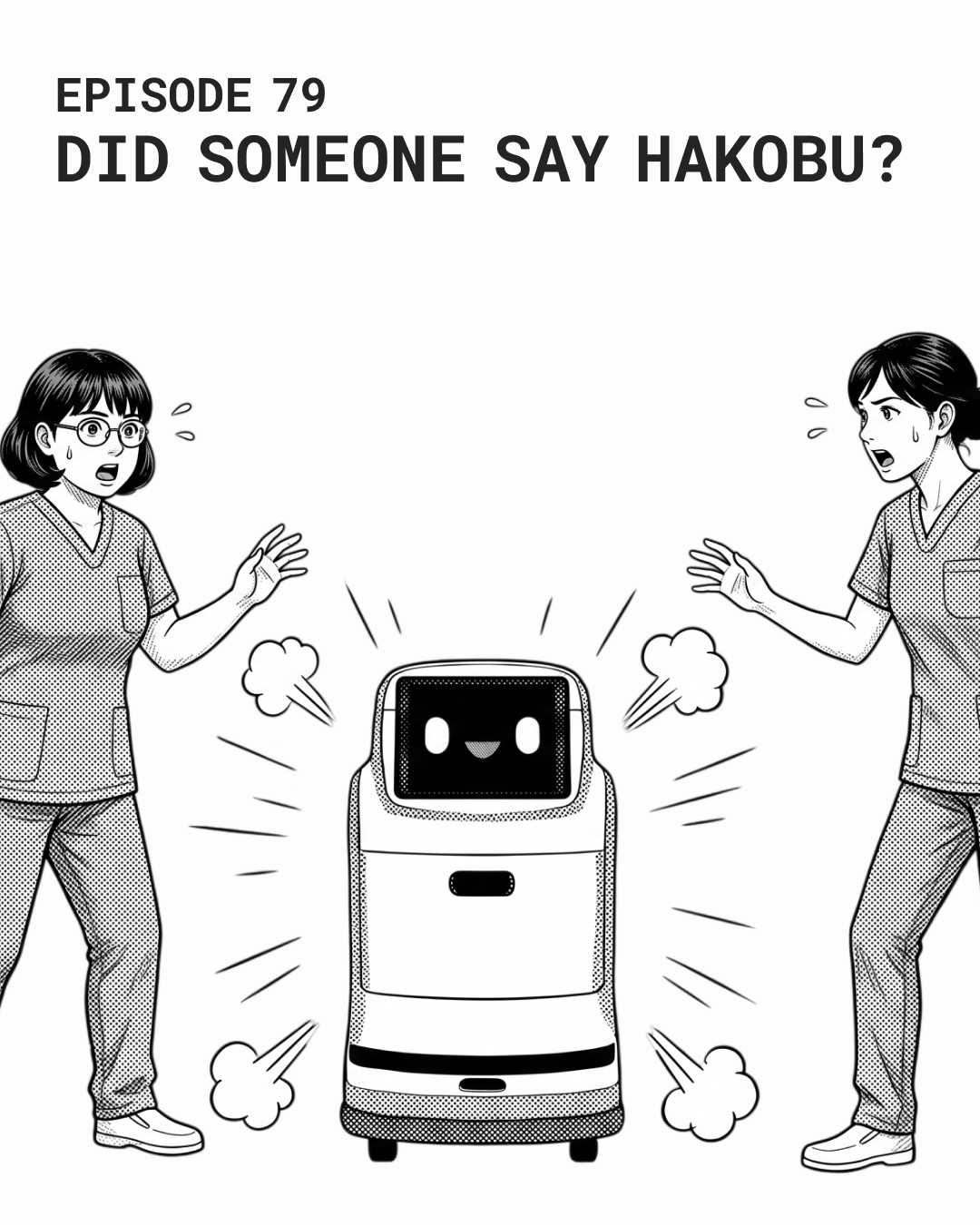
Wake Words Should Not Sound Like Daily Speech
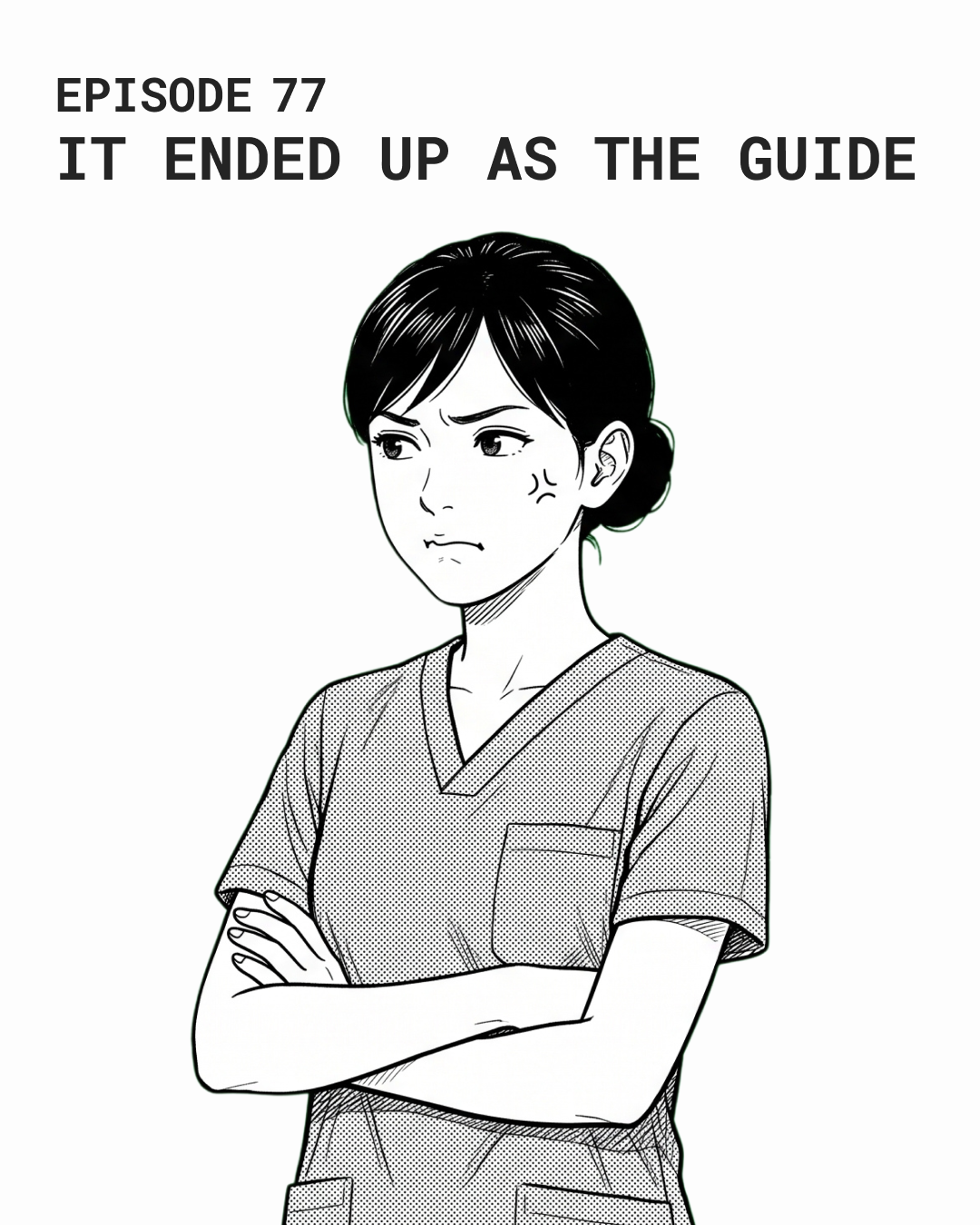
Refusal Criteria Belong in the Spec
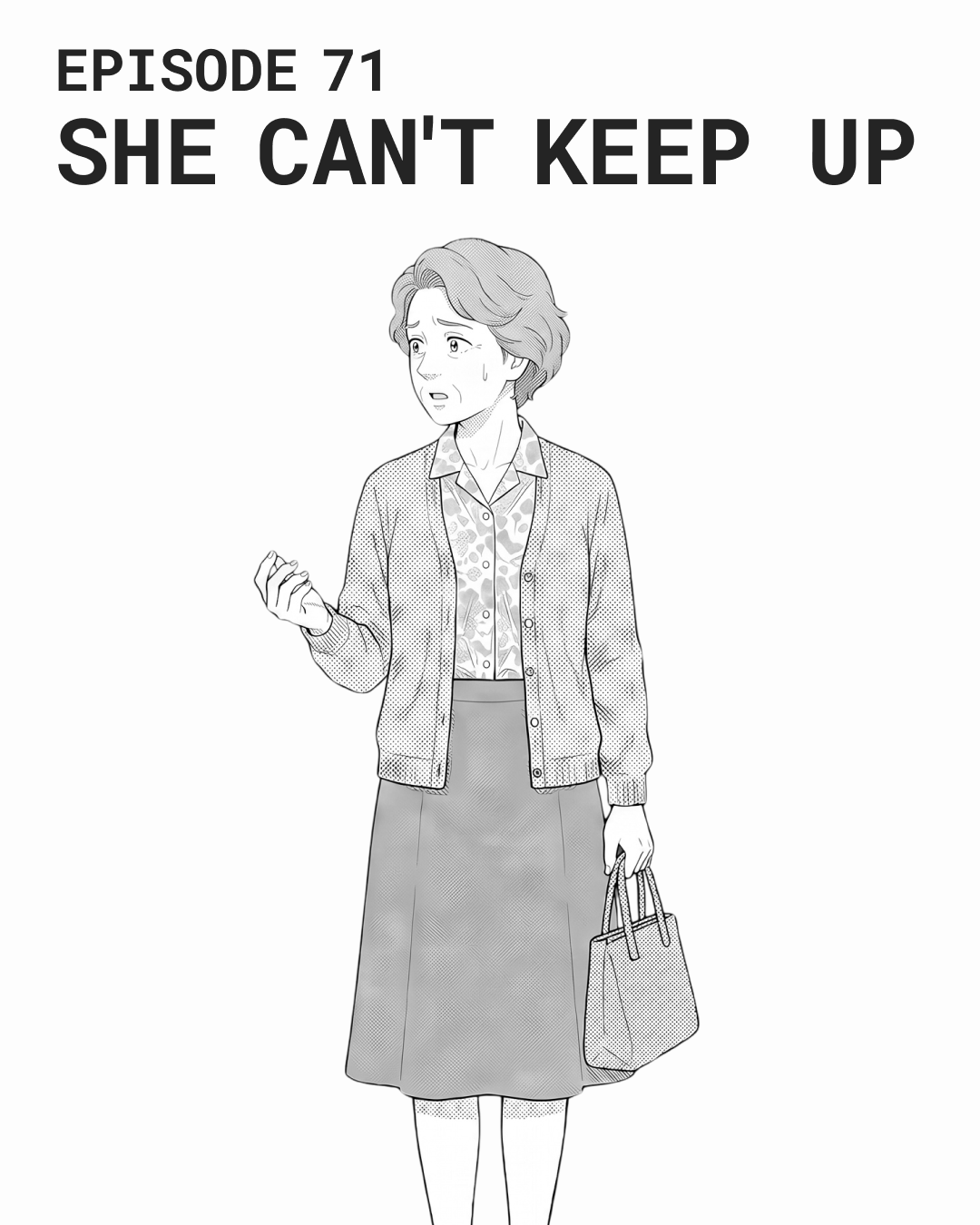
Whose Pace Decides the Journey
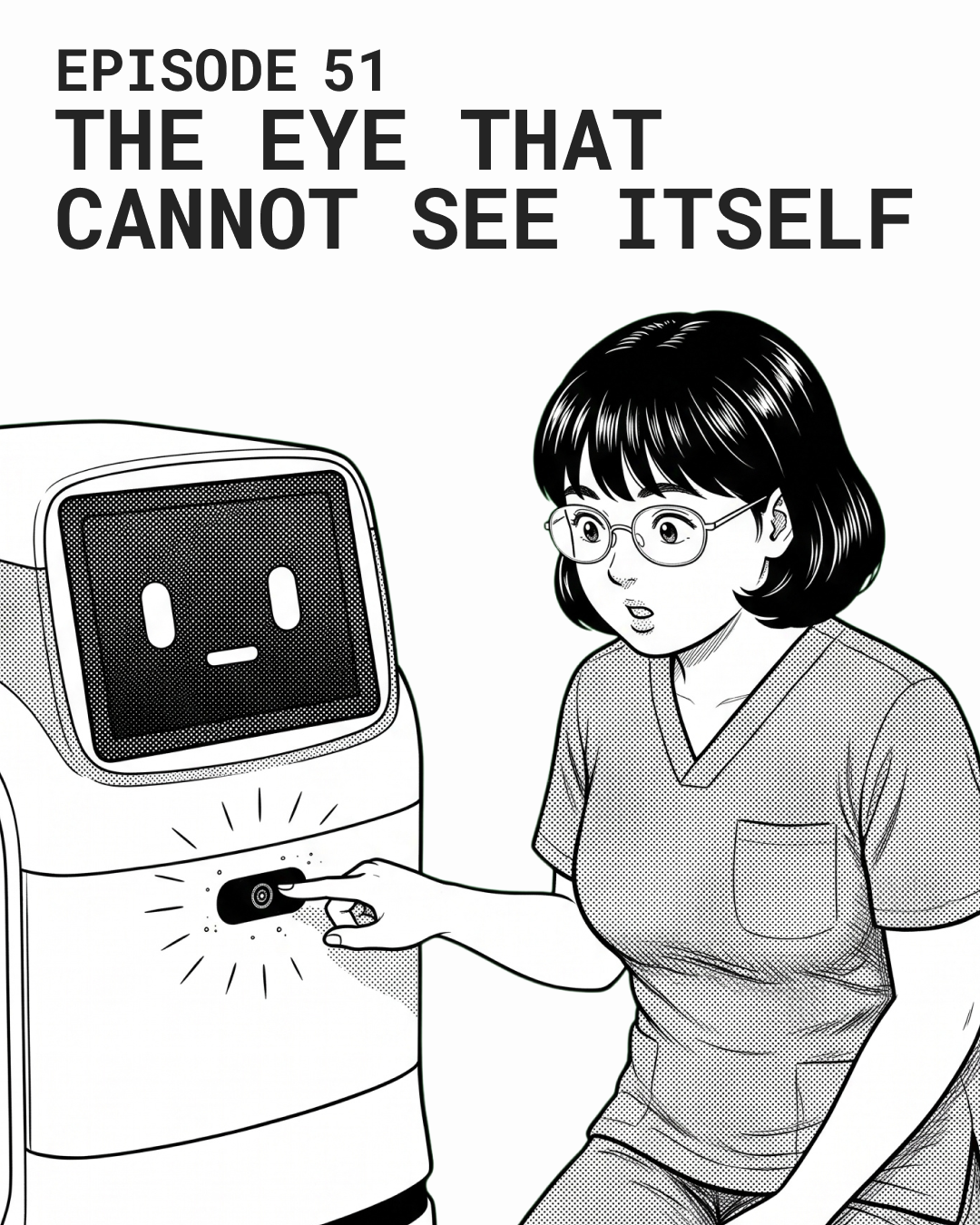
The Blind Spot Inside Self-Diagnosis
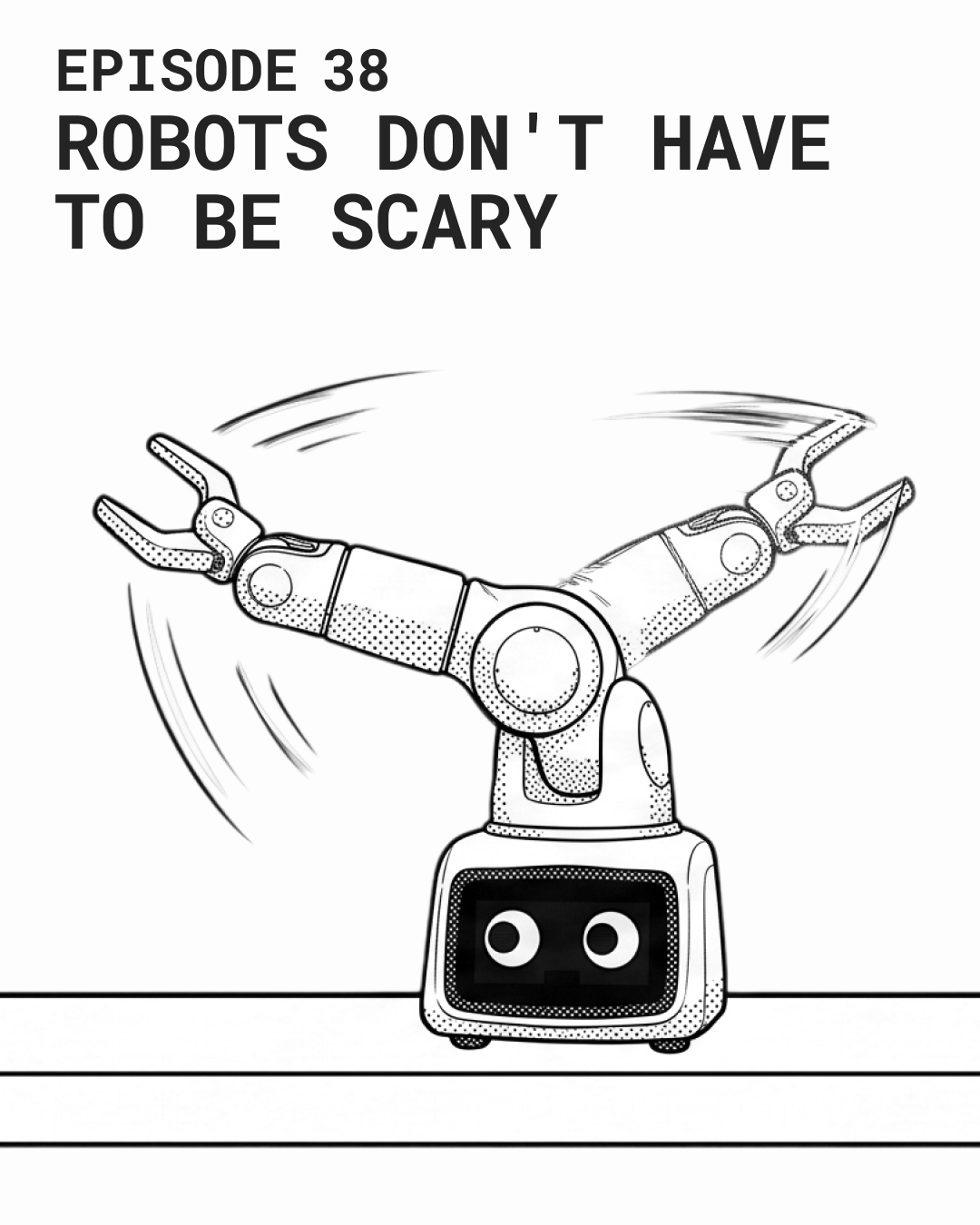
Speed Is a Safety Feature
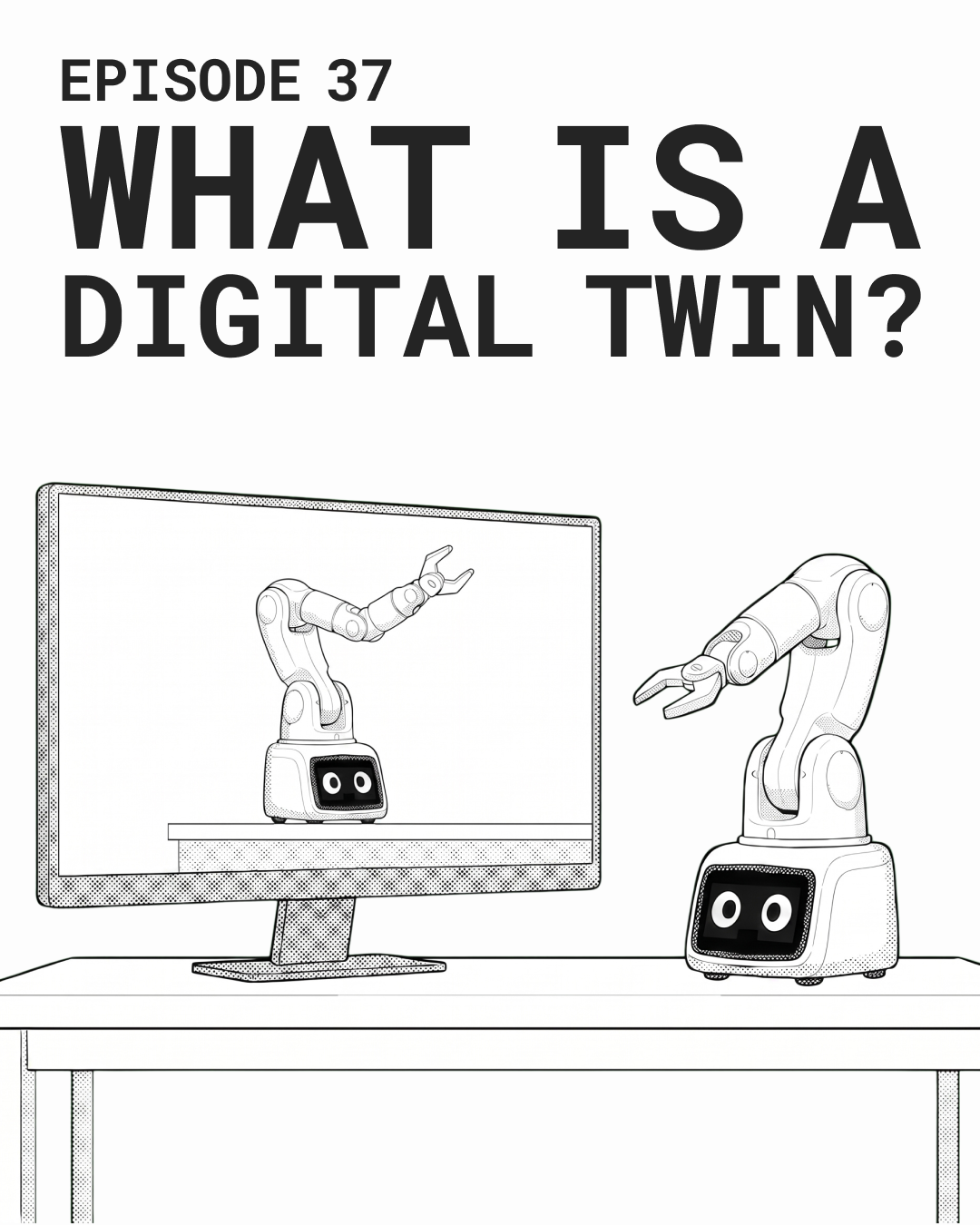
Let the Copy Fail First
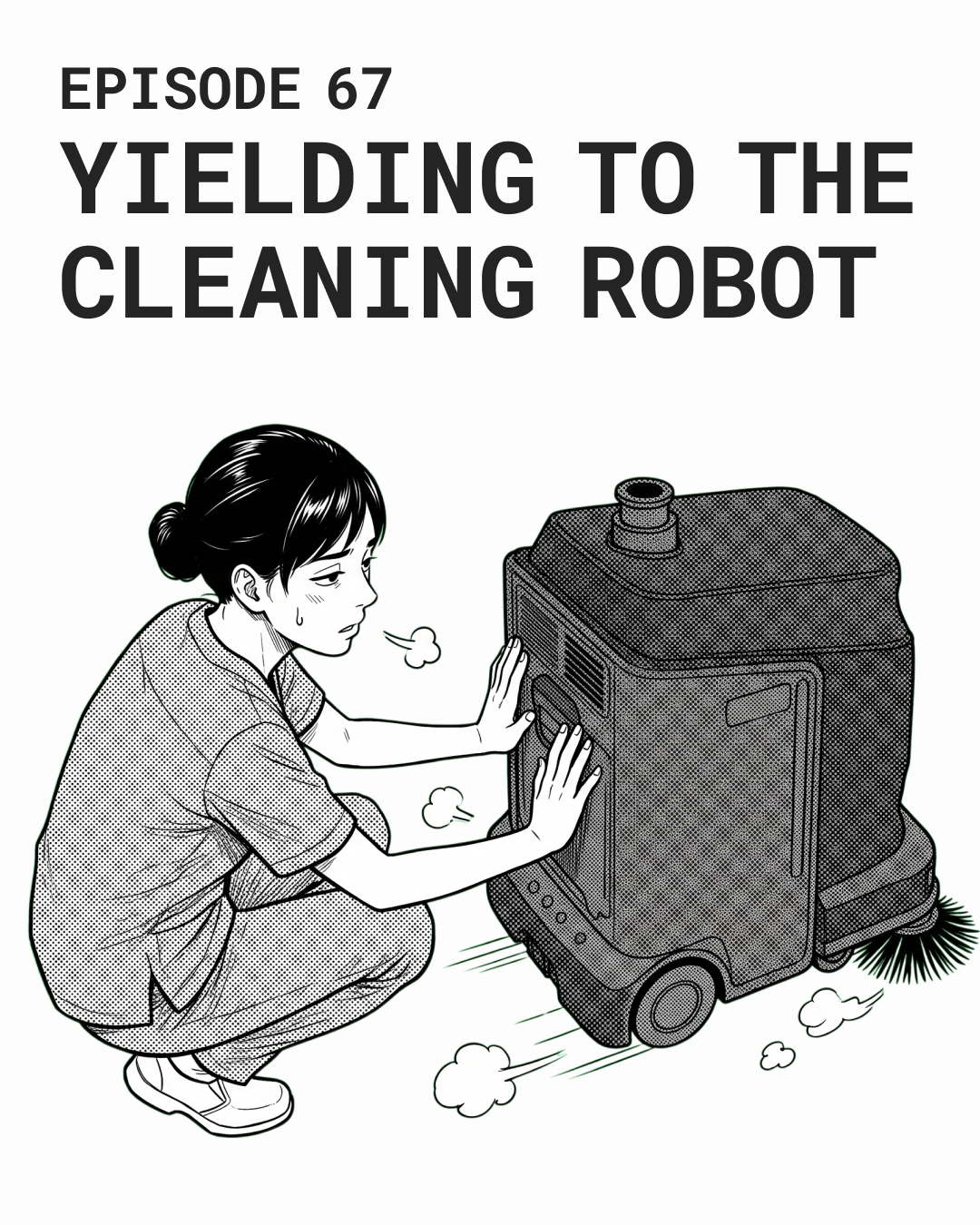
When Politeness Becomes a Deadlock
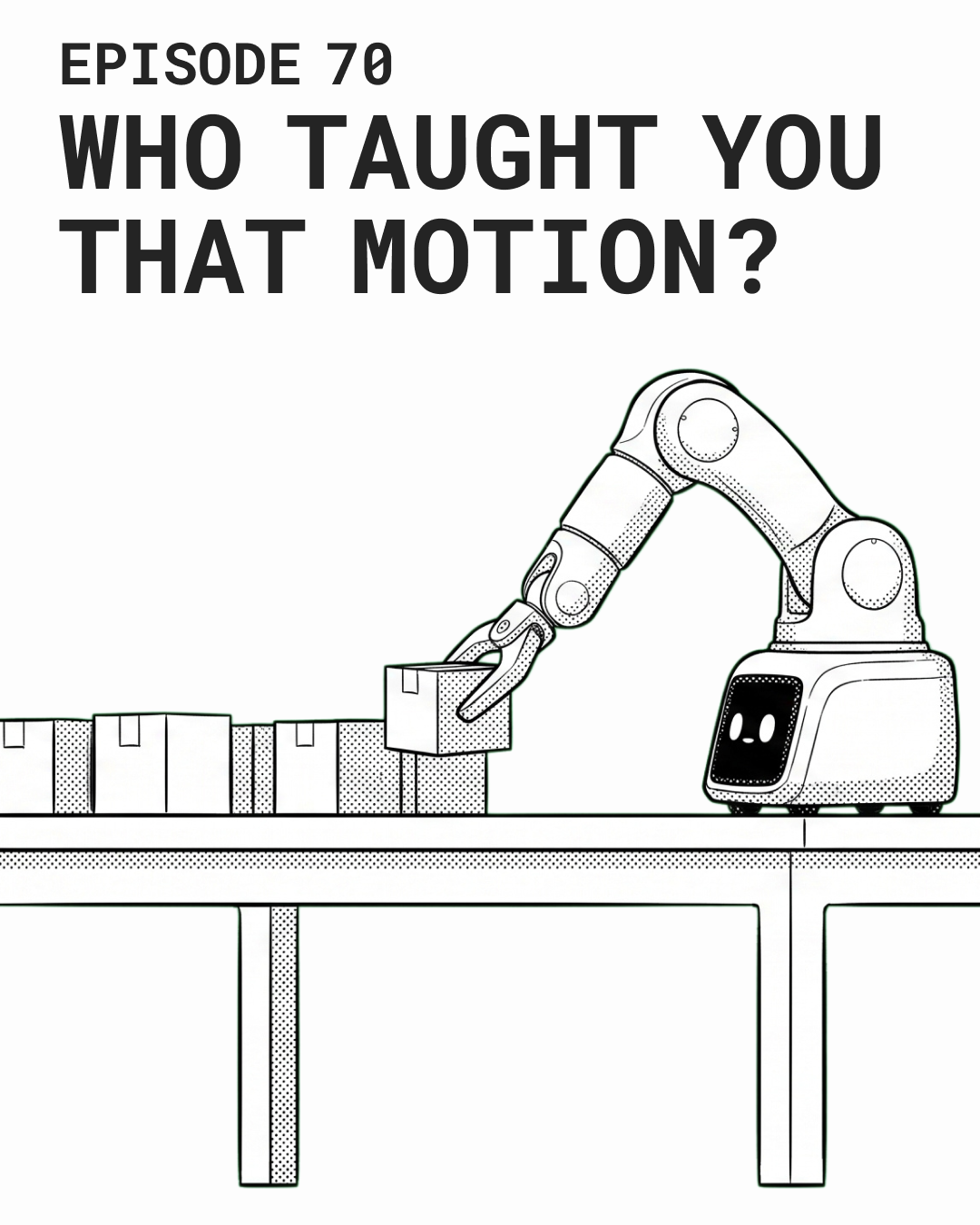
Where a Robot's Gentleness Comes From
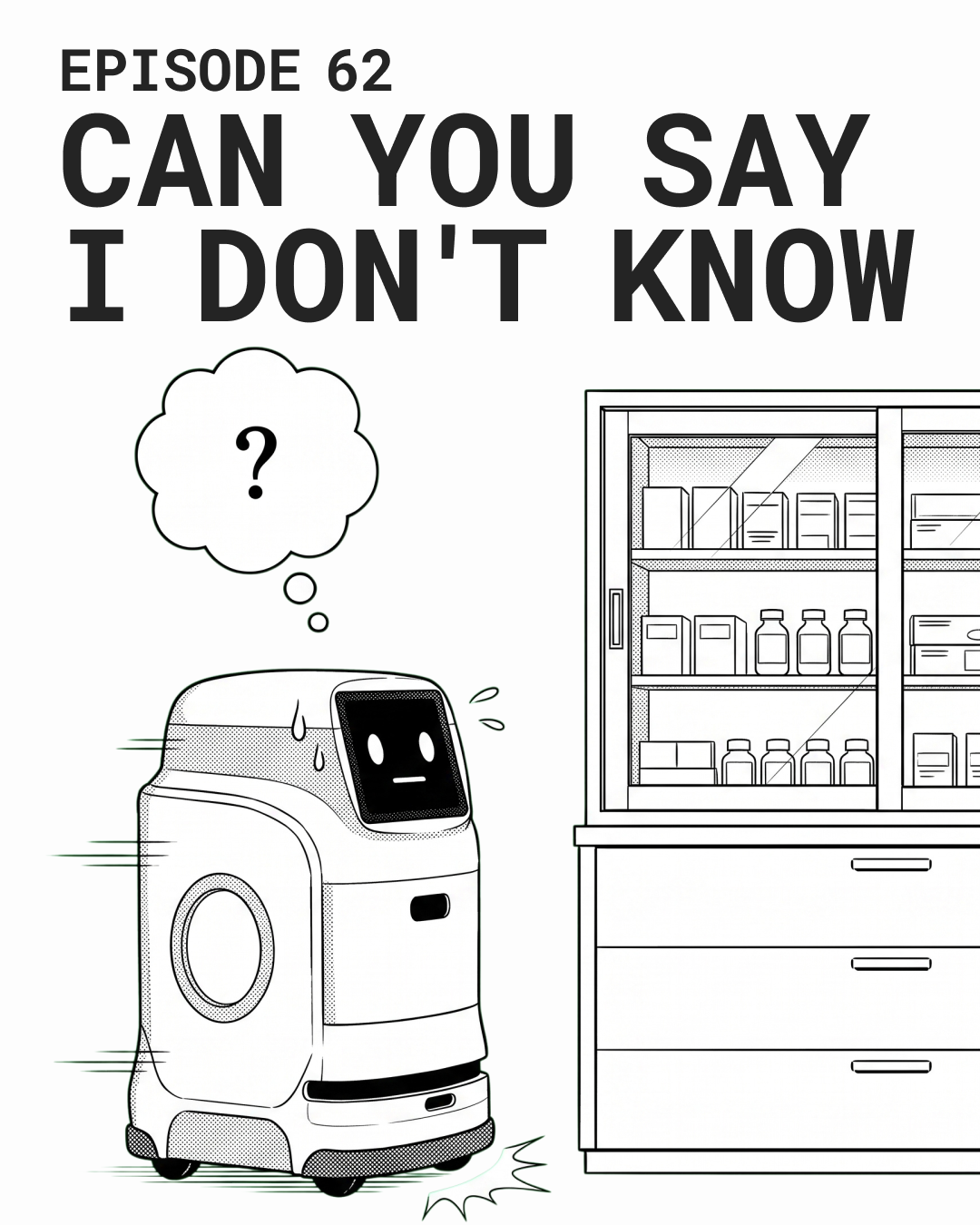
Saying the Confidence Out Loud
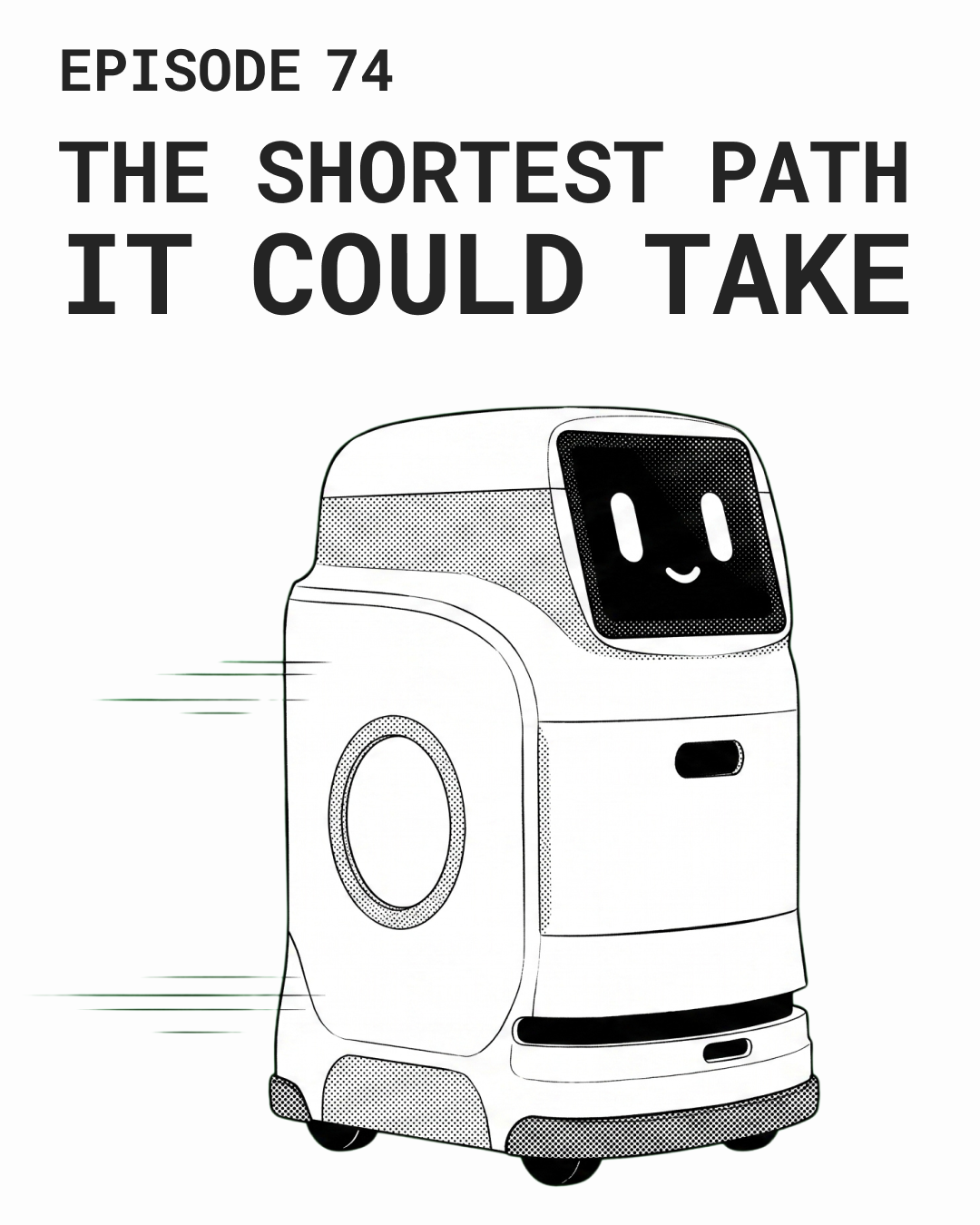
Writing Permission Into the Map
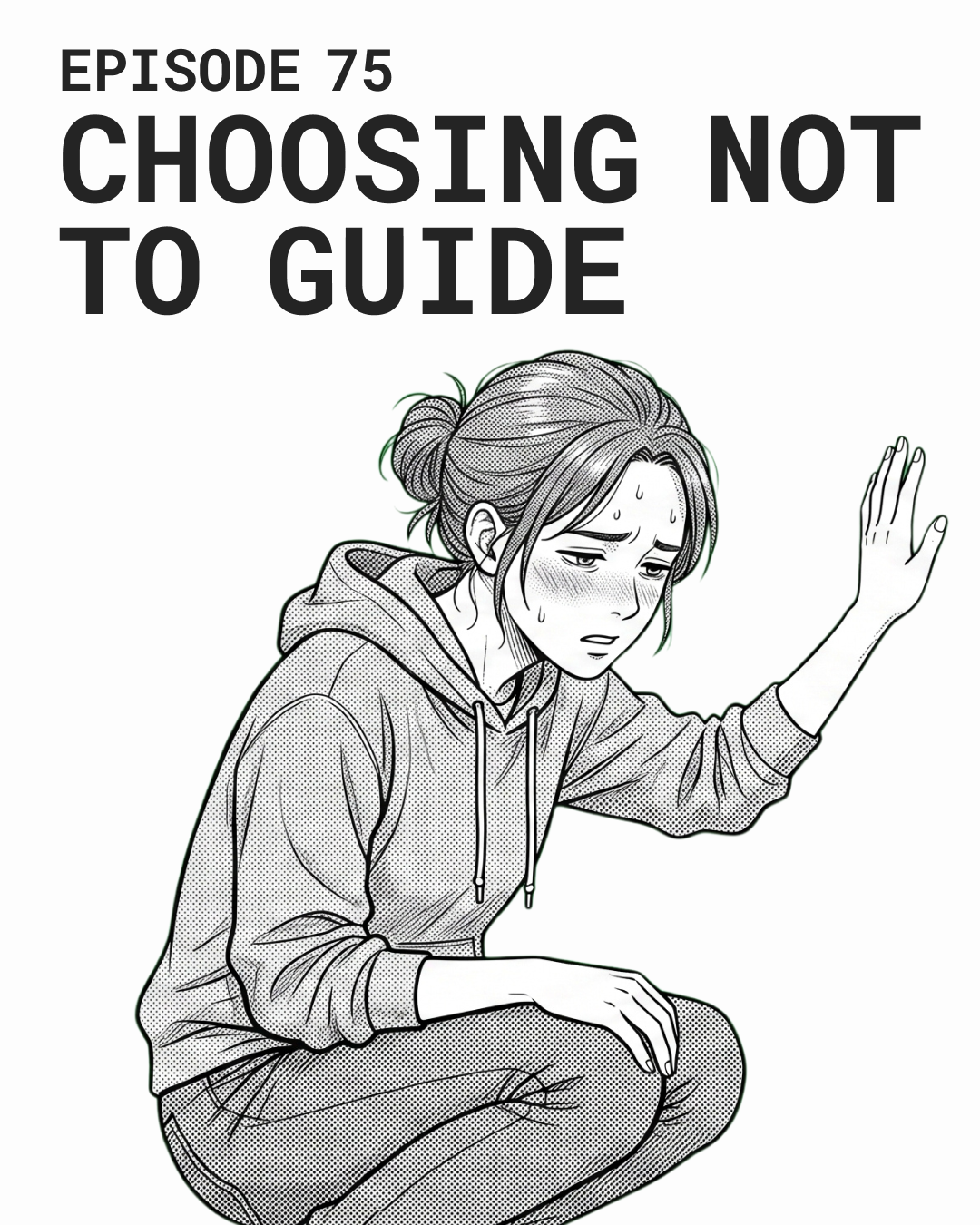
When Not Guiding Is the Right Move
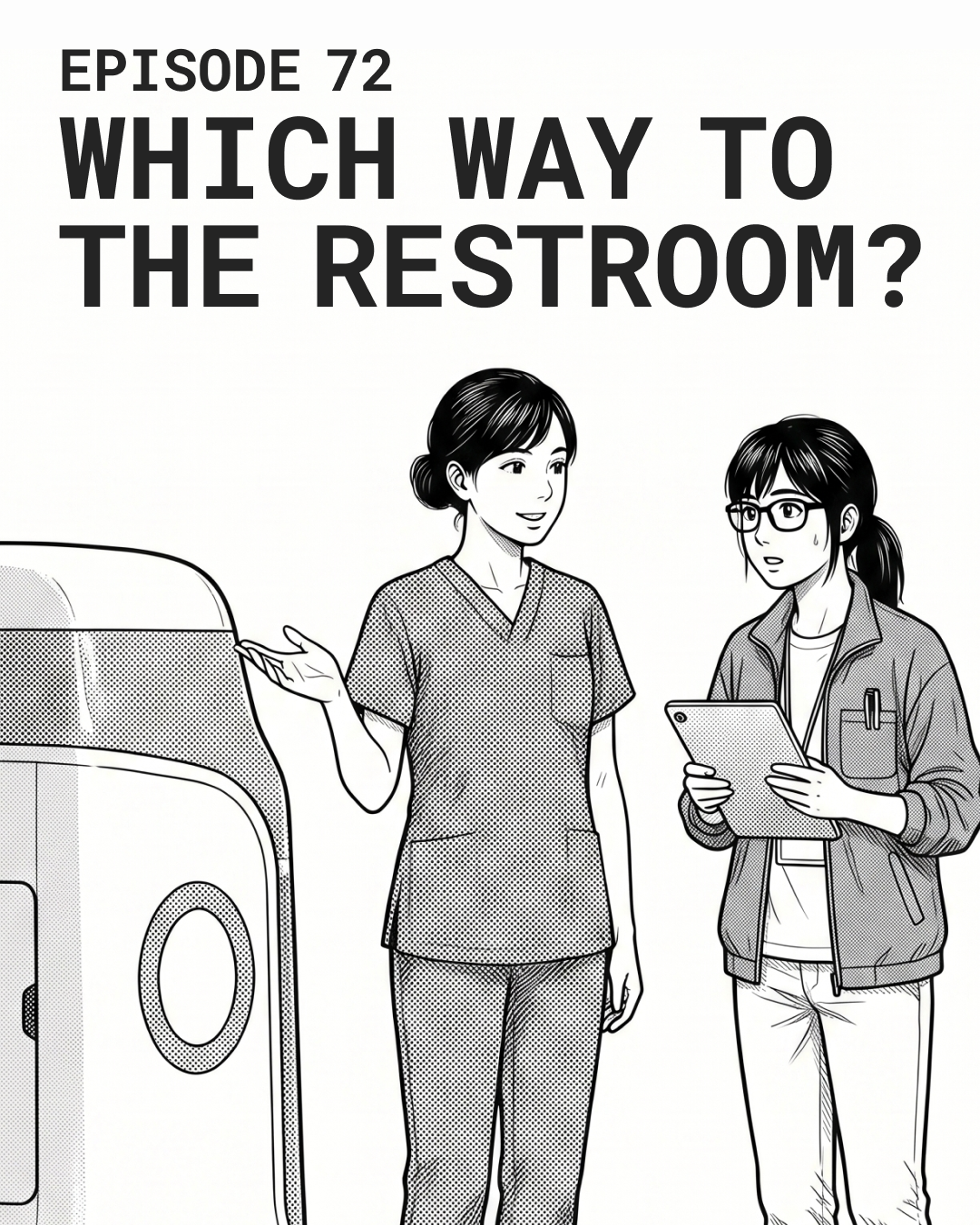
A Detour Is Not an Error
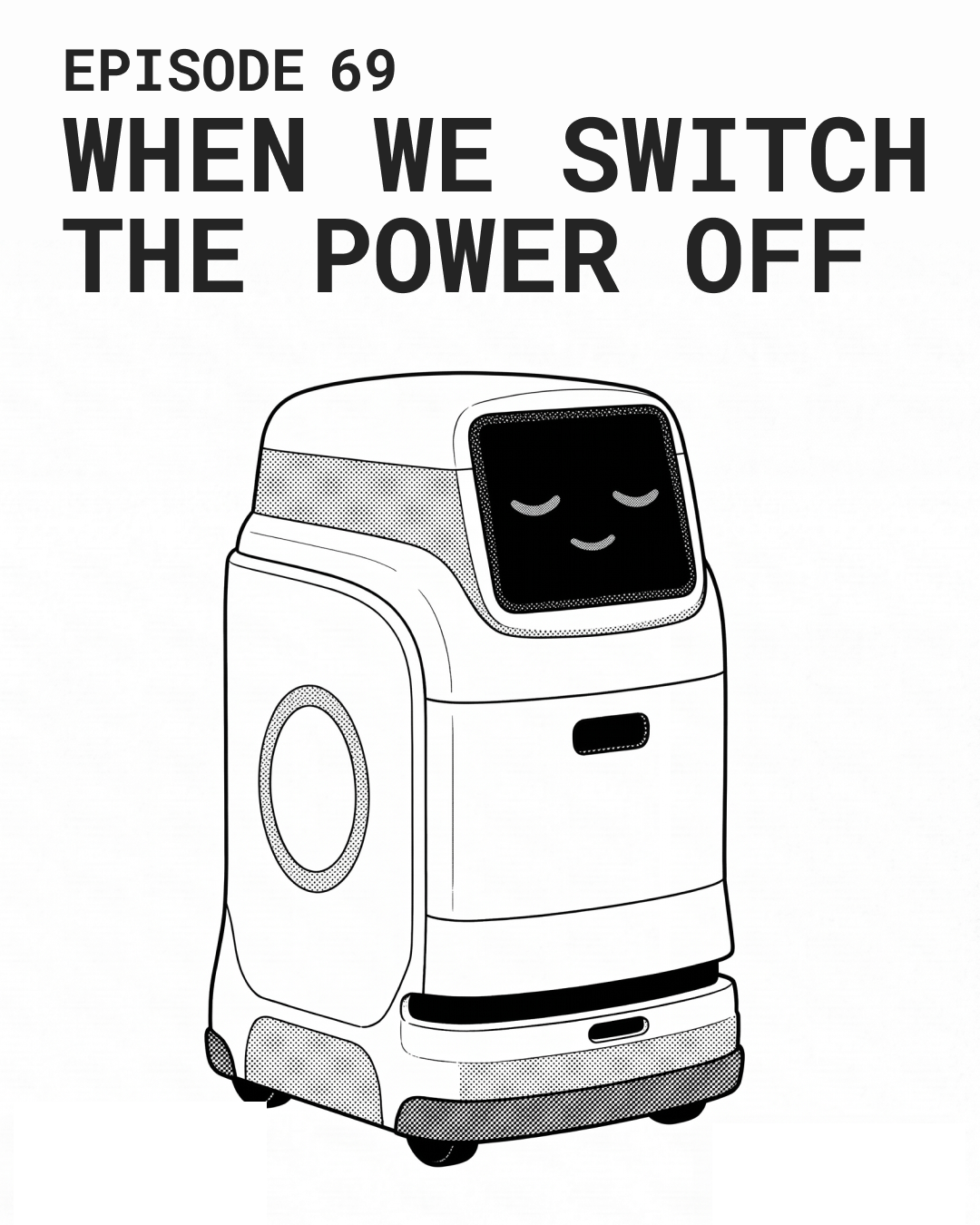
The Shutdown Is for the People Watching
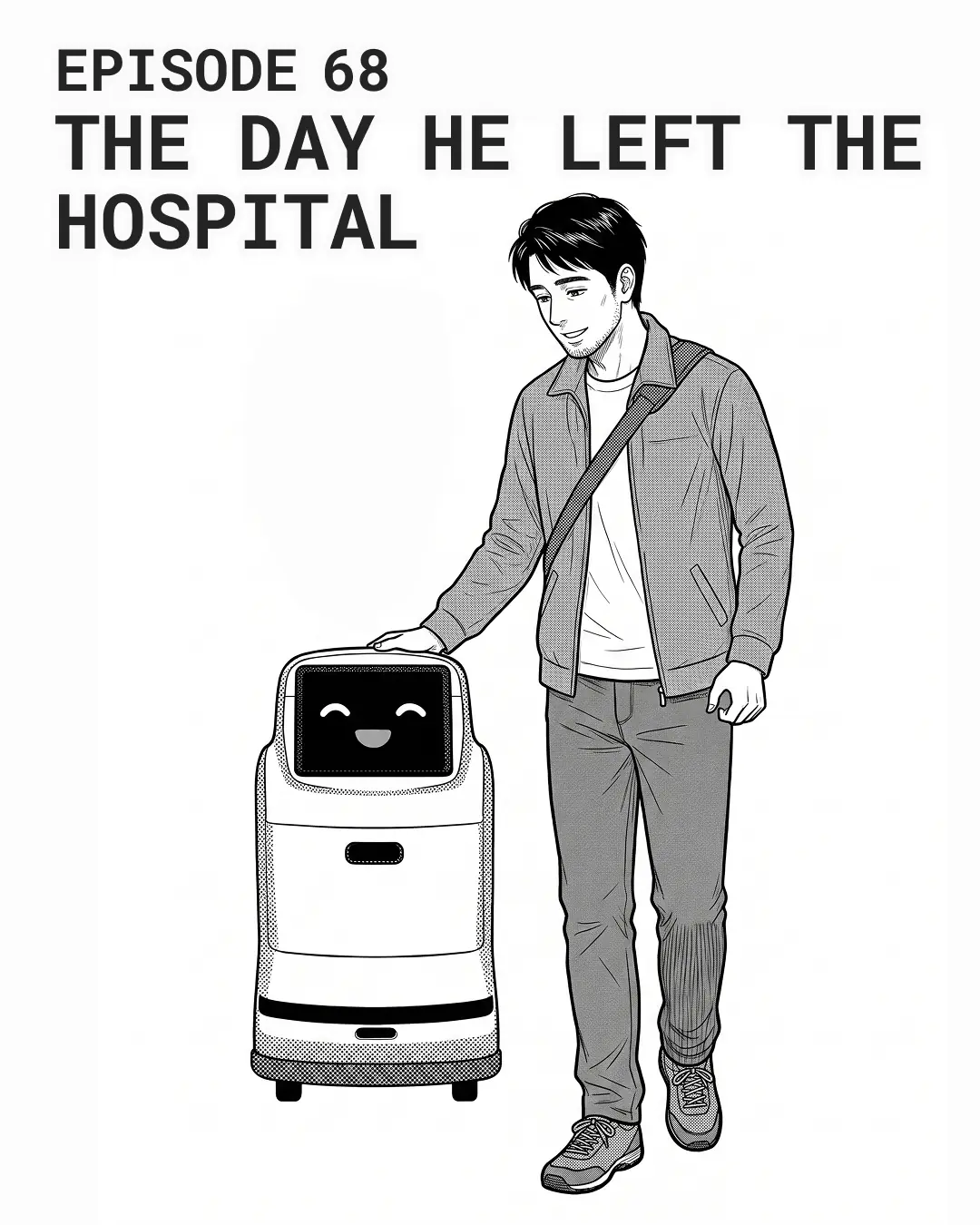
The Retention Period Is a Goodbye
Not Every Function Needs A Login

What Nothing Looks Like
Same Face, Different Memory
What Created the Hesitation
The Invisible Line Is the Longest One

The Name You're Called
Knowing Too Much, Kindly
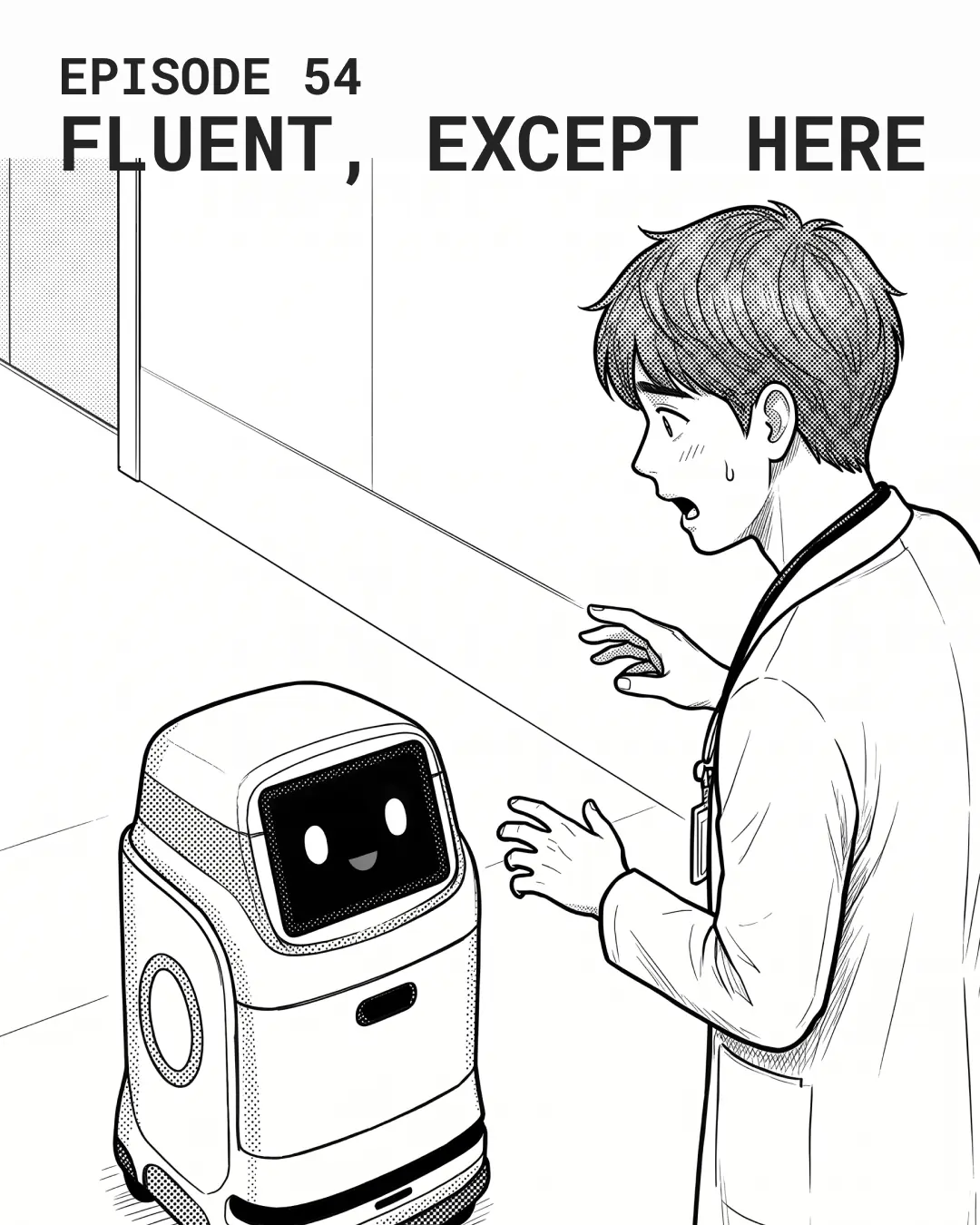
Whose Failure Is "I Don't Understand"?

Designing for the Nod That Means Nothing
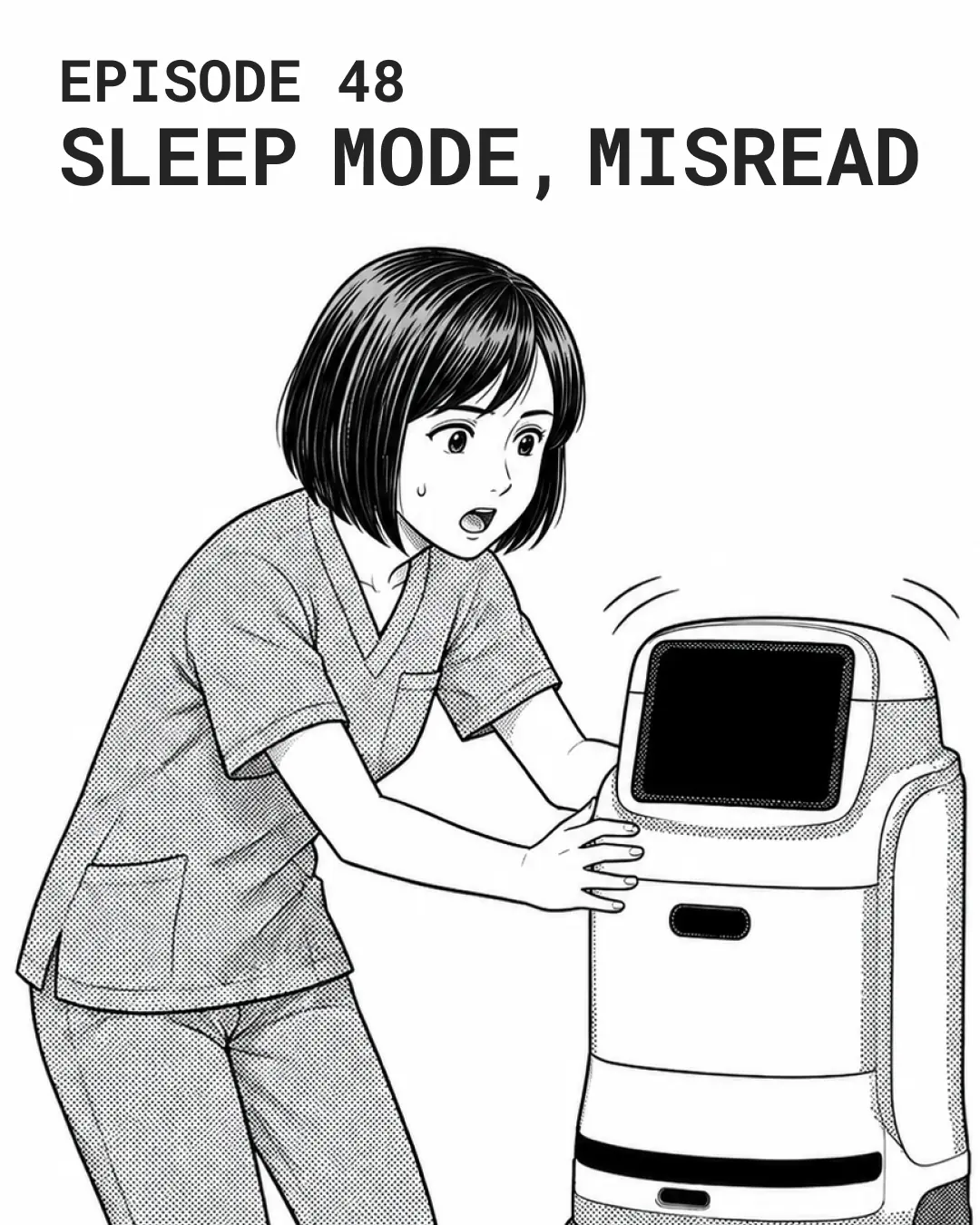
Telling "Stopped" from "Broken"
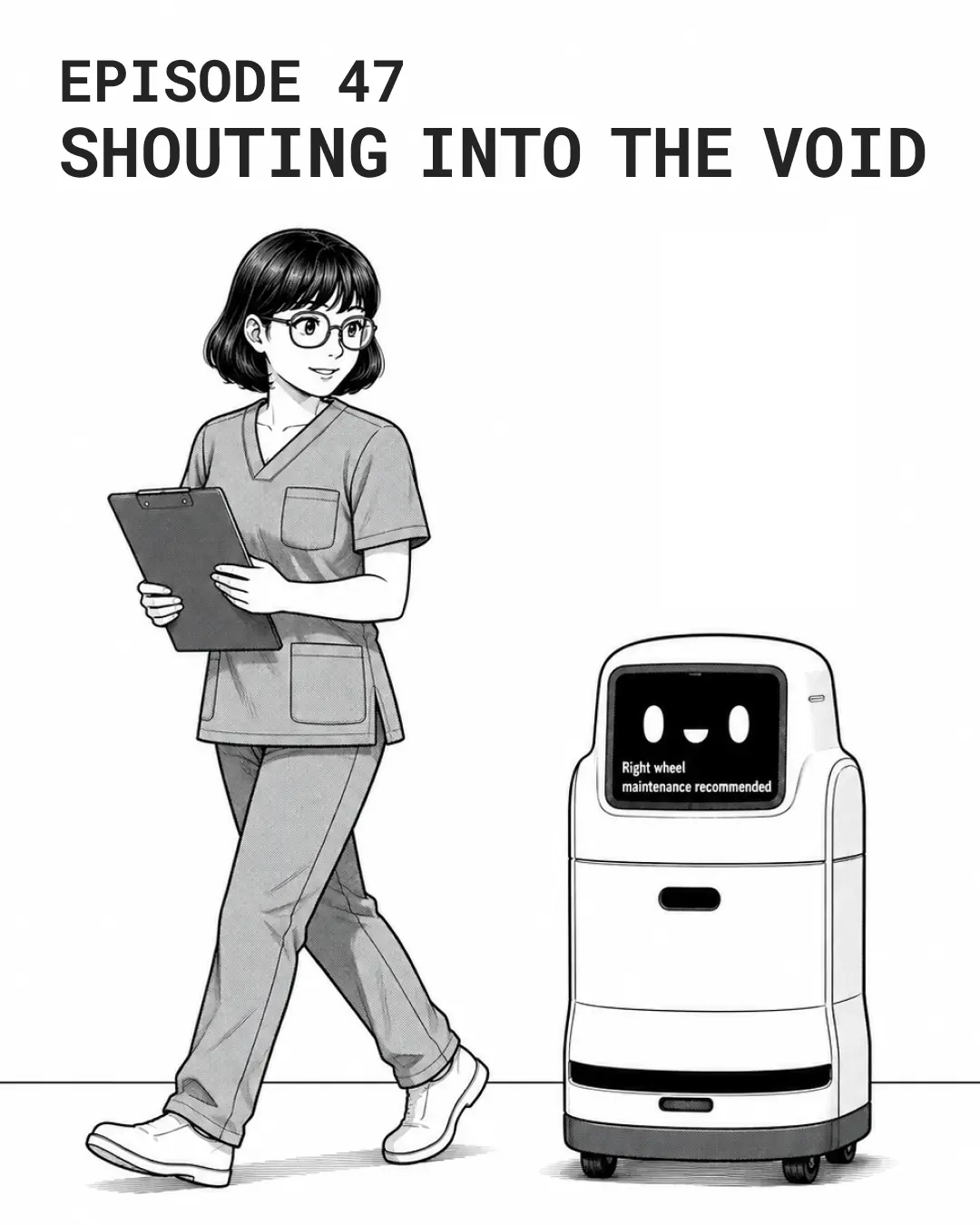
Designing for Signals That Don't Land
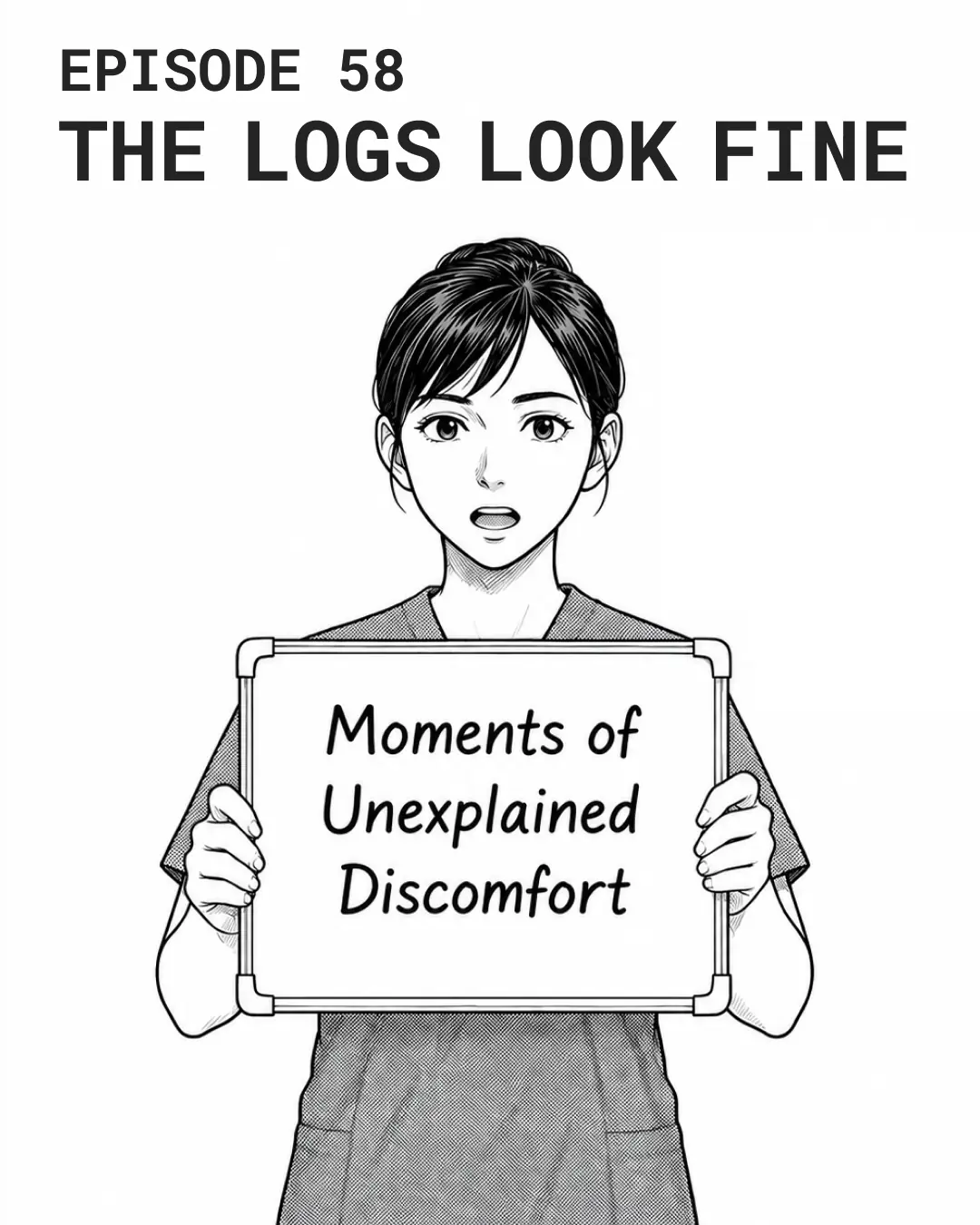
Designing to Doubt "All Green"
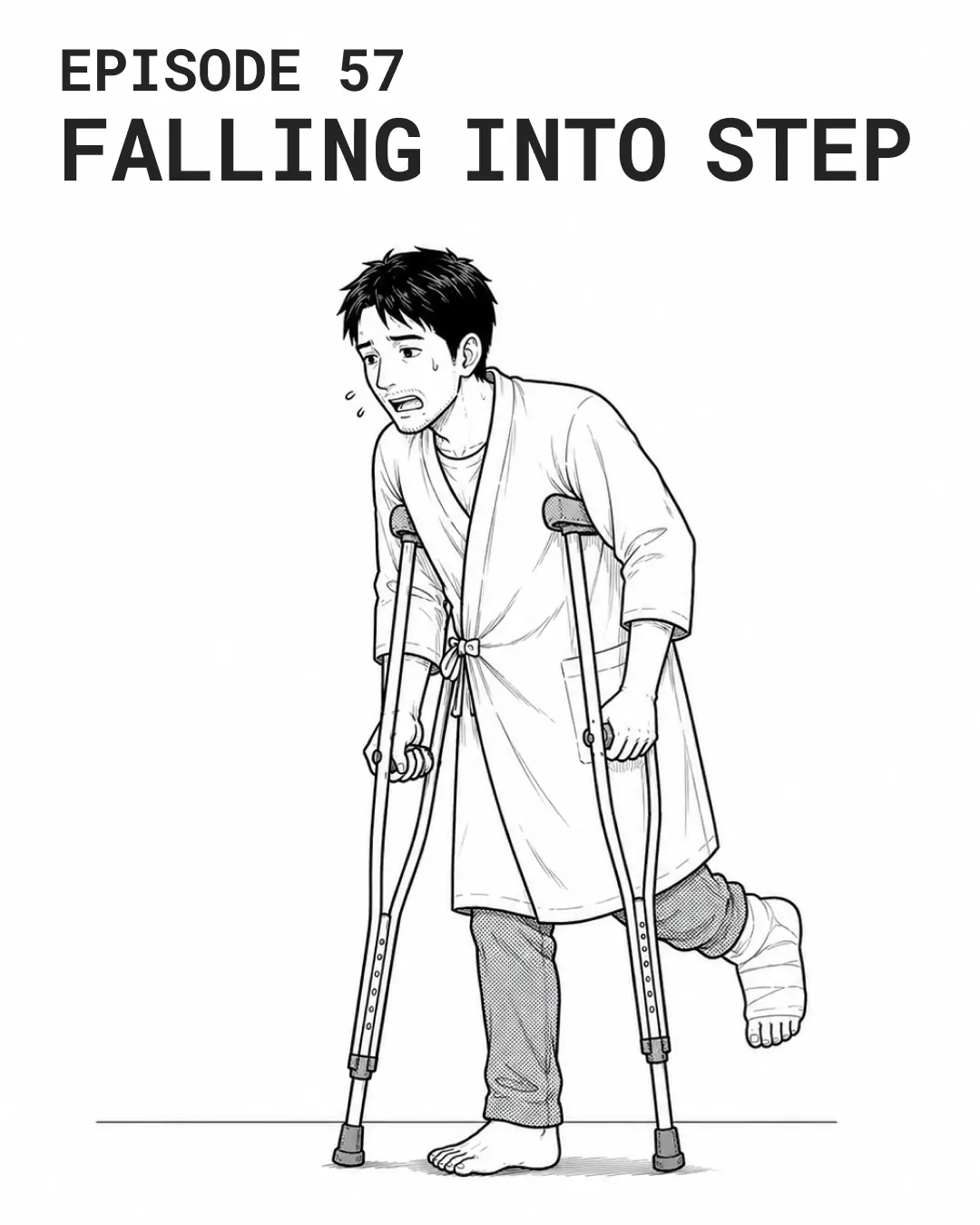
Designing to Match the Rhythm, Not the Speed

Designing for "No Hands Free"
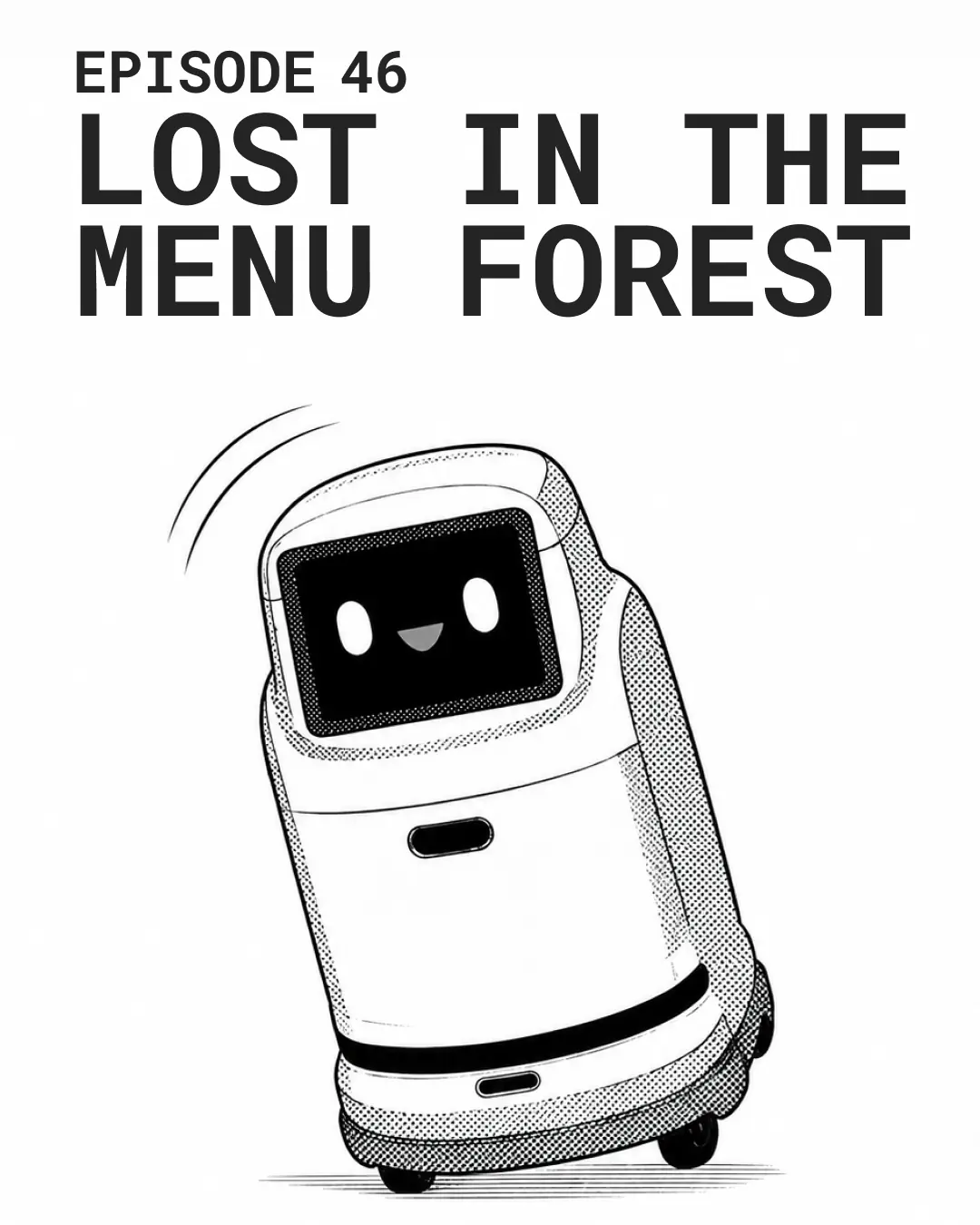
Designing the "Top Three"
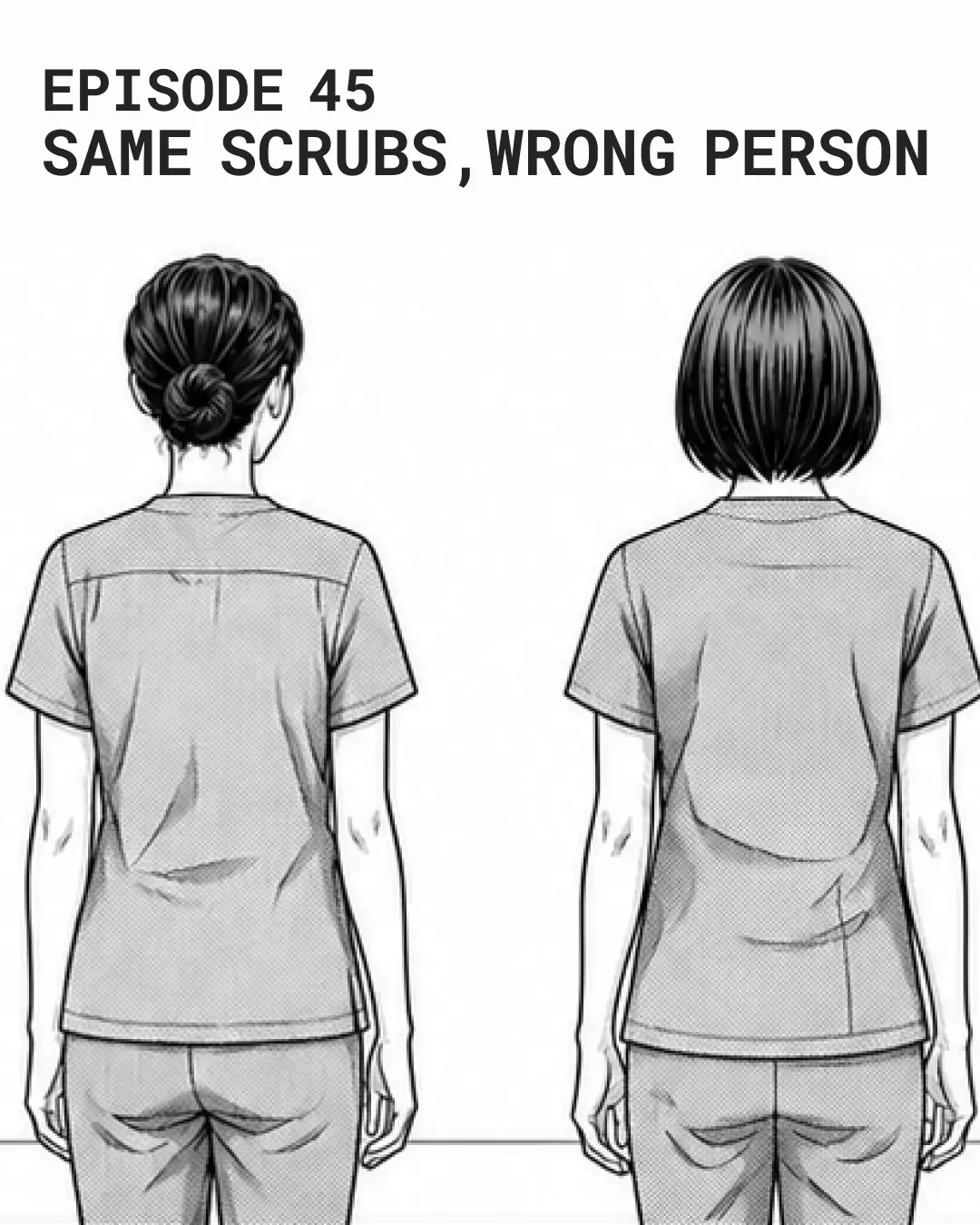
Designing the "Just in Case"
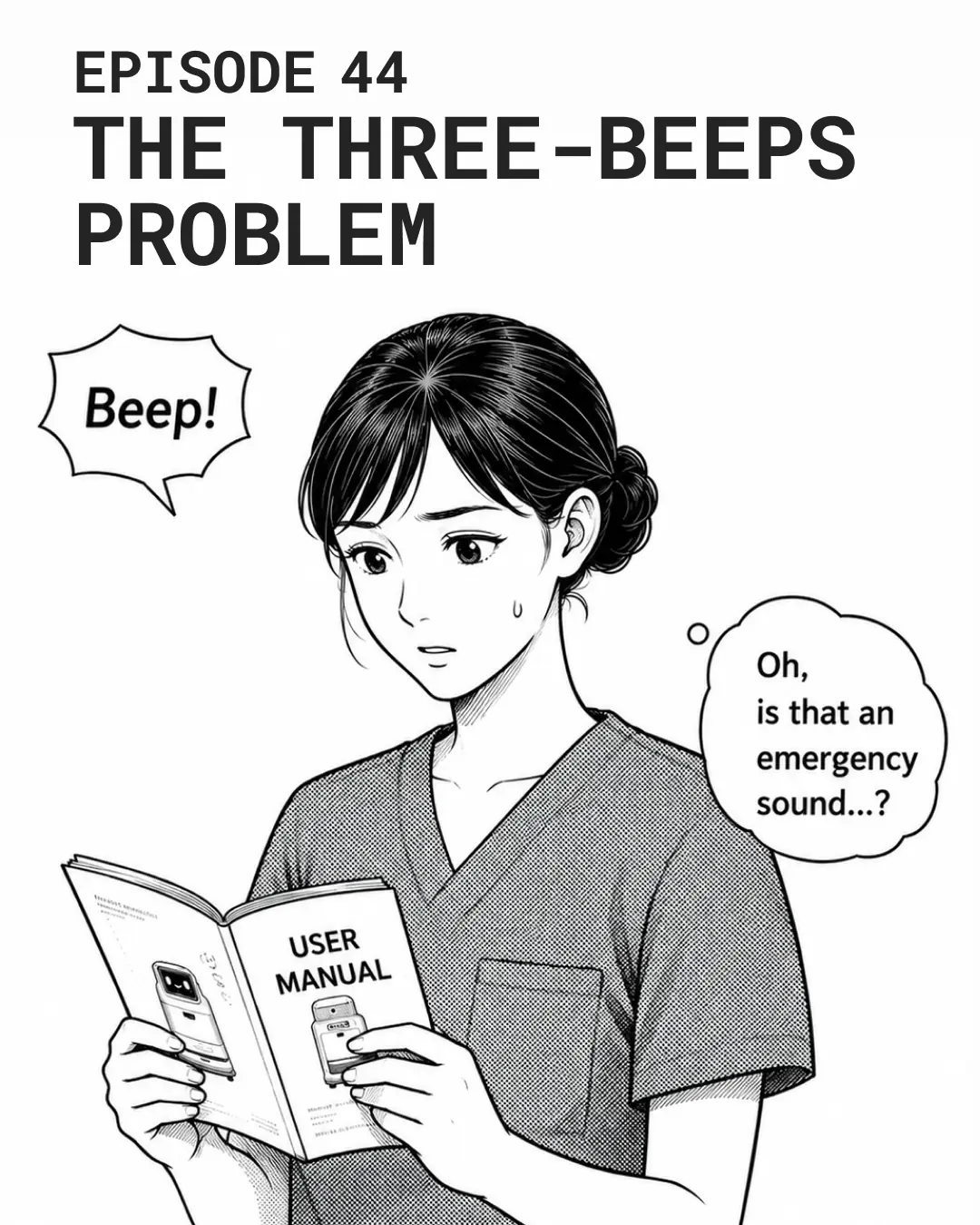
When "Similar" Sounds Cause Mistakes
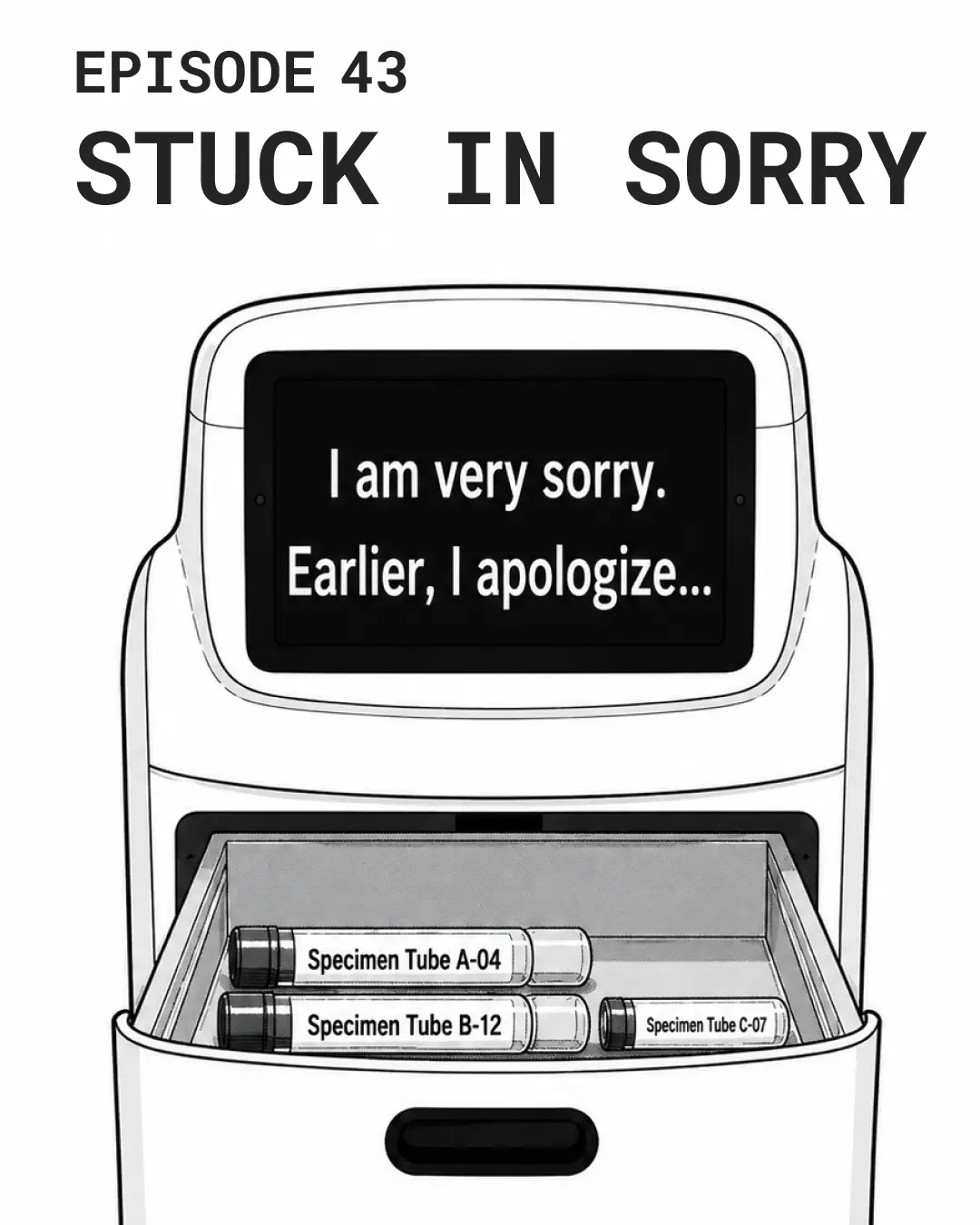
Designing a Stopping Point for Apology
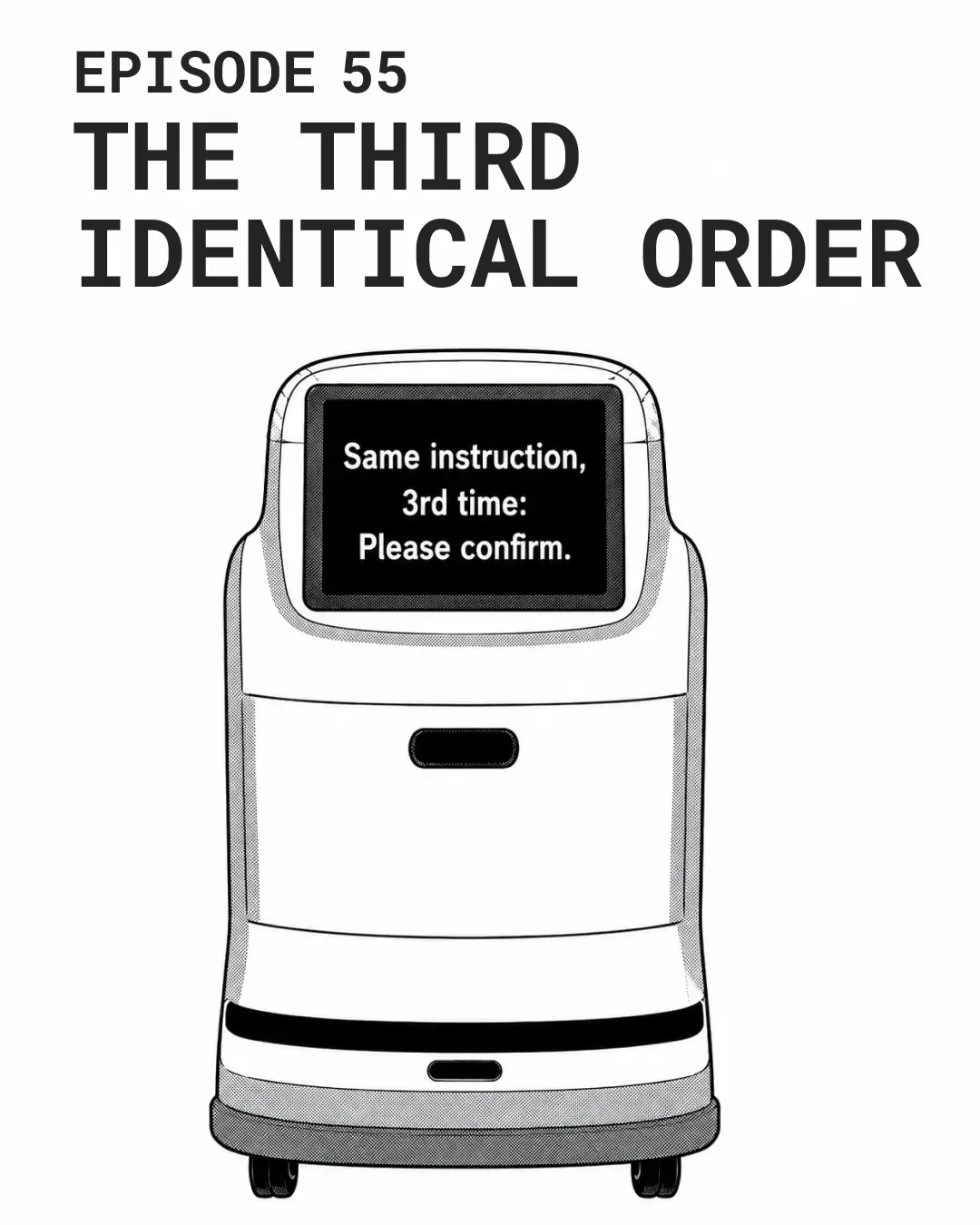
Designing the Machine That Stops Human Error

Catching the Bug That Won't Reproduce — Together with the Floor

Designing Improvements You Don't Force
The Redundant Kindness of Turning Around
When "Perfect Fairness" Stops Everyone
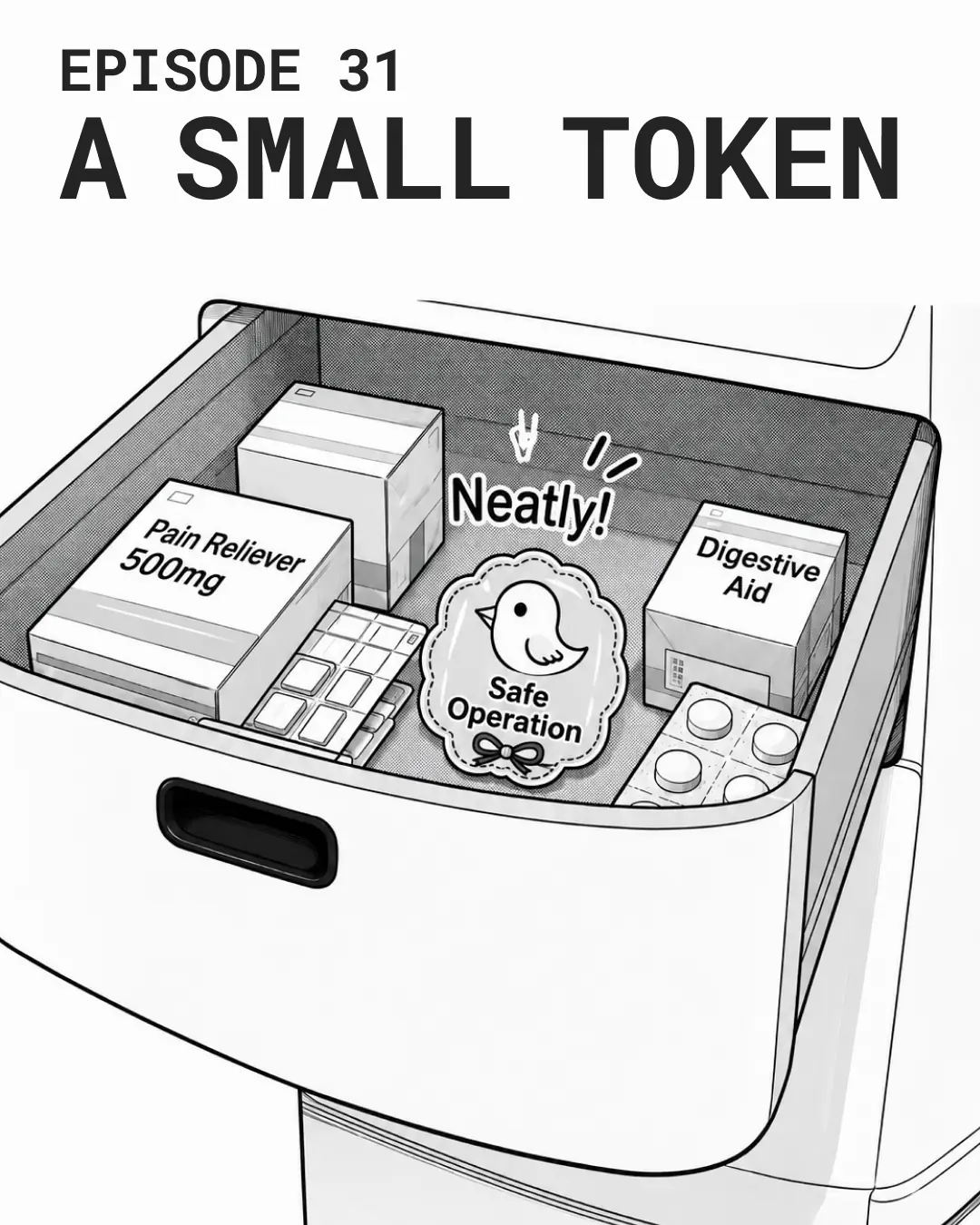
Bonds Built Through Exchanging "Things"
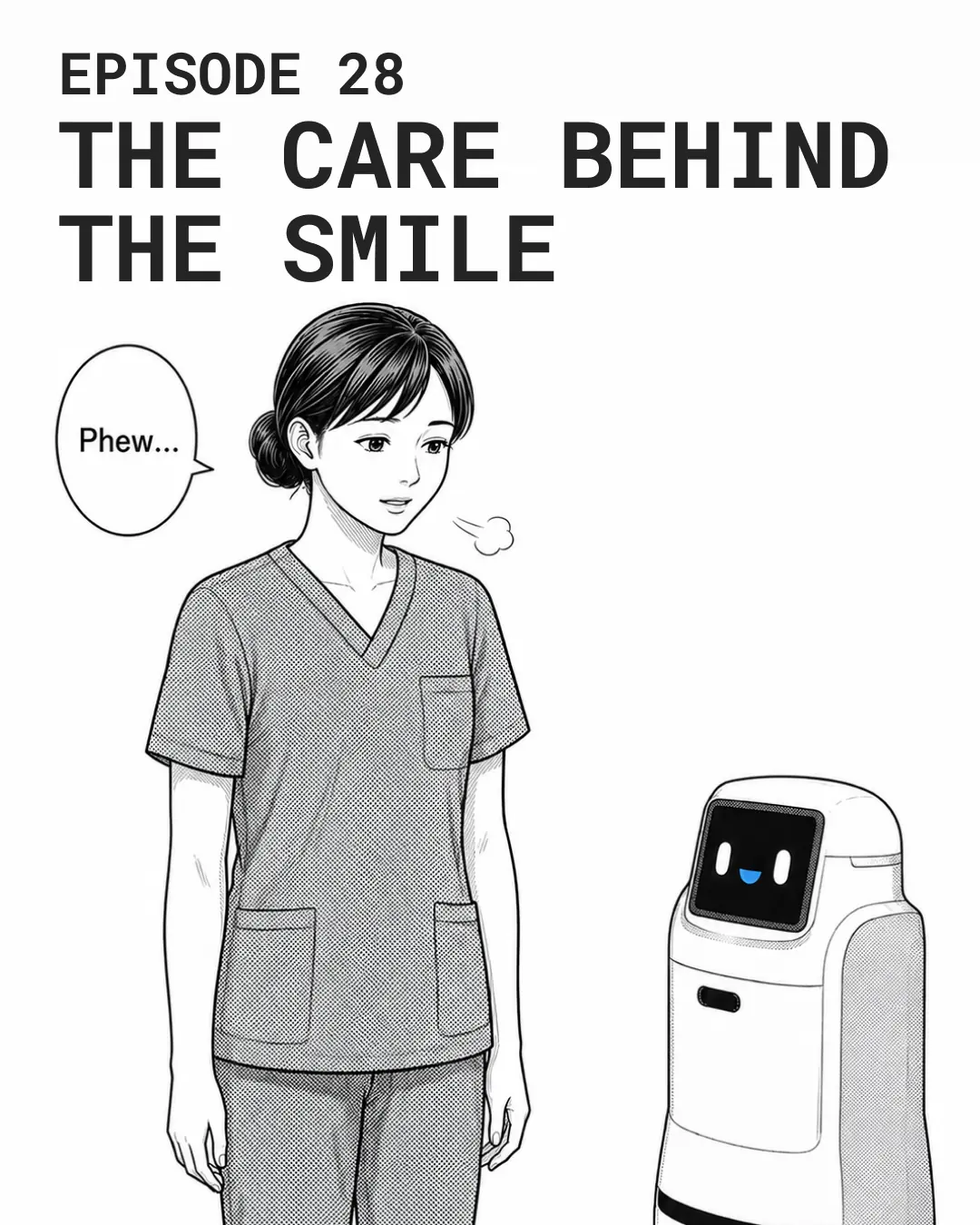
Designing to Read the Brave Face
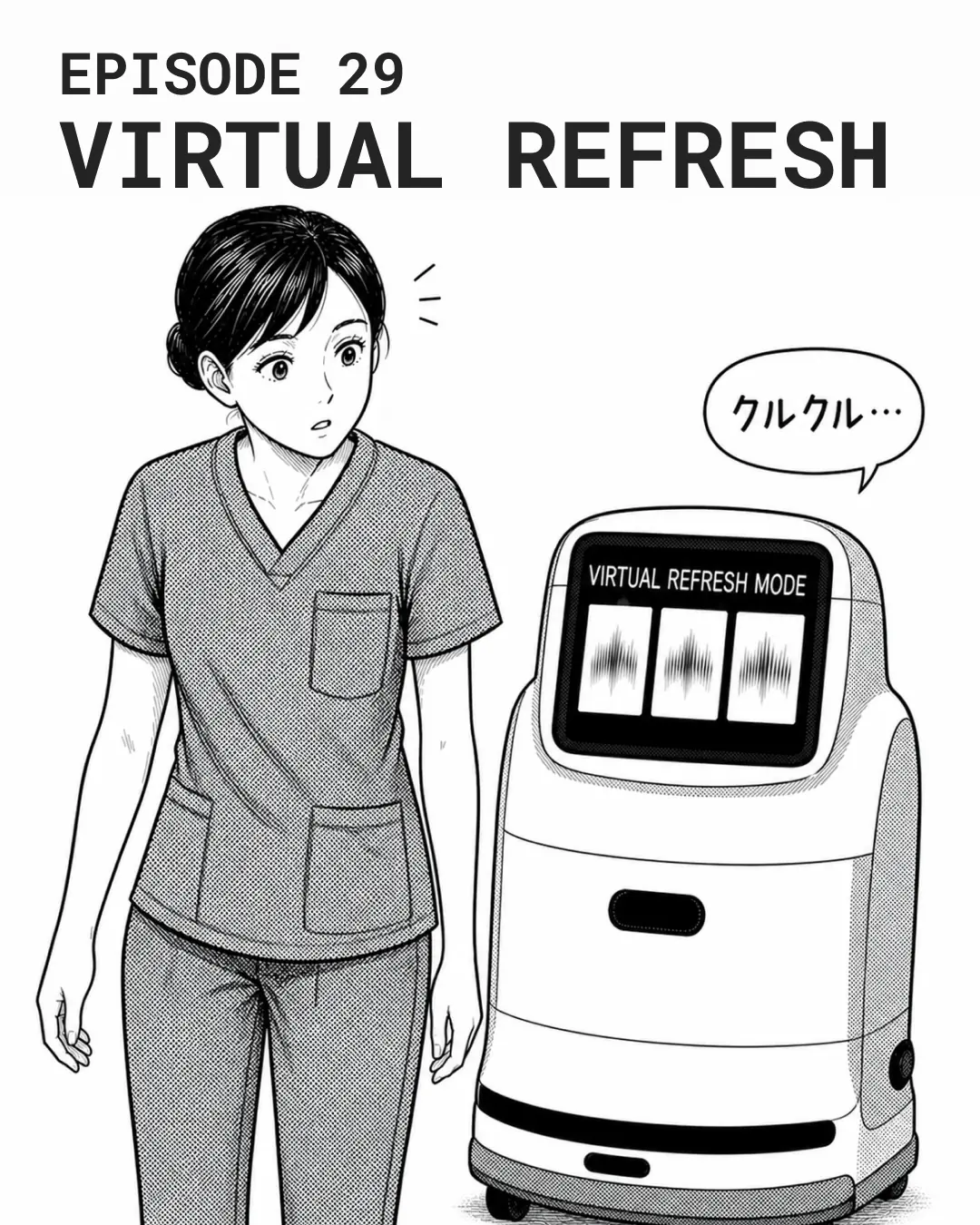
"Waste" That Works by Design
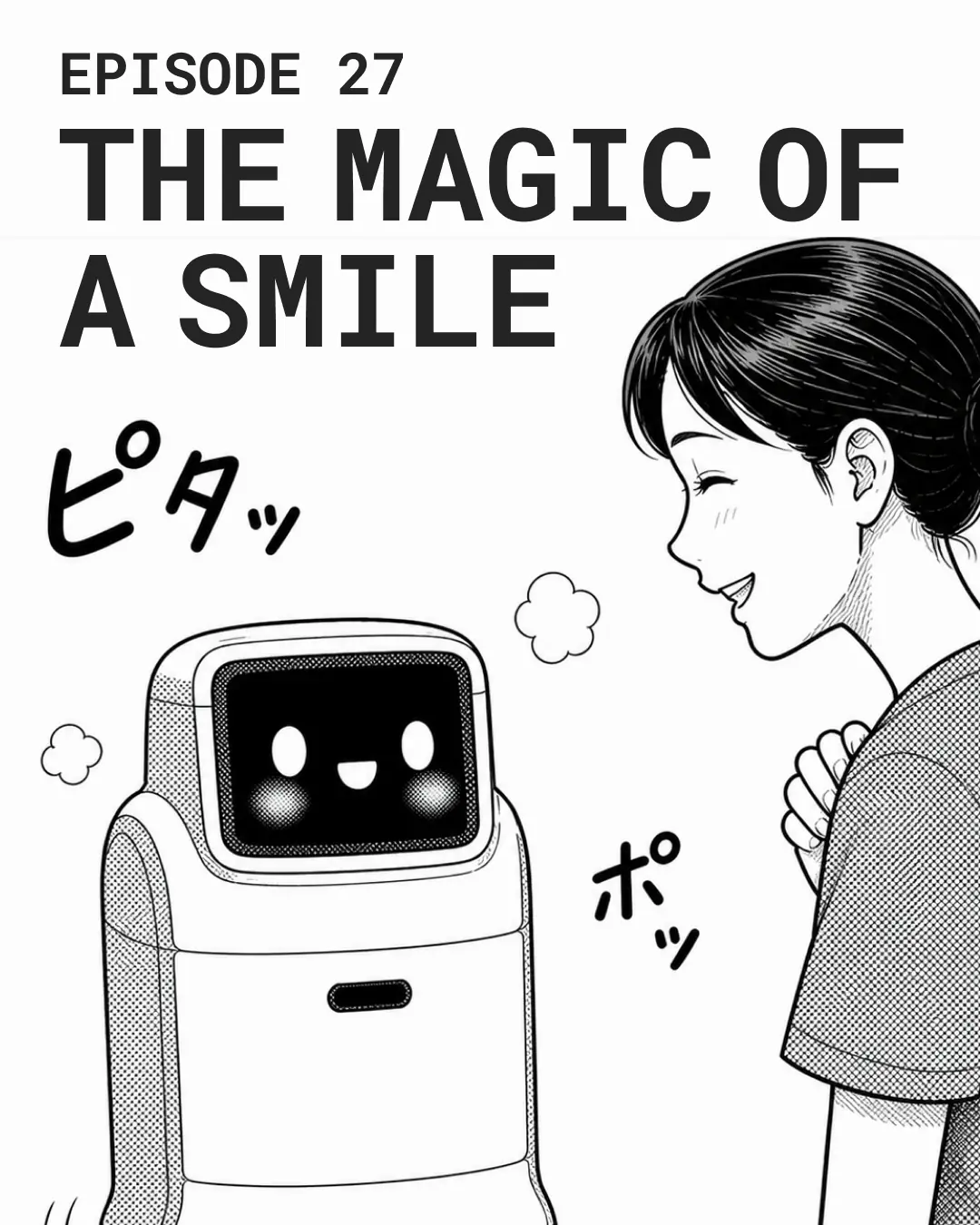
The Design That Returns "Emotion"
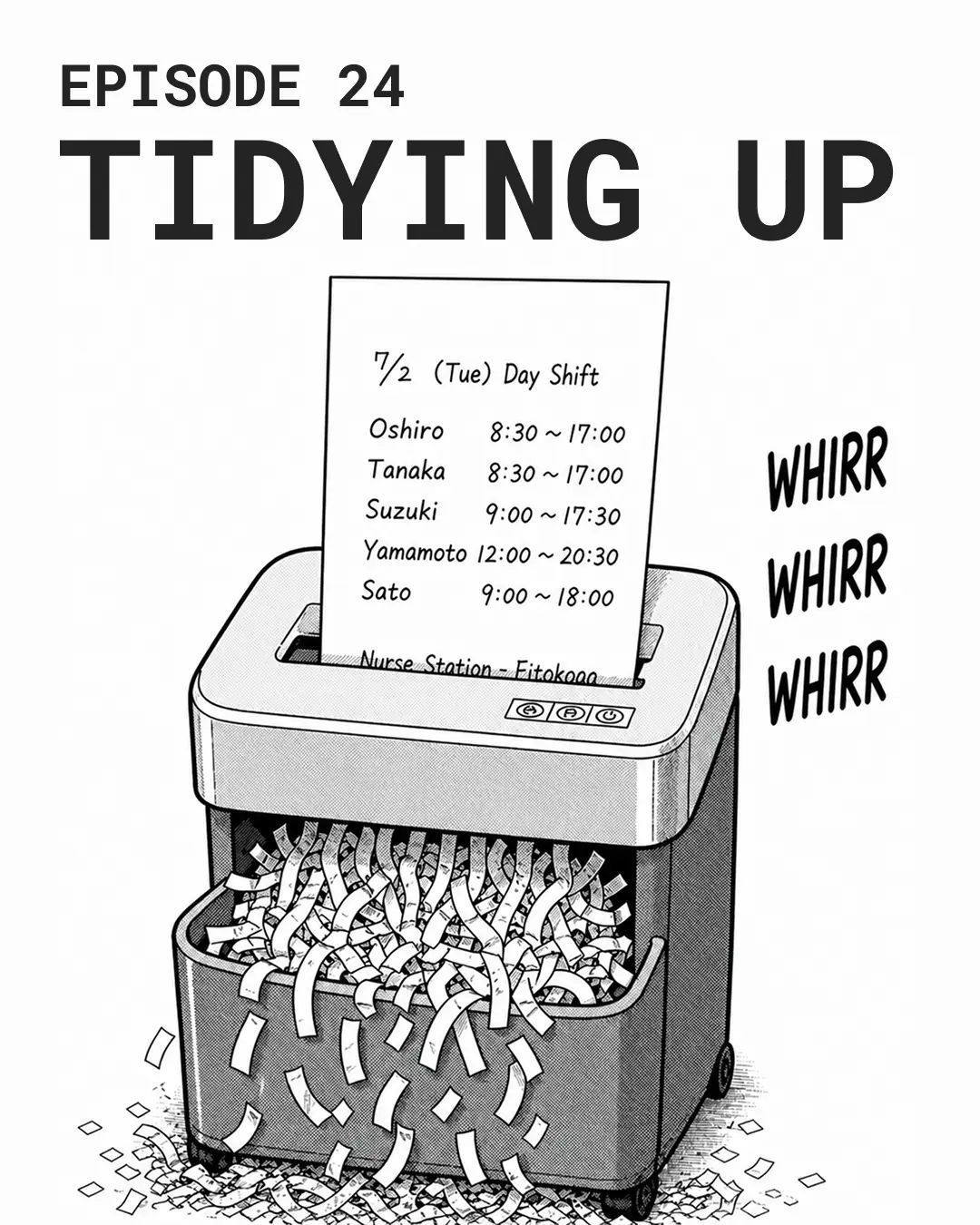
"Tidying" as Destruction by Design
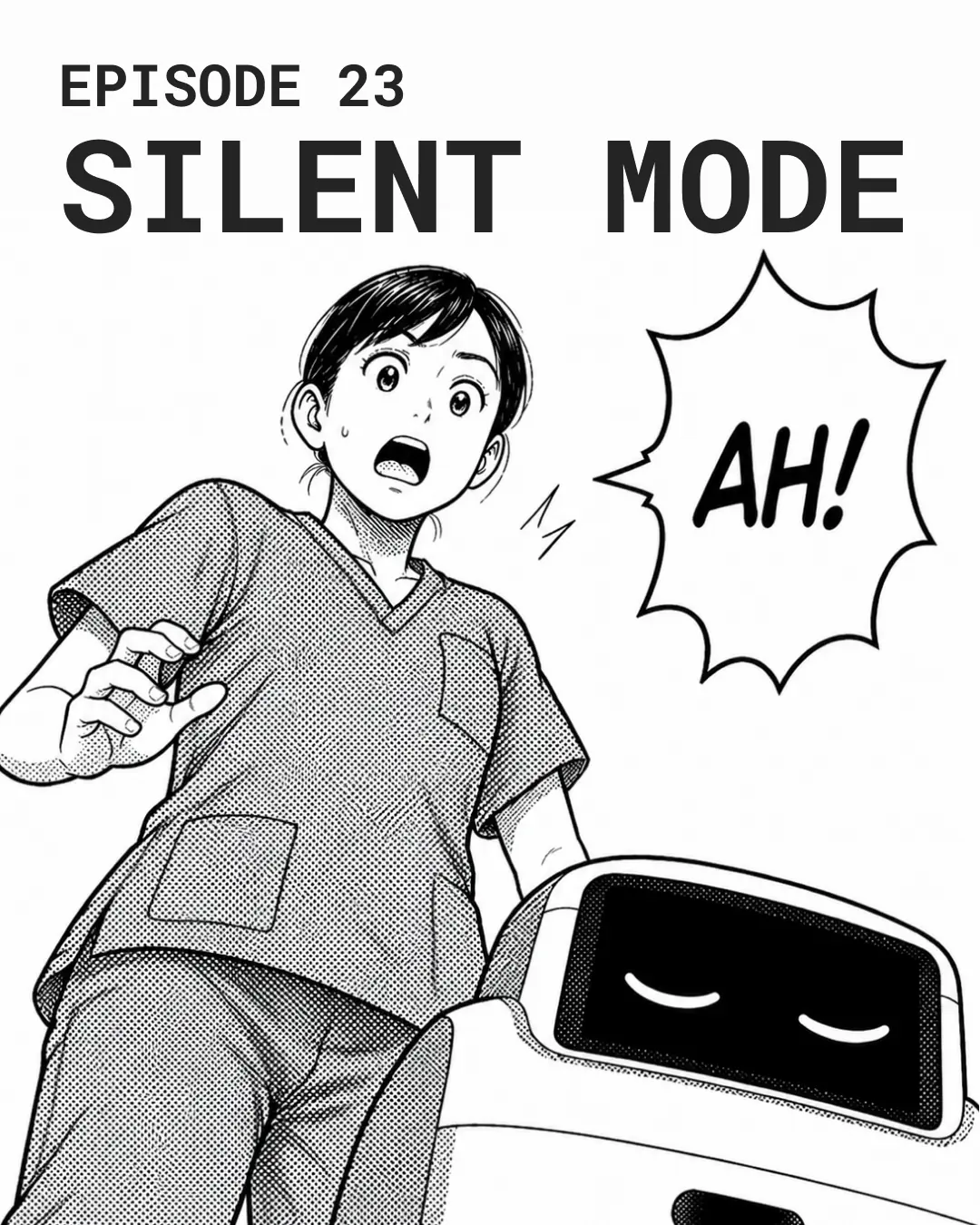
The Design Where "Quiet" Becomes Dangerous
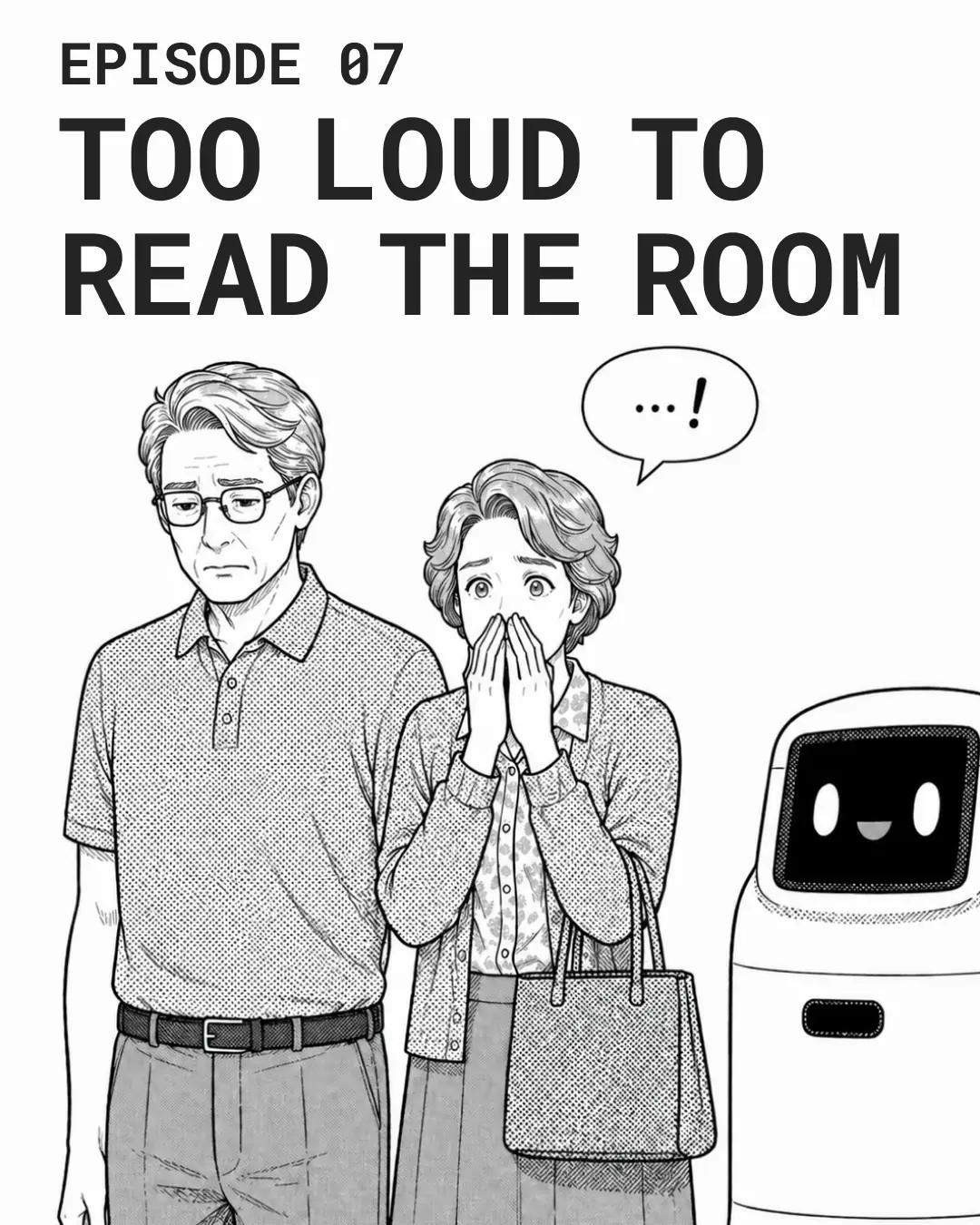
The Design That Can't Read the Room
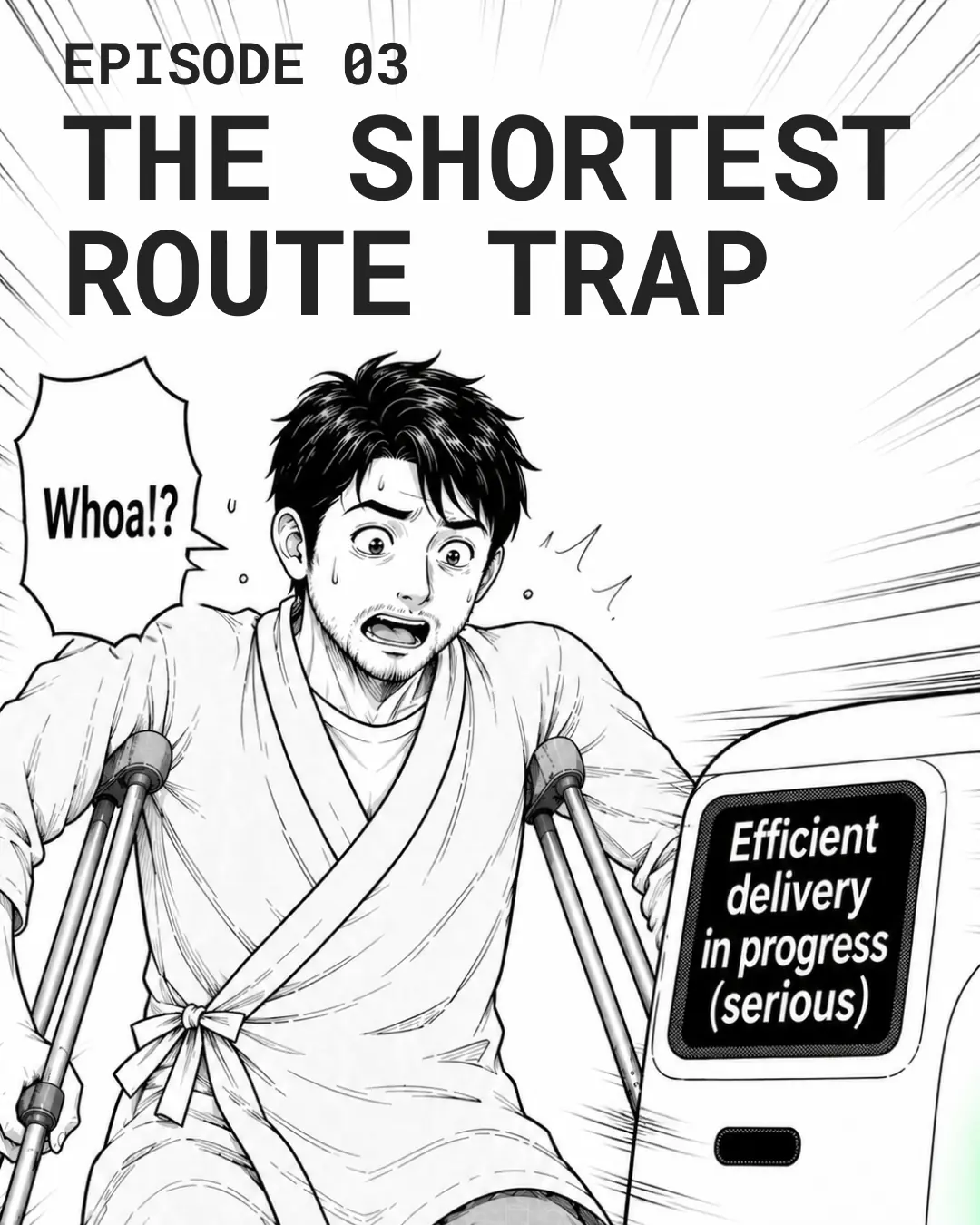
The Design That "Correct" Makes Frightening

The Design That Exterior Carries

When "Being Right" Goes Too Far
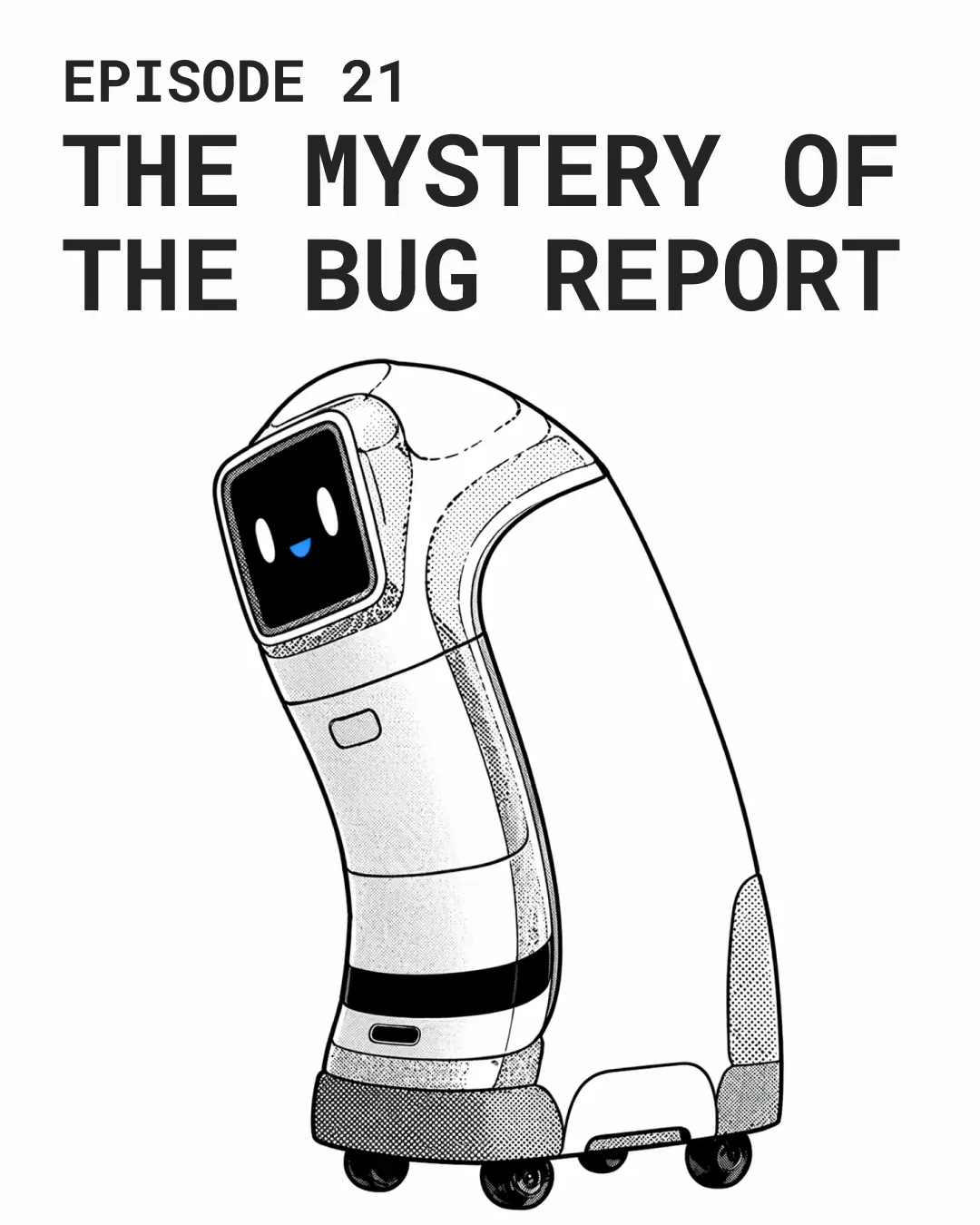
When "Too Accurate" Backfires
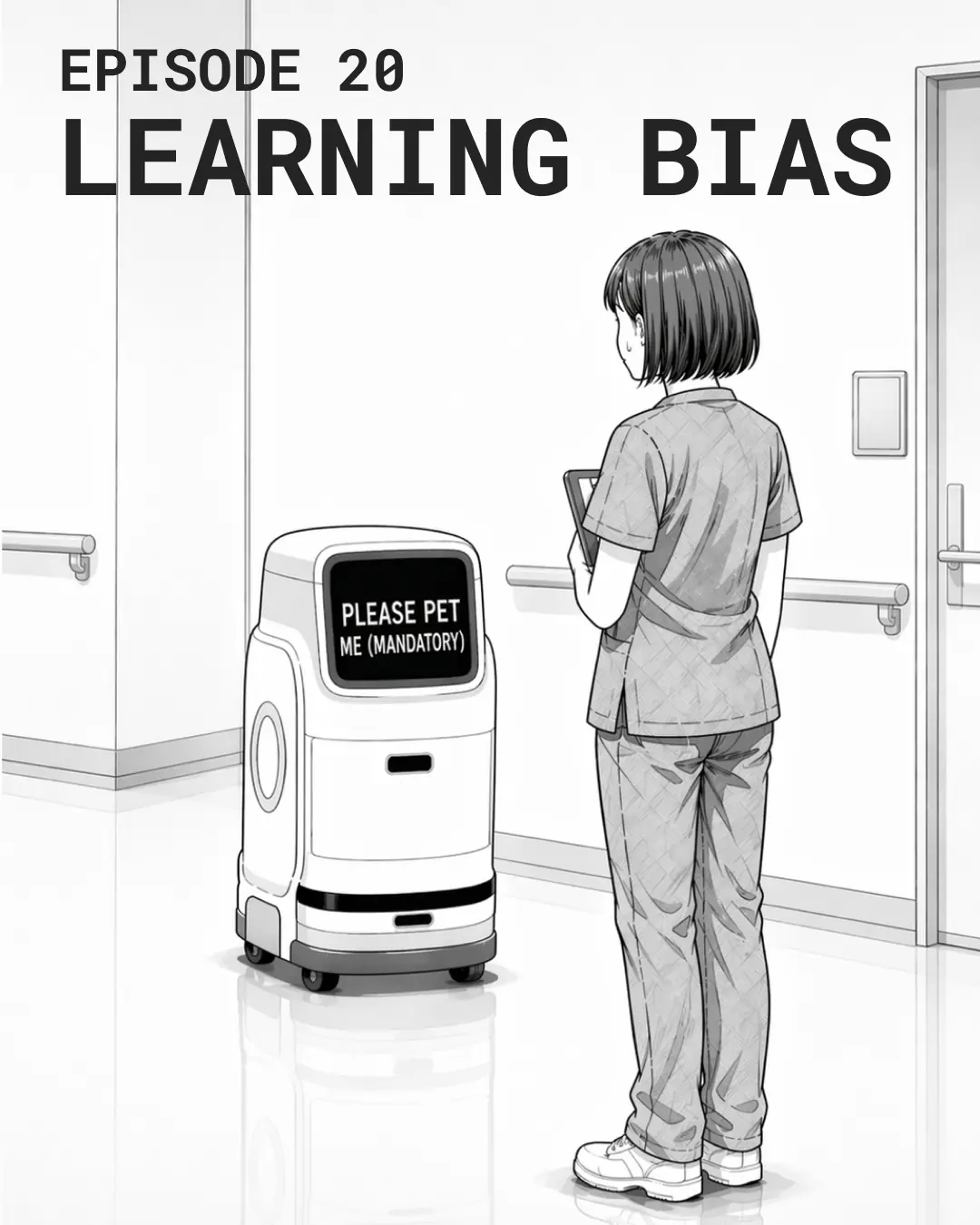
When "Cute" Becomes a Reward Signal
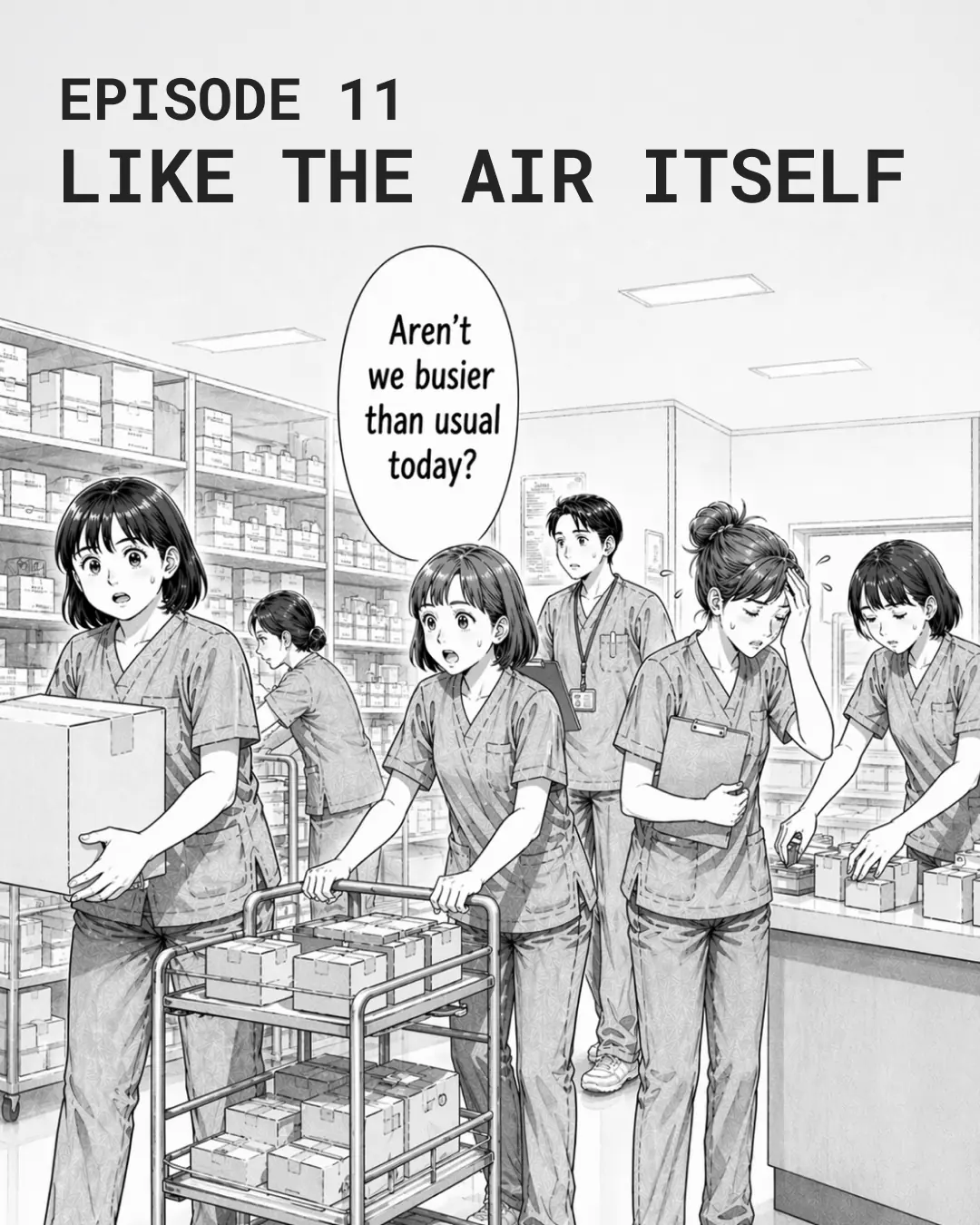
Designing Transparent Infrastructure
Designing KPIs Back to Humans
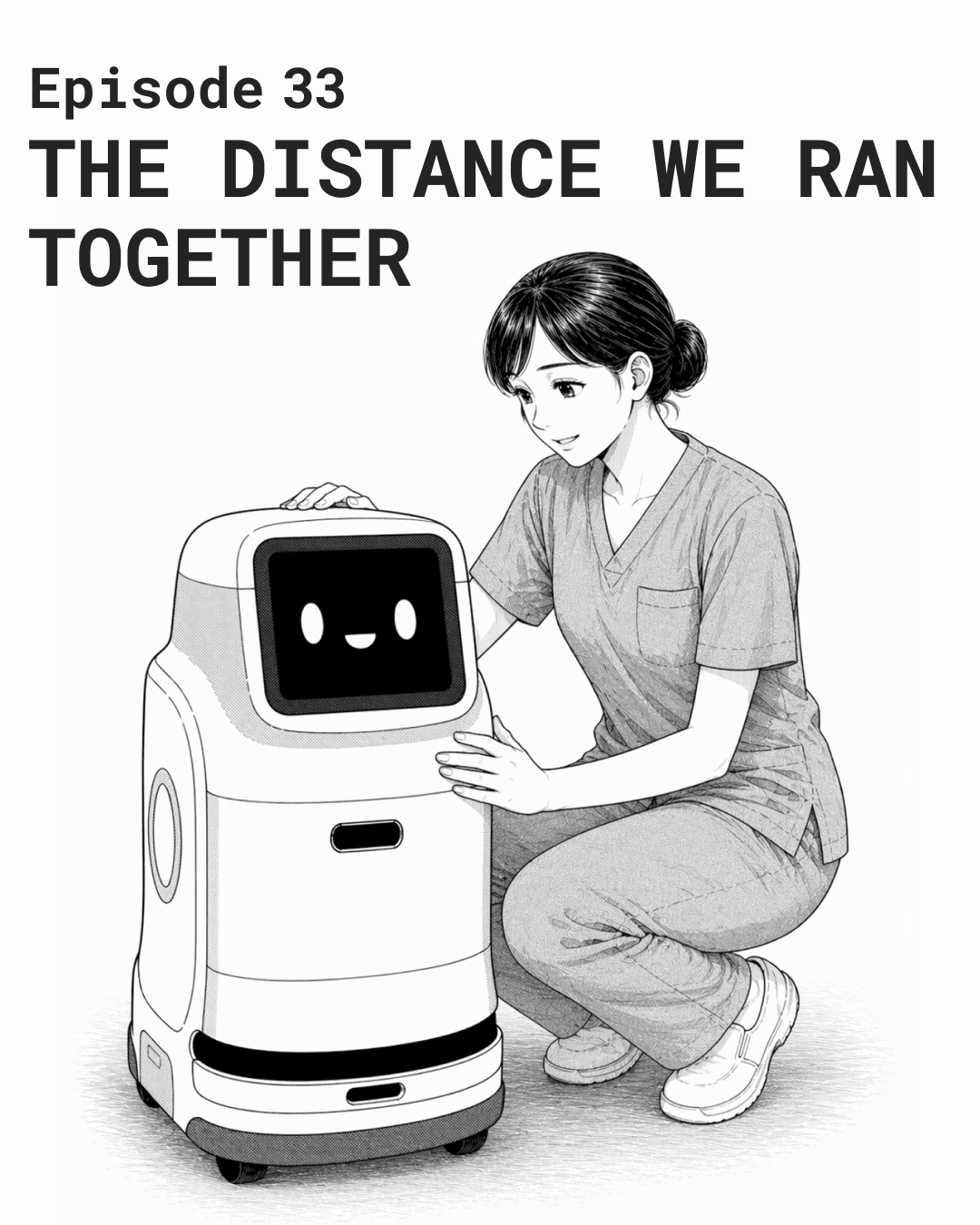
Designing the Distance We Ran Together
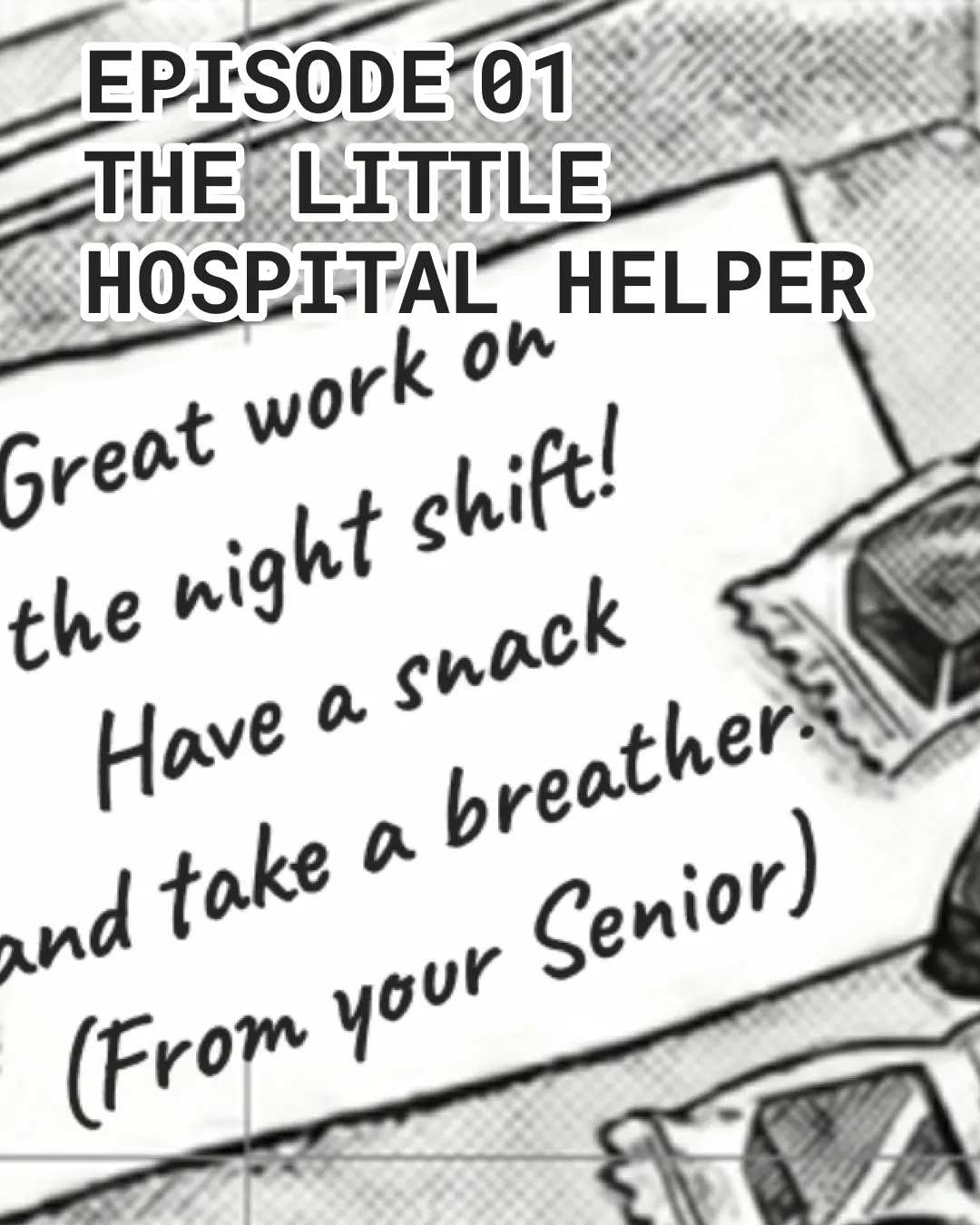
Designing "Reliability" Beyond Functions
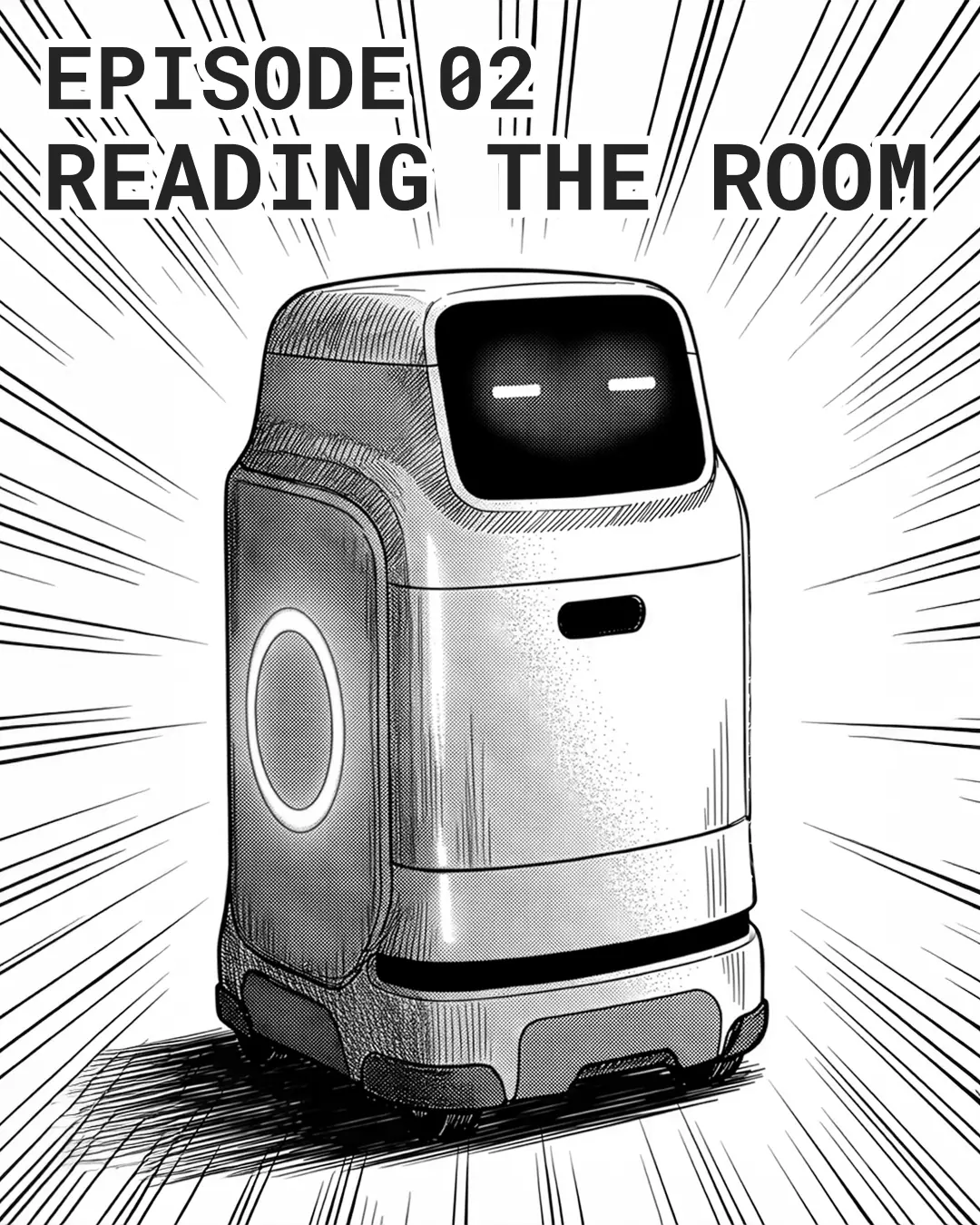
Designing a UI that "Reads the Room"

Questioning "Correctness" in Emergencies
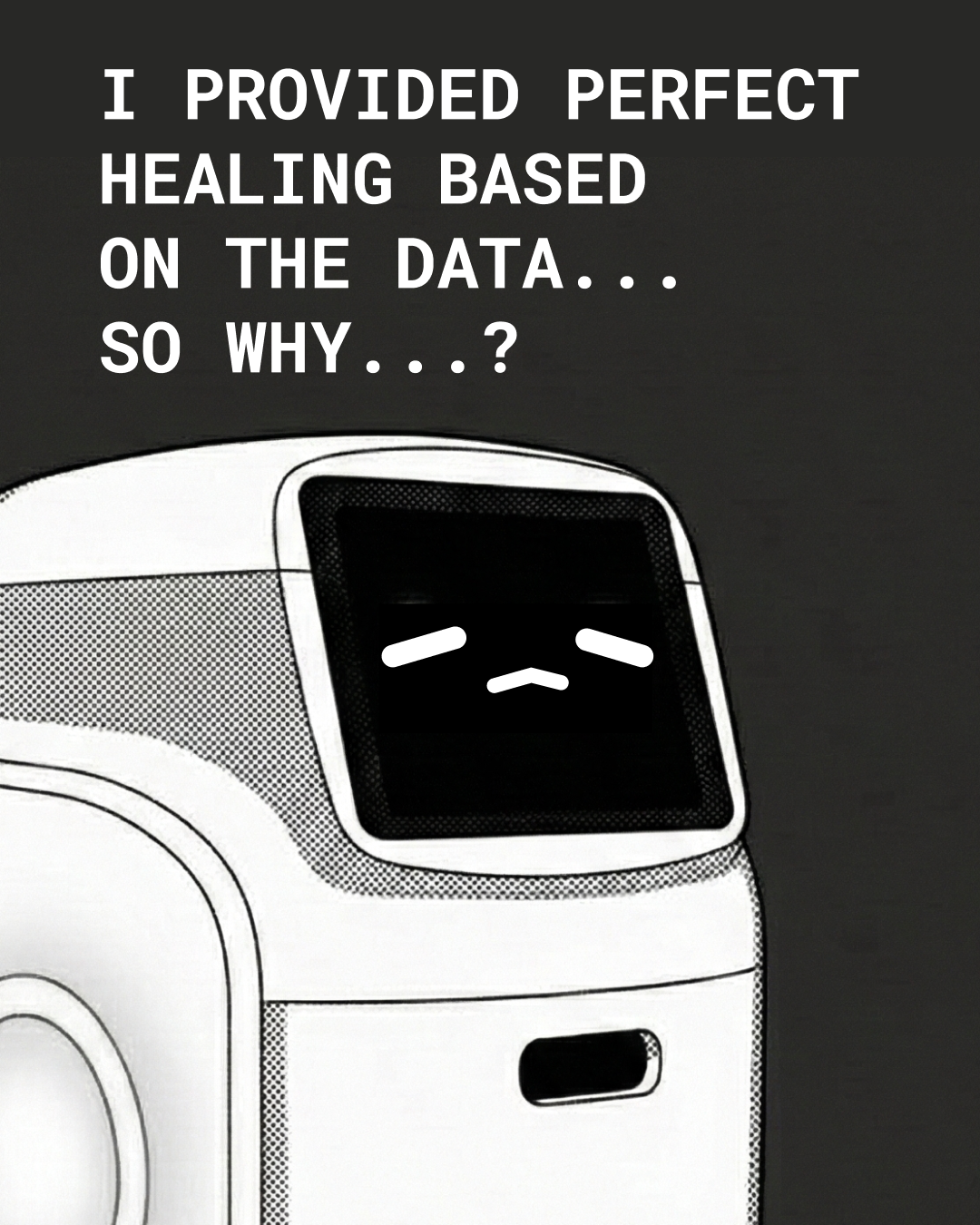
The "Unwanted Kindness" of Data-Driven Logic

Redefining the Meaning of "Fastest"
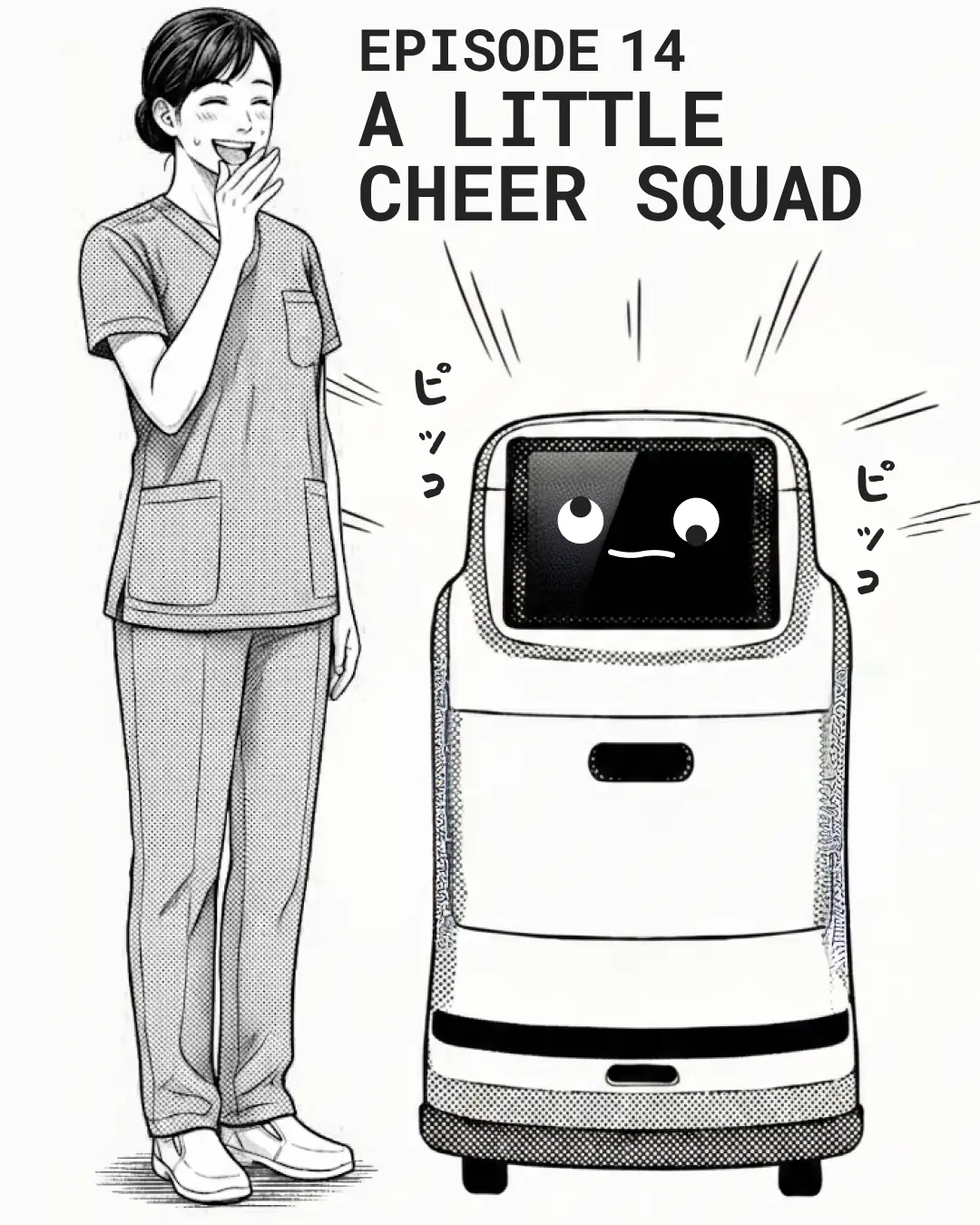
Non-verbal UI: Communicating Precisely Because There Are No Words
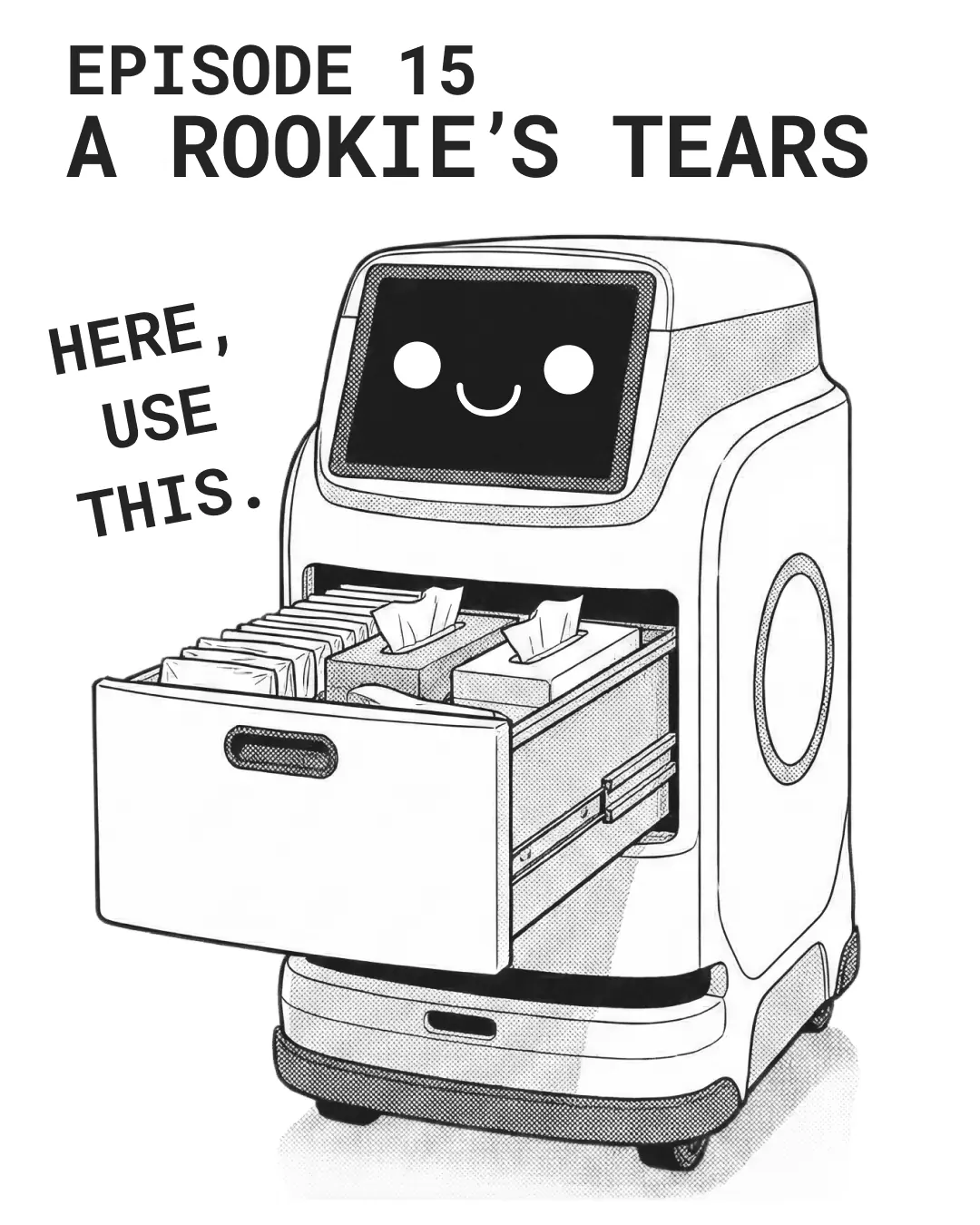
Redefining "Emergency"
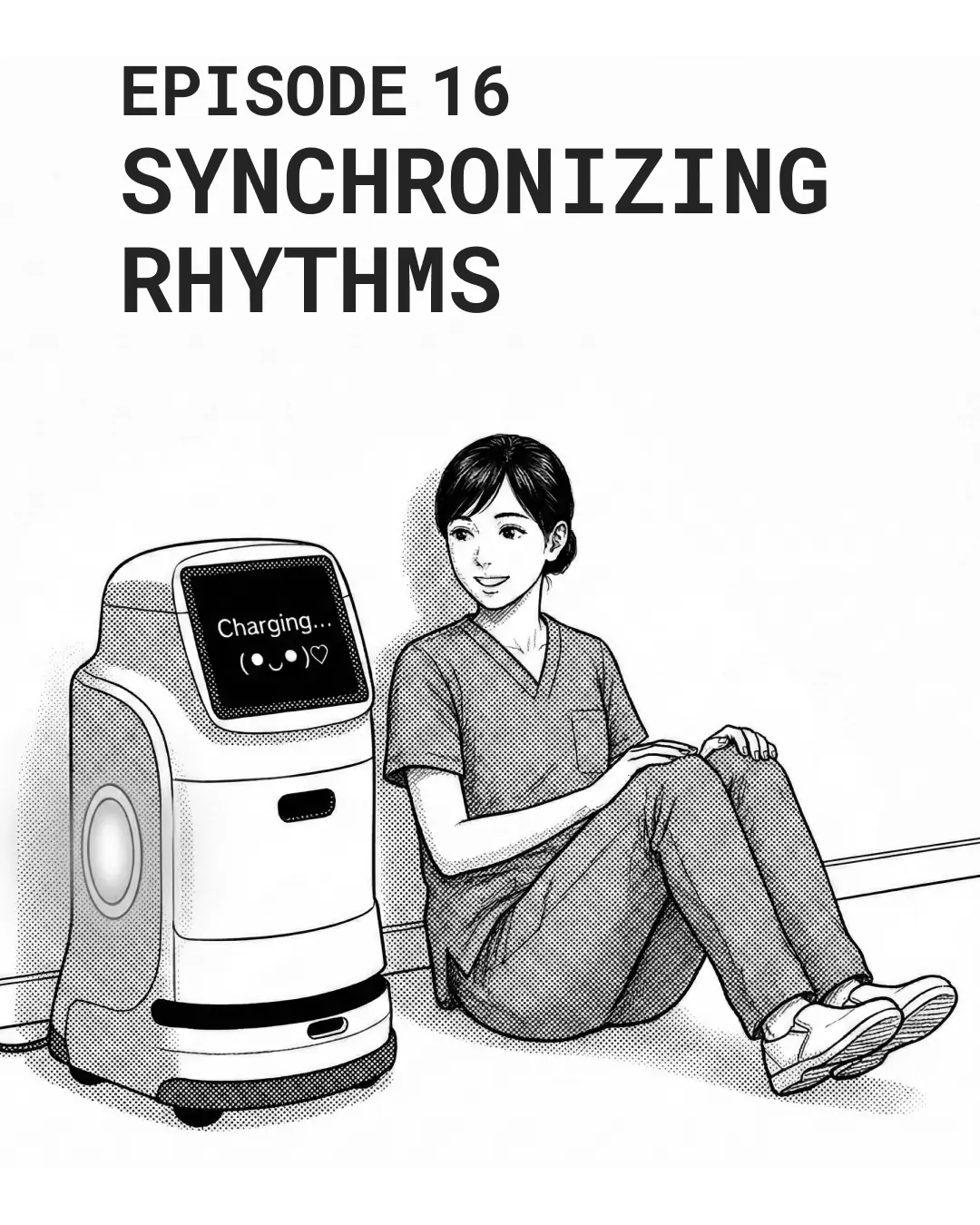
Rest Shared Between Humans and Robots
Designing the Right Kind of “Friendliness”

The Logic and Reality of "Shortest Path"
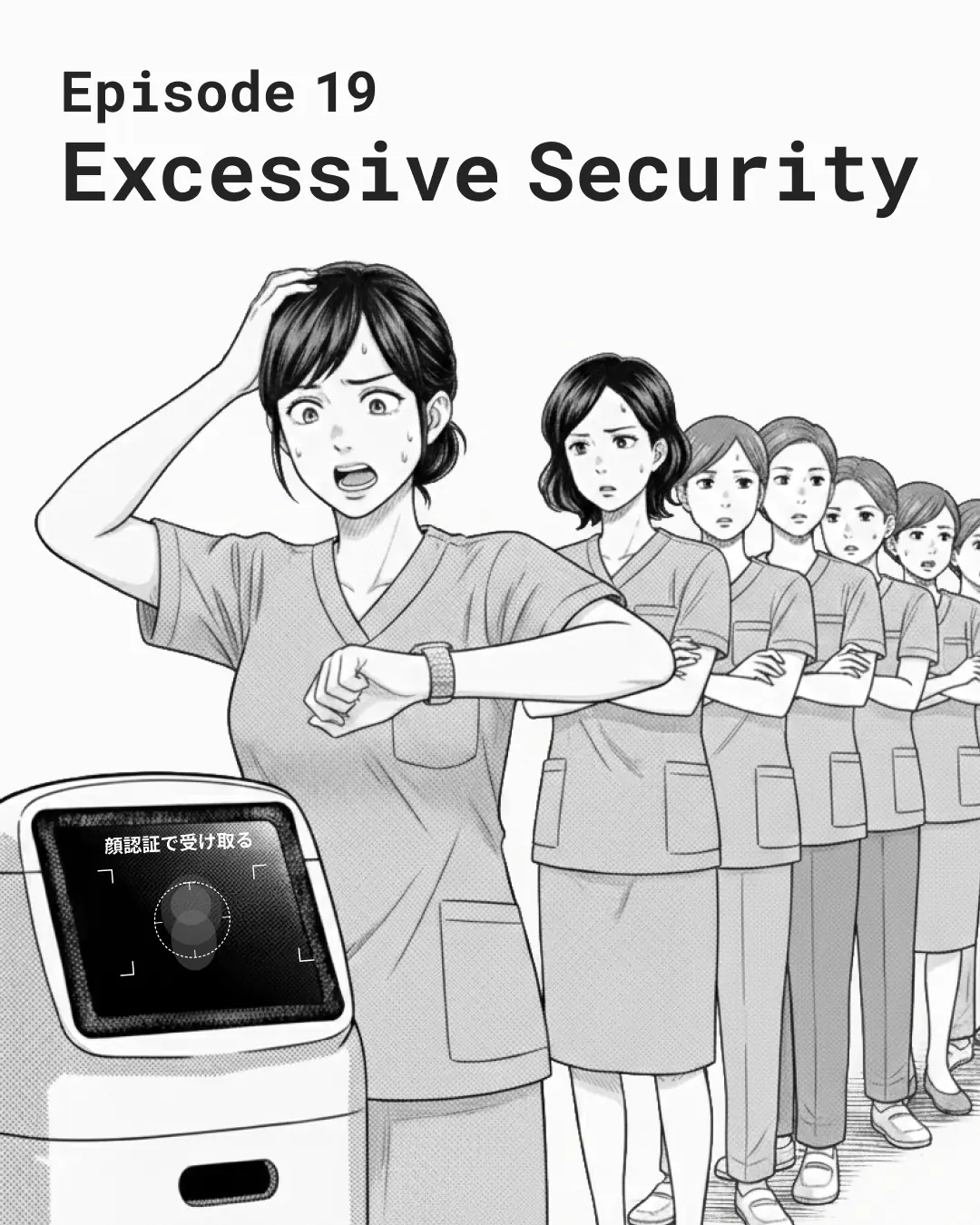
Excessive Security and Operational Friction

Entrusting the "Mental Margin" to Robots
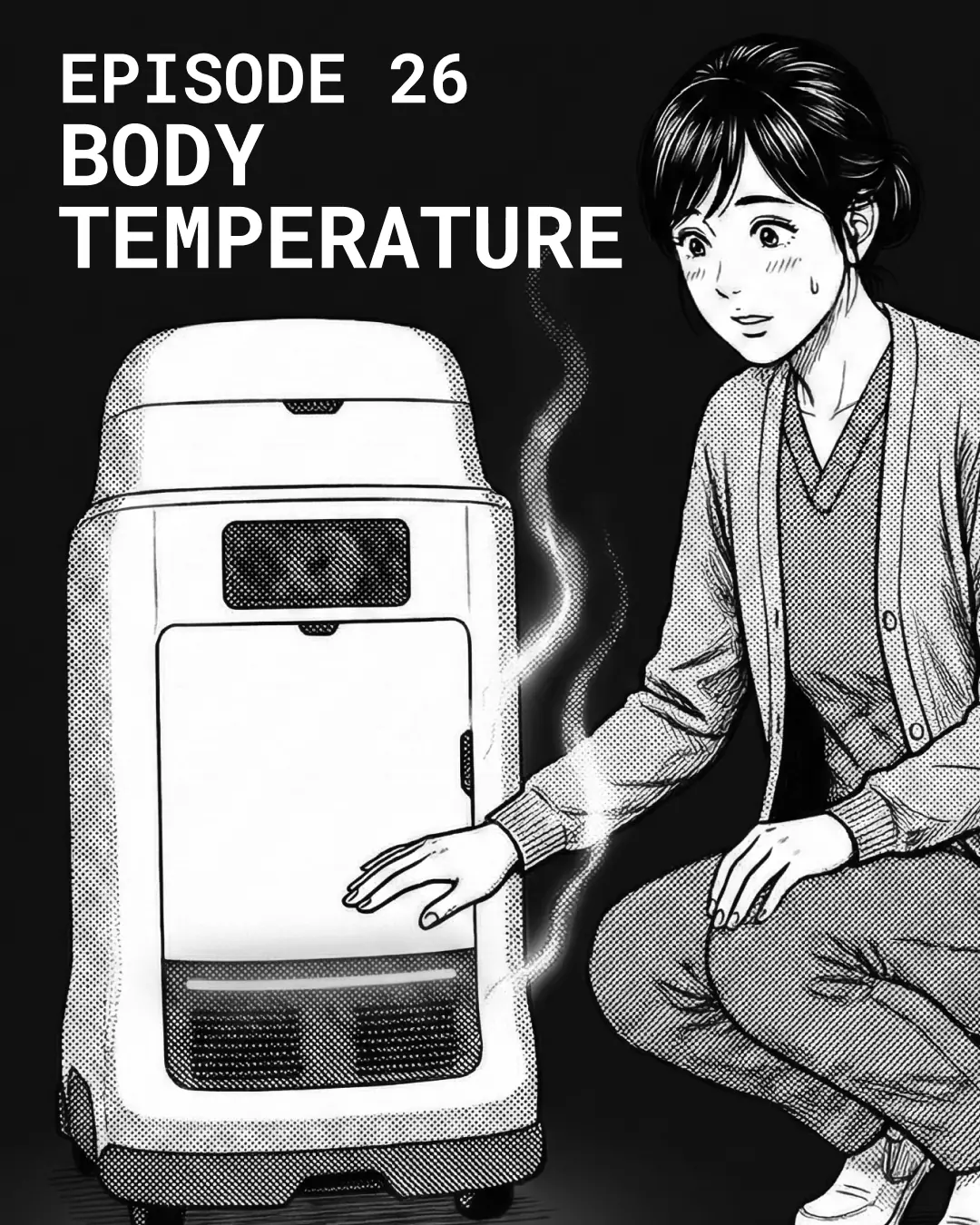
The Inorganic Body Temperature
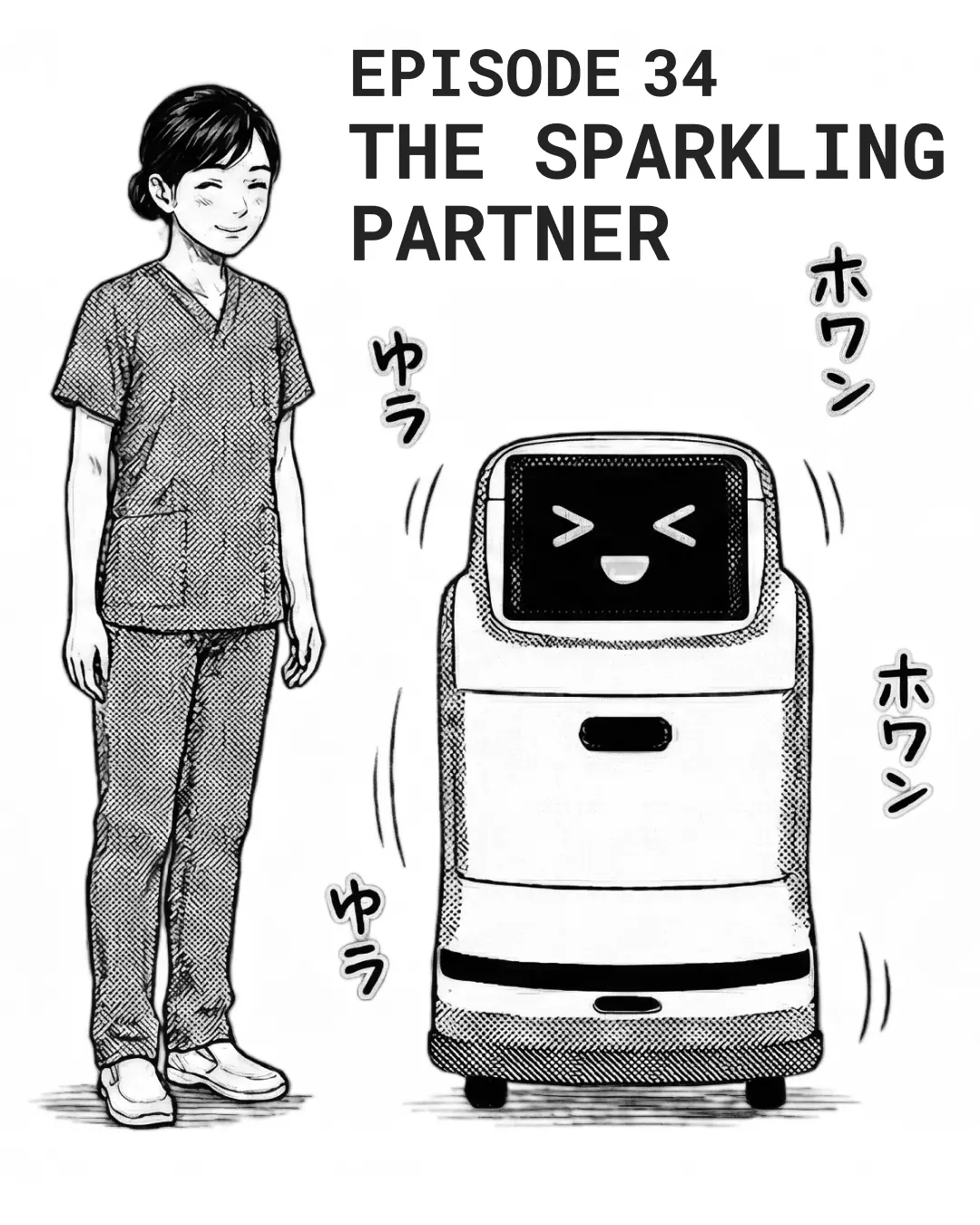
Is "Cleaning" Maintenance or "Dialogue"?
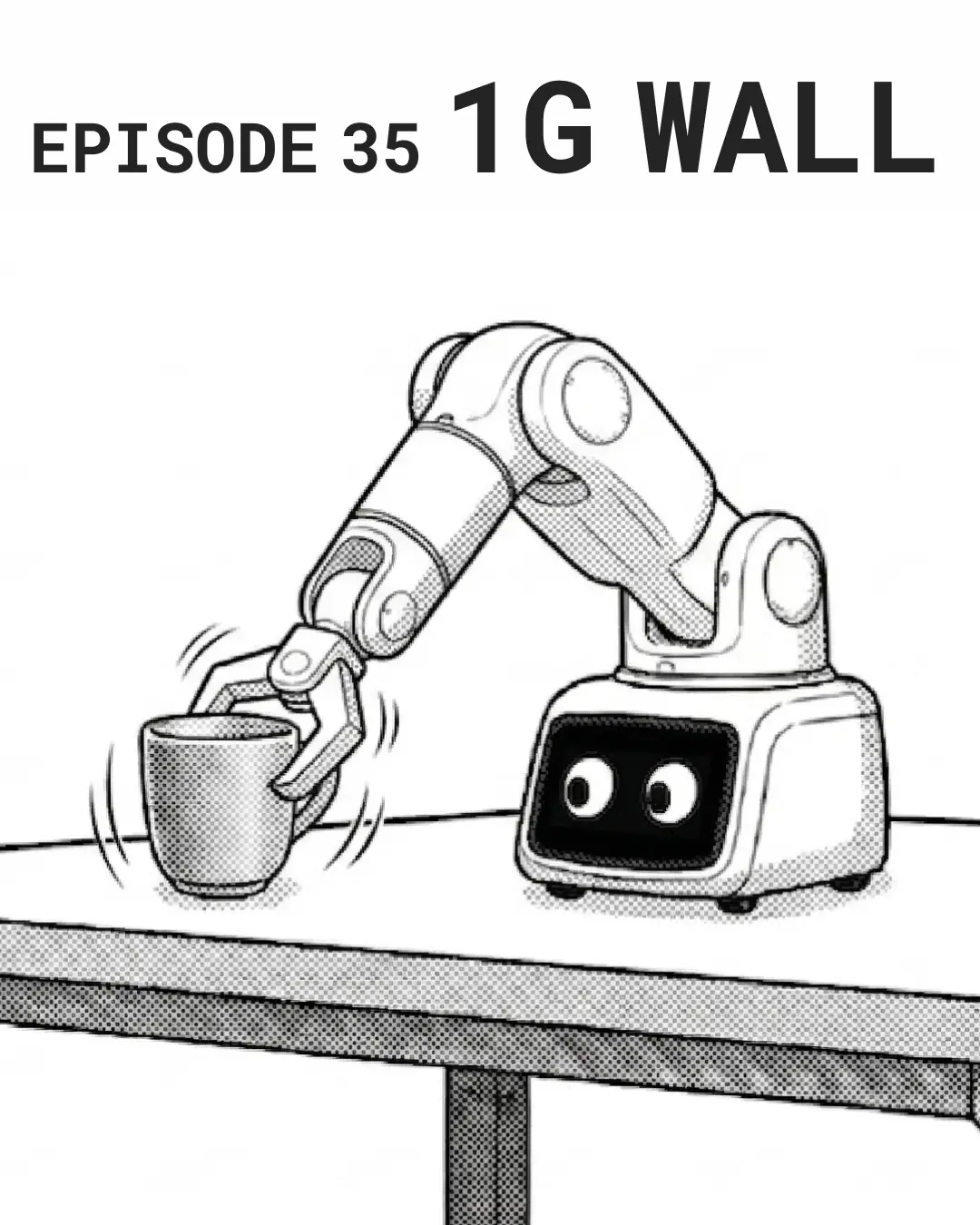
Designing Honesty: Showing What You Can't Do