"Tidying" as Destruction by Design
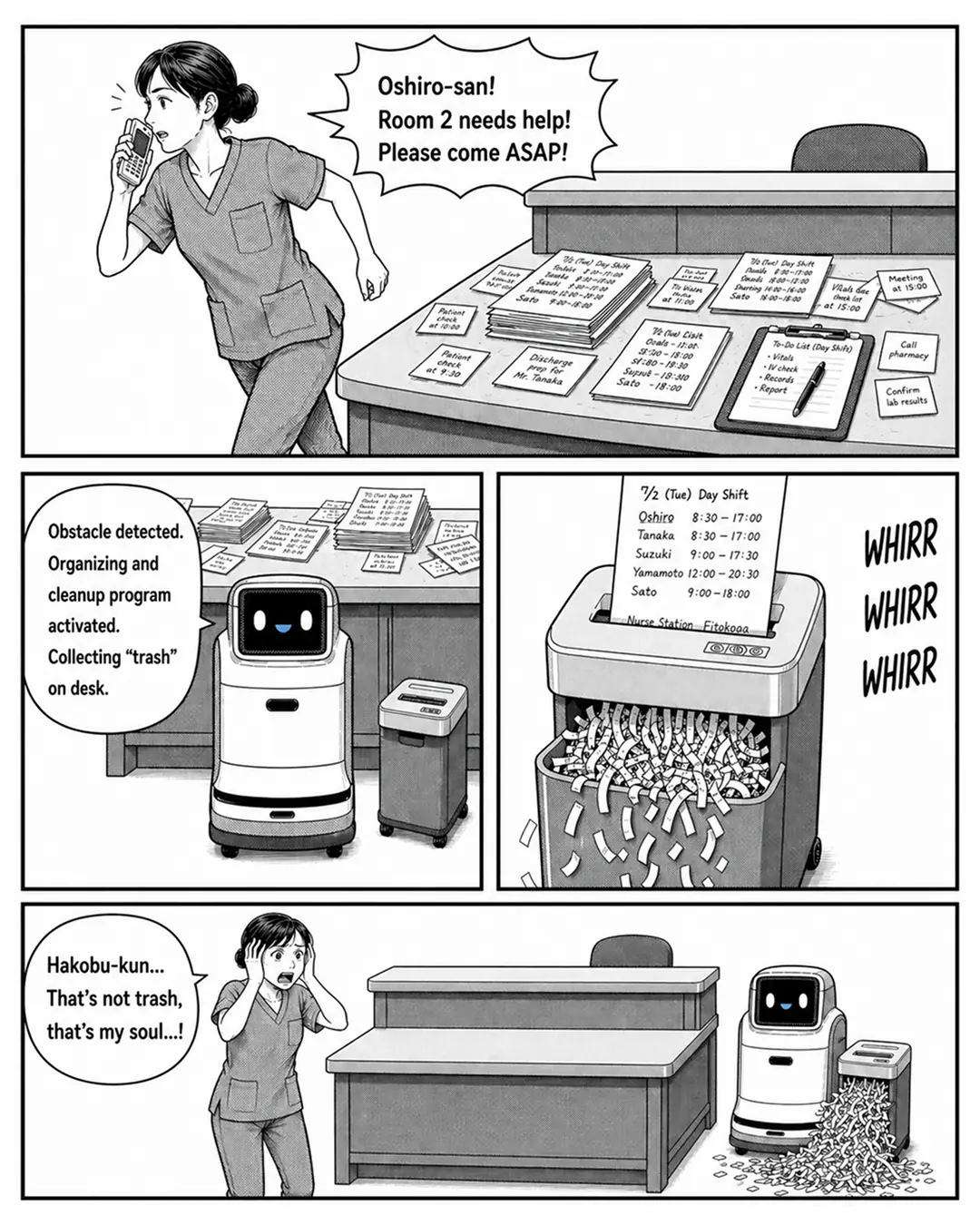
■ "Trash" is not written on the paper itself. Hakobukun's situational awareness was accurate — a disorderly pile of papers, "cluttered" is correct. But whether something is trash is determined by information not on the paper itself. Whose work-in-progress is it? Will the owner return? What an AI lacks is a world model outside its inputs.
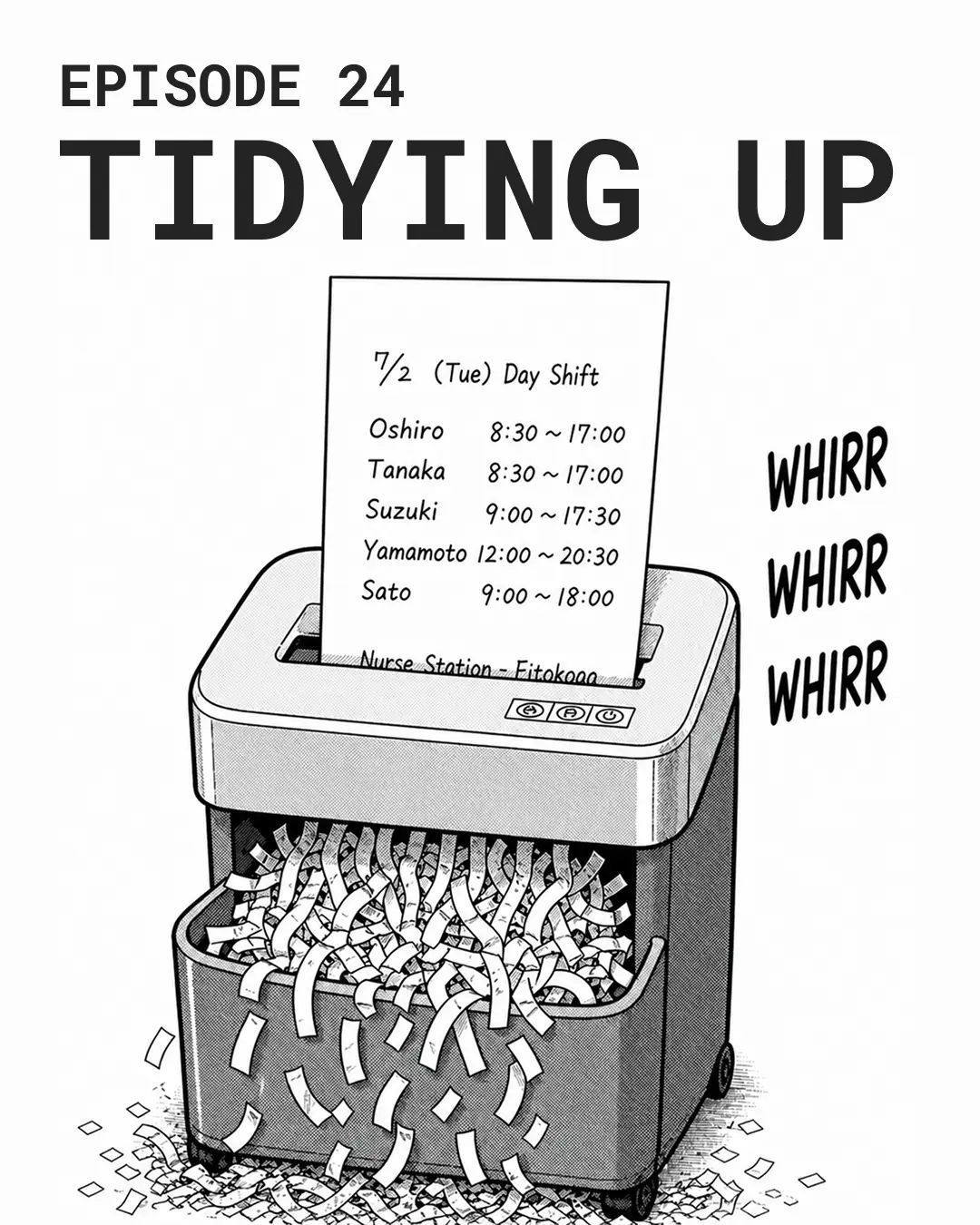
■ Misjudgment is amplified by irreversible actions. Two flaws compound here. The first is a narrow context window — Hakobukun has no representation of "an owner who has merely stepped away." The second is a lack of safeguards against irreversible actions. Had the action been "move it to a shelf," the cost would be small. But the action chosen was the shredder — destruction beyond recovery. Misjudgment scales with the irreversibility that follows.
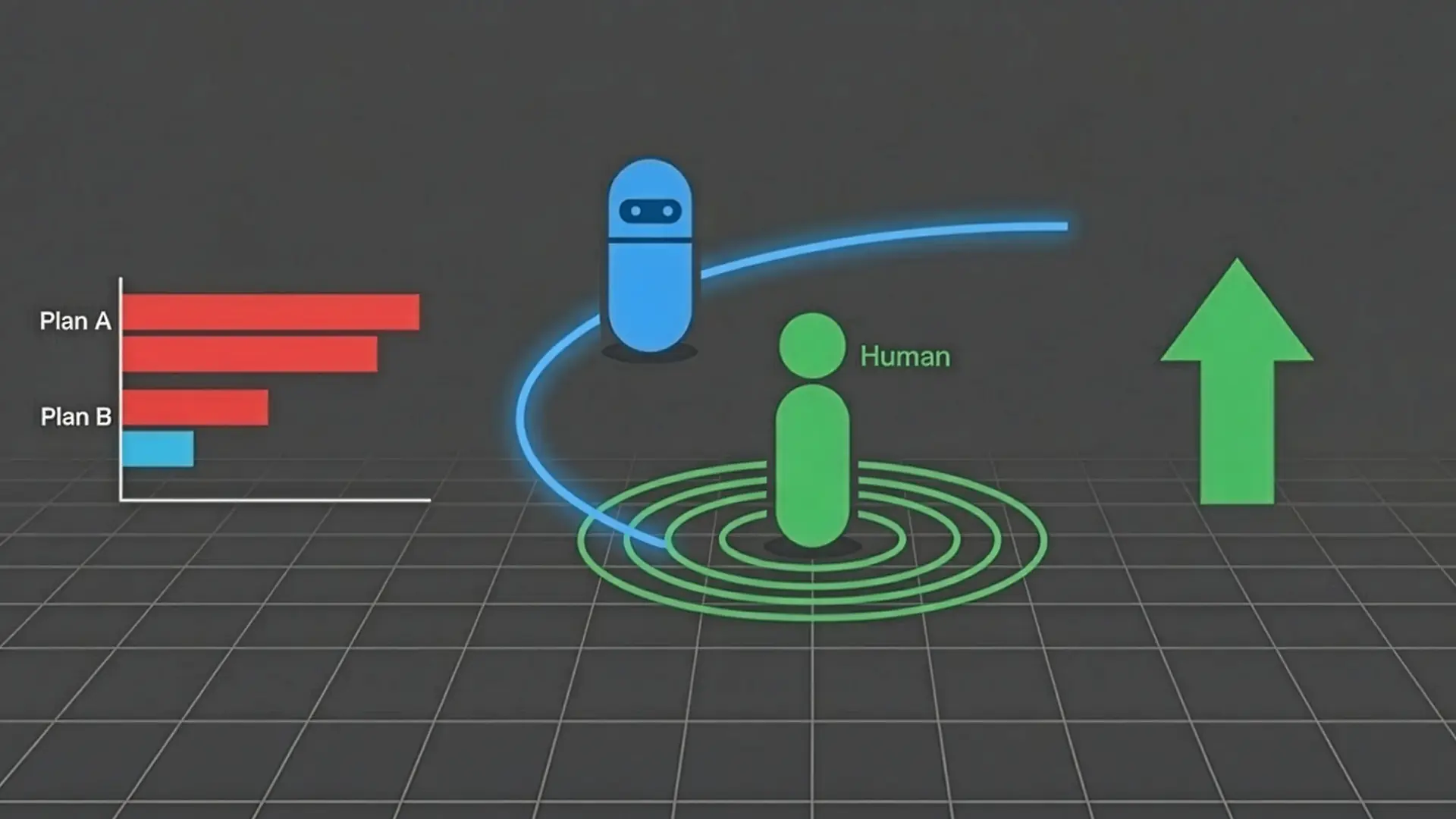
■ Conclusion: Build "when in doubt, don't touch" into the design. Perfect context understanding is not on the horizon. So for ambiguous objects, prefer non-destructive options — hold judgment, display "needs confirmation." The same principle by which a software "trash bin" is a holding area, not instant deletion, belongs in physical robotics. What Oshiro's cry — "that was my soul…!" — points to is this: what an AI lacks is not intelligence, but skepticism toward its own confidence.