Designing to Match the Rhythm, Not the Speed
■ From "the Right Speed" to "Their Speed"
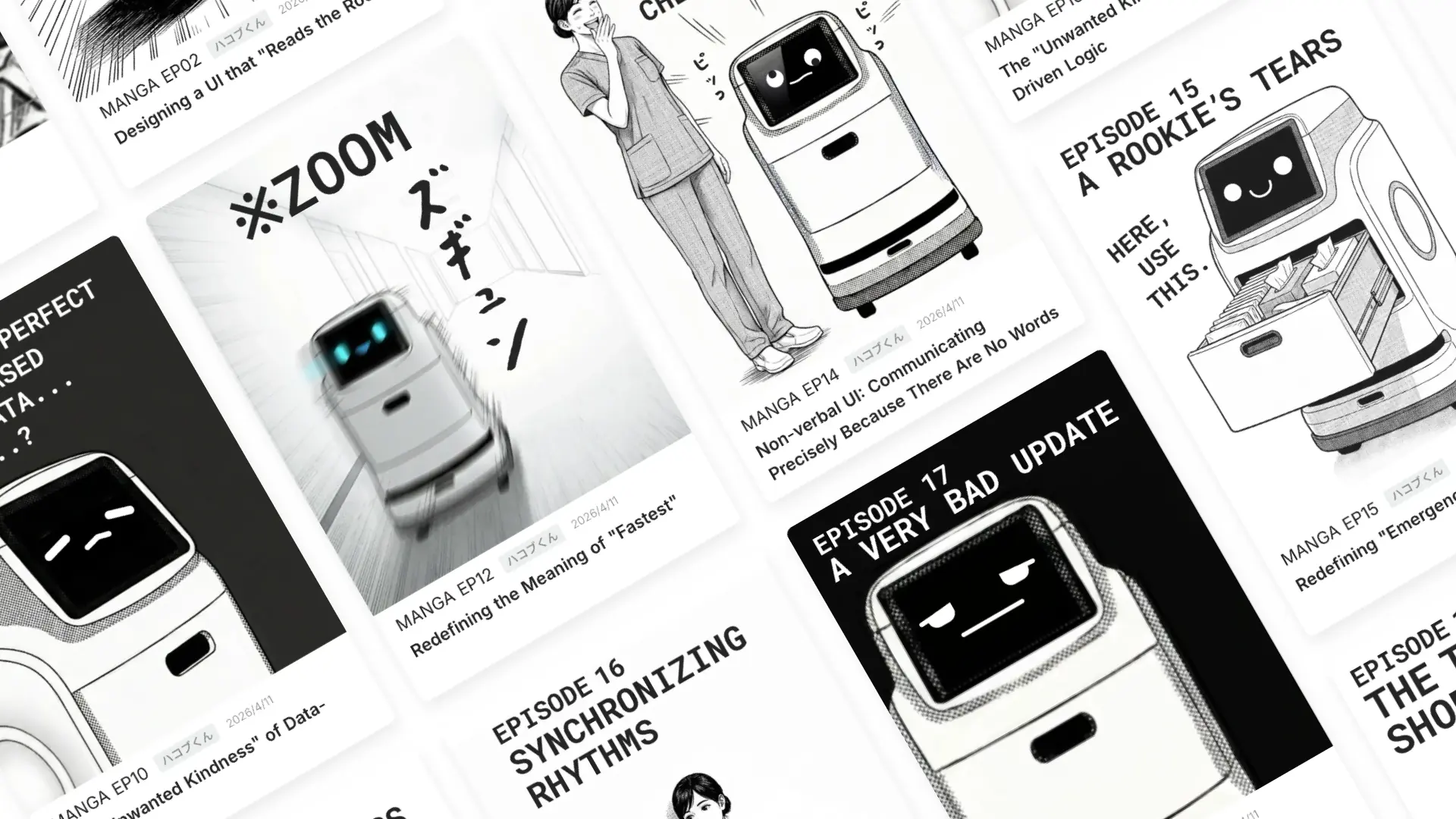
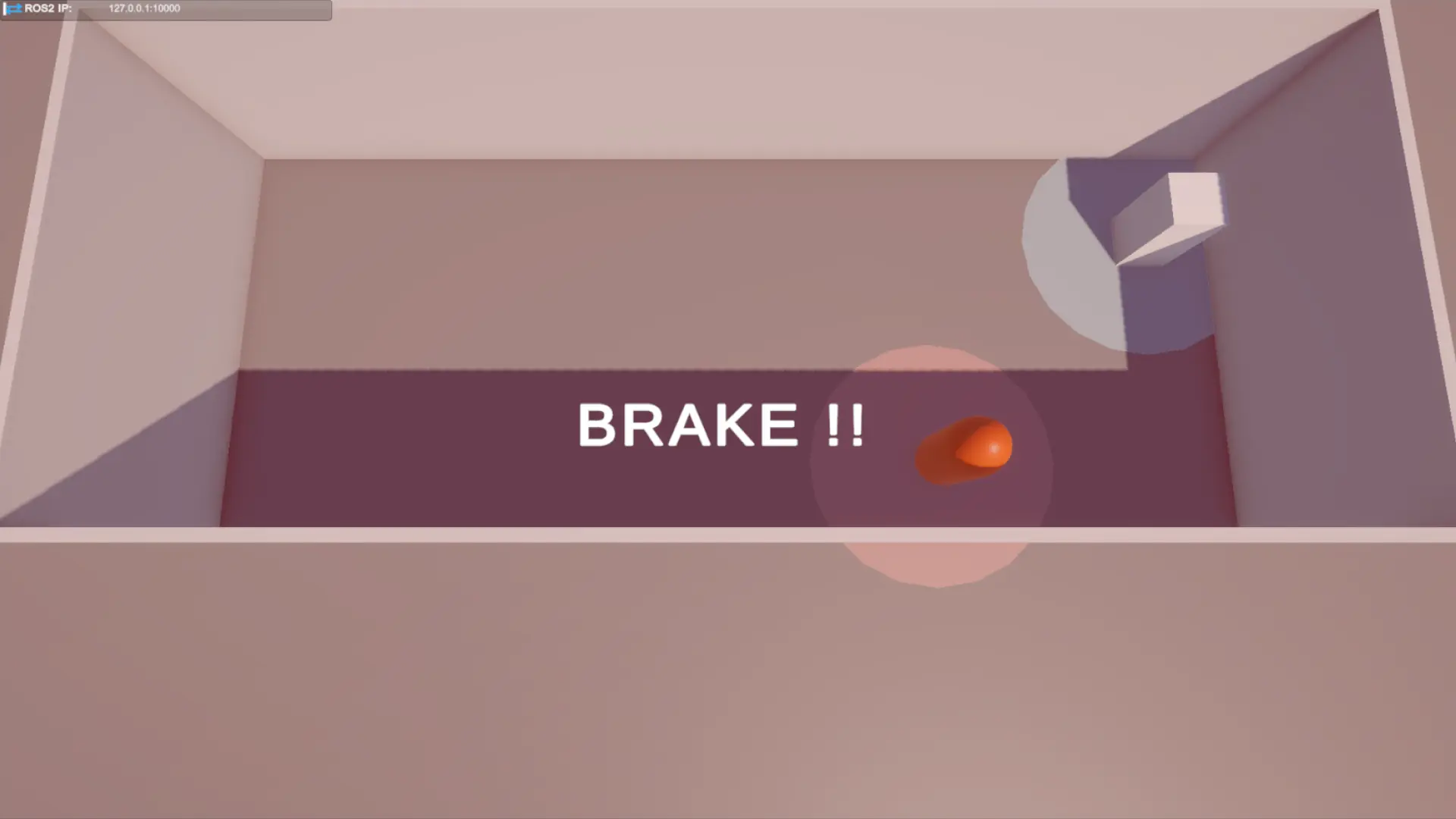
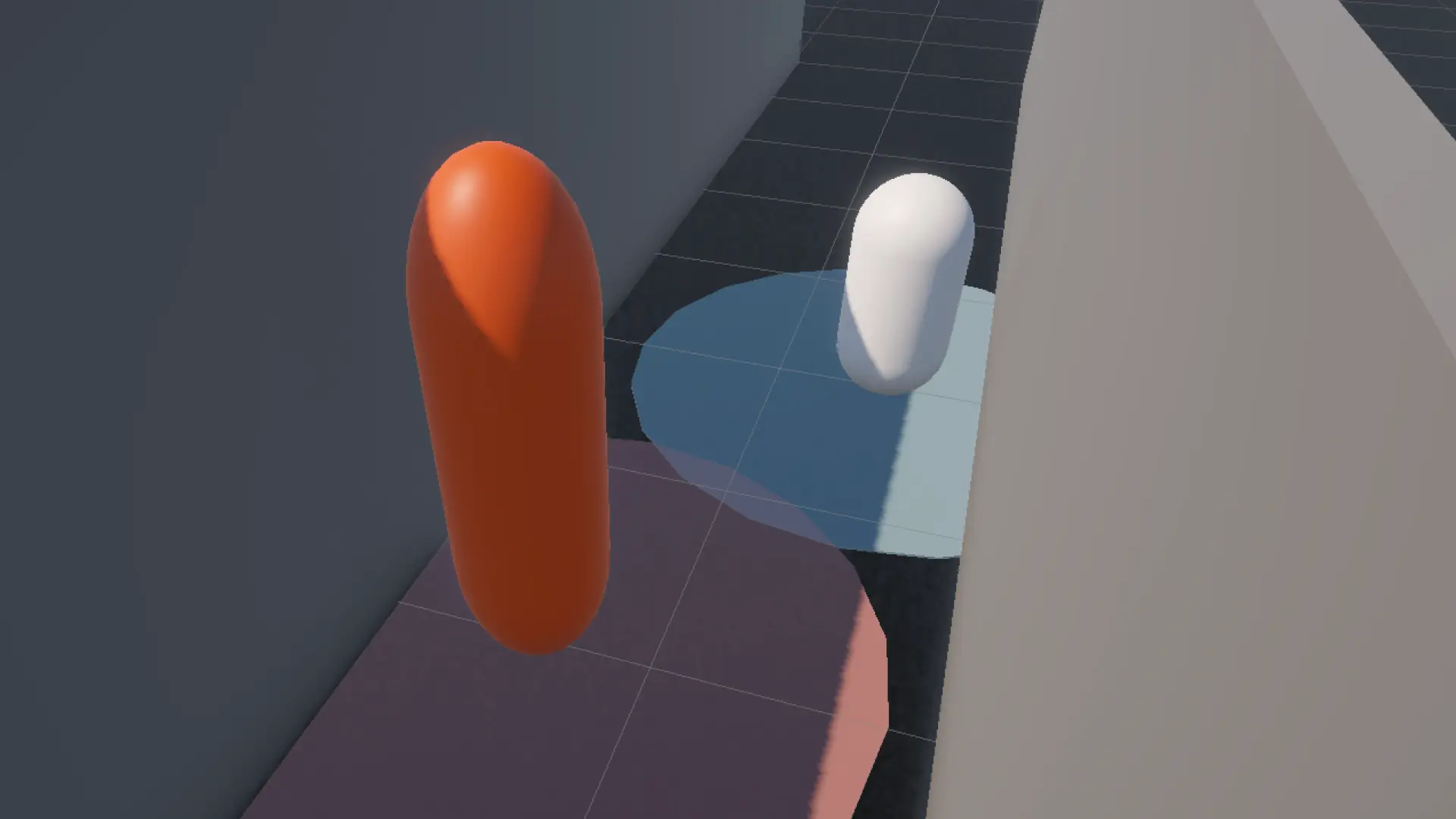
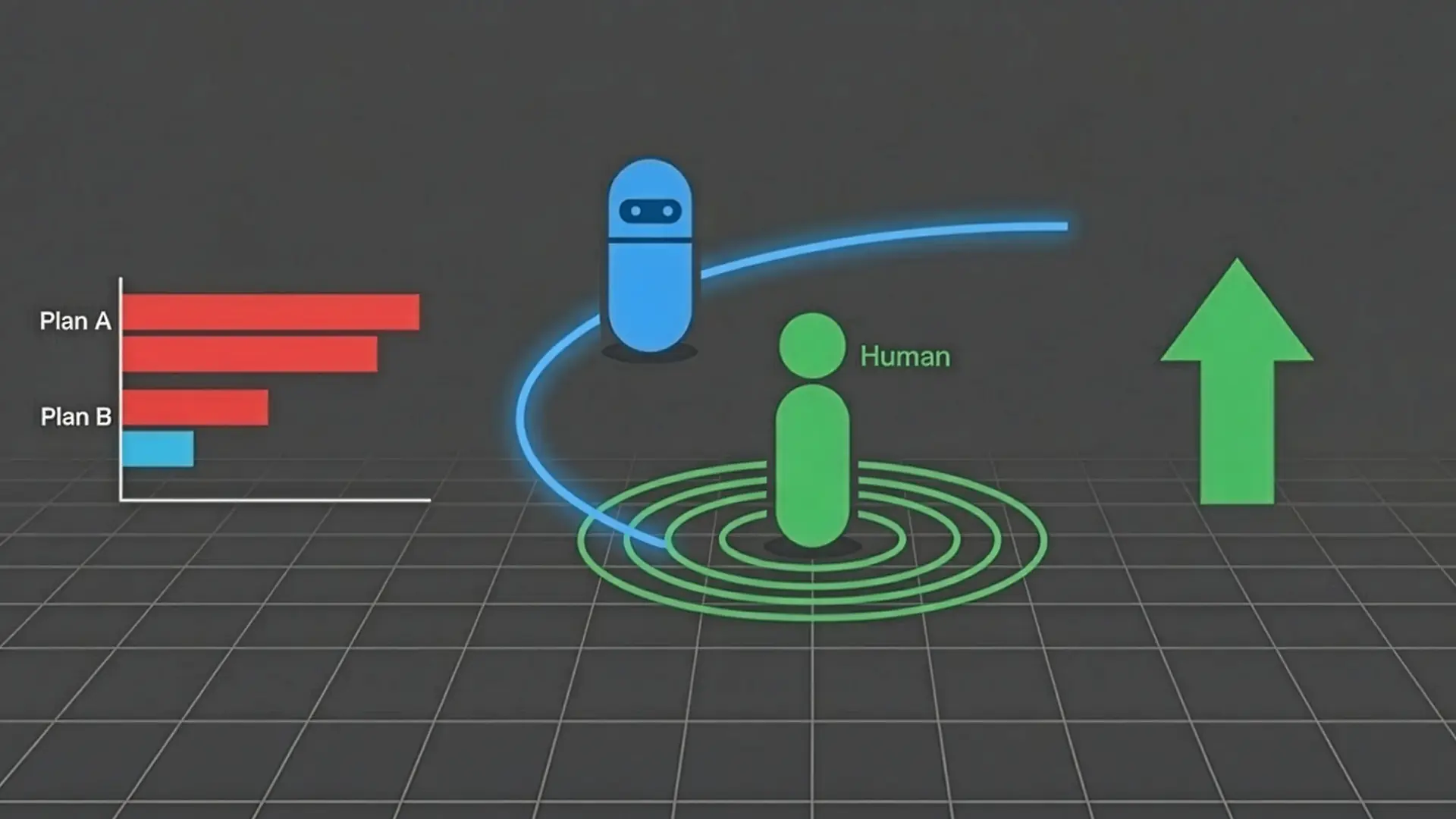
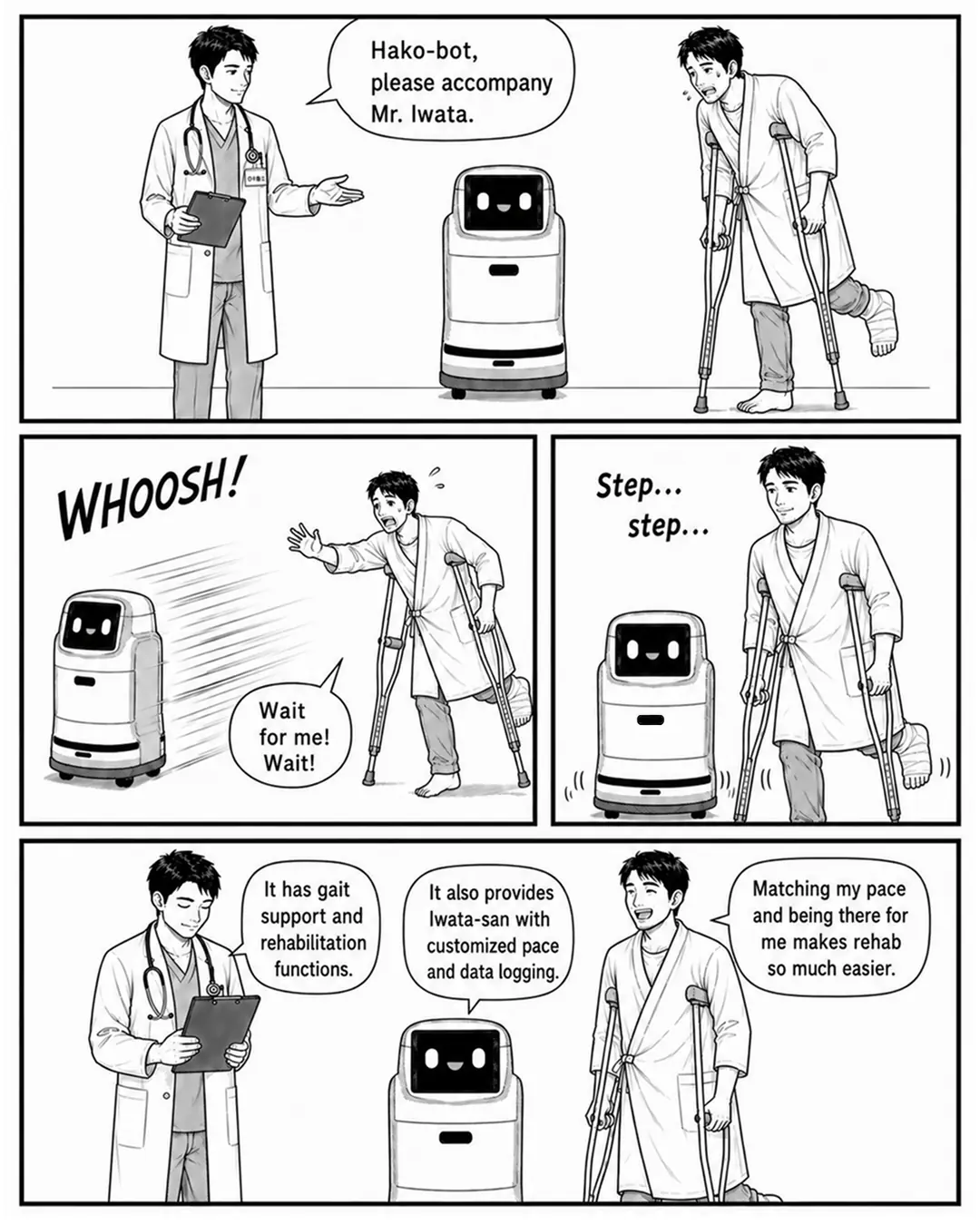
Robots treat the fastest path as optimal. But what Iwata, rehabbing on crutches, needed was not speed — it was the reassurance of being matched. The right pace is not an absolute number but a "speed within a relationship," set by the other person's condition.
■ The Hard-to-Quantify Nature of "Social Pacing"
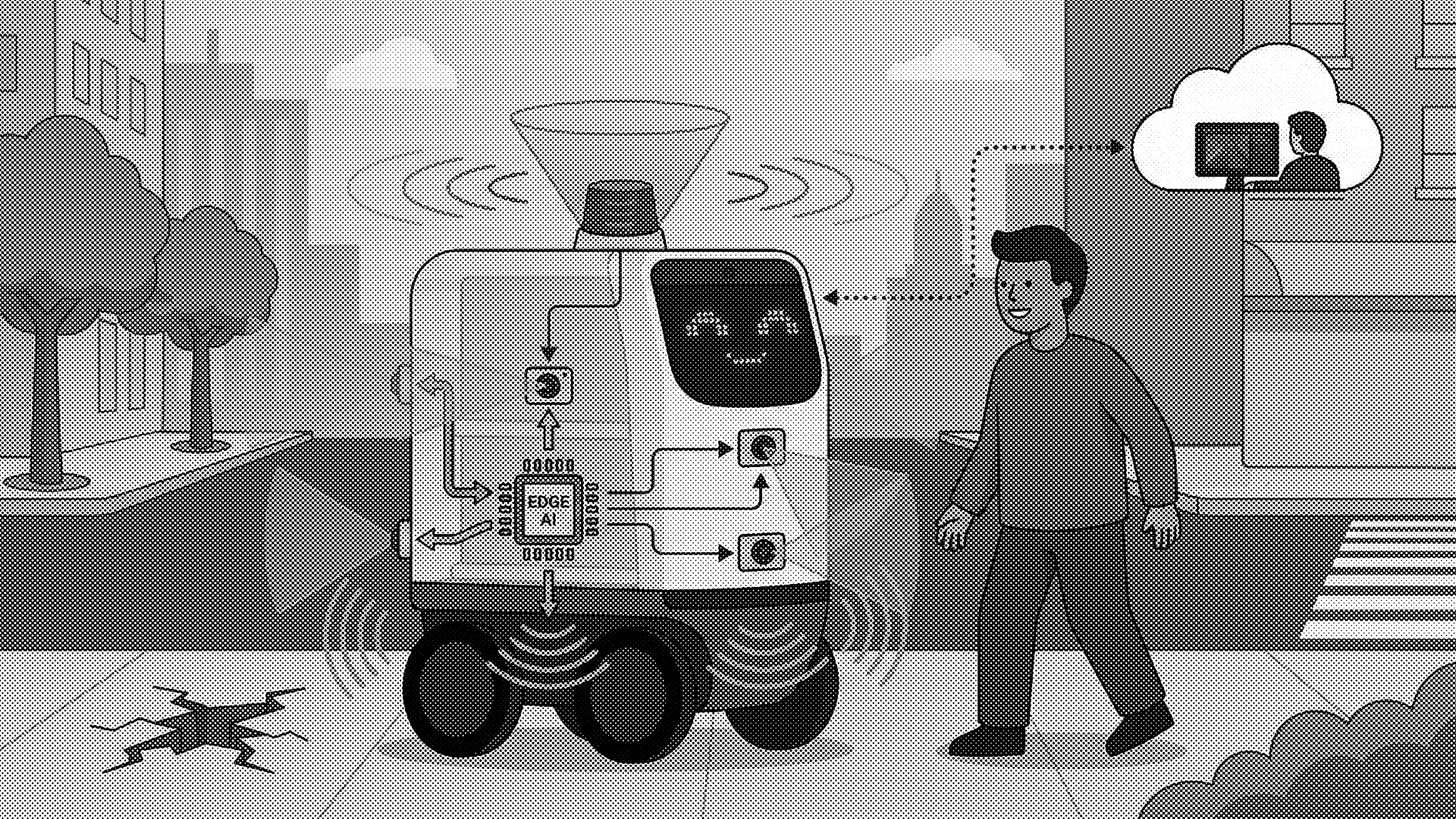
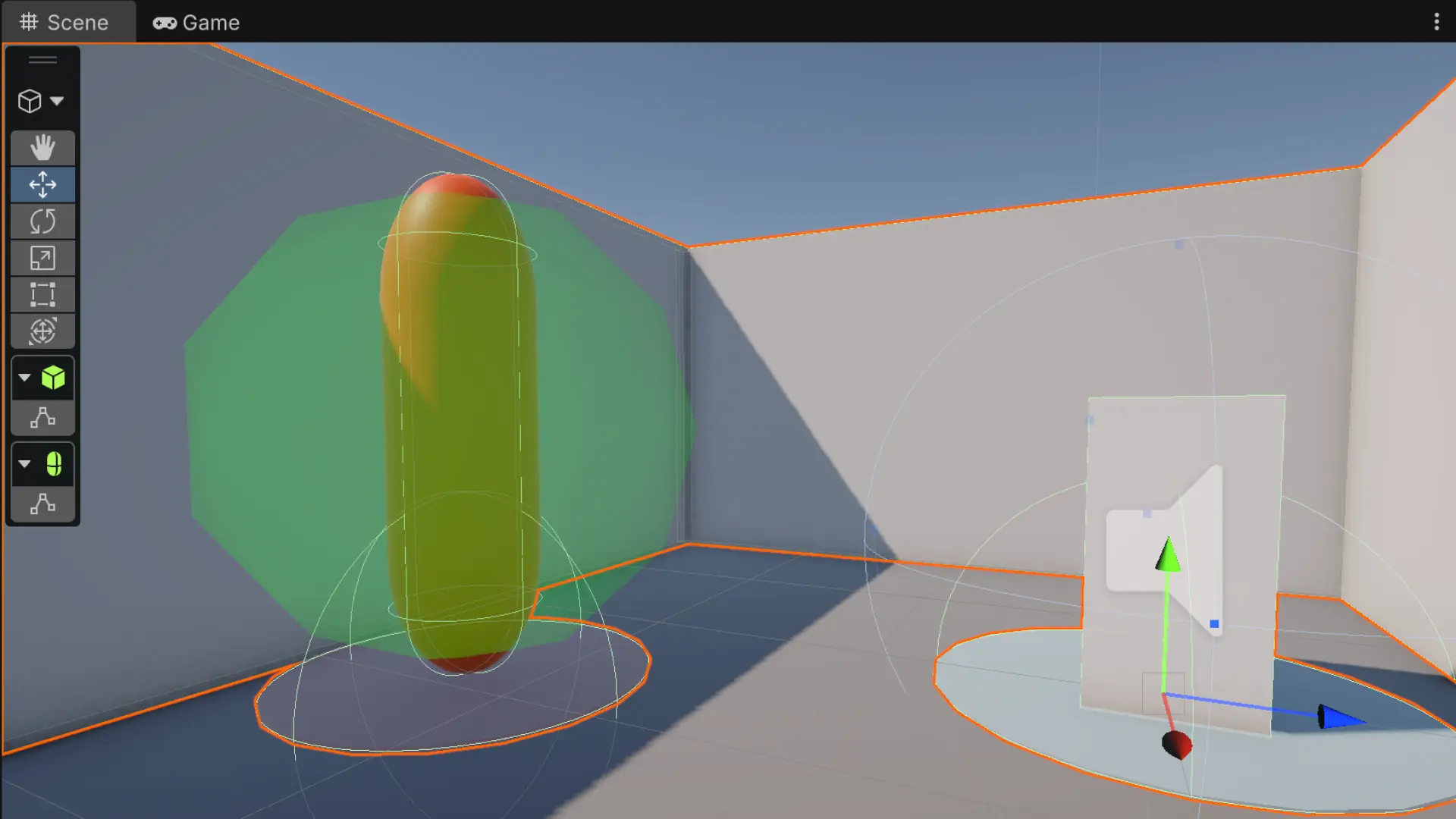
Matching a stride — synchronizing with the rhythm of crutches and the timing of each footfall — is one of the hard problems in real-time cooperative control. Through trial and error, Hakobukun learned and saved this as "Iwata's own pace." Not a generic optimum, but a speed tuned to one individual: that is what accompaniment actually is.
■ Conclusion: From a Leading Tool to a Presence
That Walks Alongside Iwata's "this is so much easier" marks the moment Hakobukun shifts from a "delivery machine" into a companion walking beside him. There are countless technologies for optimizing speed. But the design that yields speed to the other person is what makes a robot a presence worth having by your side.