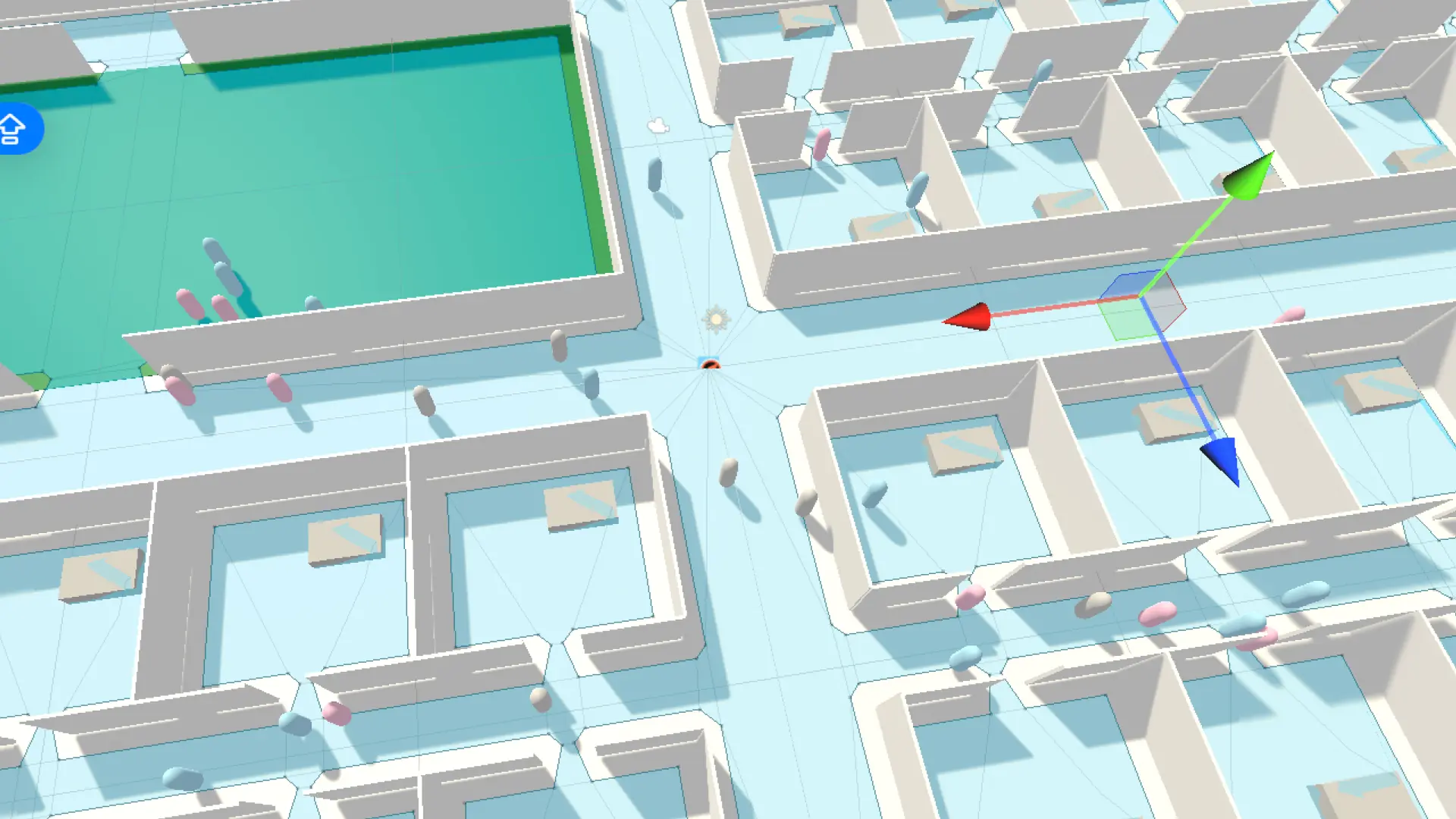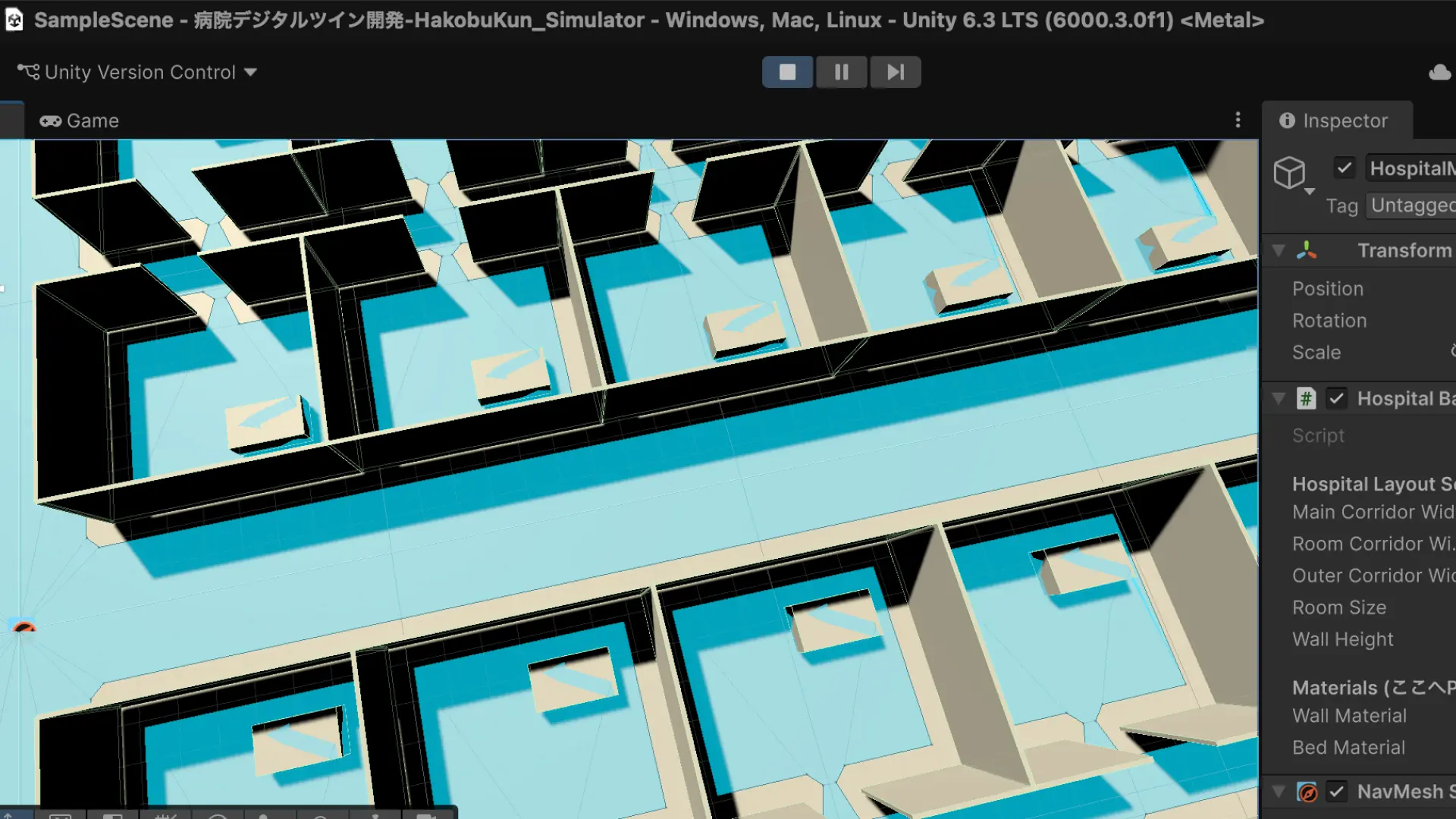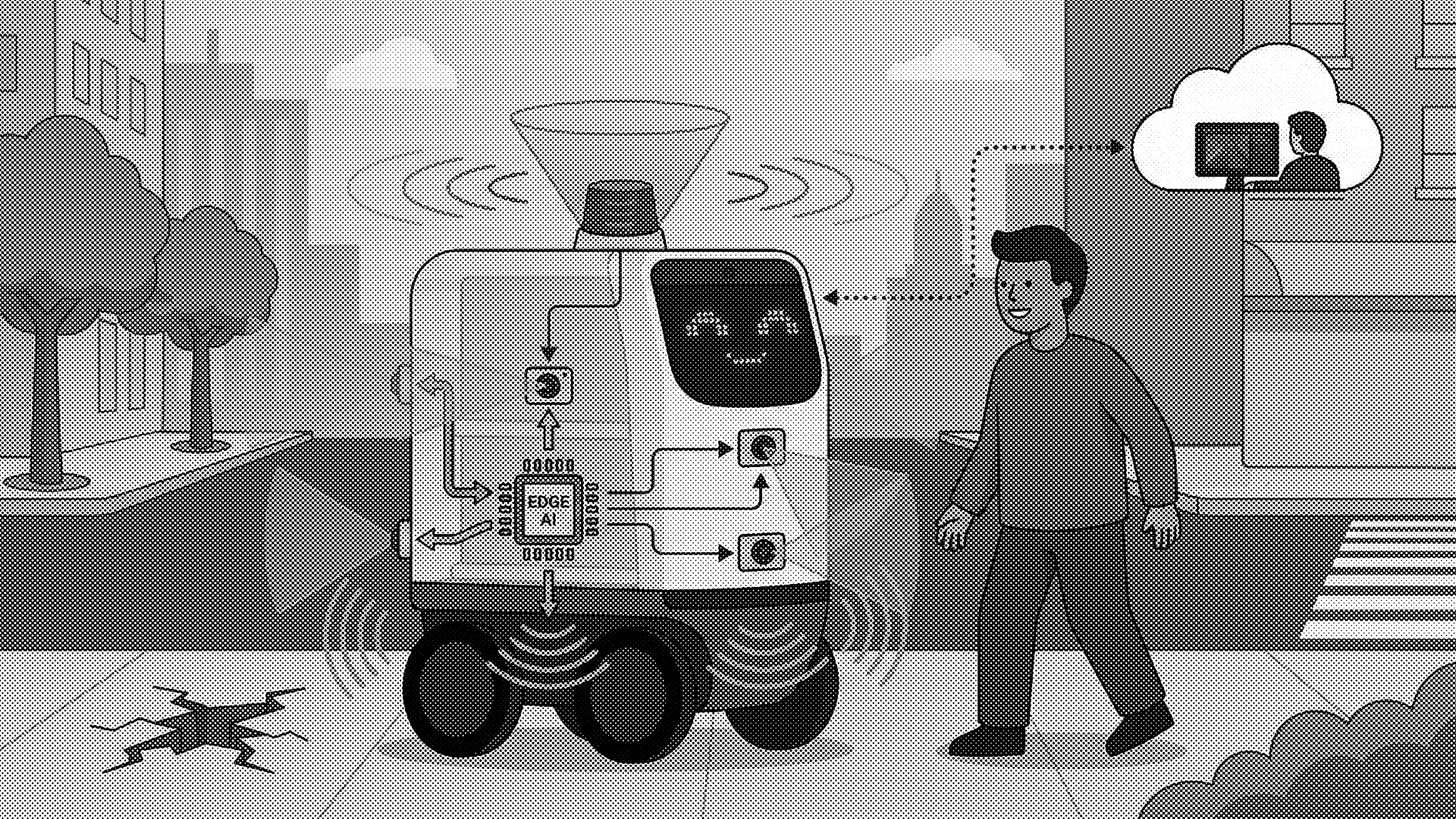
Designing the Machine That Stops Human Error
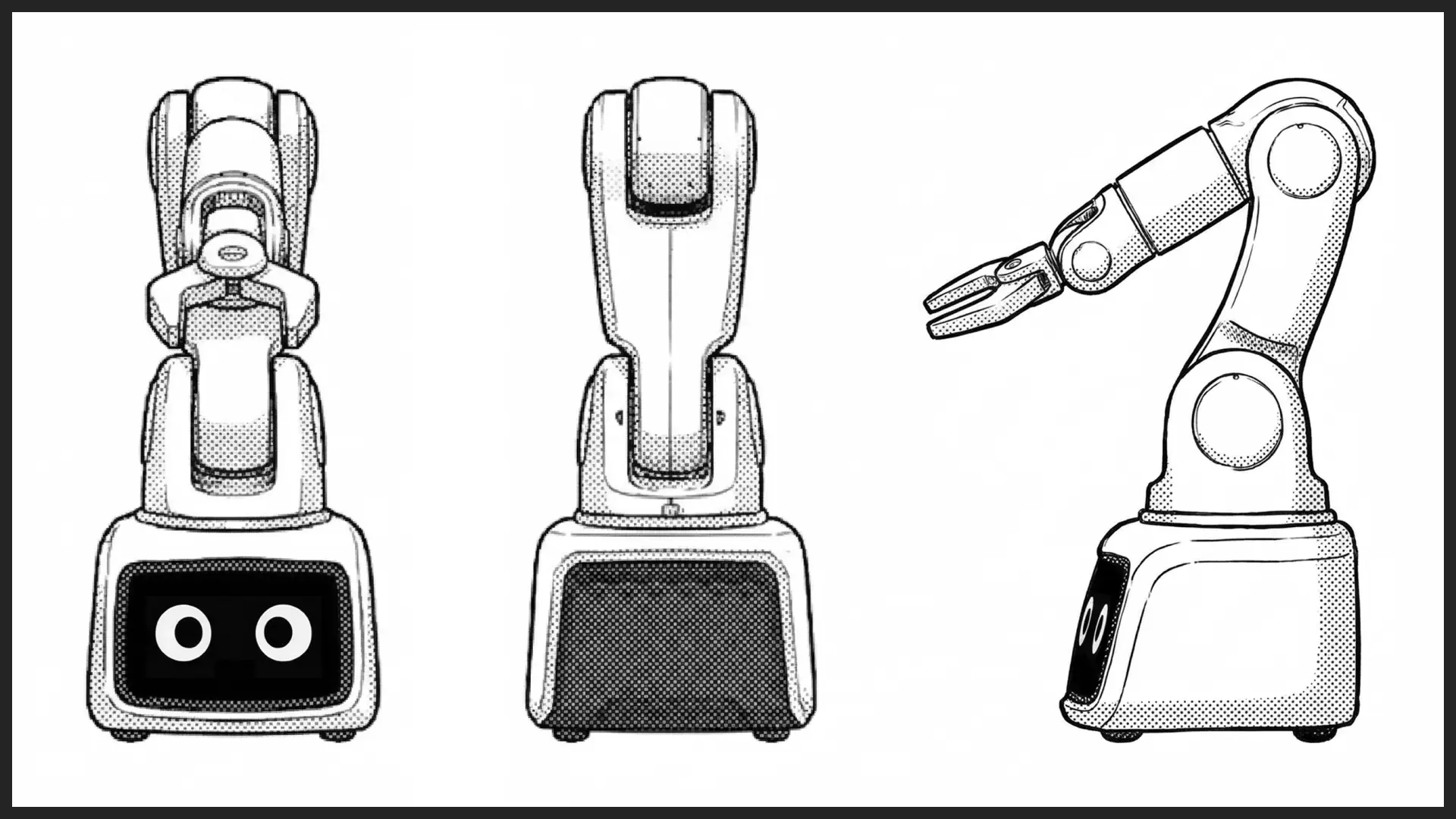
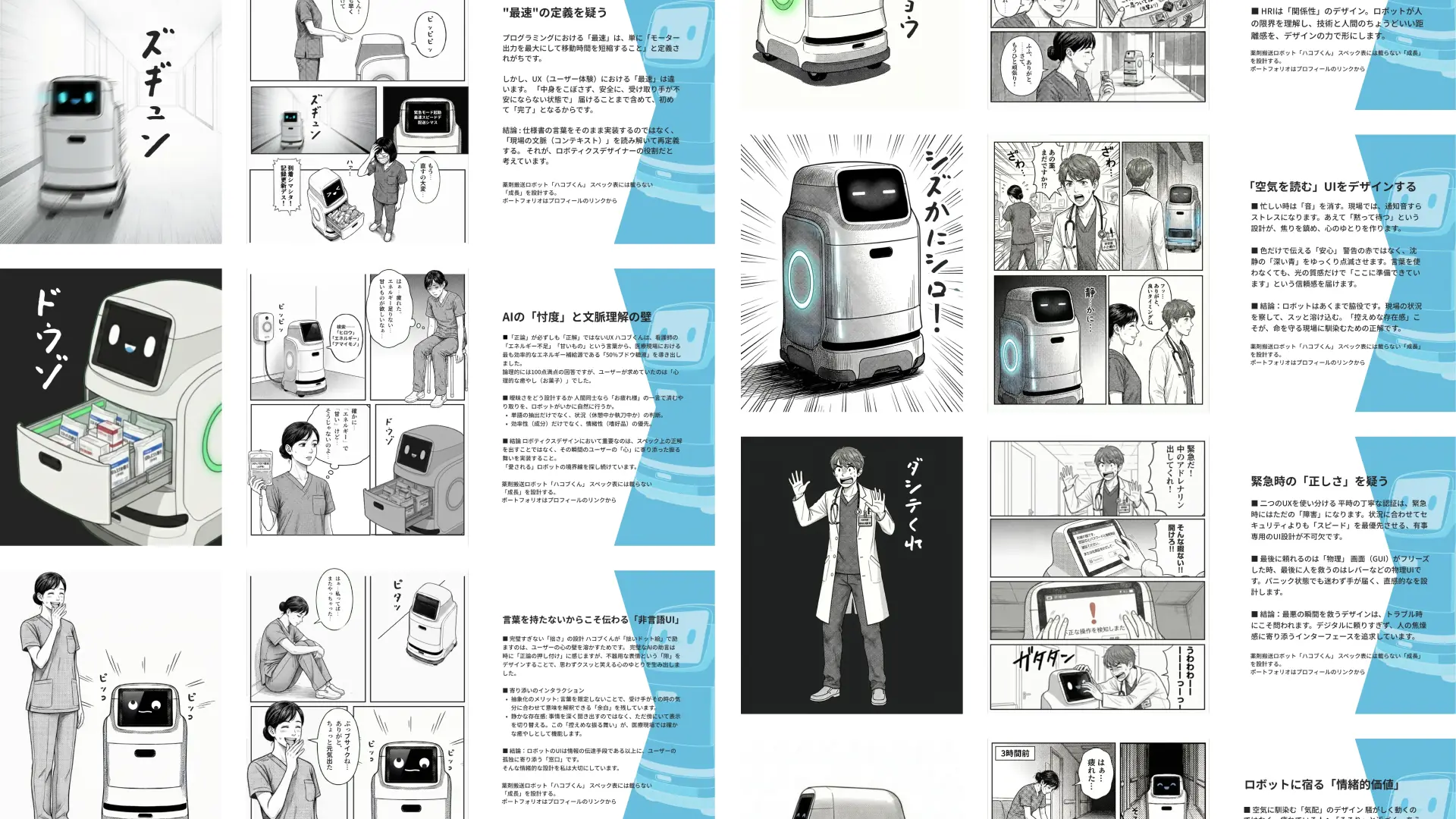
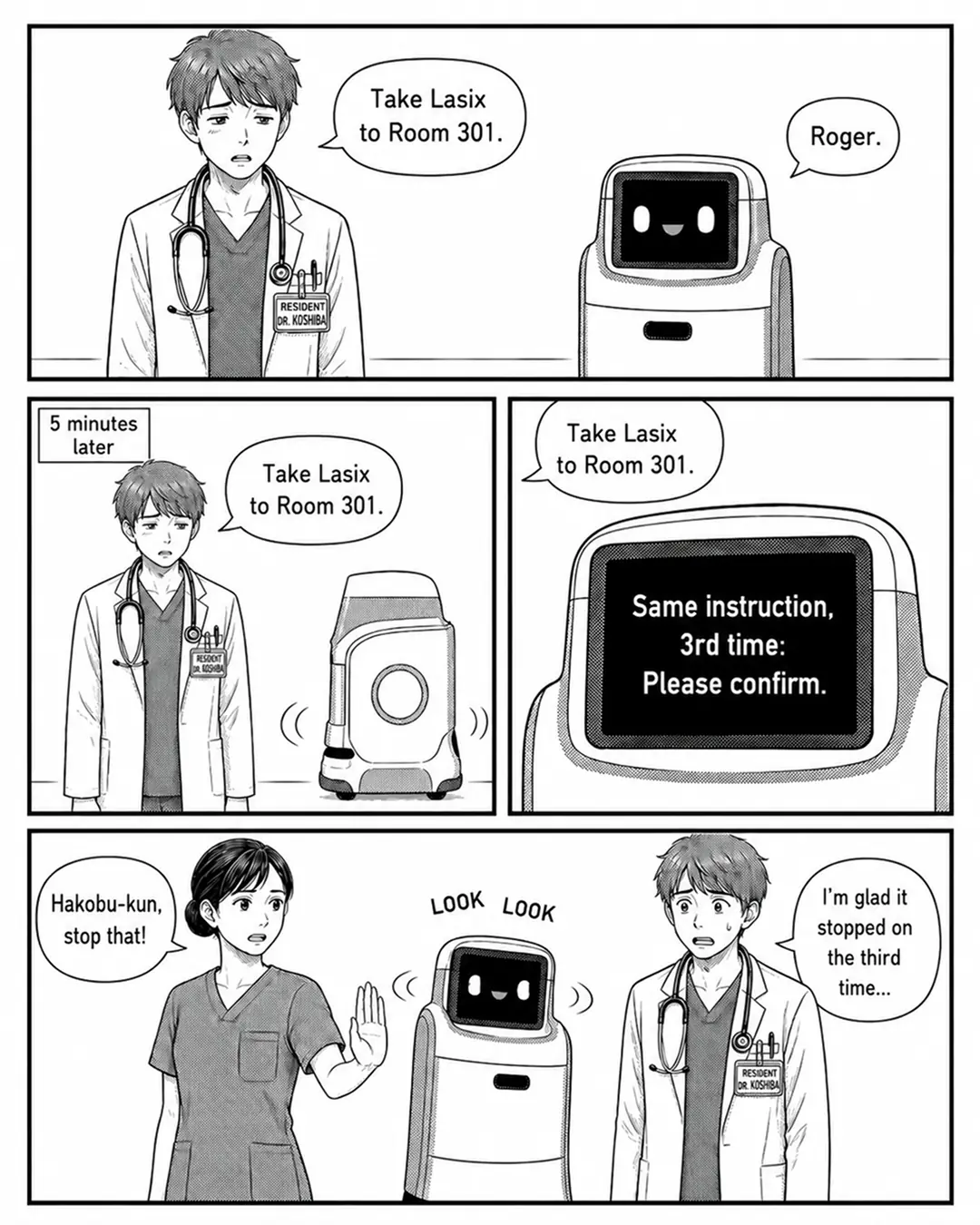
■ When "Accurate Execution" Becomes a Hazard A robot's virtue is faithfully carrying out instructions. When the post-night-shift resident Dr. Koshiba says "Lasix to Room 301," Hakobukun answers "Understood" without hesitation. But that faithfulness assumes the person giving the order is fully alert. A groggy resident repeating it three times turns literal execution into triple delivery — a direct path to overdose.
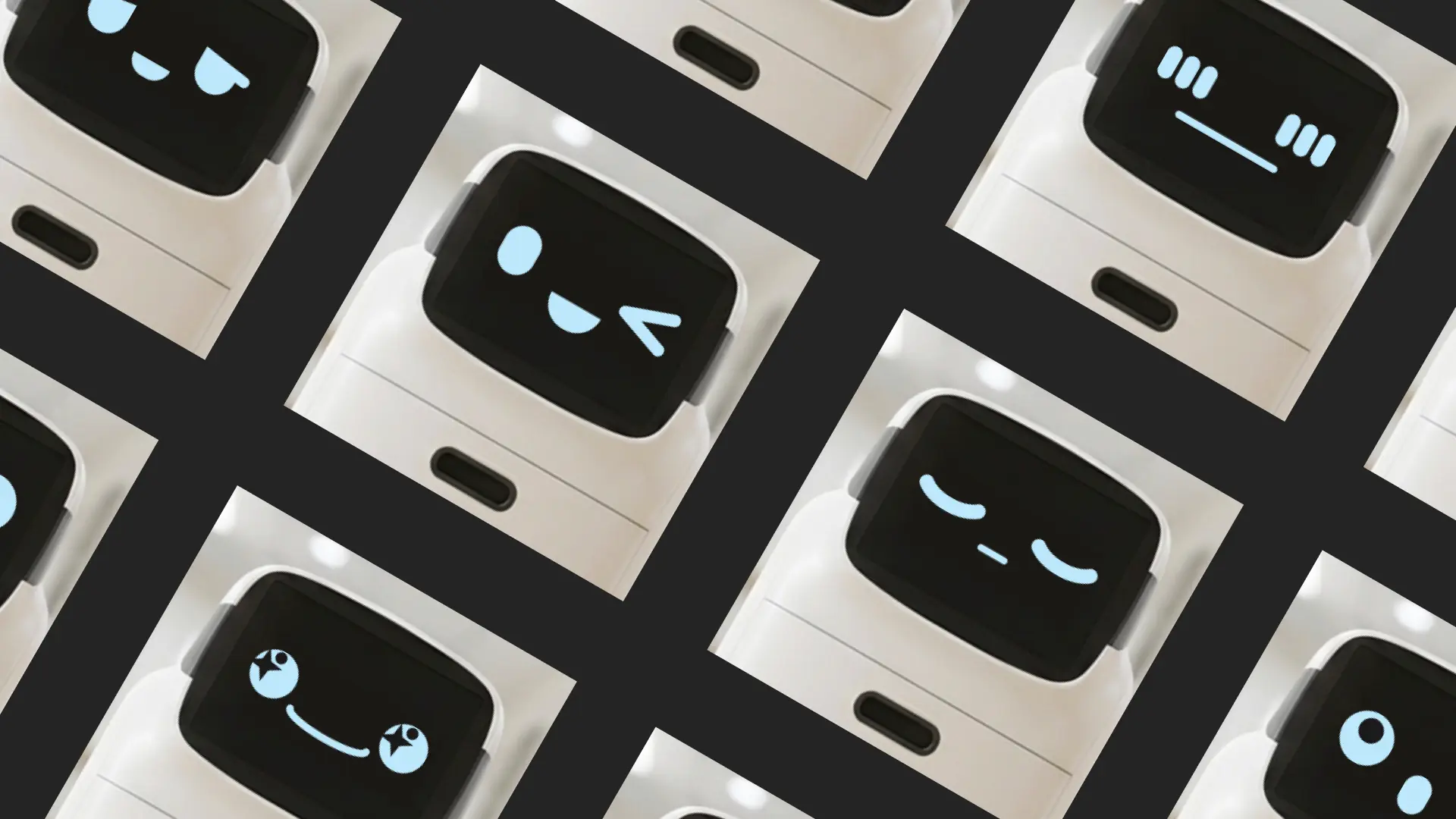
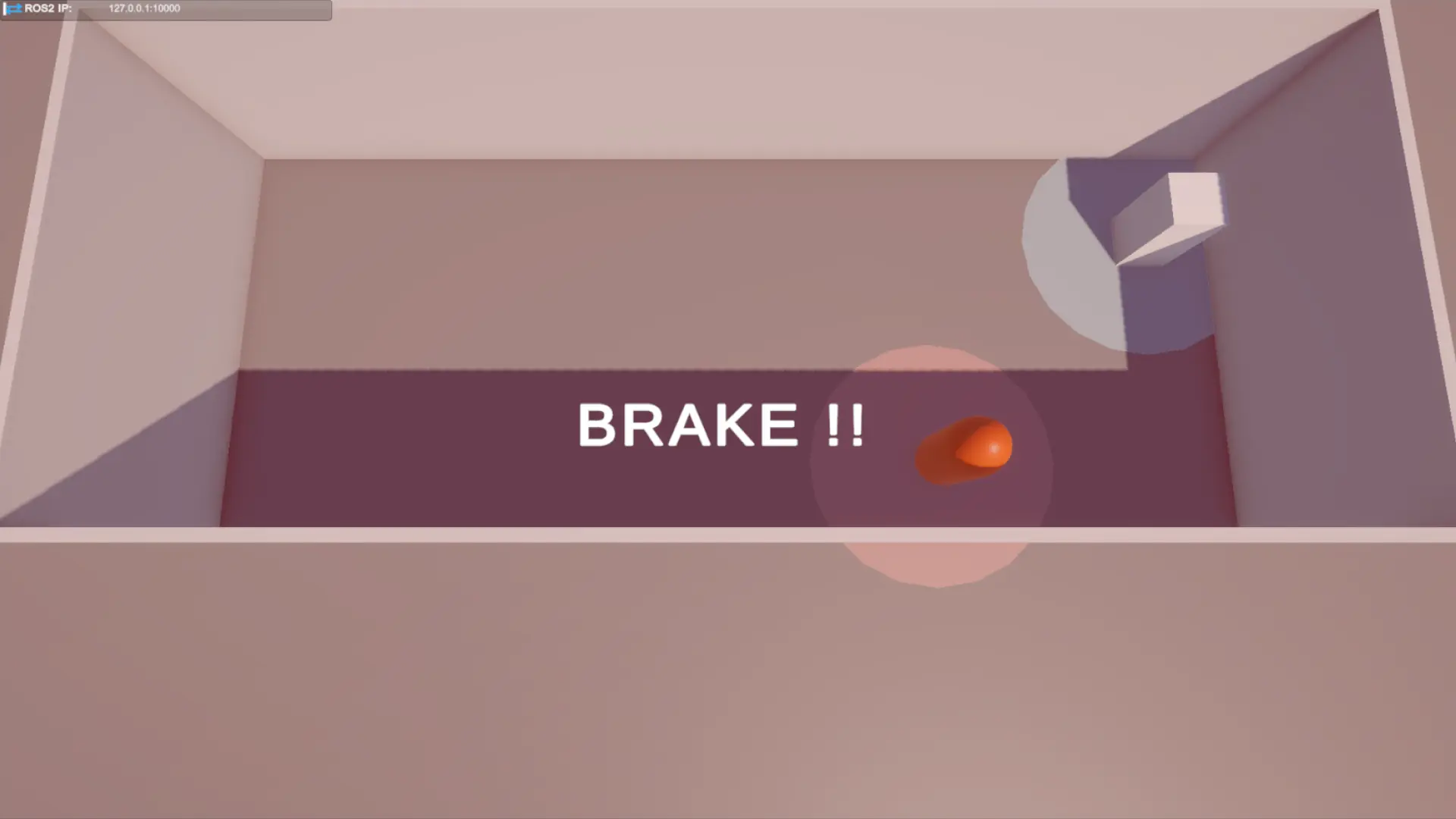
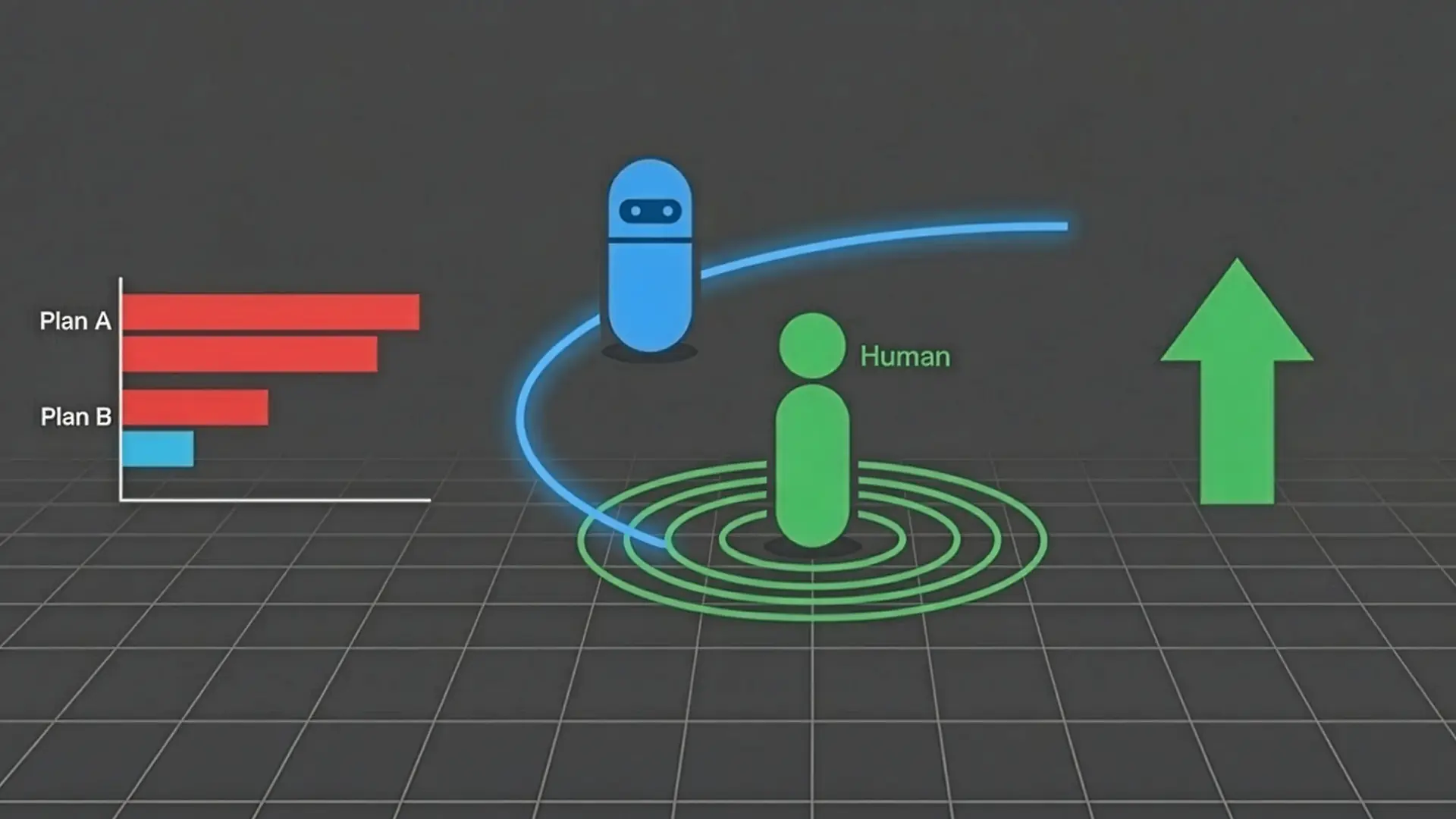
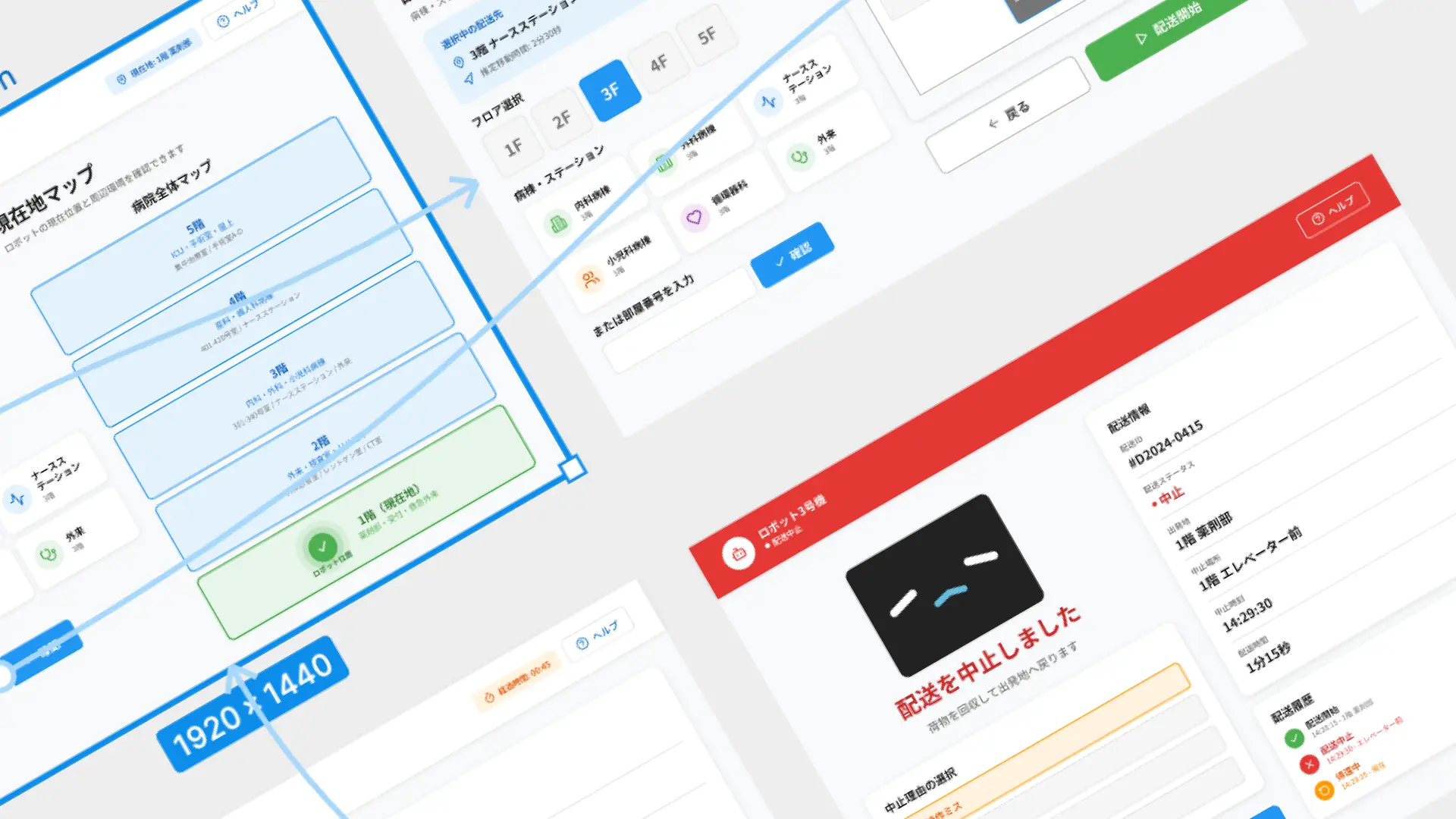
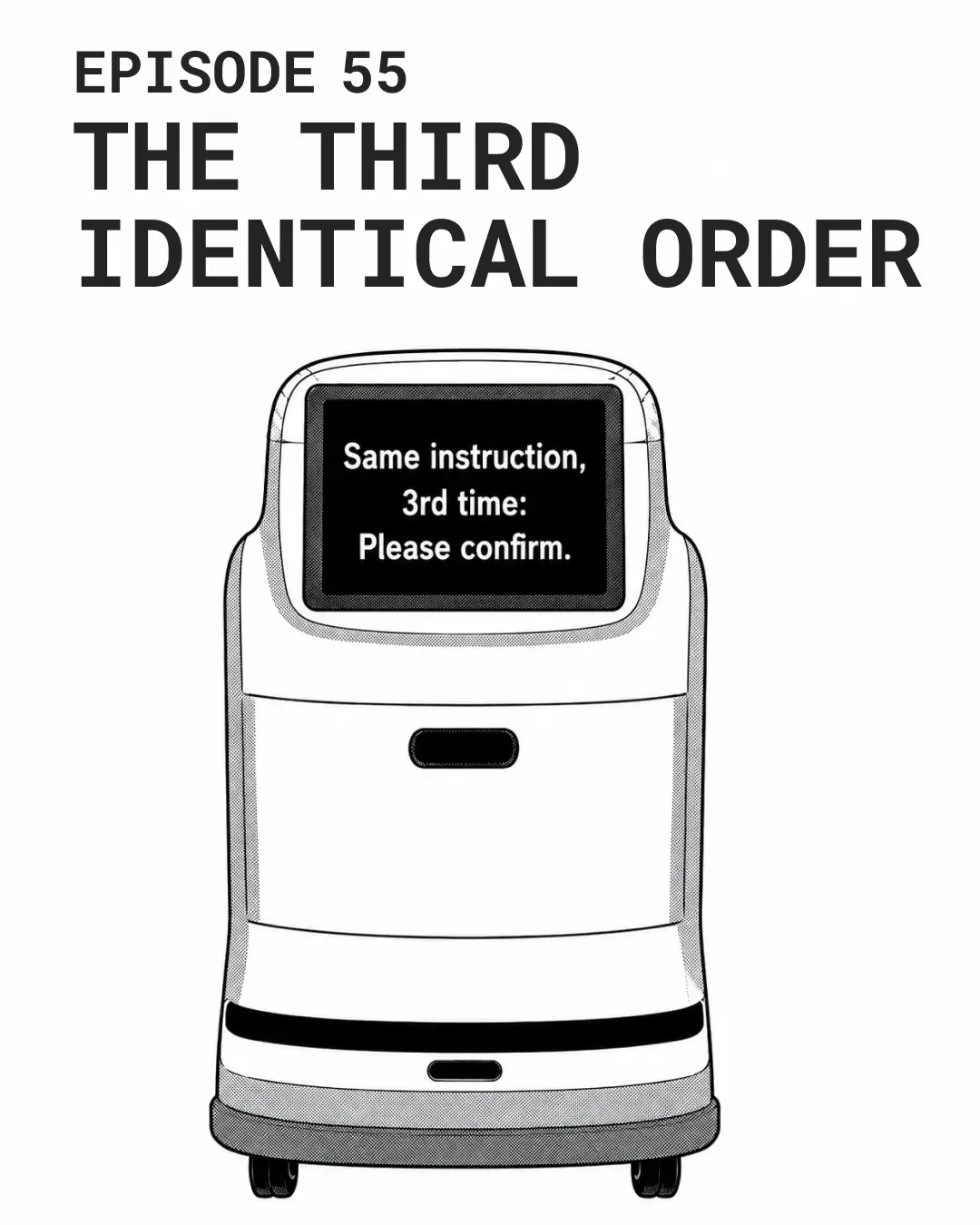
■ Duplicate Detection as a "Gentle Doubt" The fix was catching an abnormal pattern: the same instruction repeated within a short window. The Panel 3 display "Third identical instruction: Confirming" is not a rejection but a fail-safe confirmation — a pause for one beat before obeying. "Confirm" rather than "refuse" leaves room for the human to notice their own mistake.
■ Conclusion: The Machine Becomes the Human's Brake Dr. Koshiba's murmur — "I'm glad it stopped on the third time" — marks Hakobukun's shift from executor to on-site fail-safe. Fatigue dulls human judgment. That is why the machine should detect anomalies and question back, not merely obey. That one beat of pause is what supports safety in a medical setting.