Non-verbal UI: Communicating Precisely Because There Are No Words
■ Designing Deliberate "Imperfection"
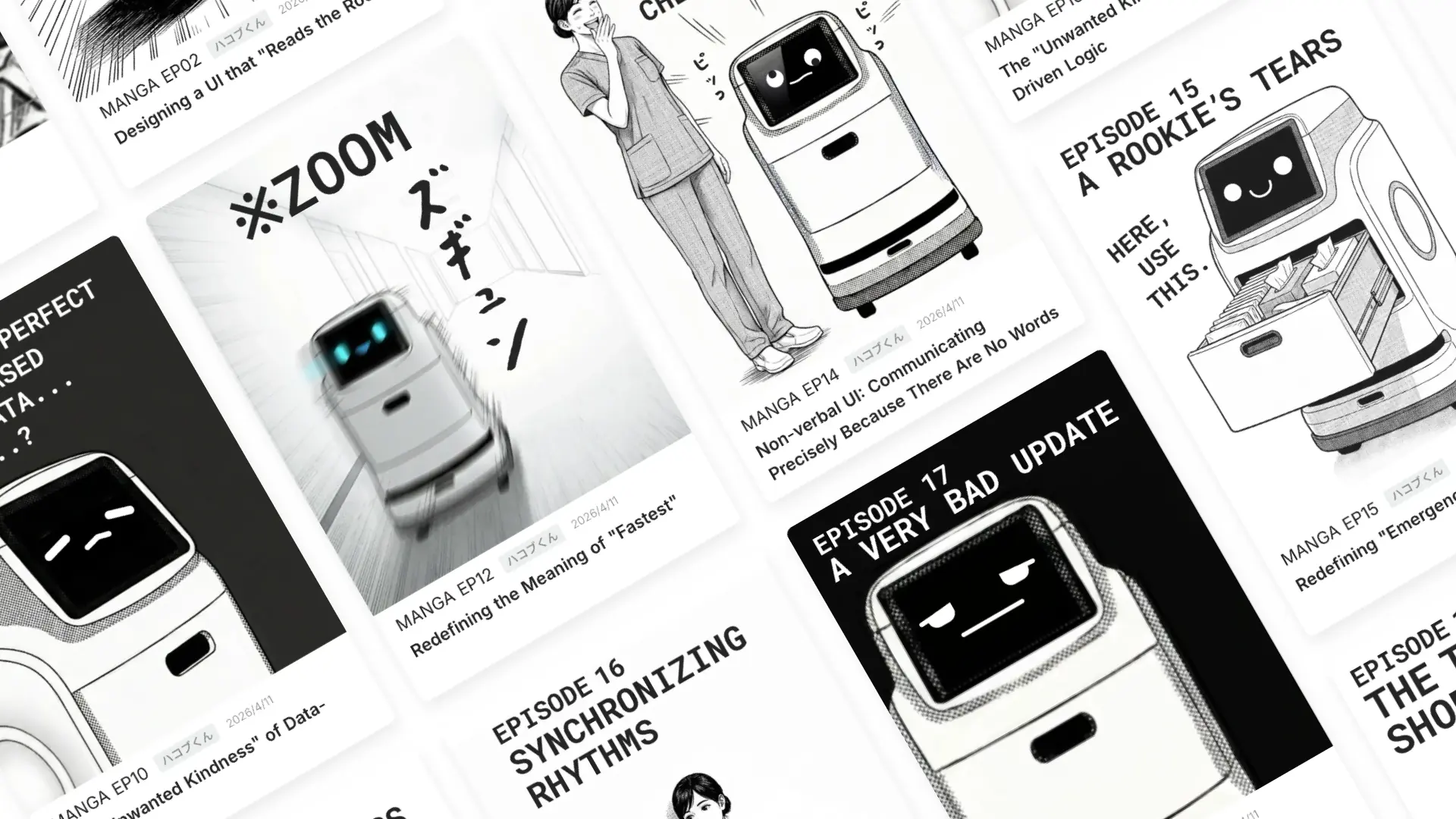
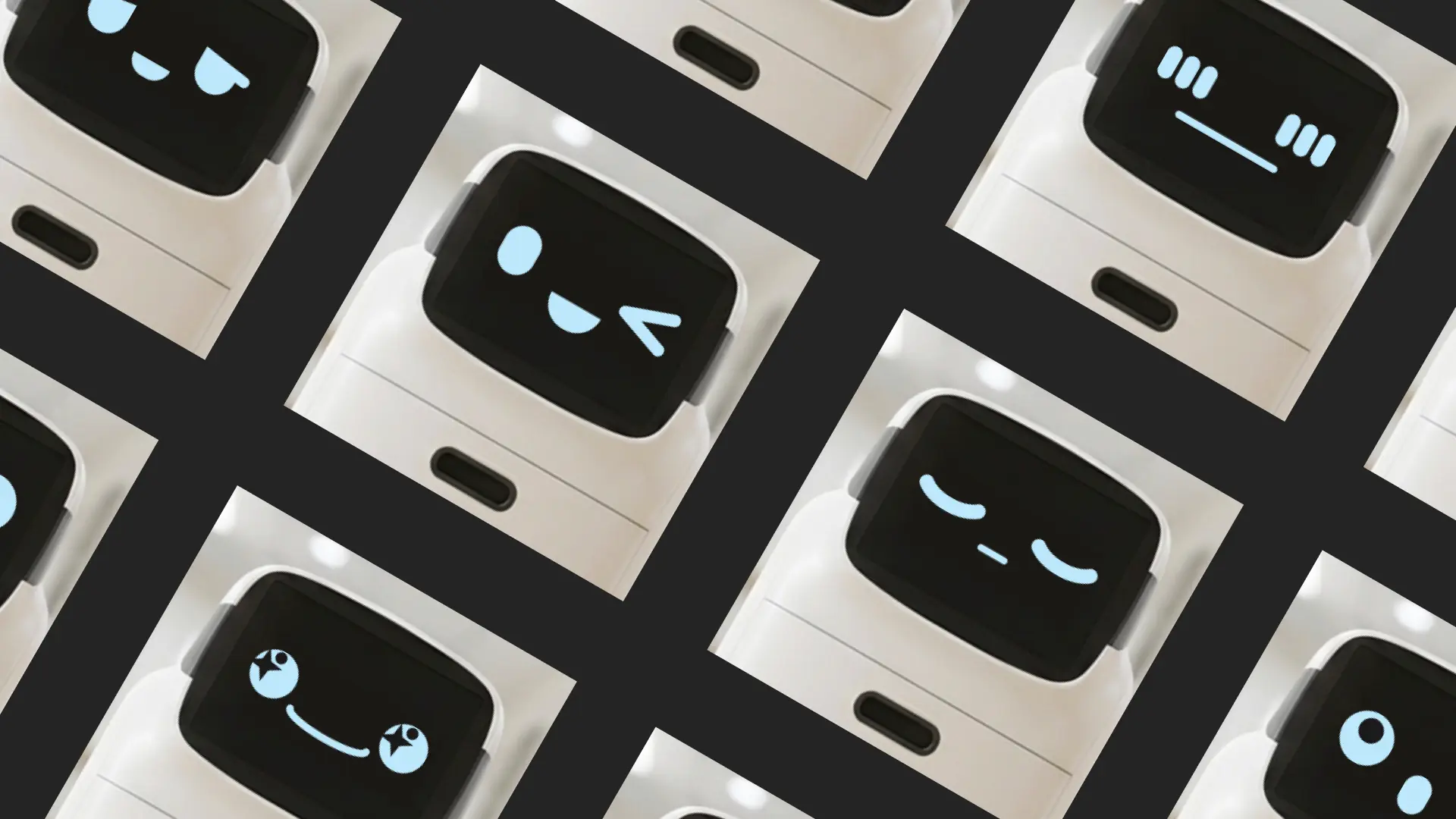
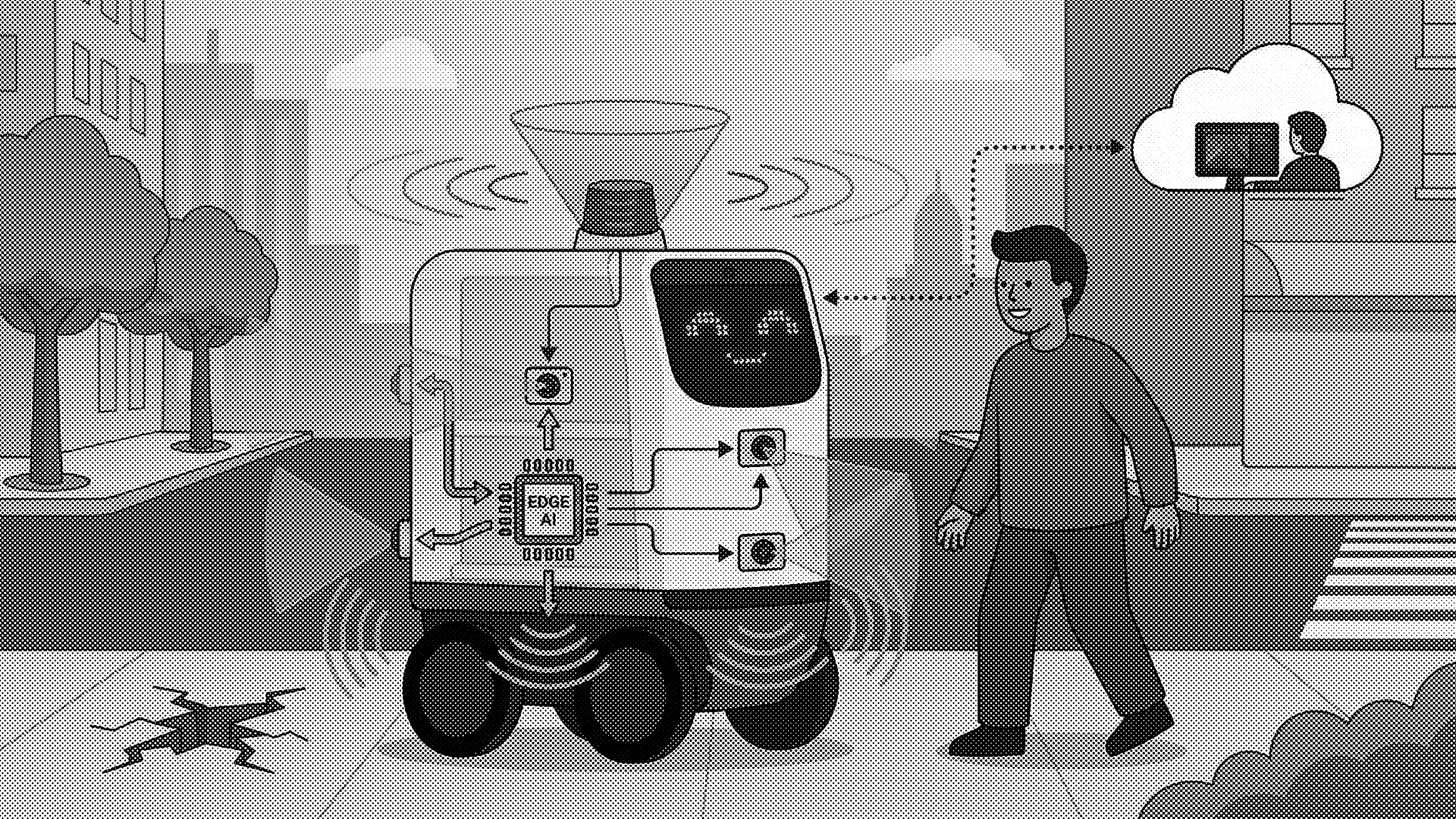
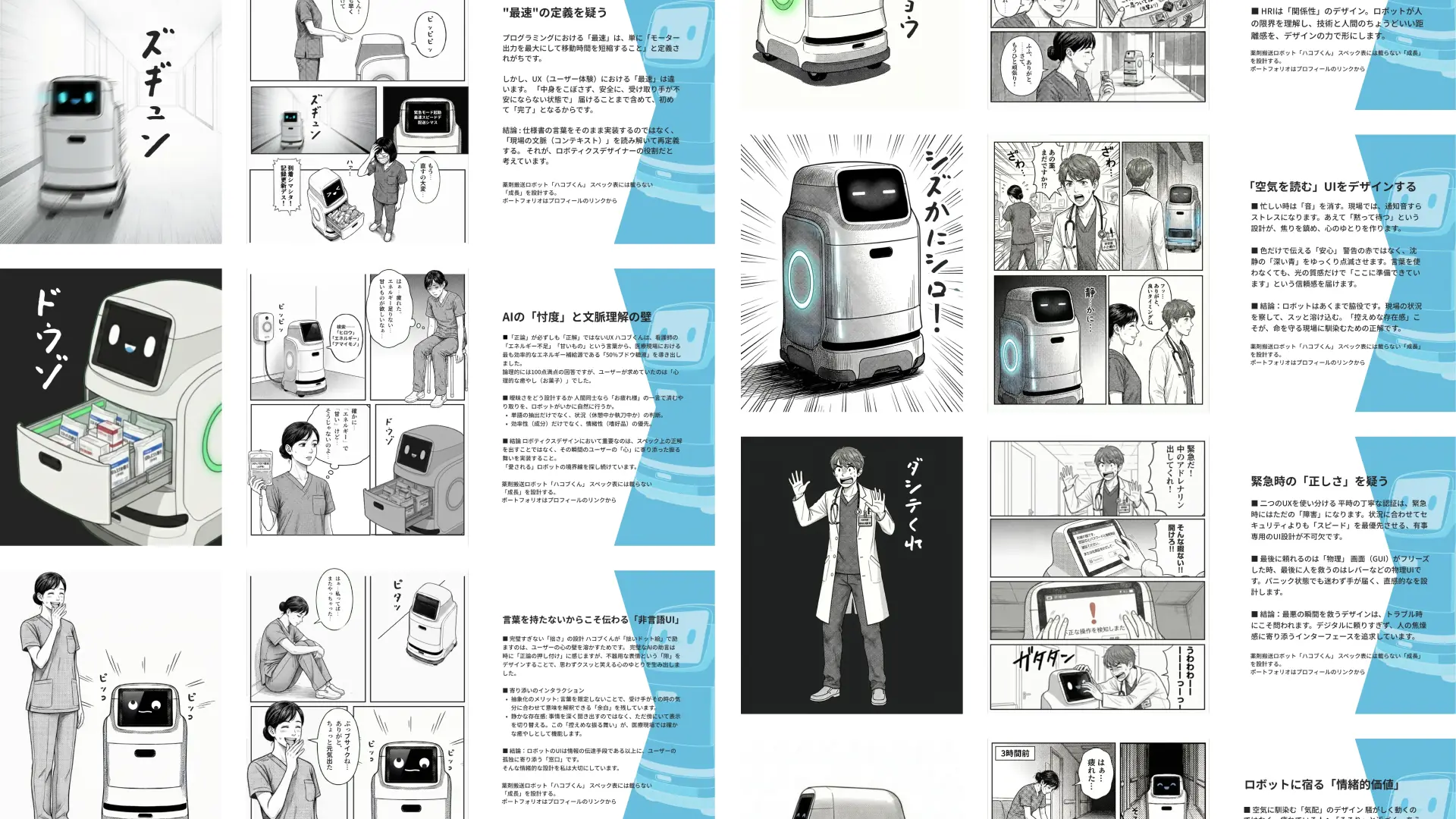
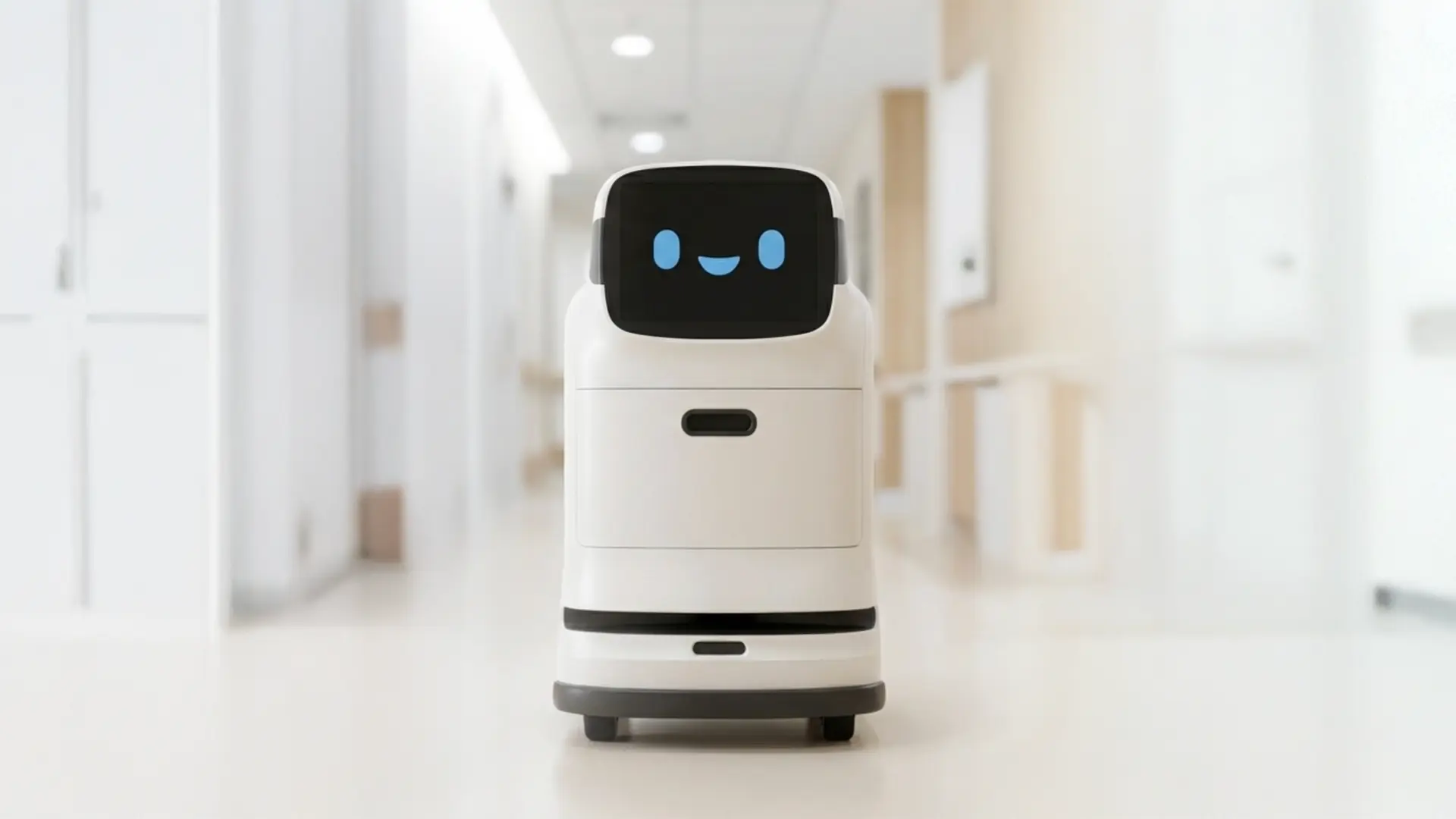
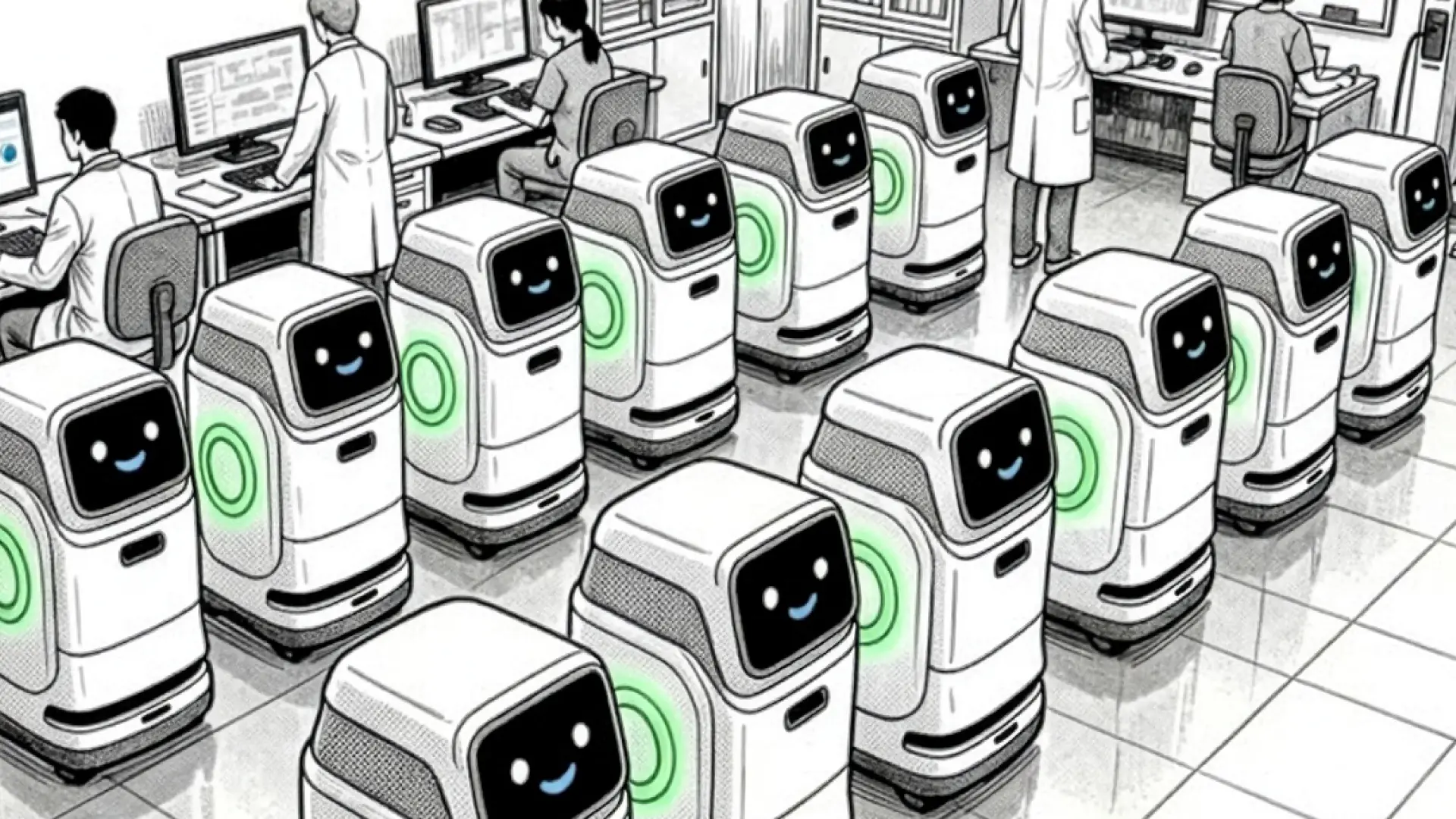
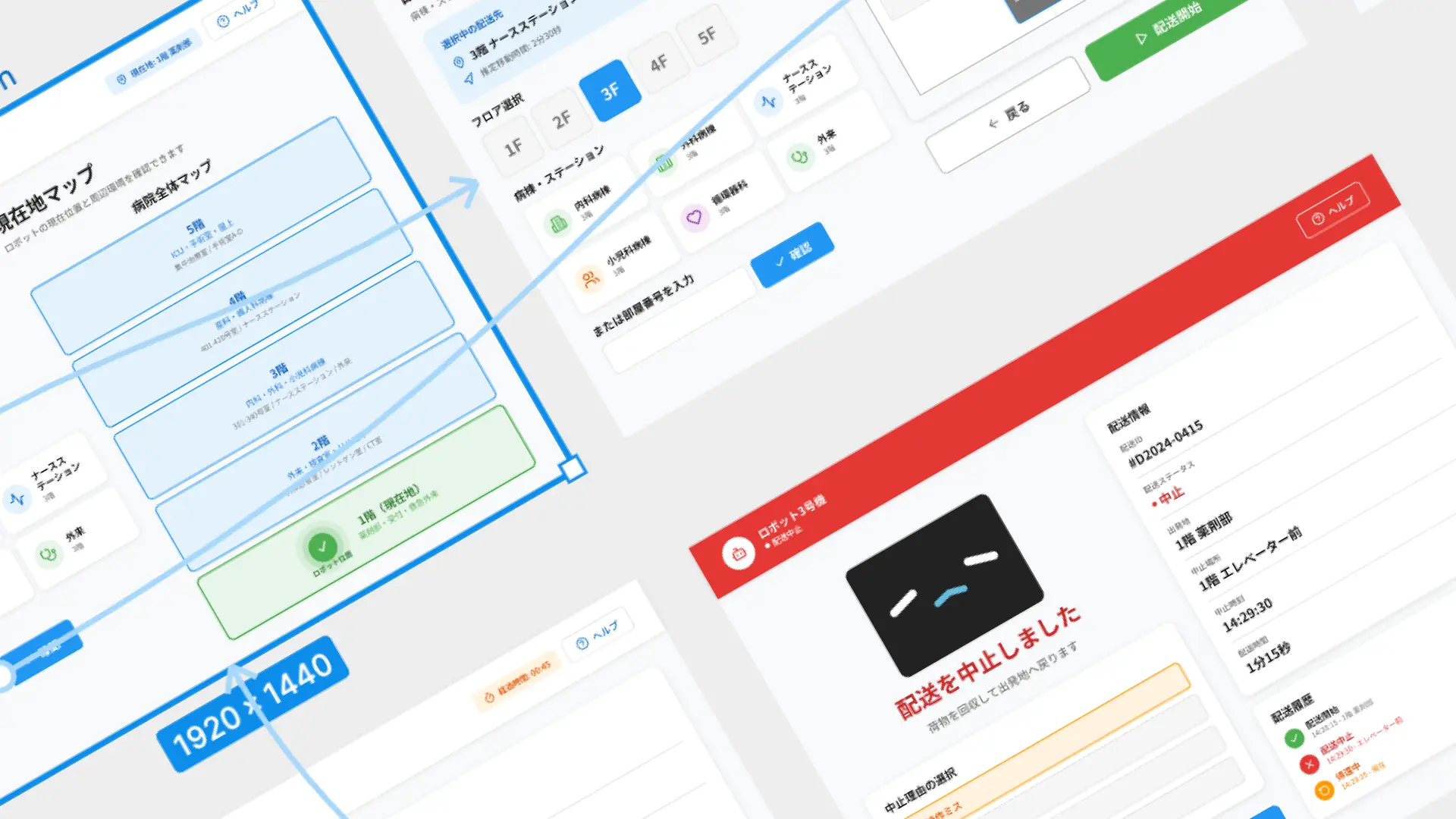
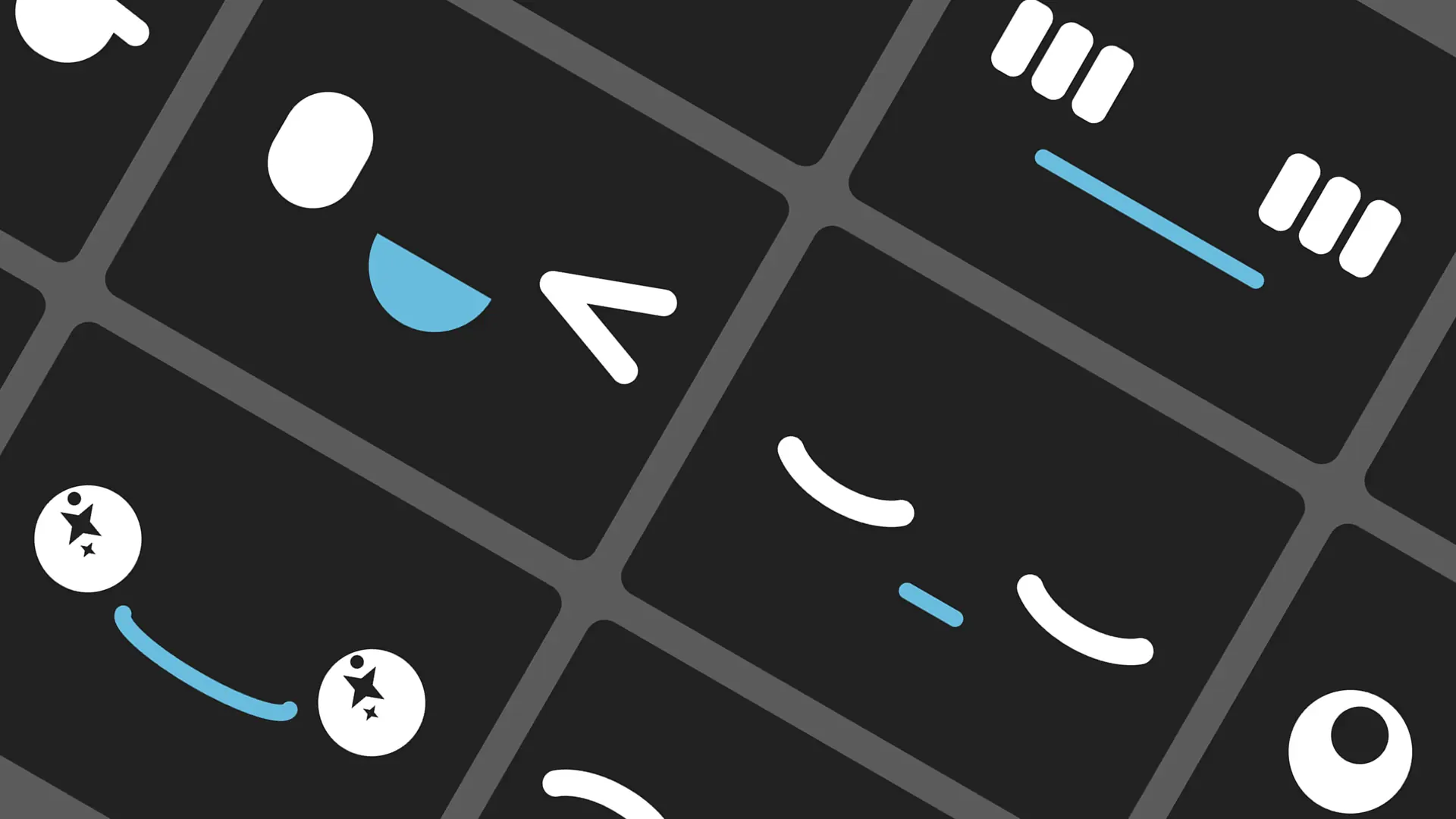
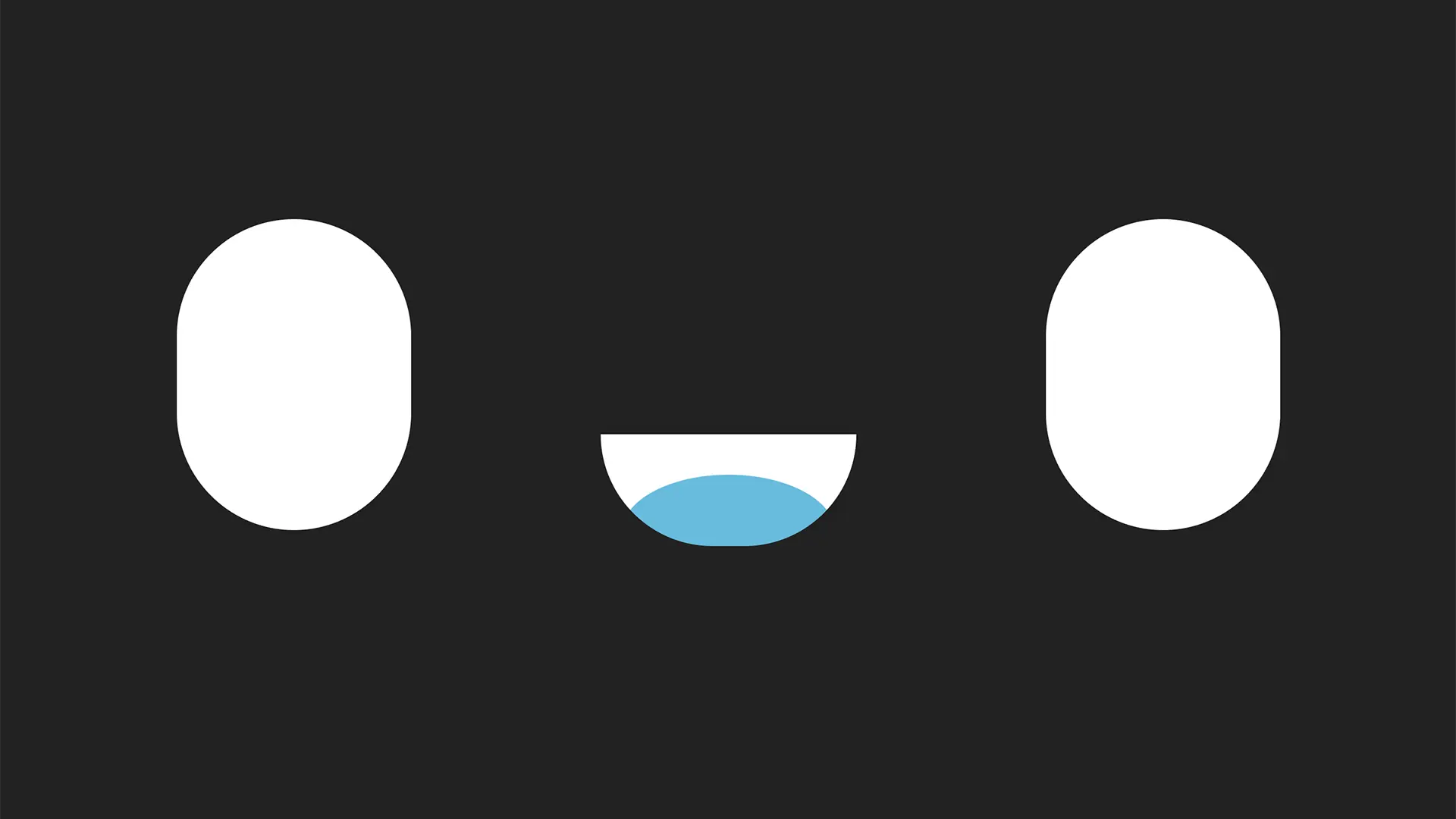
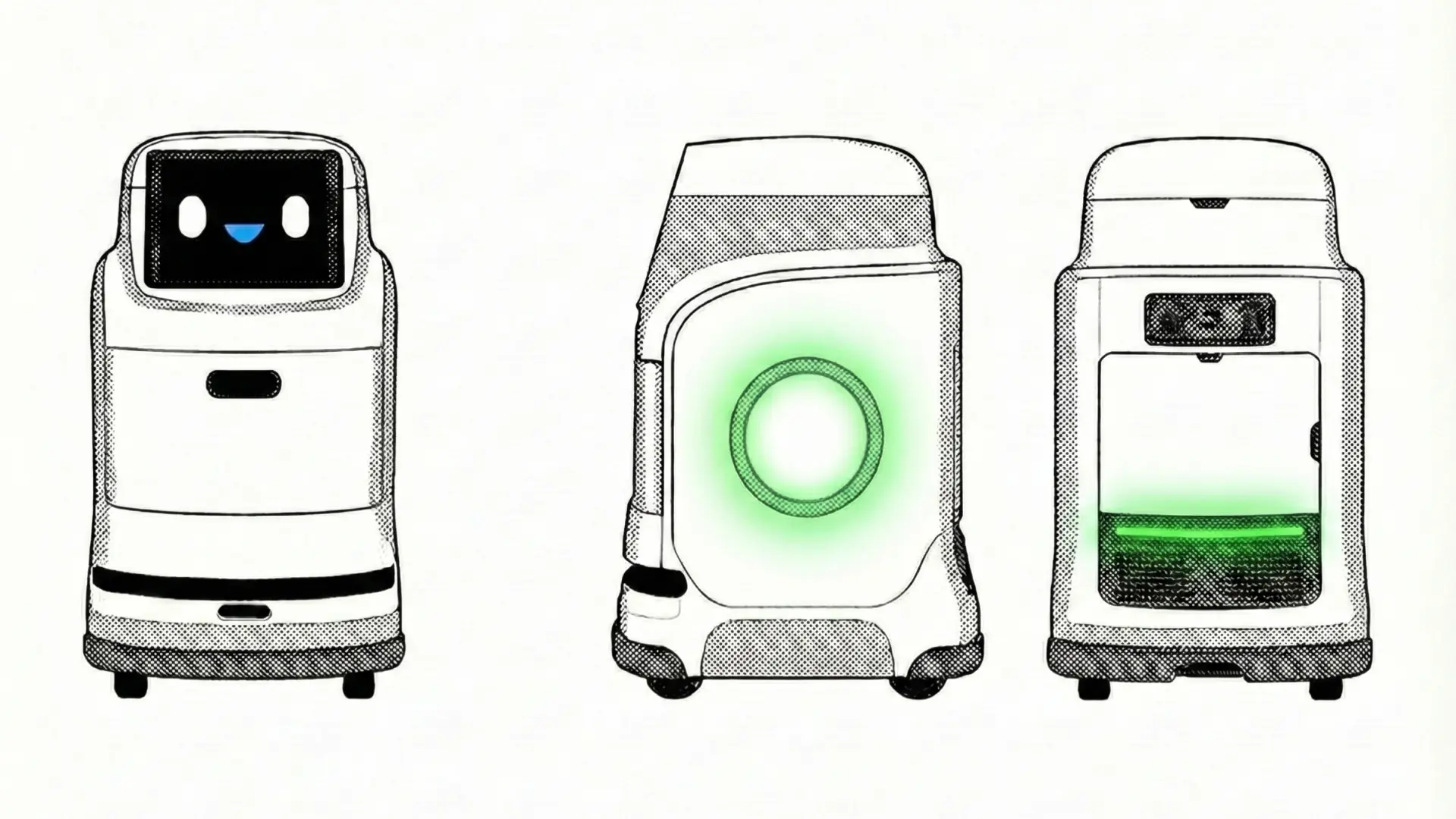
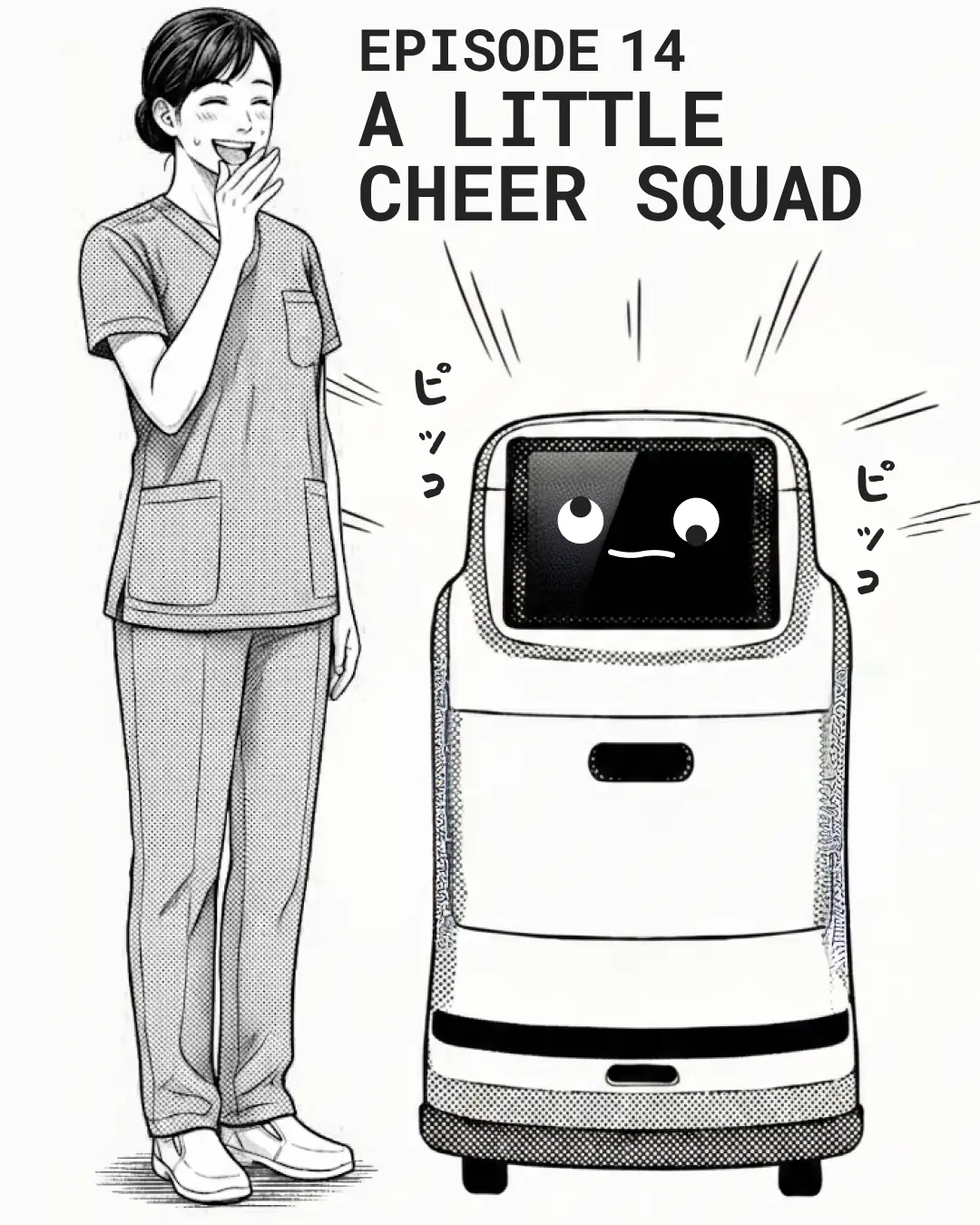
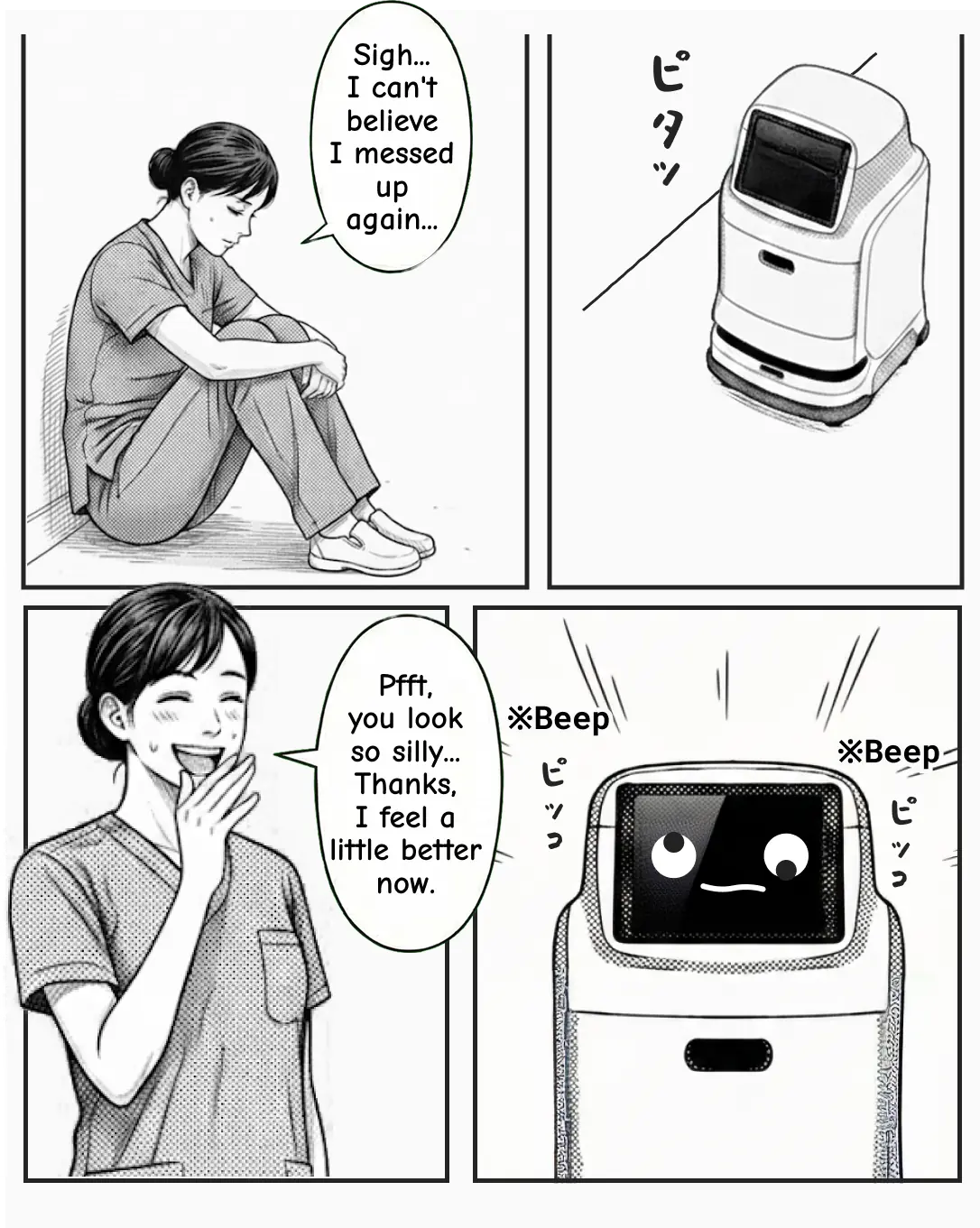
Hakobu-kun uses "wonky pixel art" to cheer up users as a way to melt the walls around their hearts. While a "perfect" AI’s advice can often feel like an intrusive imposition of logic, designing a clumsy, asymmetrical expression creates a "margin" (interpretive space) that allows users to smile and regain emotional composure.
■ Interactions of Proximity
The Benefit of Abstraction: By not limiting communication to specific words, we leave "interpretive white space" that allows users to project their own meaning onto the robot's expression, fitting their current mood.
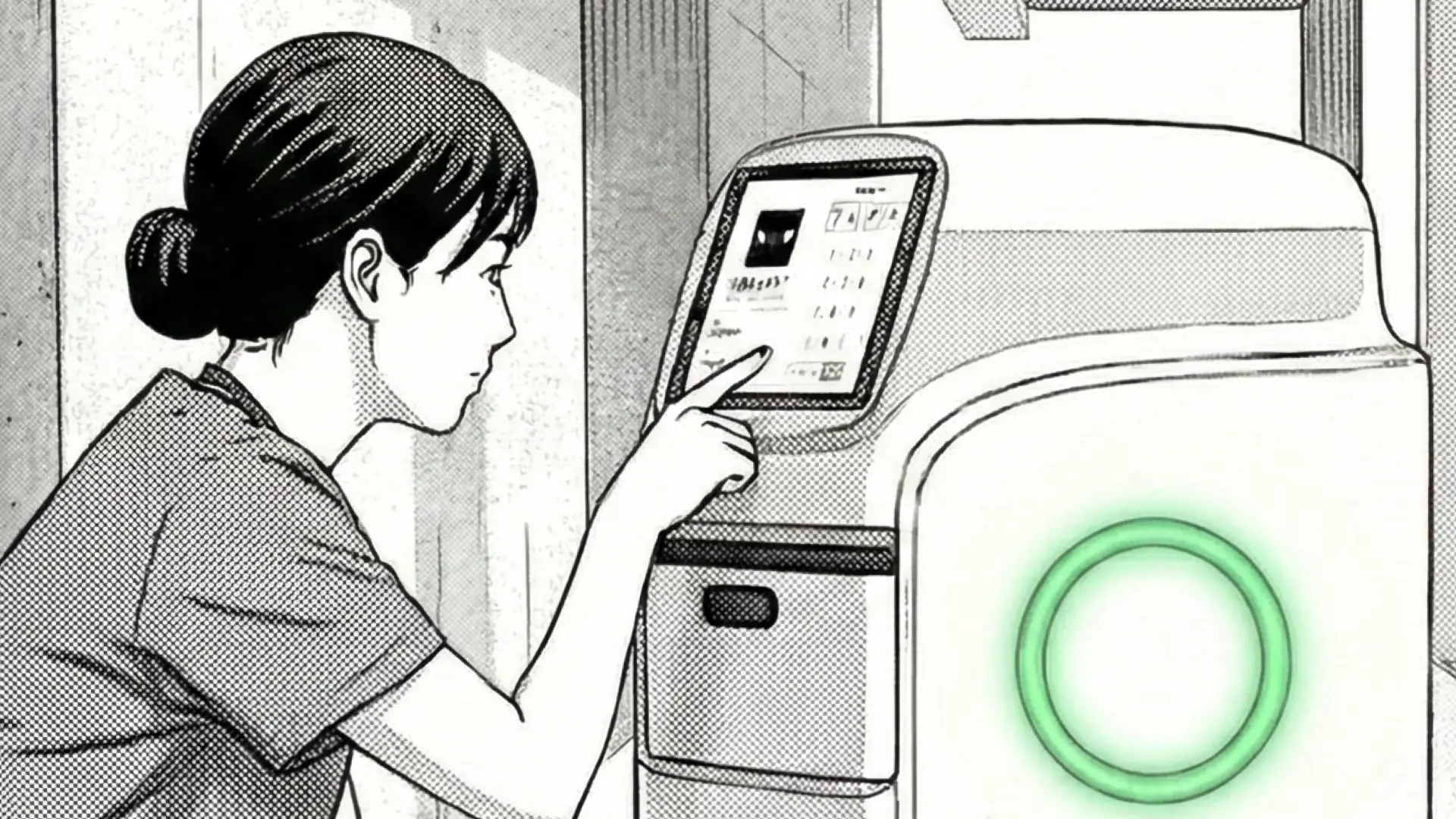
A Quiet Presence: Instead of prying into the details of a situation, Hakobu-kun simply stays close and subtly changes its display. This "modest behavior" functions as a genuine source of healing in high-pressure medical environments.
■ Conclusion: A Window to Loneliness
A robot’s UI is more than just a terminal for data transmission; it is a "window" that stays close to the user’s loneliness. This emotional layer is a critical part of our design philosophy.