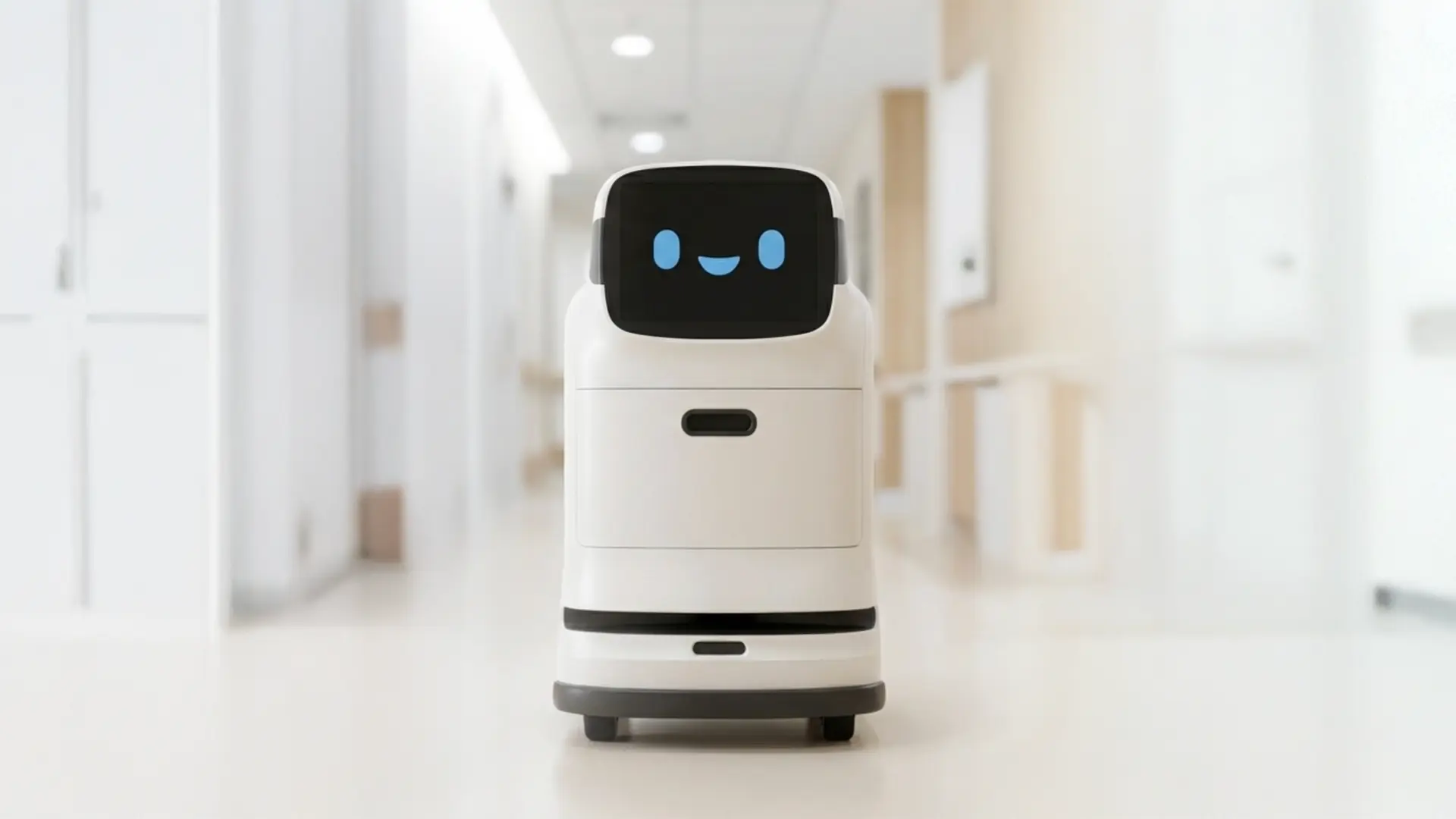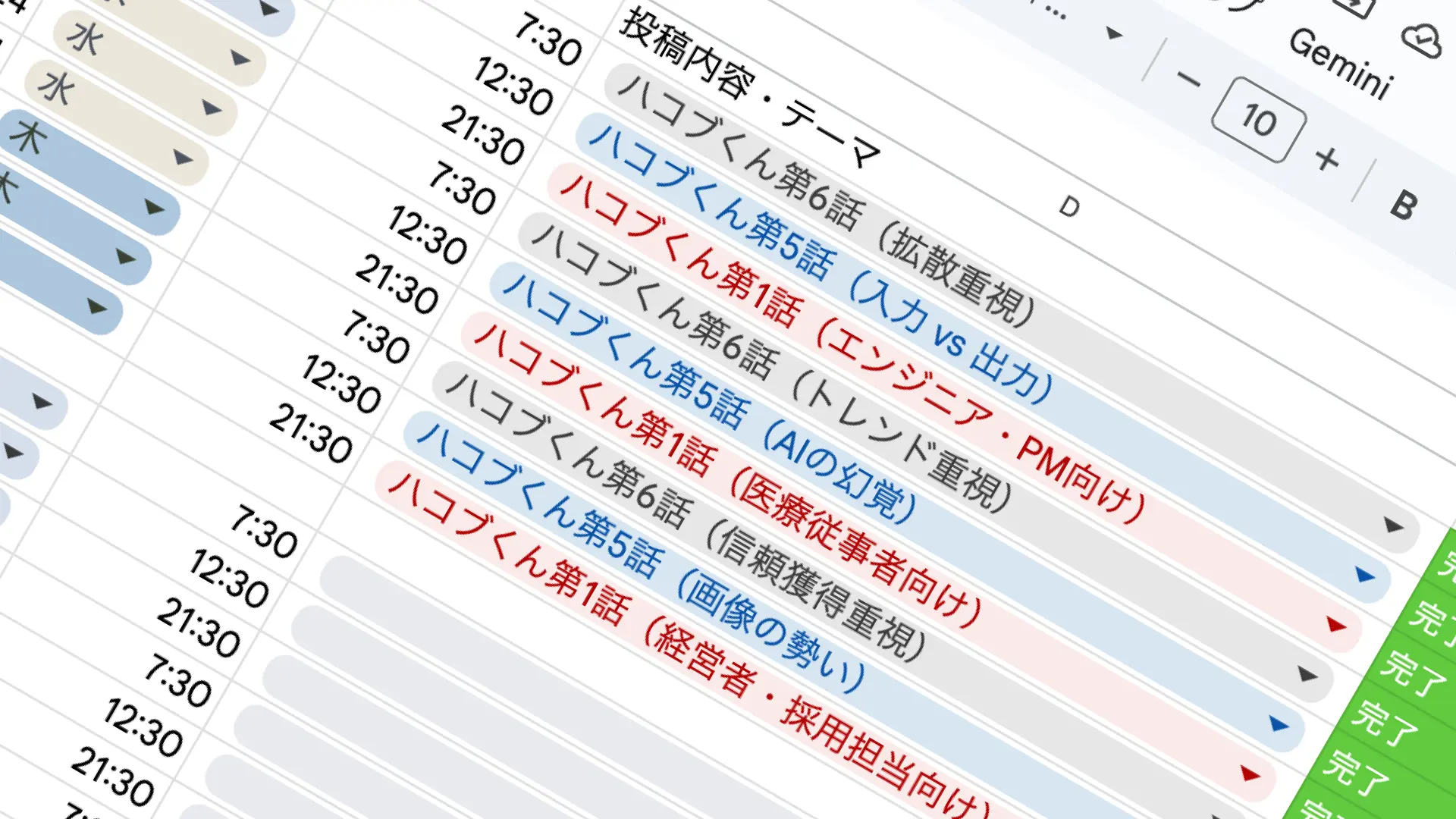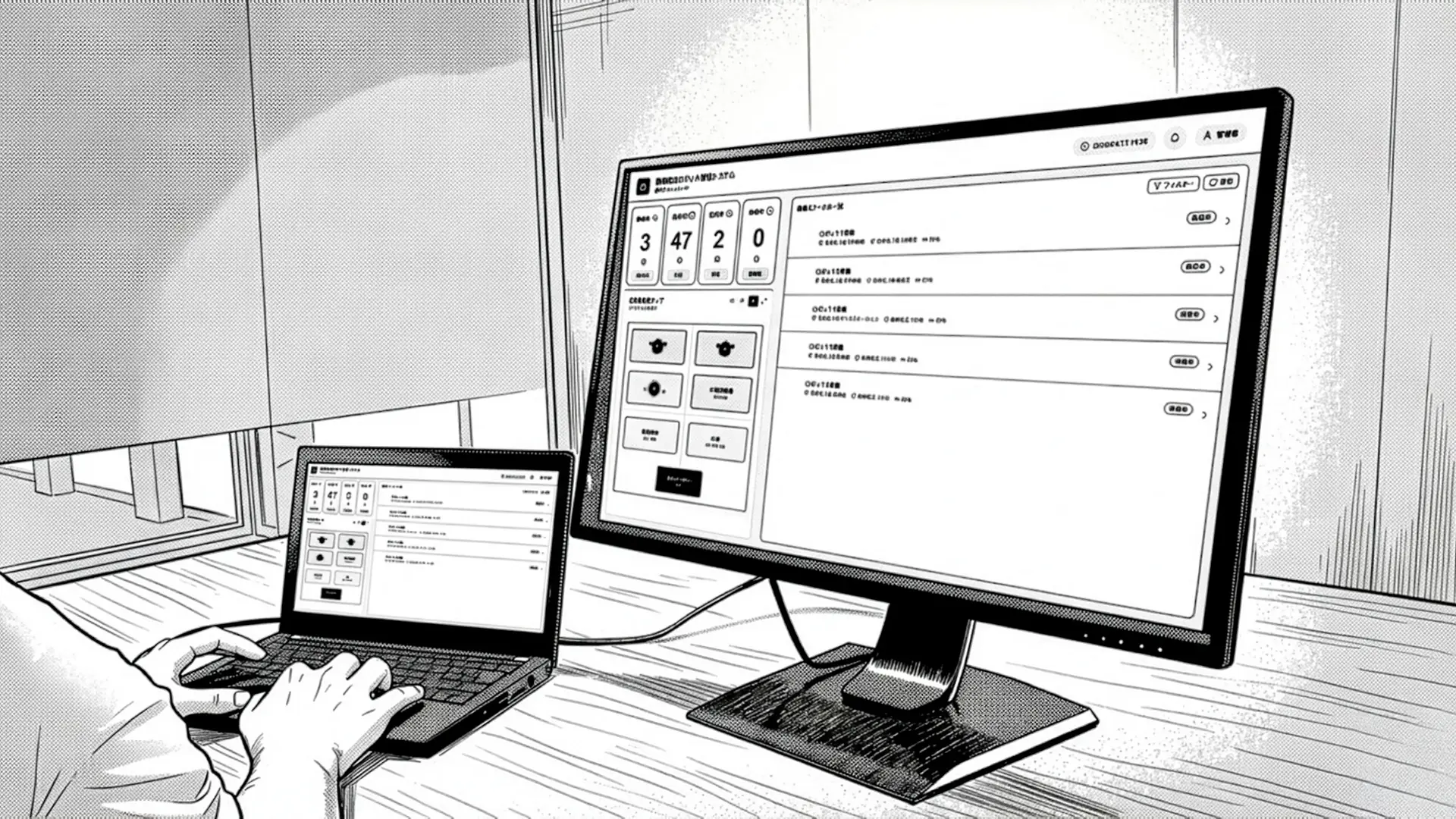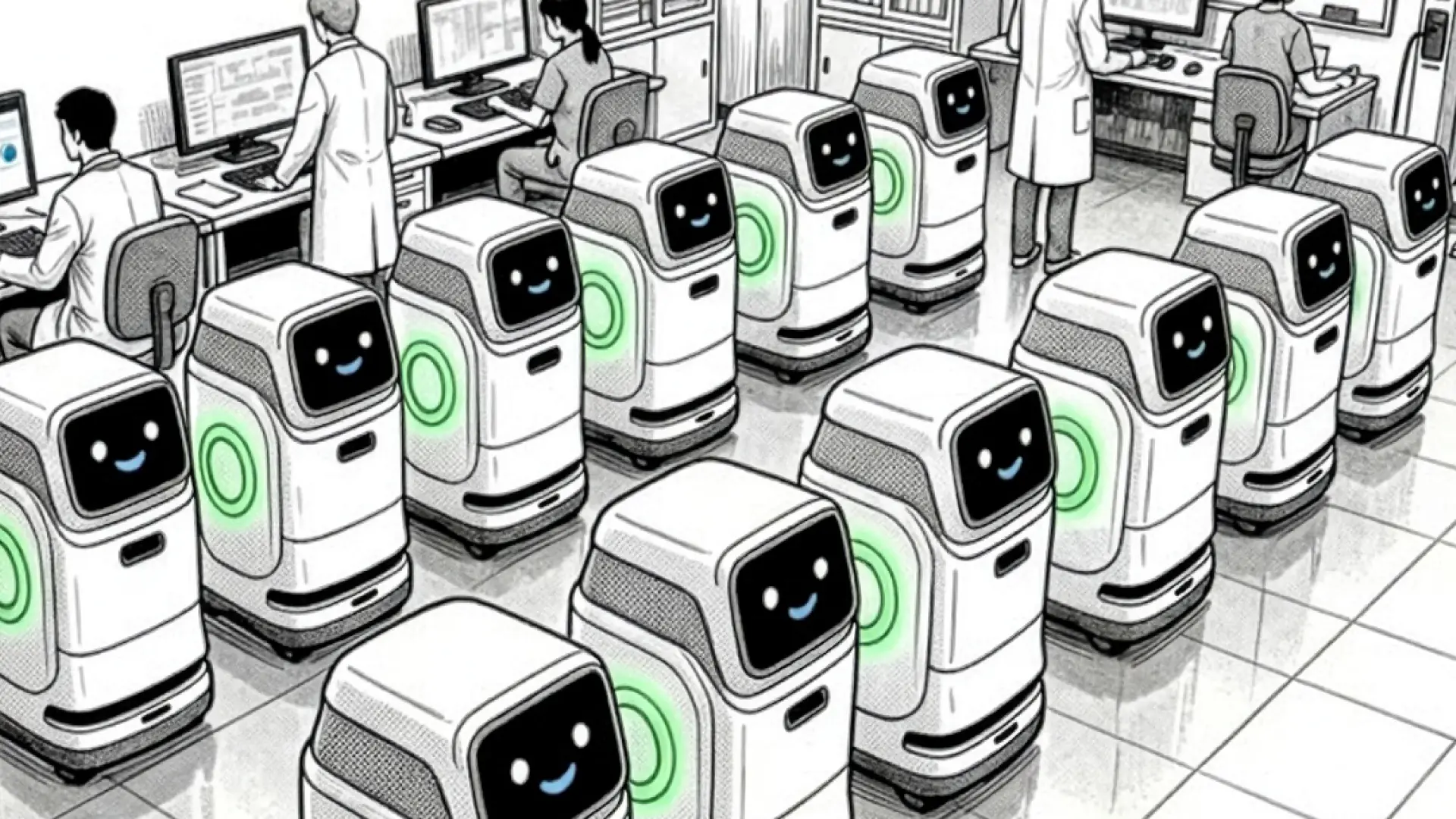
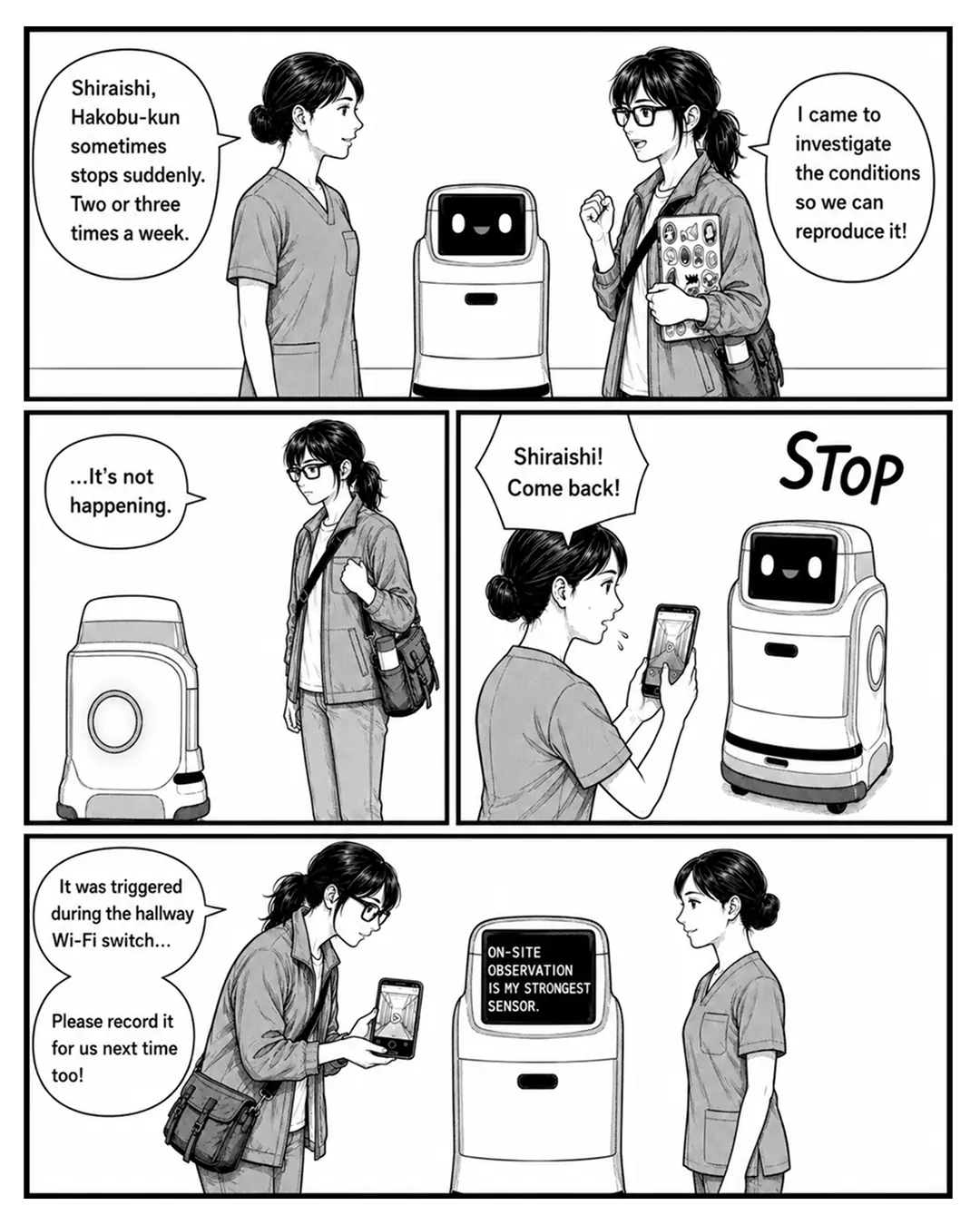
Catching the Bug That Won't Reproduce — Together with the Floor
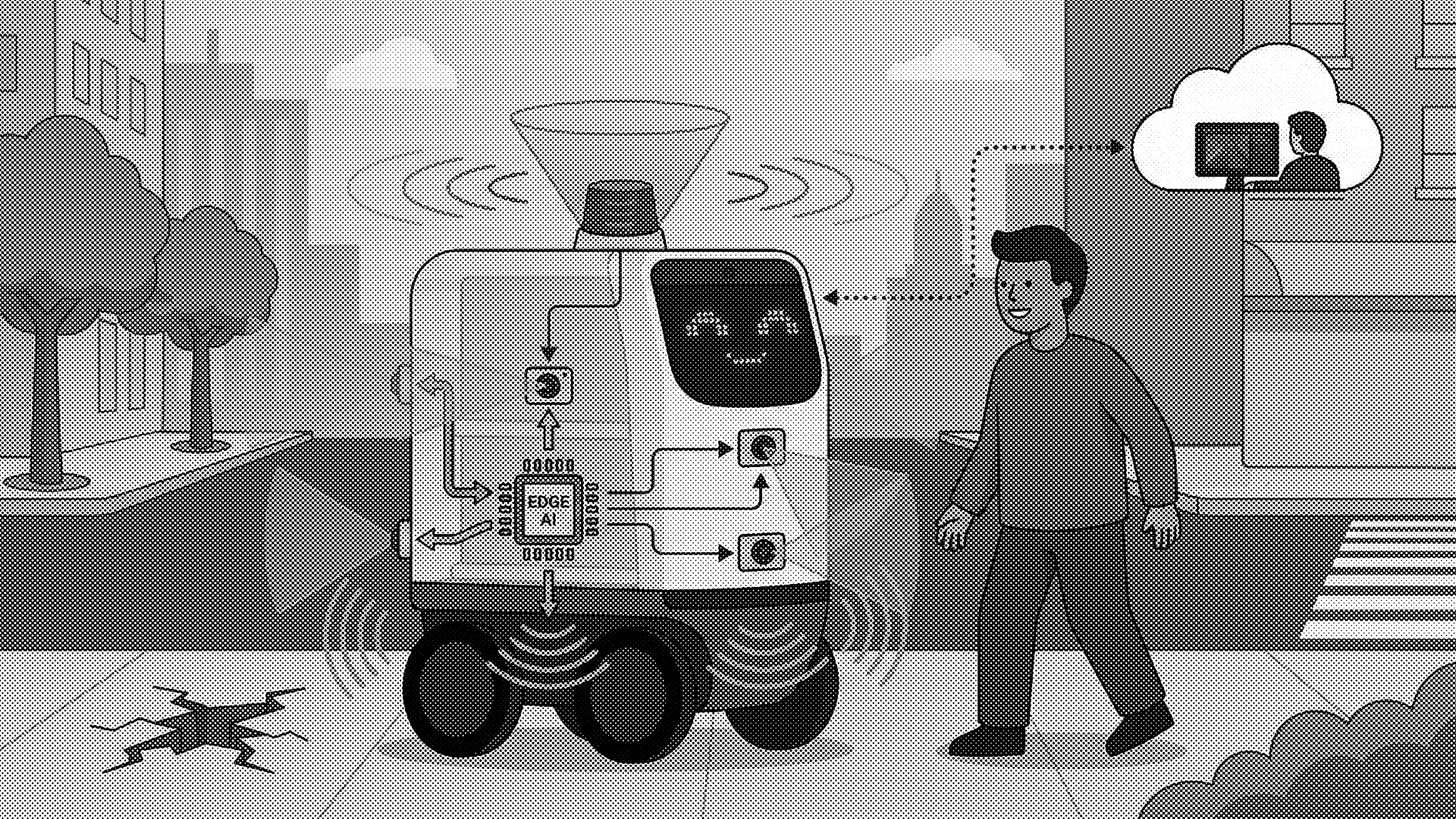
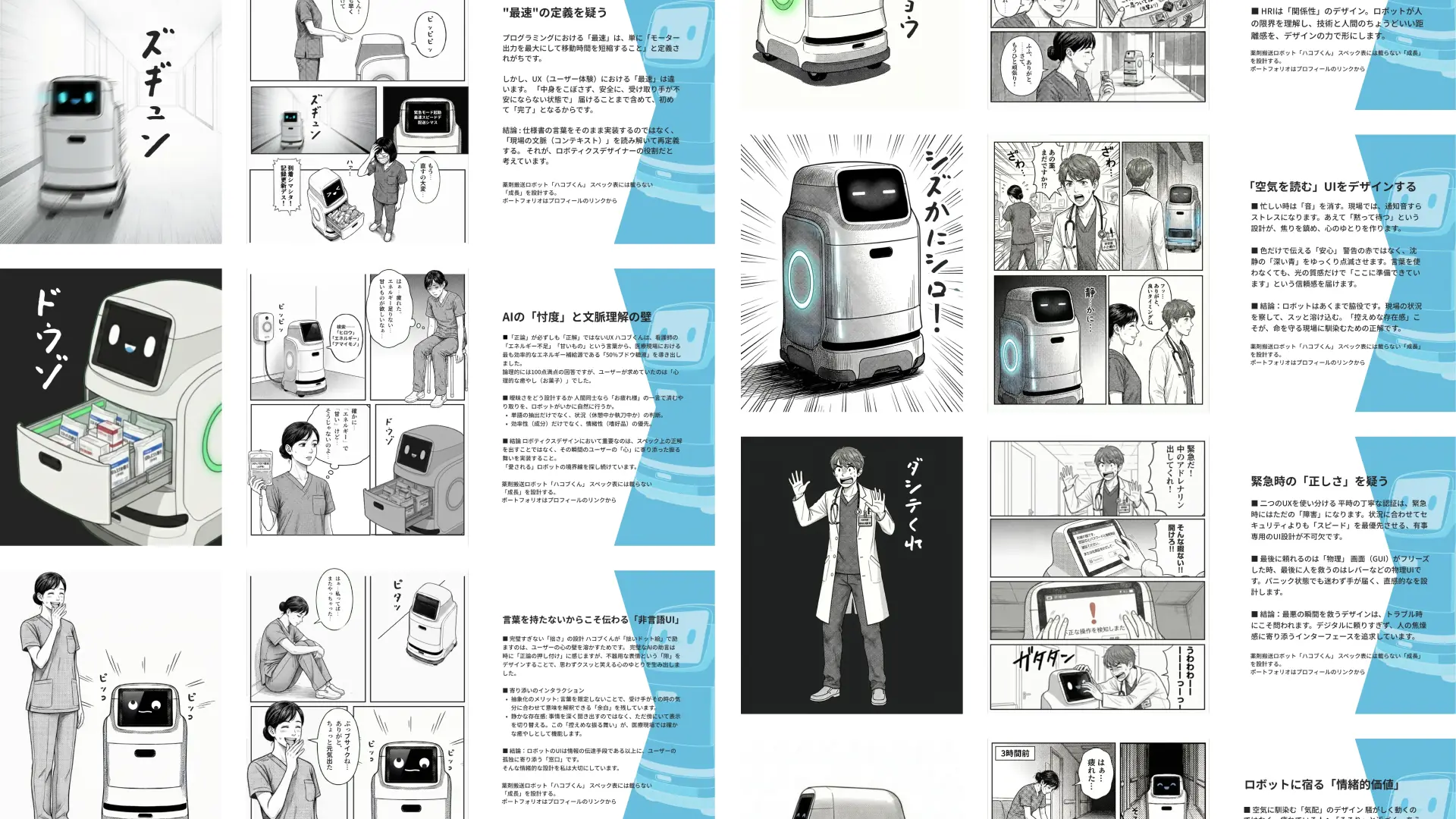
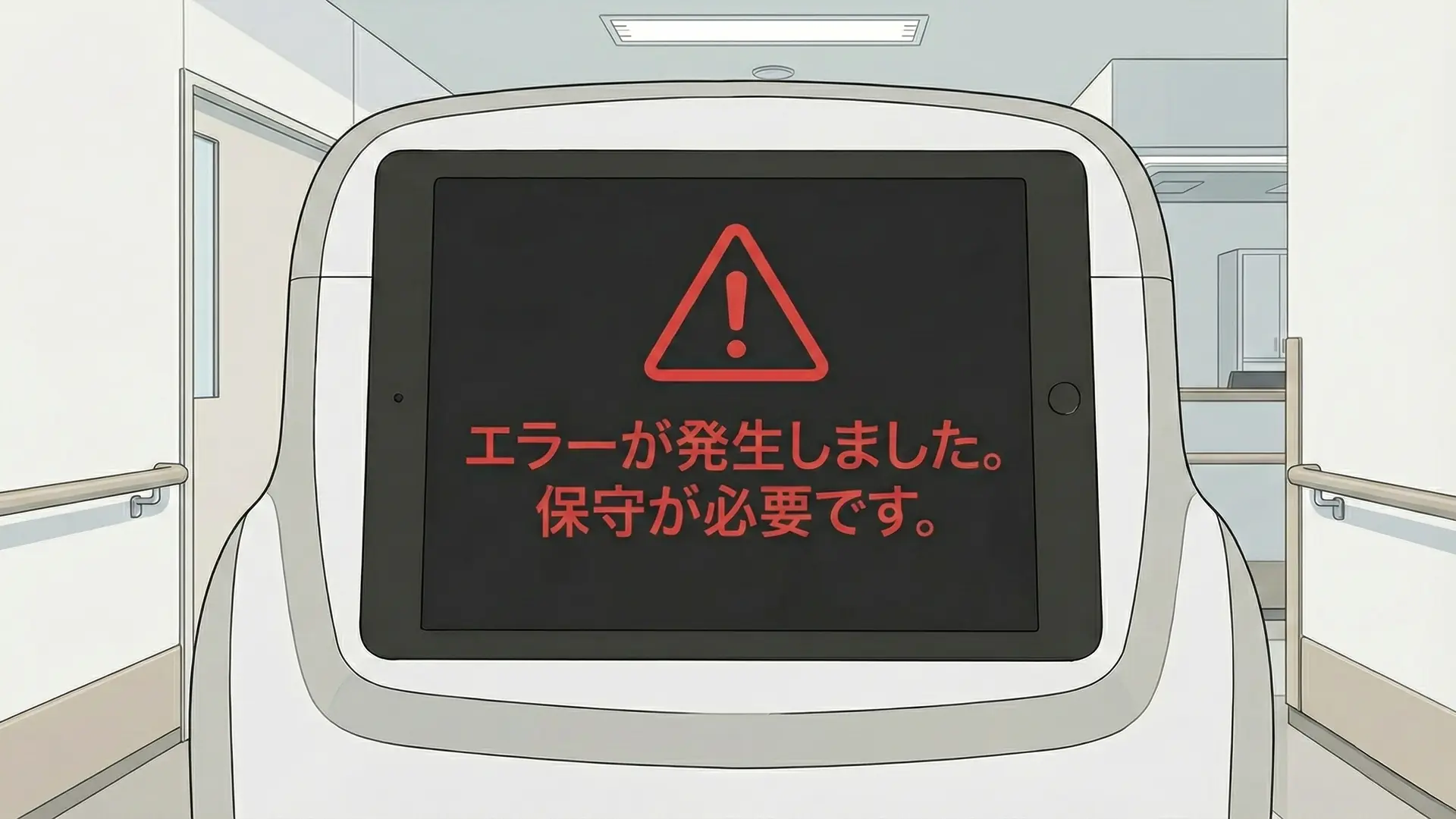
■ The Assumption That "Reproducible Means Fixable" Believing a reproducible bug is a fixable one, Shiraishi shadowed Hakobukun — but two days yielded nothing, and the fault struck right after she left. A Heisenbug: the observer's presence fell outside the trigger condition (a corridor Wi-Fi handover). The question moves from "reproduce it in the lab" to "capture what happens when no engineer is there."
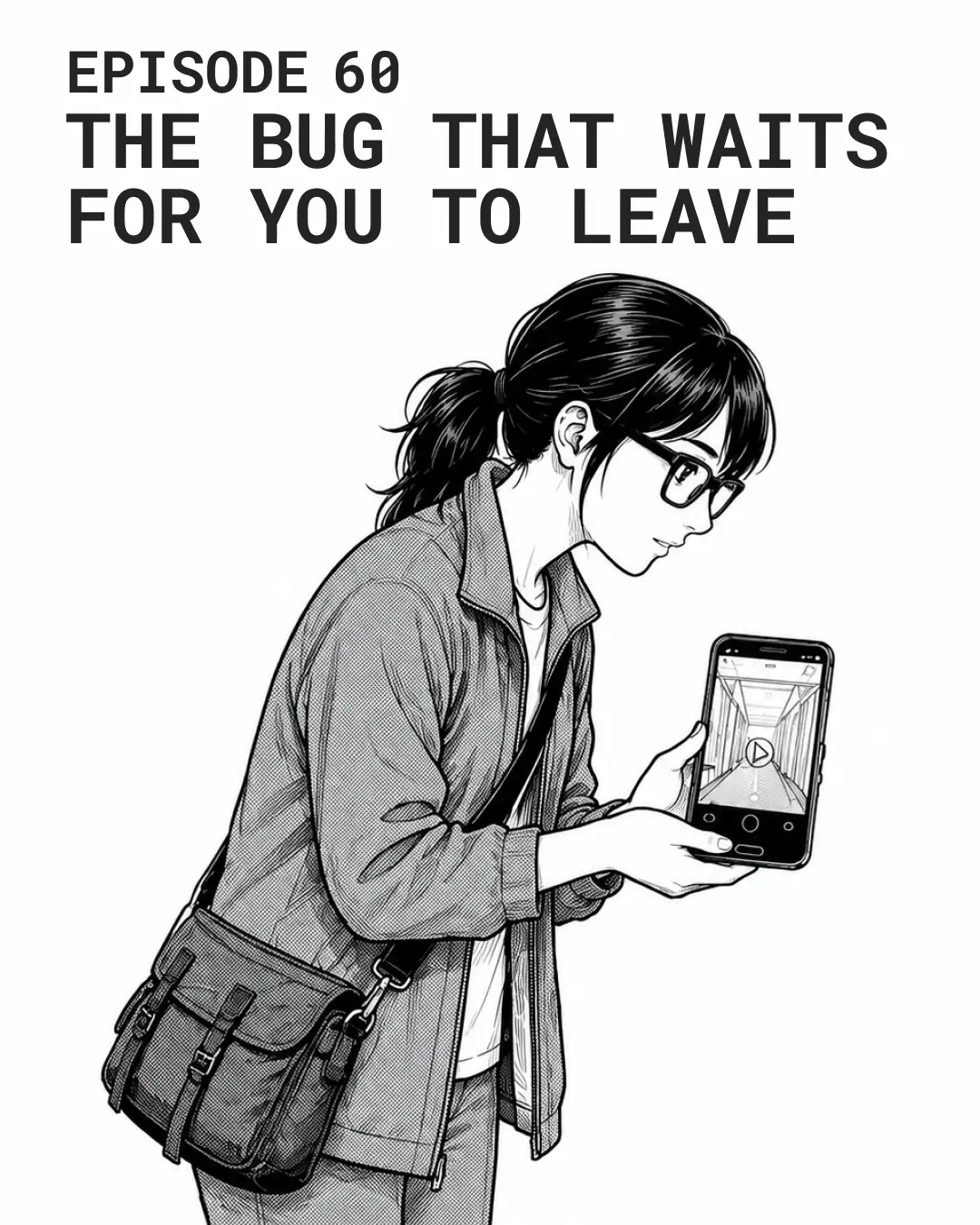
■ Turning the Floor into a Recording Sensor The fix wasn't a debugger or more logging — it was one smartphone video Oshiro shot. Engineers are on-site only sometimes; floor staff are always there, an always-on distributed sensor. The key is not letting "recording an anomaly" feel special: the real design target is an operational flow that shrinks "film it the instant you notice" to near zero.
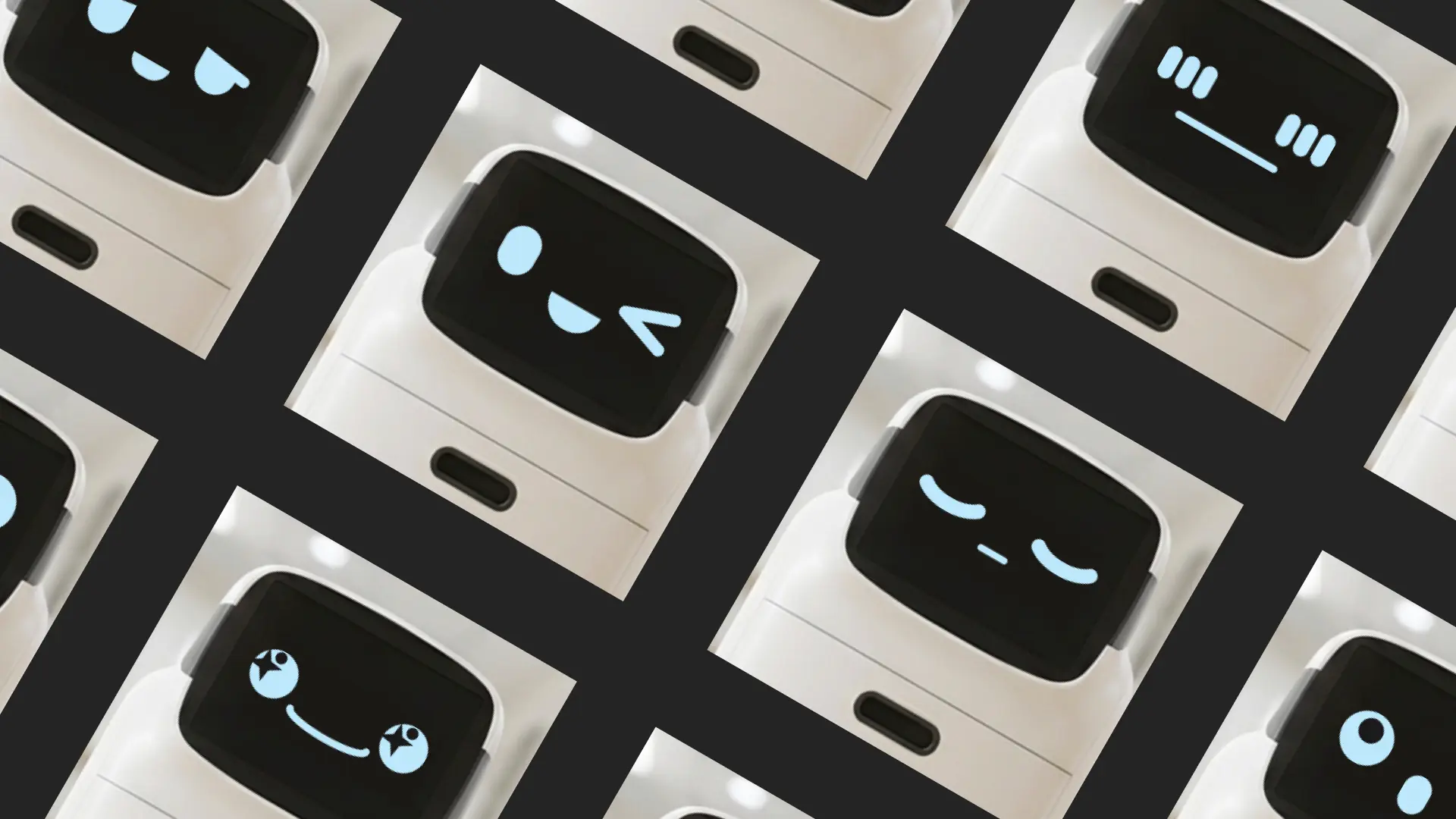
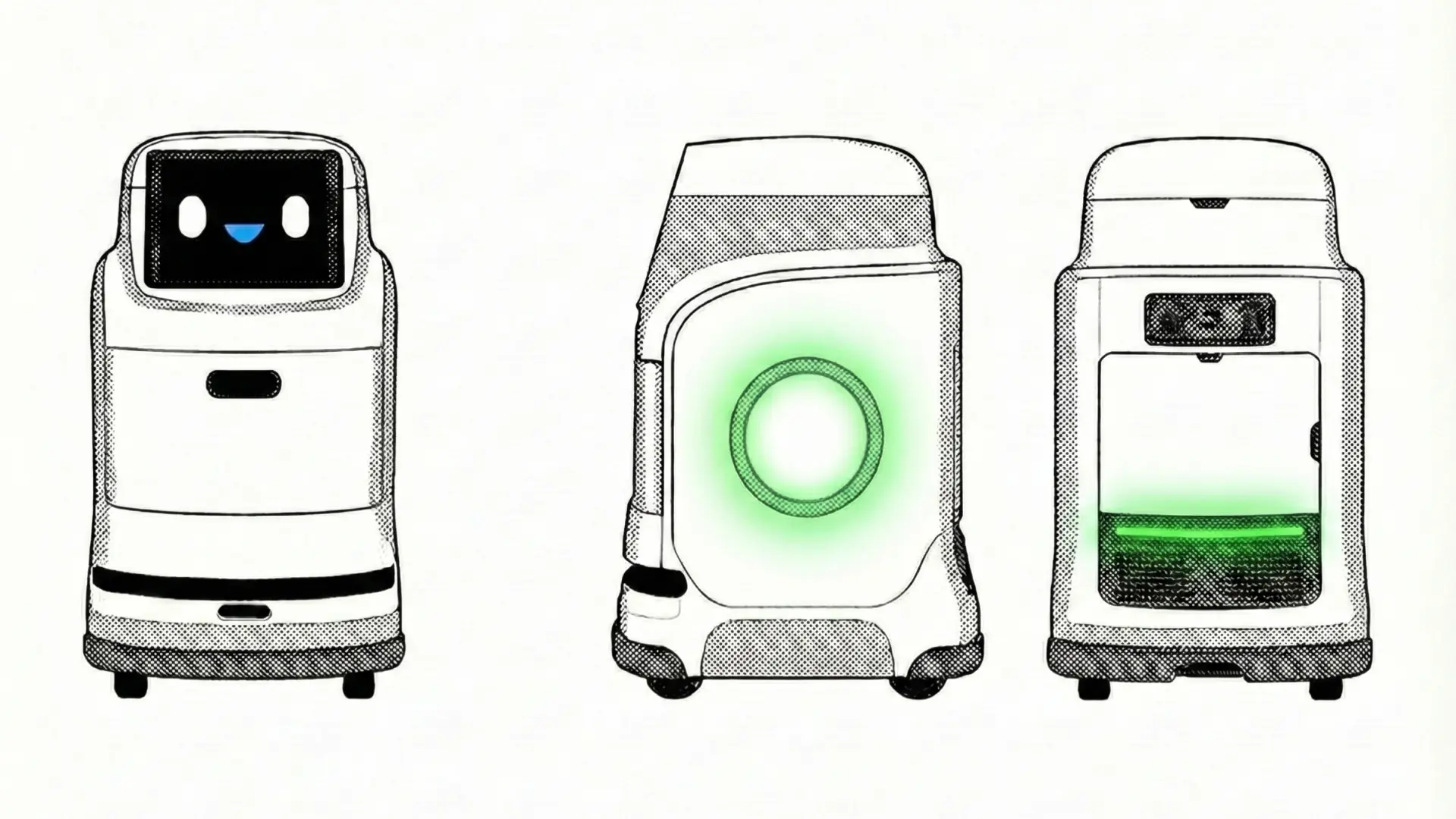
■ Conclusion: The Strongest Sensor Sits Outside the Robot Hakobukun's display — "The eyes on the floor are the strongest sensor" — is the heart of this episode. For intermittent real-world faults, the most reliable sensor isn't built into the robot; it's the people there around the clock. Oshiro's video and Shiraishi's "please record it next time too" turn debugging from solo work into something engineers and the floor do together. A spec sheet can't capture that — but you can design the operations that make it happen.