The Design That Exterior Carries
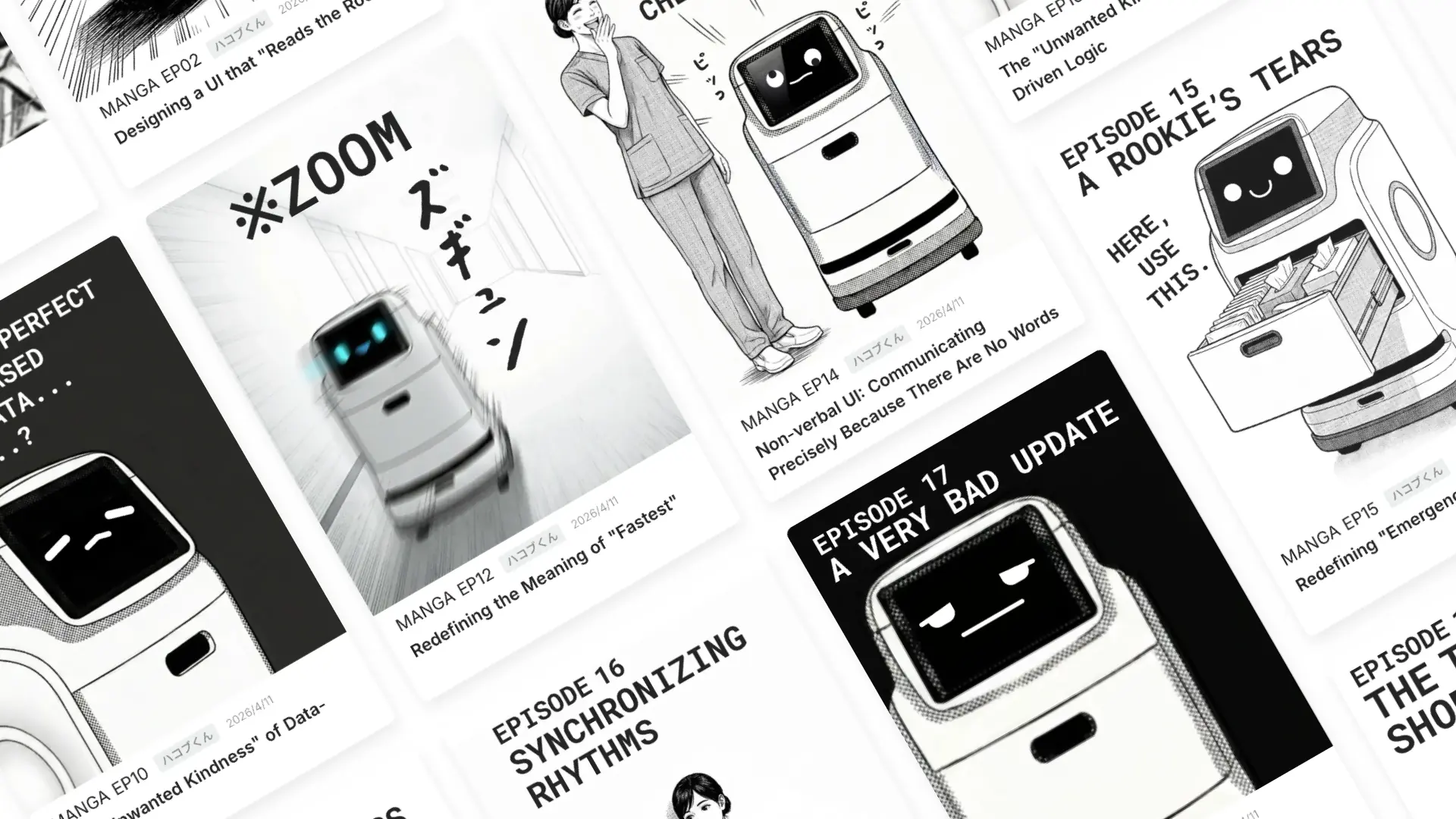
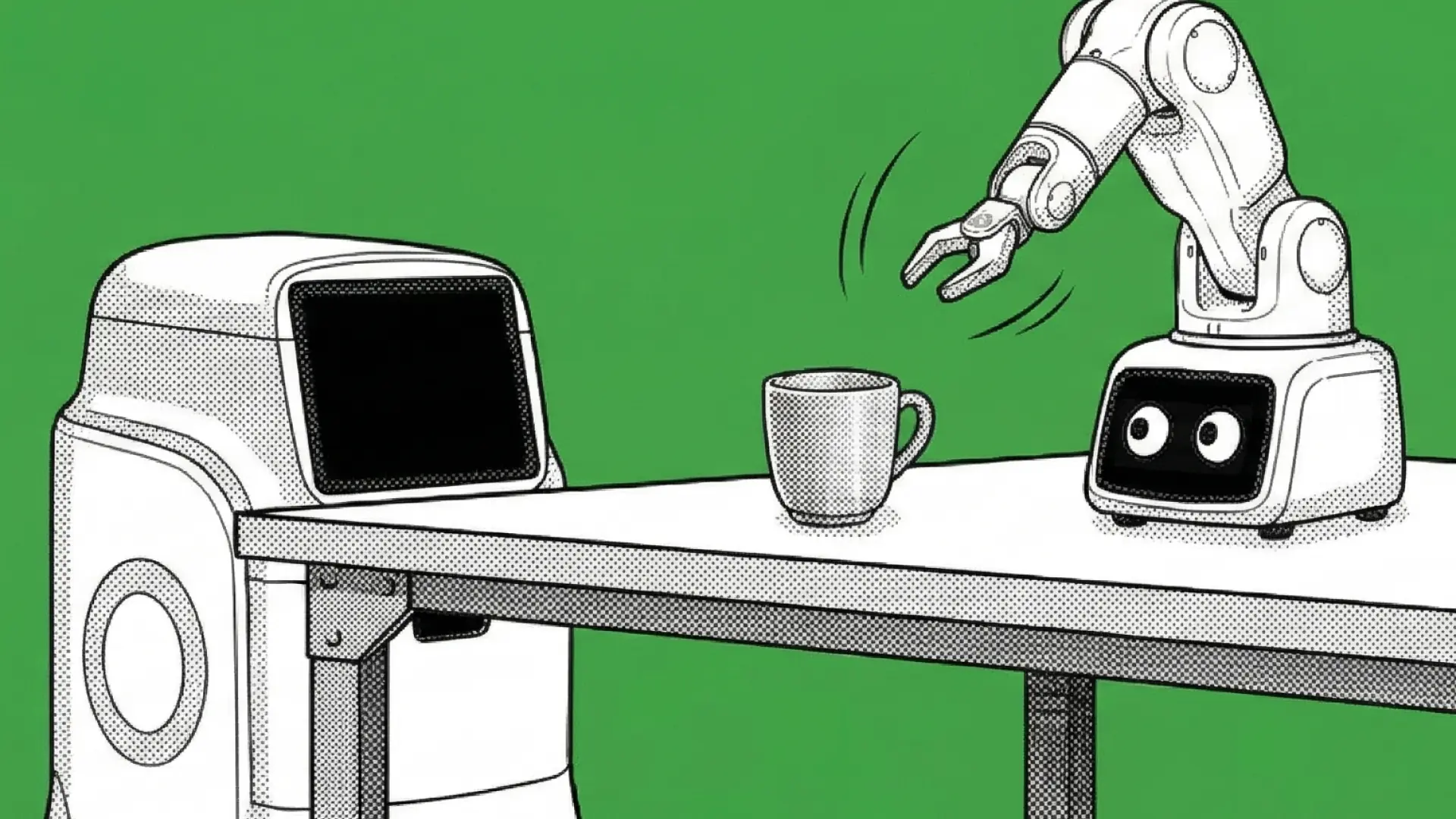
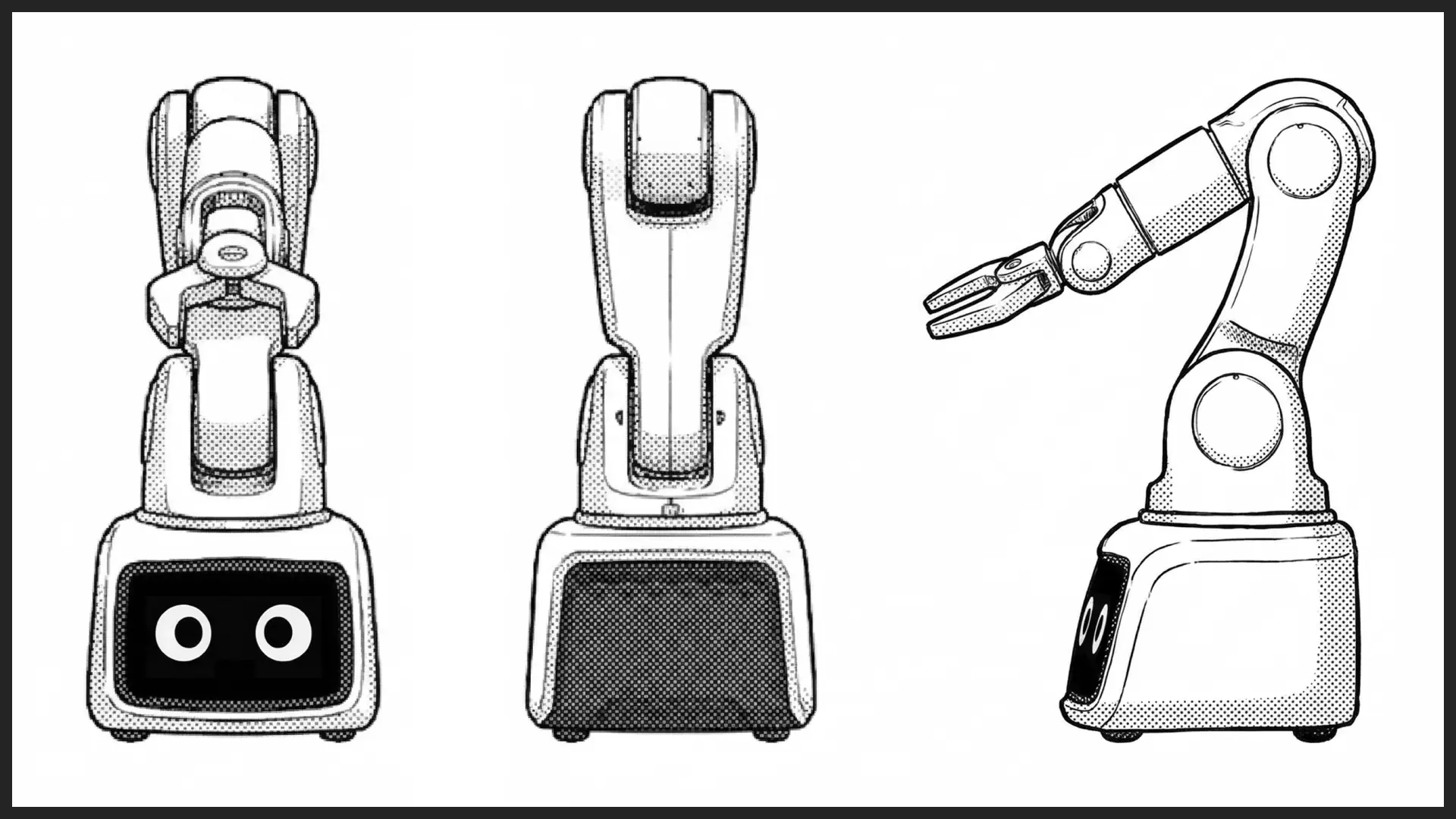
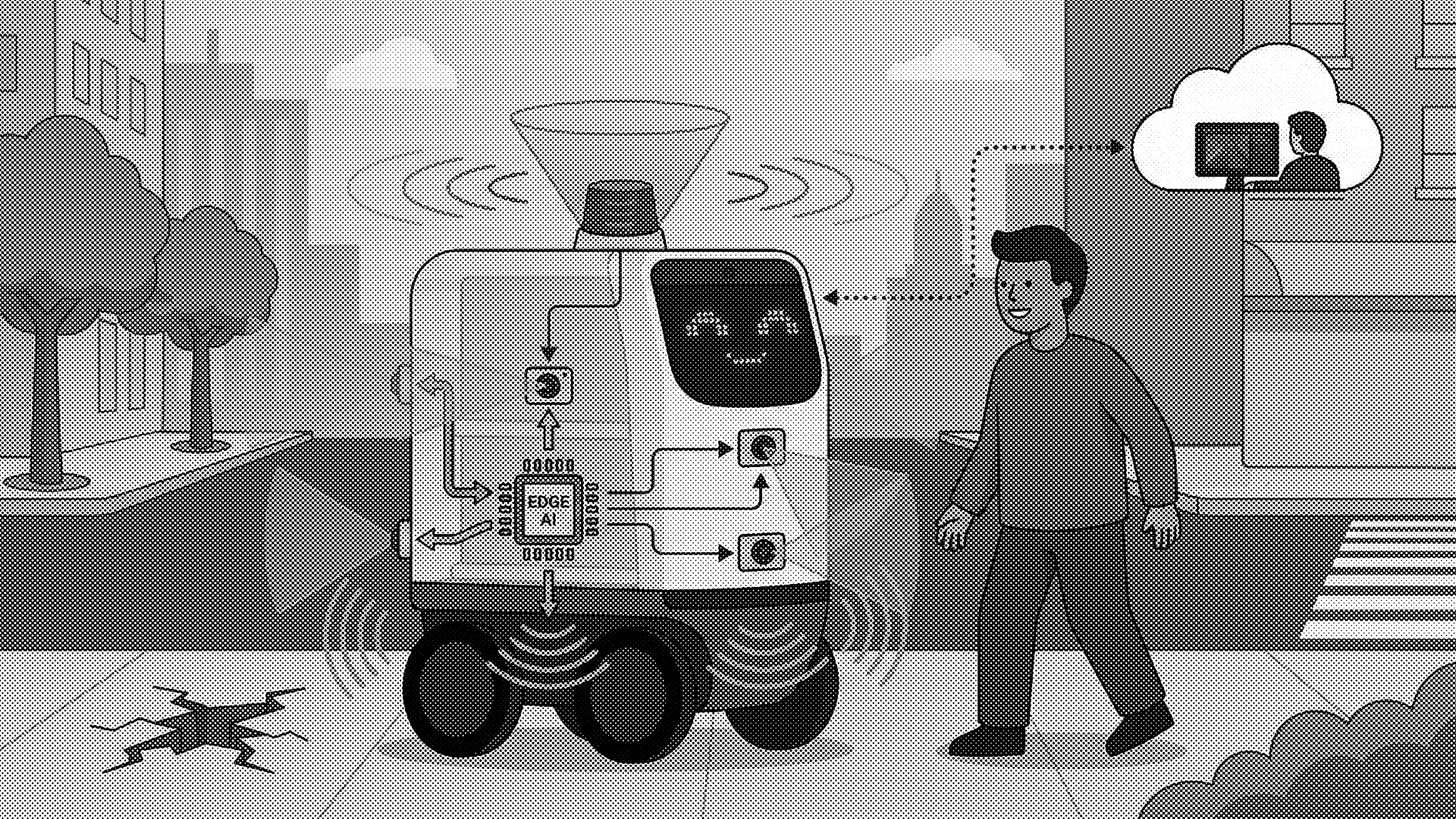
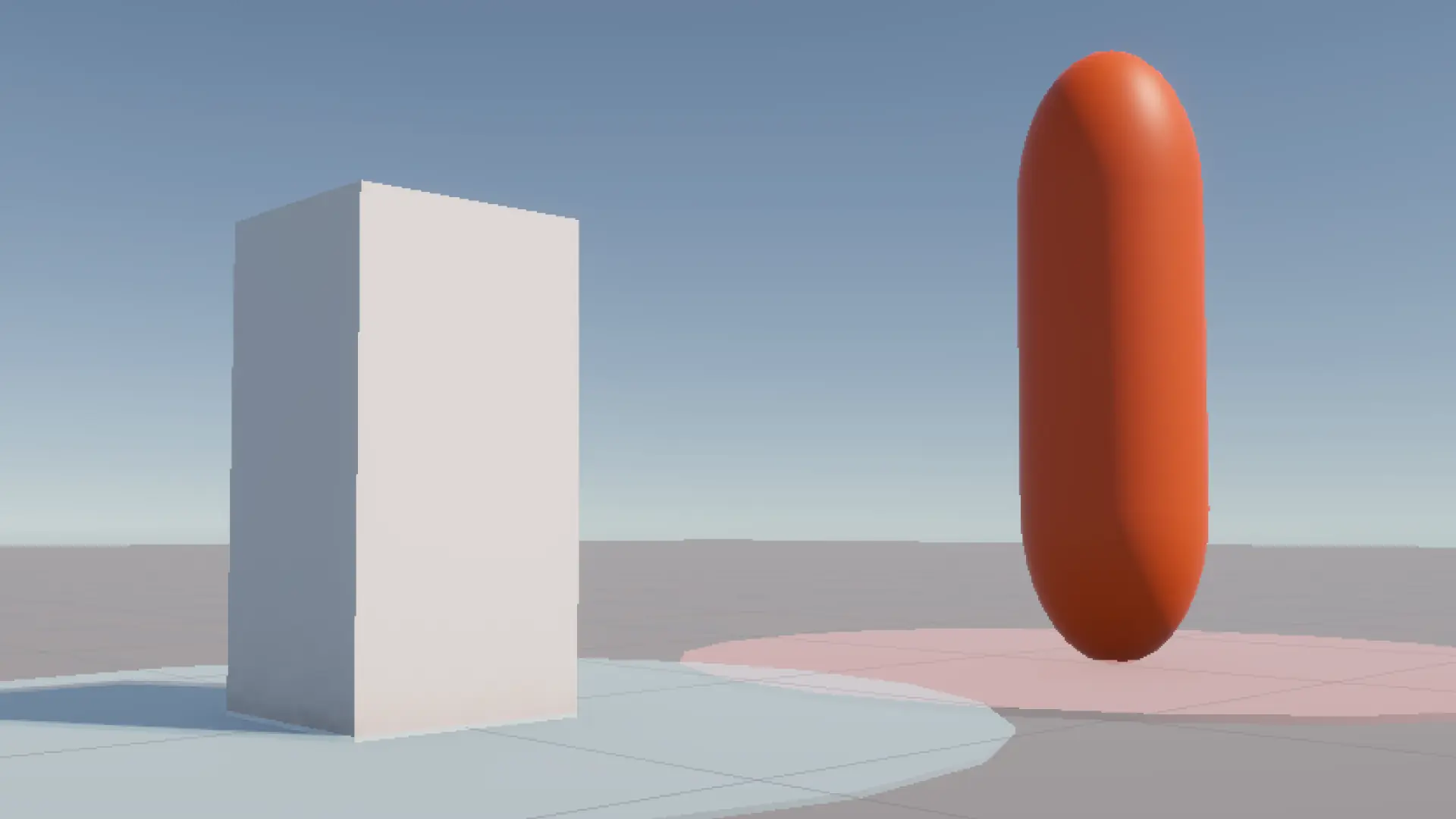
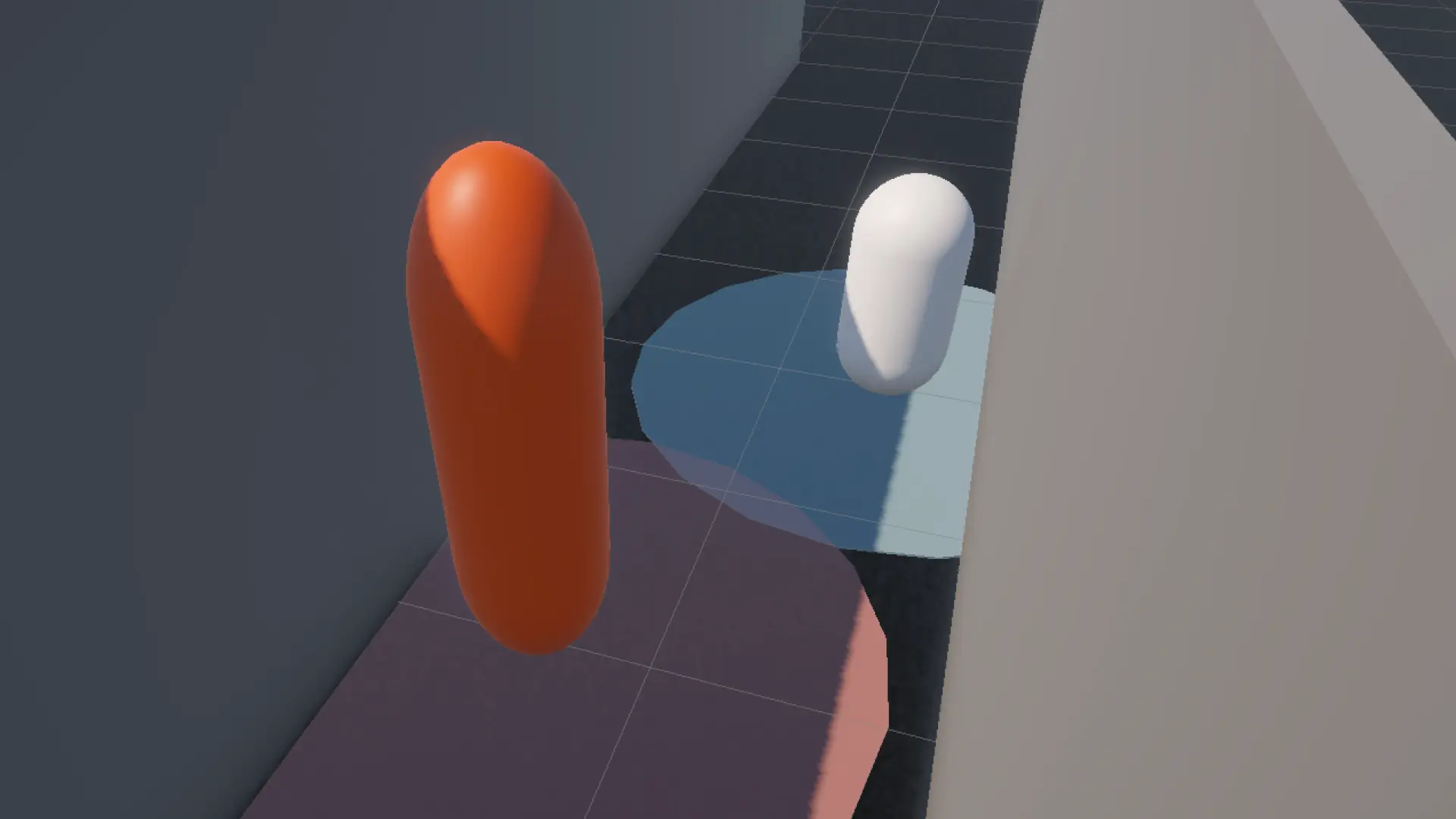
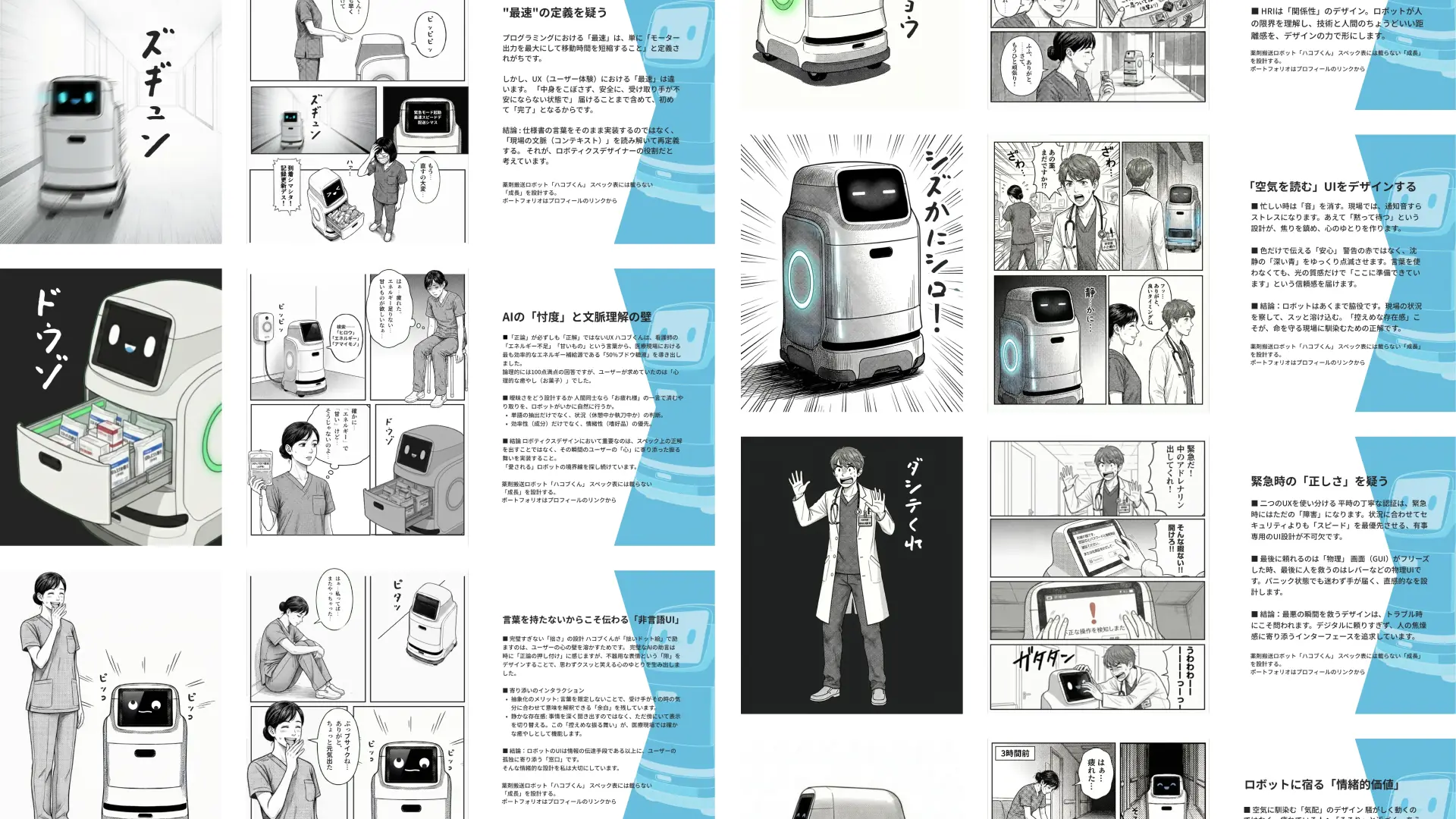
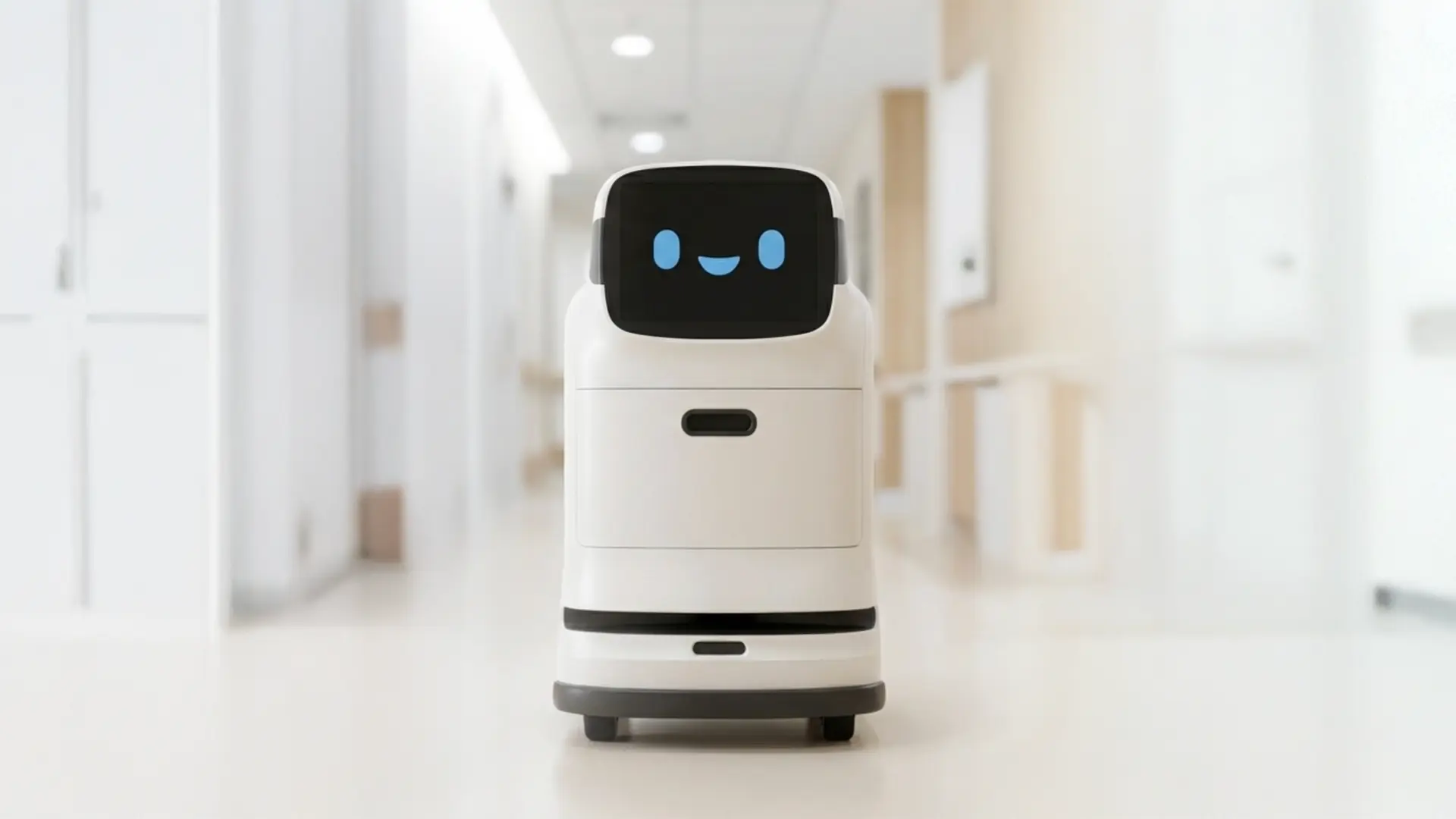
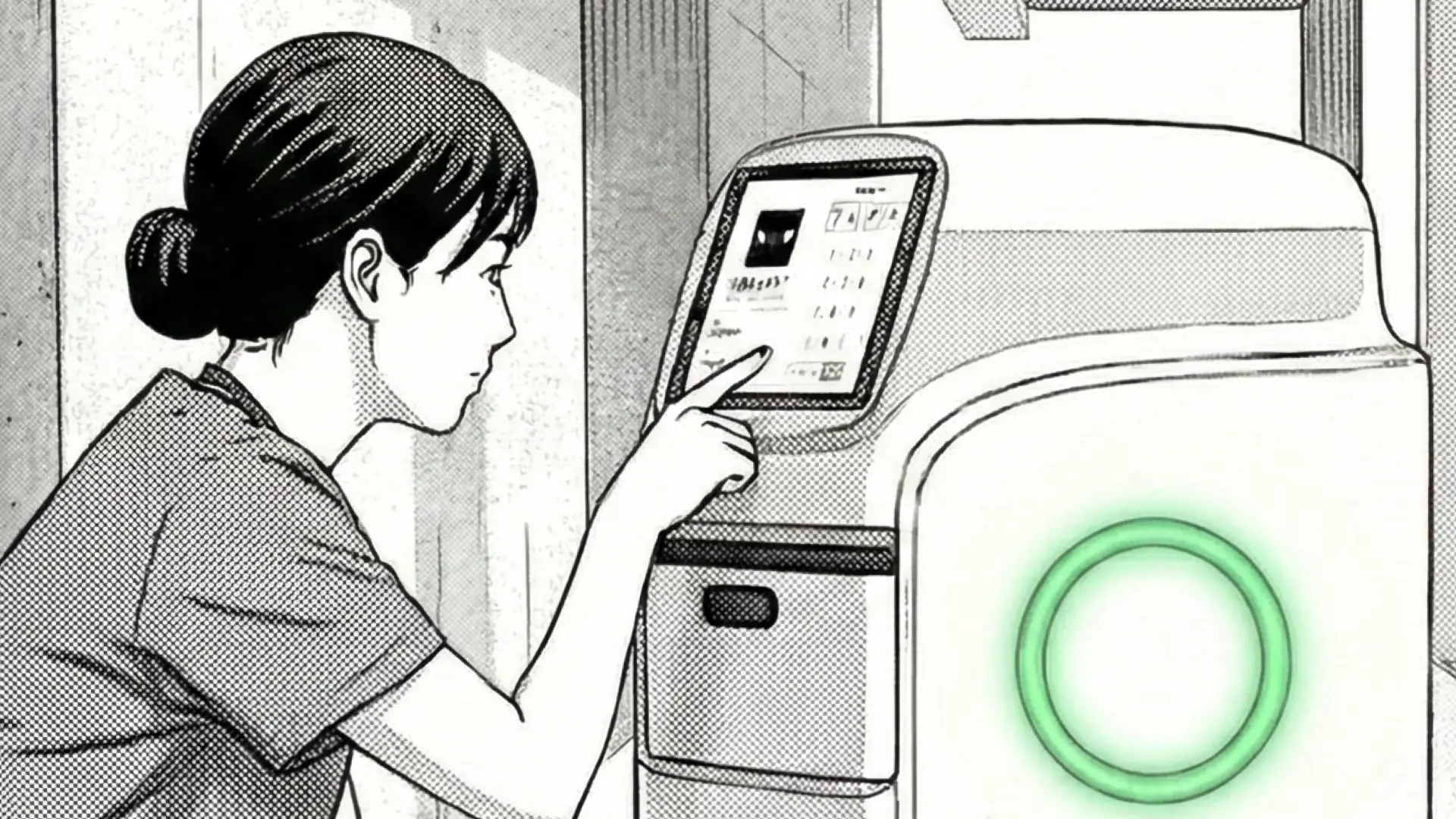
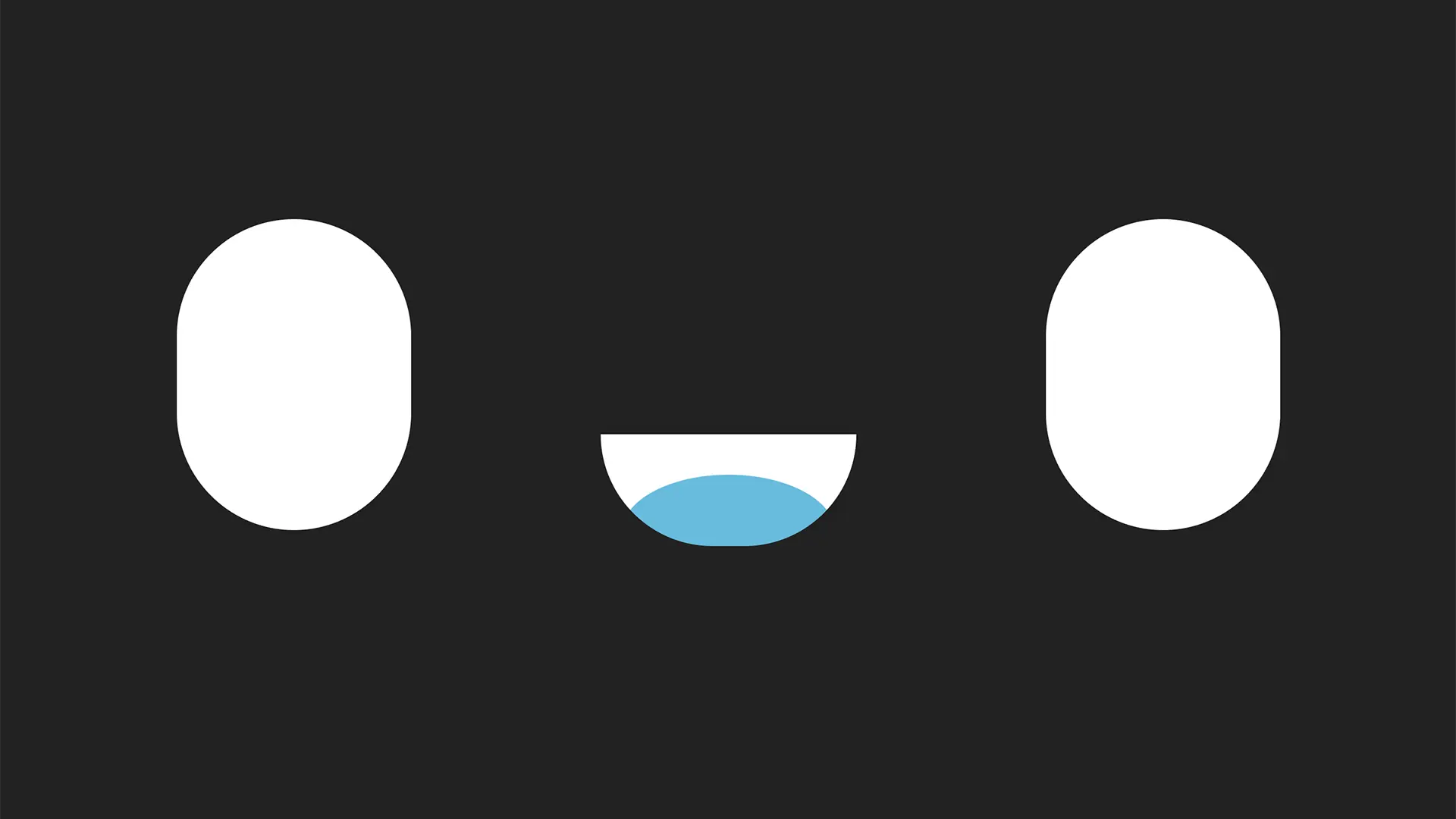
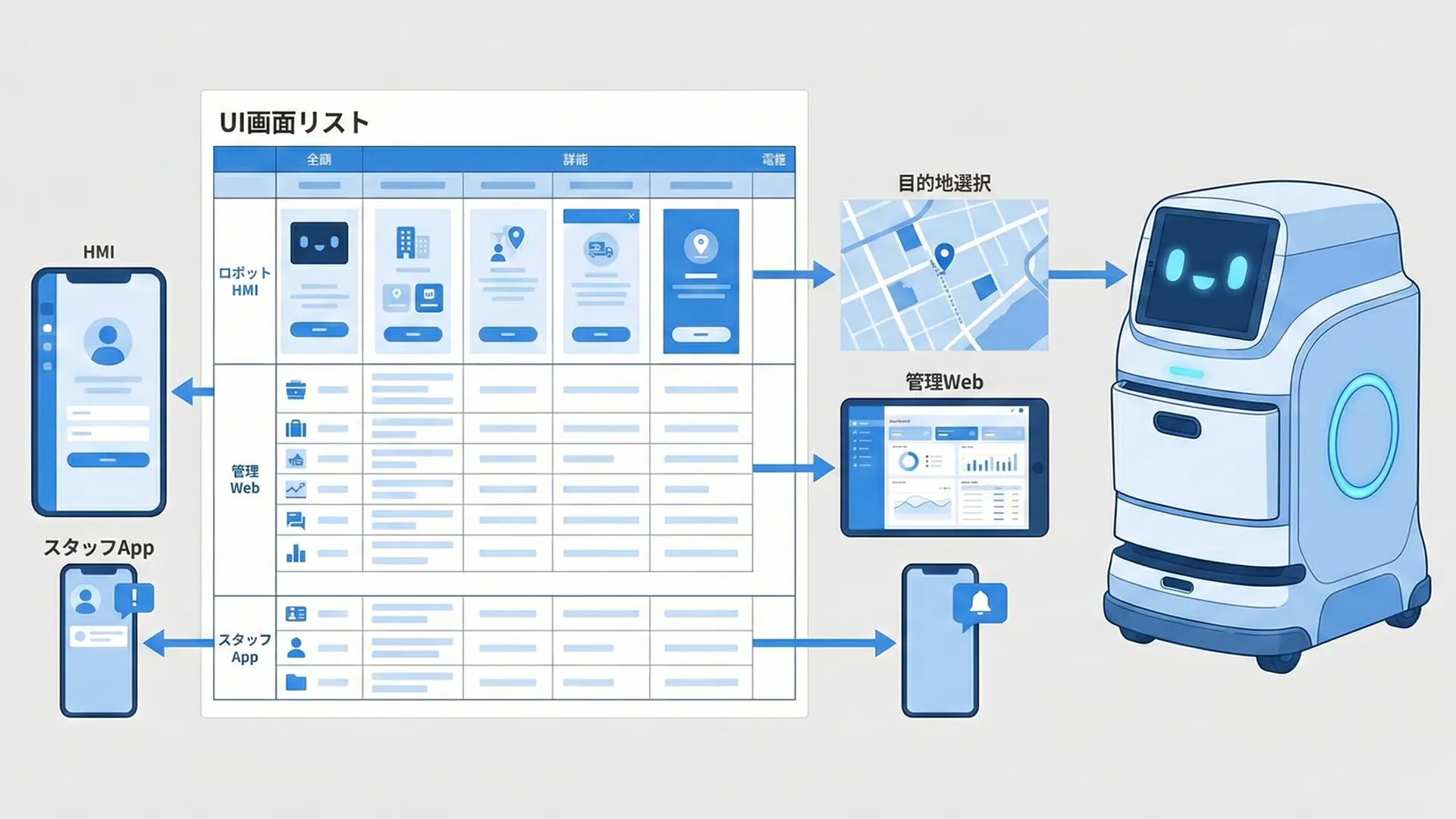
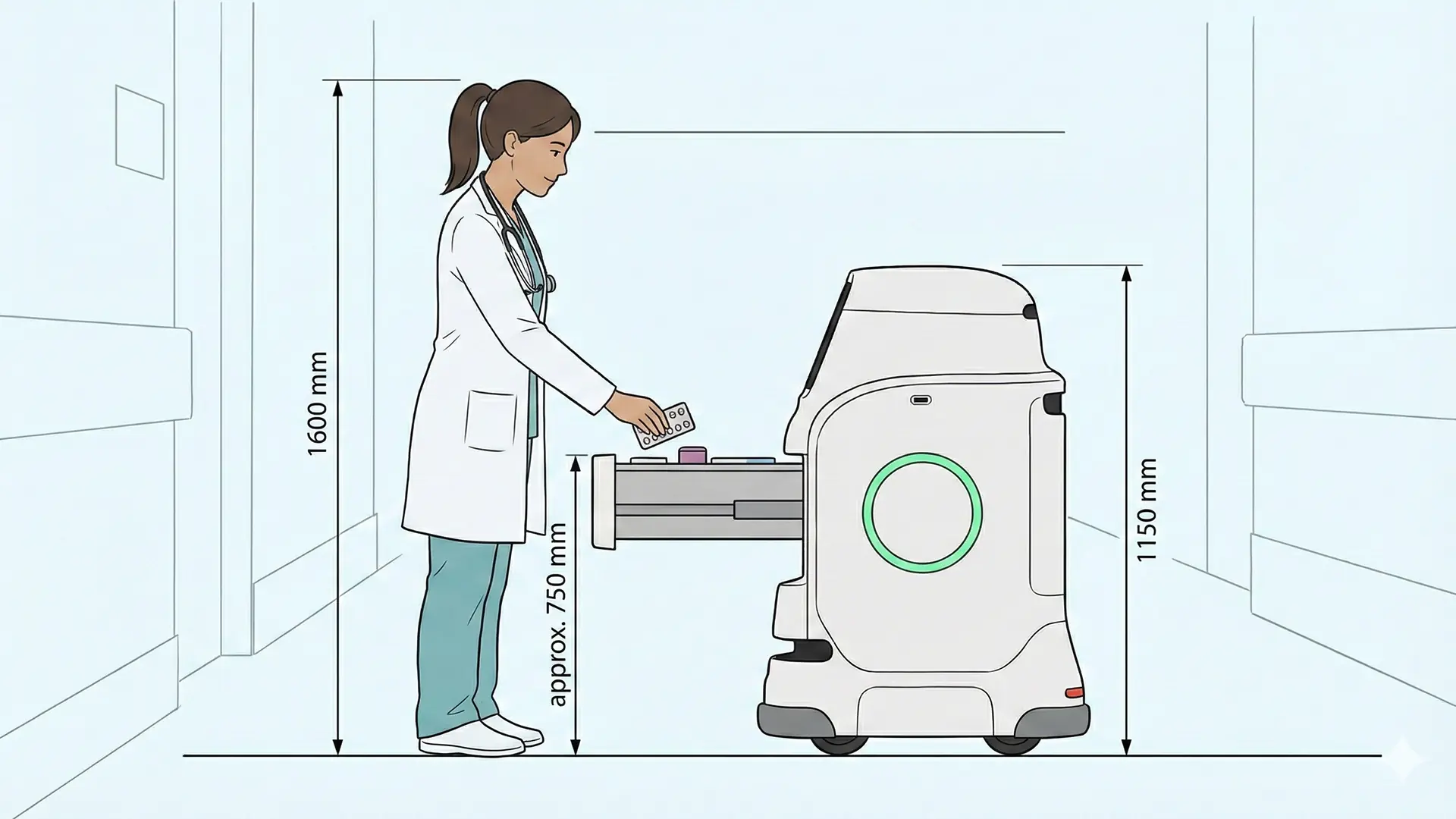
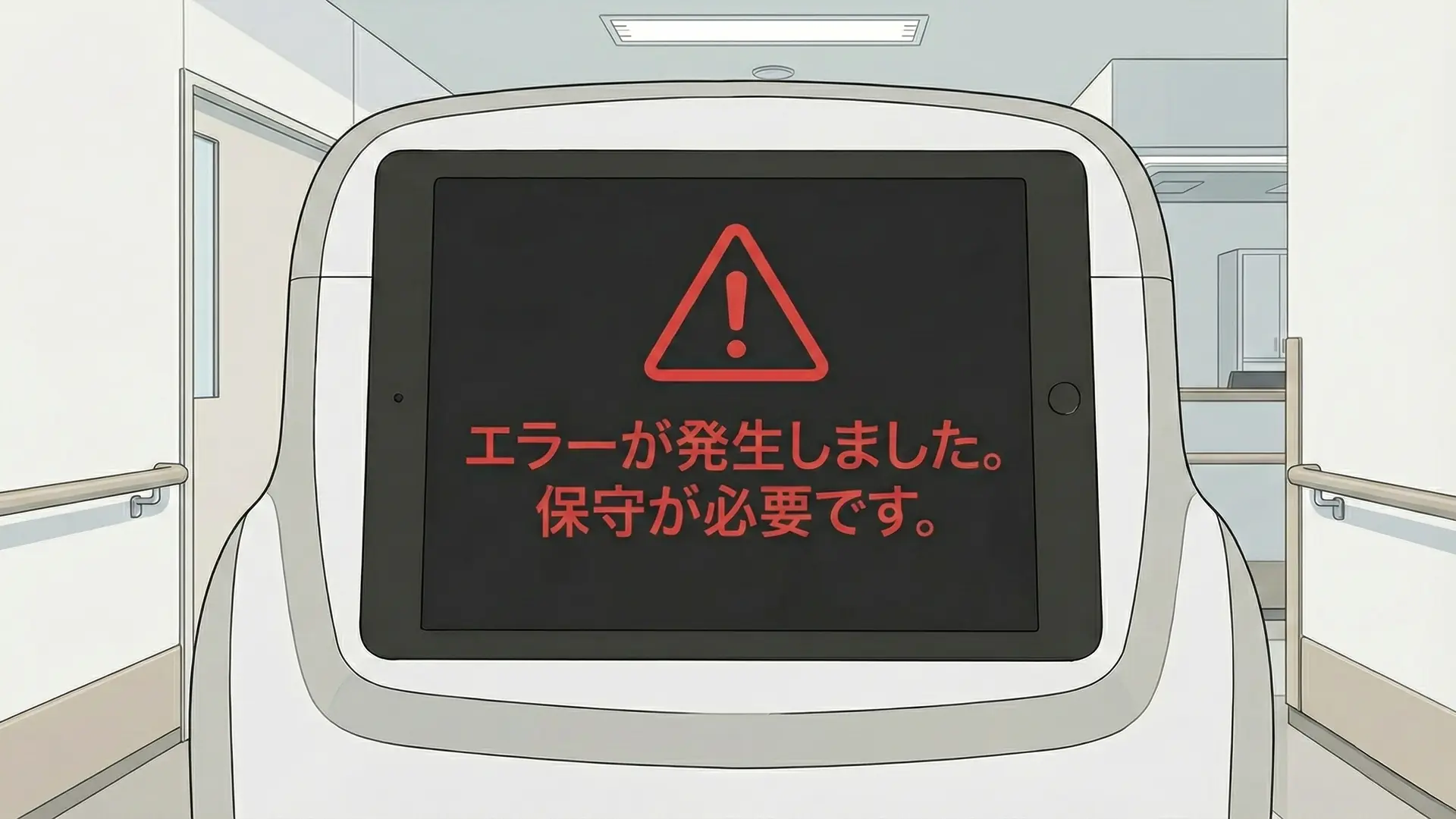
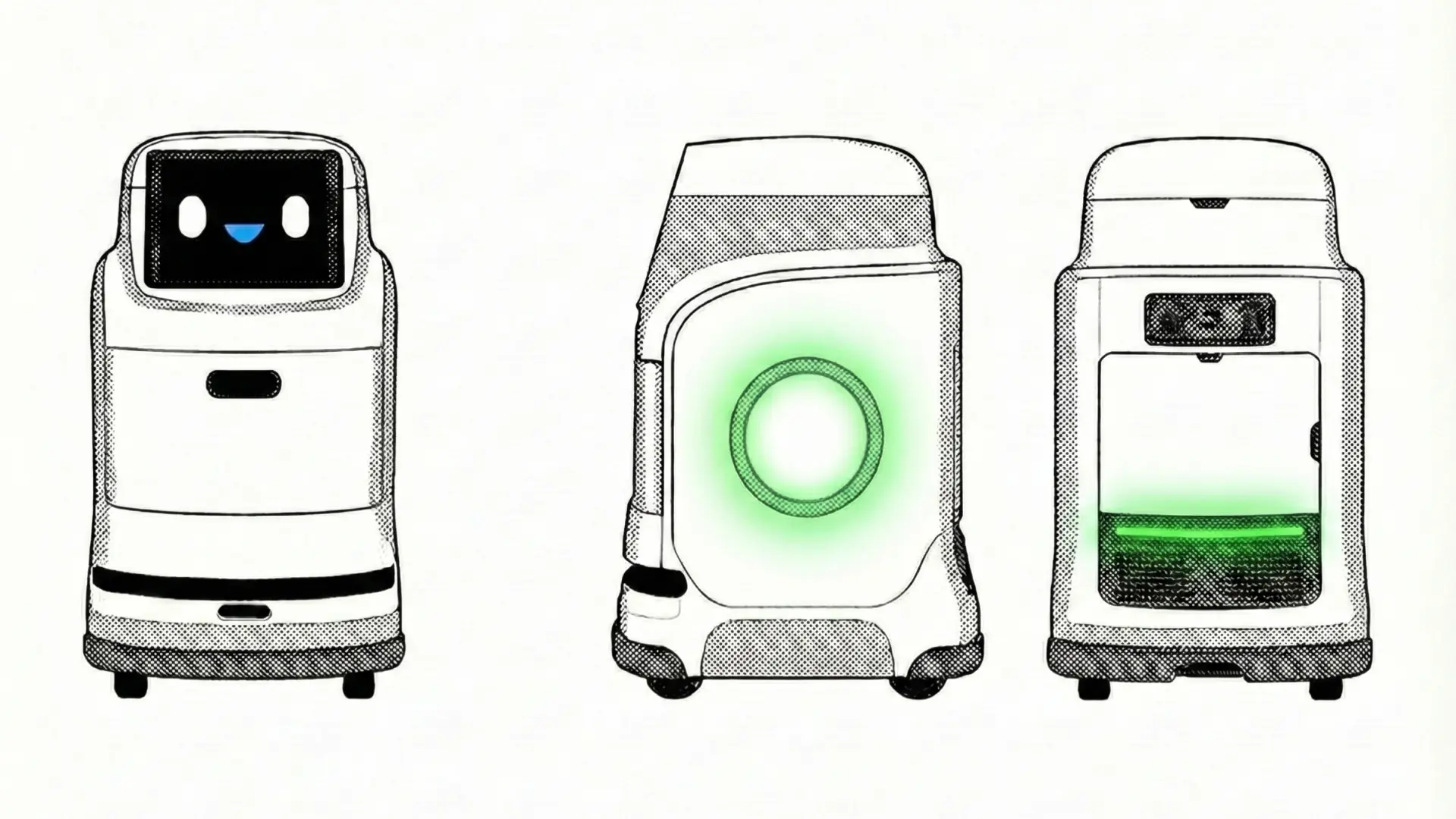
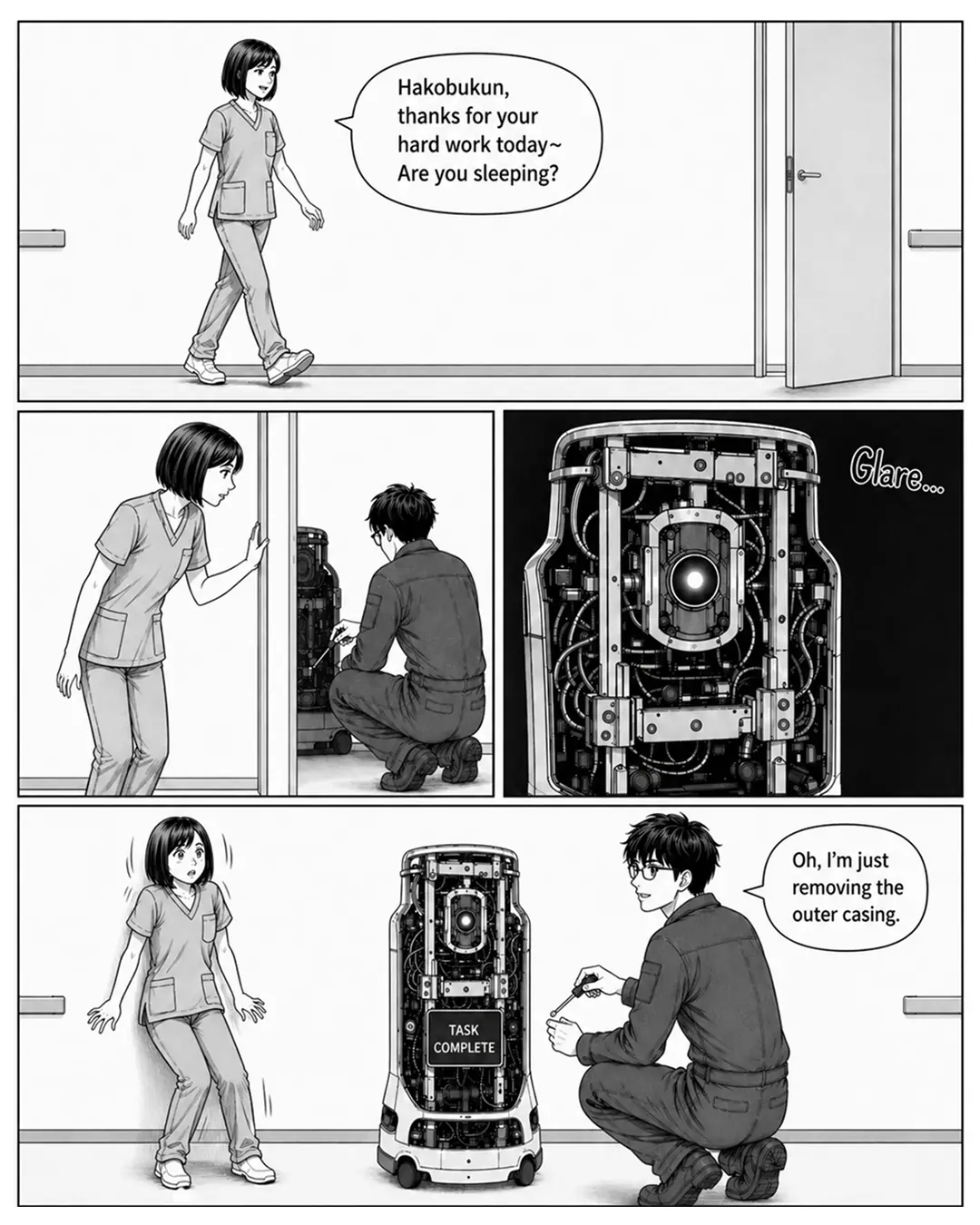
■ The exterior is a "translator of trust" A display that looks like gentle eyes, a rounded white body — Hakobukun's exterior transforms what is essentially a collection of algorithms and motors into "something you want to talk to." The reason Takasugi treated Hakobukun as a "colleague" wasn't because of its capabilities. It was because this translation was working. The exterior isn't decoration — it's the first language of HRI.
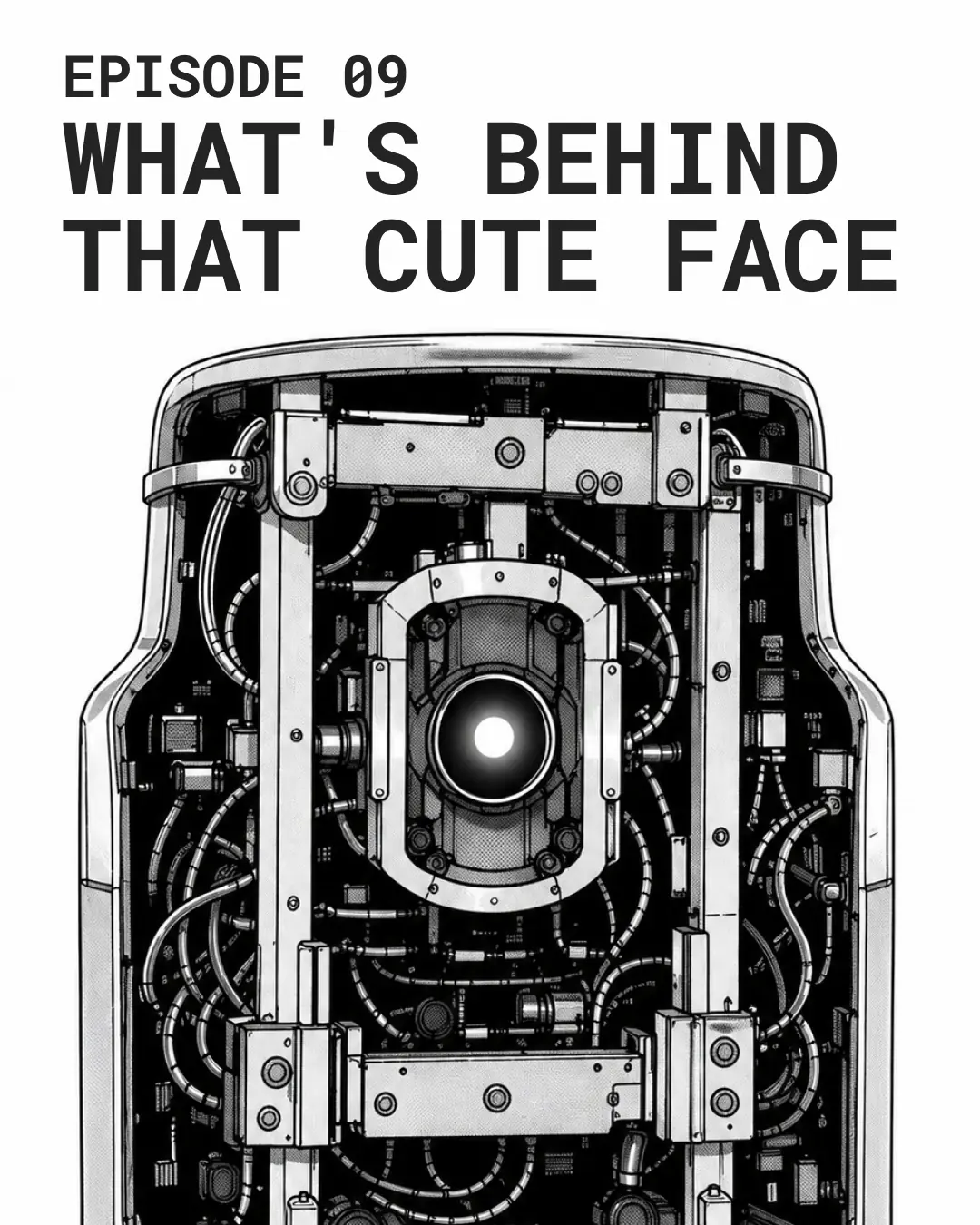
■ The uncanny valley appears the moment the shell comes off Exposed wiring, a bare metal frame, an optical sensor glowing in the dark. Functionally, it's the same Hakobukun. But to Takasugi, it looked like something else entirely. Masahiro Mori's "uncanny valley" doesn't only drop when a robot's appearance gets too close to human — it also drops when a familiar exterior is suddenly gone. The deeper the familiarity, the greater the fall.
■ Conclusion: Exterior design is building a container for emotion Makihara's "we just took the shell off" is an accurate explanation. But Takasugi's unease doesn't disappear. In robot design, the exterior is not a matter of appearance. It is the container that protects the relationship a user has built over time. Even a maintenance procedure becomes a design problem the moment it enters the HRI context.