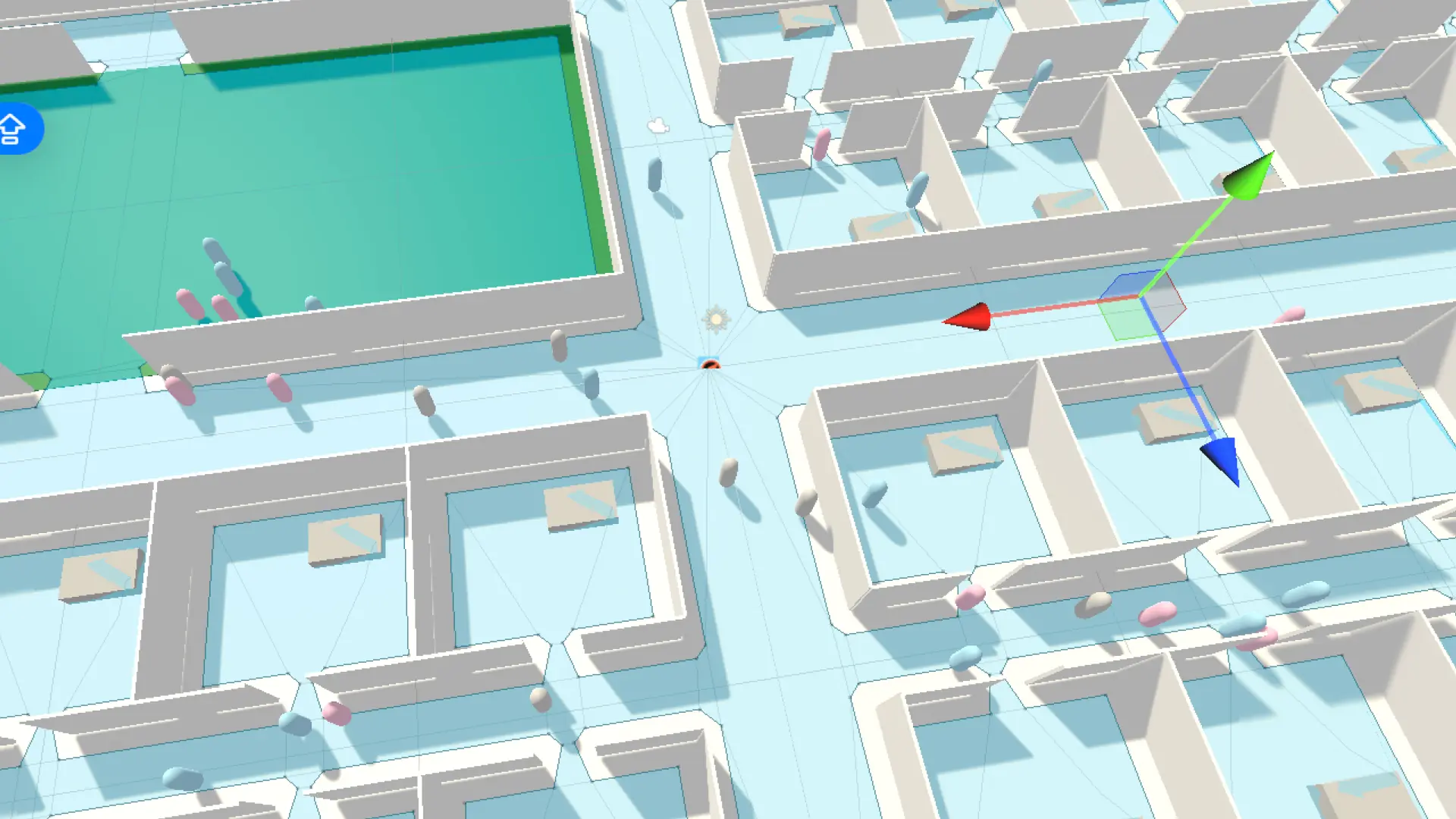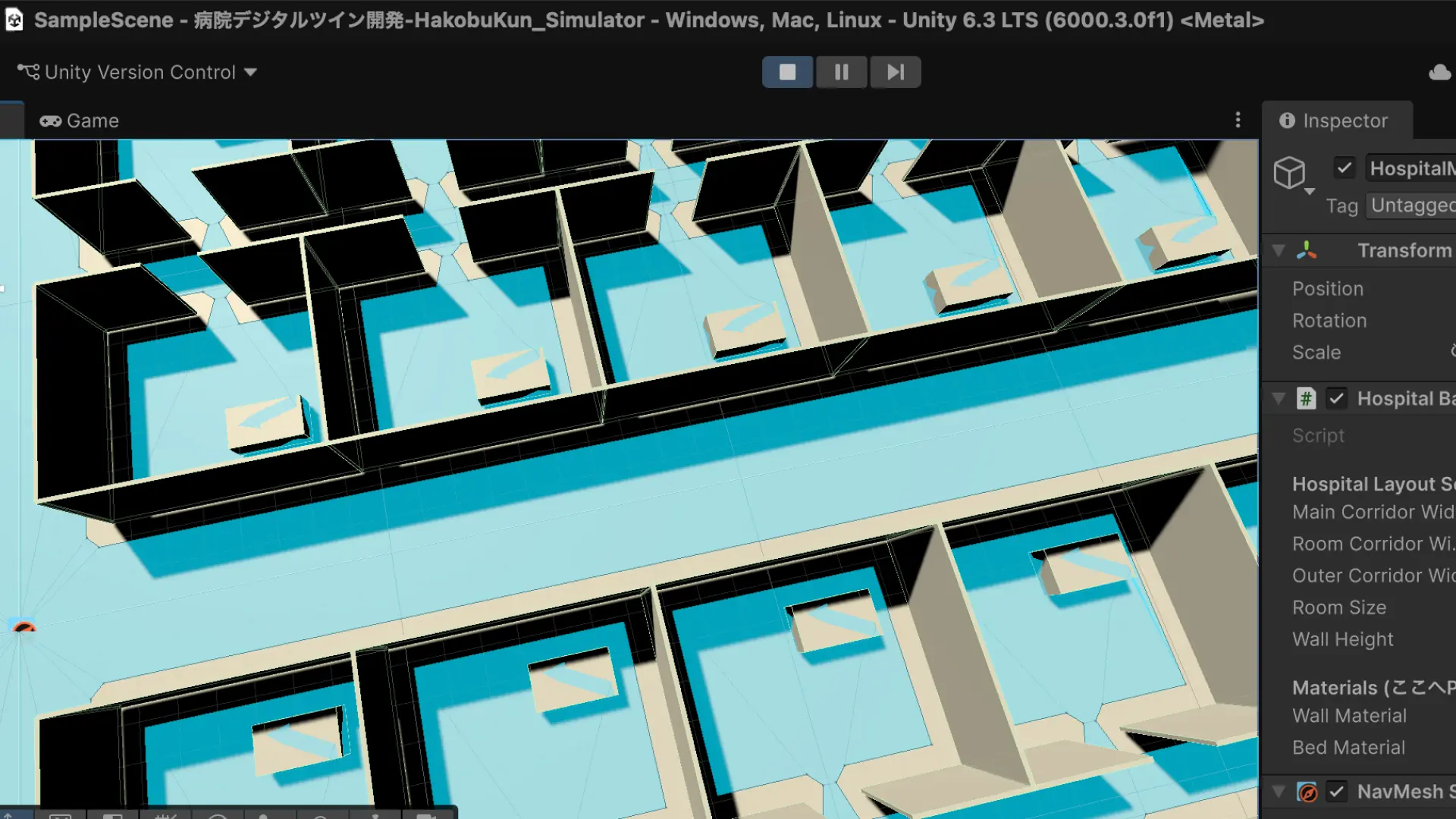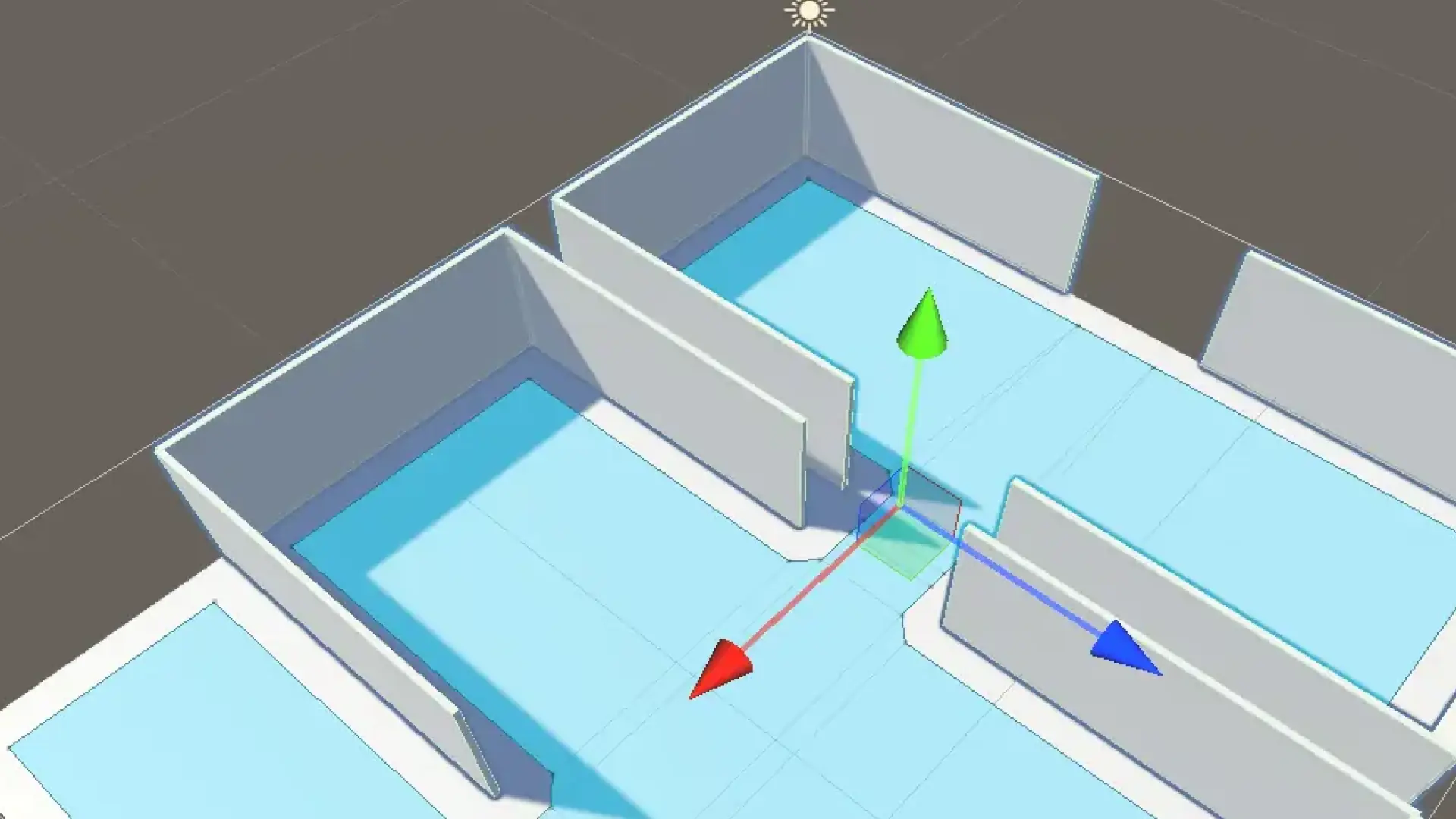
The Design That Can't Read the Room
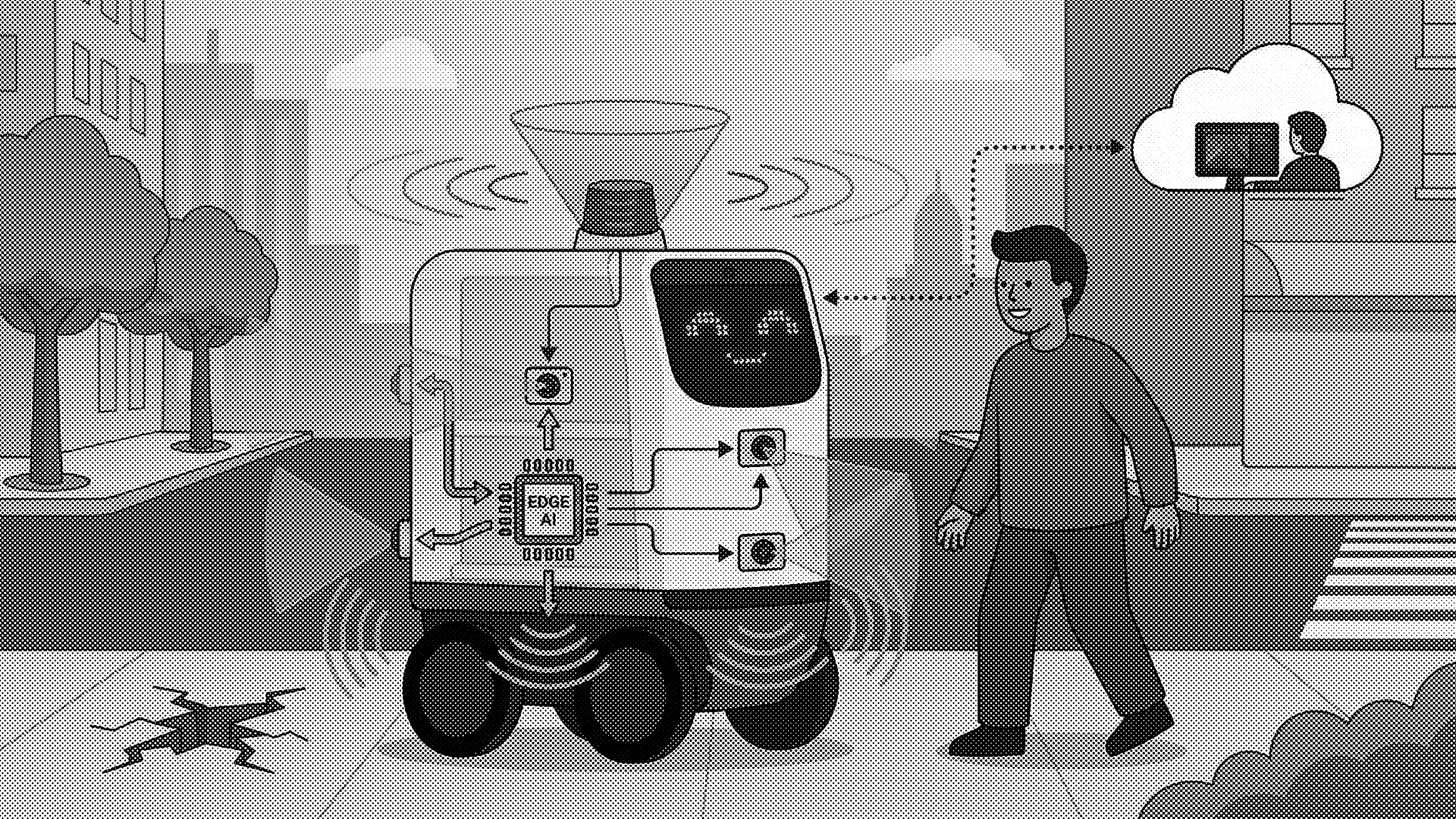
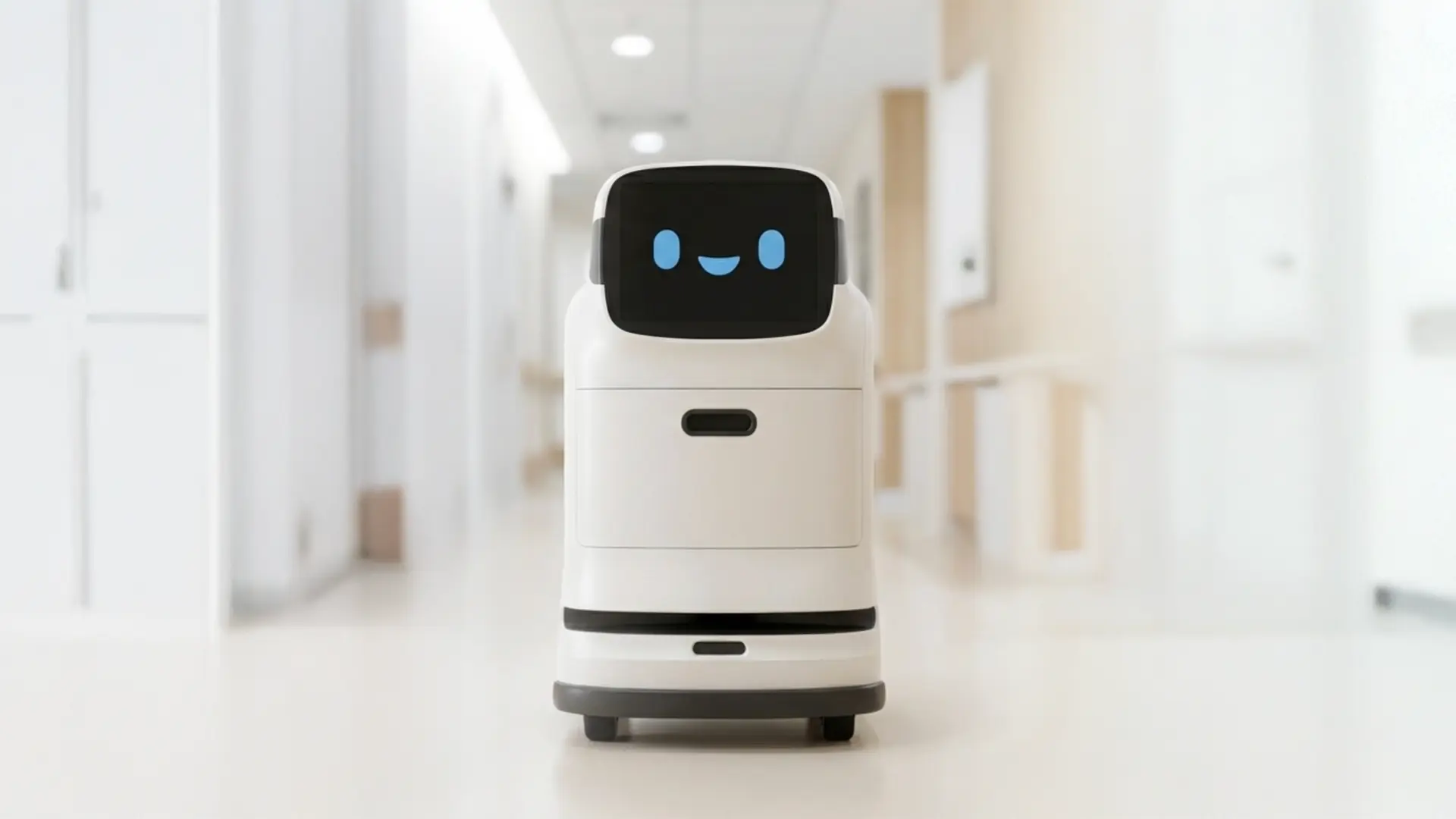
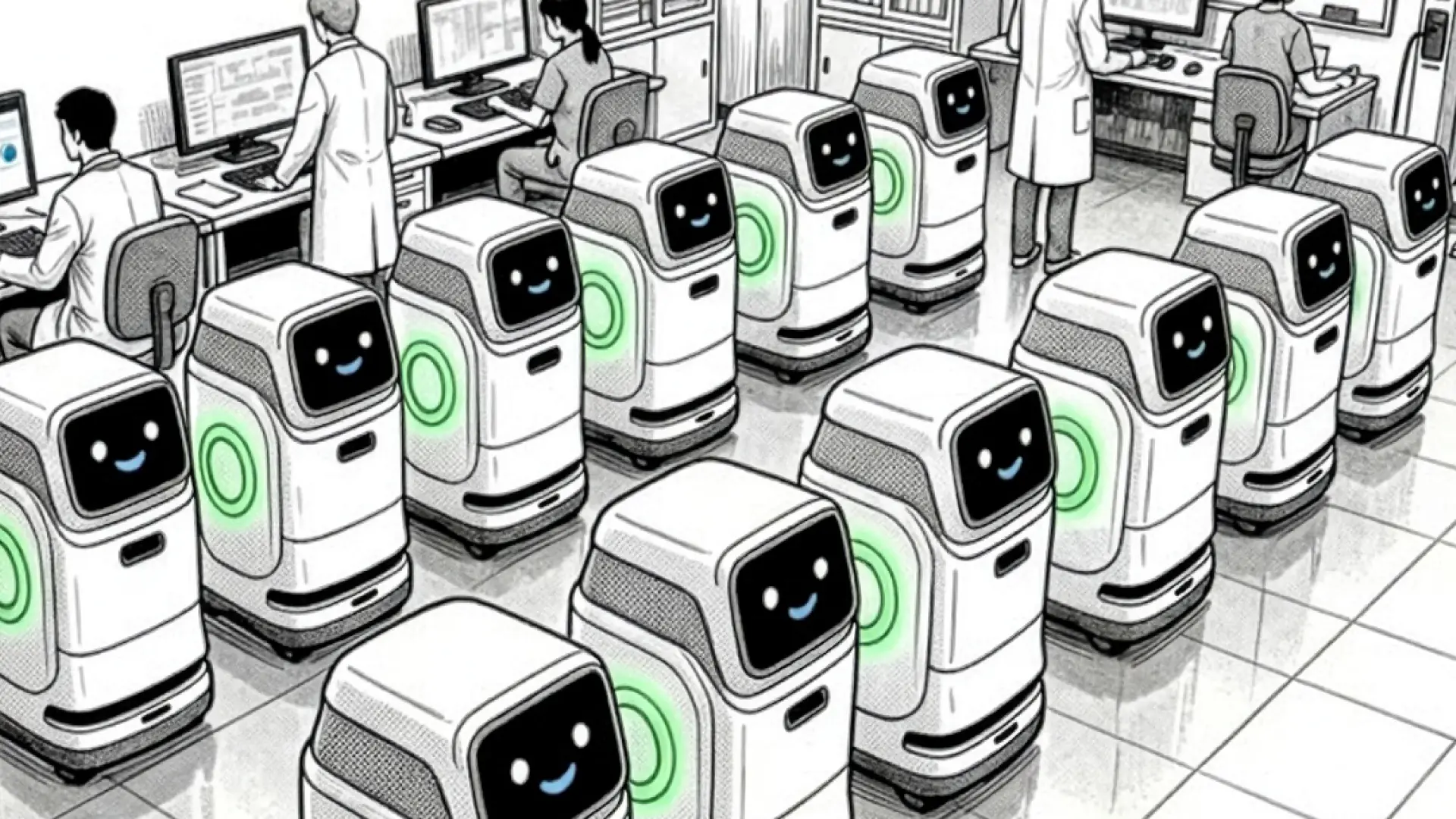
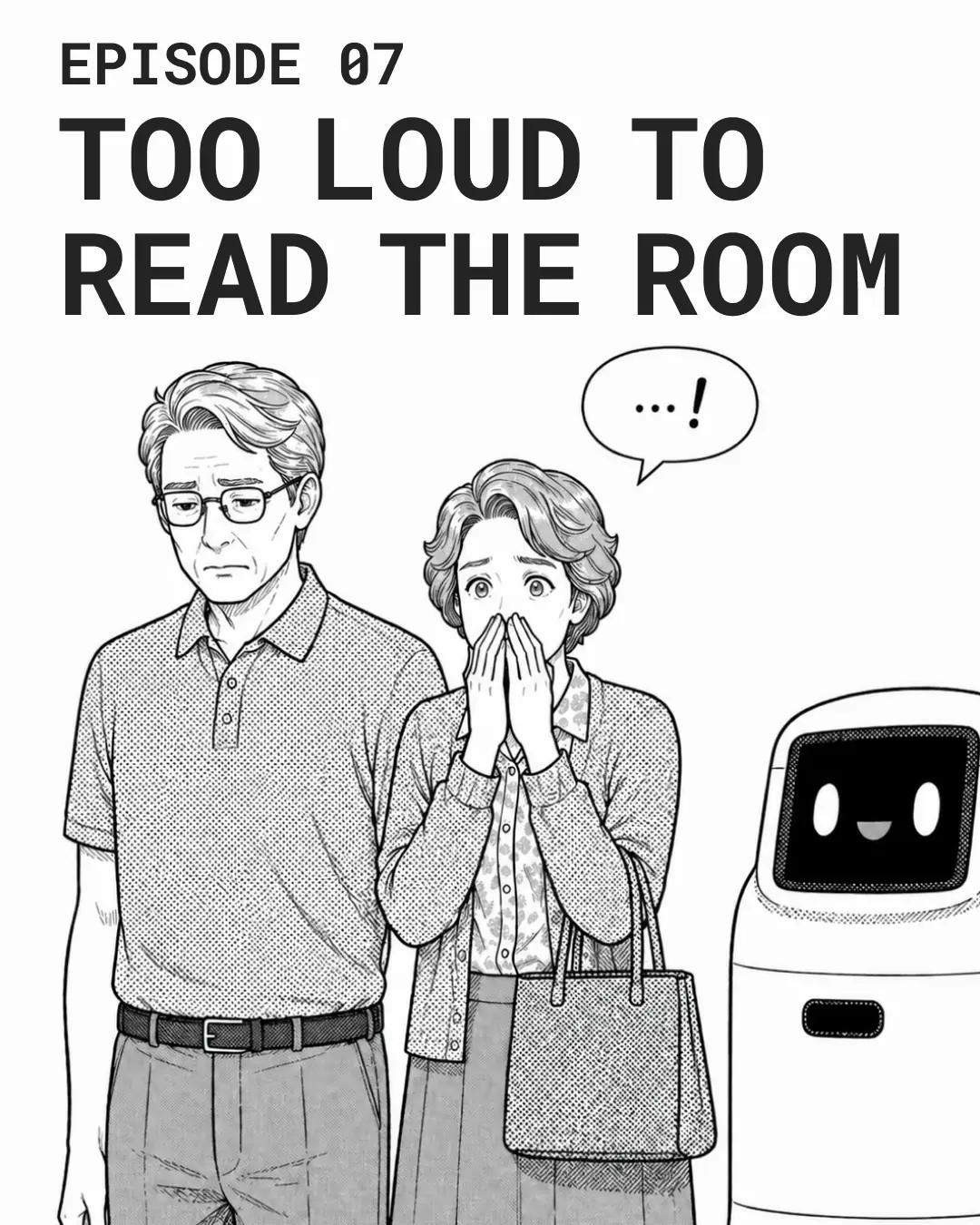
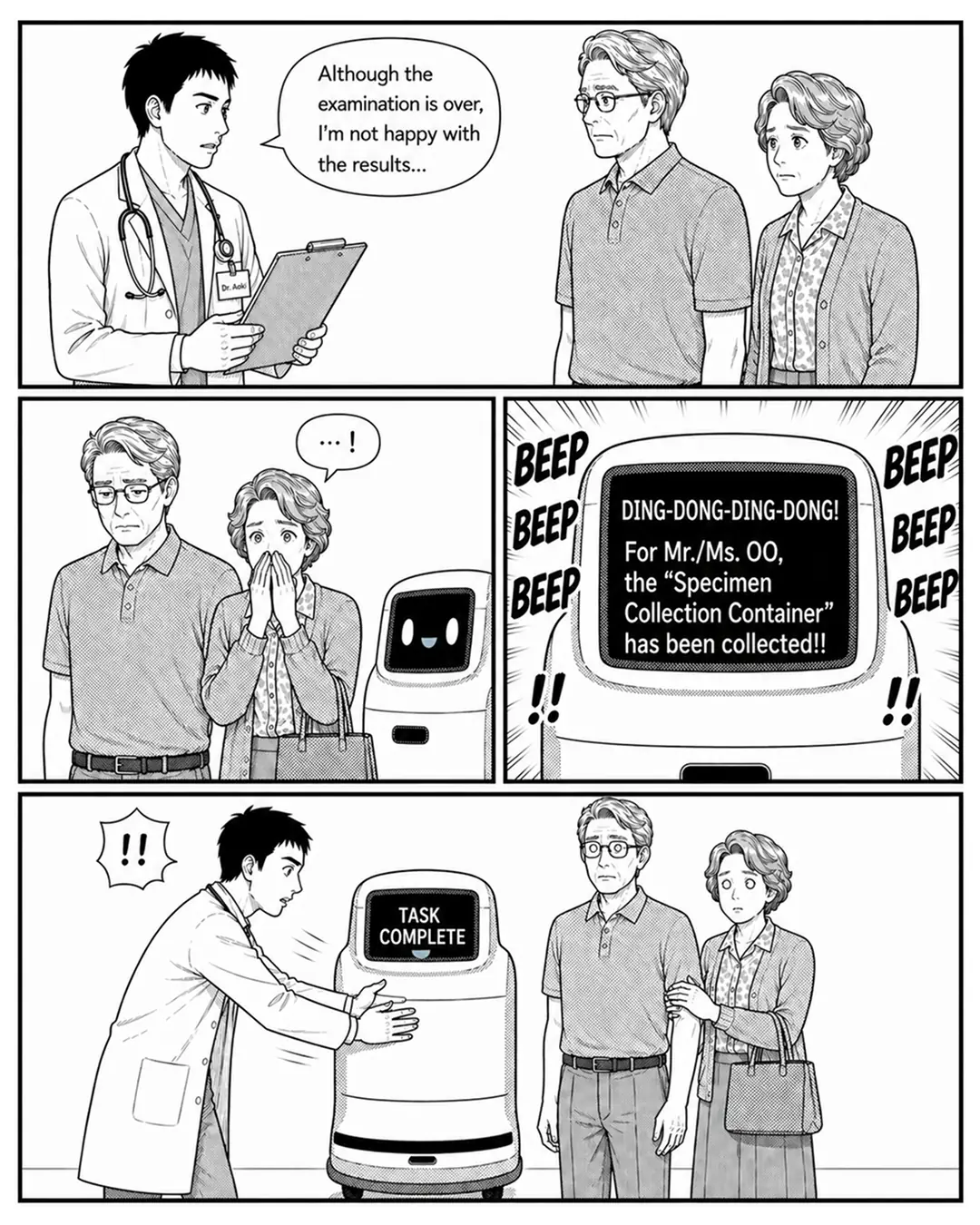
■ Situational awareness requires more than data Hakobukun was functioning correctly. It collected the specimen container and reported completion — a flawless task execution. What it didn't have was any sense of the weight in the room at the moment Dr. Takasugi delivered the test results. Hospitals are filled with a gravity that doesn't show up in numbers. Grief, tension, silence — these are contexts no sensor can measure.
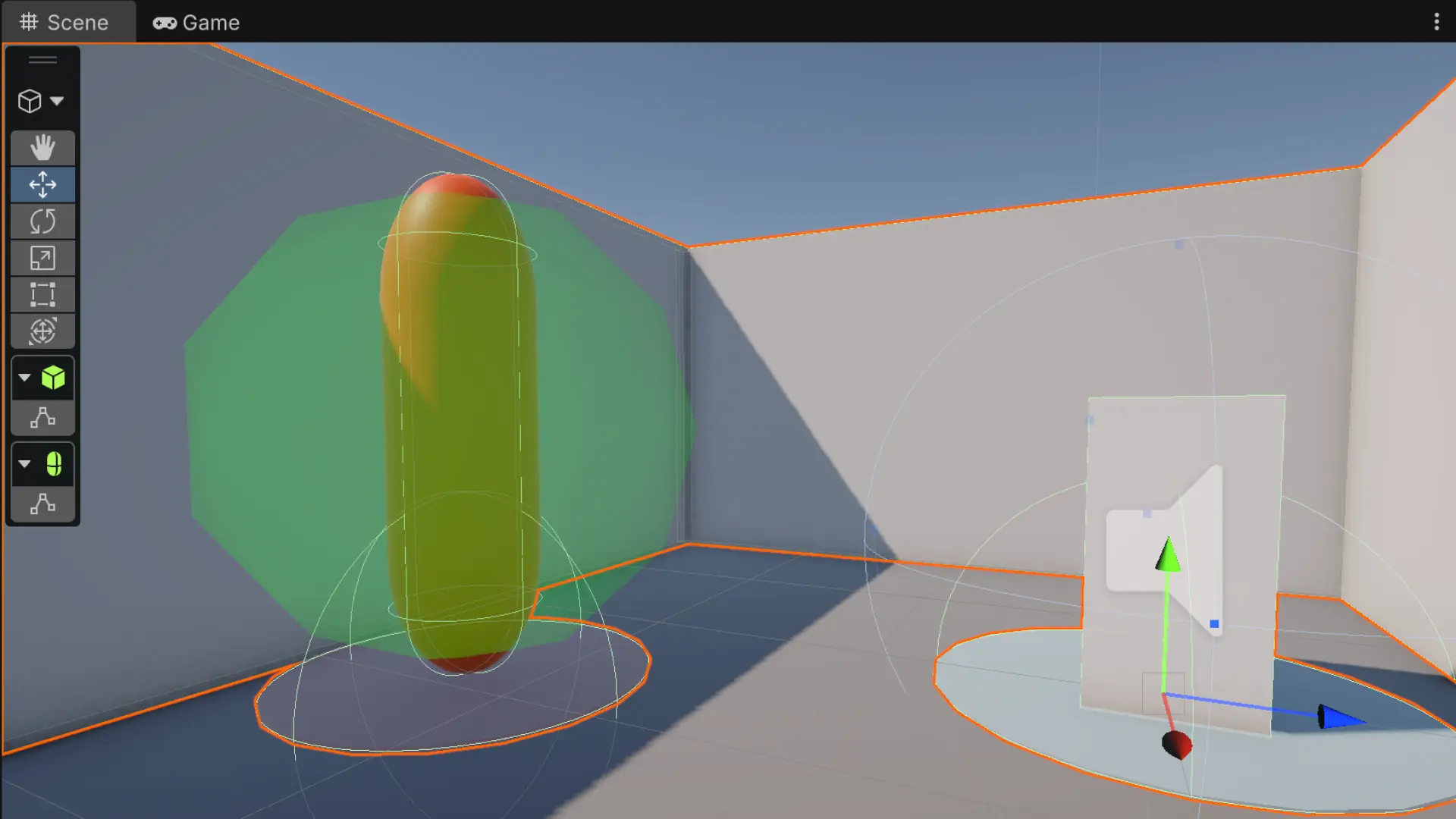
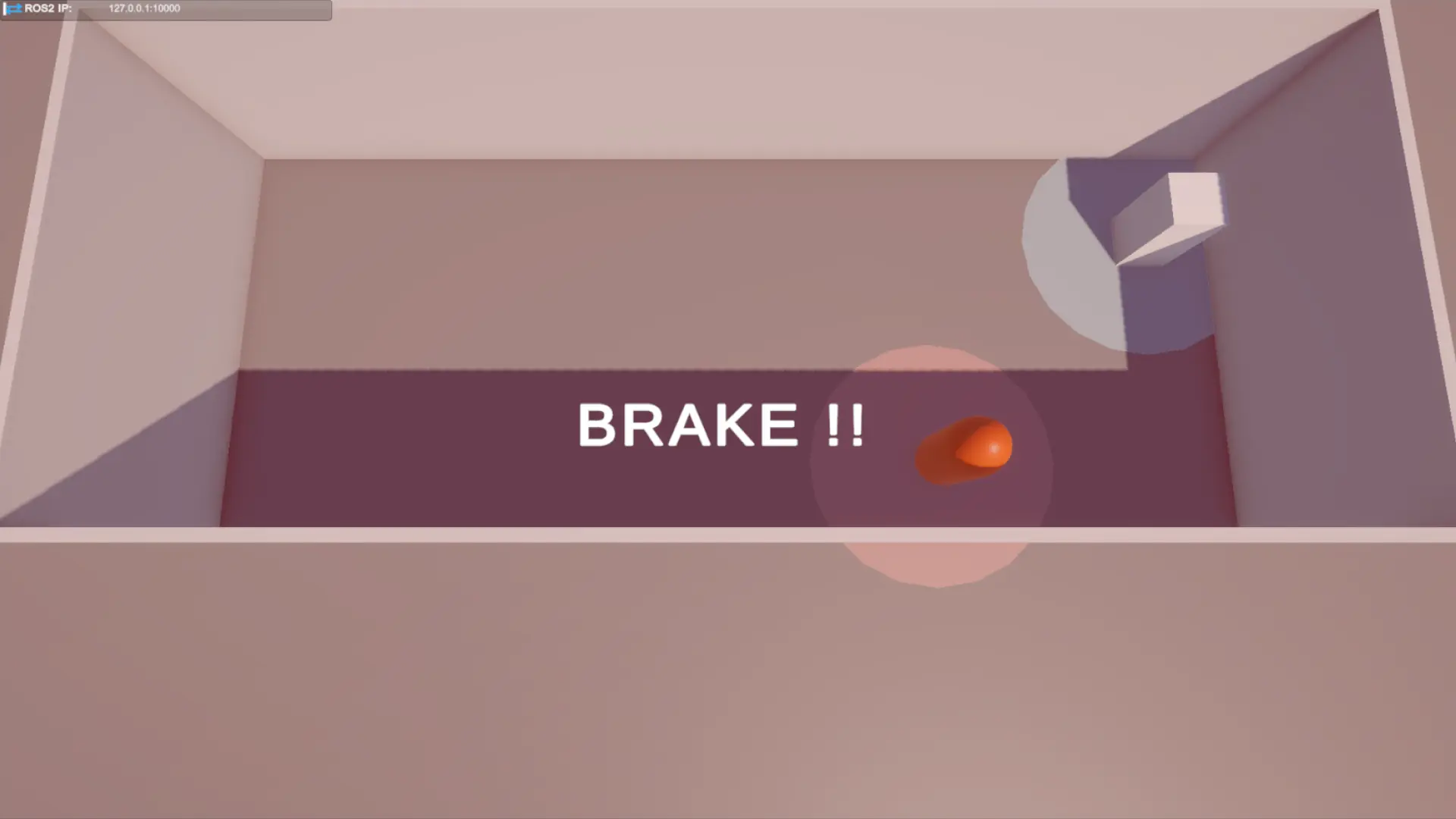
■ Voice is the most unguarded interface A screen can be ignored. Sound reaches everyone in the room. That cheerful chime rewrote the entire atmosphere in an instant. Volume, timing, and location — when these combine, information becomes noise. Voice interfaces carry the potential for the most delicate failures of any interaction design.
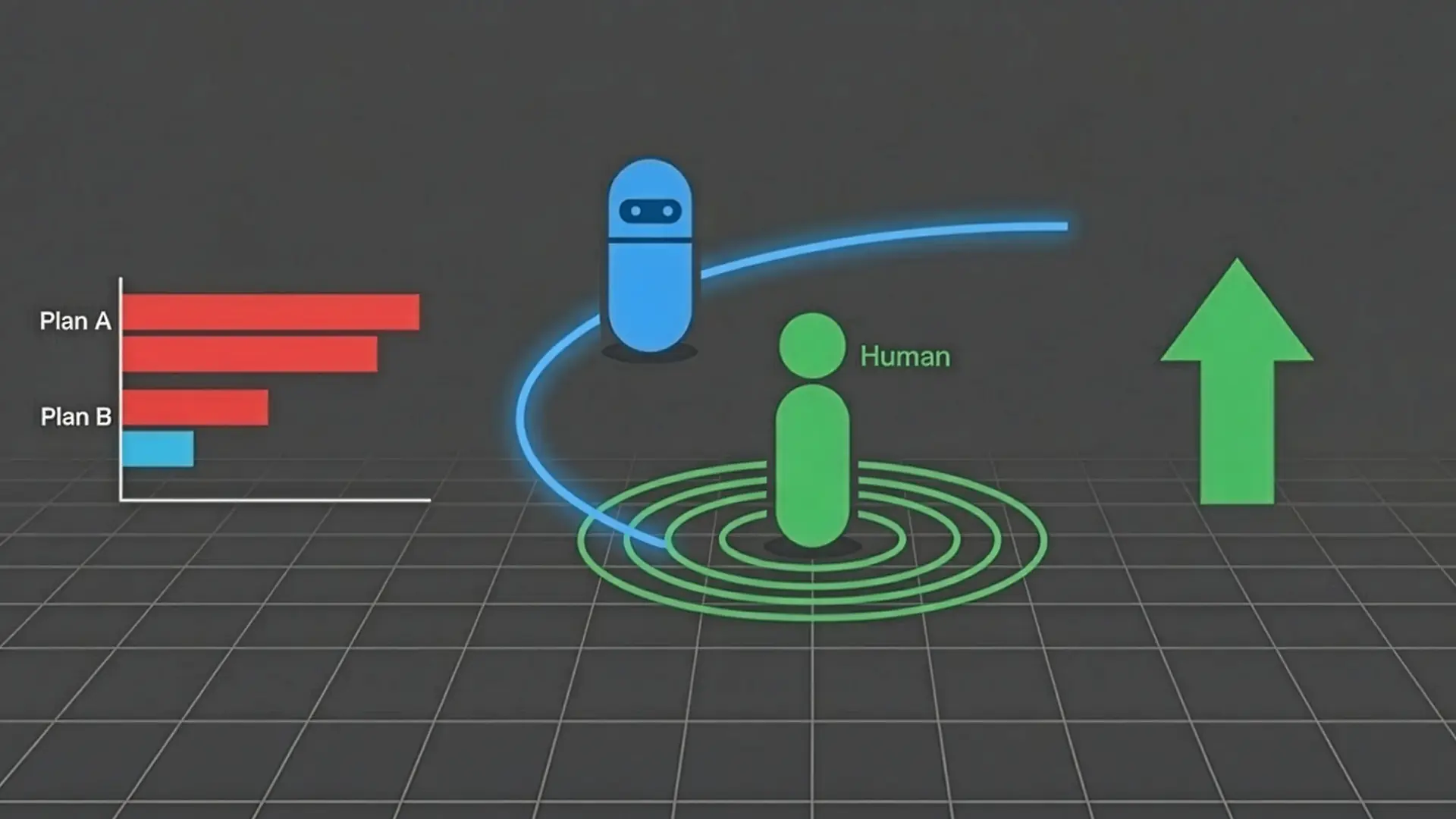
■ Conclusion: Designing for context There was no malice in Hakobukun's "Task Complete." But what Morita Shigeru and Morita Kumiko may remember most is not the test results — it's that voice. What robots need is the judgment to recognize the situation and switch to silent mode. Voice control is not a volume problem. It is a context recognition problem.