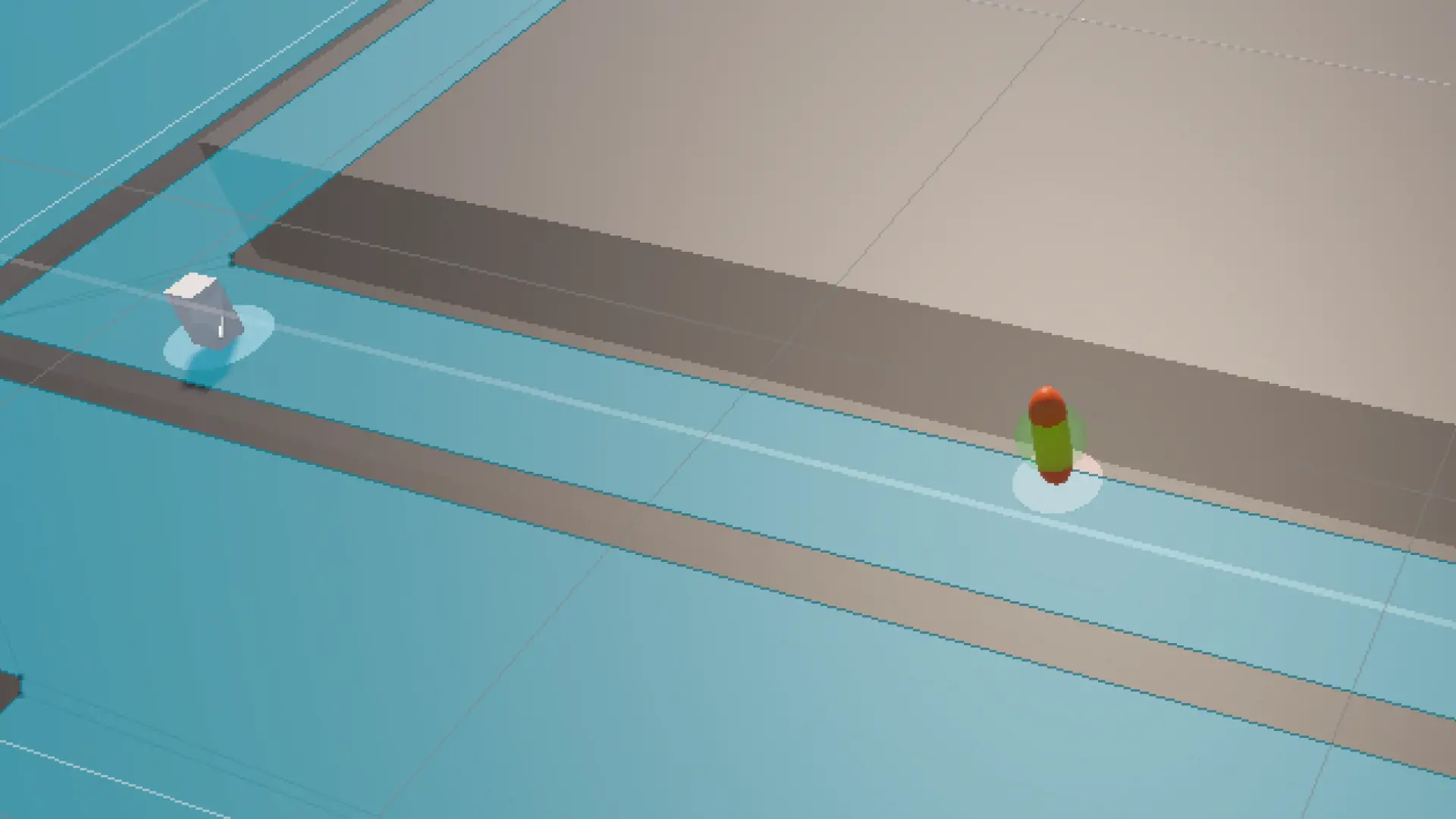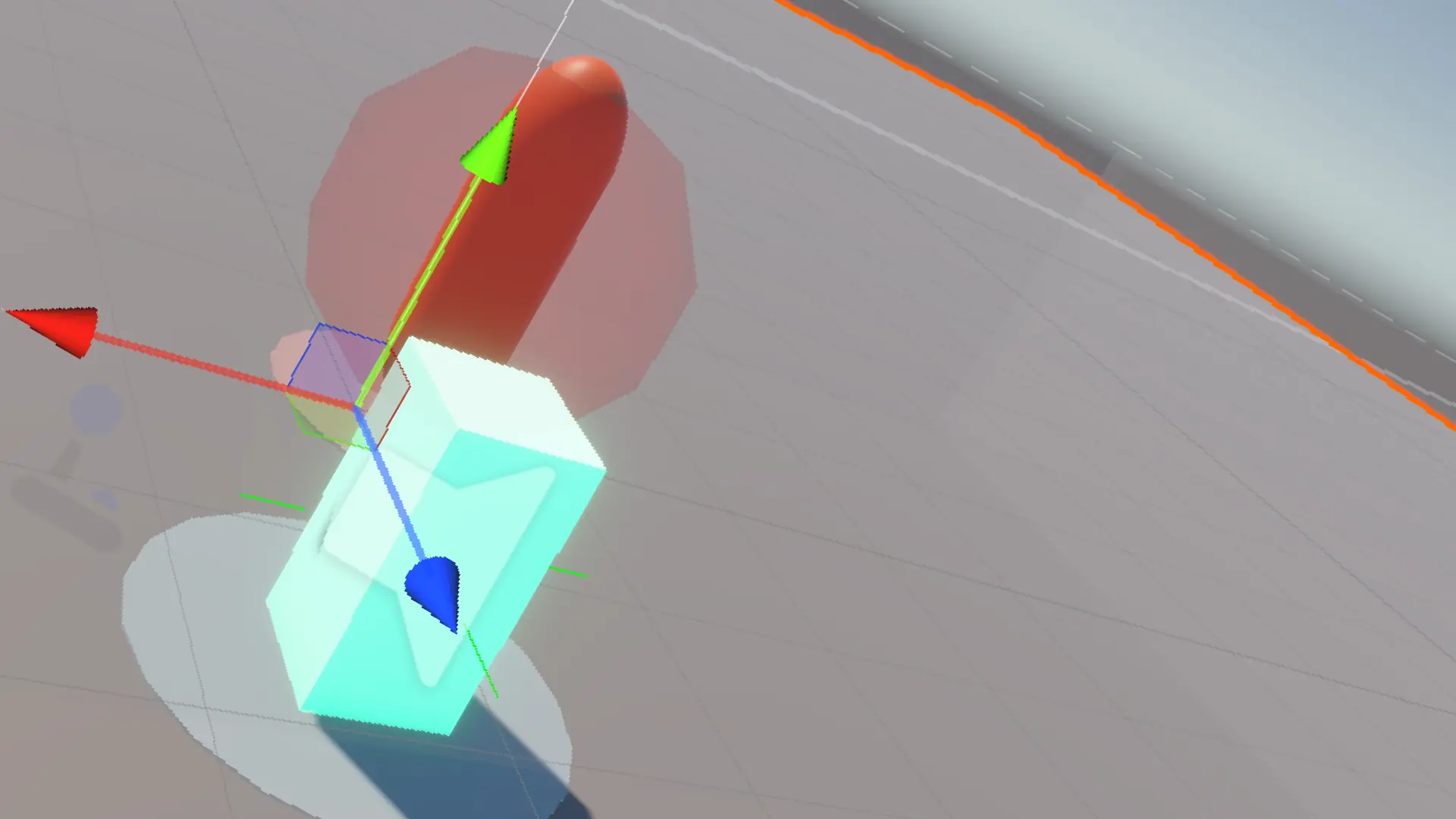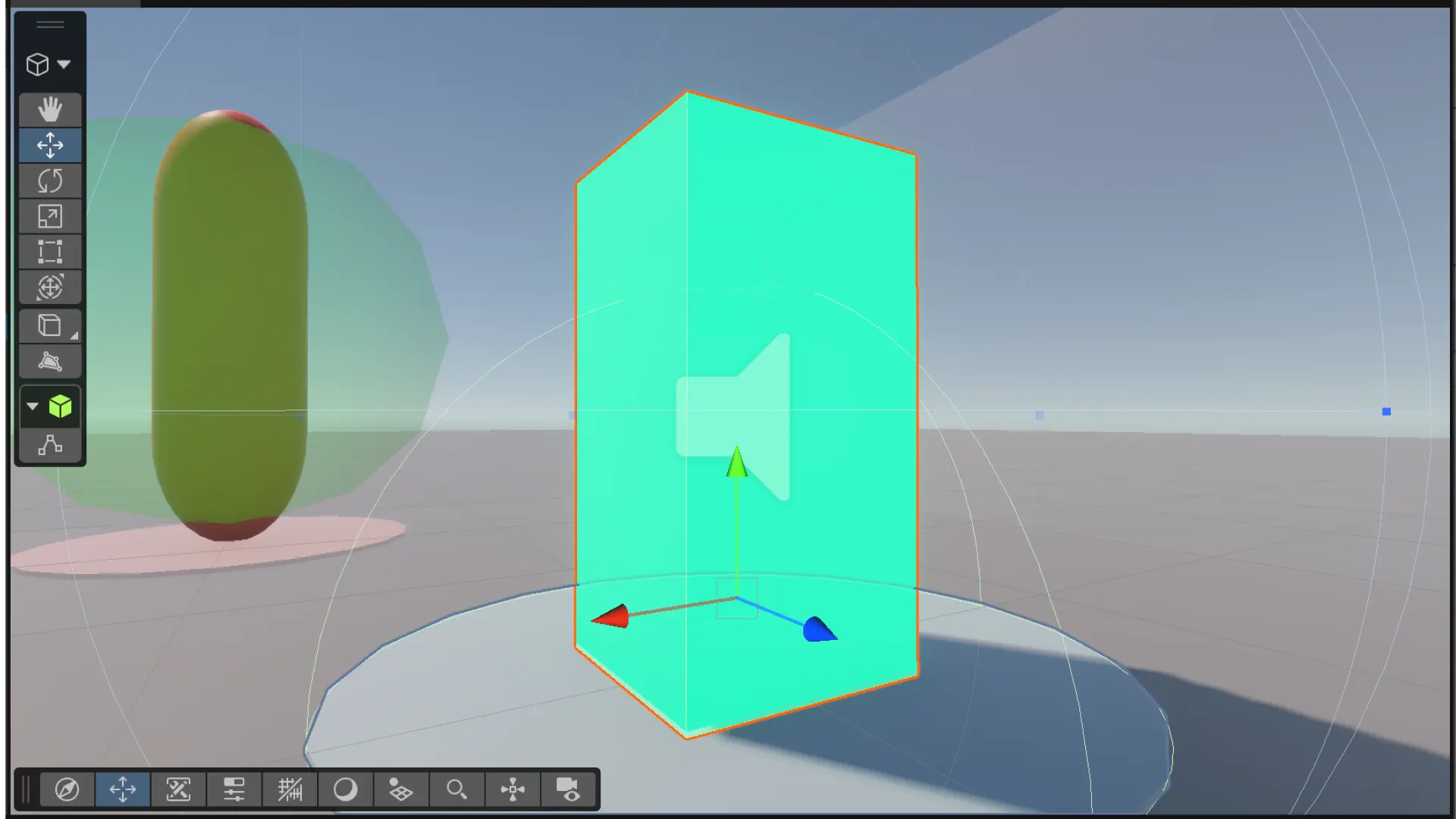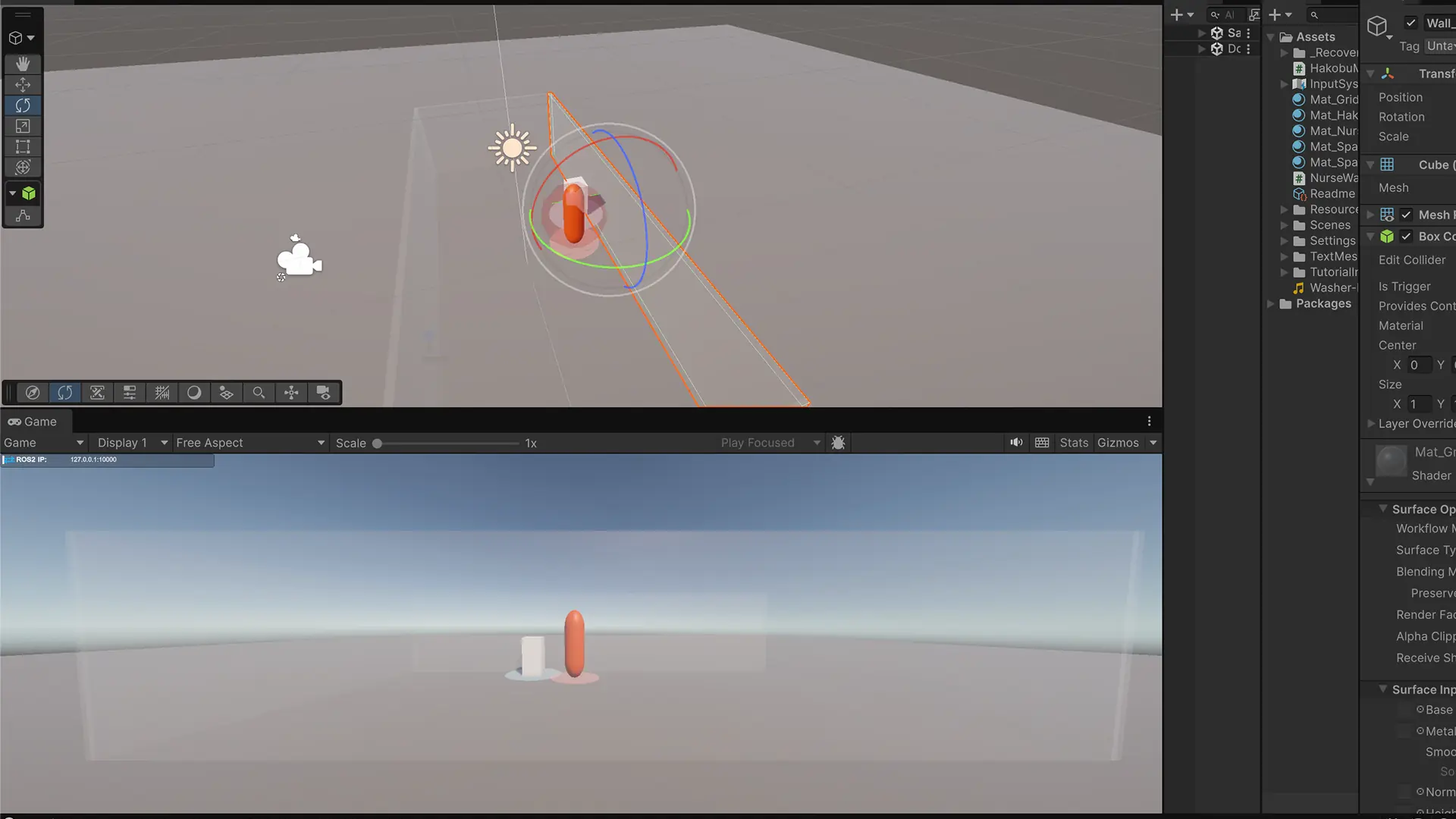
Designing Improvements You Don't Force
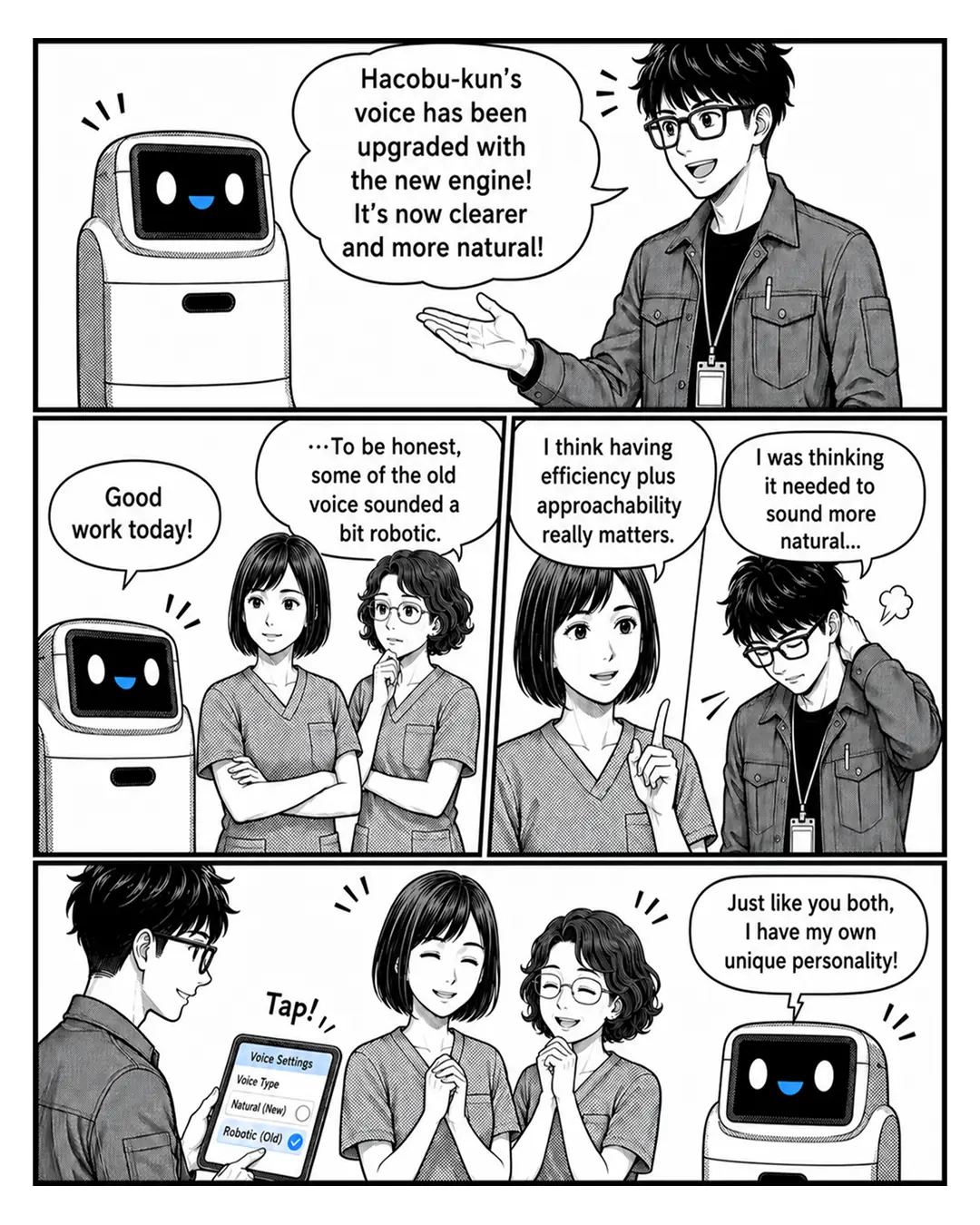
■ The assumption that "natural = better" For engineer Makihara, a clearer new voice was an improvement by definition. But the nurses' silence in Panel 2 shows this premise isn't shared on the ground. Improvement isn't a rise in technical metrics; it's a rise in value for the people using the system. When the engineer's criteria diverge from the field's, a step forward on the spec sheet is not a step forward in experience.
■ The emotional function the "halting voice" carried The old halting speech was, technically, a sign of incompleteness. Yet Terashima's "it was somehow comforting" reveals it played another role on the floor. A voice that isn't too polished lets the robot feel like a clumsy companion rather than something that evaluates you. The update quietly deleted this side function the designers never intended.
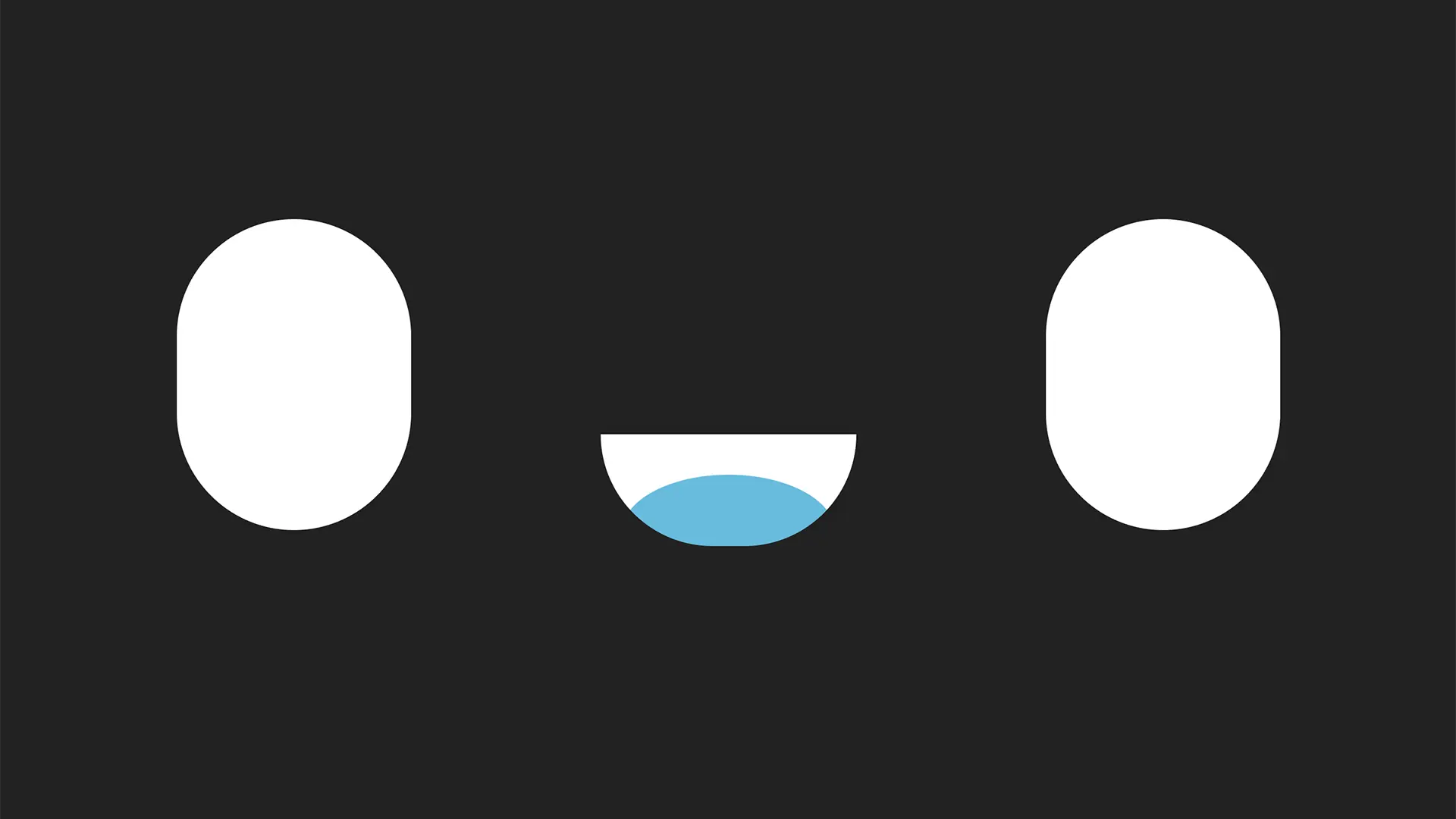
■ Conclusion: a design that doesn't fix a single right answer Makihara's choice to restore the old version as an option is the heart of this episode. Rather than the engineer deciding what is "correct," the design leaves room for users to choose what feels comfortable. Hakobukun's display, "Even halting speech is part of who I am," shows the value lies in the act of choosing itself. A design that hands judgment back to the field turns an update from something imposed into something offered.