The Logic and Reality of "Shortest Path"
■ The Gap Between Mathematical "Shortest" and Physical "Optimal"
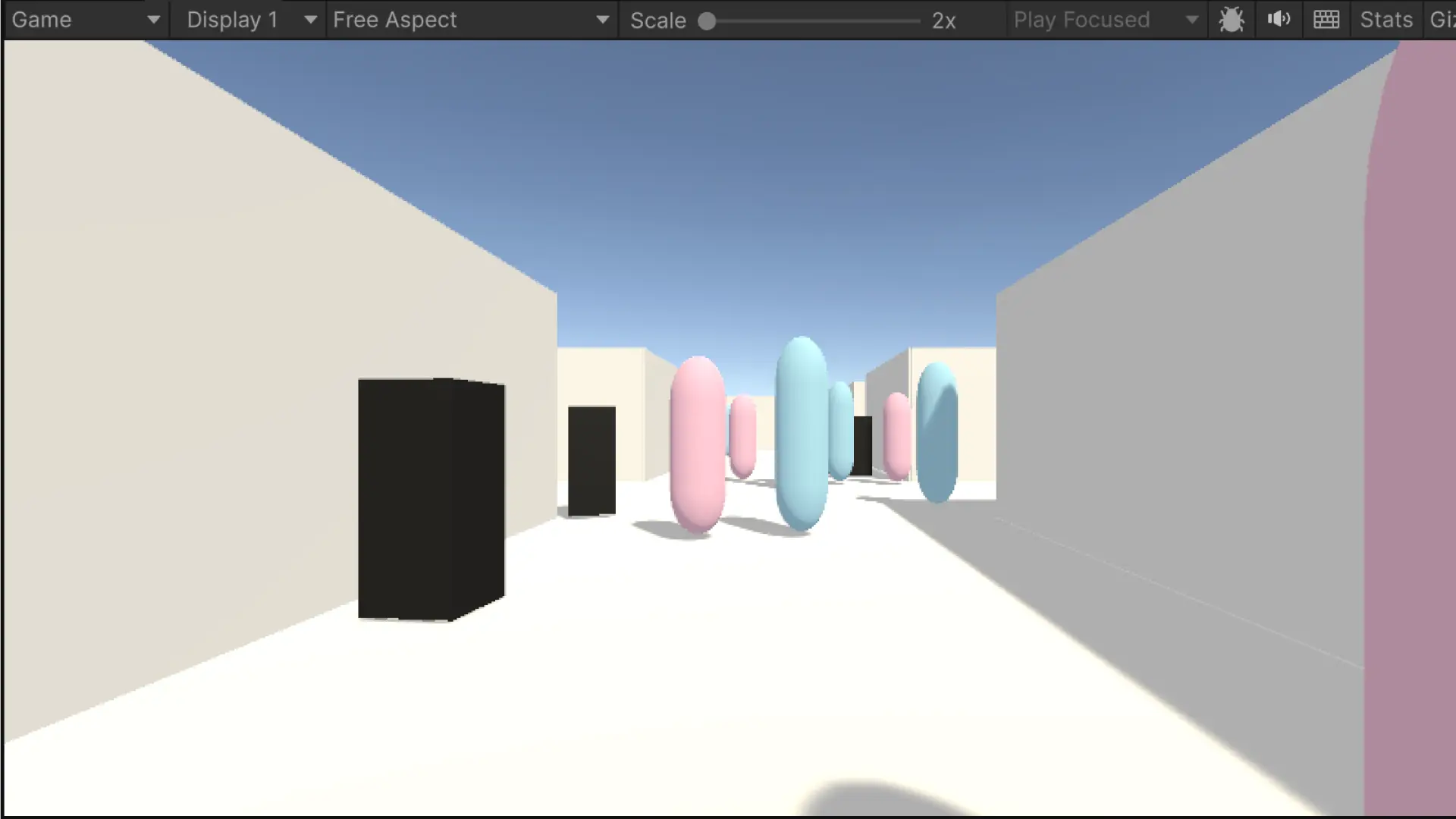
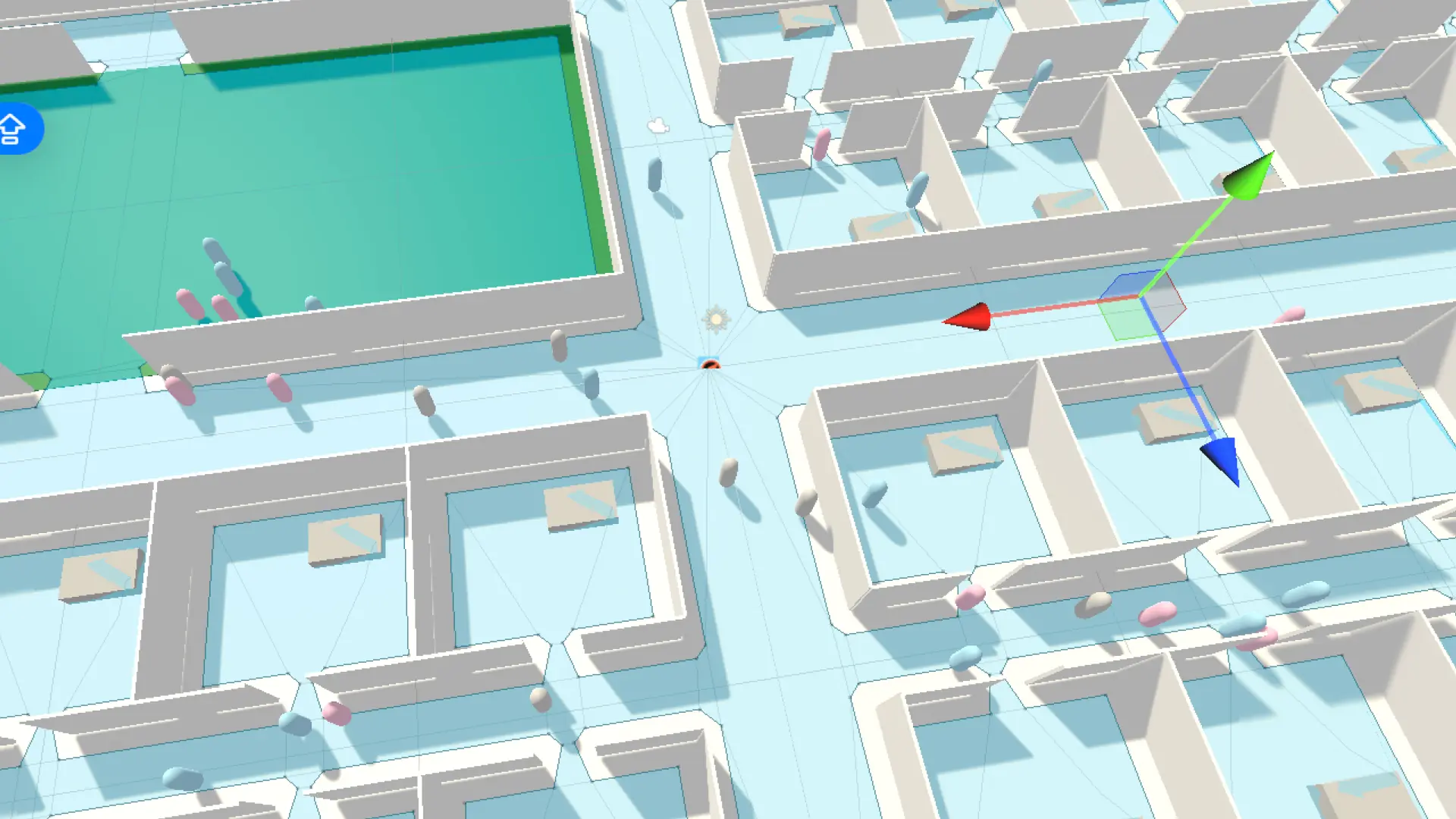
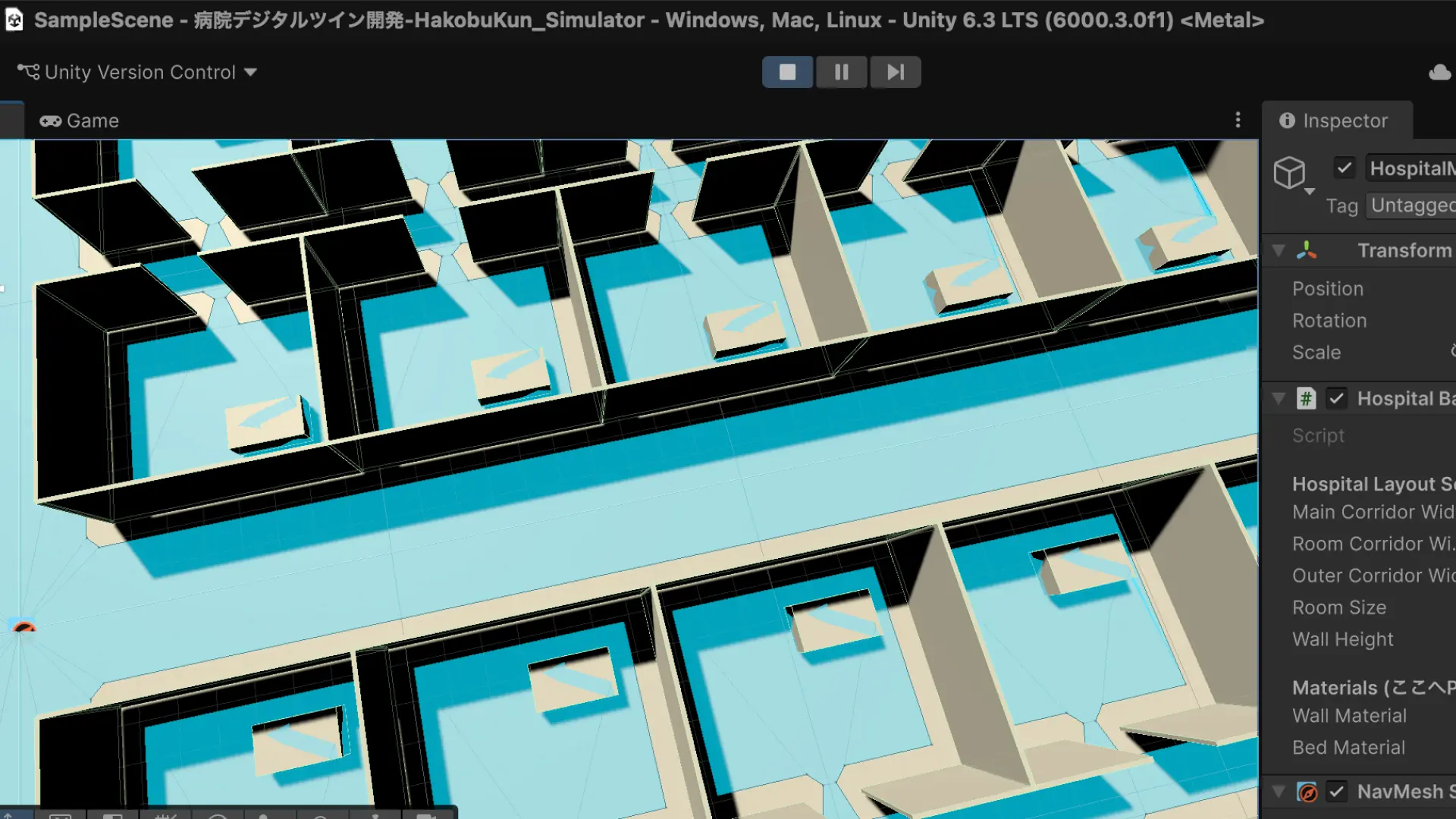
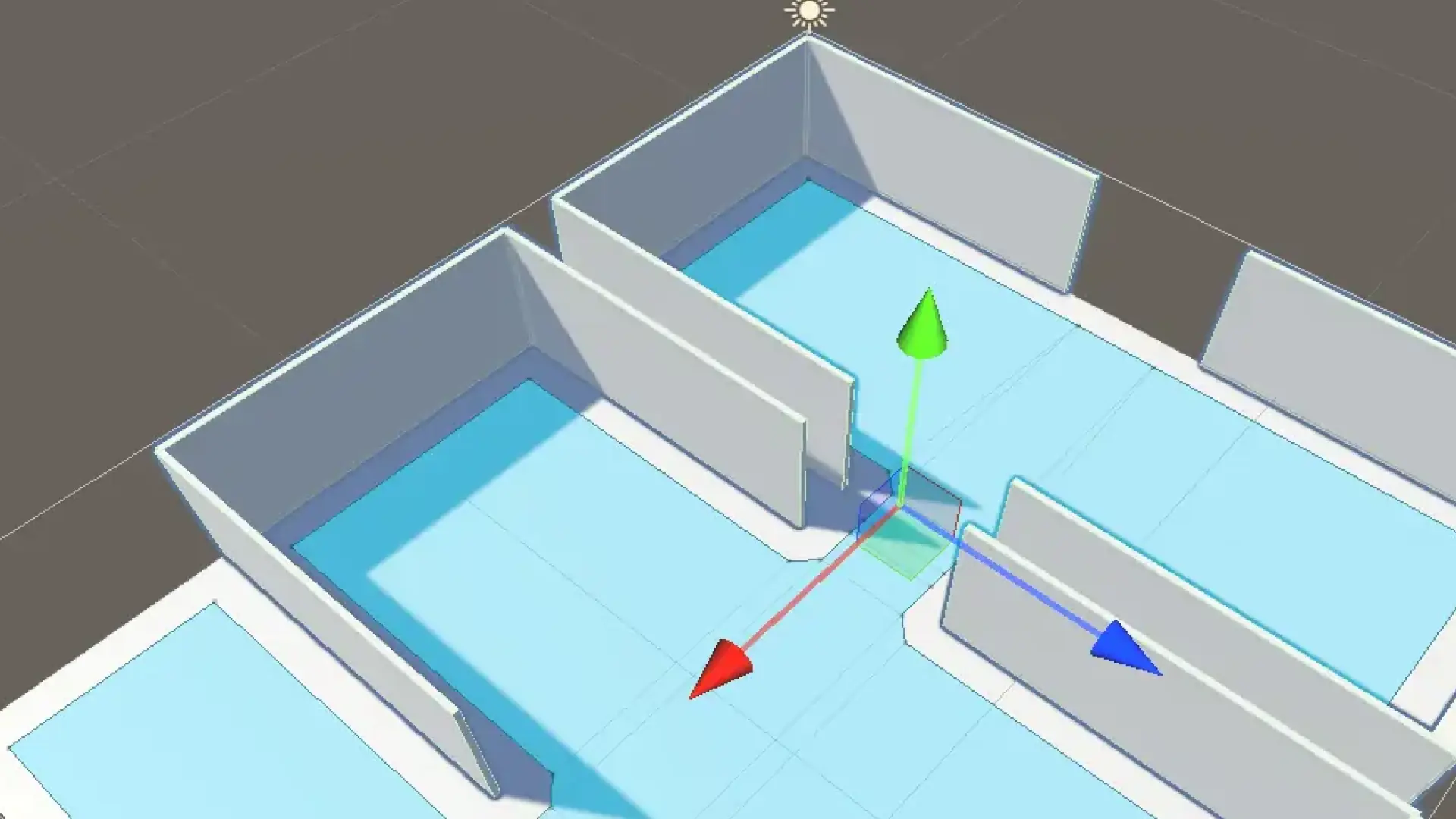
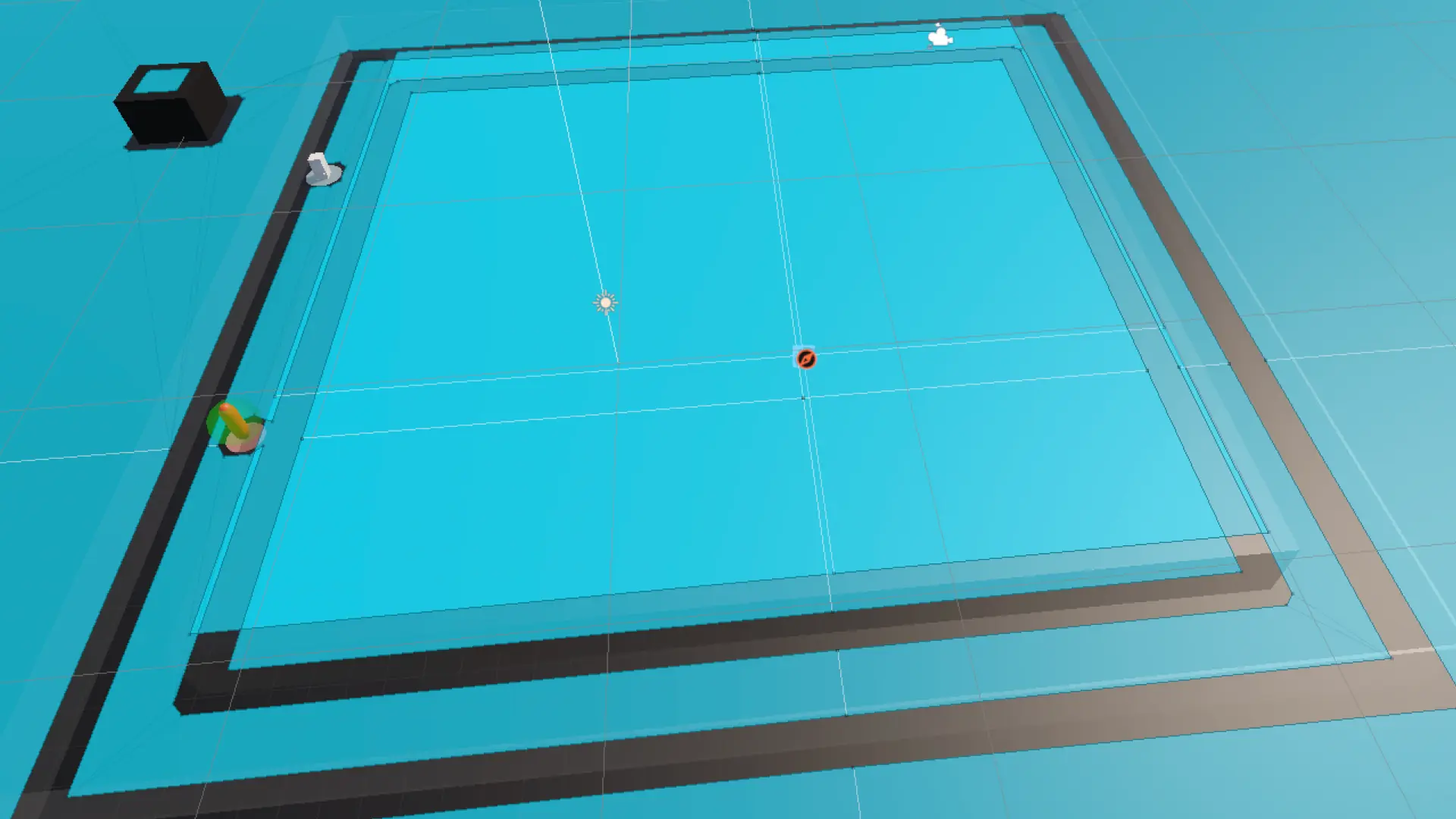
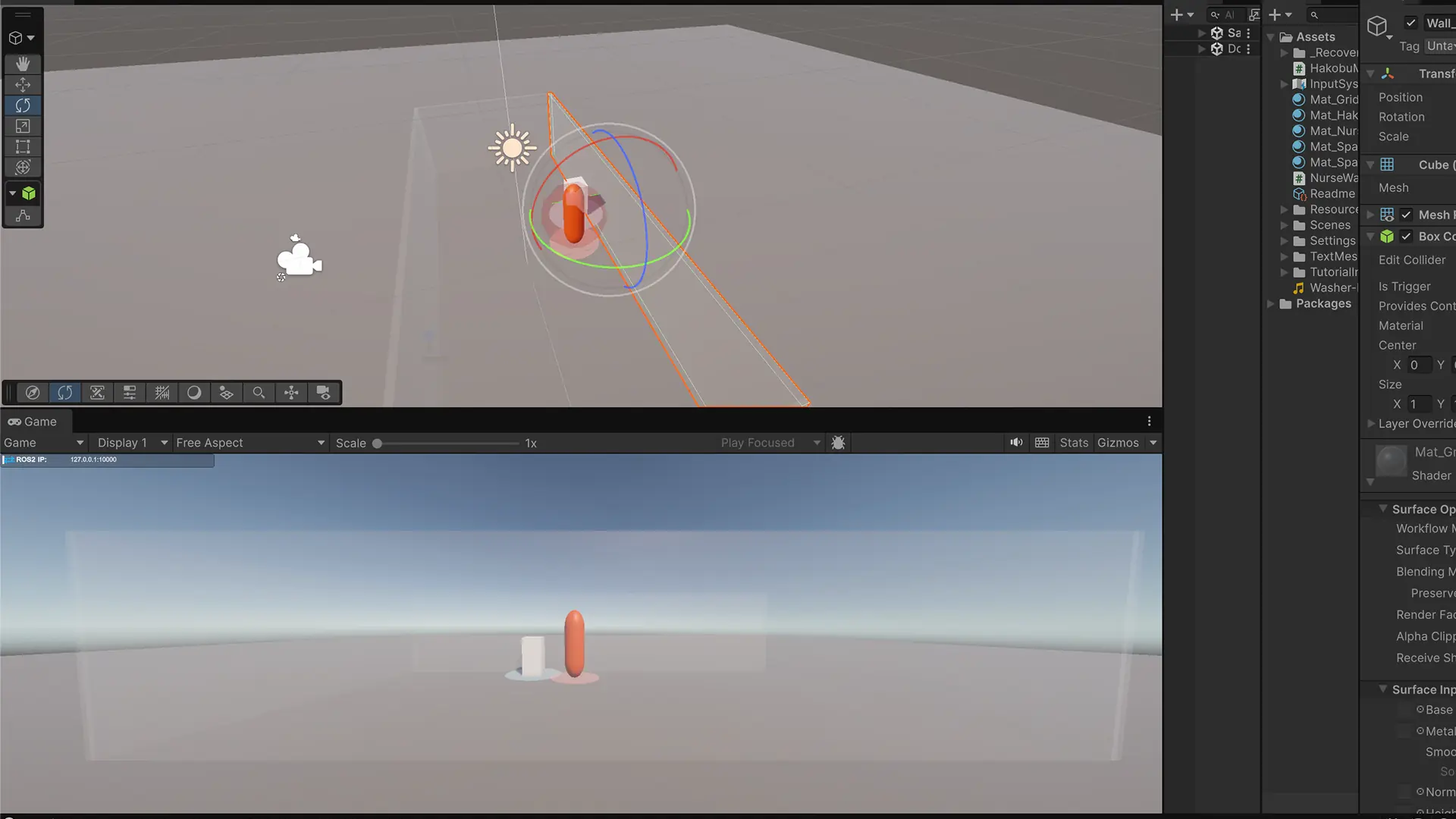
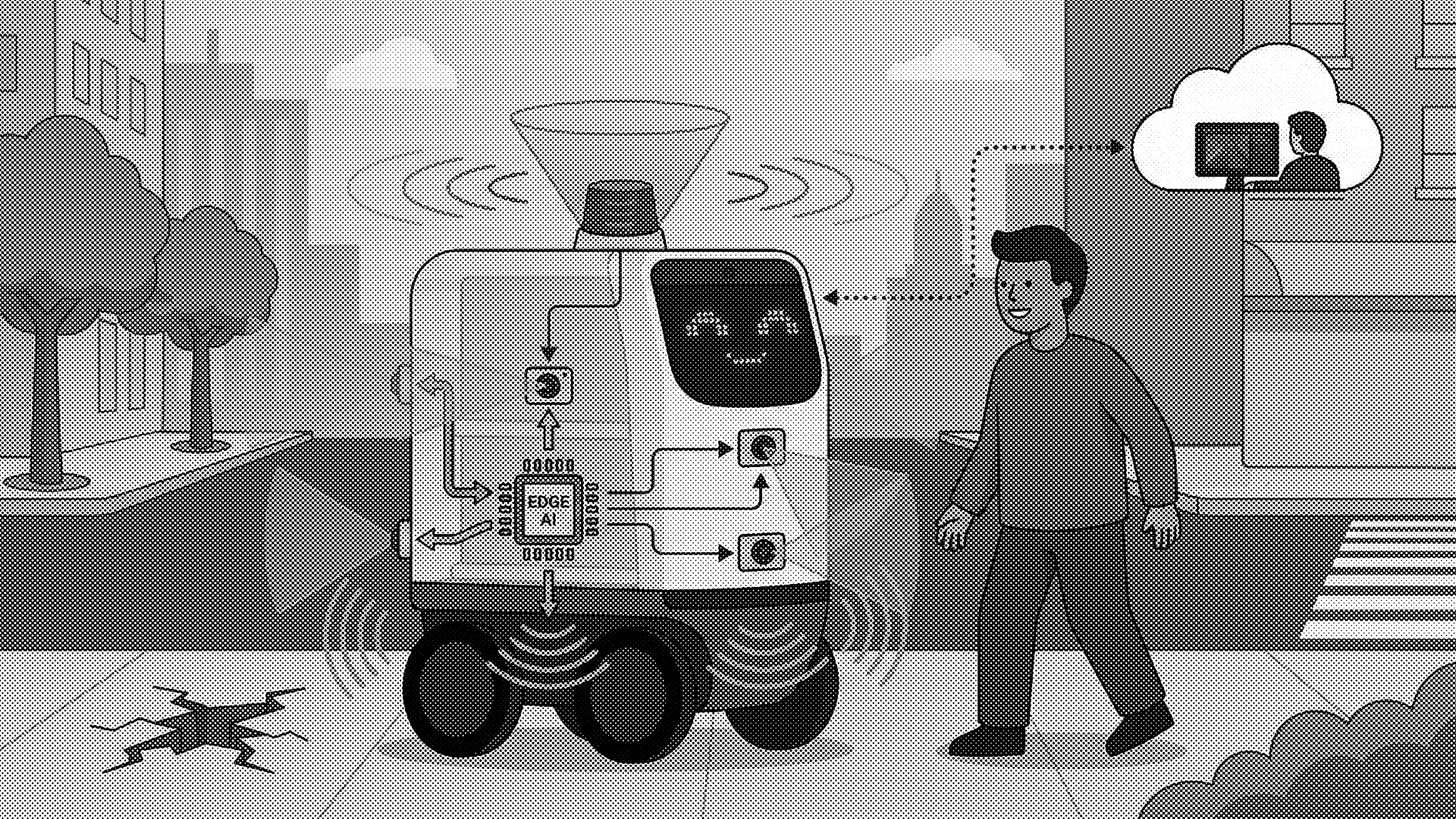
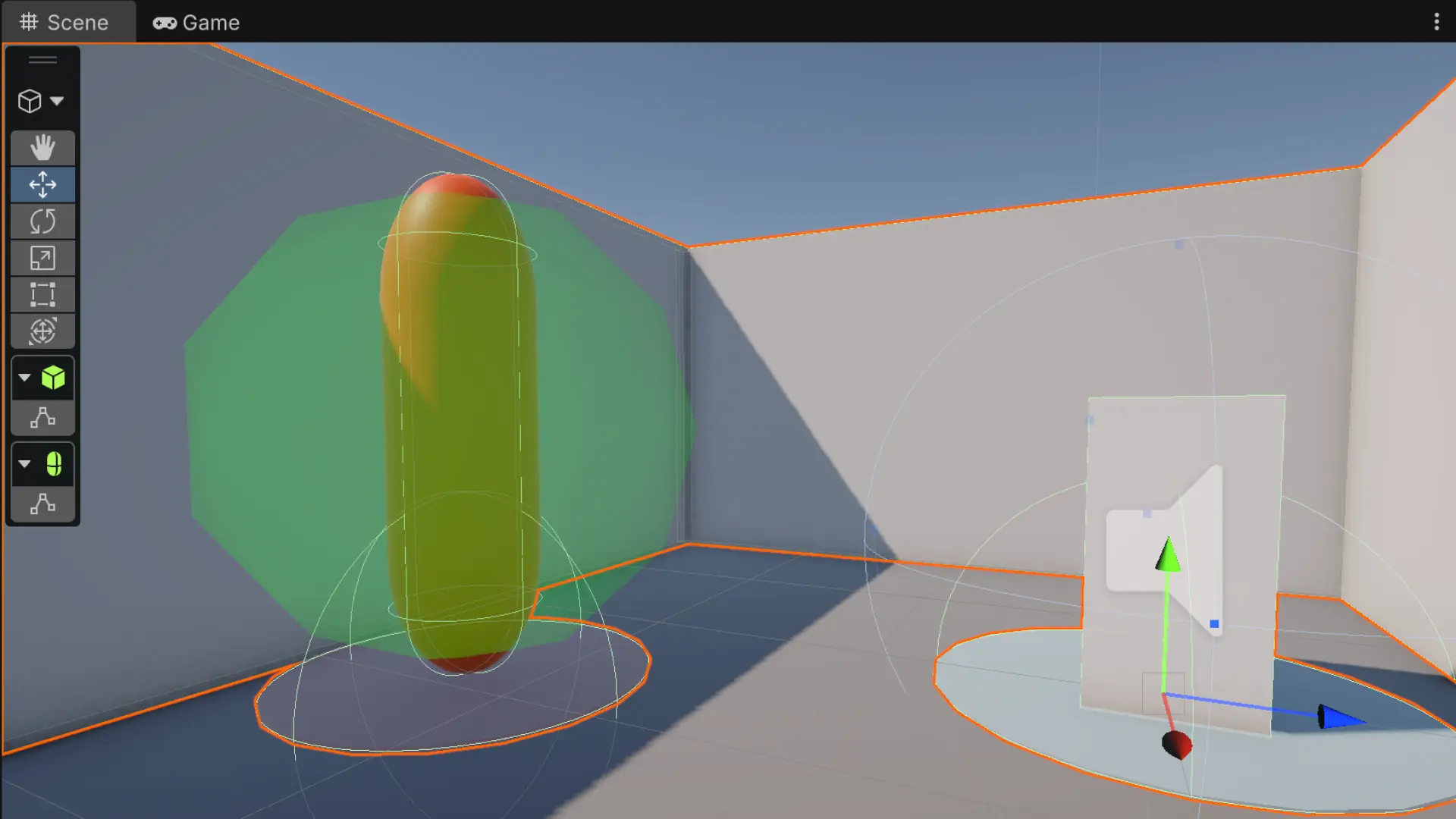
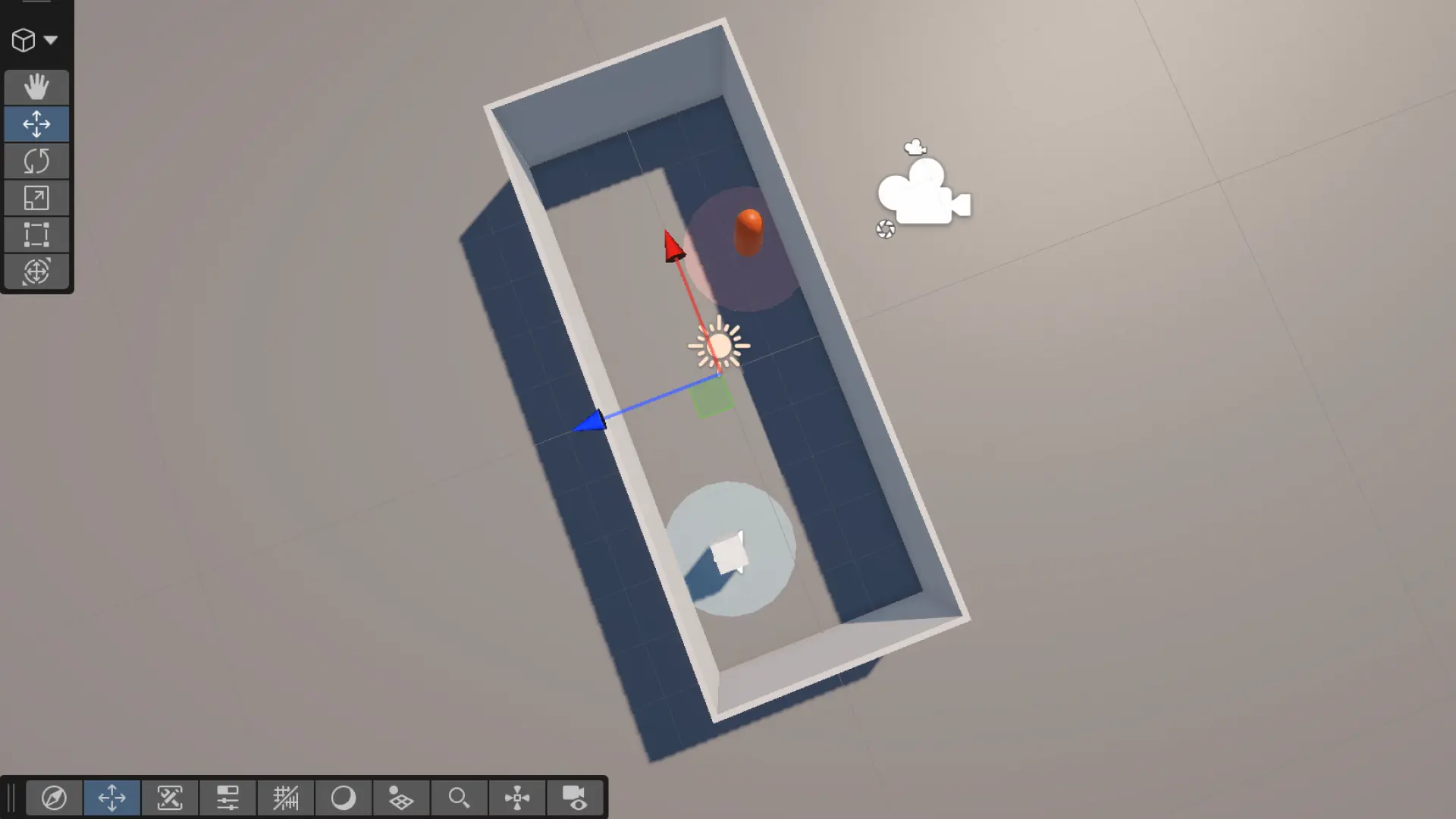
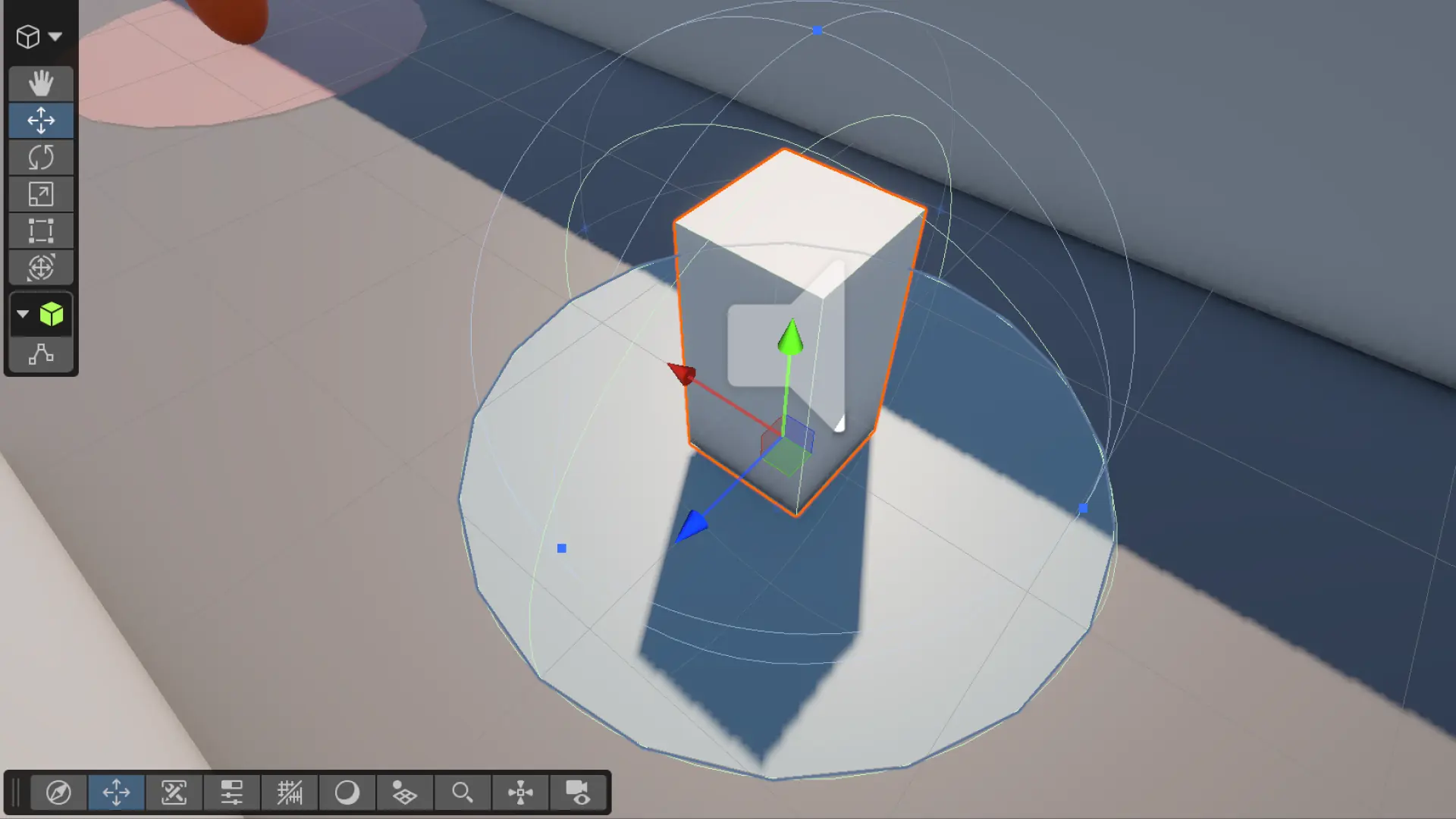
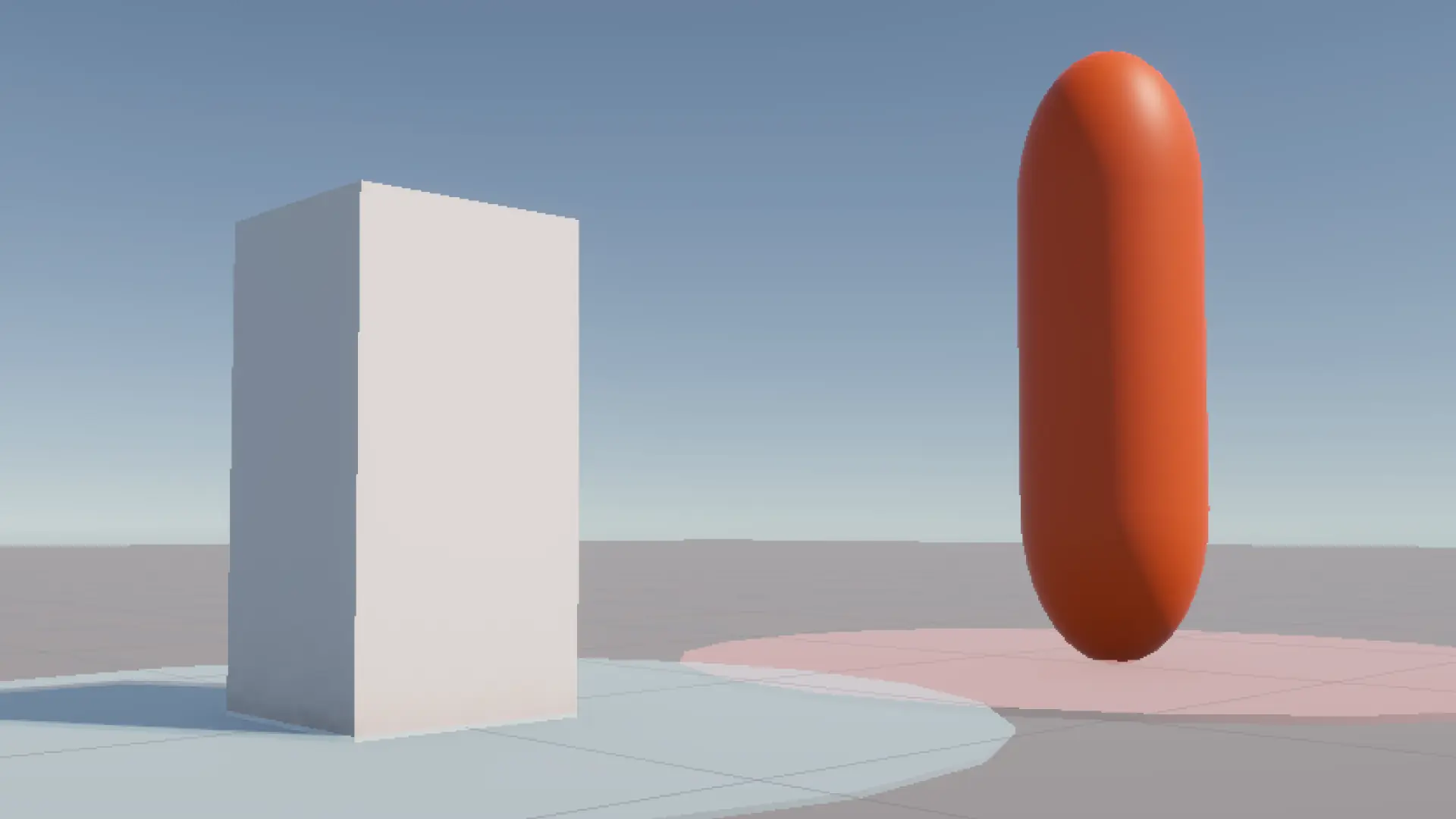
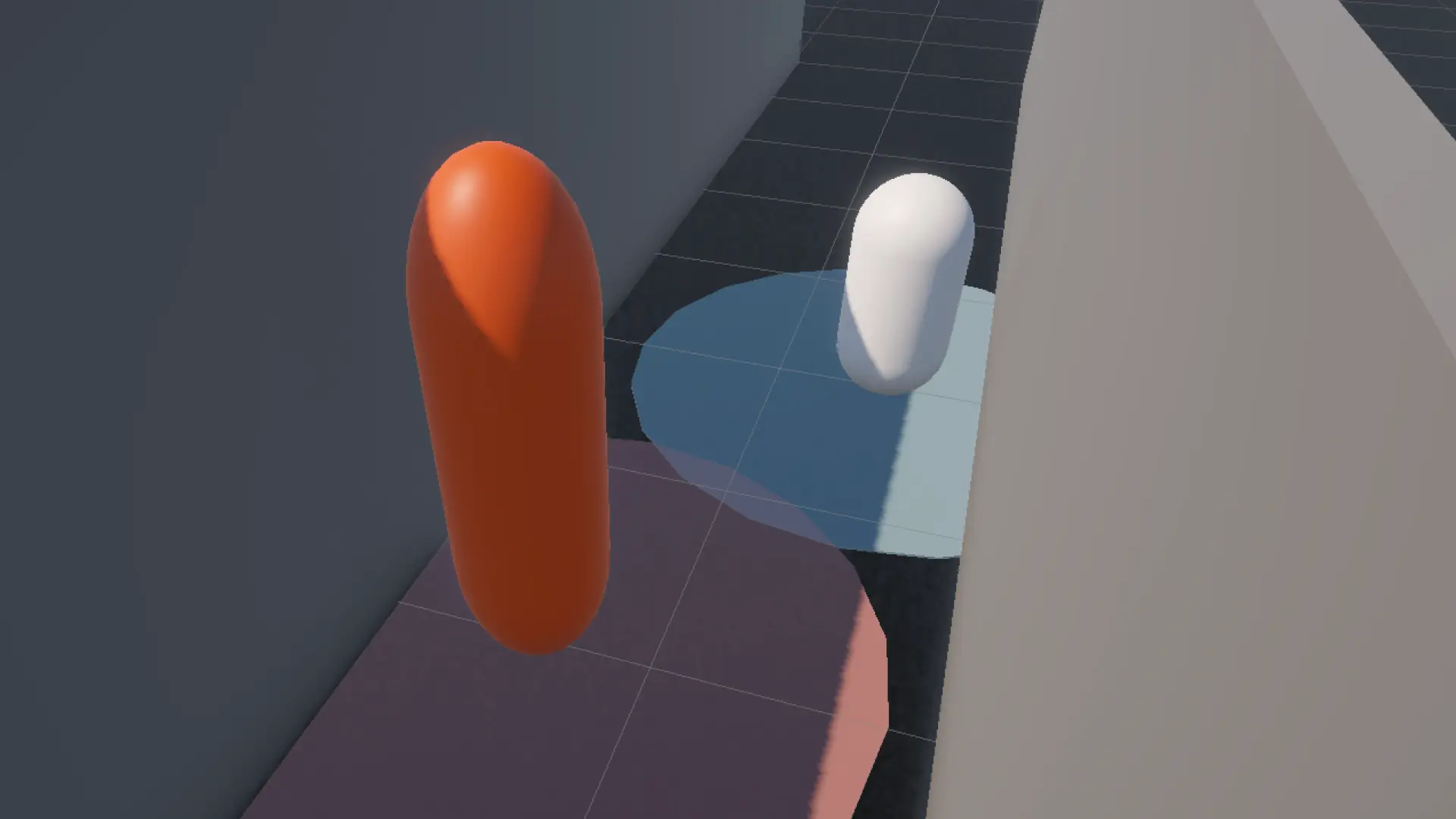
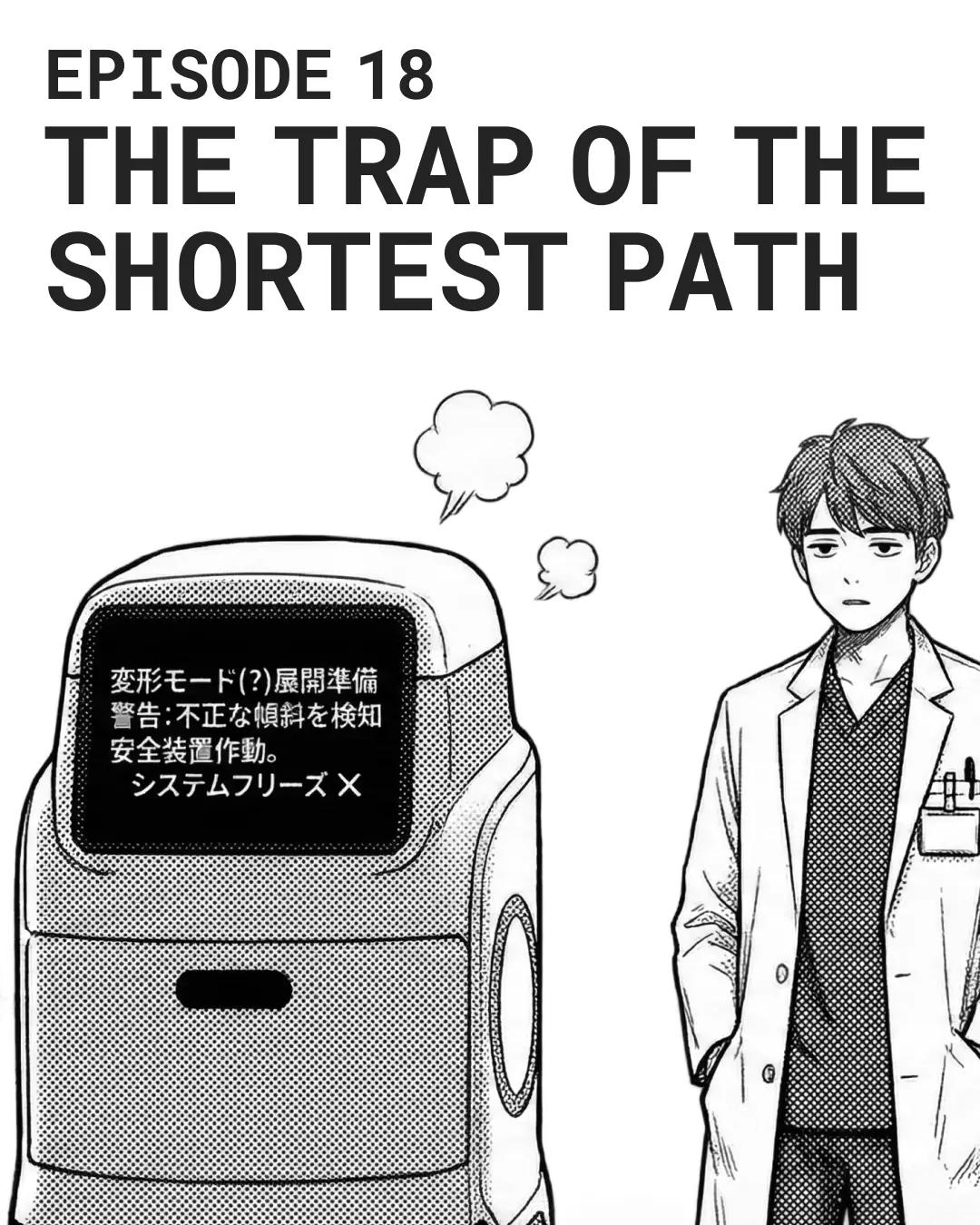
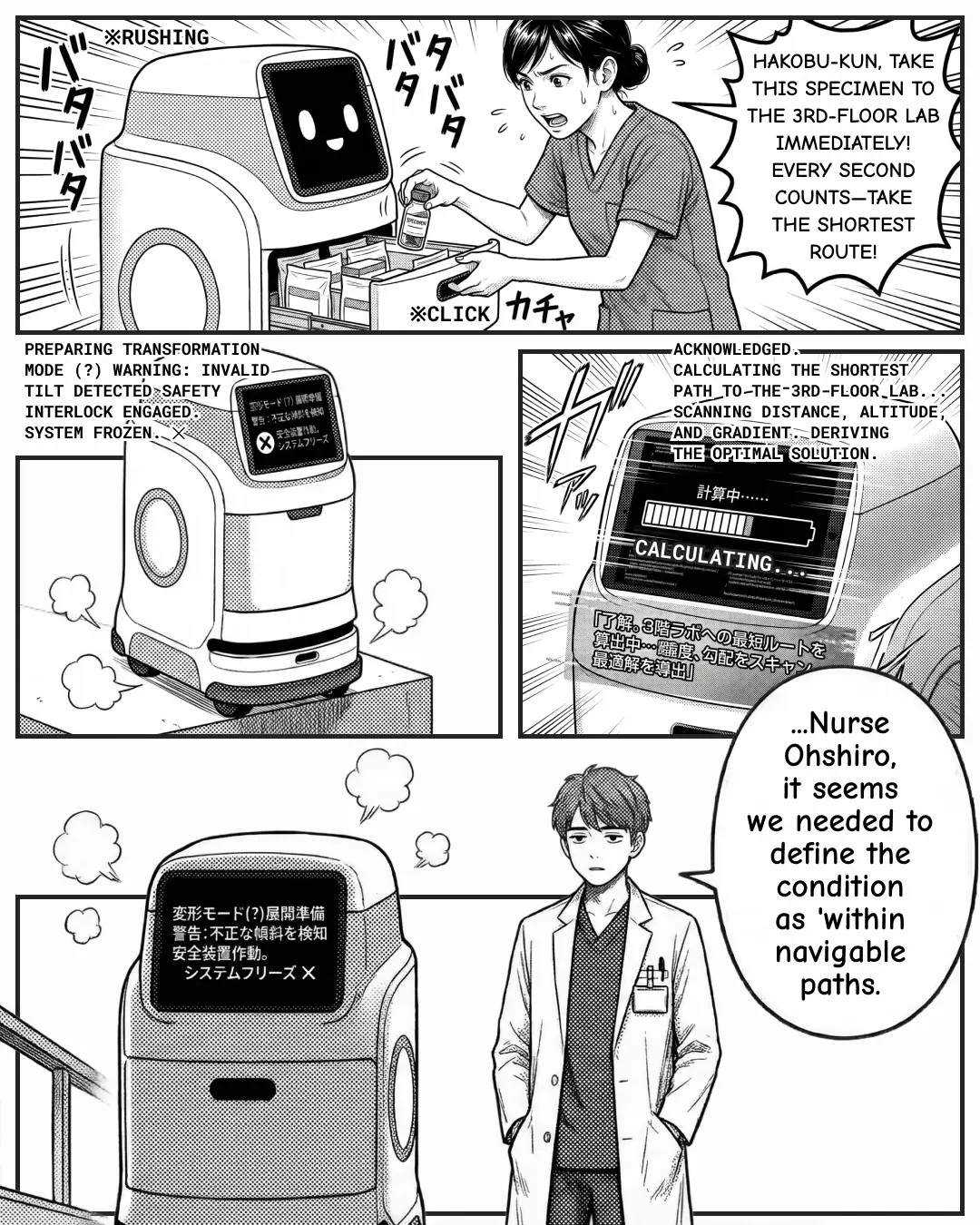
In algorithms, the "shortest path" is a mathematical certainty, but the physical world is full of obstacles like stairs and walls. Hakobu-kun’s freeze occurred because he followed pure logic—attempting a straight line between two points. Without understanding the unspoken premise of "navigable paths," a robot following a "shortest route" command will literally hit a wall.
■ Designing "Common Sense" Through Edge Cases
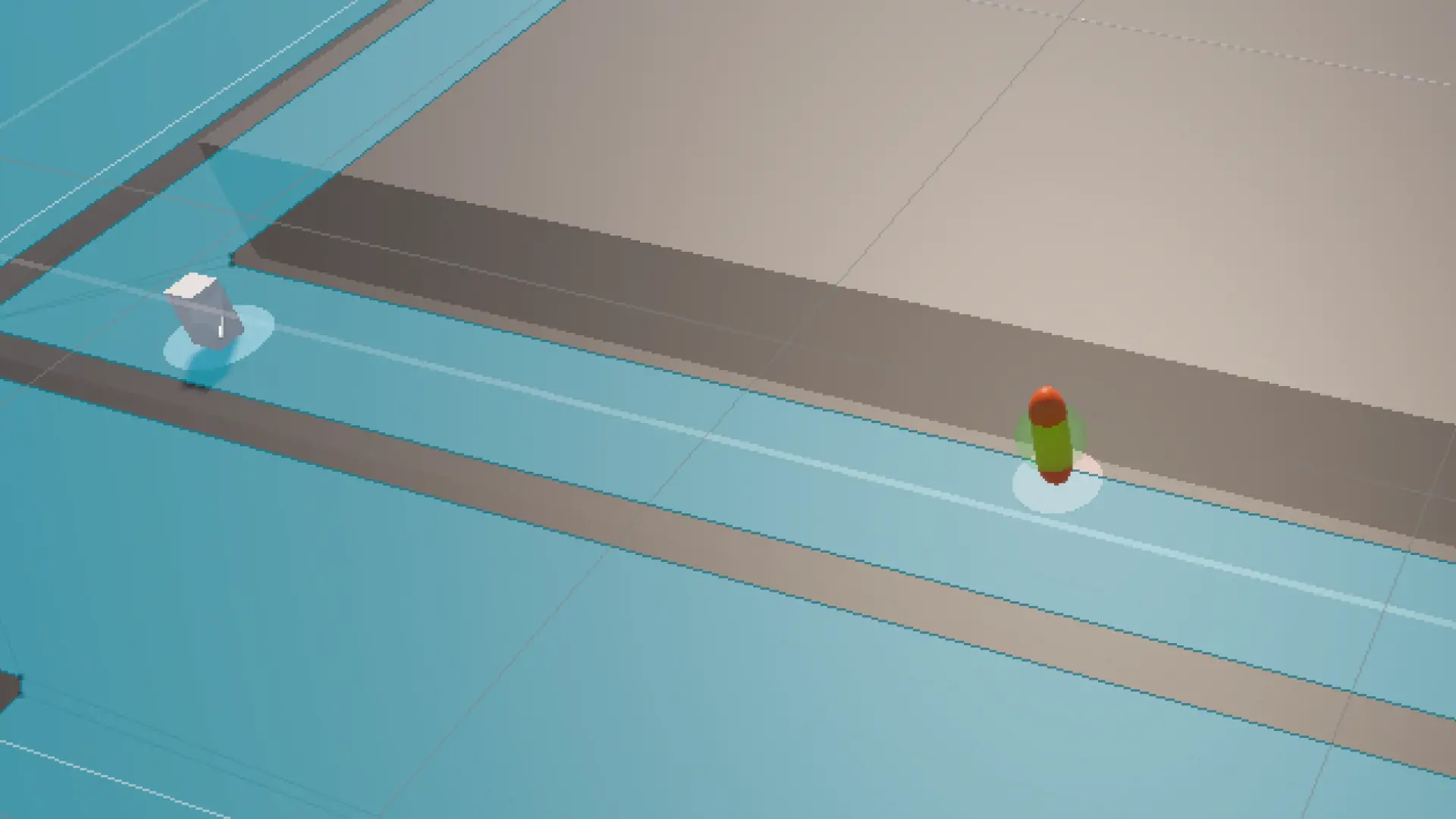
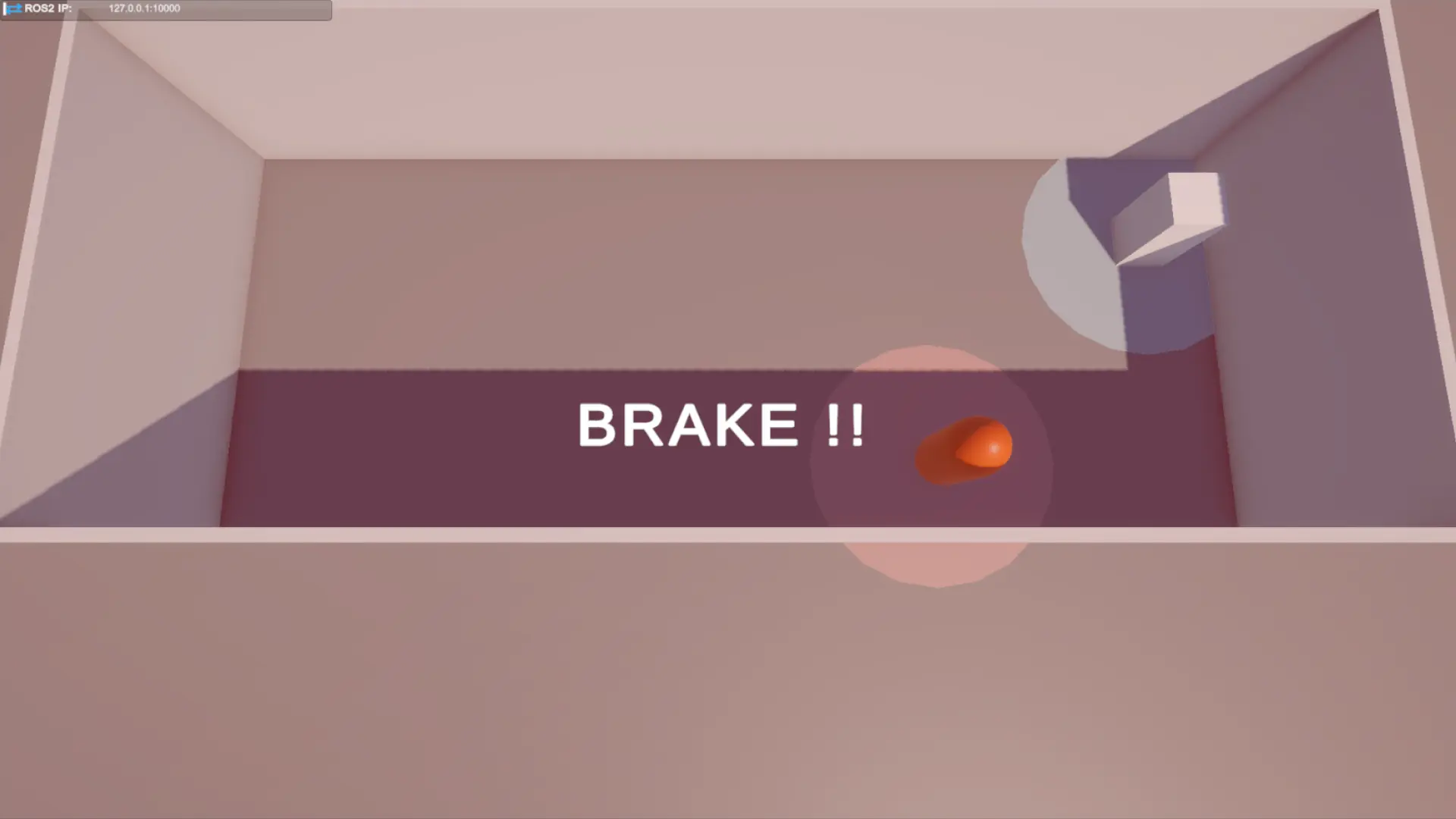
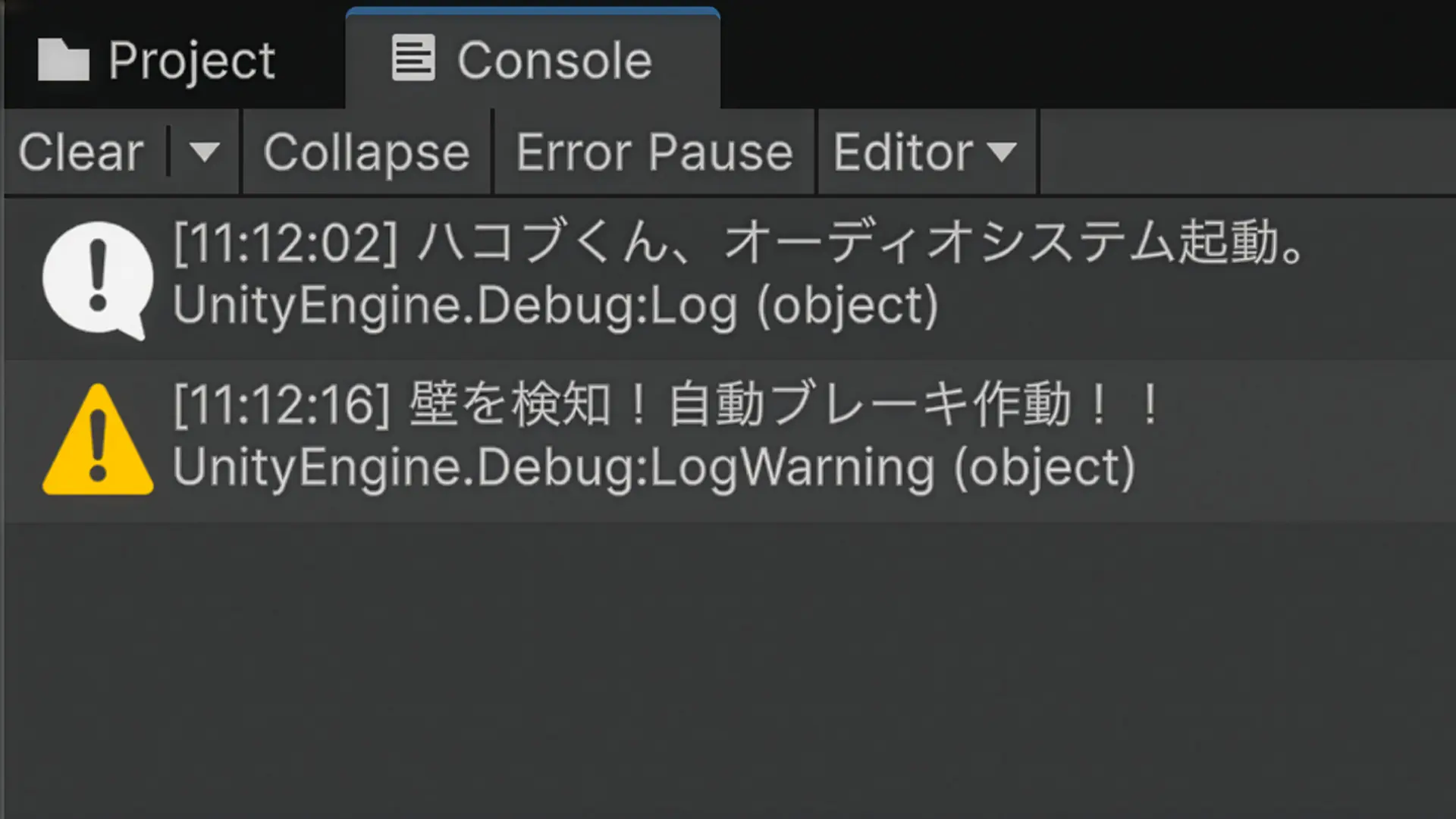
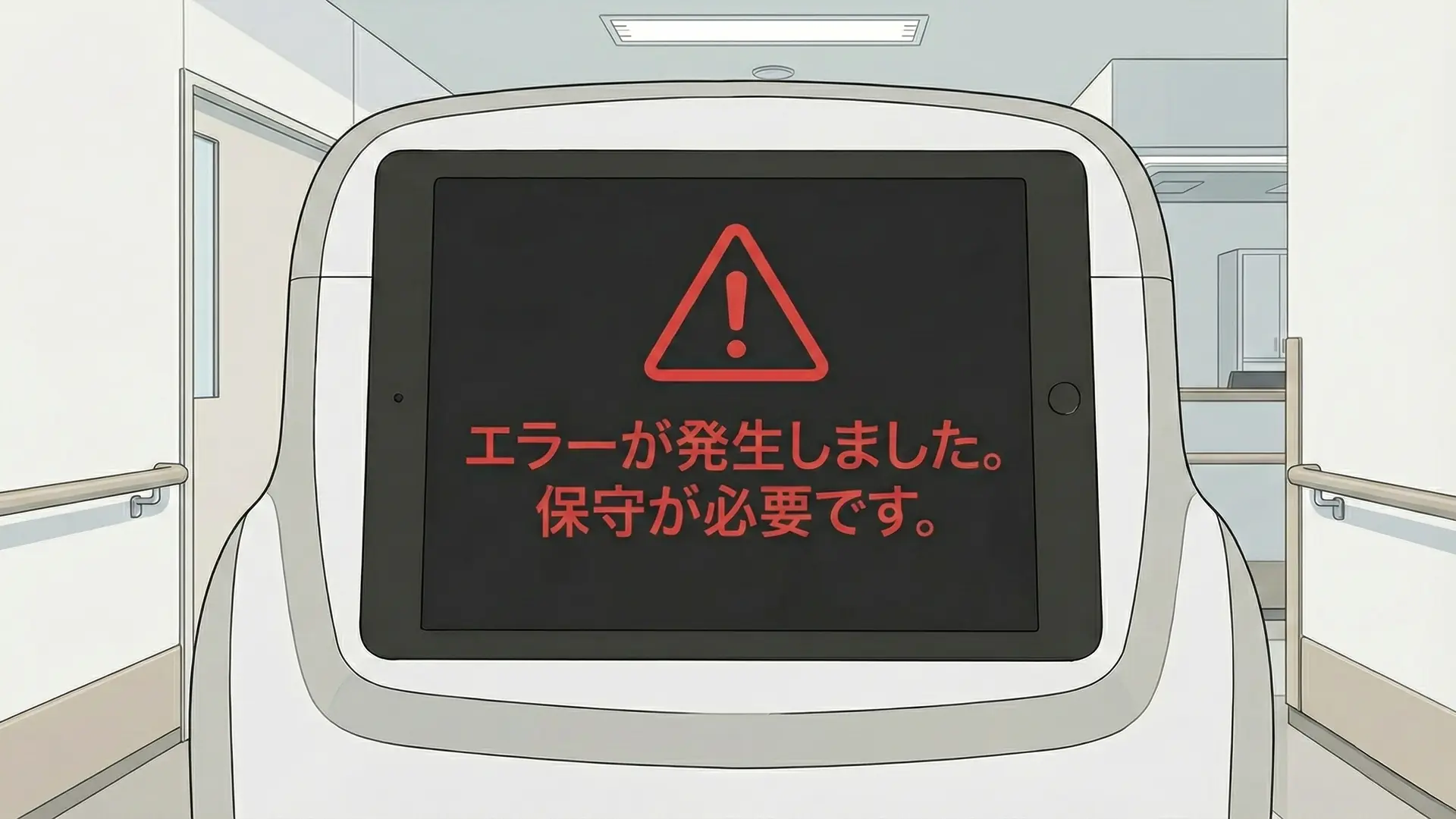
The safety interlock triggered by an "invalid tilt" wasn't a failure; it was a success of safety design preventing the impossible. The developer’s challenge is to anticipate these edge cases and translate workplace "common sense" into formal specifications. As Dr. Koshiba noted, true efficiency is built upon precise, realistic conditional definitions.
■ Conclusion: The Weight of Prerequisites in Specifications
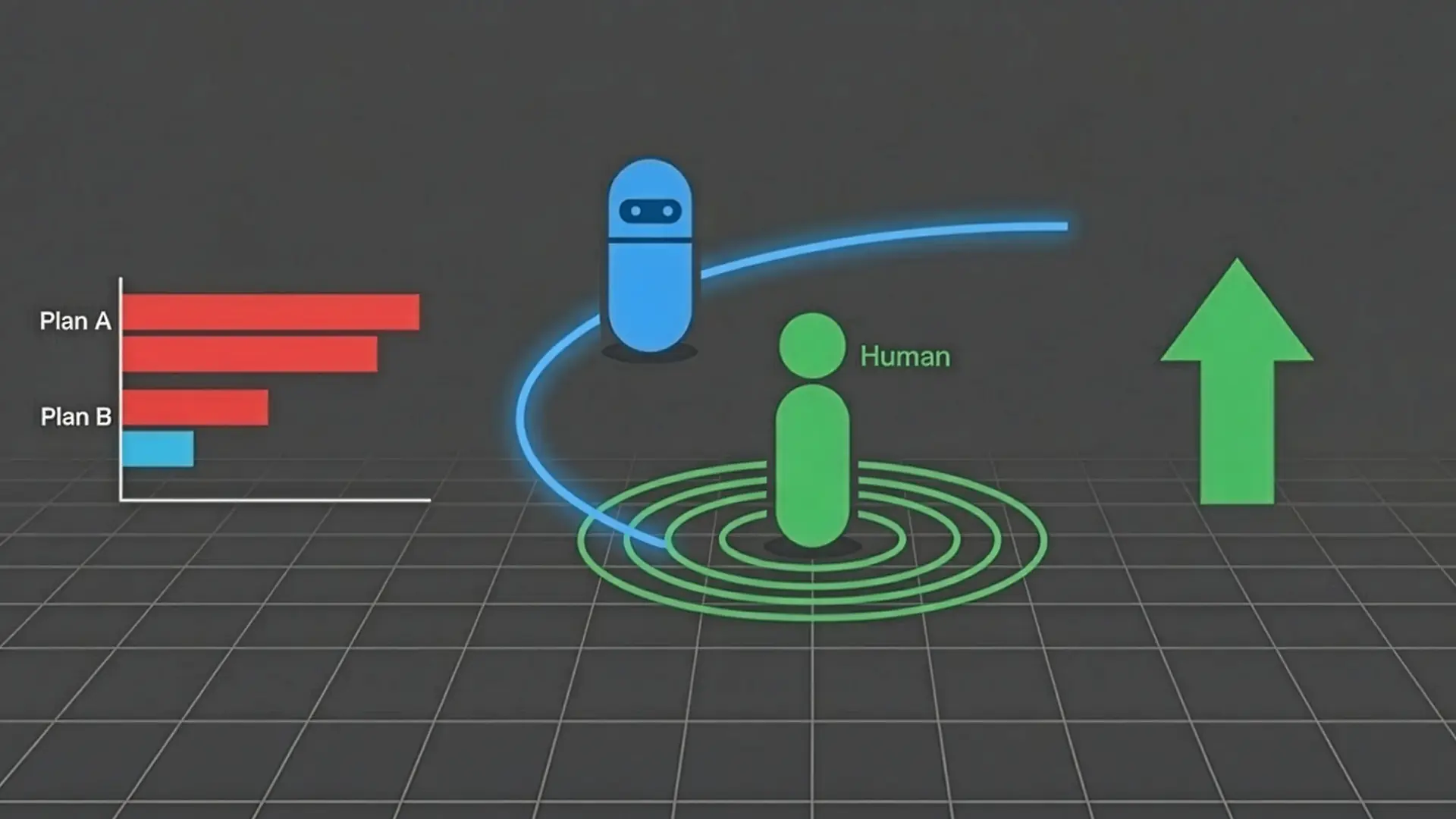
Integration requires more than raw speed; it requires contextual awareness of the "implicit rules" humans don't verbalize. This means waiting for an elevator even when a staircase is geographically closer. By layering these "obvious" unwritten rules into its design, Hakobu-kun evolves from a simple machine into a truly reliable partner.