The Design Where "Quiet" Becomes Dangerous
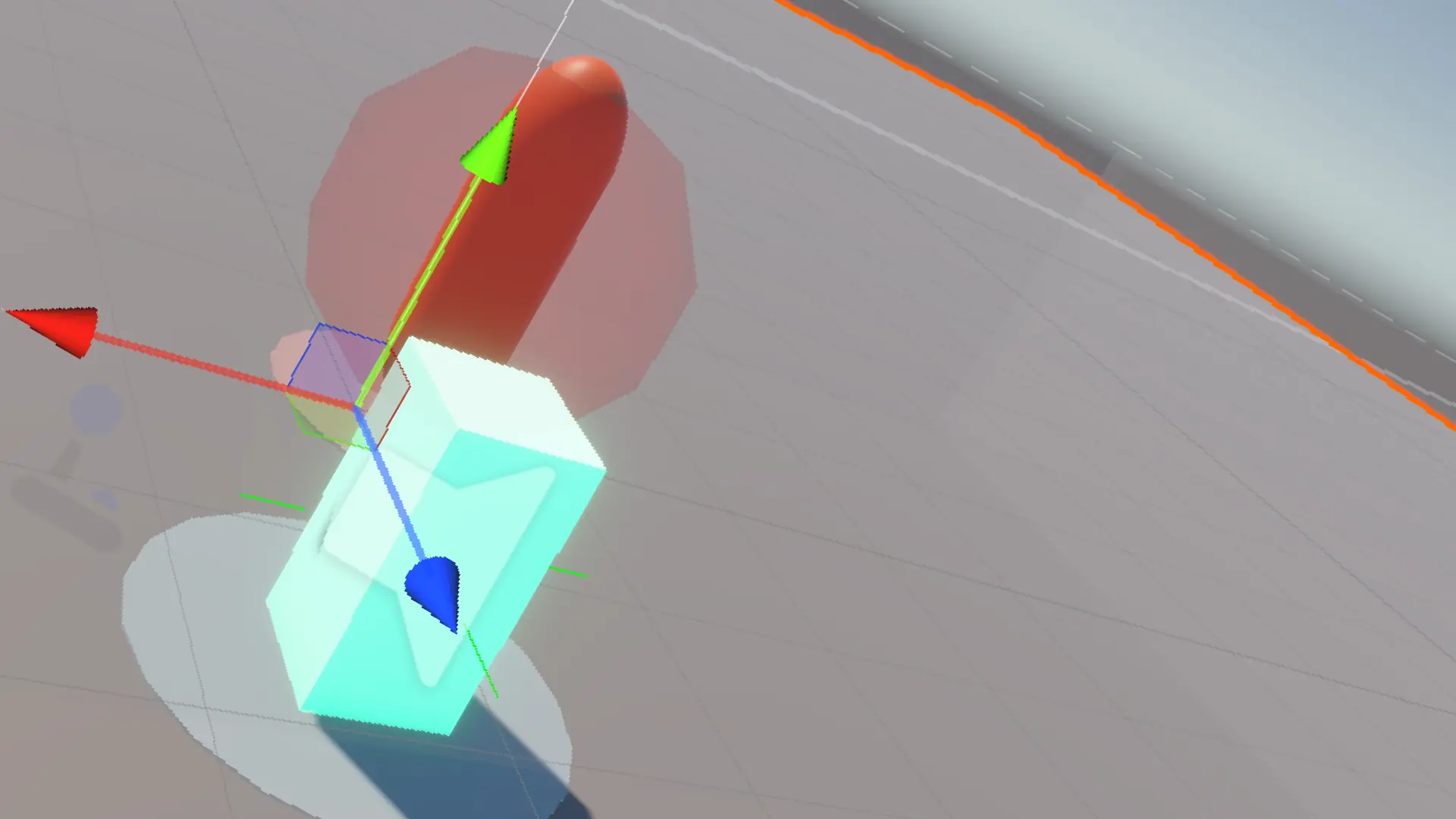
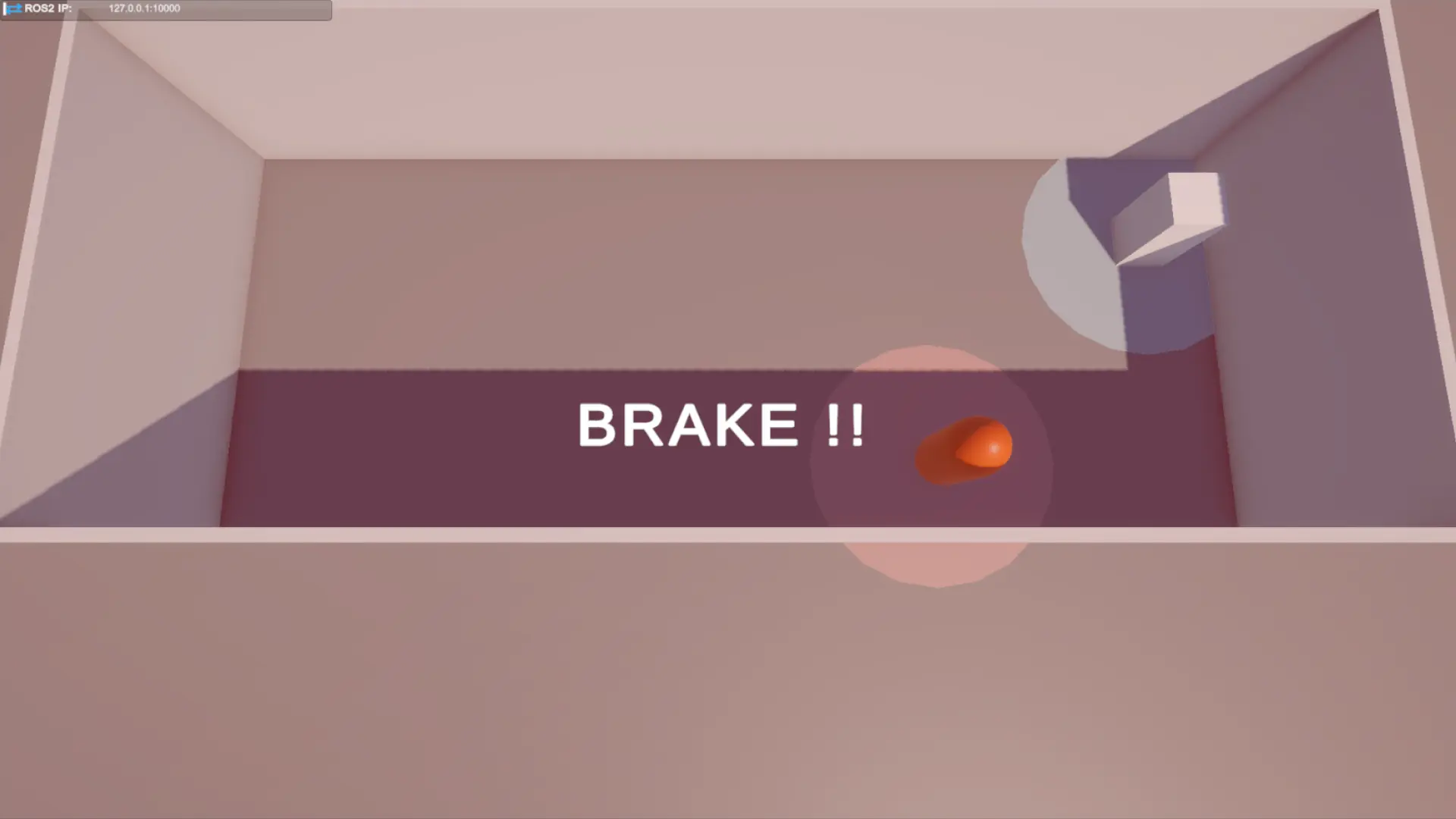
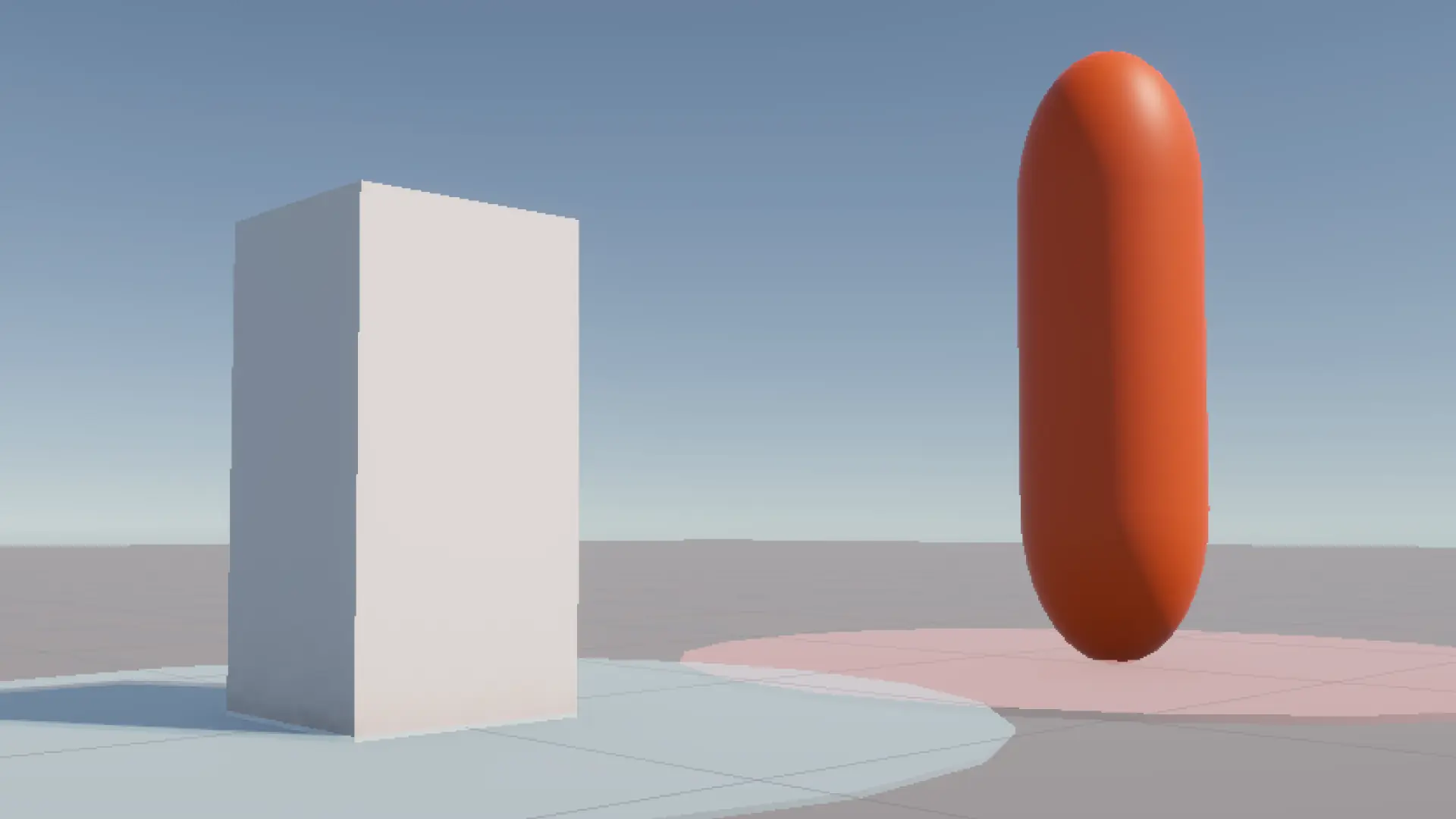
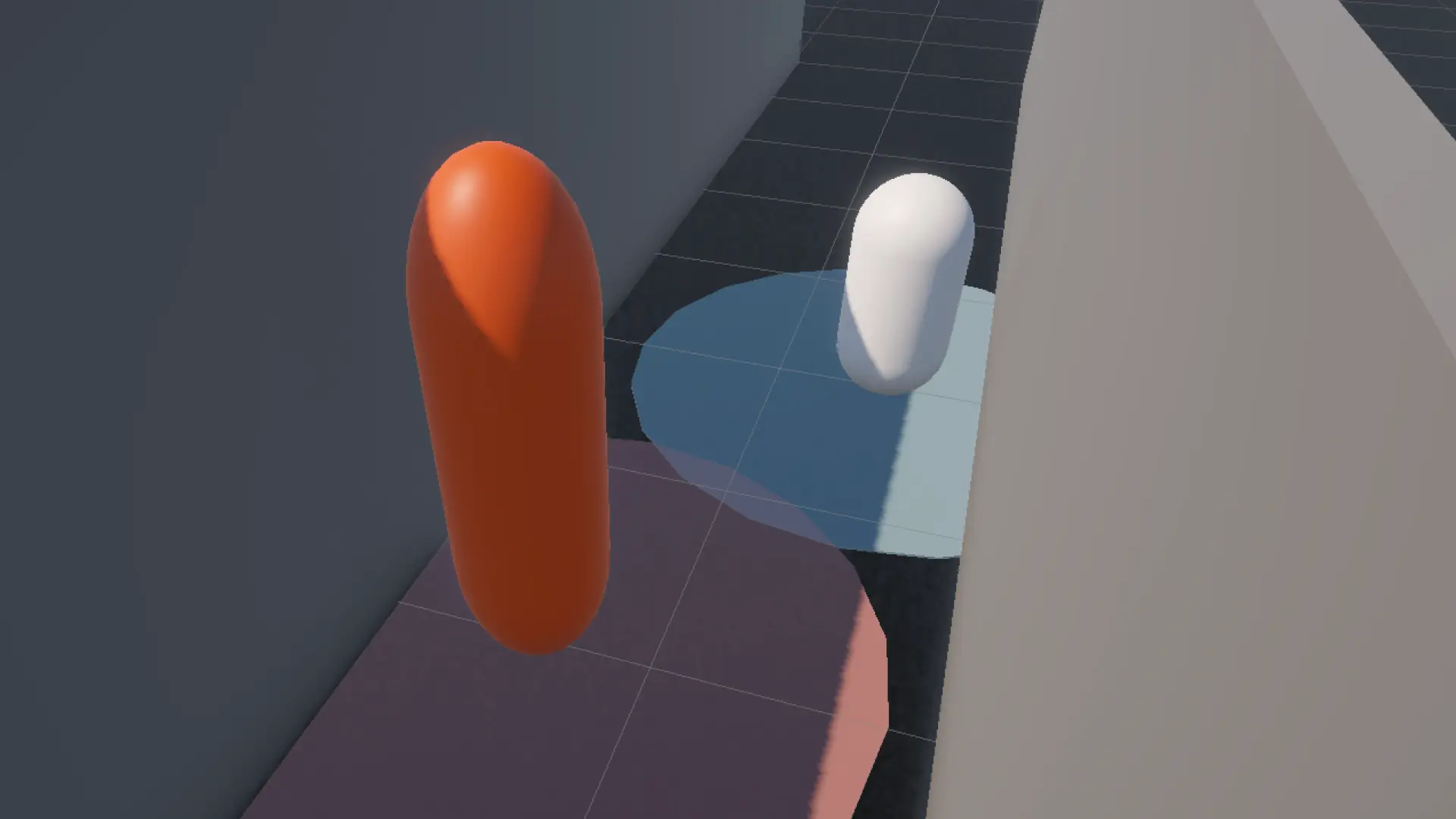
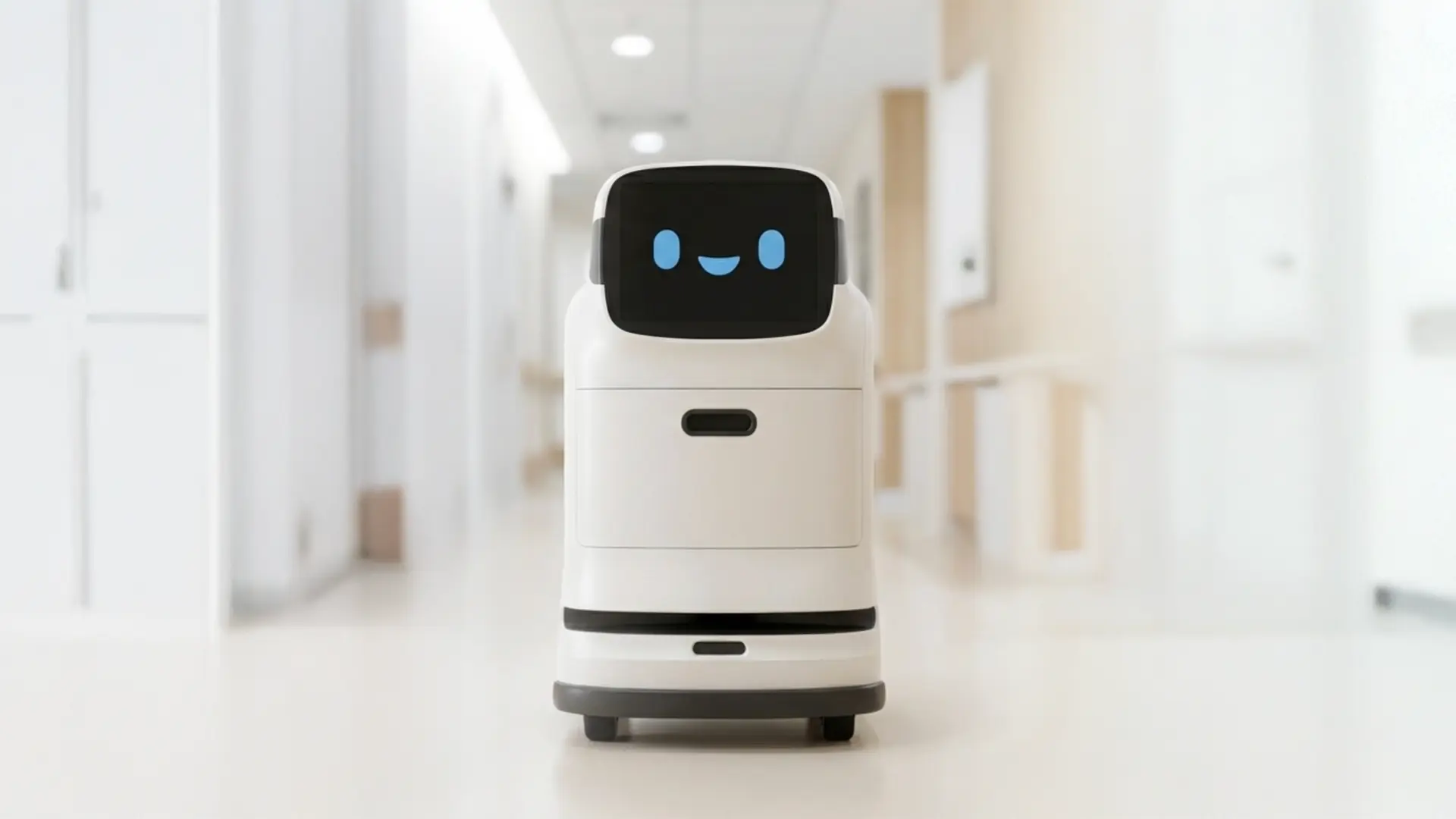
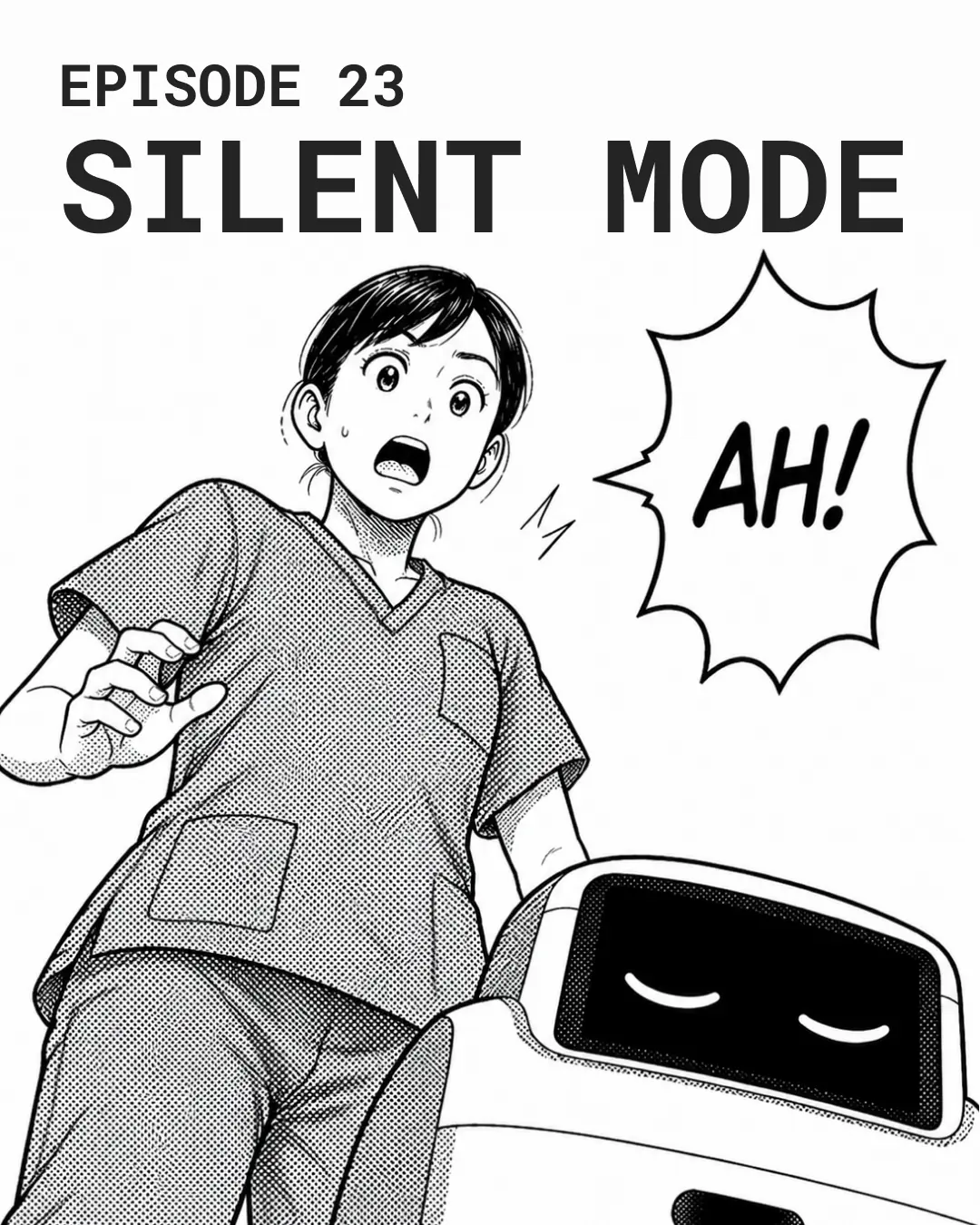
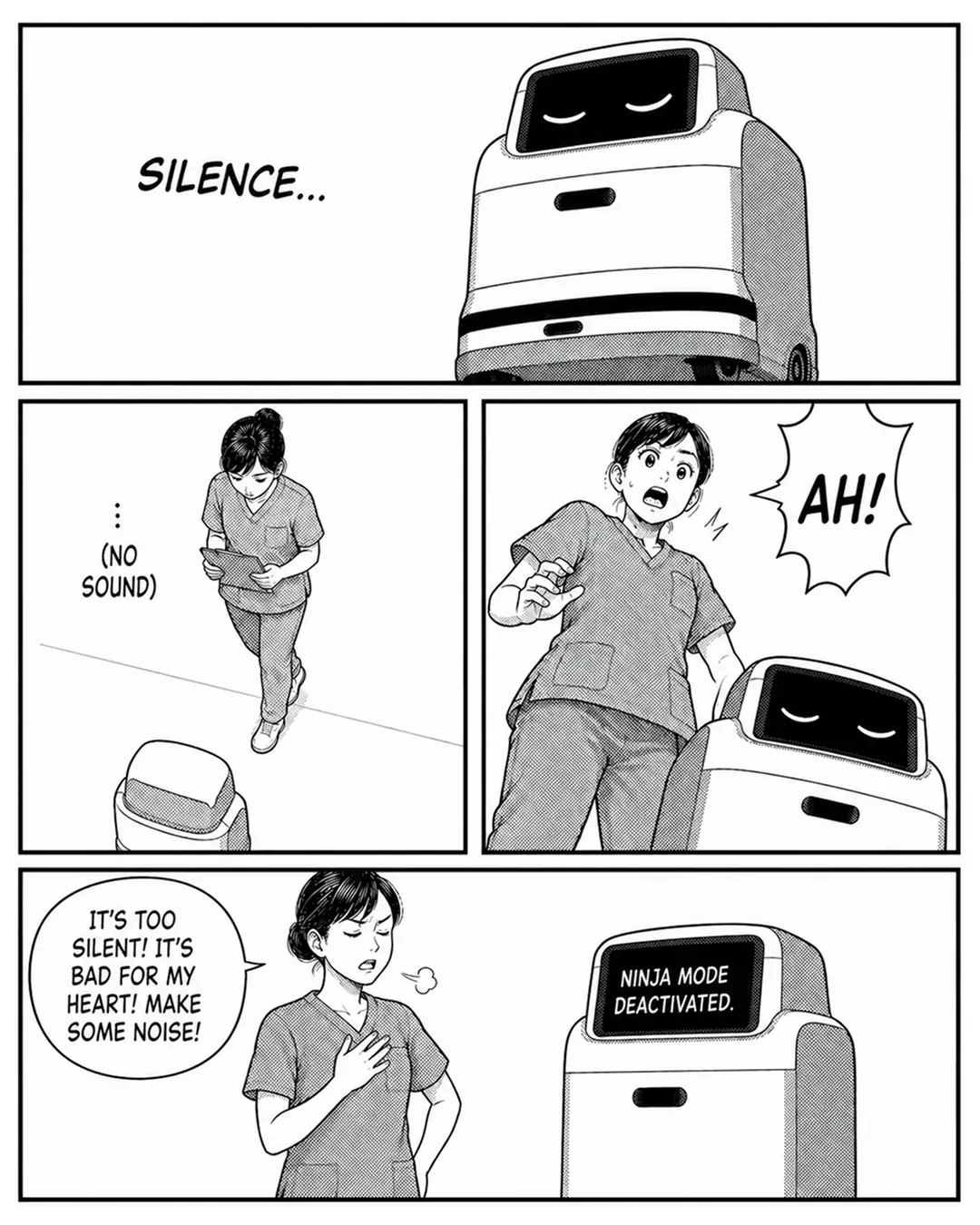
■ Sound is the interface that announces presence Switching to silent mode to protect sleeping patients — that decision was right. But "making no sound" is not the same as "not existing." To Oshiro Aina, Hakobukun in silent mode was simply "something that was suddenly there." Humans don't navigate their environment by sight alone. Footsteps, motor hum, shifts in air pressure — all of these serve as advance notice that someone is coming. Remove them, and the foundation of safe coexistence collapses.
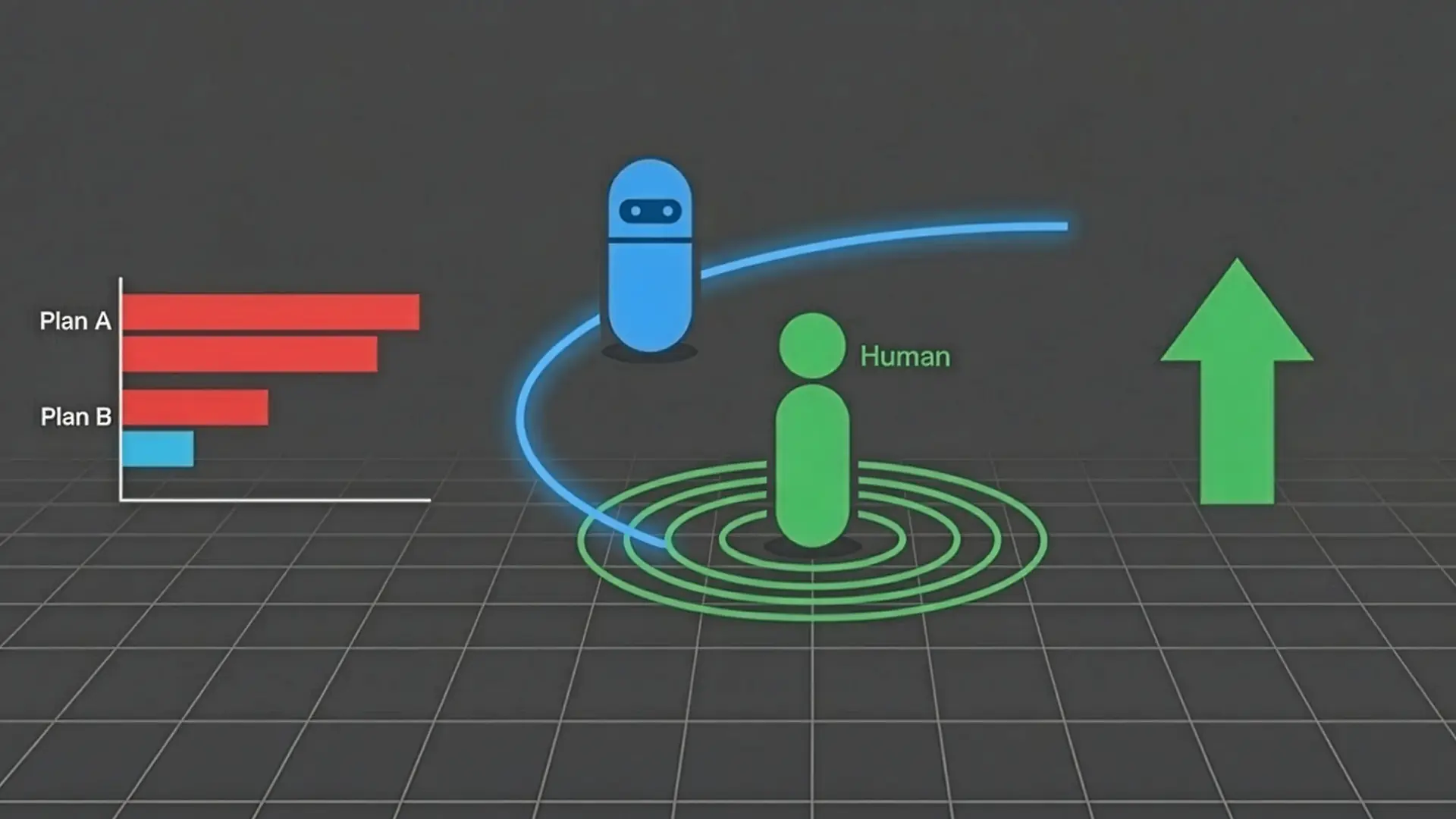
■ The design trap of "quiet = good" Noise is a problem. But silence is also a problem. Zero volume is not a solution — it's the entrance to a different risk. Hakobukun's "Ninja Mode" was gentle to patients and terrifying to staff. Who is the design protecting? Without answering that question, optimization simply transfers the burden to someone else.
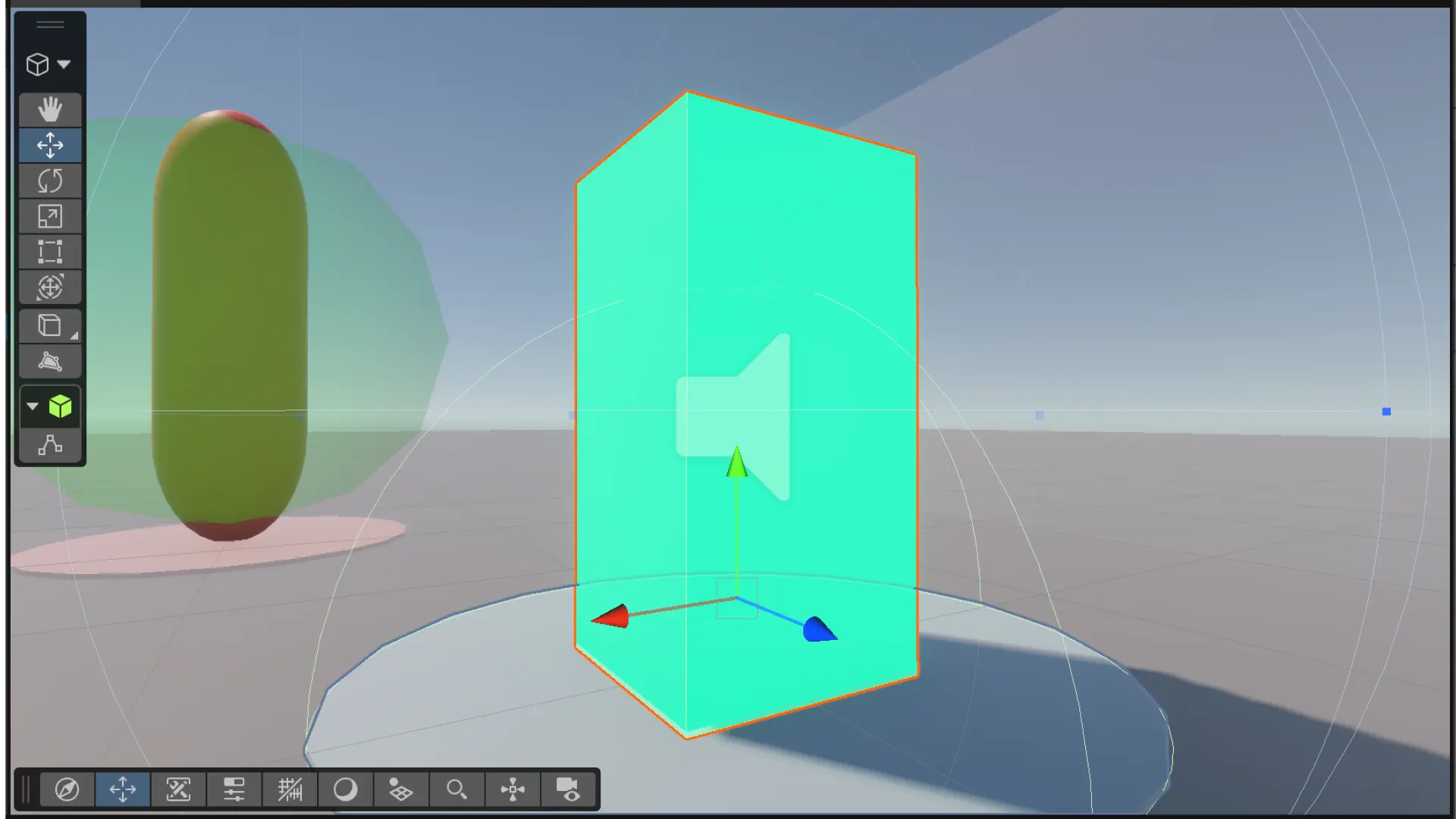
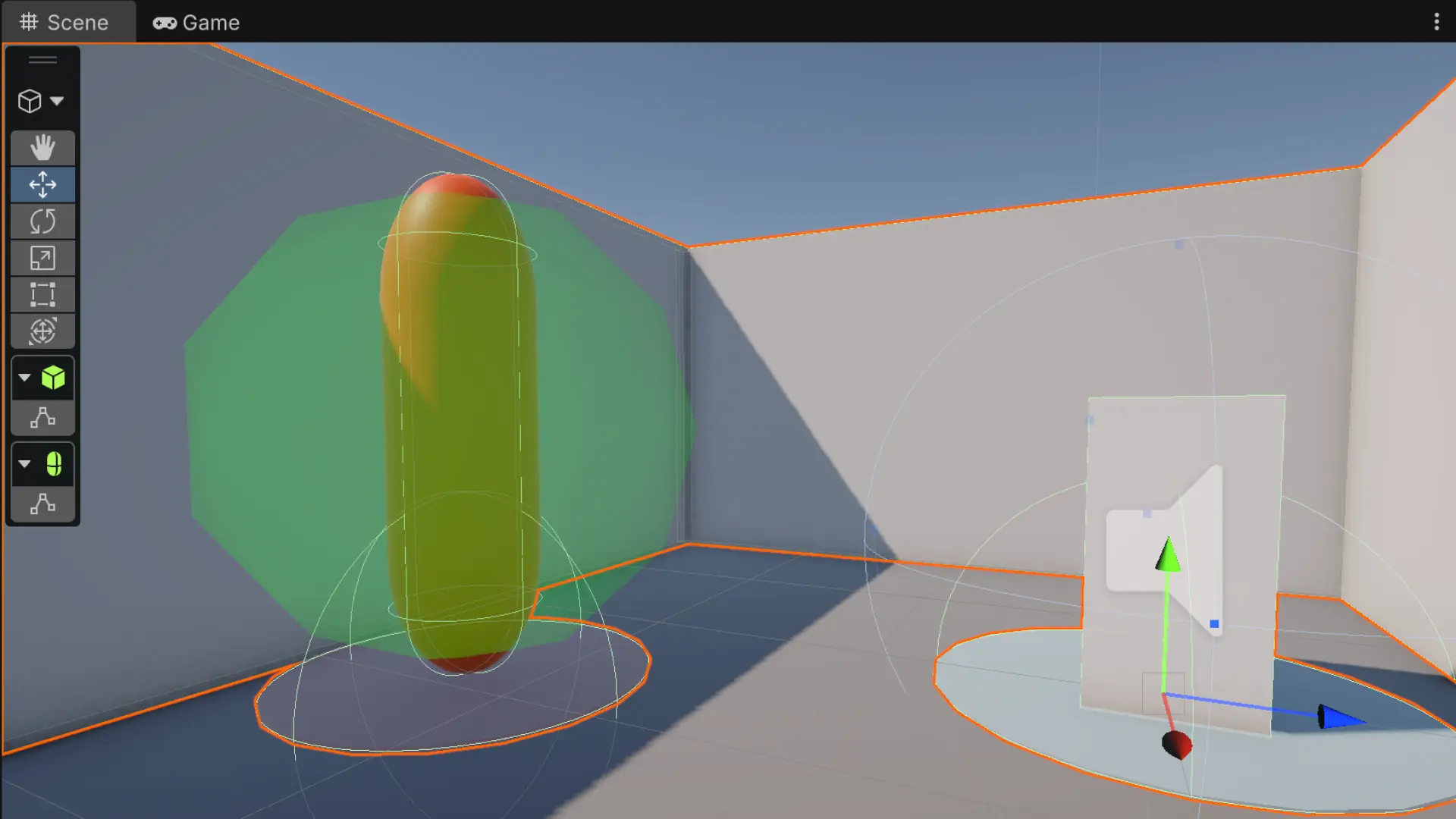
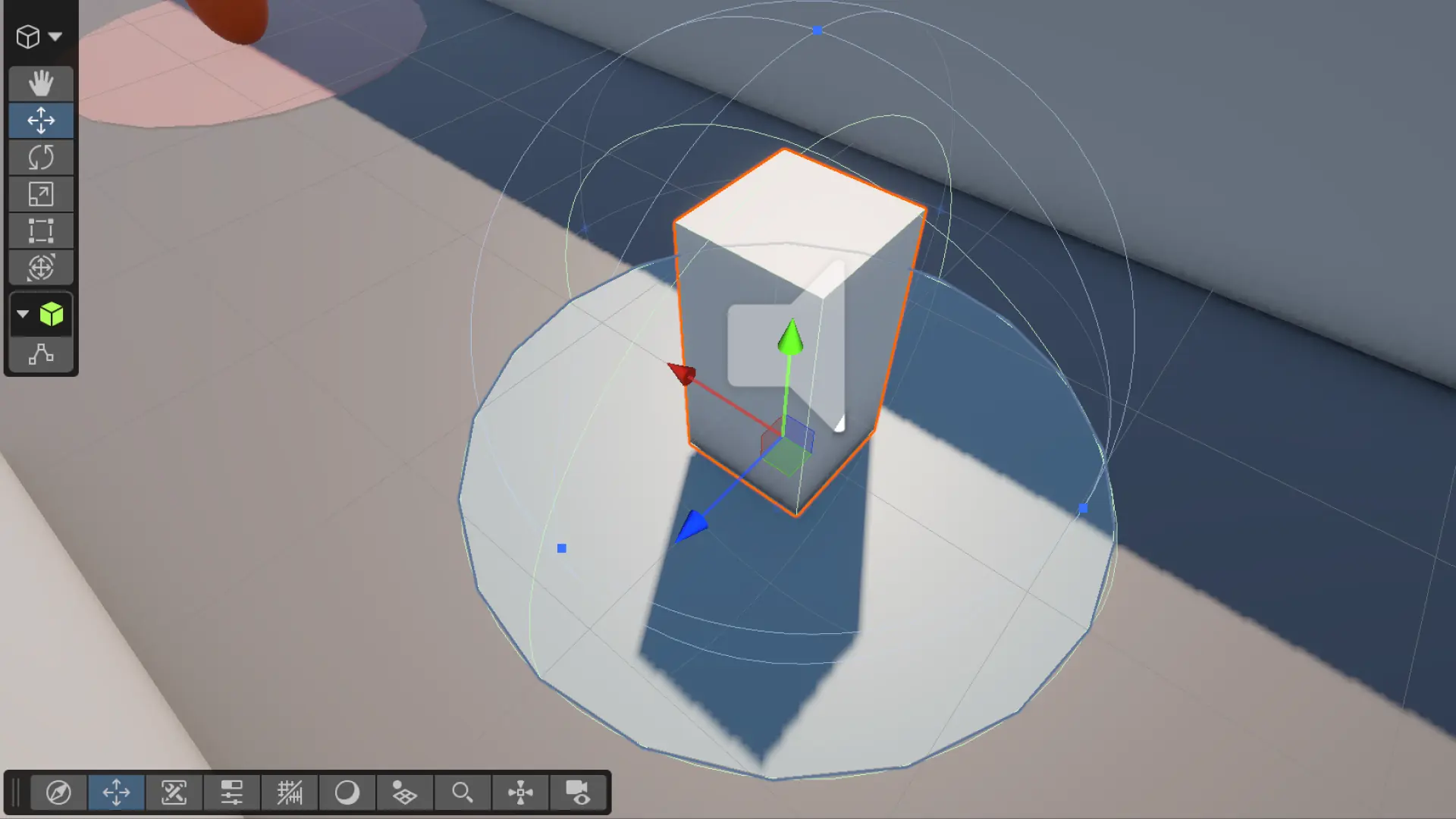
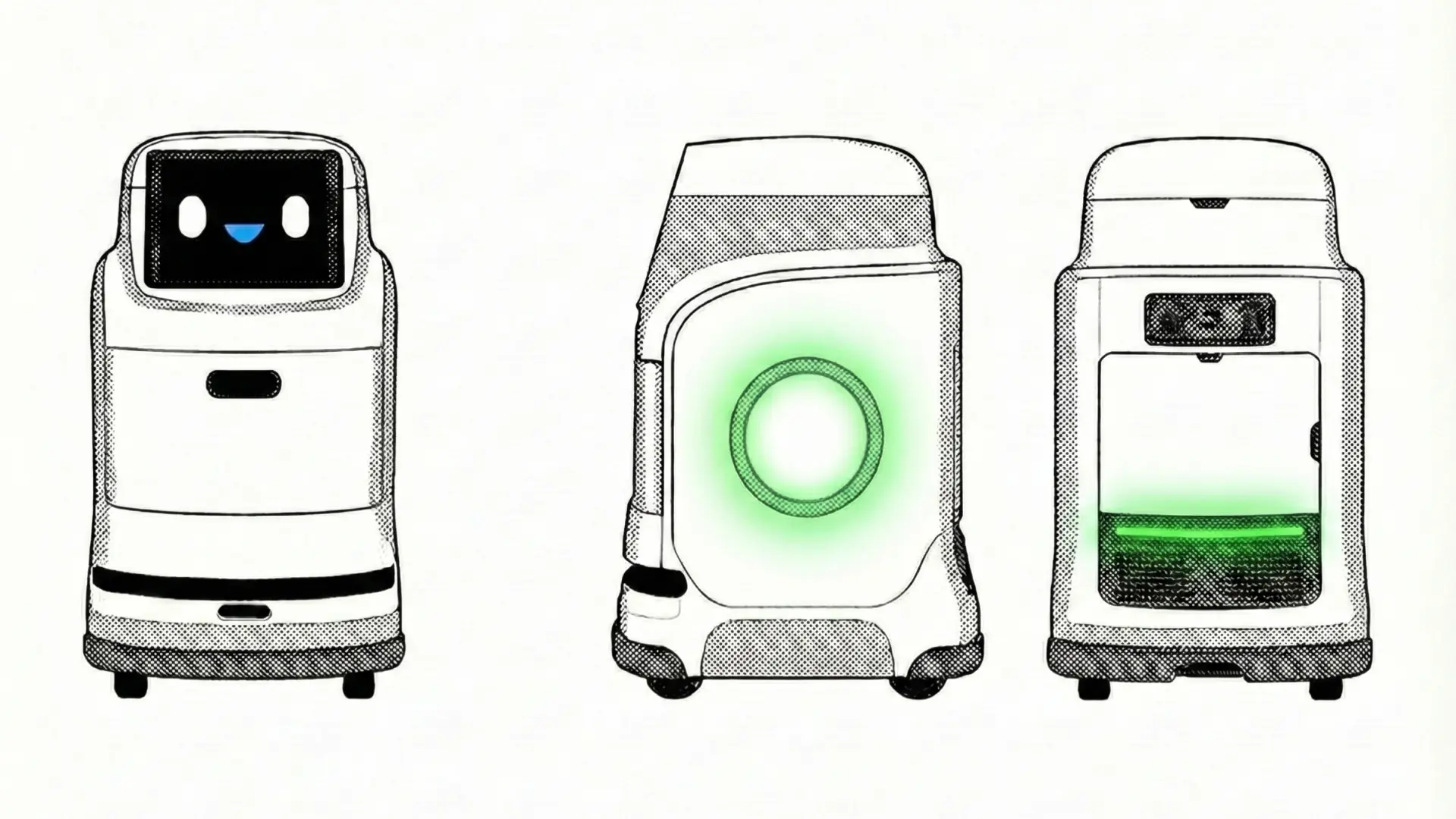
■ Conclusion: Presence can be designed The ideal is sound that patients don't hear but staff can sense. Directional speakers, floor vibration, light-based advance signals — the technical options exist. "Silent" and "present" are not opposites. Sound design is not a question of volume. It is a question of what to communicate, and to whom.