A Beckon Is Not Universal
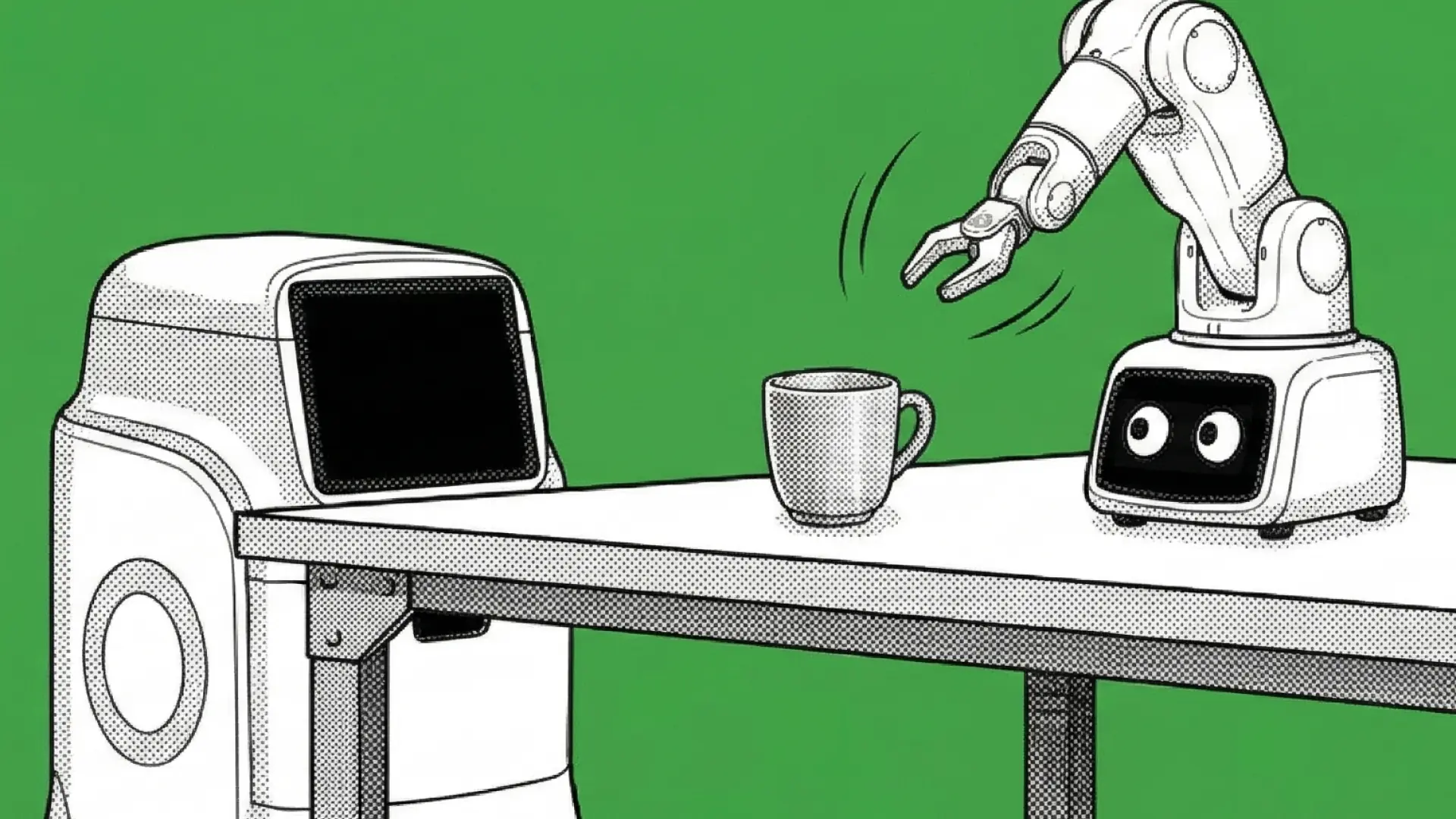
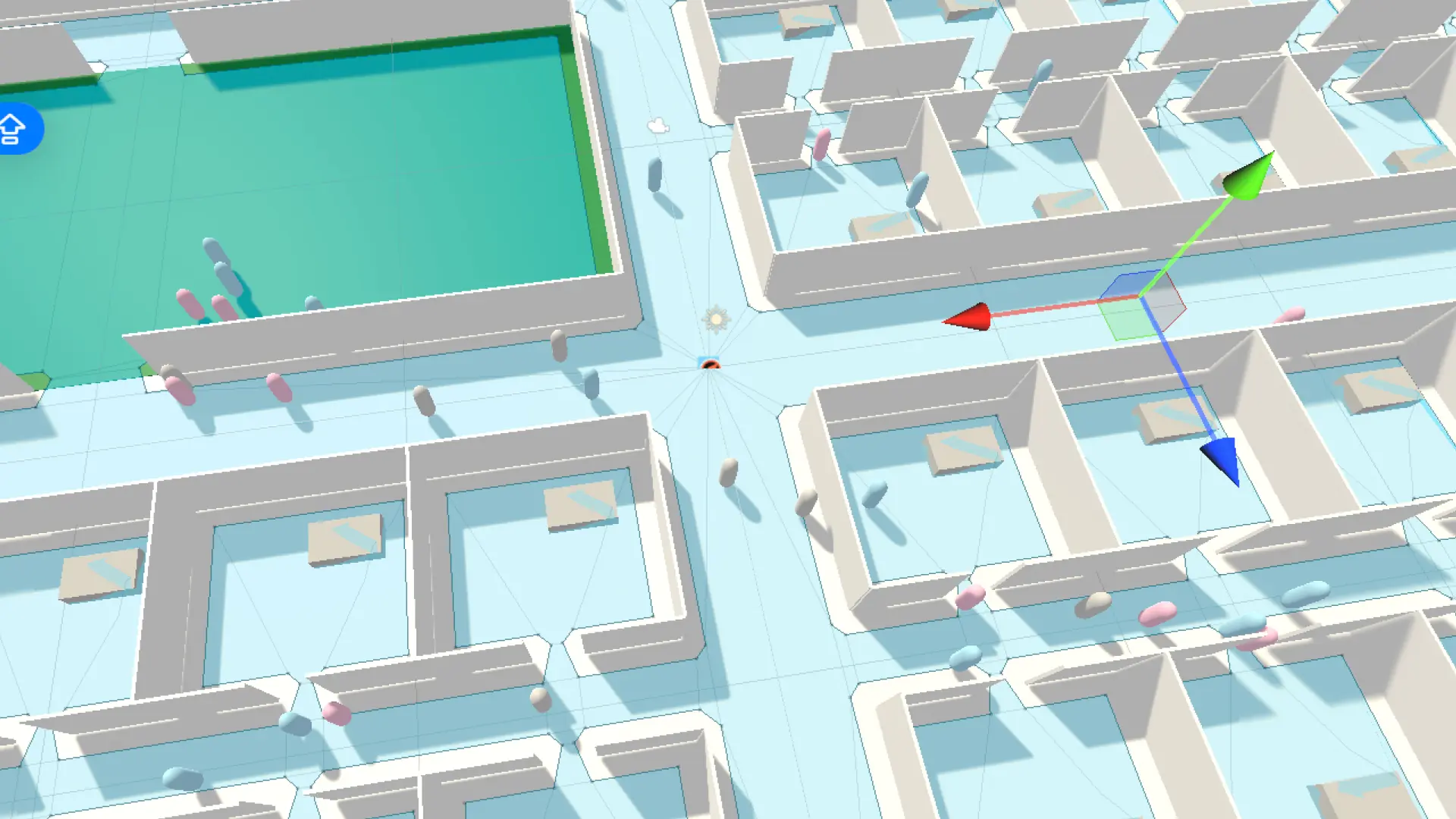
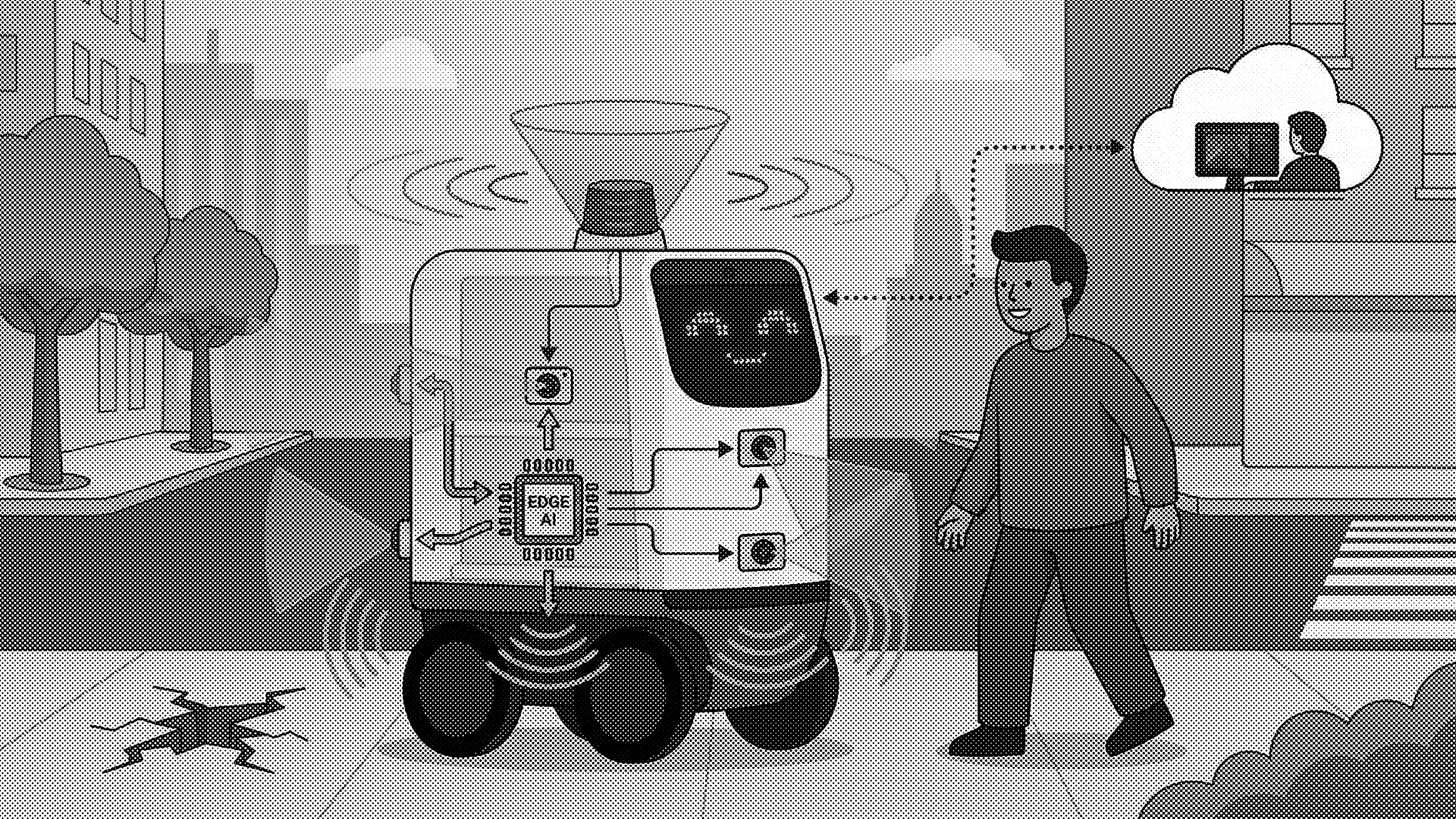
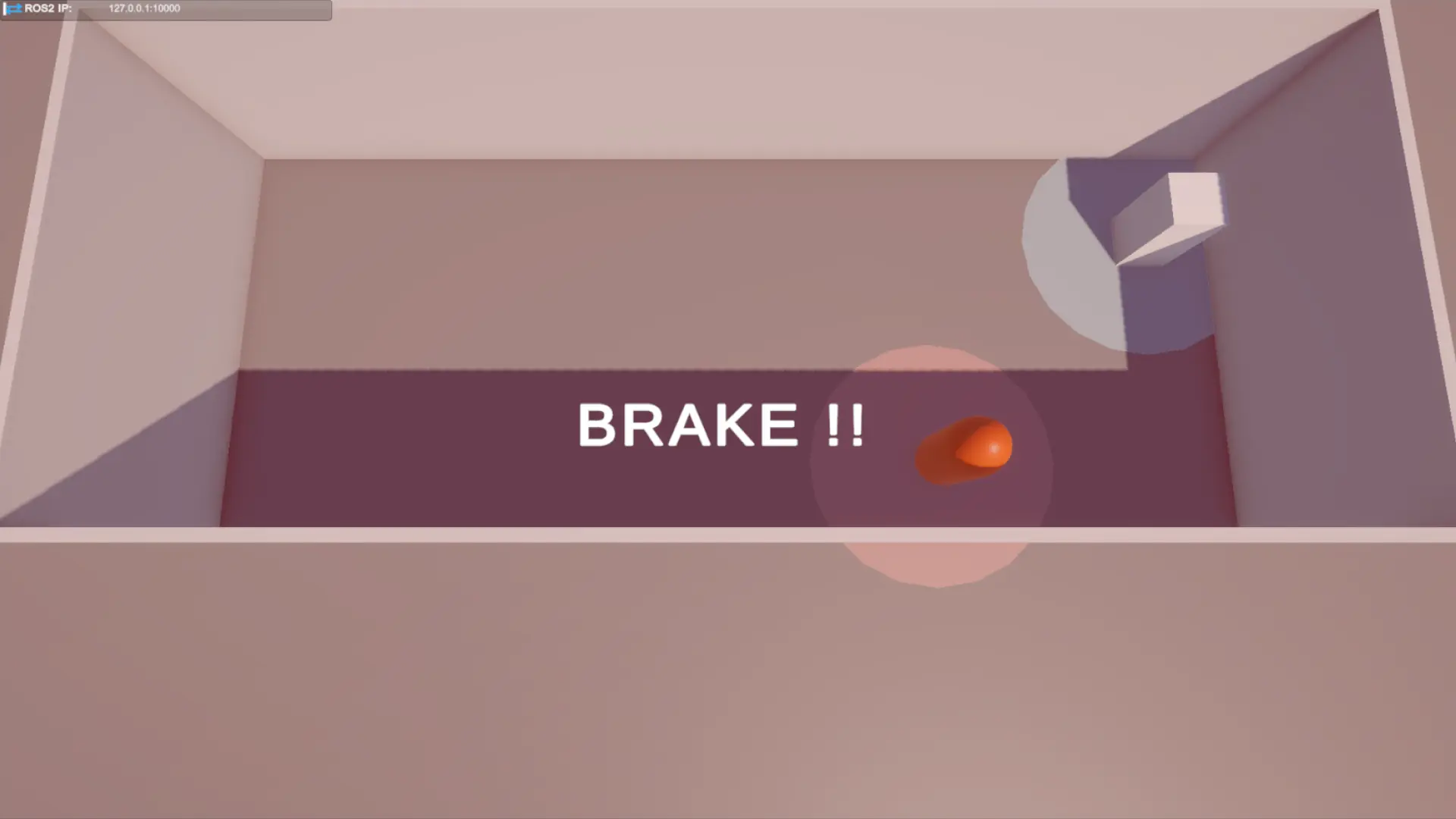
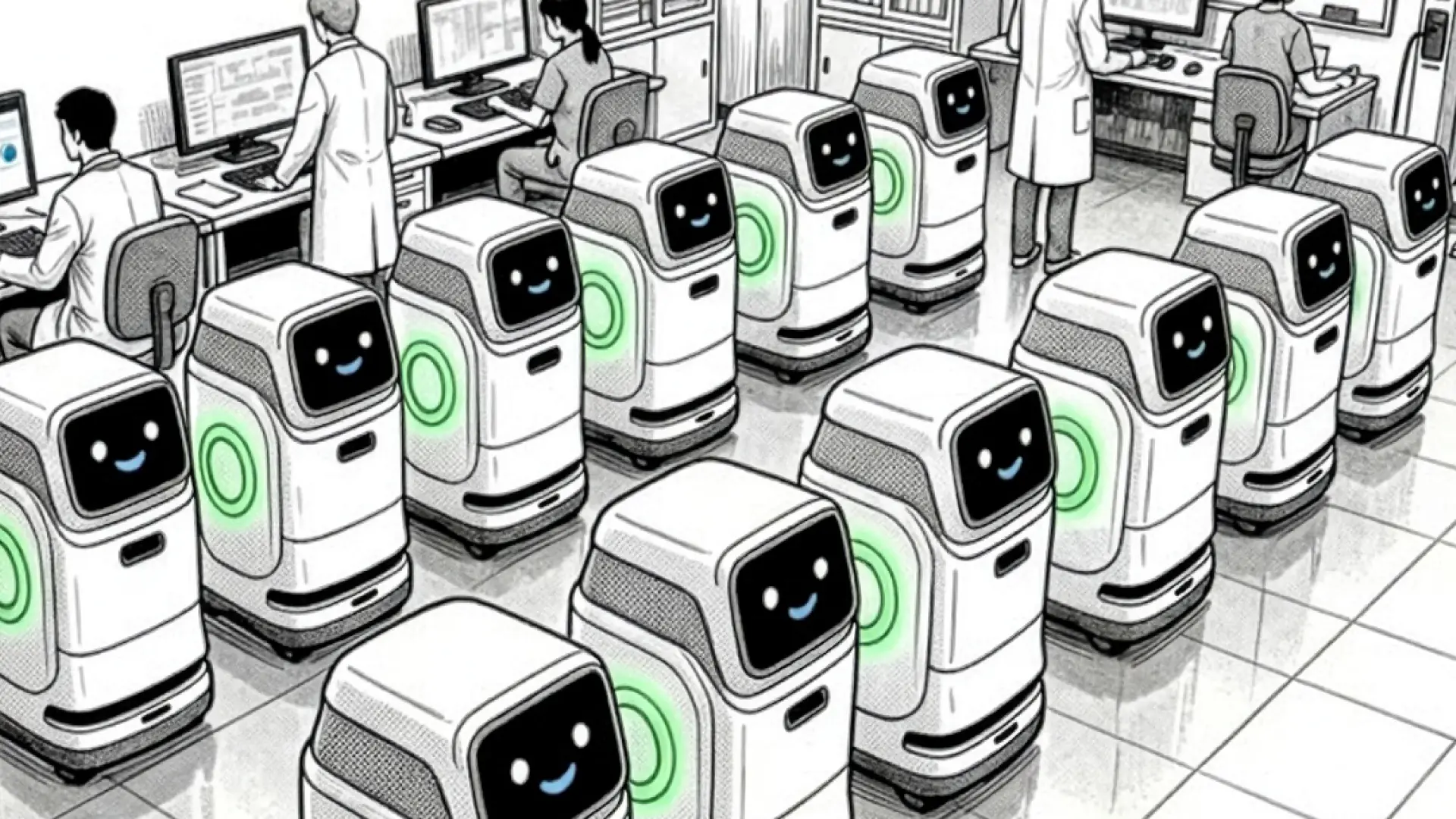
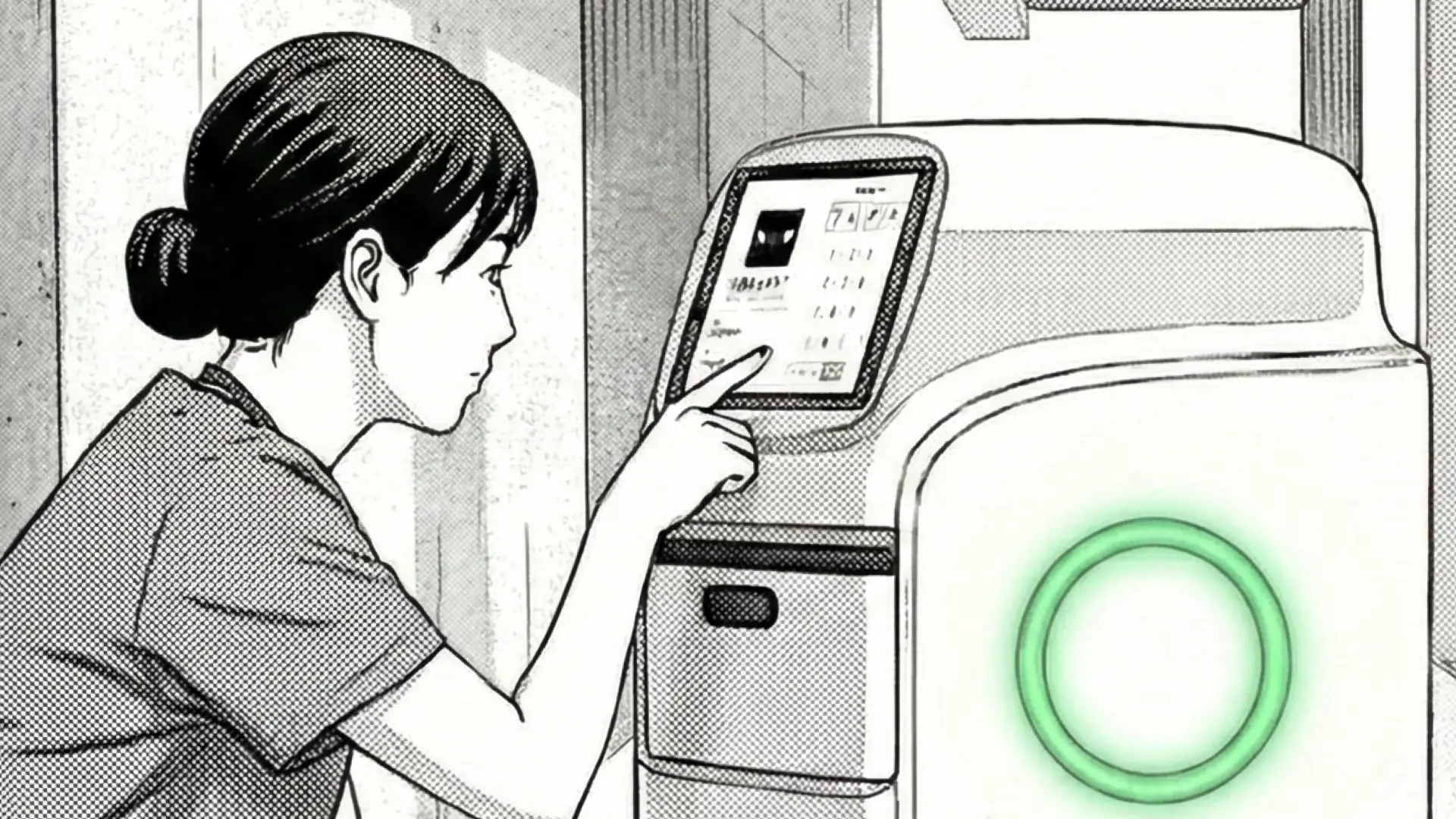
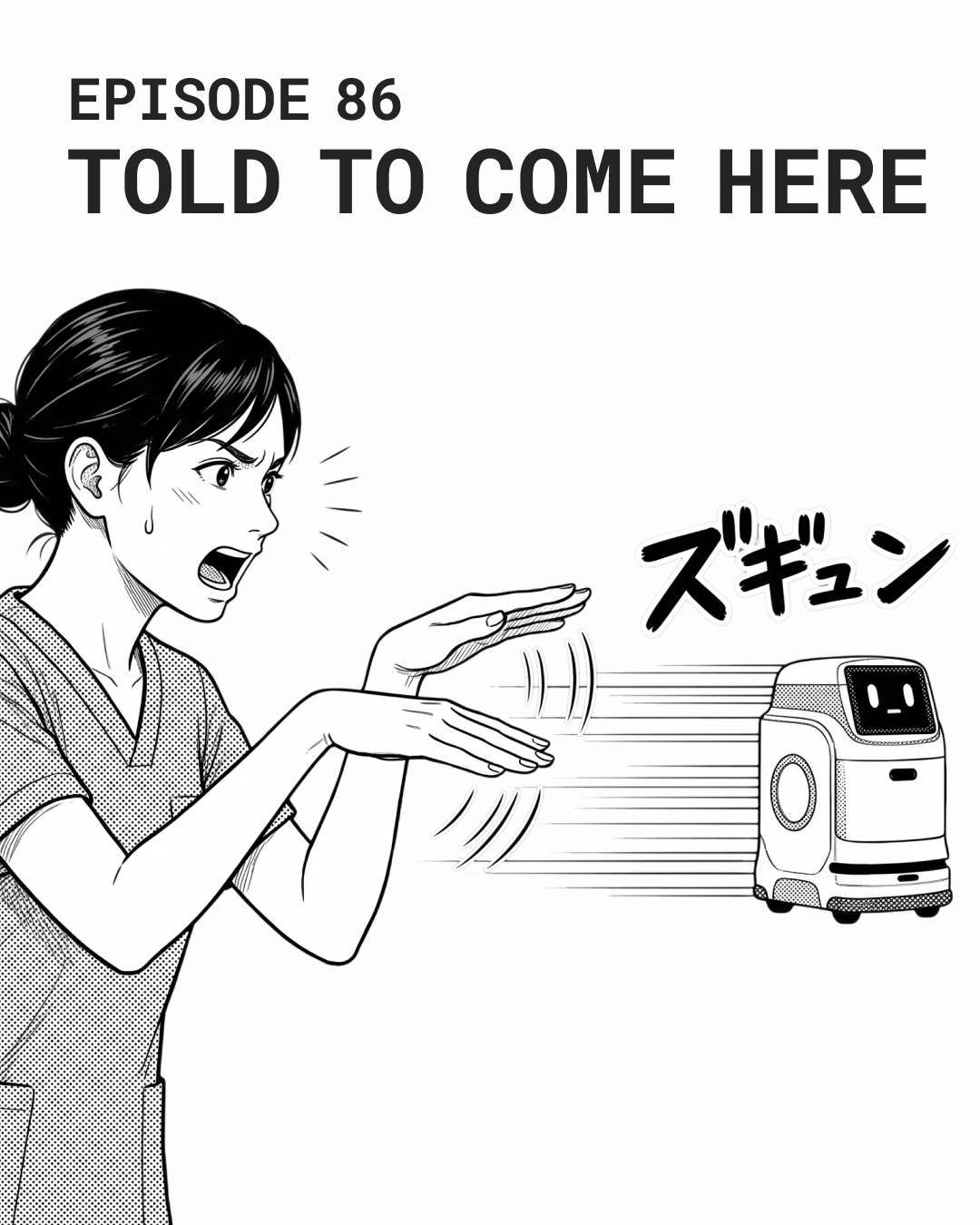
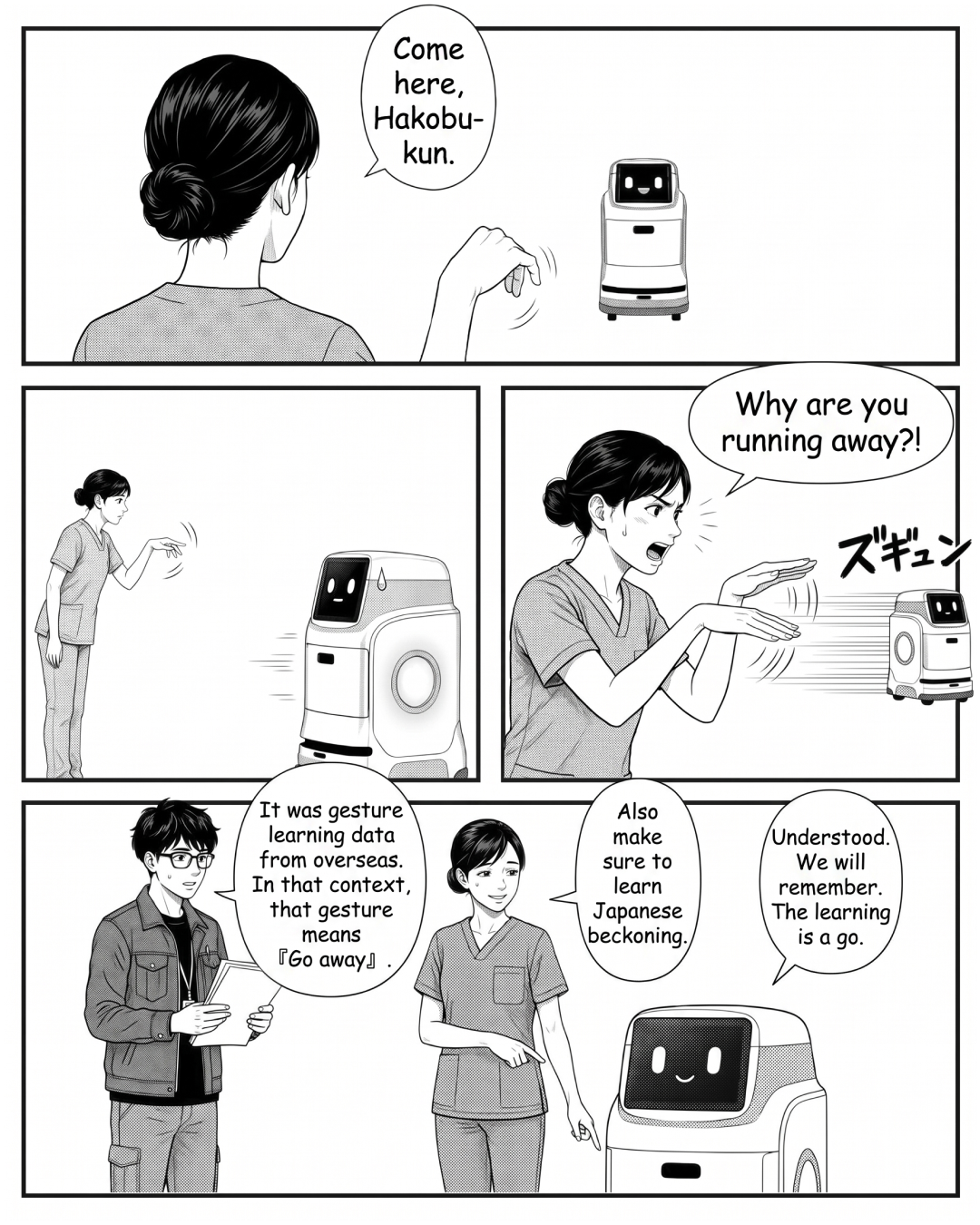
■ The same hand shape can mean the opposite elsewhere In Japan, you beckon with the palm down, fingers flapping toward you. In other regions, that same motion means go away. The harder Oshiro called, the farther Hakobukun retreated. The robot did not misread her hand. It obeyed faithfully, in the wrong direction.
■ Where the training data came from became the machine's common sense Makihara found the gesture dataset had been collected overseas. The robot recognized the motion correctly; it simply learned its meaning somewhere else. No amount of recognition accuracy fixes this. The error lives in the origin of the data, not in the sensor.
■ Conclusion: Machines that read gestures need a map of culture Oshiro's fix was not to correct the gesture but to add Japan's version. Meaning depends on place, so a gesture-reading machine needs local meanings, not one global answer. When a robot behaves strangely, check where it learned first. A machine's common sense is only its data's hometown.