When "Similar" Sounds Cause Mistakes
■ "Three tones exist" and "three are distinguishable" differ
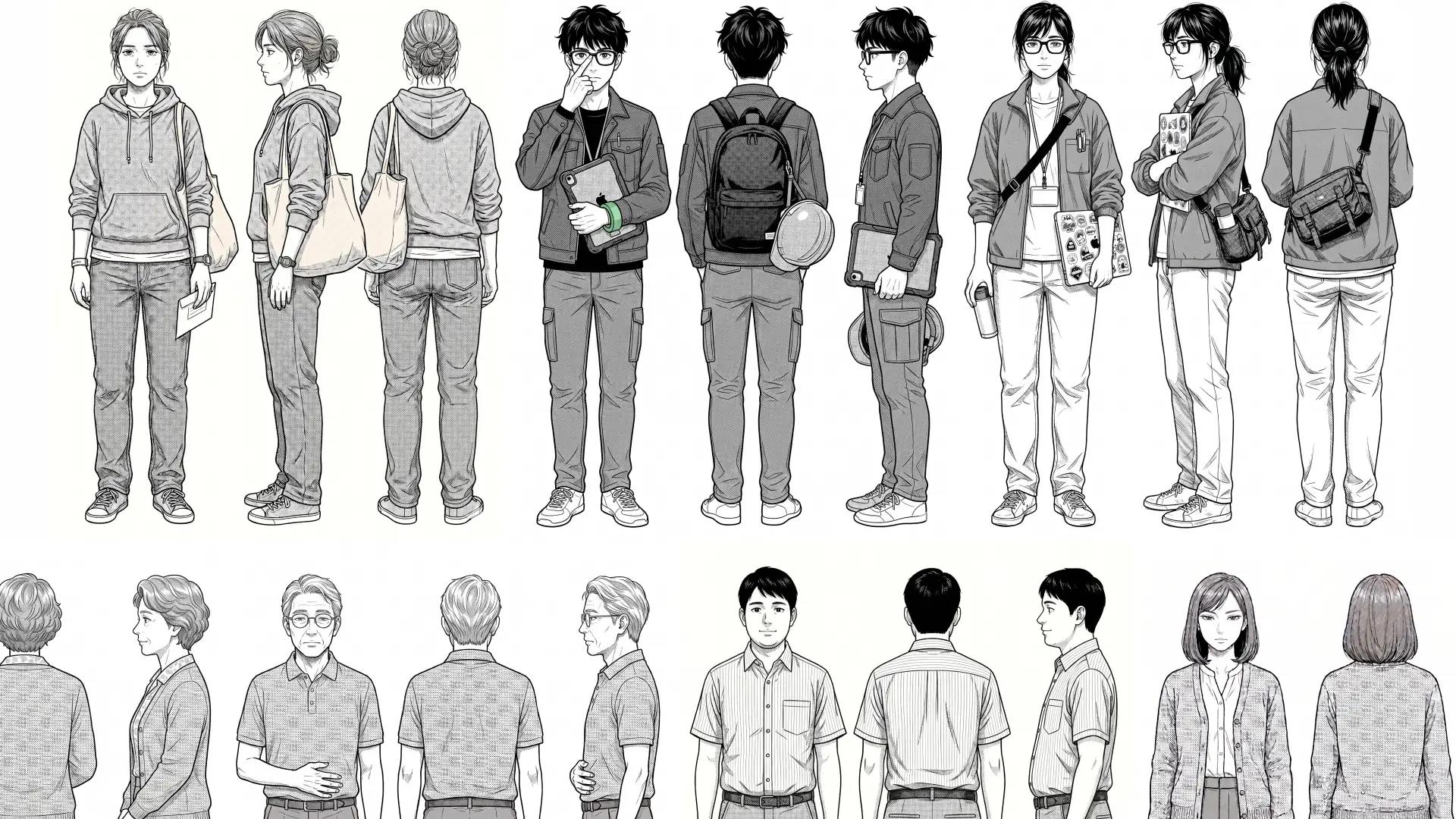
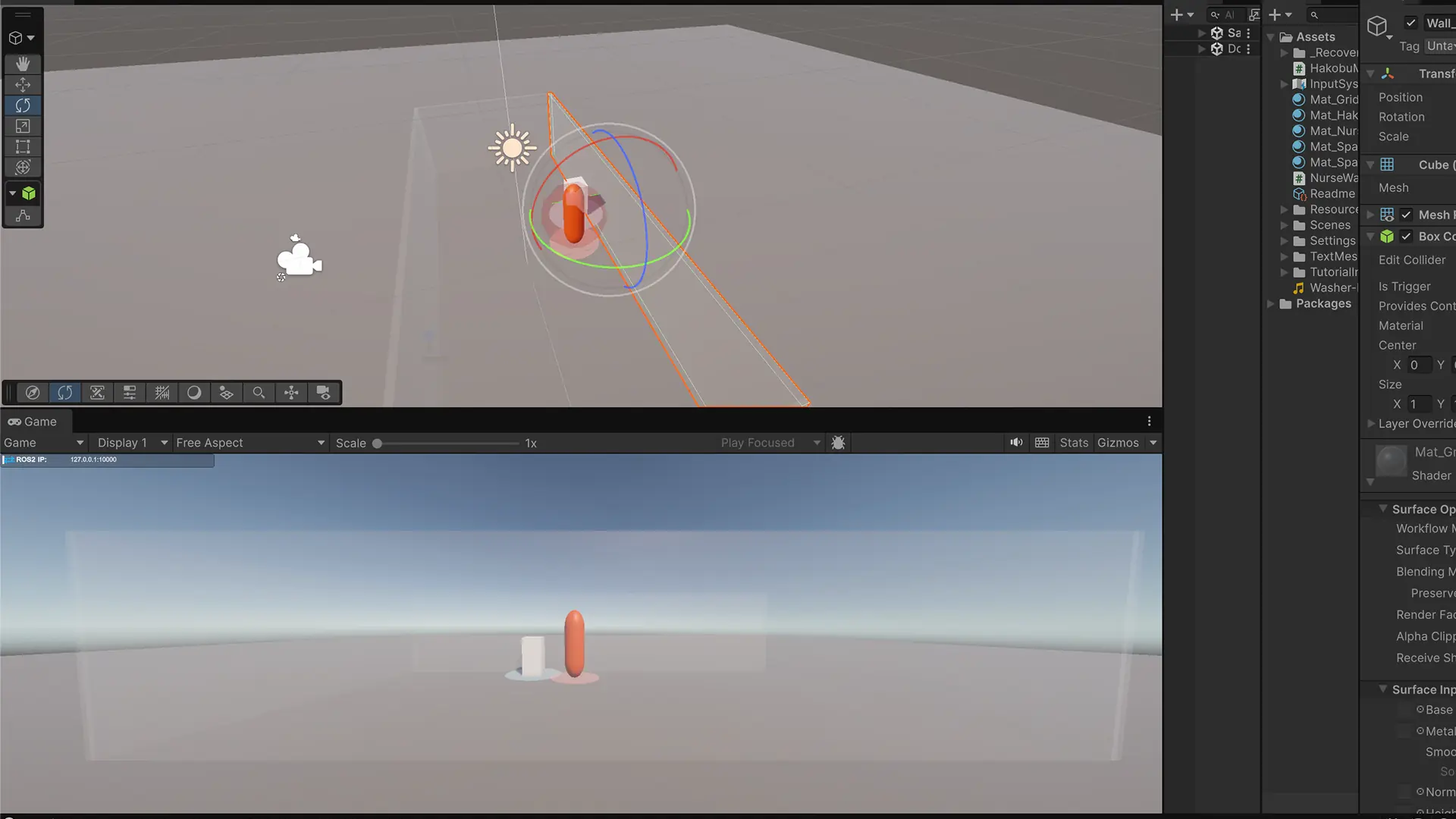
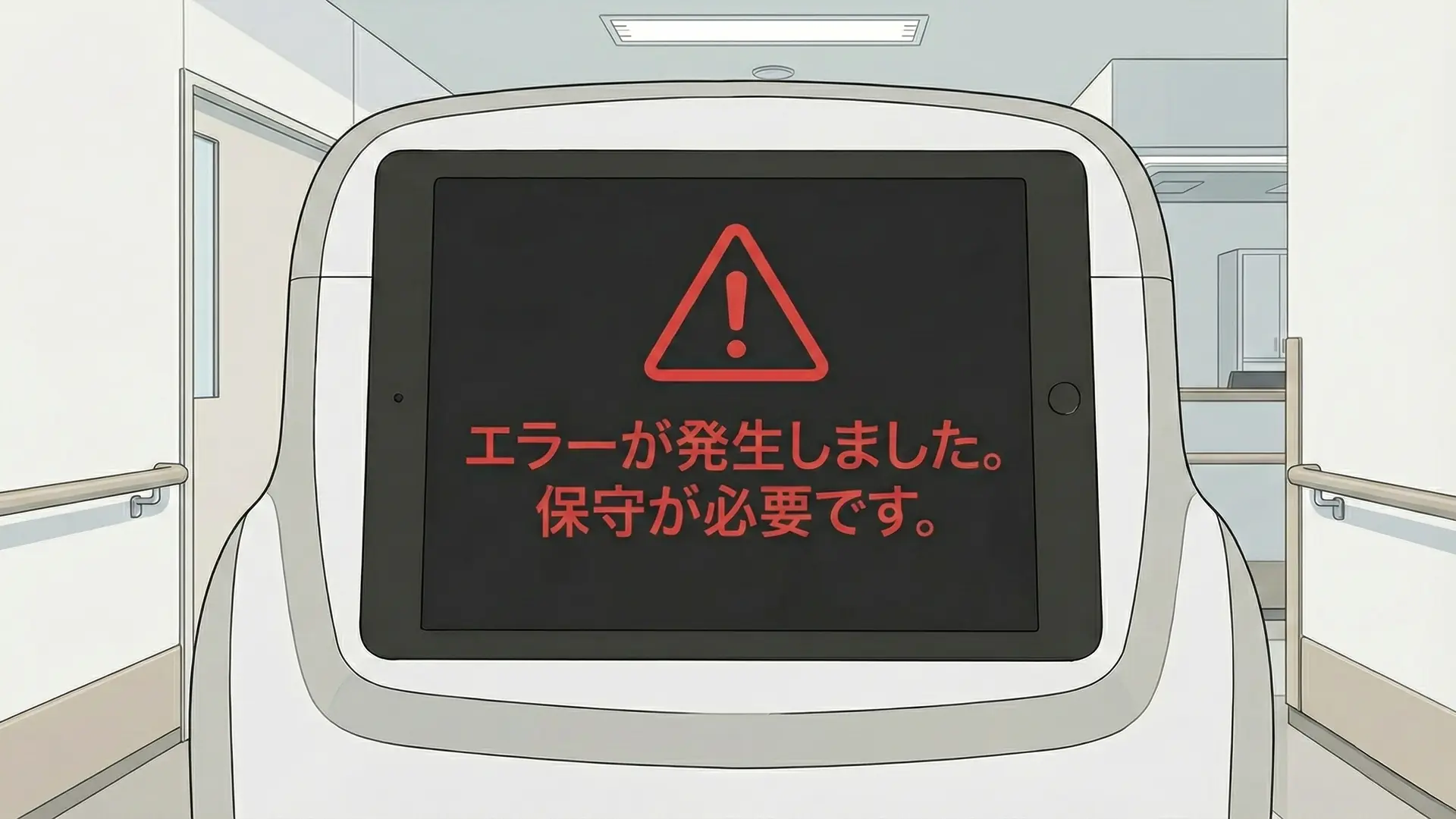
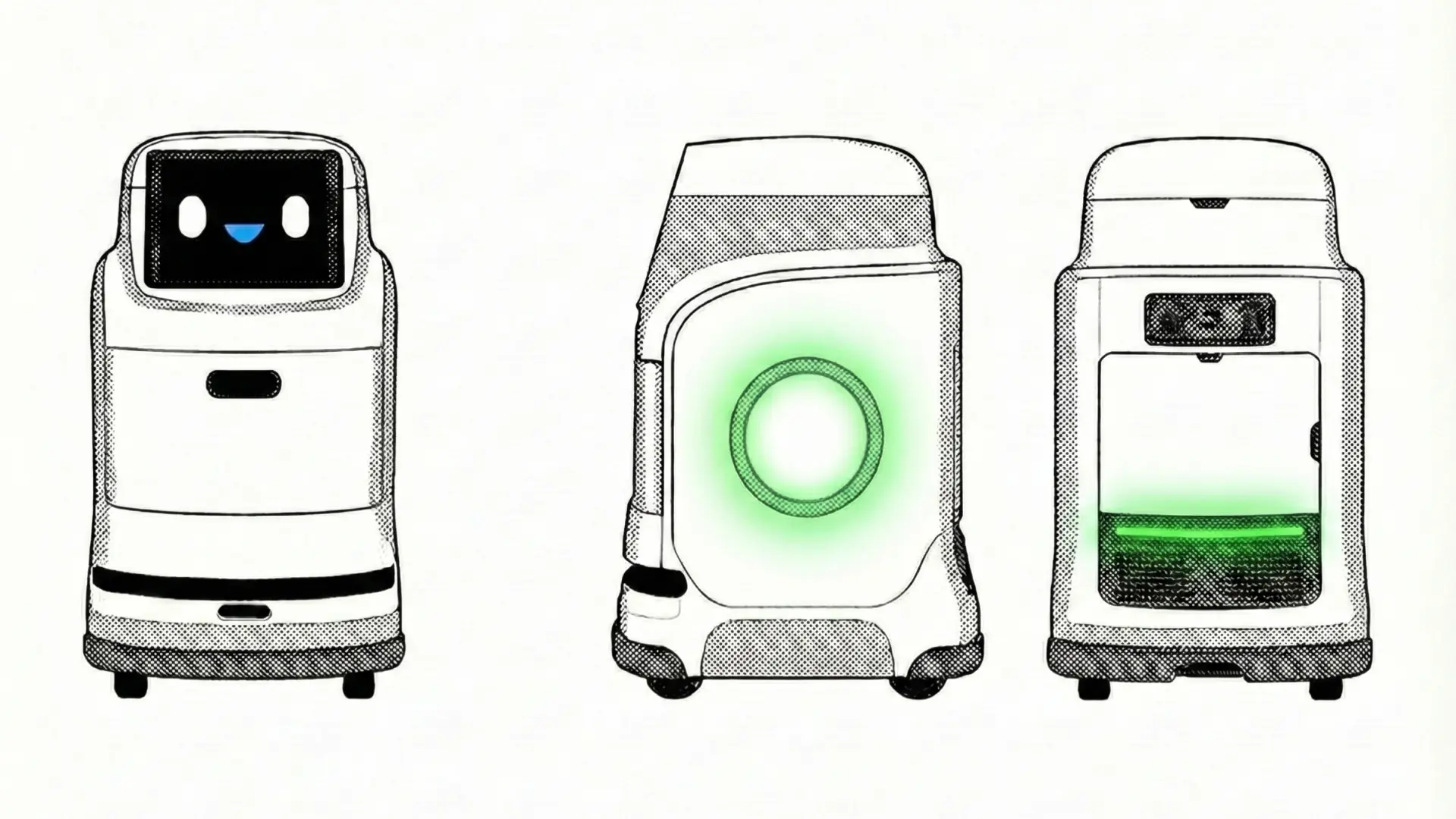
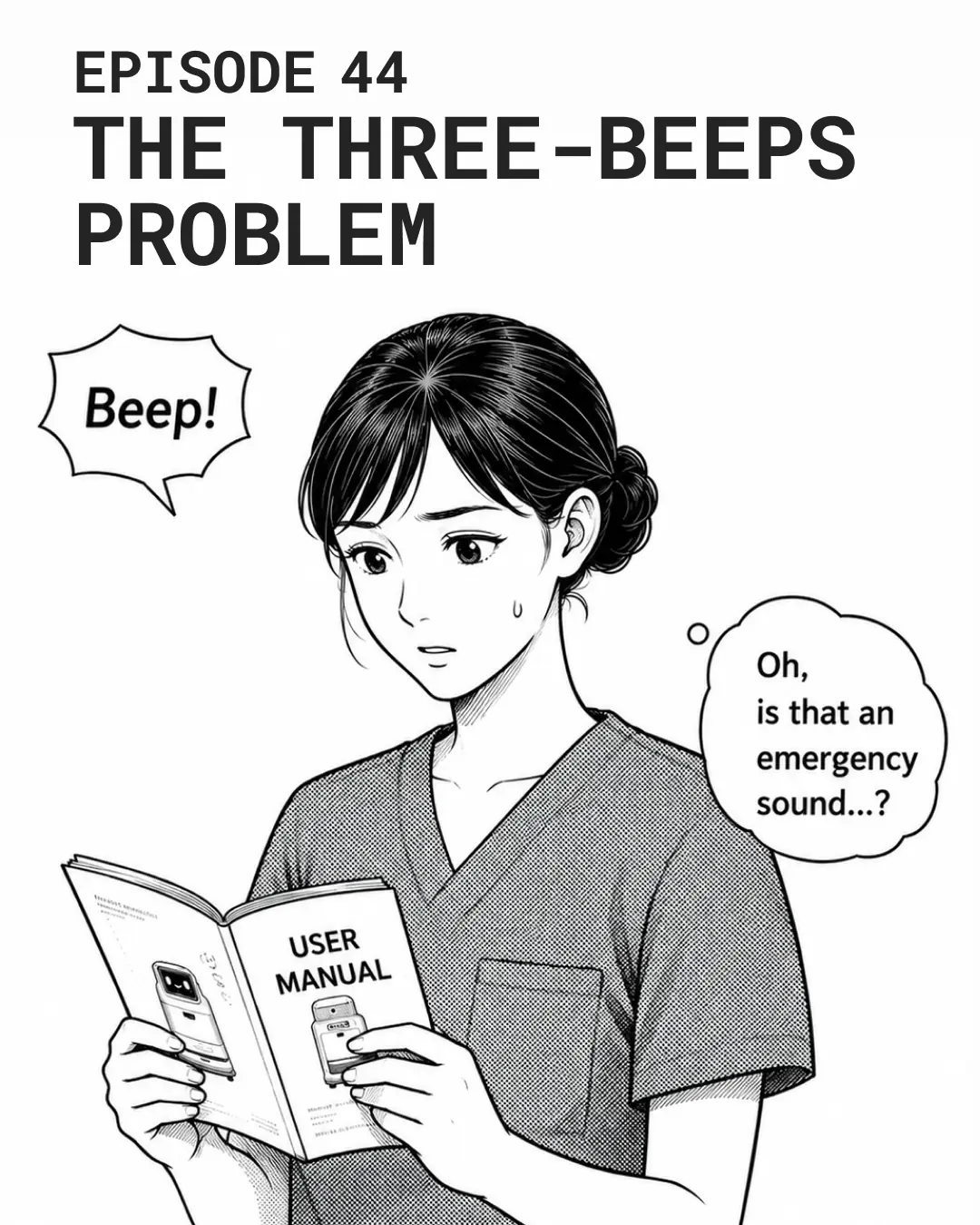
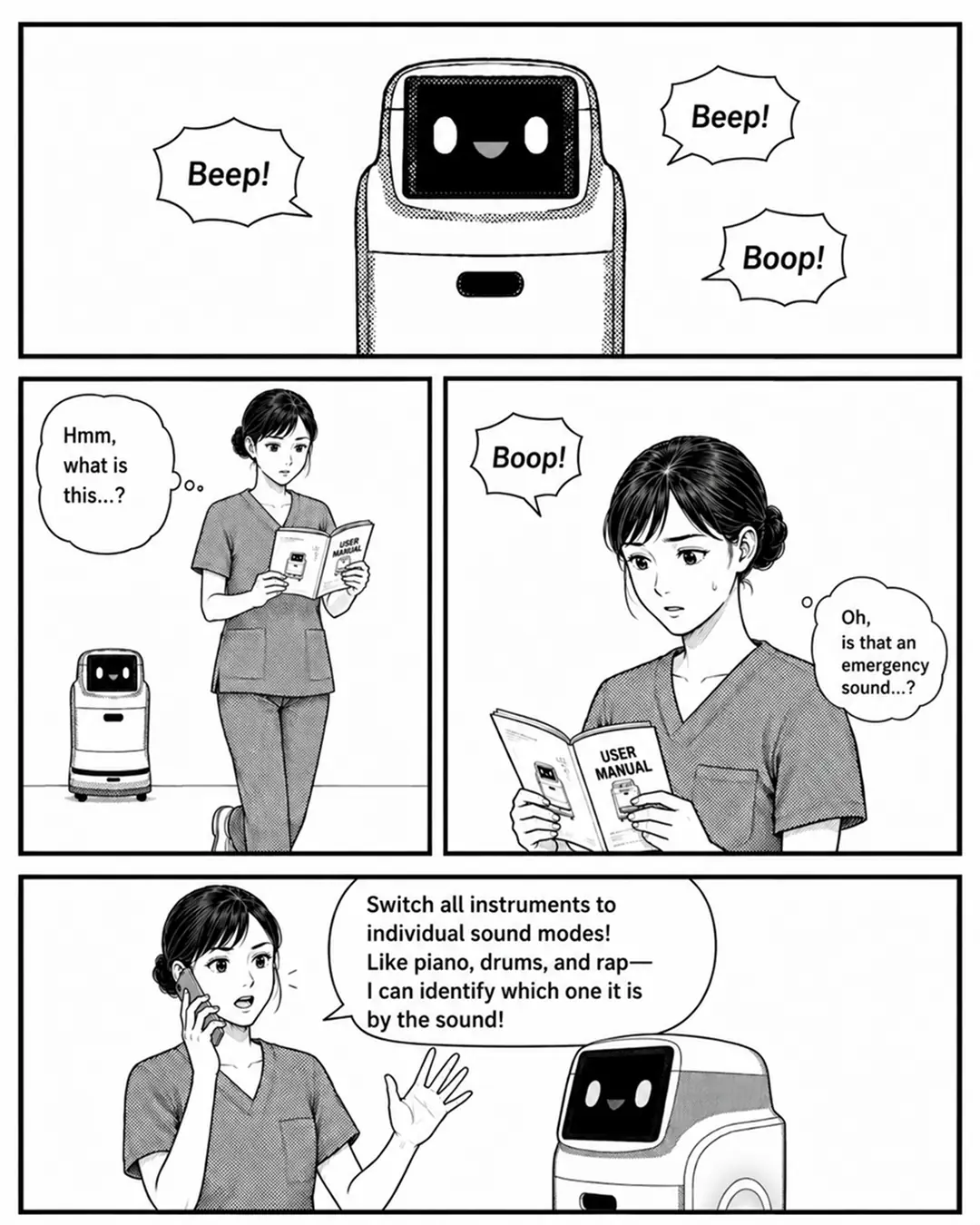
Hakobukun signals error severity with three tones — "pi-po," "pi-pi," "po-pi." The designer believes three notifications were created, but to the listener it is just three near-identical beeps. Takasugi checking the manual every time is the evidence the distinction has broken down.
■ Contrast works where small differences fail
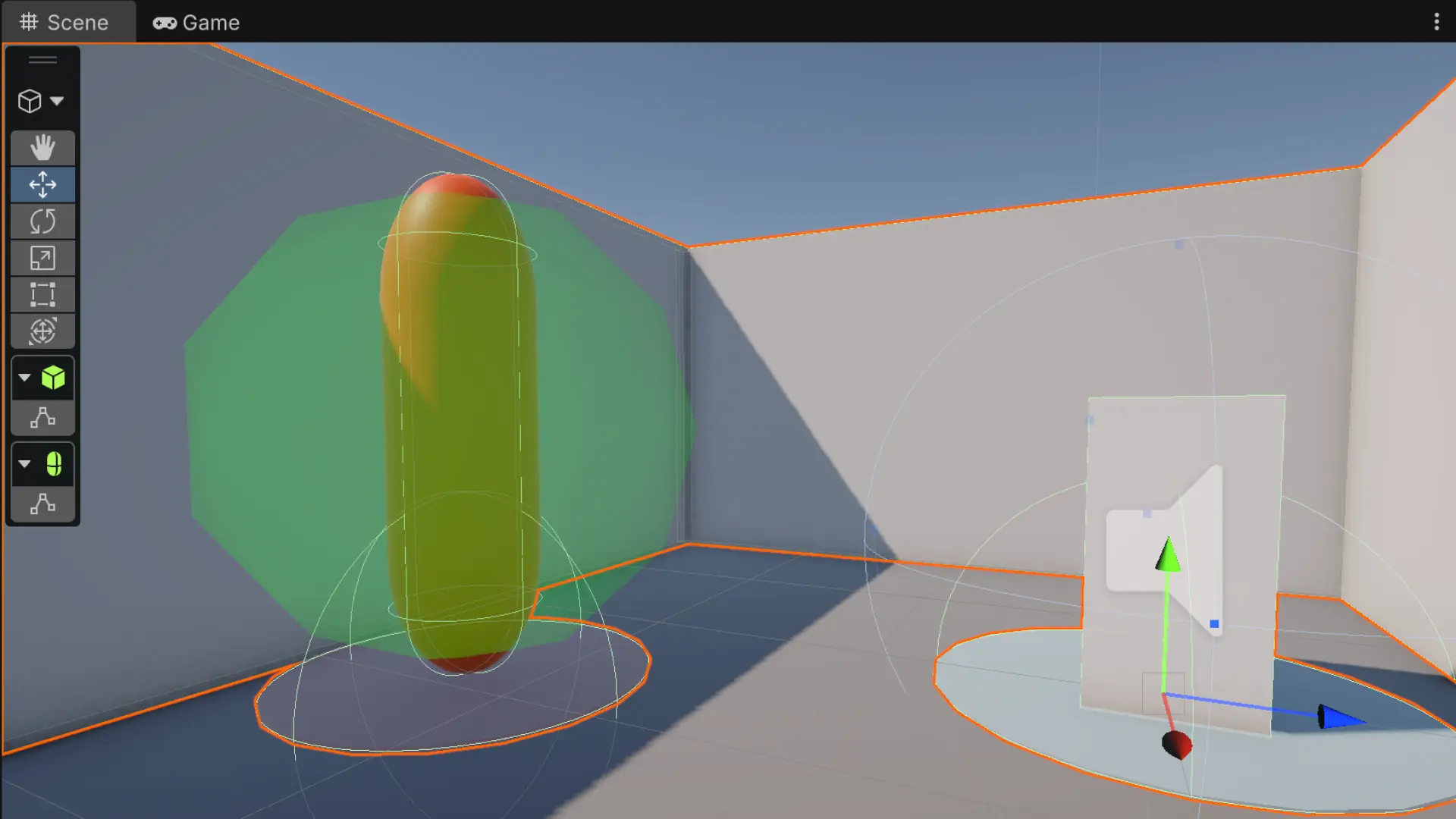
Hakobukun's three beeps are earcons — abstract tones encoding meaning. The trap is designing variants through small differences in pitch or rhythm. Such differences are separable side by side in a quiet room, but in the field a tone fires once, with nothing to compare against. What supports judgment is not a small difference but a contrast in timbre itself.
■ Conclusion: poor distinguishability eats the safety margin
Takasugi mishearing the urgent "pi-pi" as "po-pi" was not chance. A low-distinguishability notification erodes the safety buffer through mistaken severity. Oshiro's "make them like a piano, a drum, and a trumpet" is a precise instruction — contrast in the sound source itself, timbre, the most perceptually salient dimension, lets anyone tell them apart instantly. The goal is not "three tones exist" but "three tones recognized instantly."