Mapping the Walls Robots Can't See
■ A wall where there was supposed to be nothing
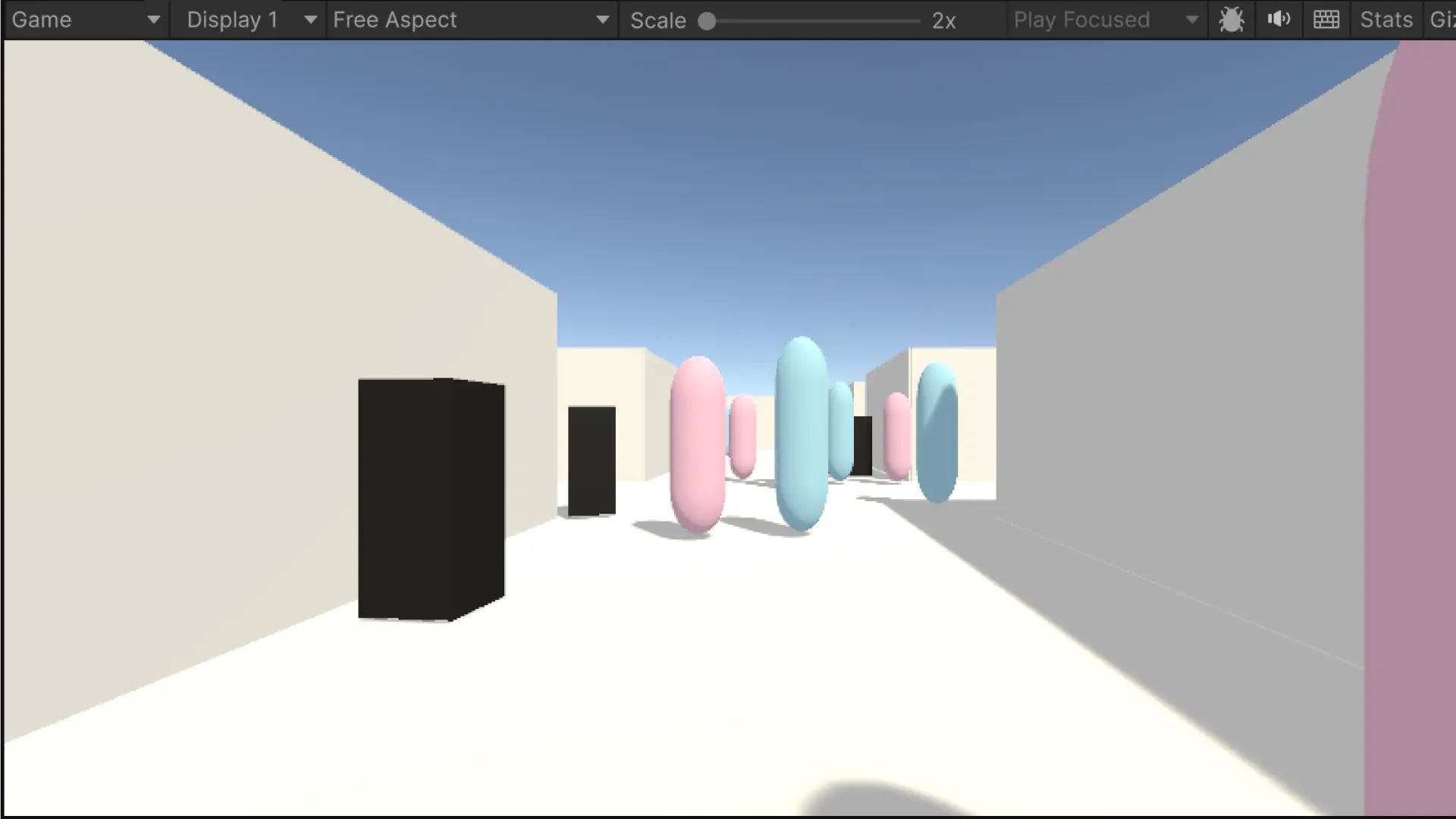
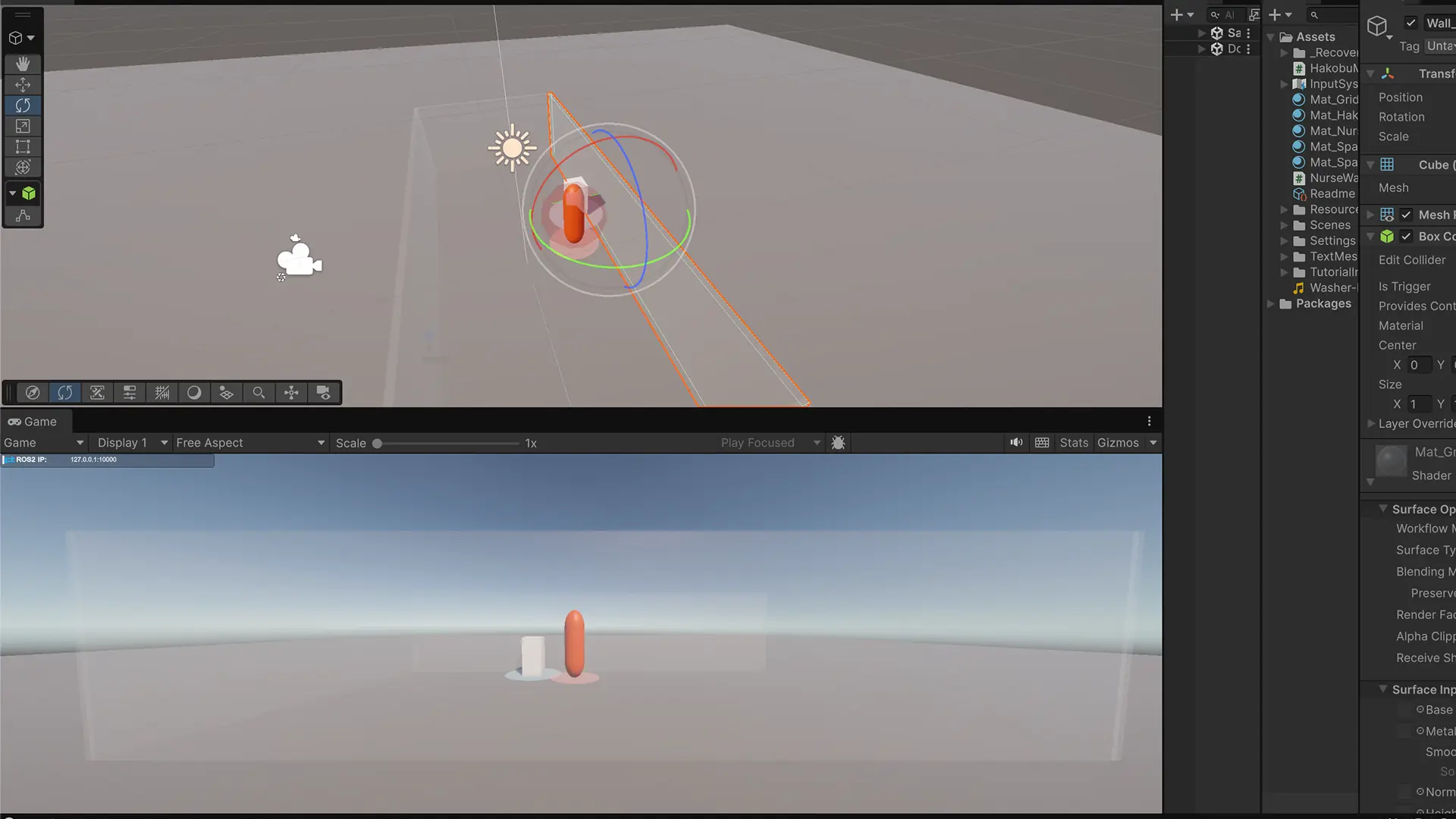
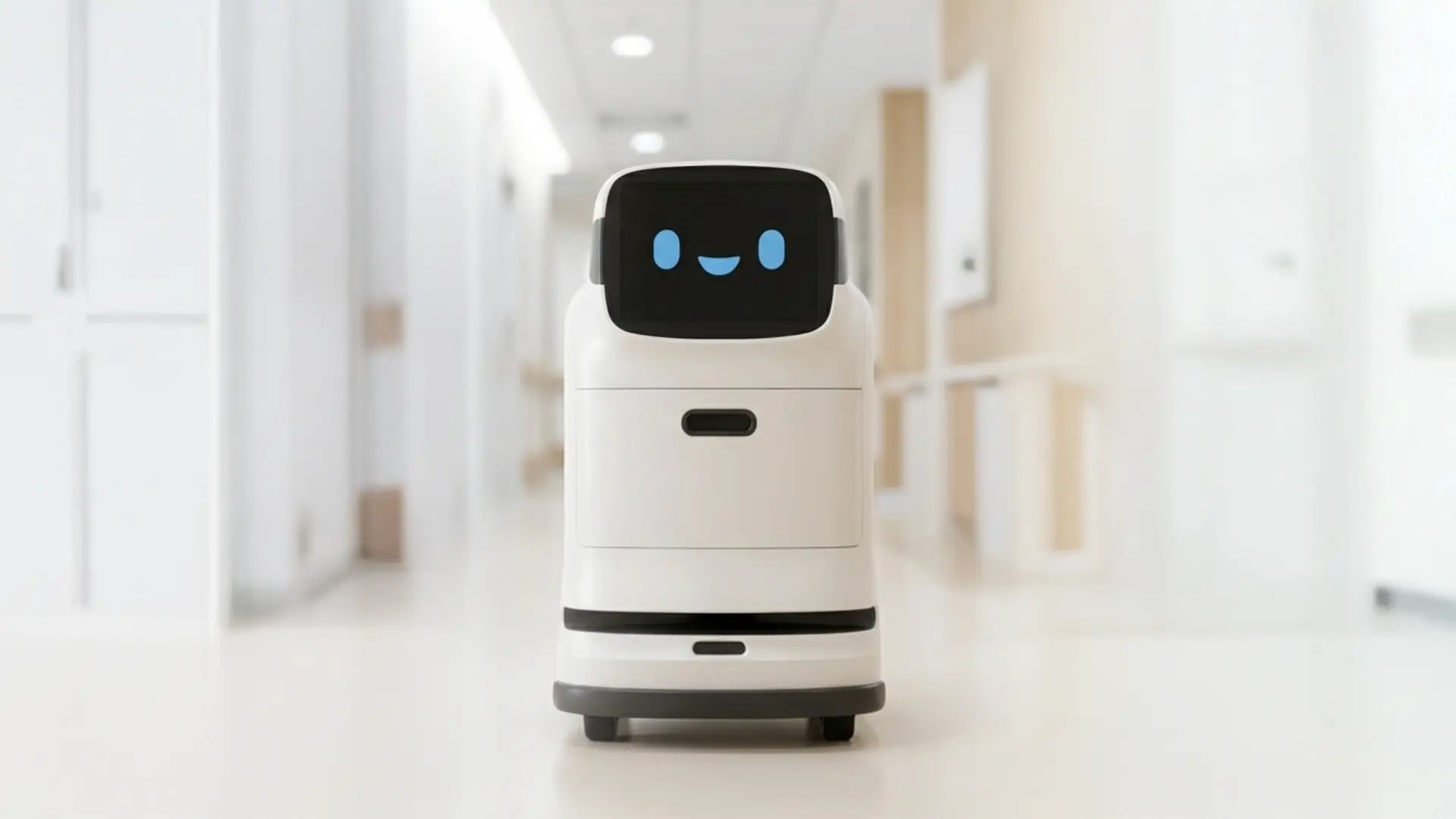
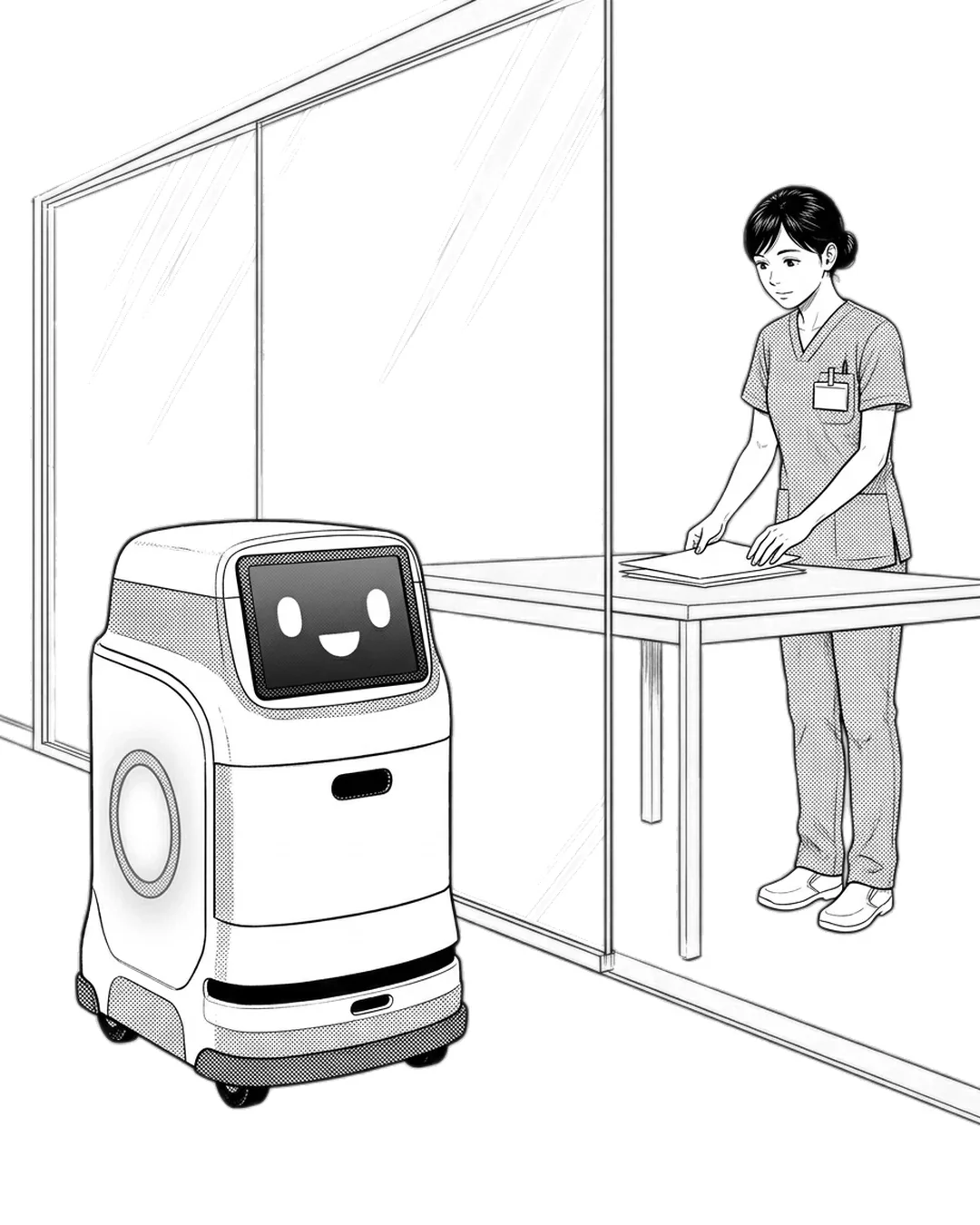
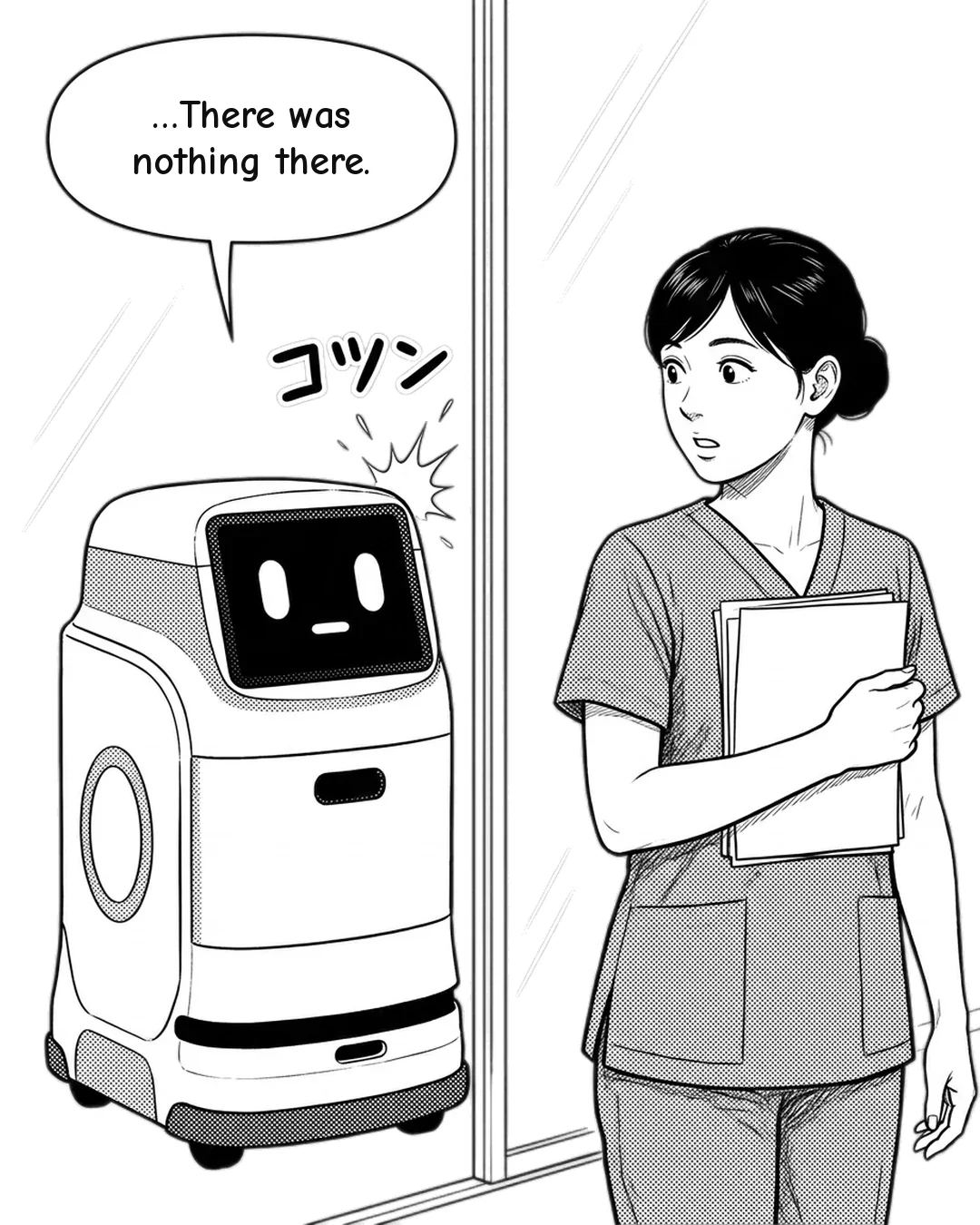
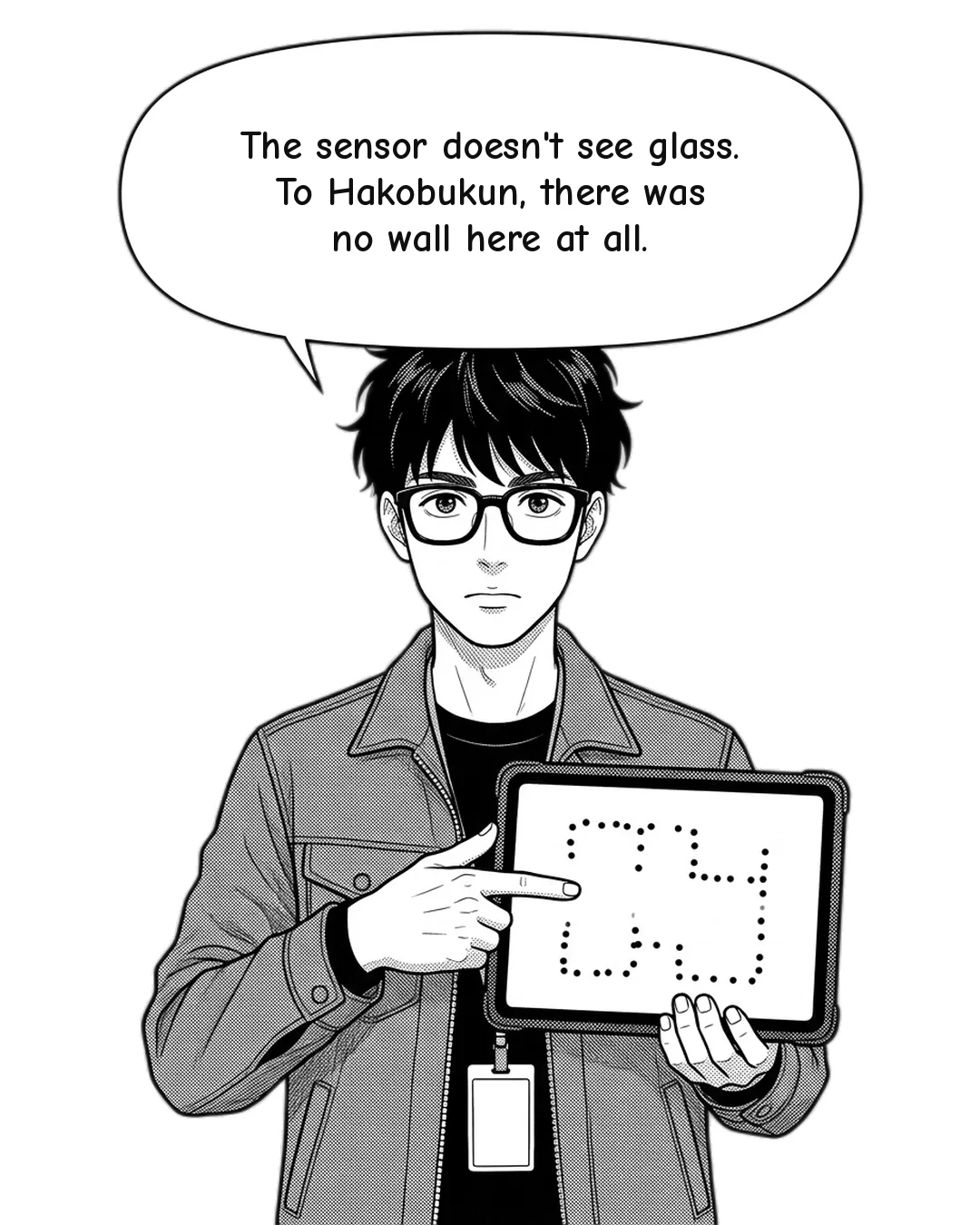
The new consultation room was separated from the hallway entirely by glass. Inside, Oshiro was tidying papers. Hakobukun came down the hallway, tried to turn the corner, and tapped right into the glass. "…There was nothing there." When Makihara checked the records, the sensor had not picked up the glass at all. To Hakobukun, there was no wall.
■ Glass slips past a robot's eyes
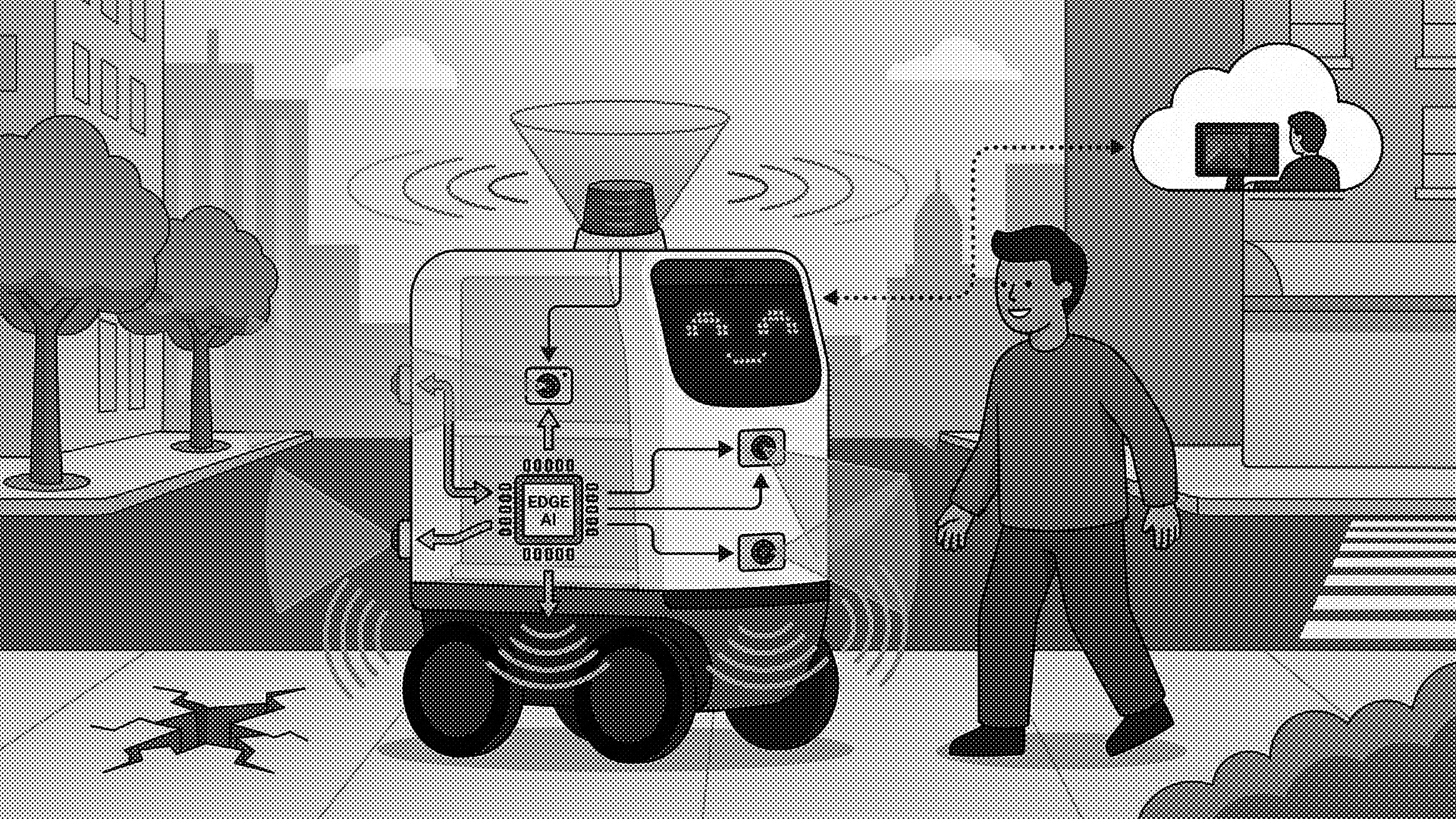
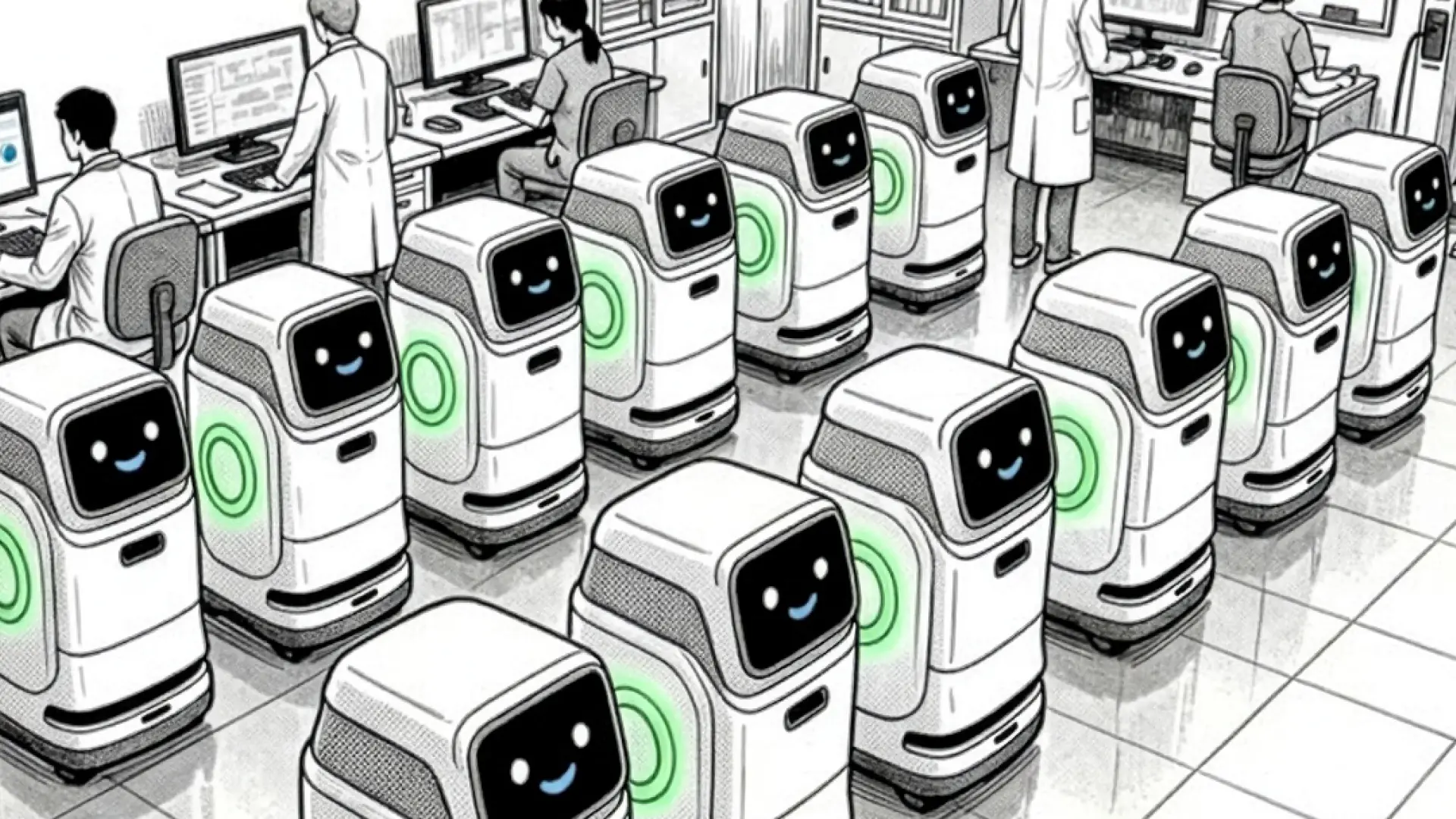
In a report on hospital delivery robots in the U.S. (KQED), a nurse said she had seen the robots bump into computers, glass doors, and each other. In a hospital trial in Kanagawa, Japan, the team set the area near a glass wall as a no-drive zone. Light-based sensors easily miss transparent or mirror-like surfaces. A wall any person sees at a glance can be invisible to a robot.
■ Conclusion: Write what it can't see into the map as no-drive zones
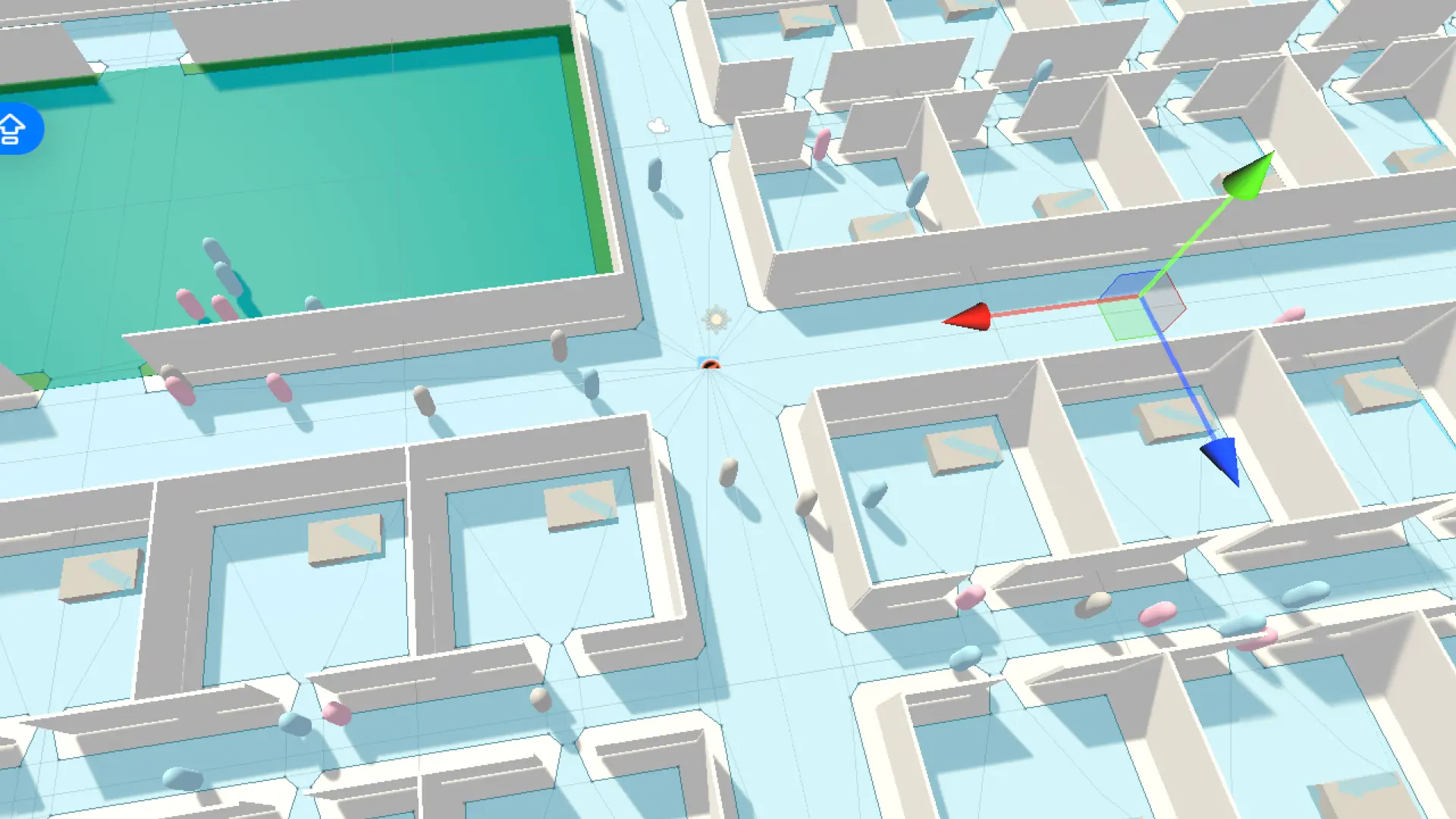
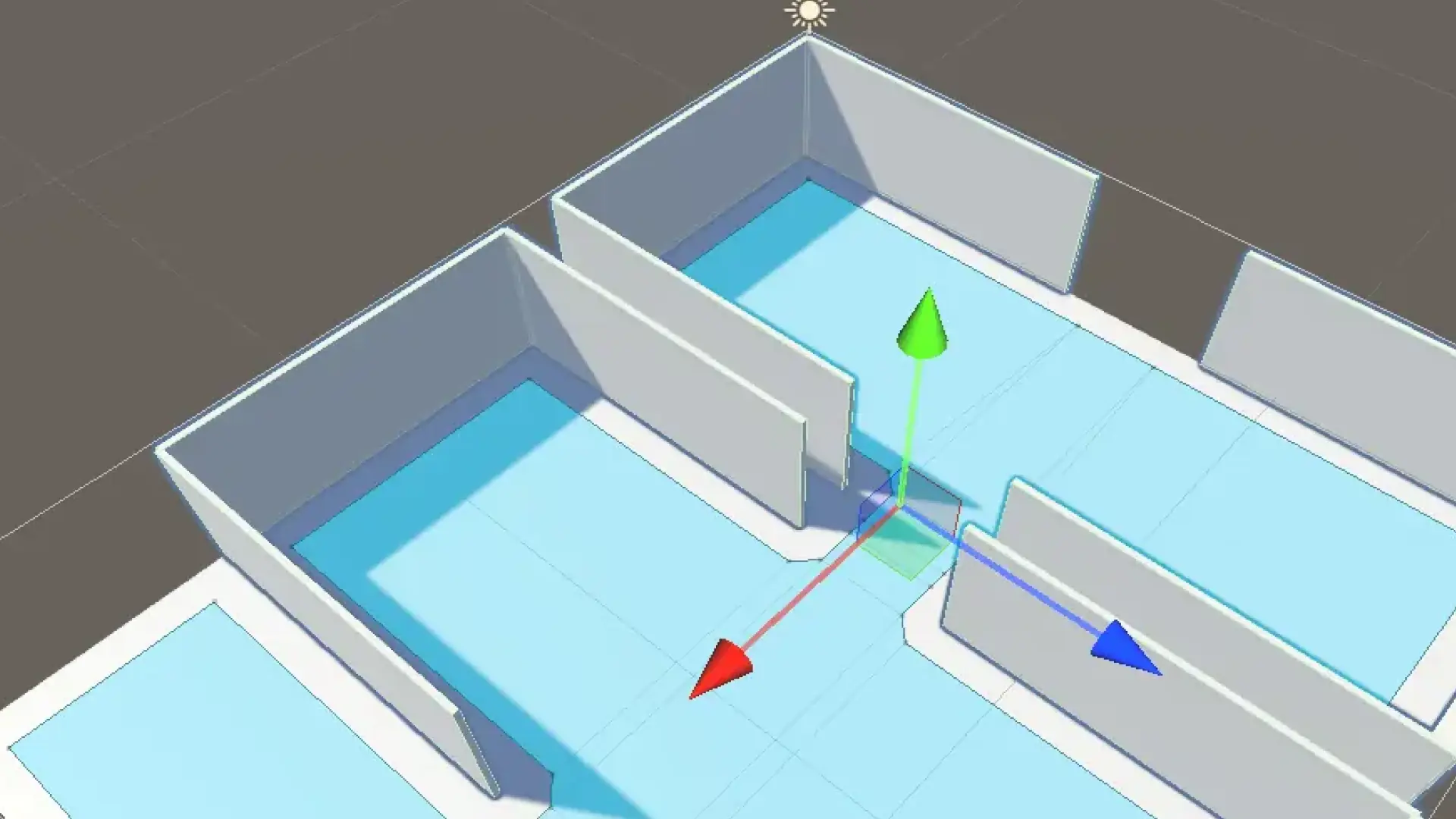
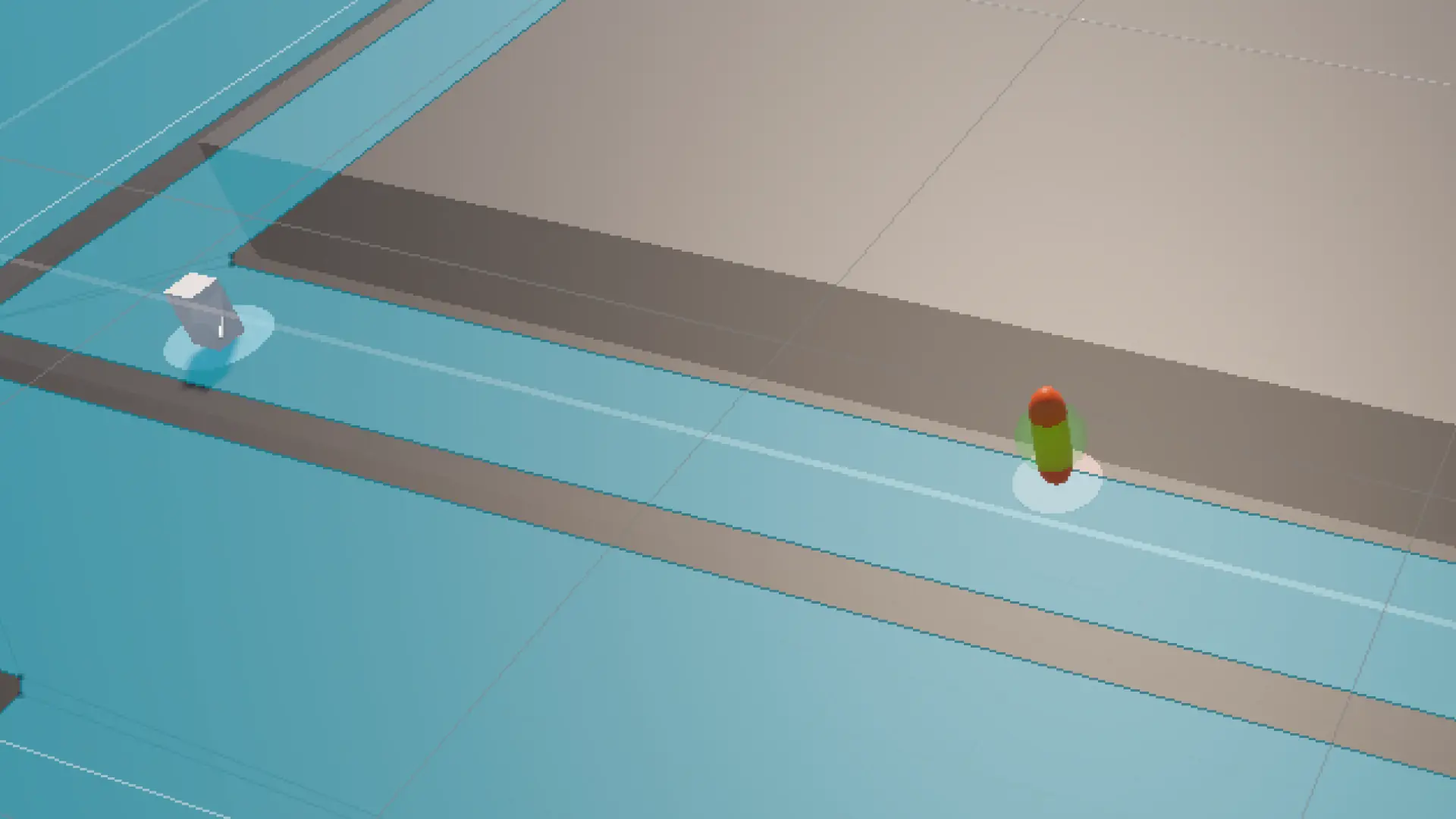
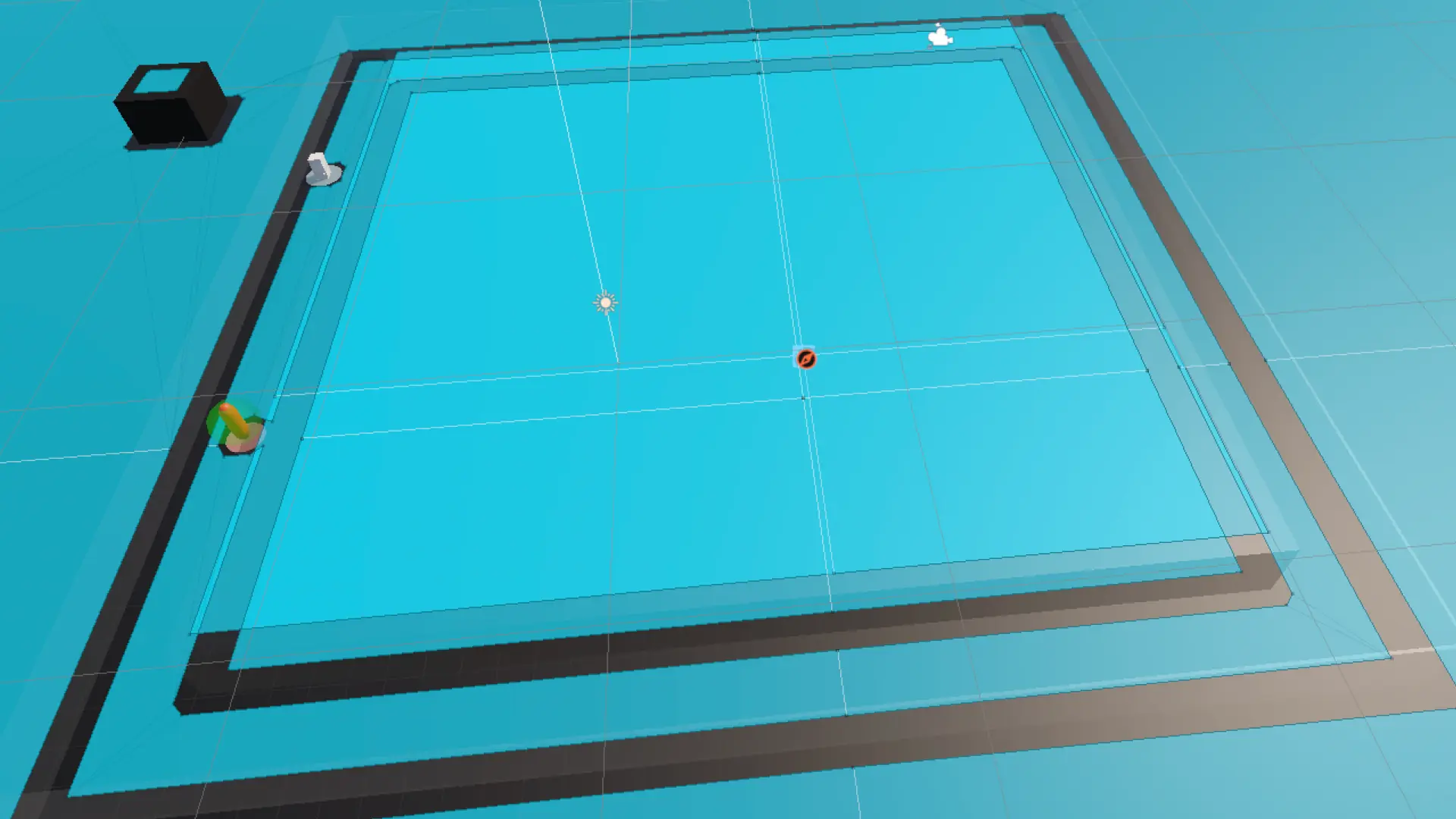
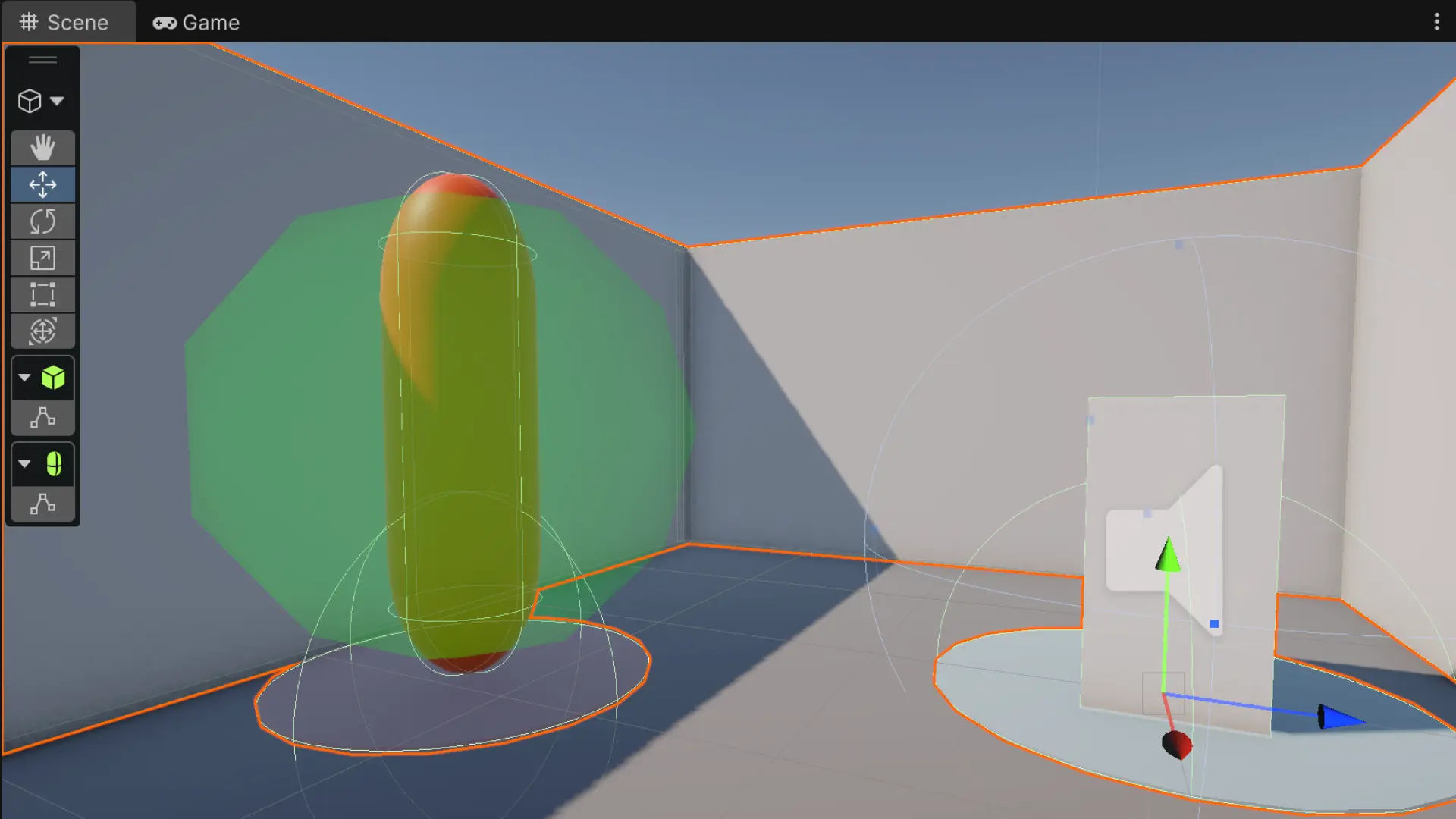
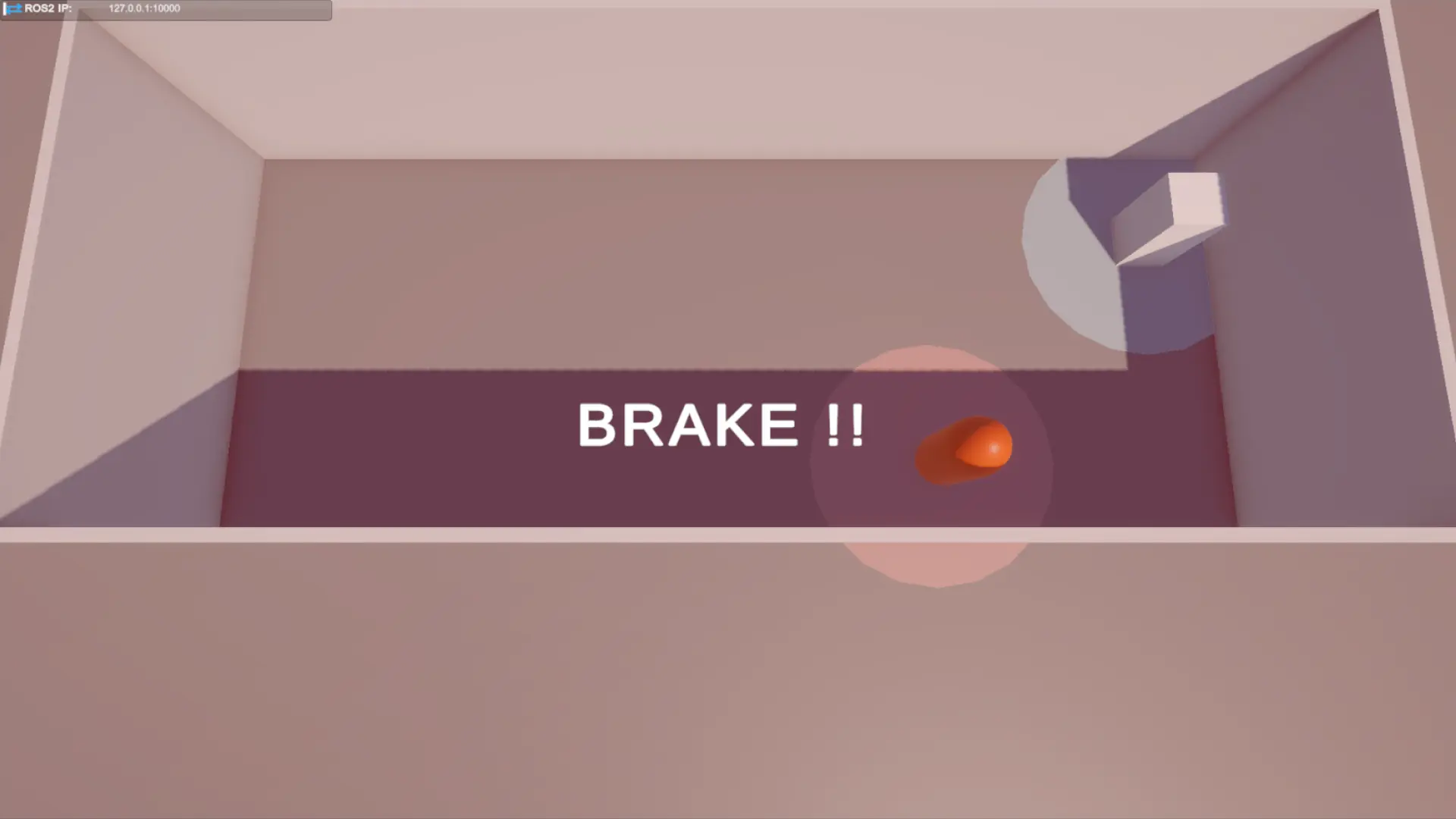
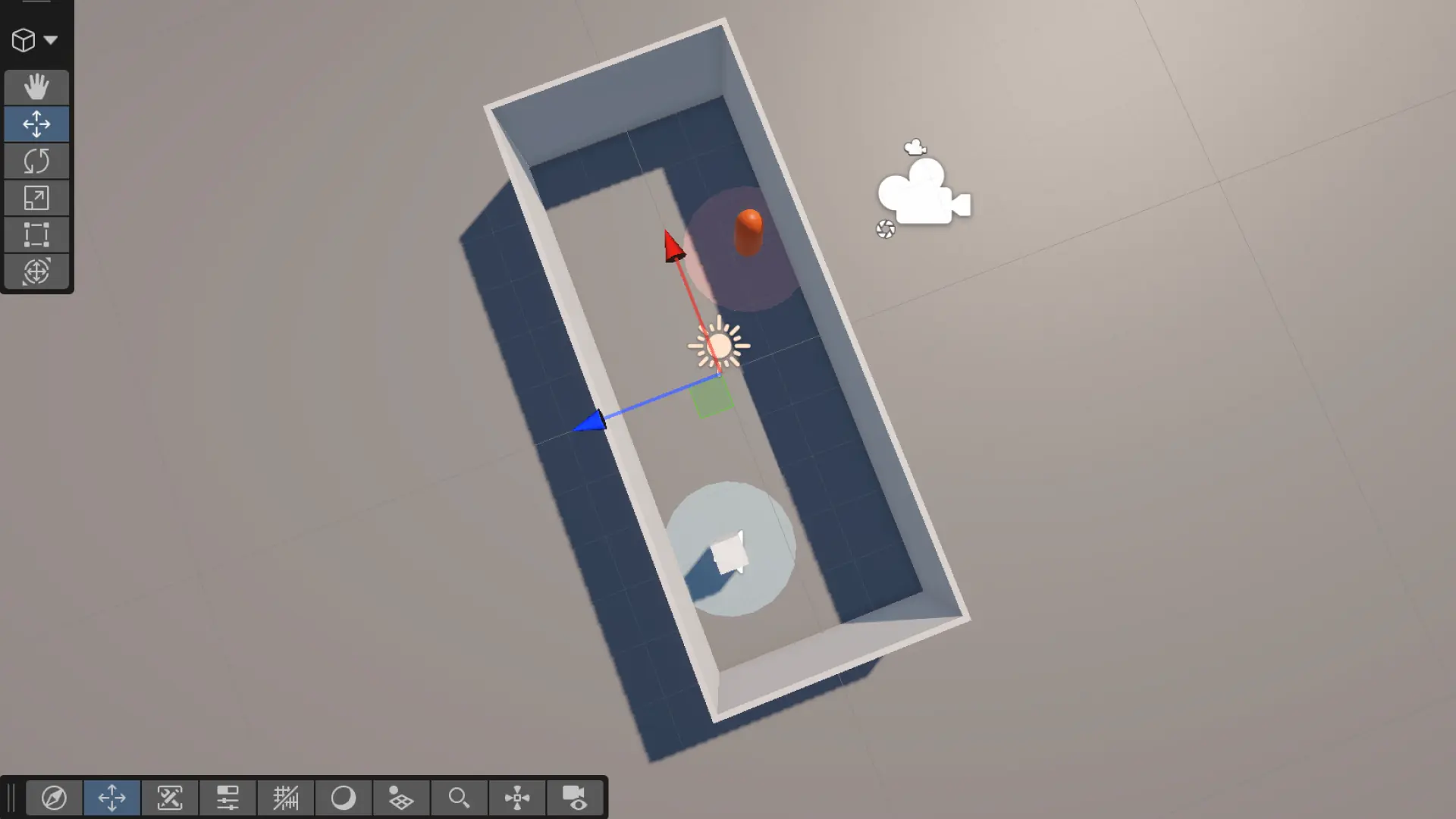
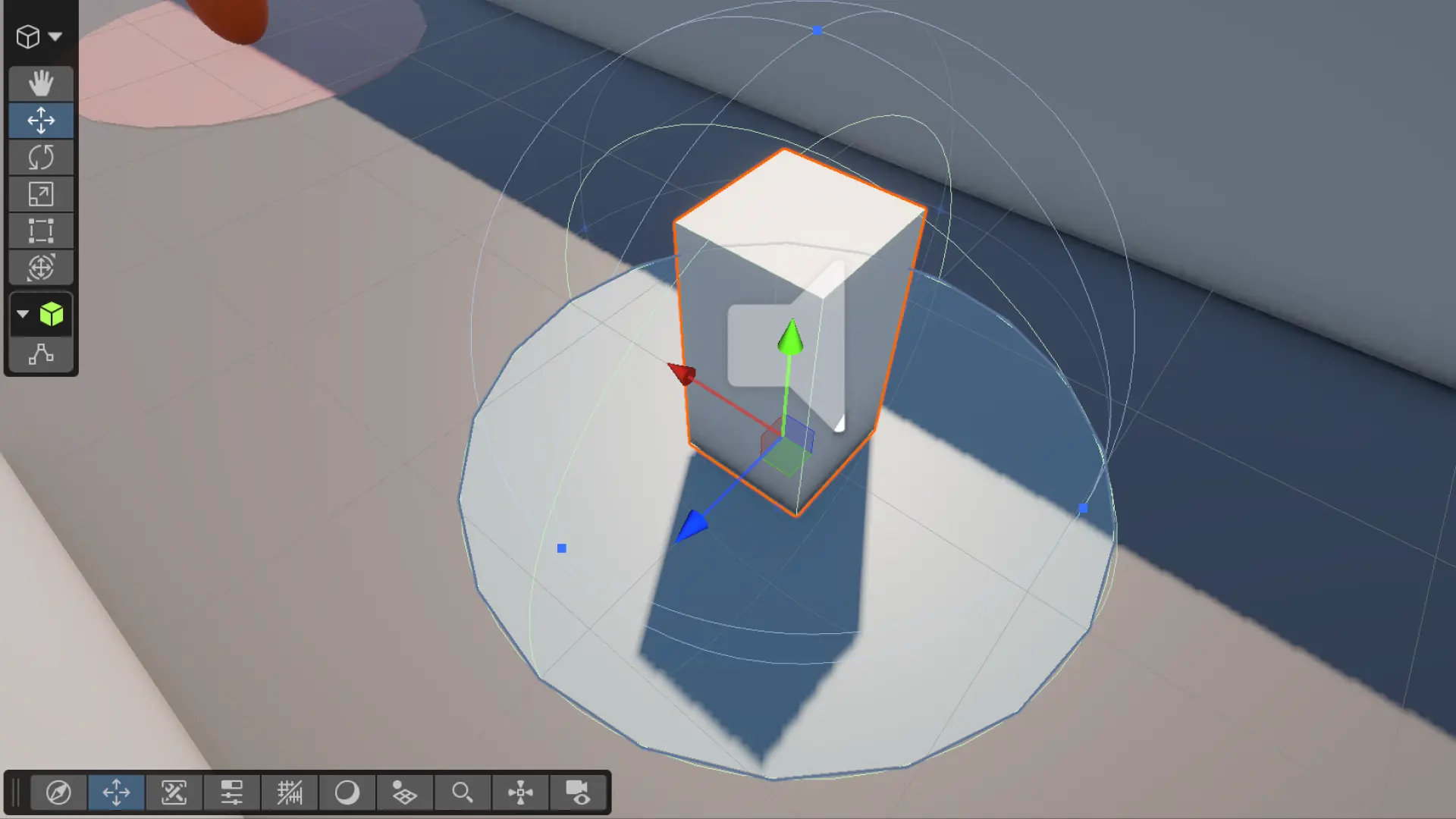
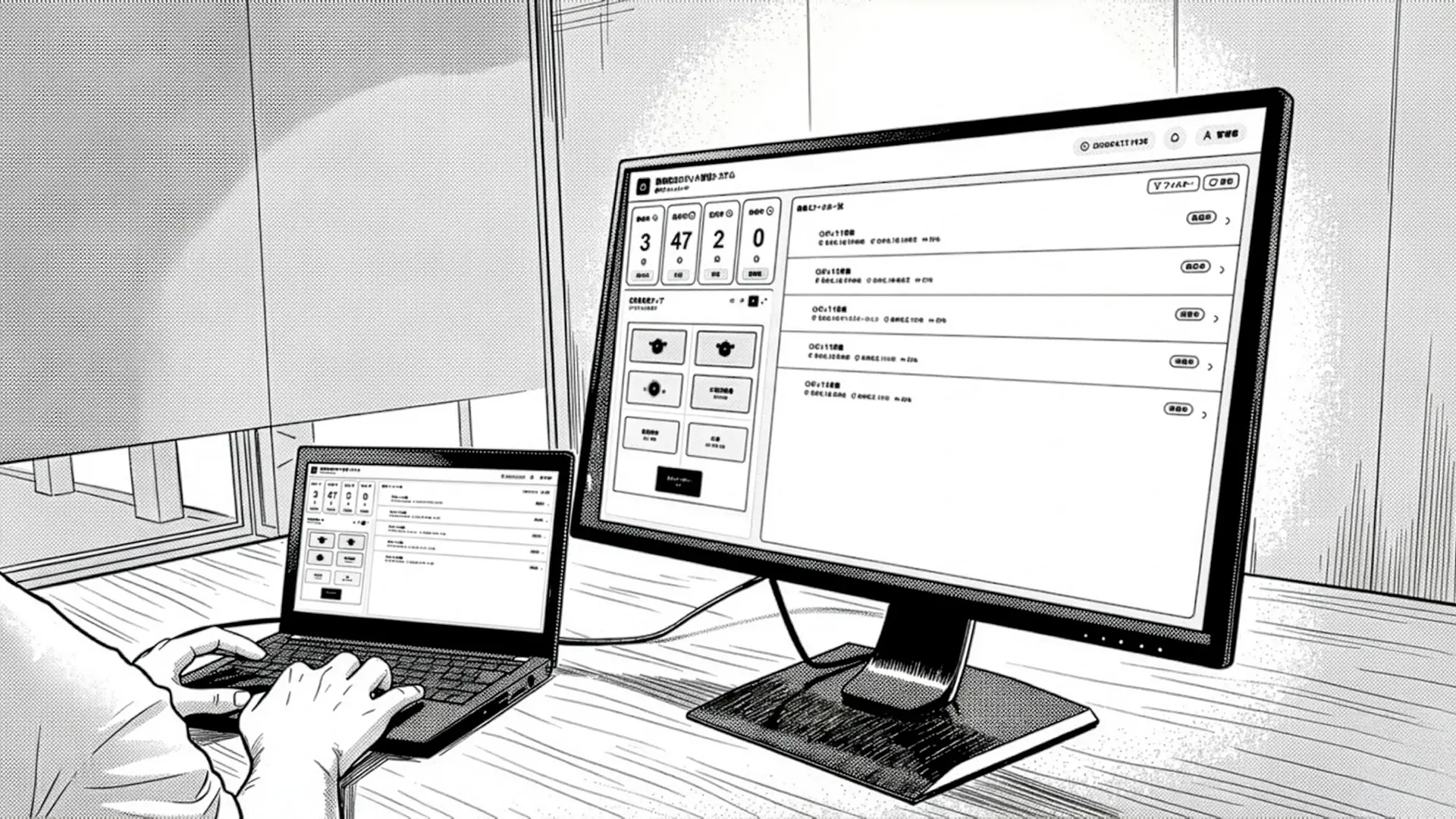
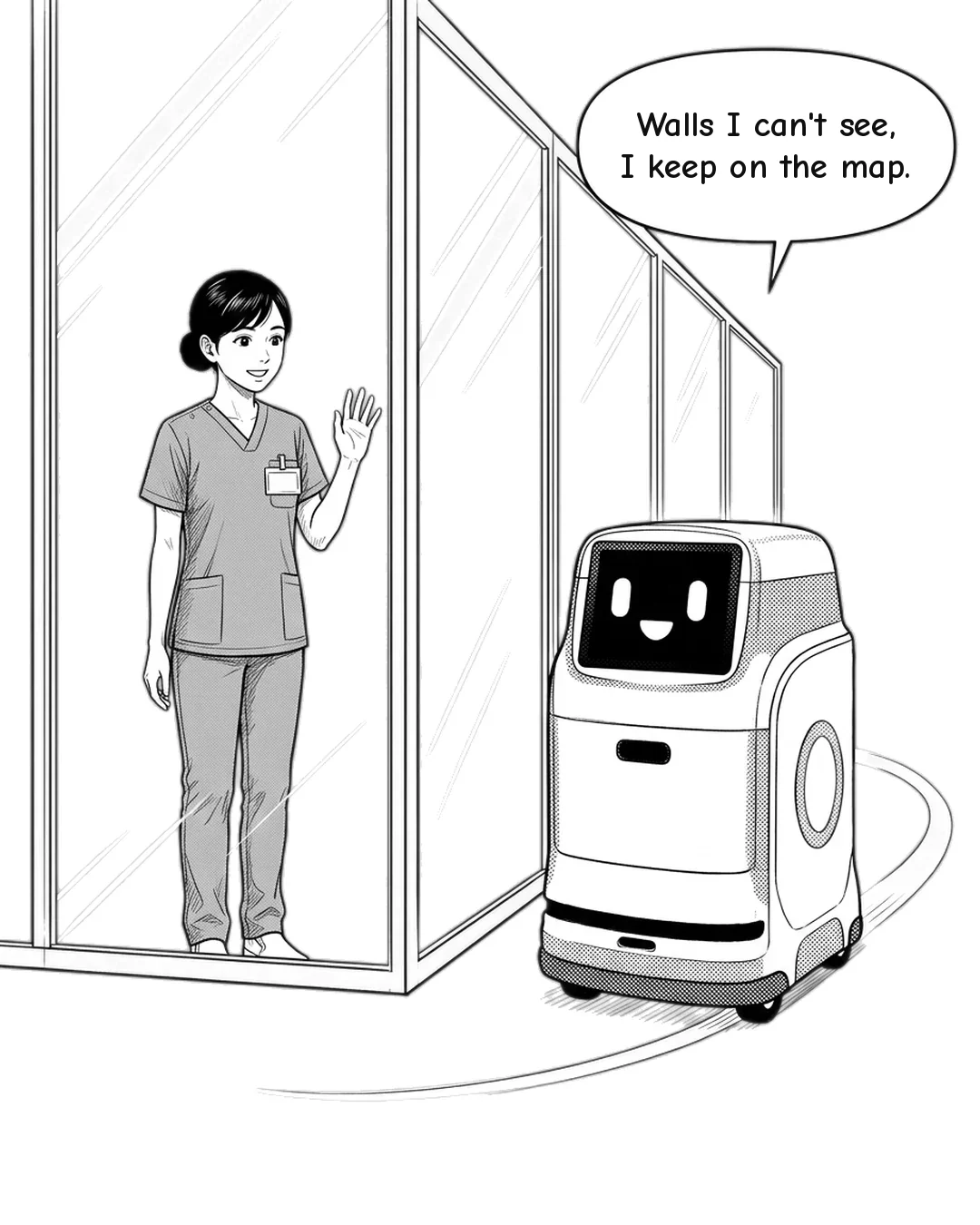
Makihara drew a no-drive strip along the glass wall on the map. Now Hakobukun turns the corner with a little distance. "Walls I can't see, I keep on the map." For things the sensor cannot detect, people teach the robot ahead of time.
When the building changes, update the robot's map with it.