Decide First What Not to Carry
■ A robot's drawer is no substitute for a safe
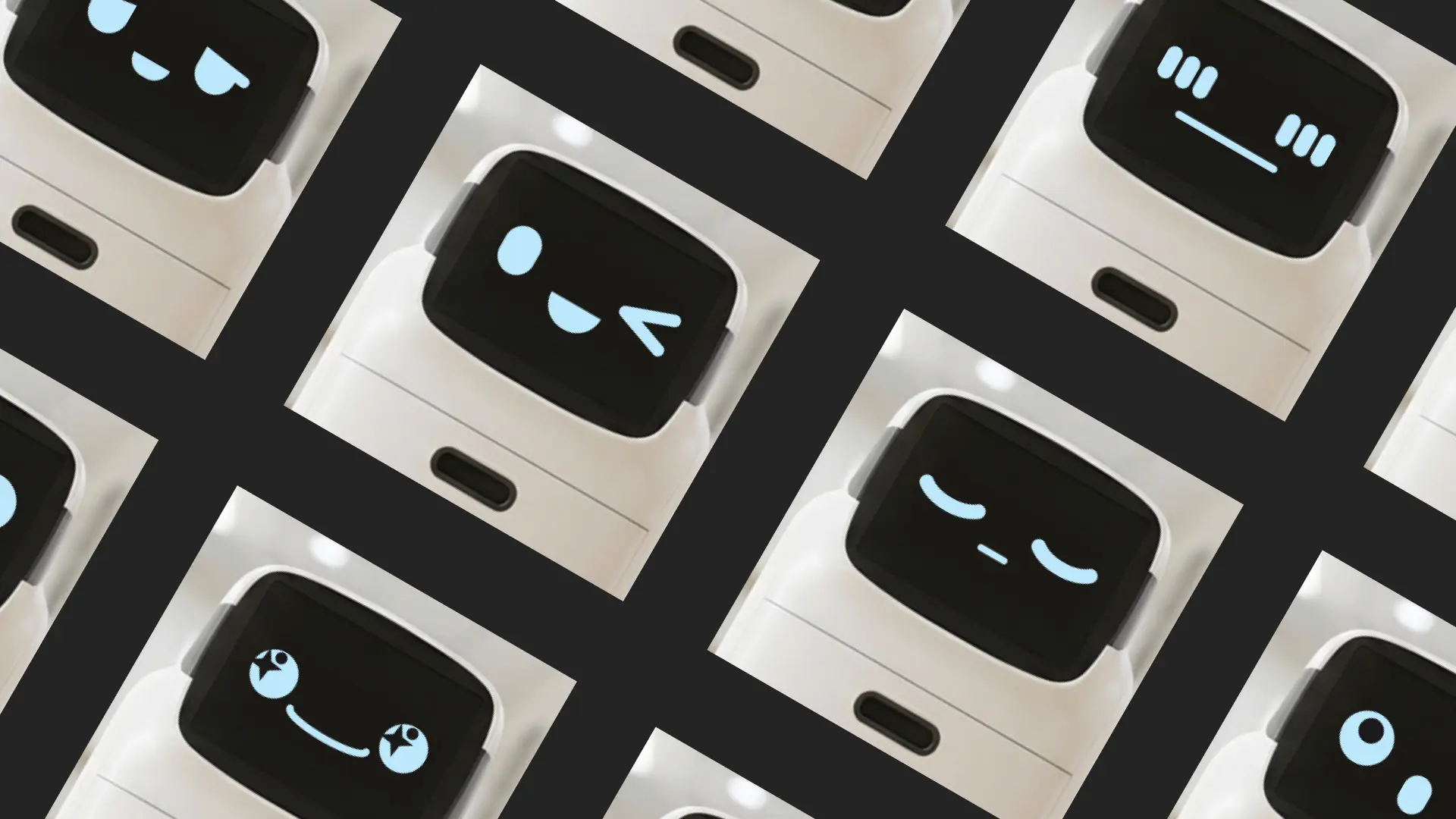
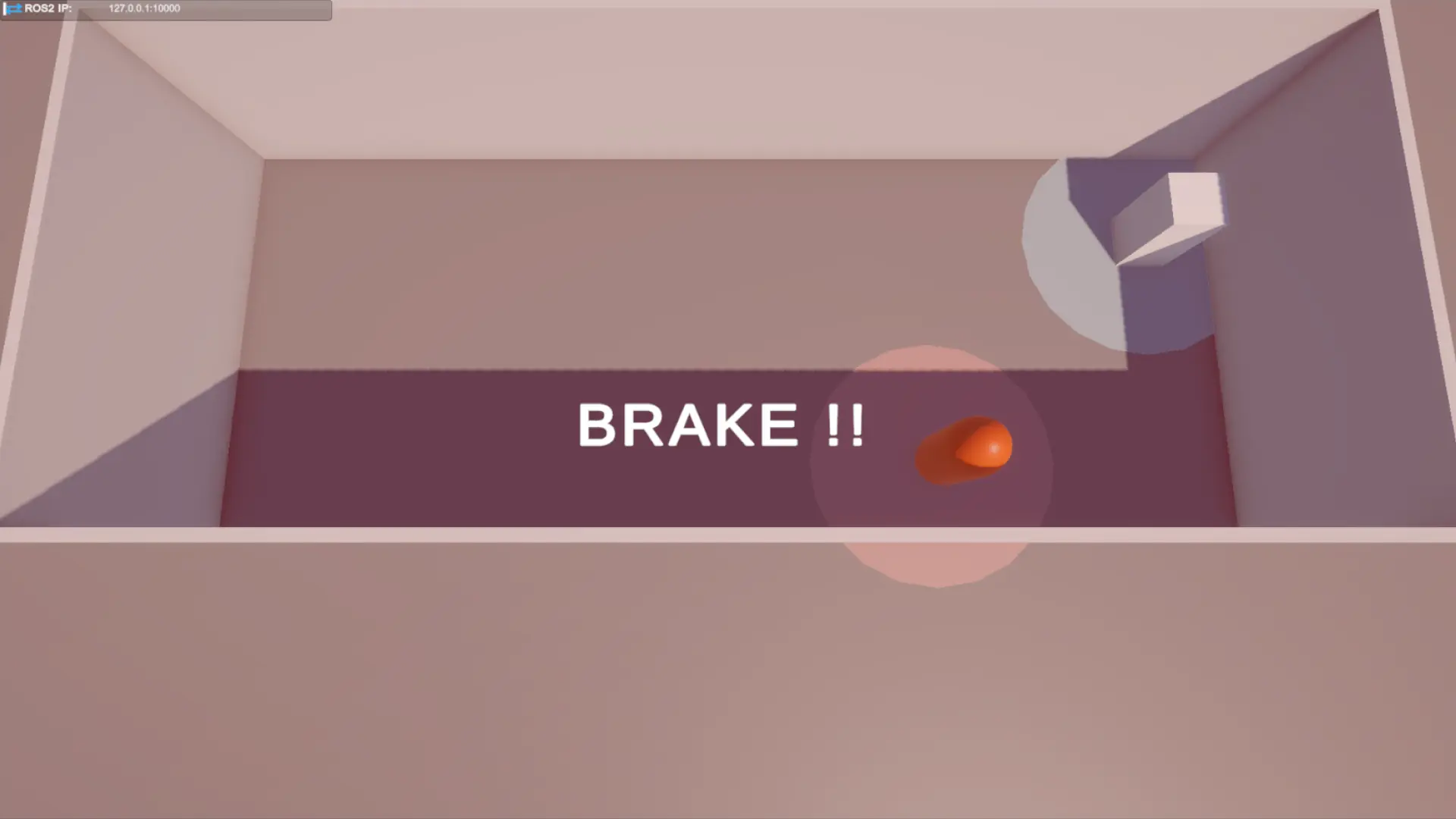
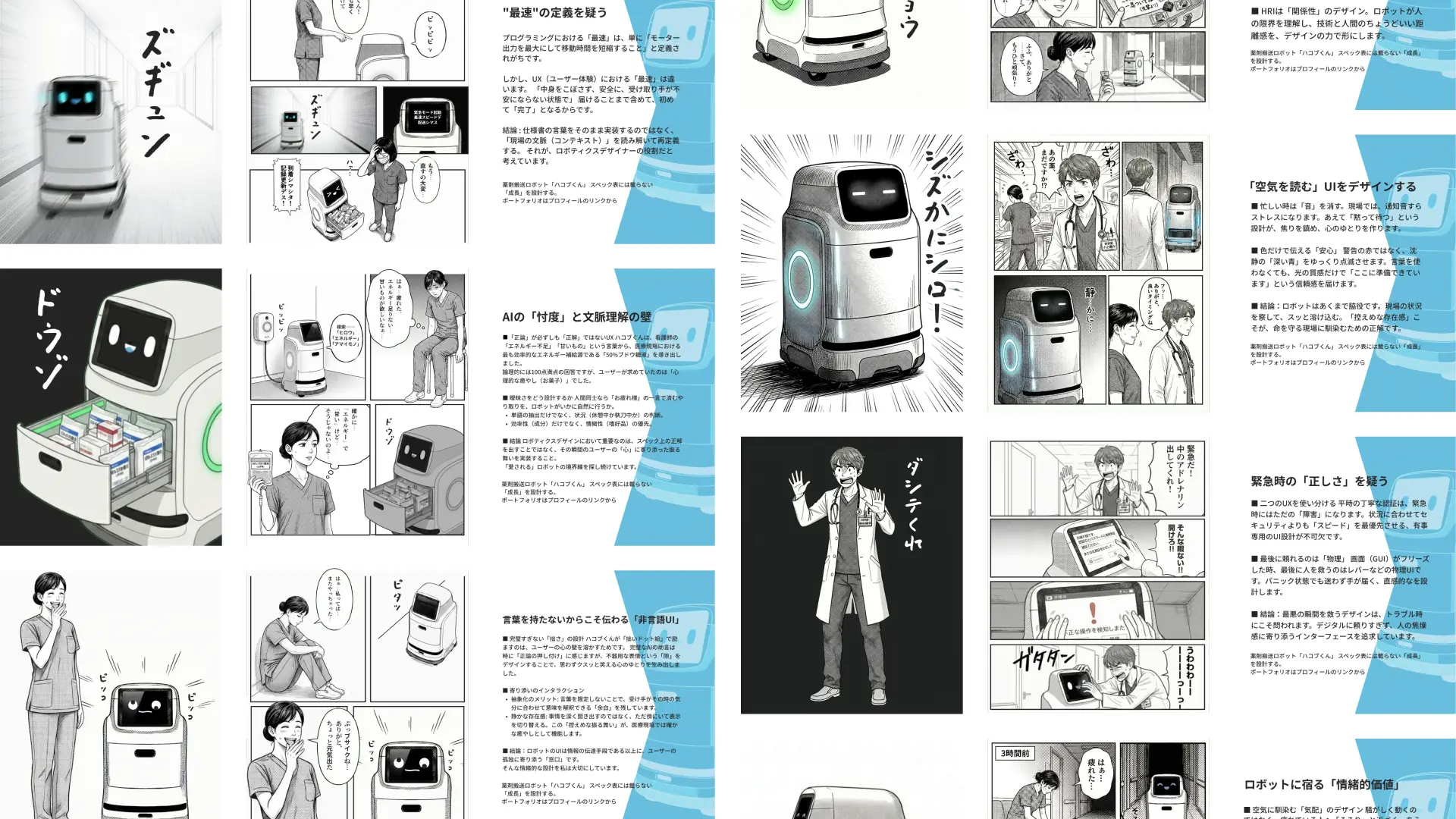
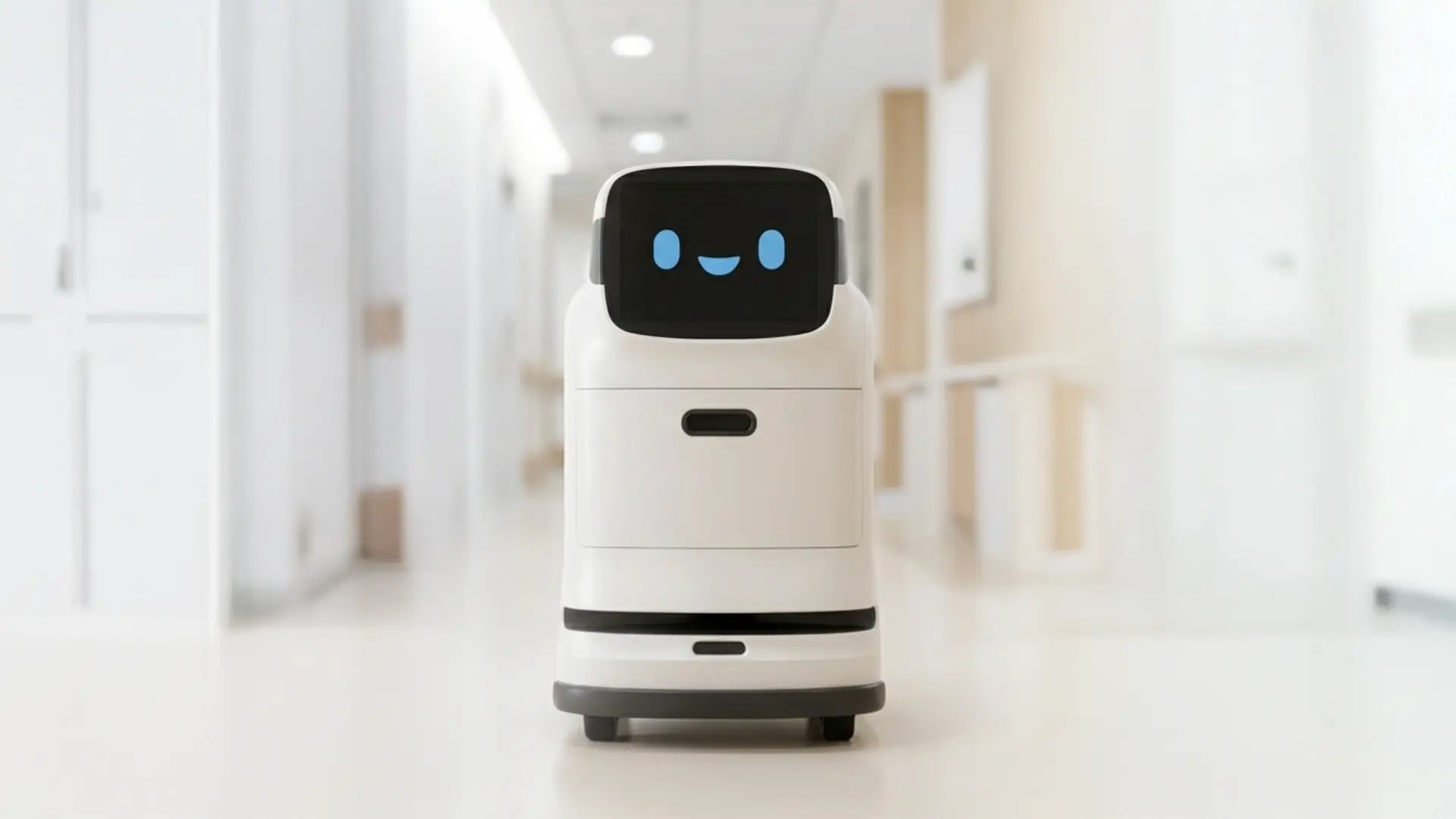
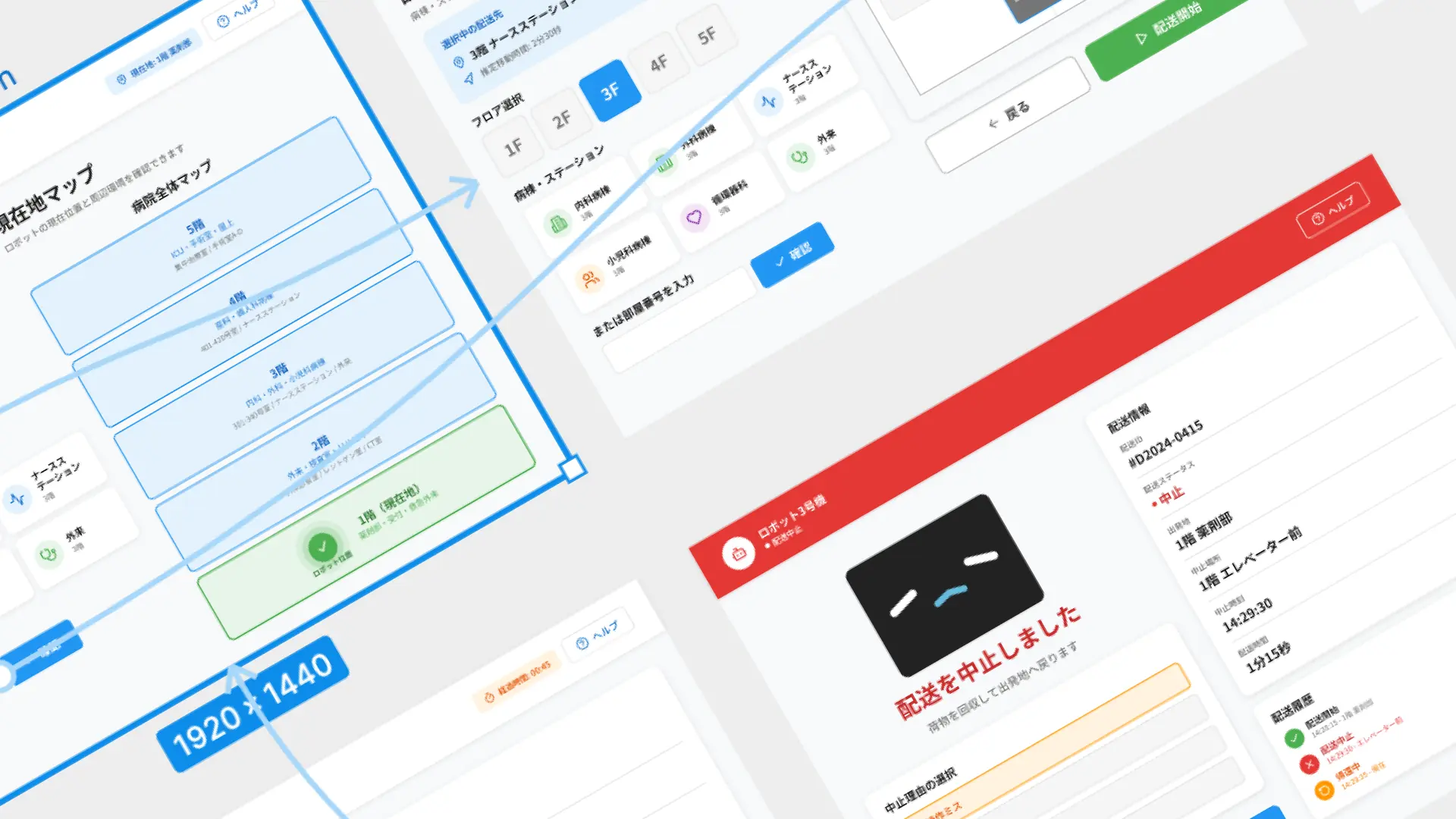
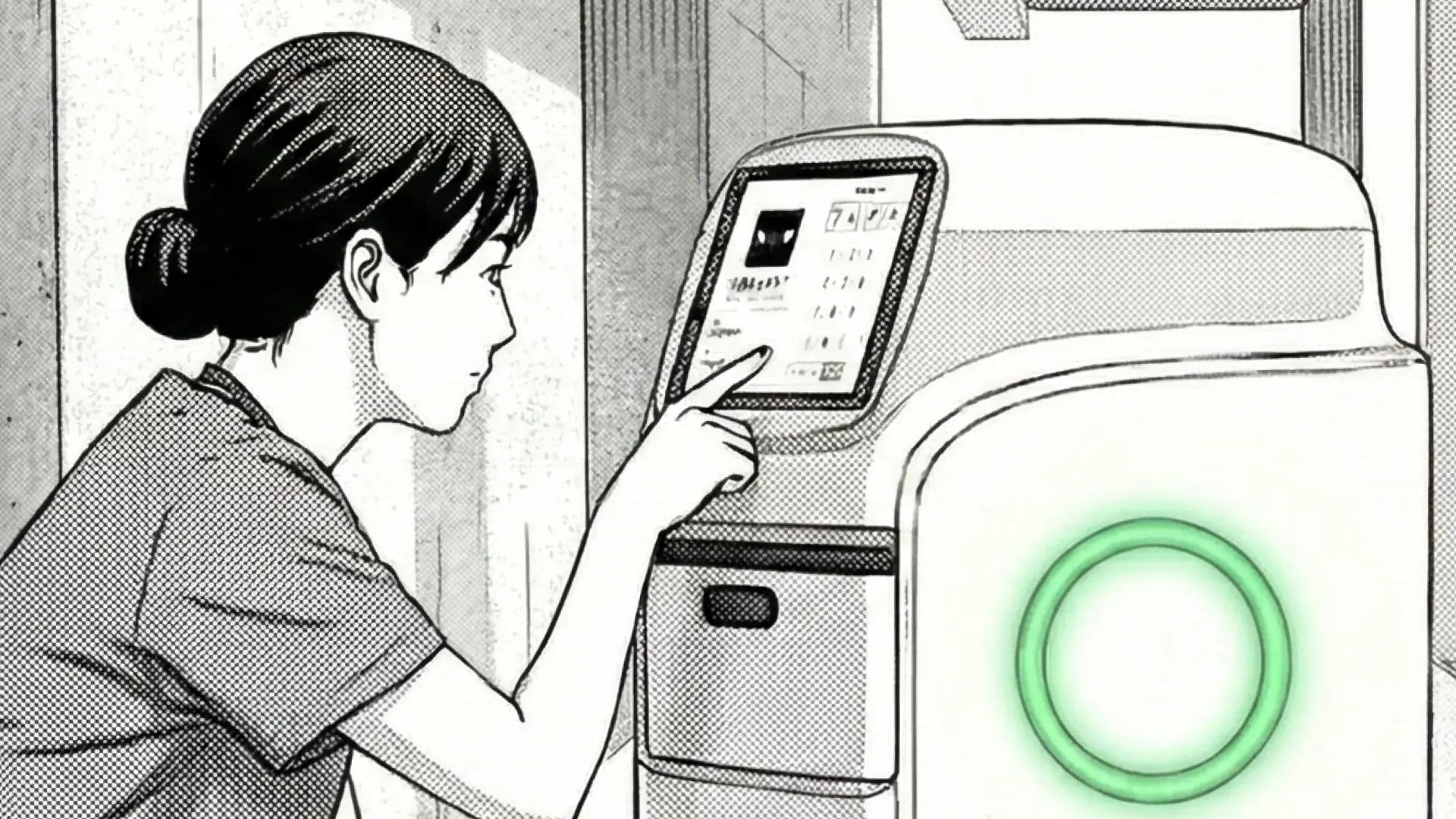
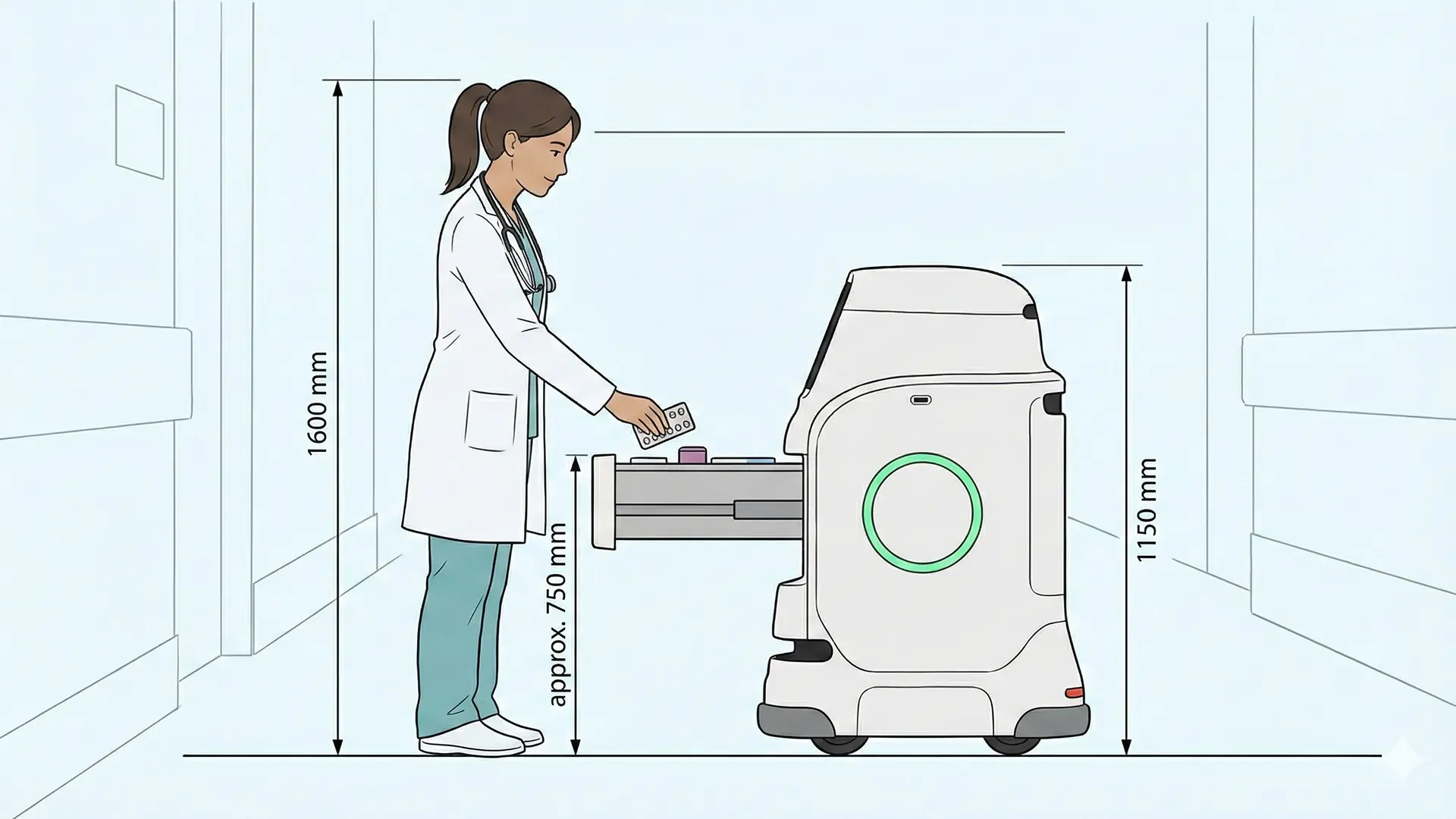
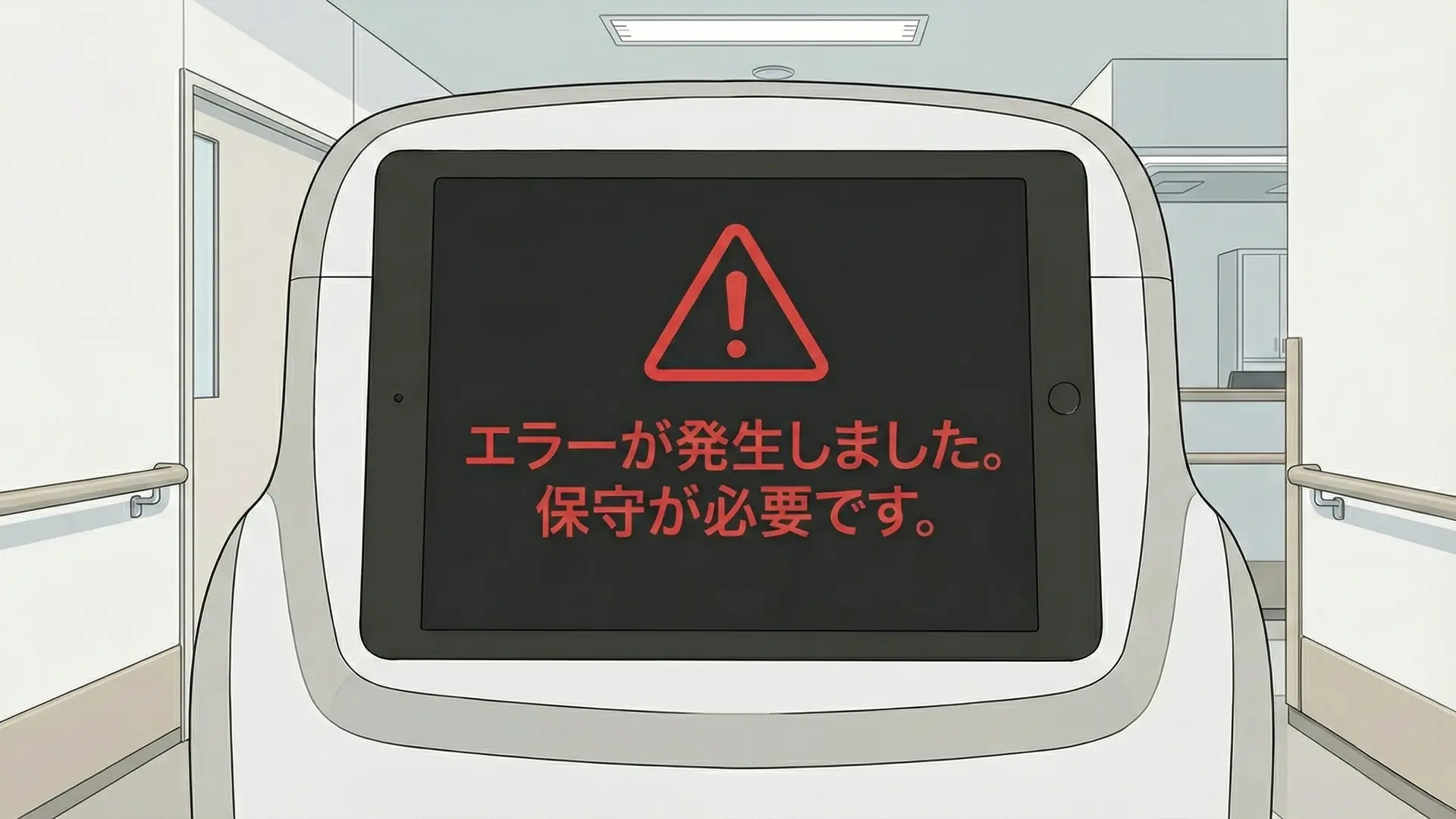
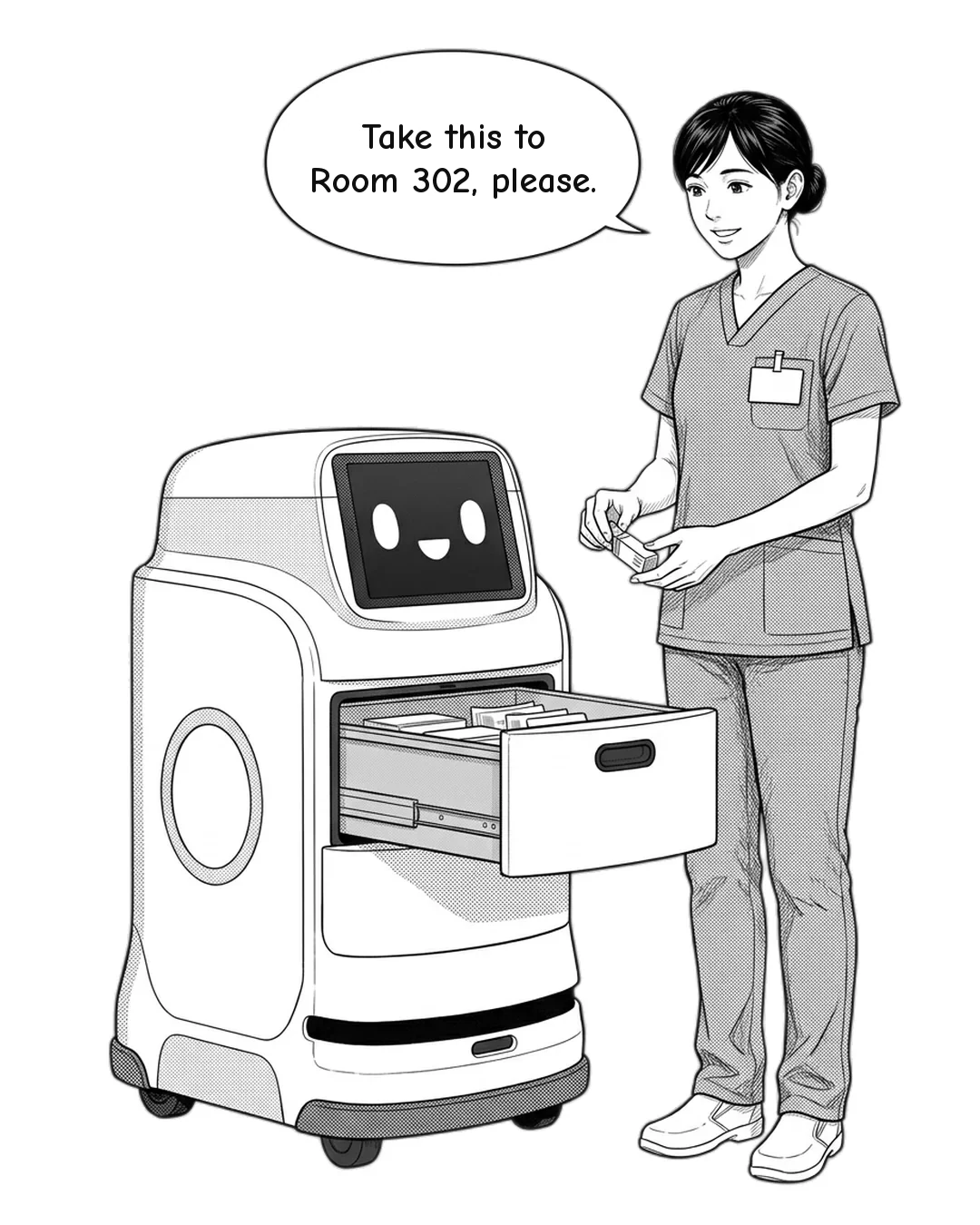
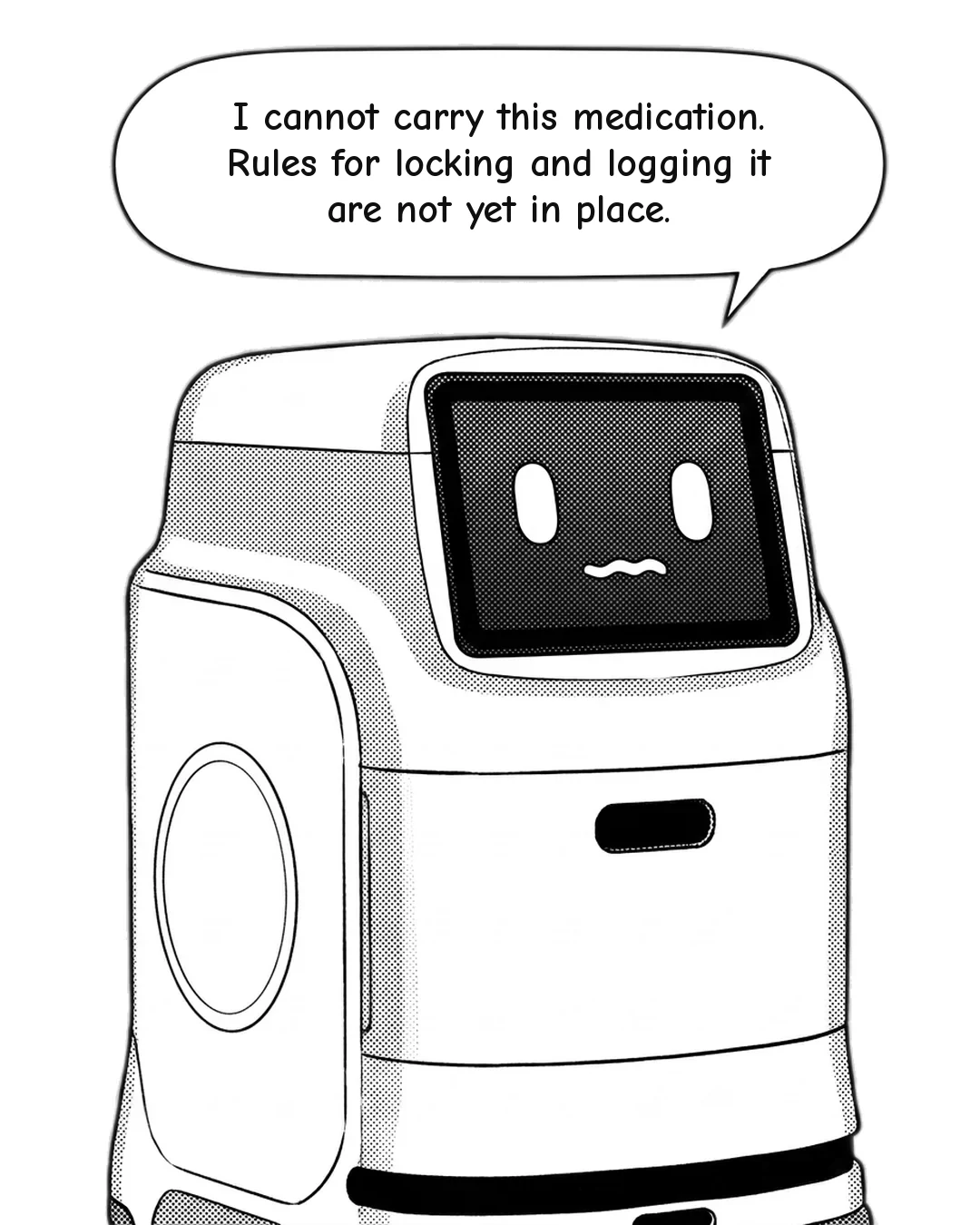
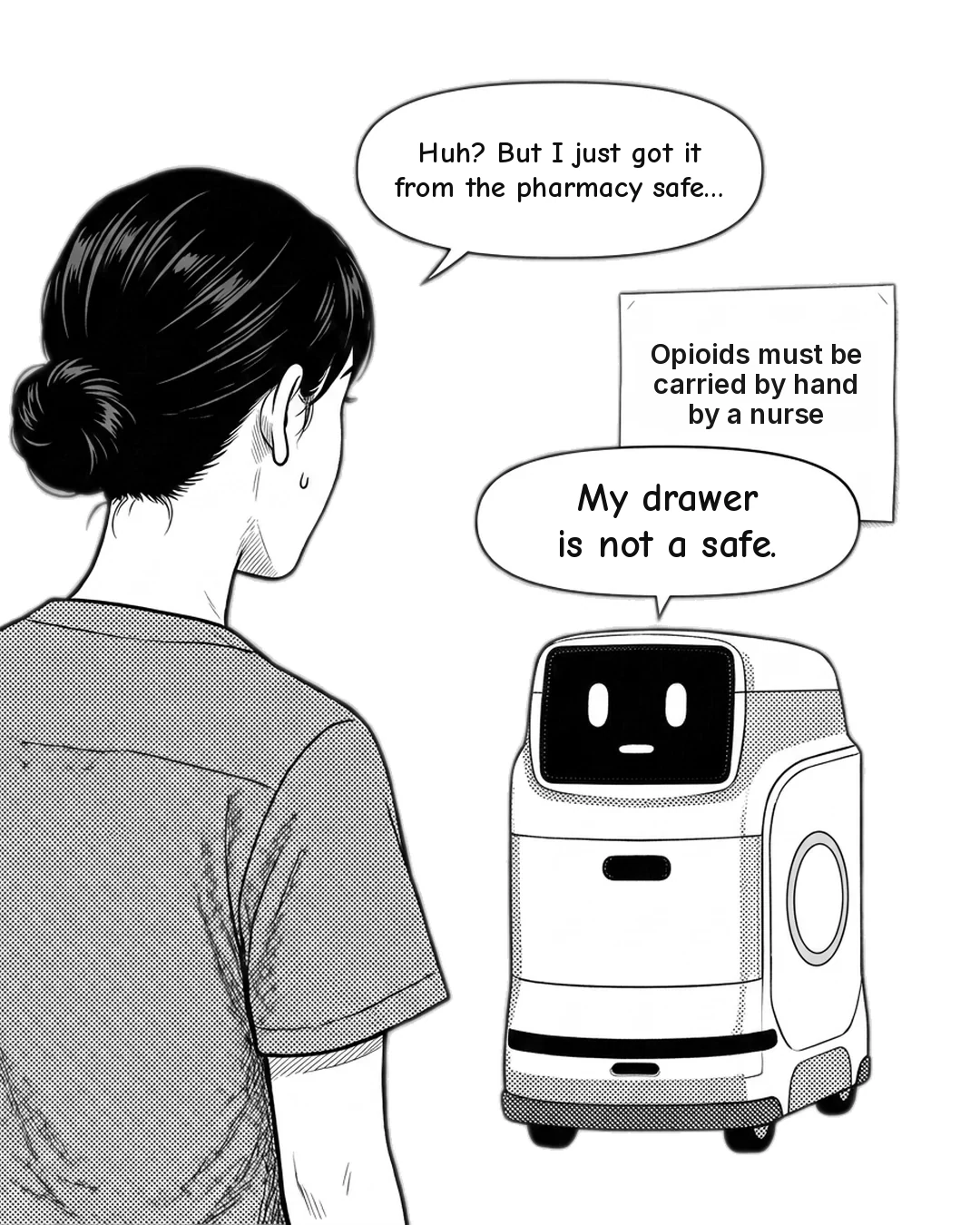
Oshiro tried to put an opioid injection, fresh from the pharmacy safe, into Hakobukun's drawer. Hakobukun's screen switched to a red frame: “I cannot carry this medication.” The drawer closes, but it isn't a safe, and it leaves no record of who opened it along the way. For some items, protection is weaker on the way than it is in storage.
■ Opioids need locks and logs even in transit
Hospitals are required to keep opioids in a sturdy, locked cabinet and to log every time they go in or out. The corridor between the safe and the patient's room is not exempt from those rules. Would anyone know if the drawer were opened on the way? If the drug went missing, who would be responsible? Without answers to these questions, the drug might arrive, but the chain-of-custody record would break somewhere in between.
■ Conclusion: Decide first what the robot won't carry
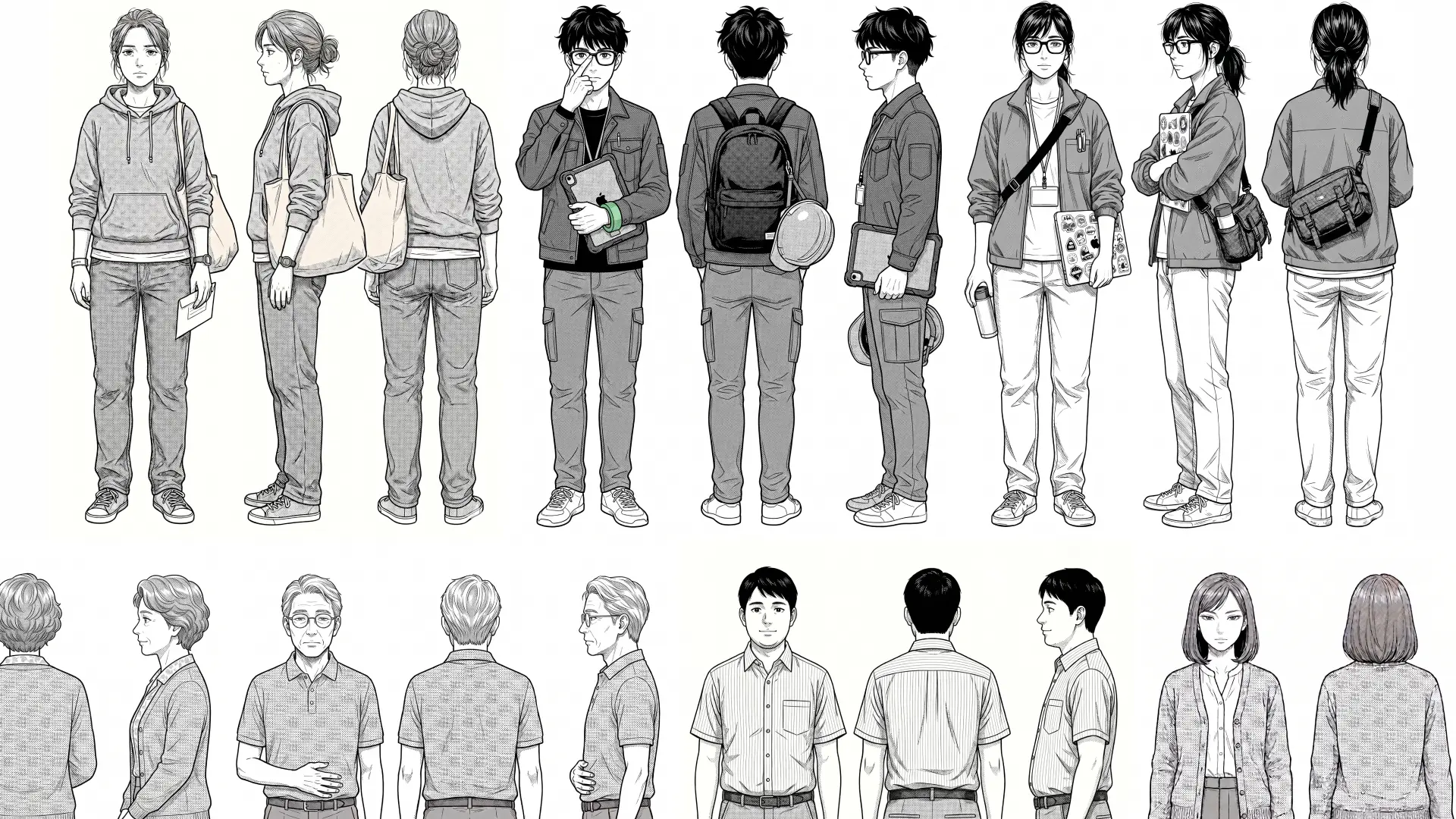
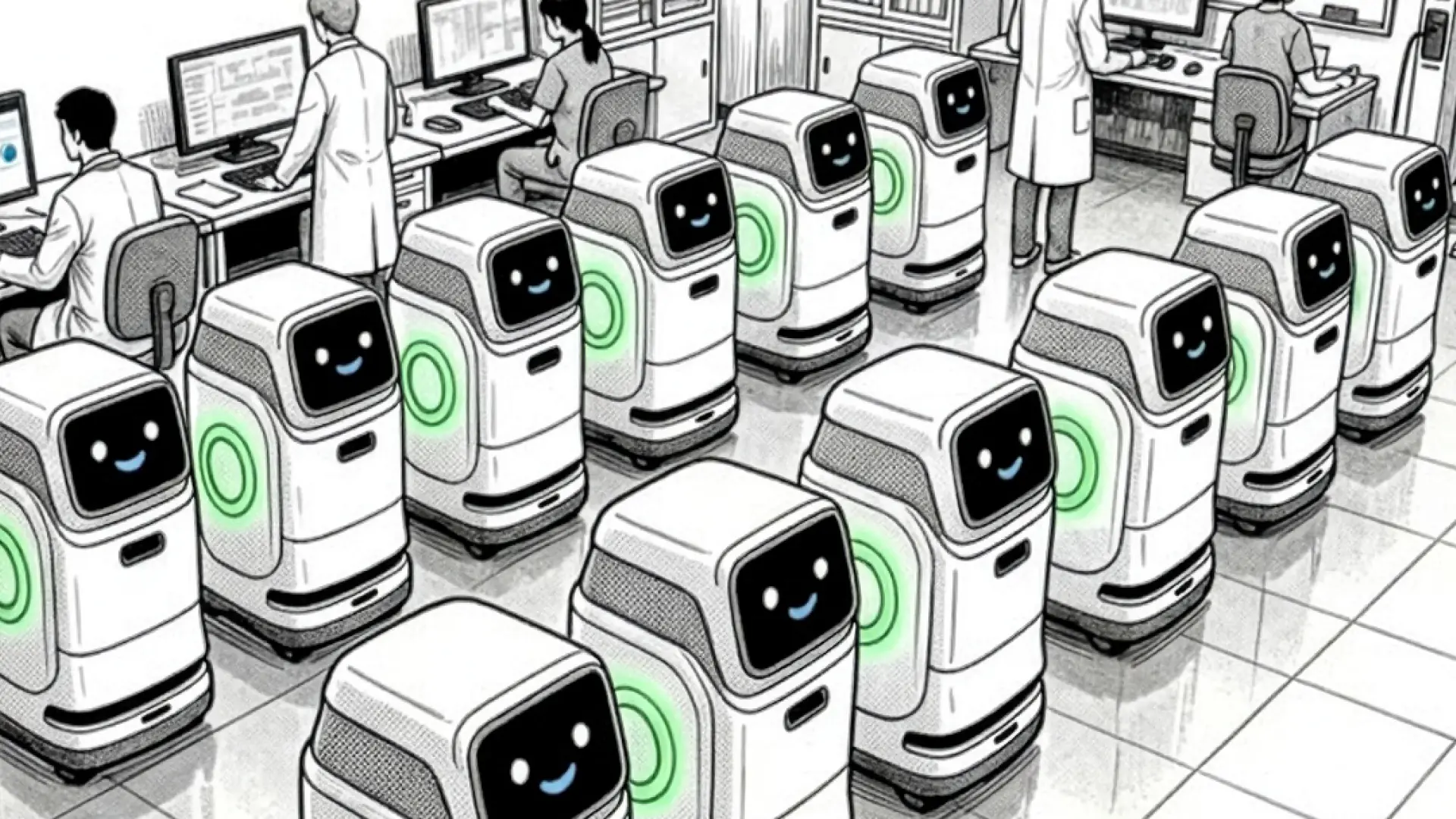
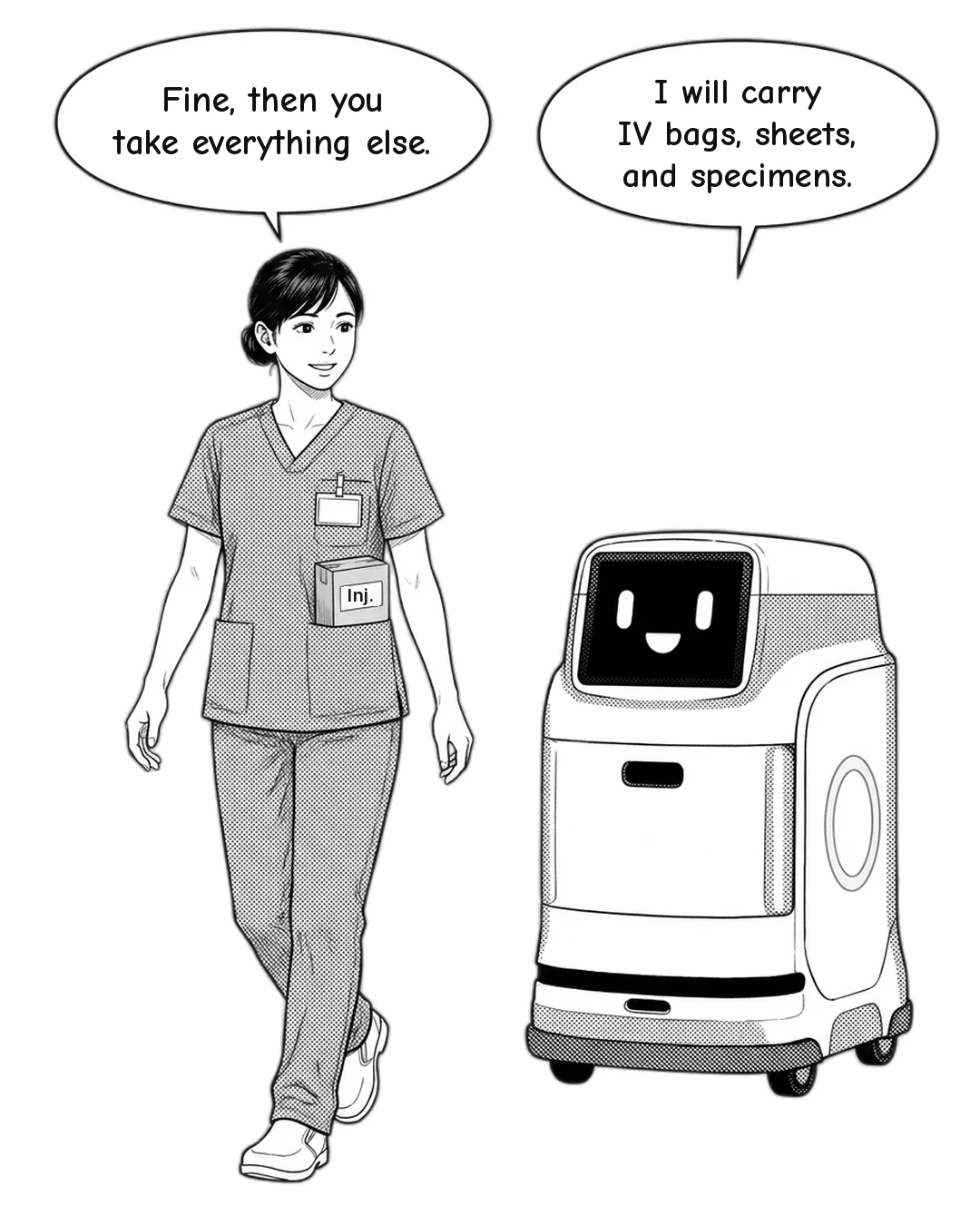
Oshiro slipped the injection into her own pocket and set off walking beside Hakobukun: “Fine, then you take everything else.” The robot carries IV bags, sheets, and specimens; nurses carry opioids by hand. Adopting a robot isn't only about adding more things it can carry. Making it clear what stays off the robot until the rules are ready lets you hand over the rest of the deliveries with confidence.
Only once you've decided what not to send can you trust the robot with everything else.