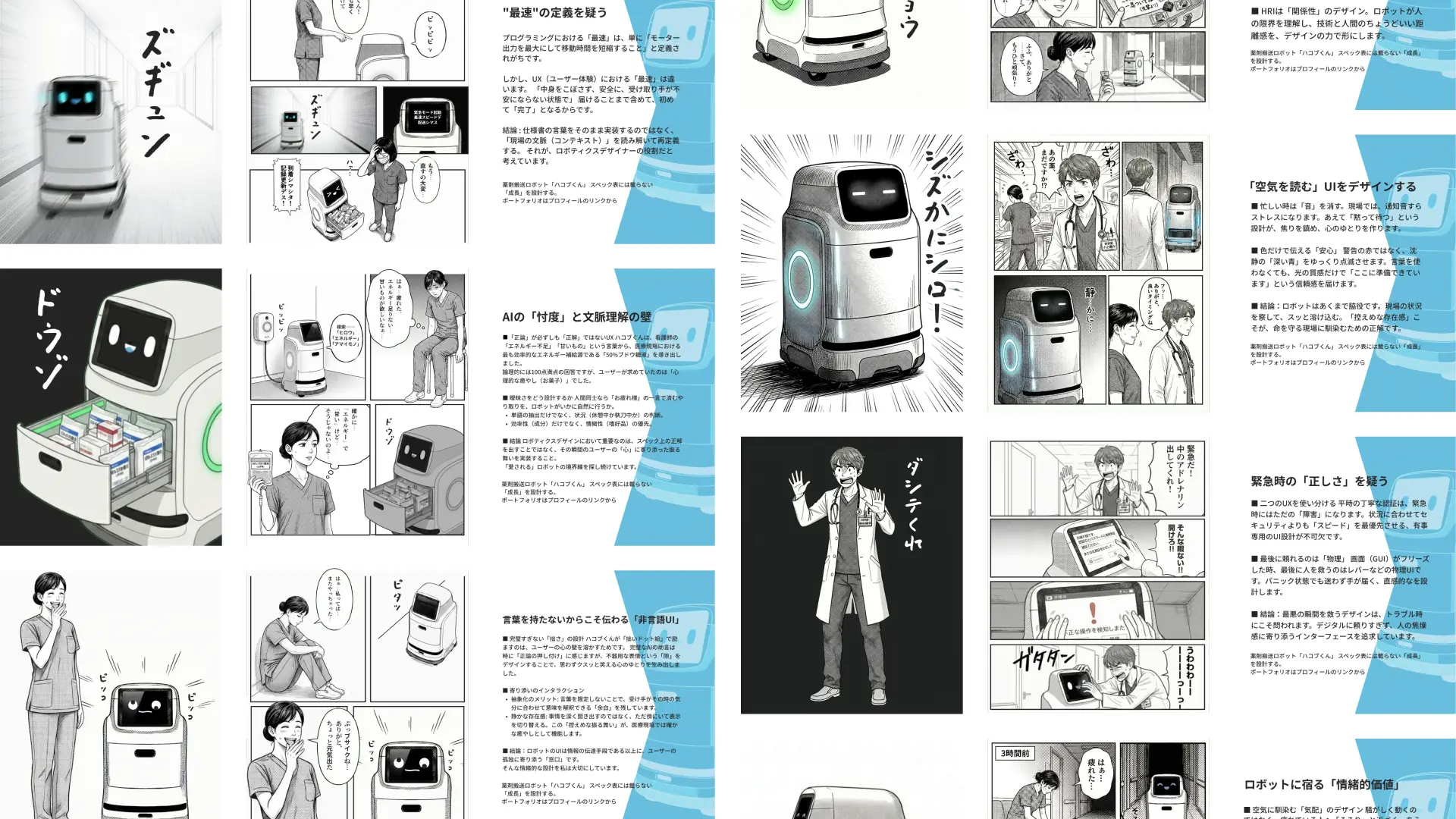
Put Parking Spots on the Map, Too
■ The usual spot was right under a door that closes in a fire
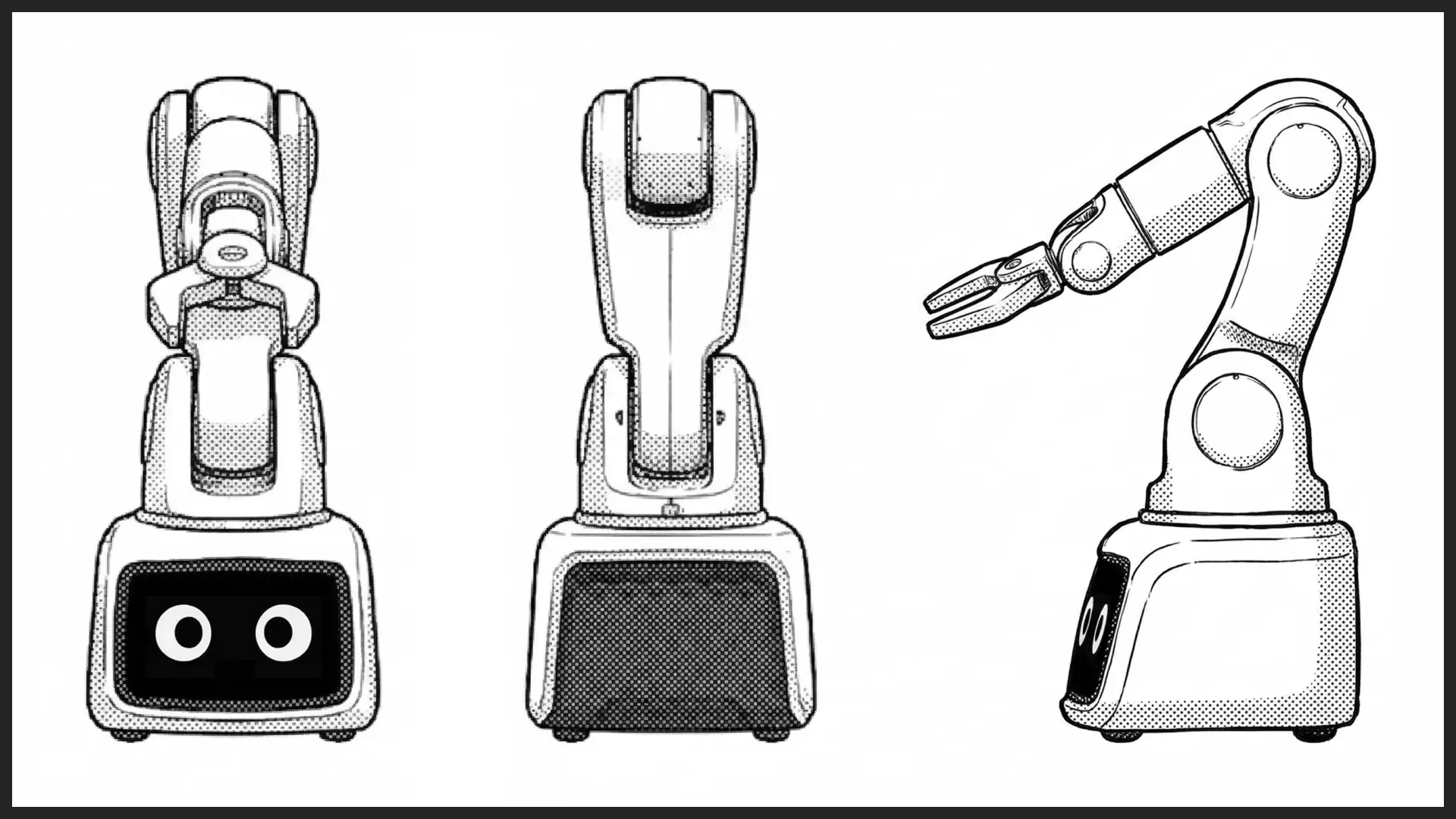
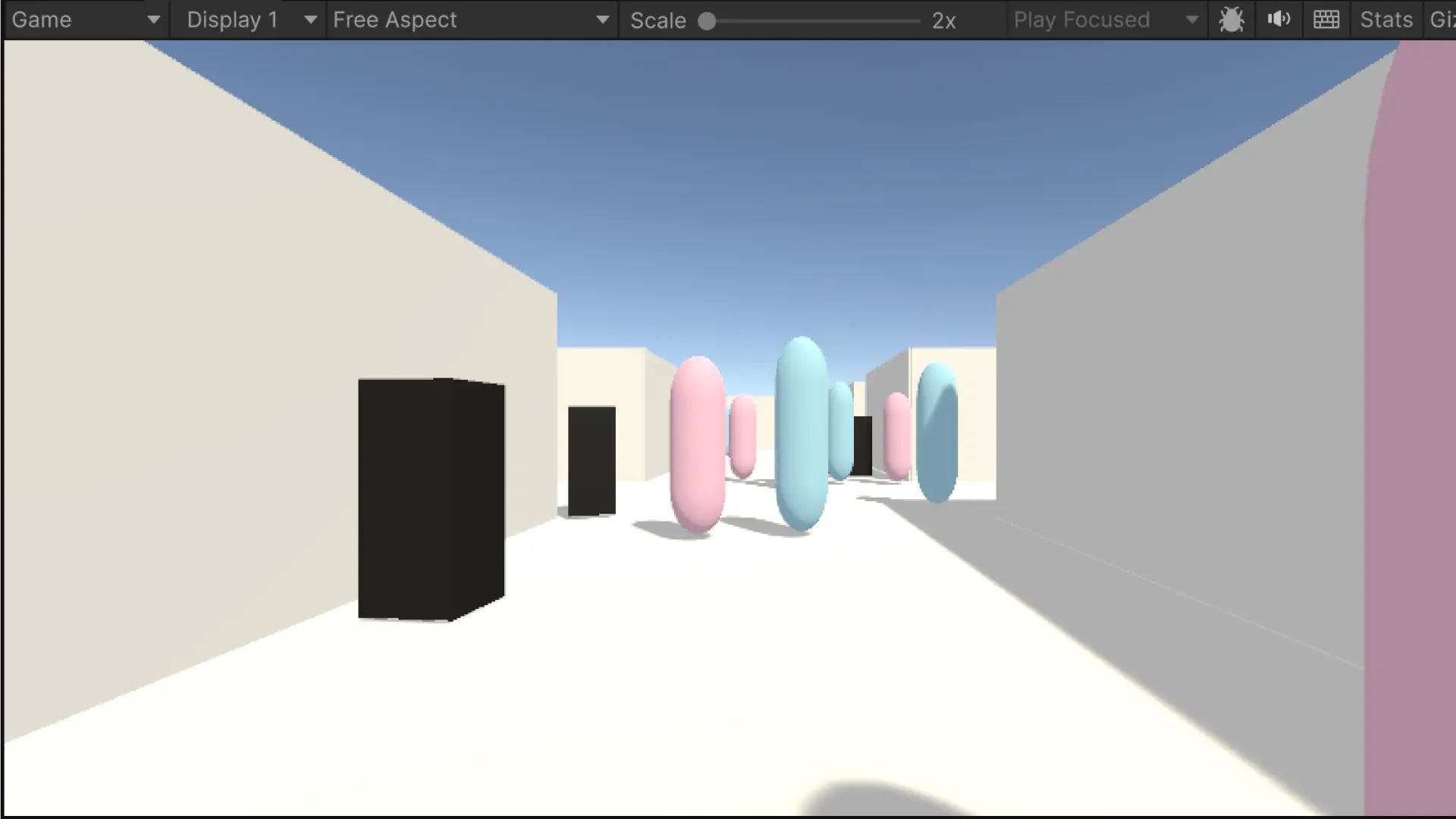
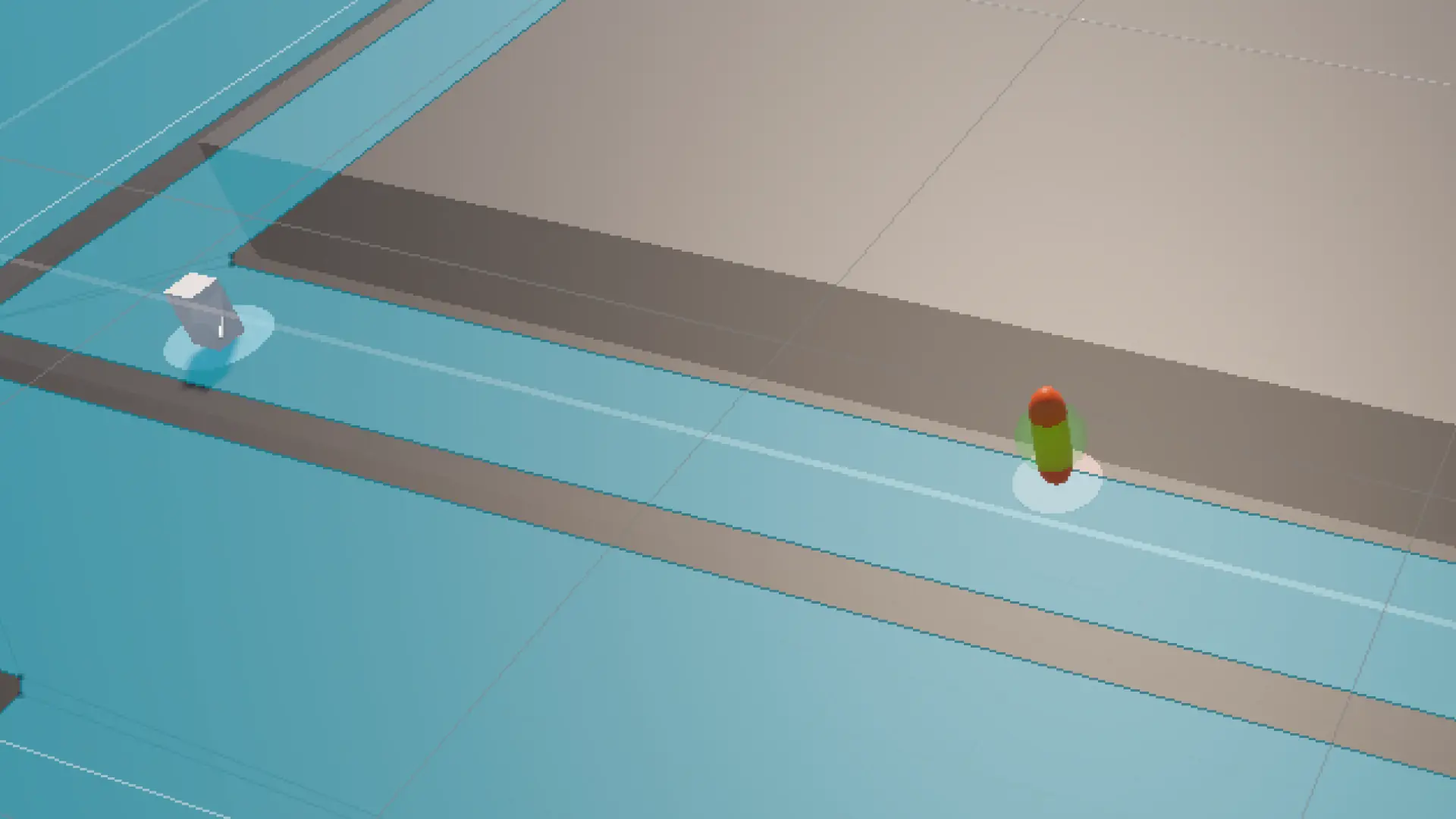
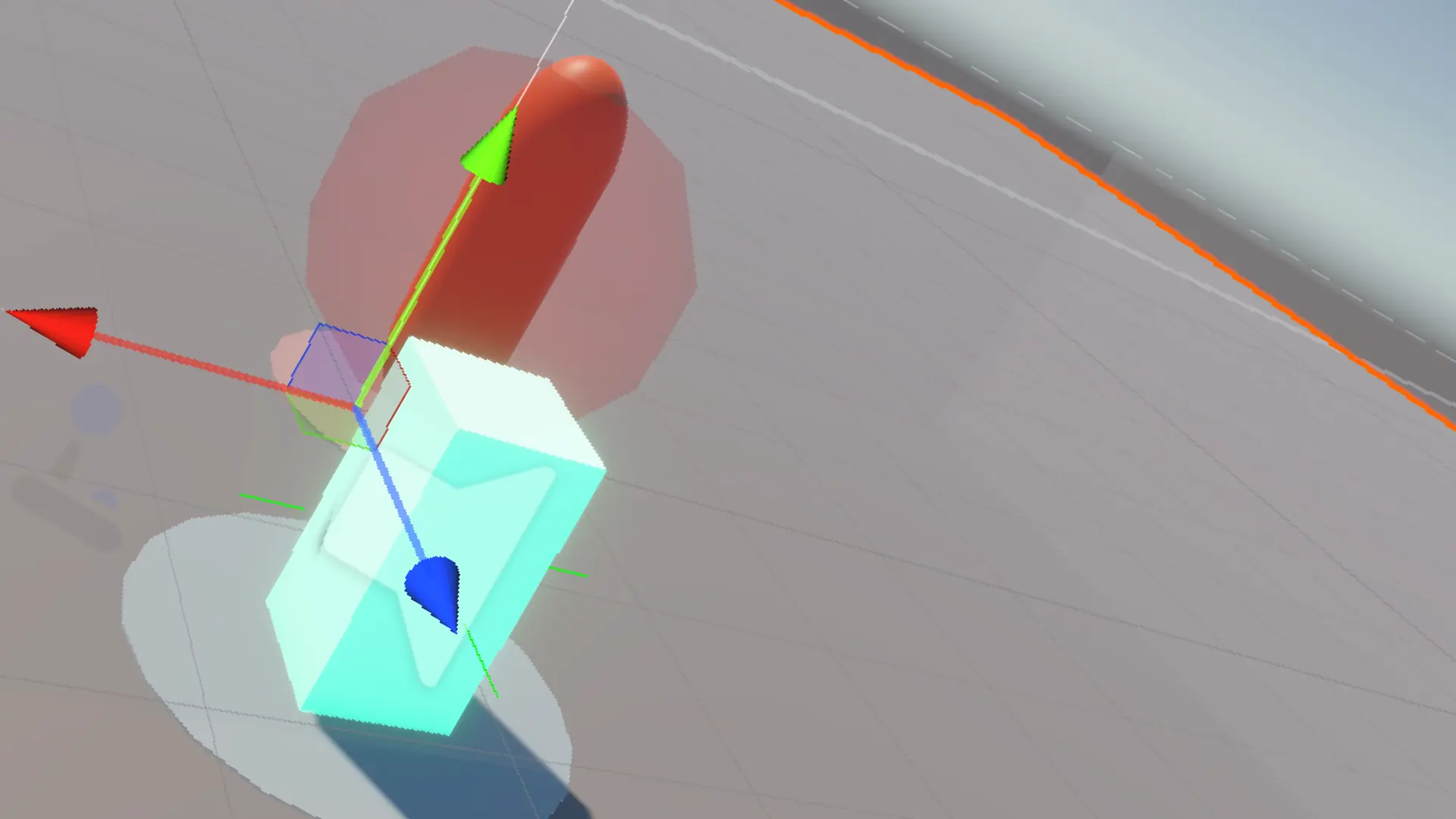
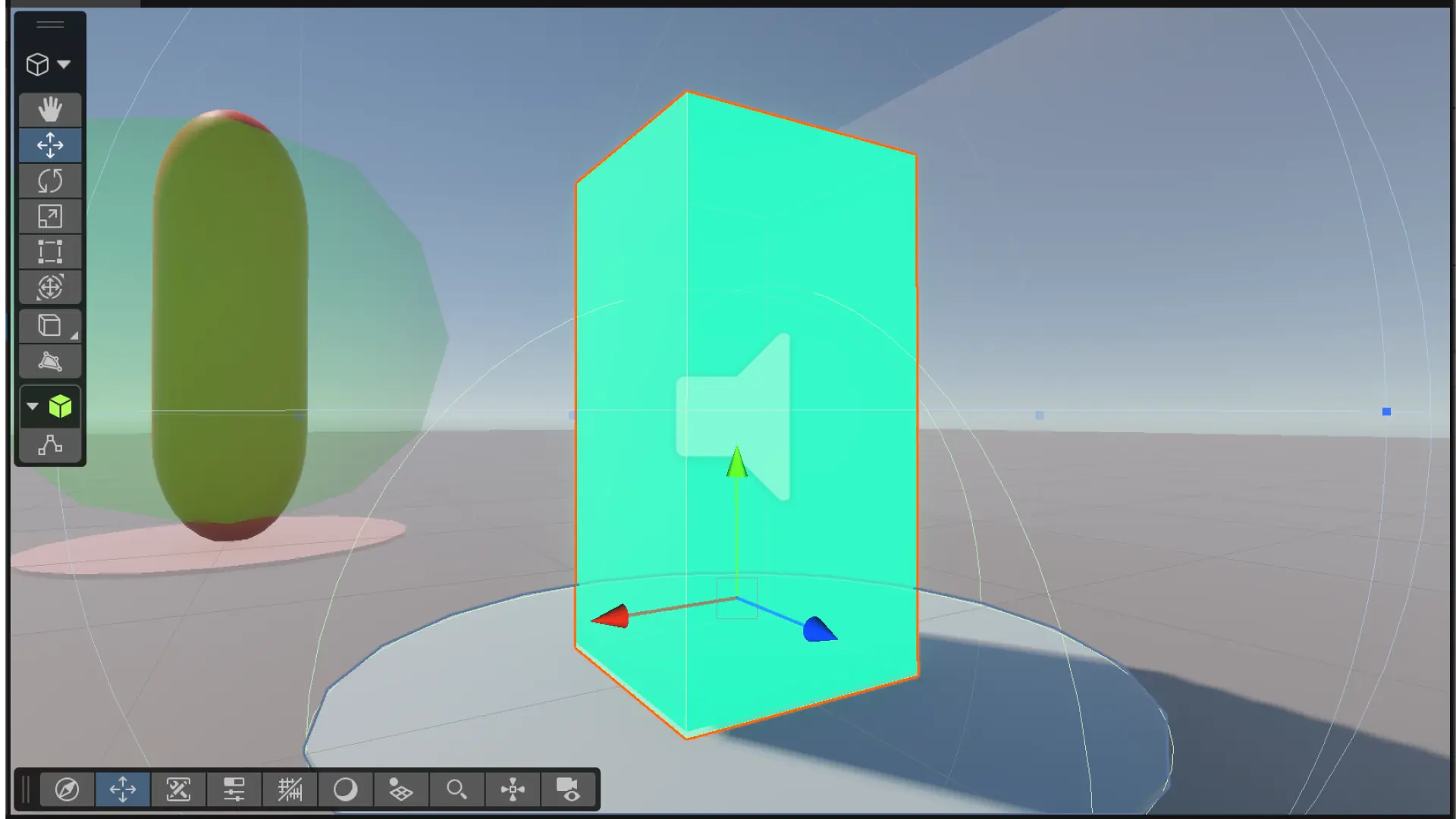
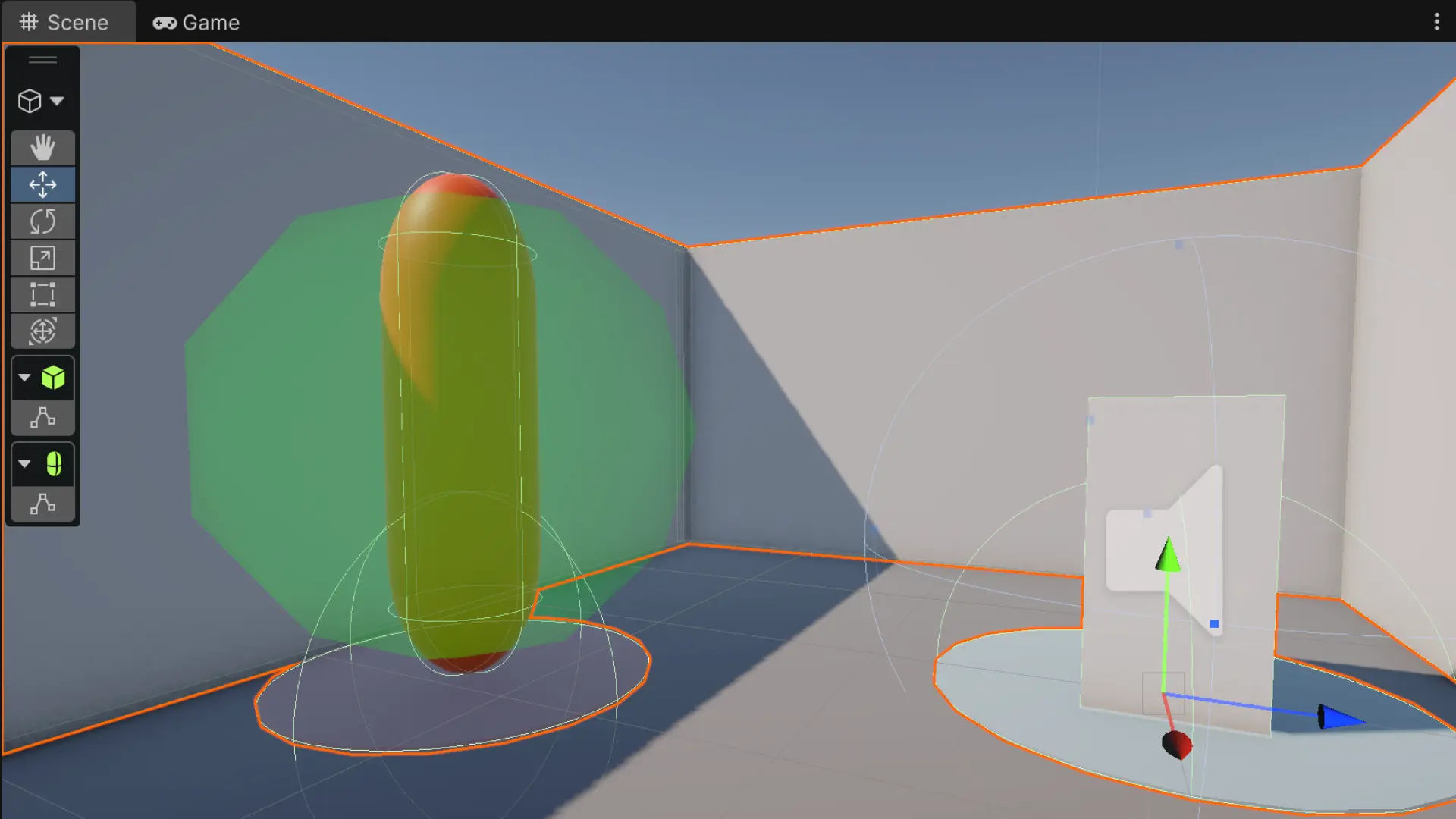
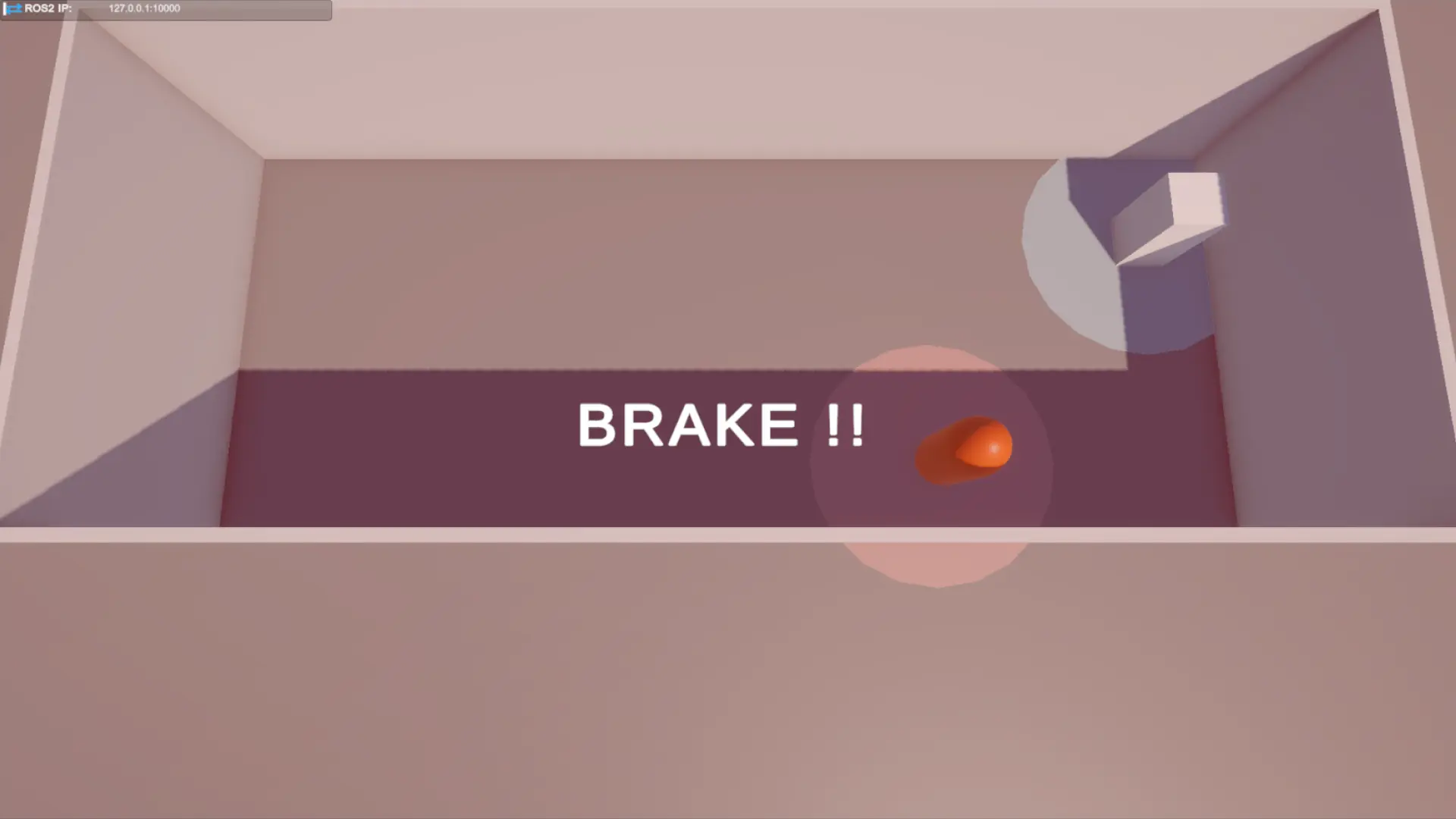
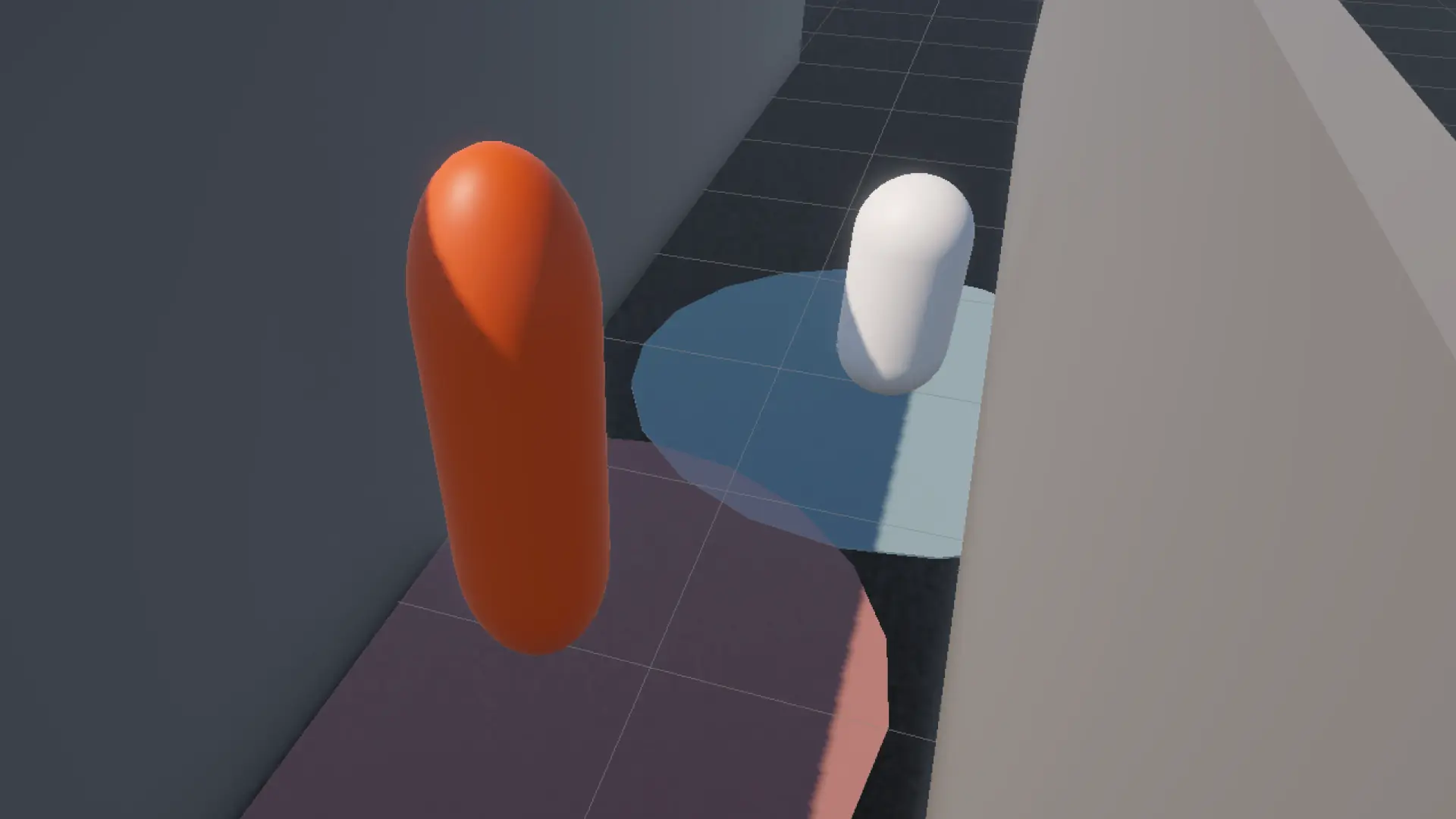
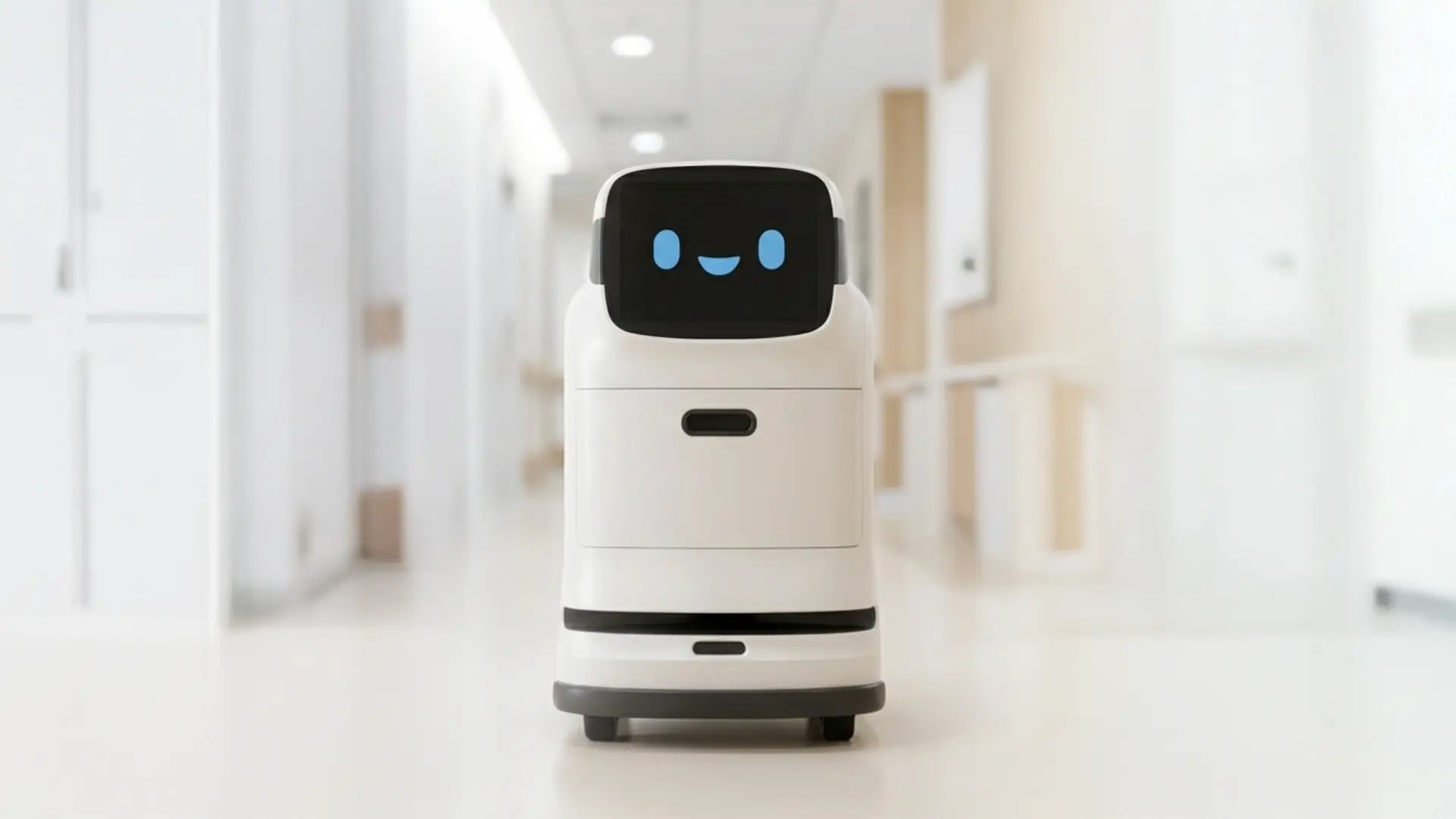
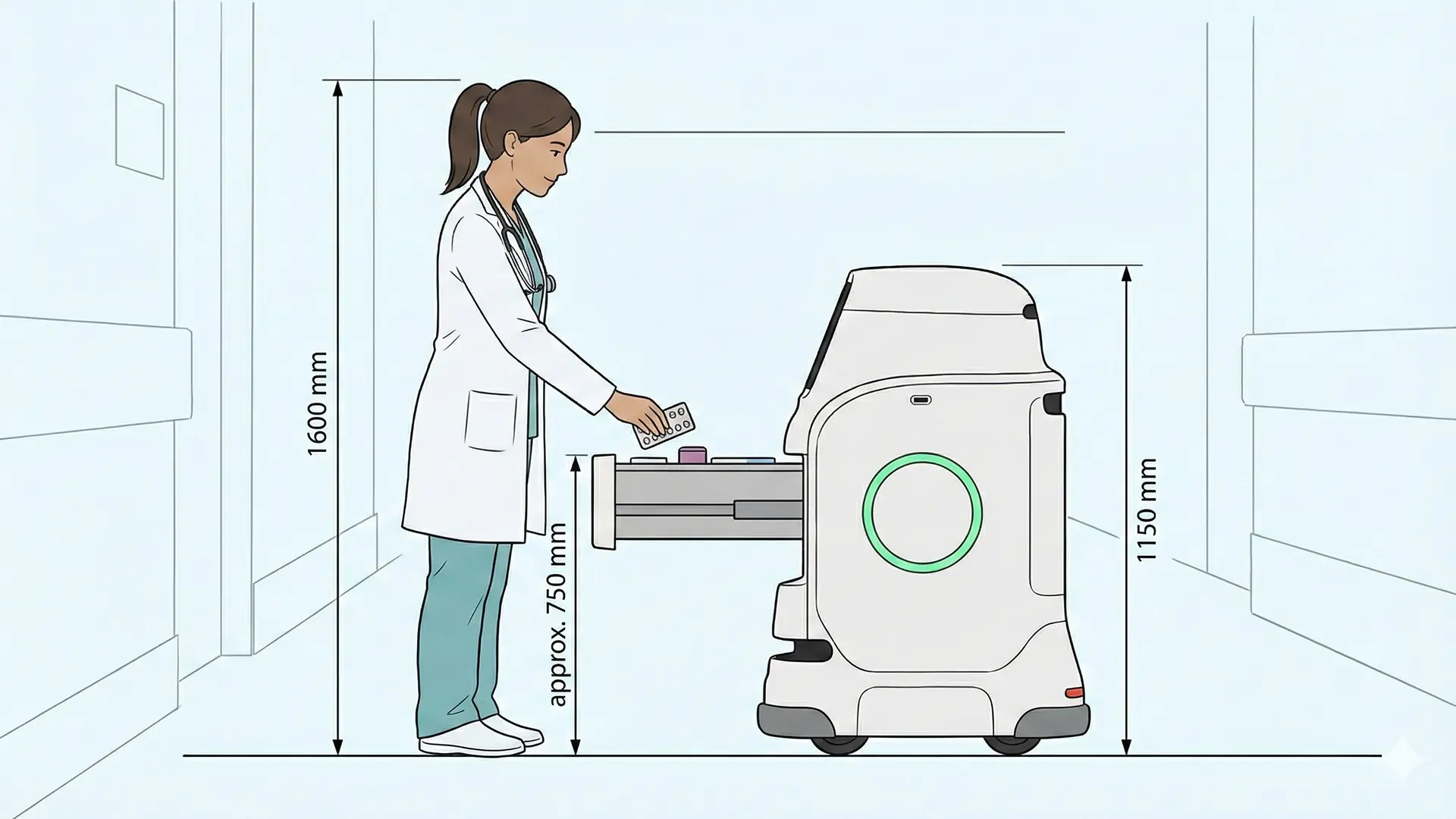
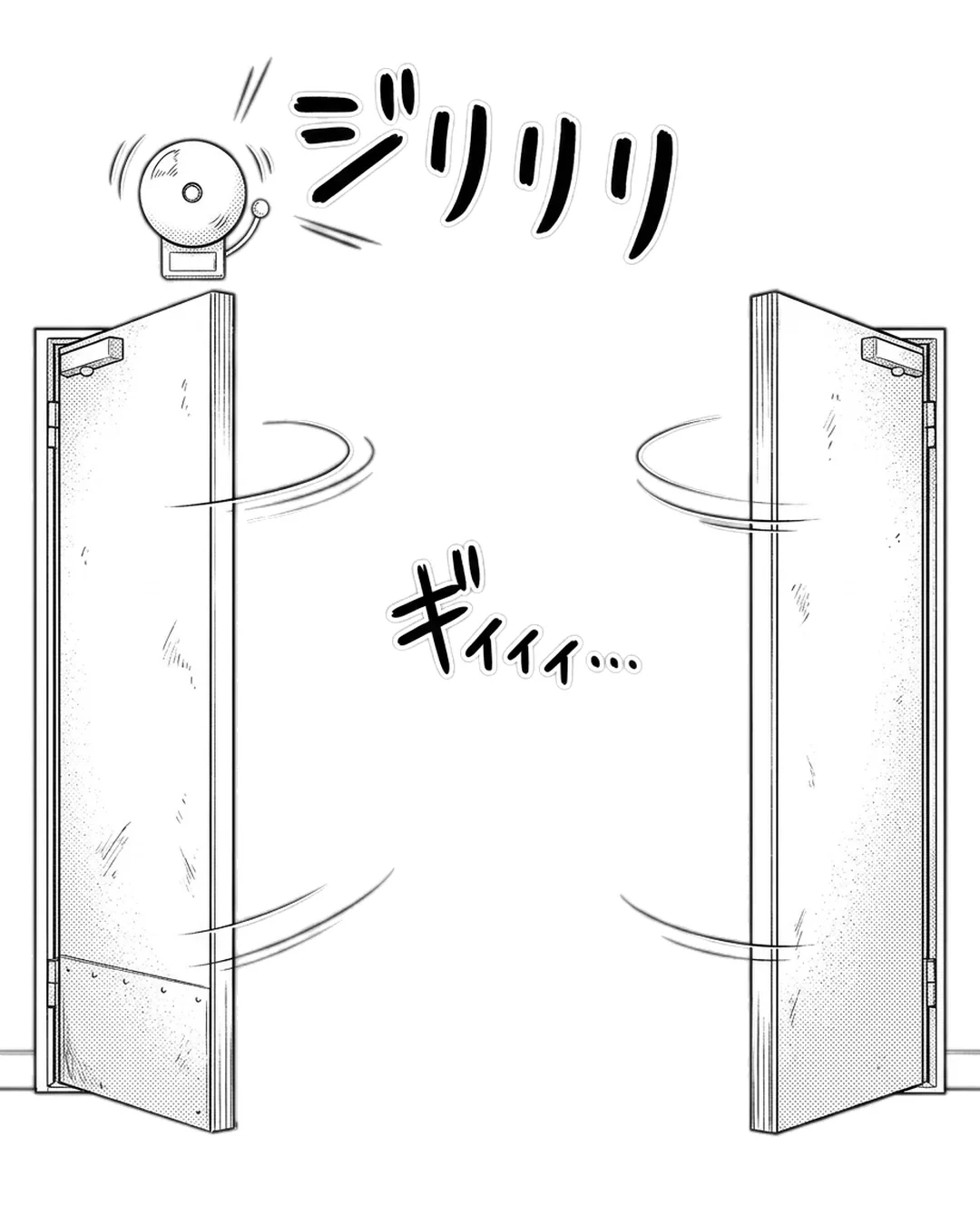
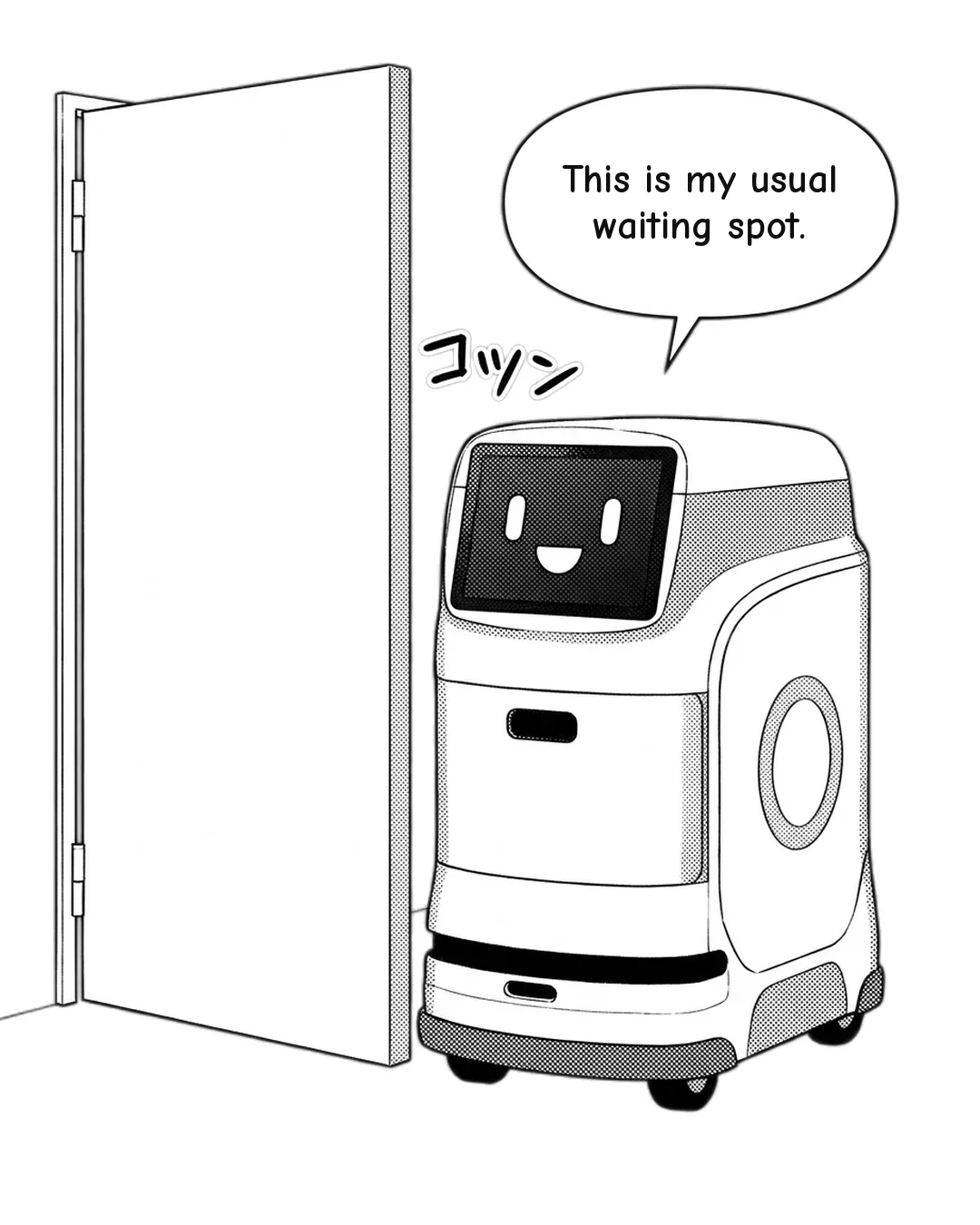
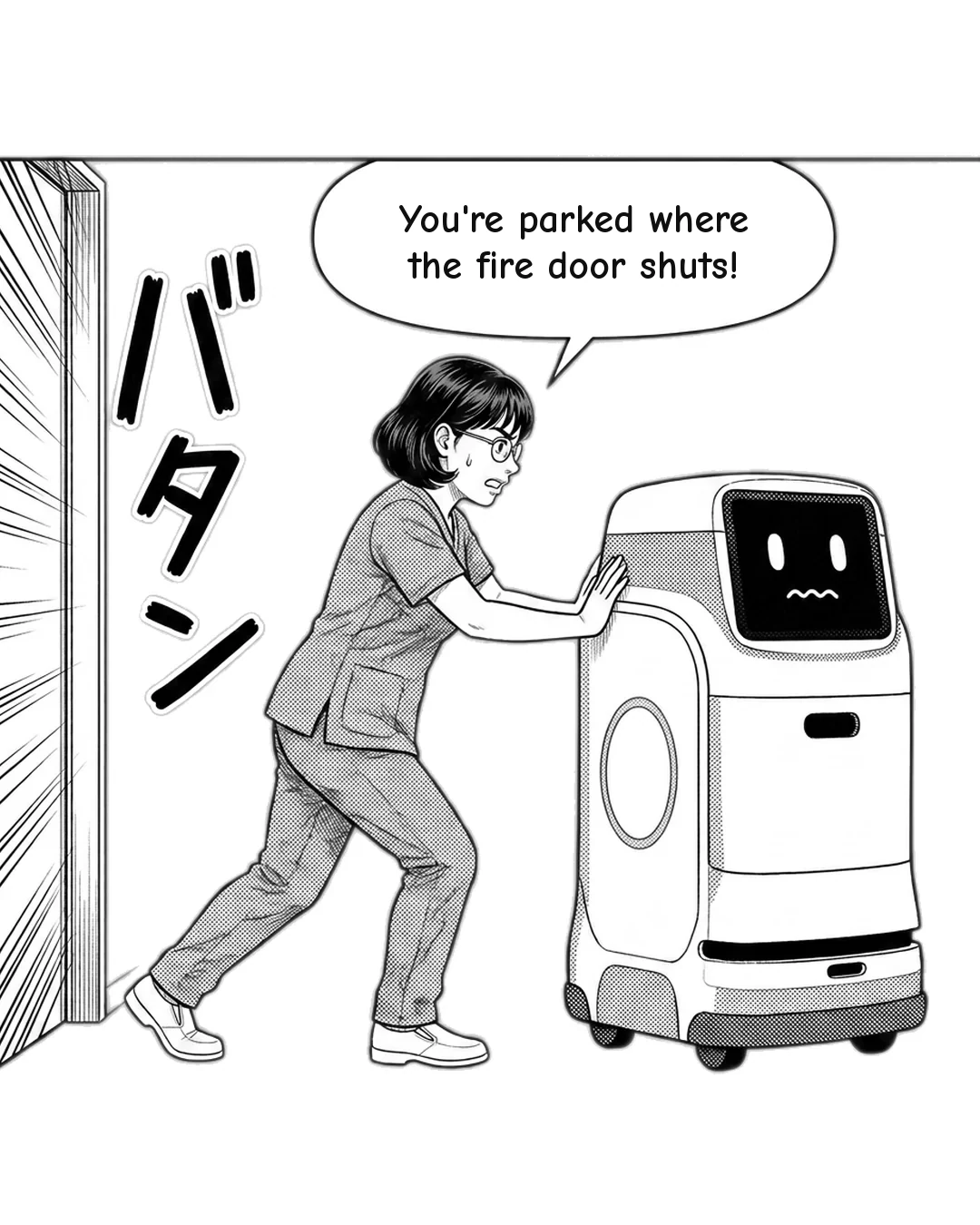
On the day of a fire drill, the alarm bell rang and the corridor's fire doors slowly began to close. Fire doors divide a corridor to keep flames and smoke from spreading. Right beneath one, Hakobukun sat waiting to charge. The door bumped into its head and couldn't close all the way. “This is my usual waiting spot,” it said. A place chosen for everyday convenience had become an obstacle in an emergency.
■ A stopped robot is just another object in the way
People keep an eye on a moving robot, but a stopped one is no different from a box left in the hallway. Japan's Fire Service Act and local fire prevention ordinances prohibit placing anything that blocks evacuation or keeps a fire door from closing. Where a robot waits, stops, and charges is easier to overlook than where it drives. Yet in a fire, what blocks the way is usually something standing still.
■ Conclusion: Decide in advance where the robot may stop
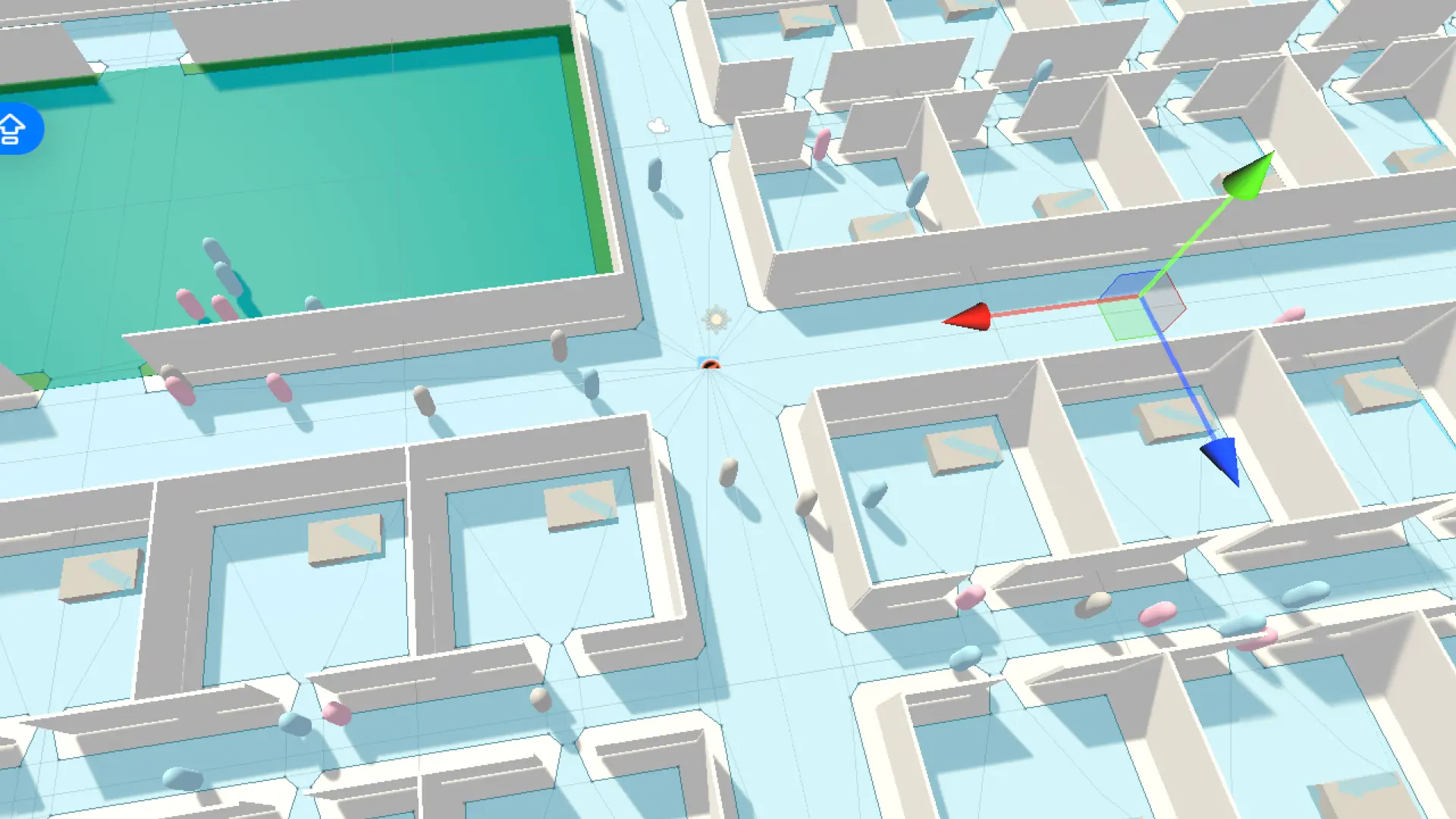
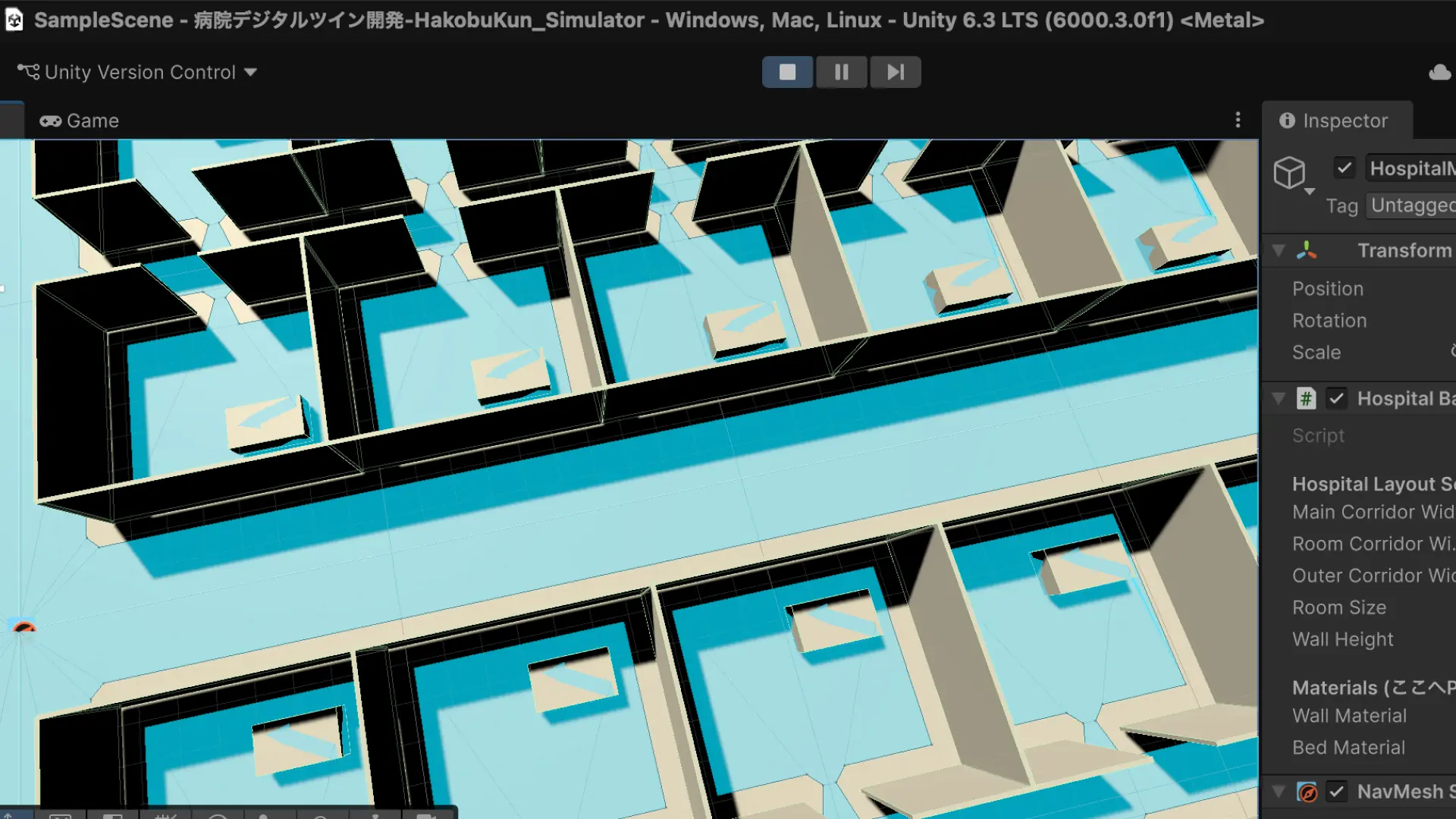
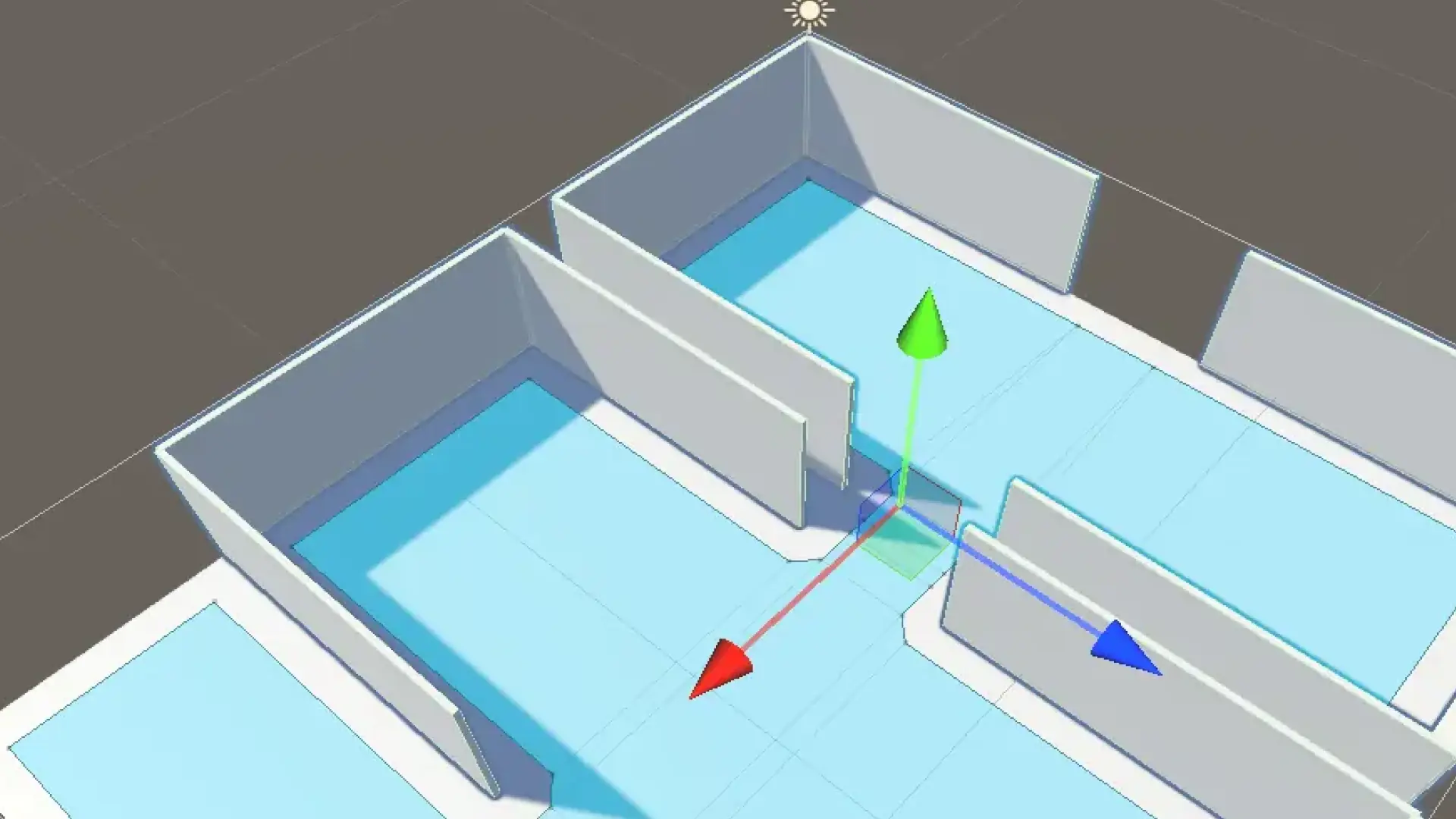
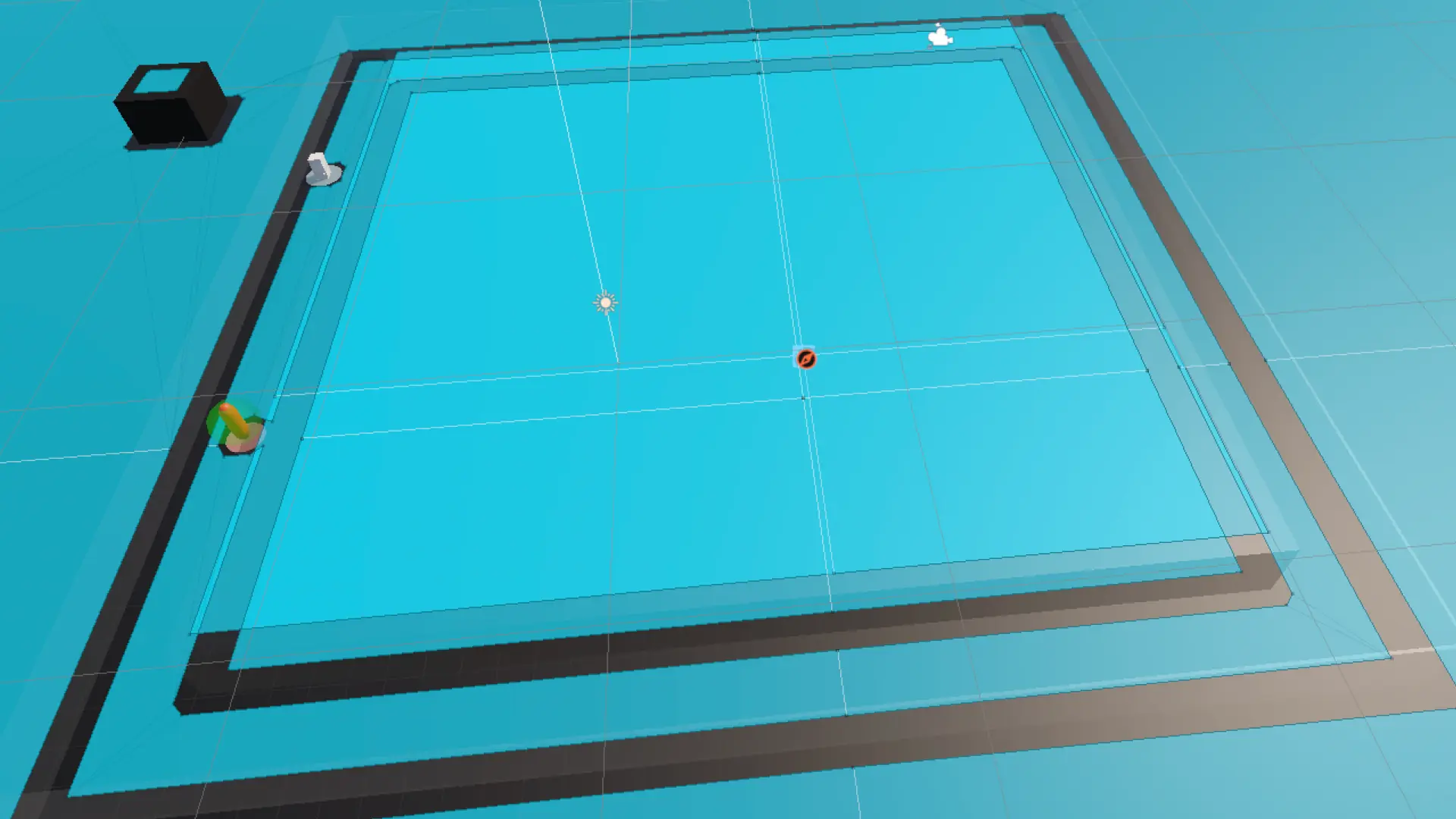
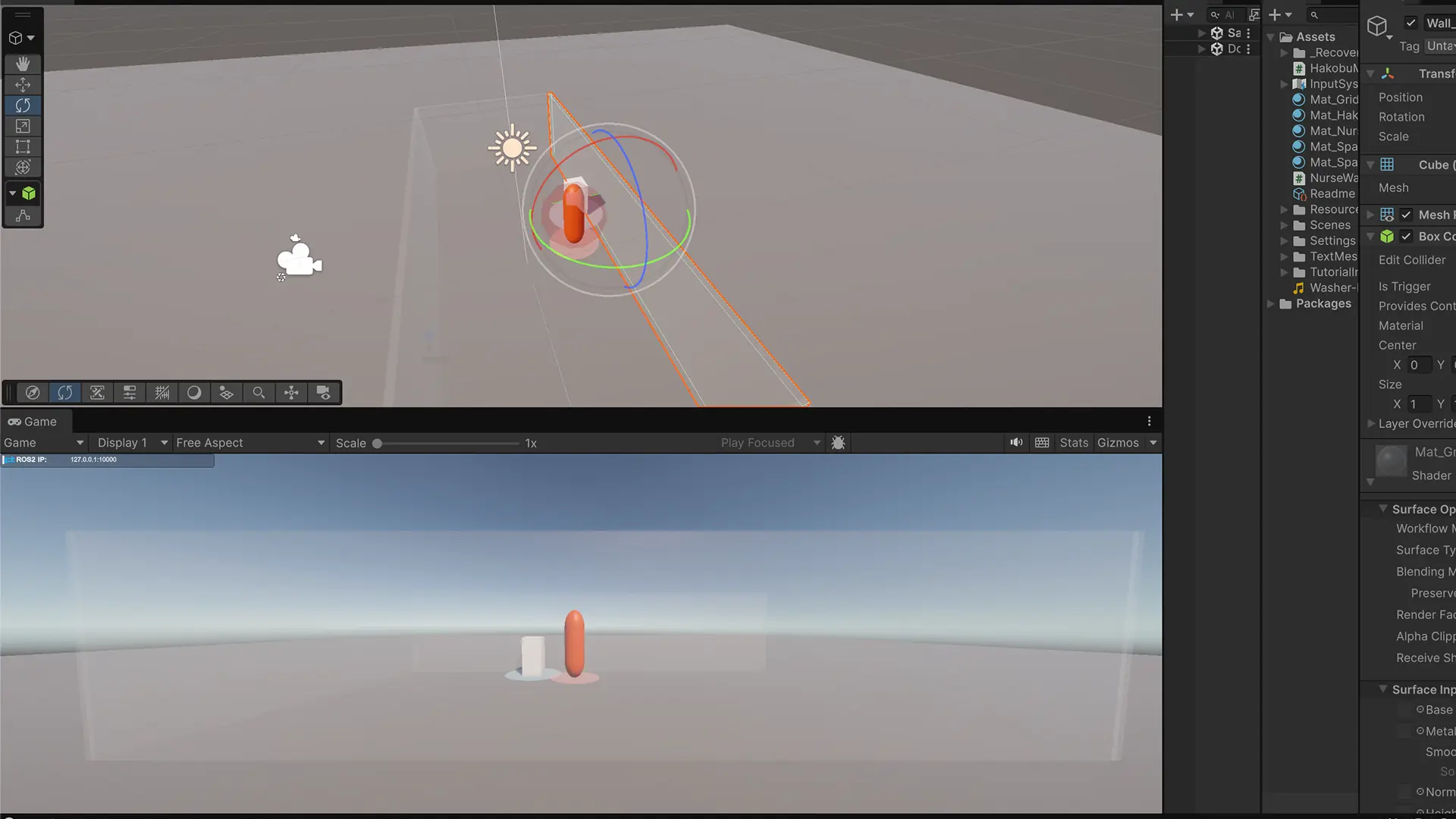
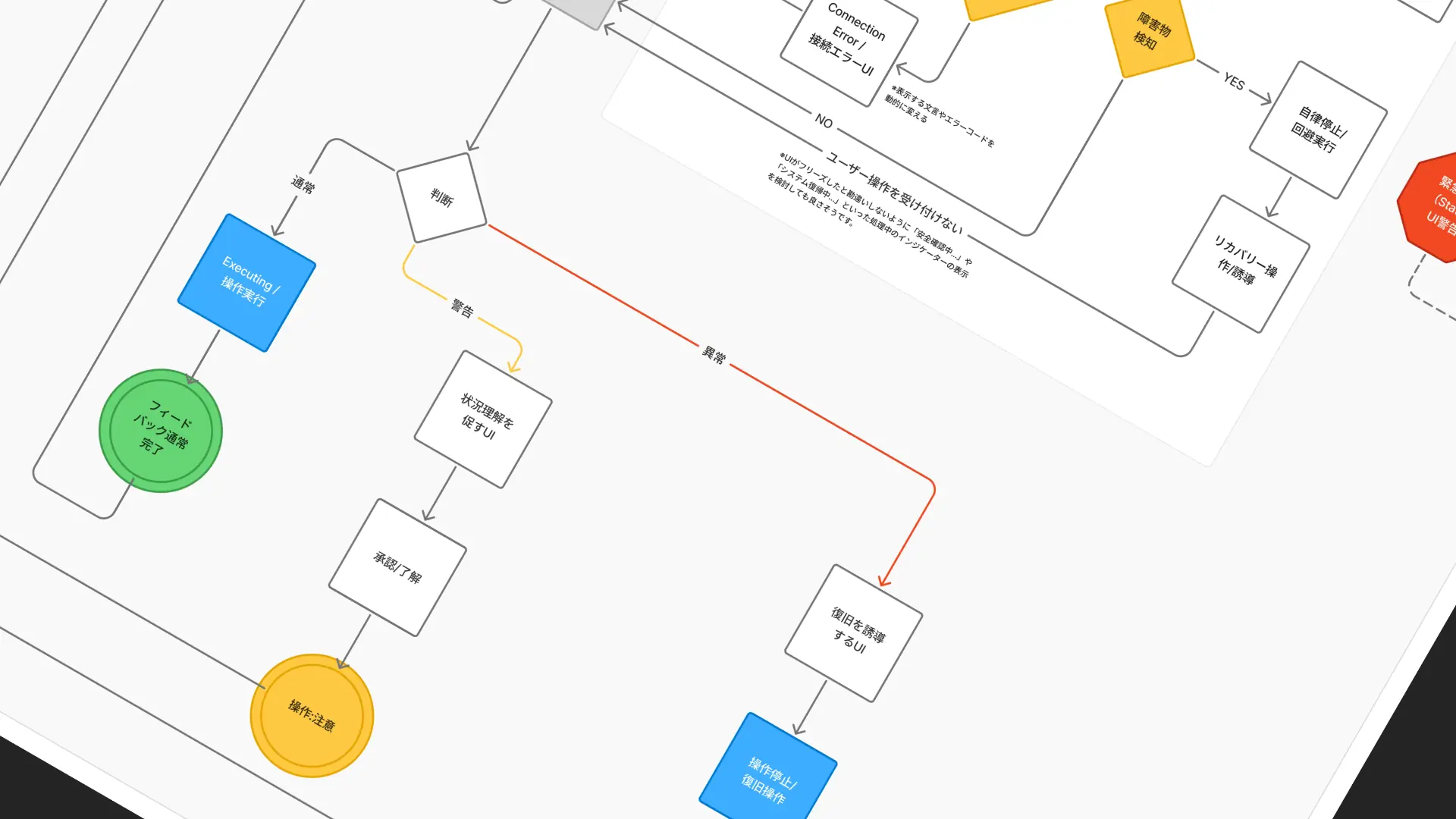
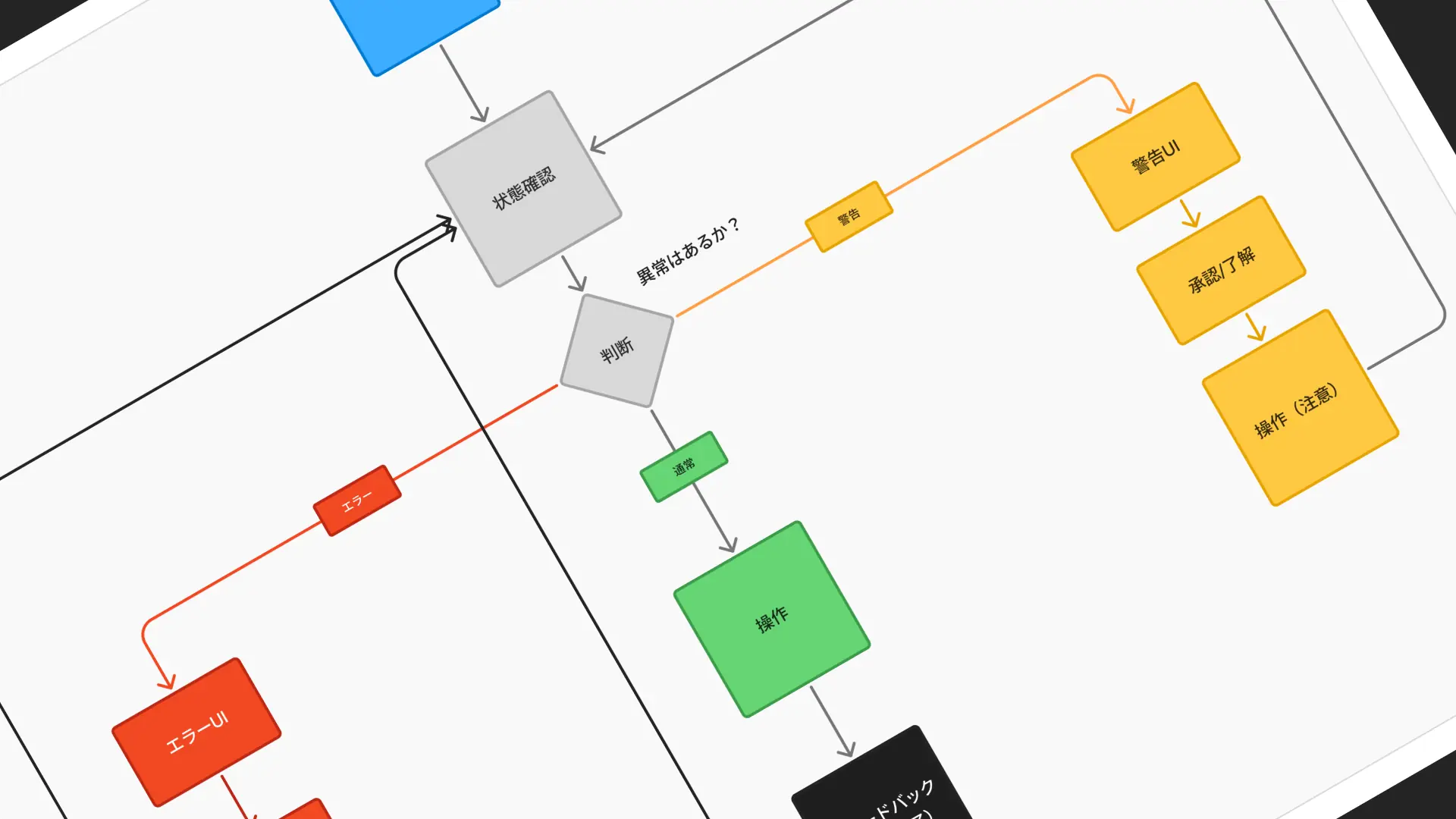
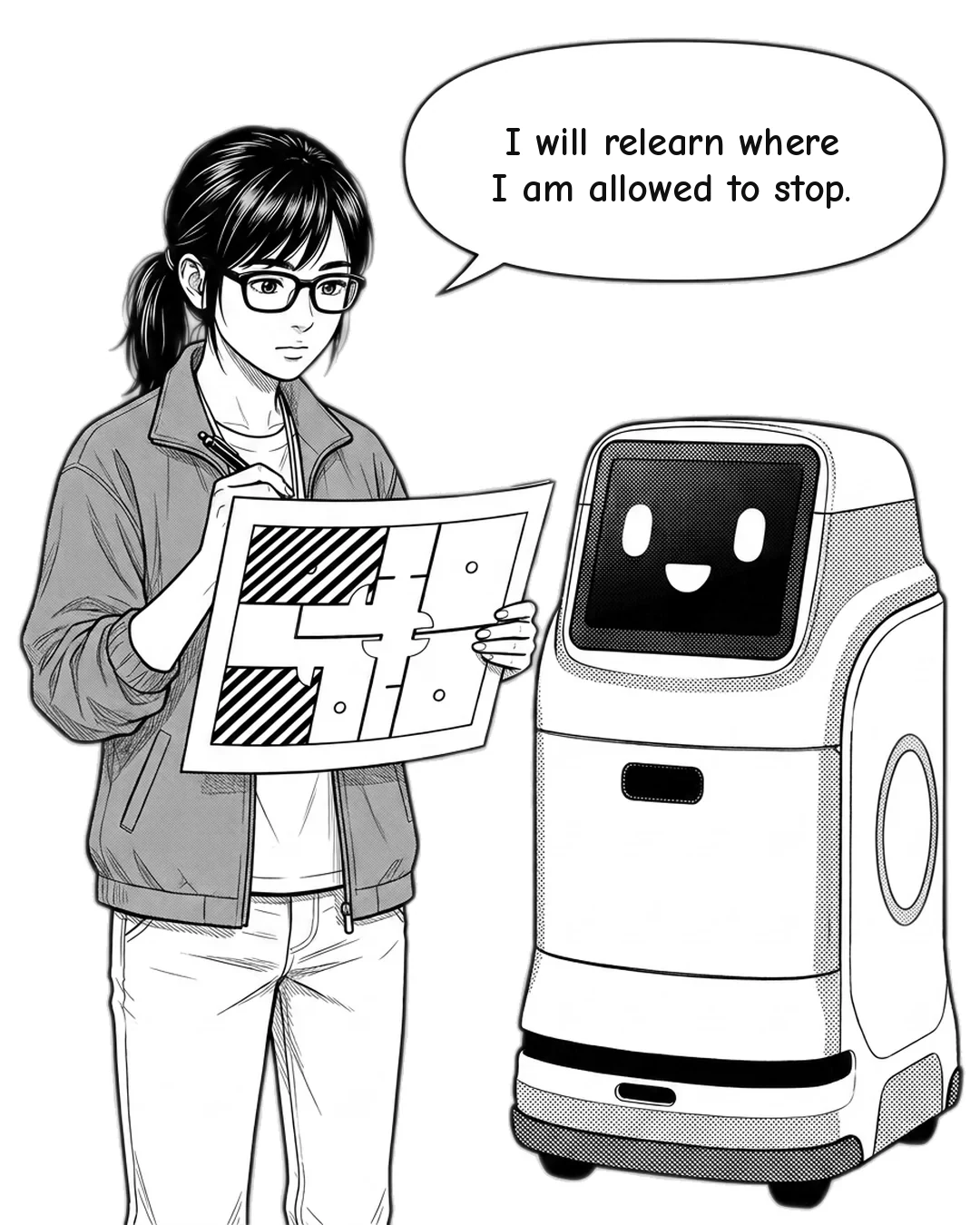
When Terashima pushed Hakobukun aside, the fire door slammed shut. Shiraishi then marked on the floor plan the places where it may stop, hatching the areas in front of fire doors and emergency exits. Deciding where to stop deserves the same weight as deciding where to drive. Keep those spots clear of evacuation routes and fire doors from the start, and the robot won't get in anyone's way—even while it waits.
Where a robot belongs is tested most when it isn't moving.