Arriving Is Not the Same as Finishing
■ The guiding ends the moment they arrive
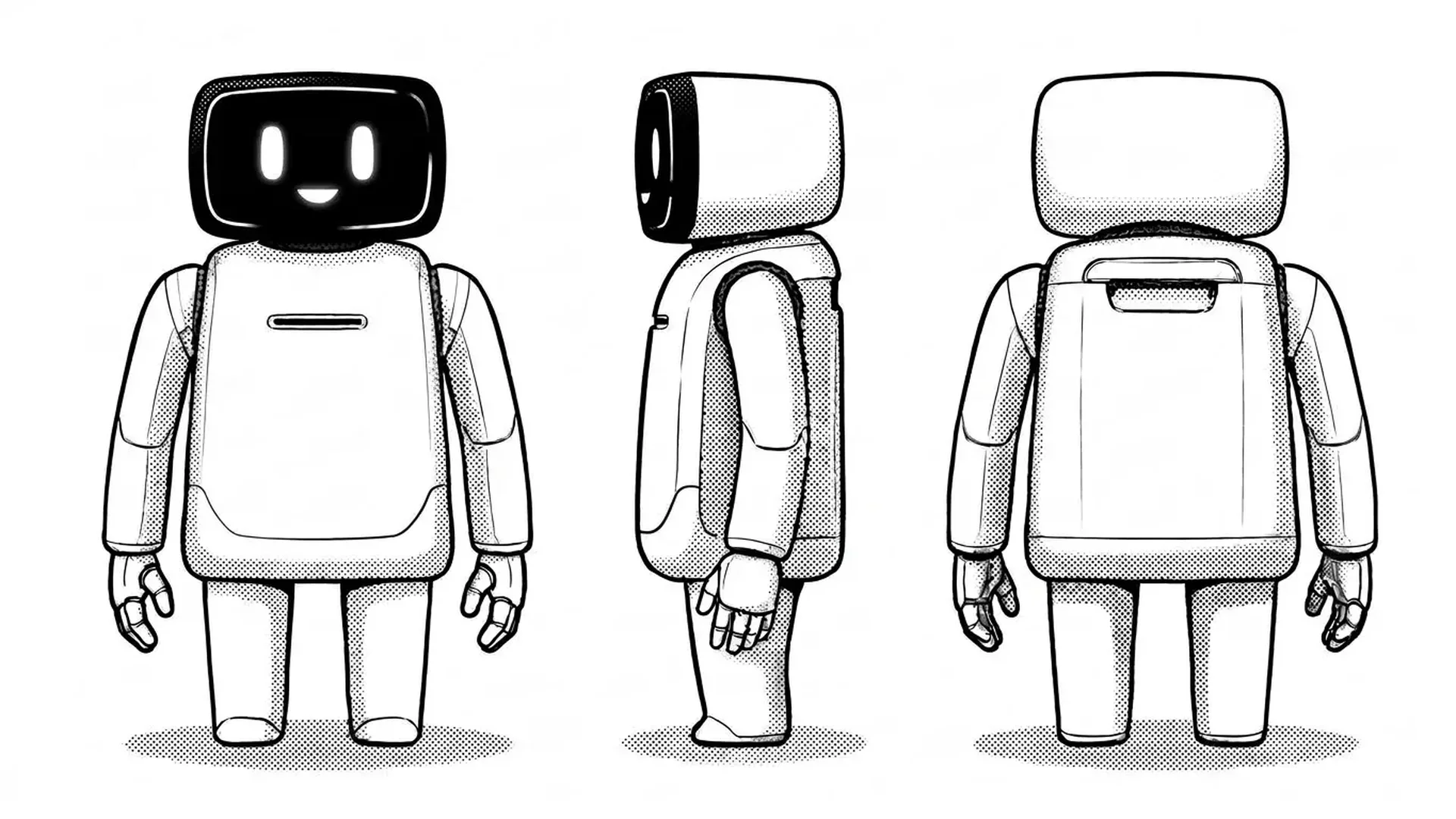
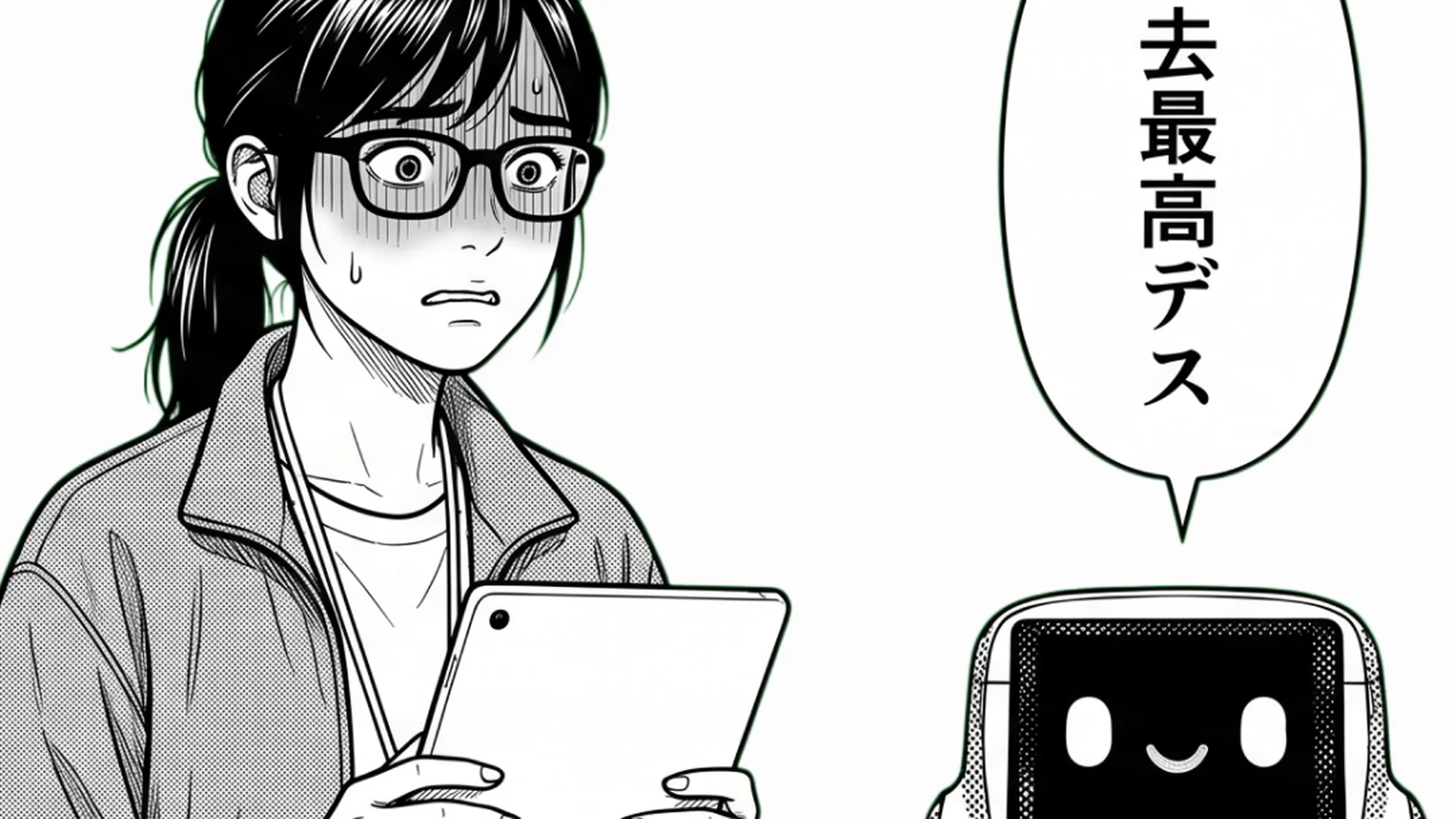
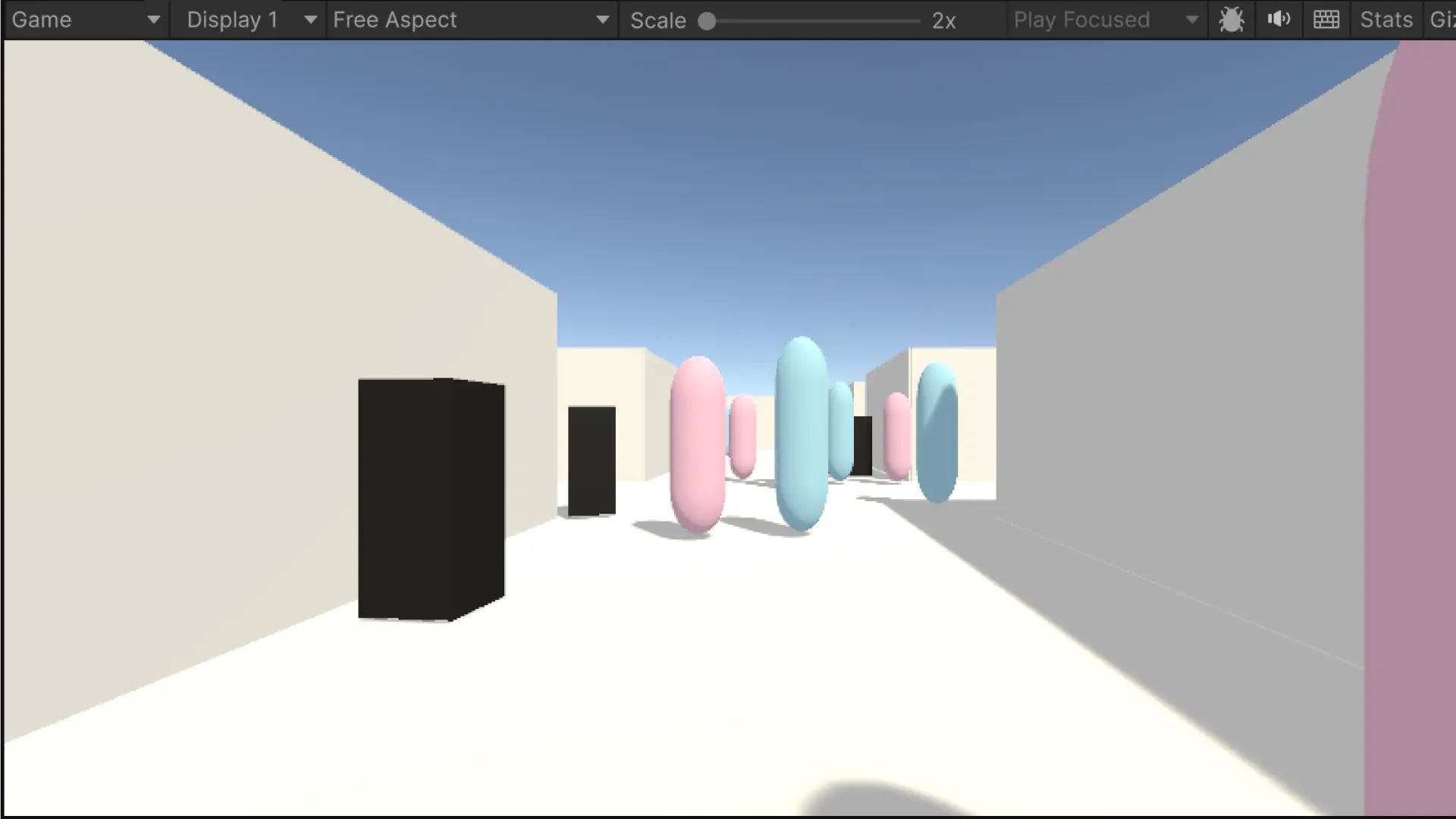
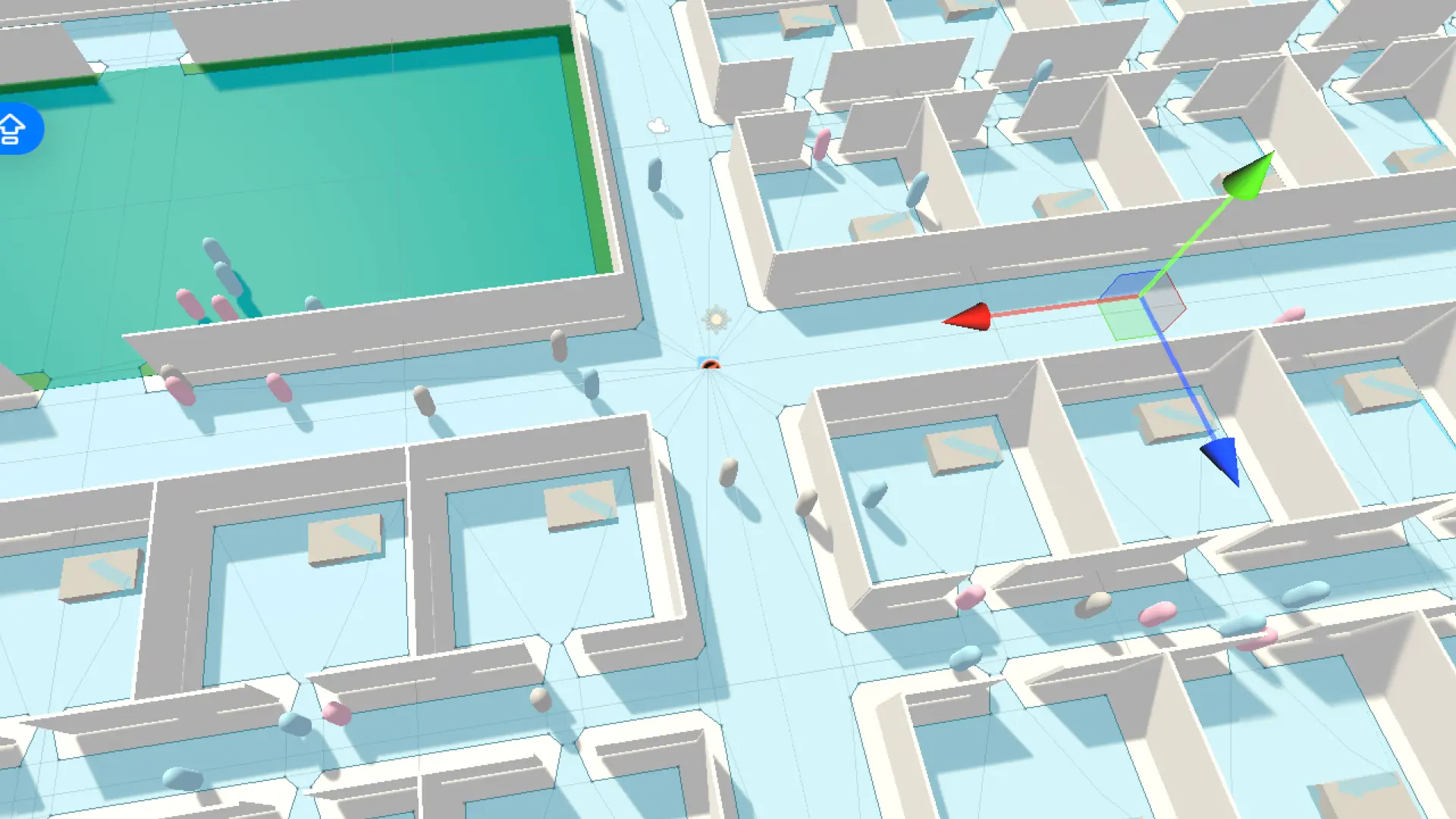
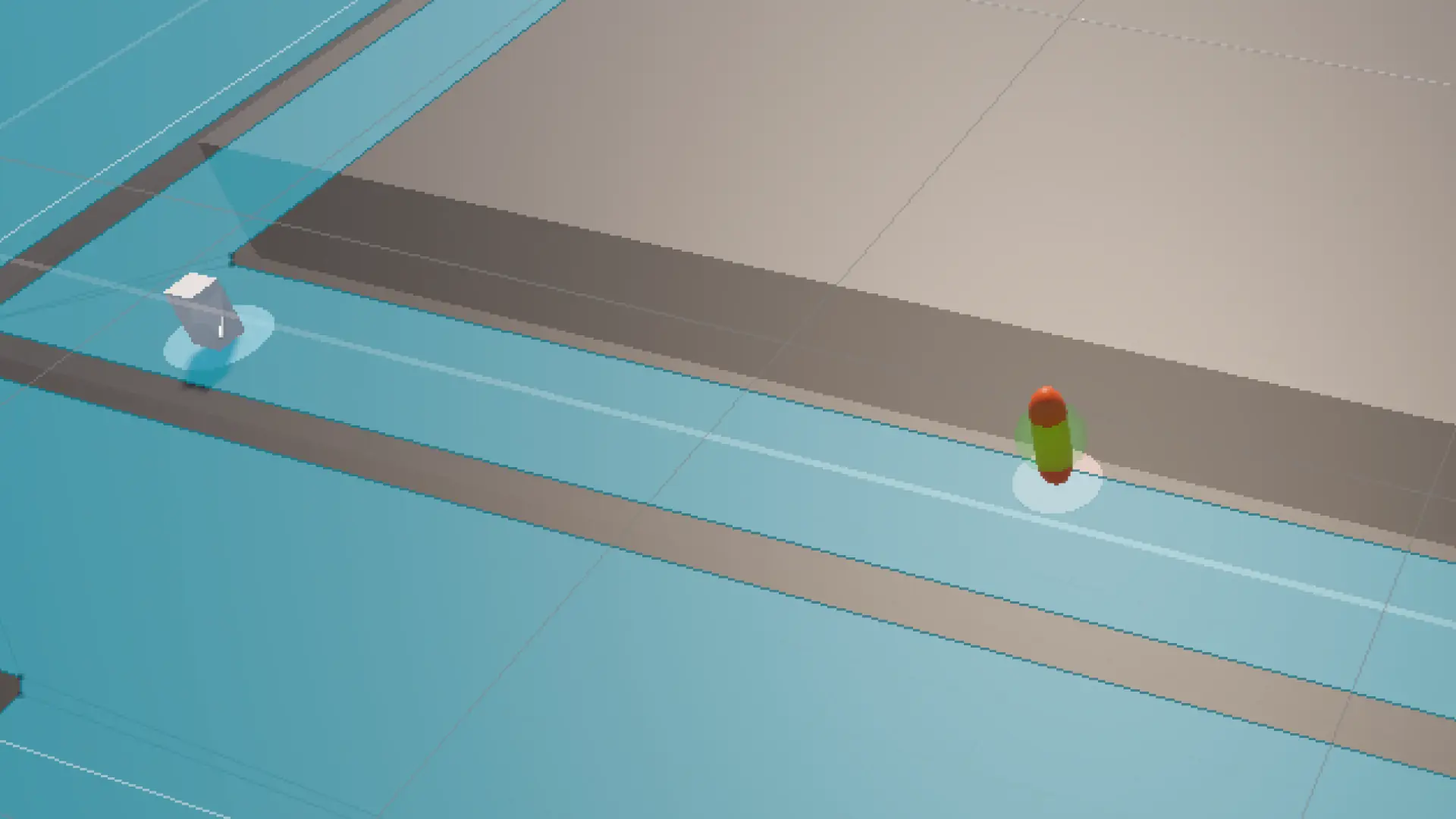
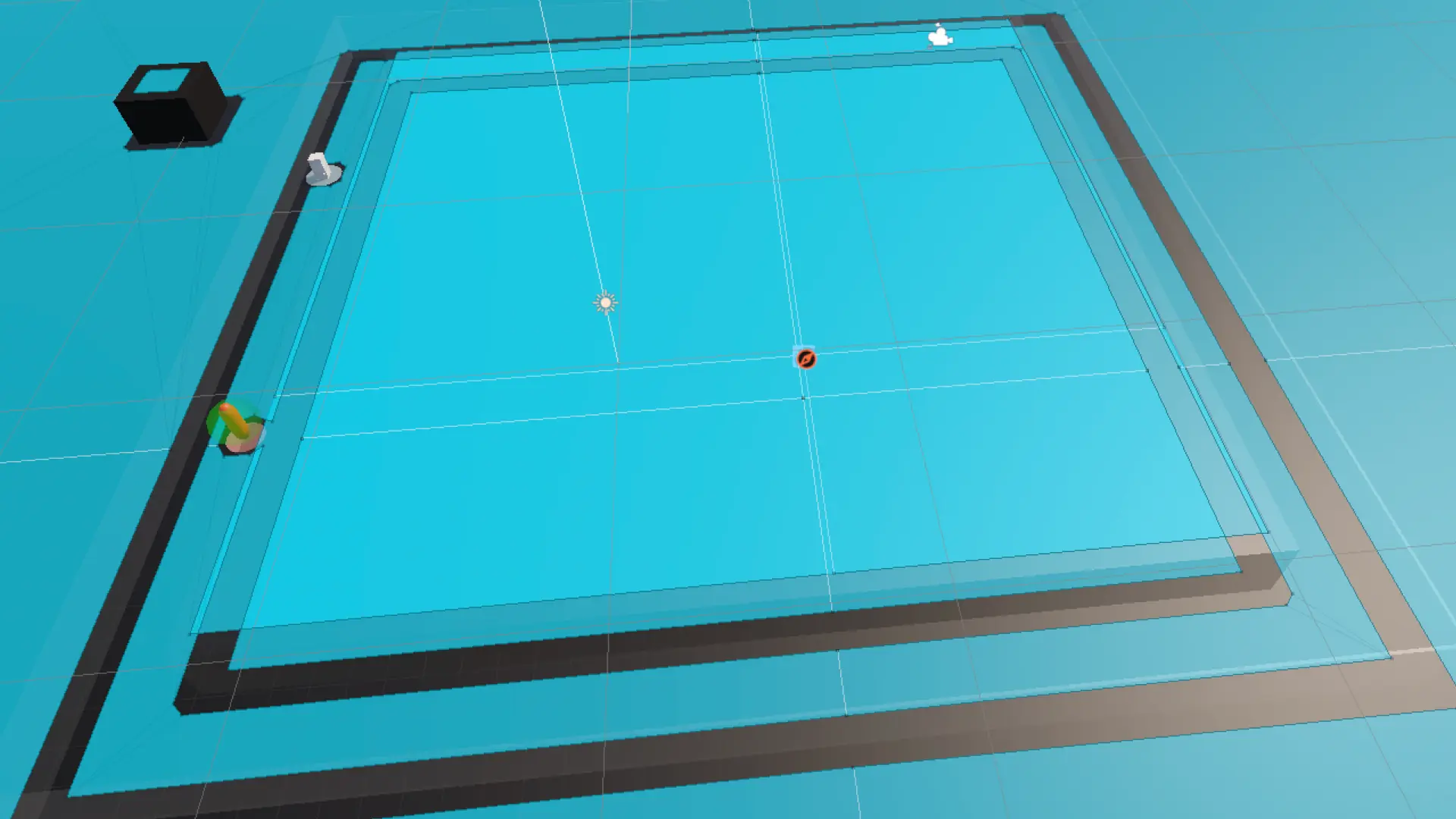
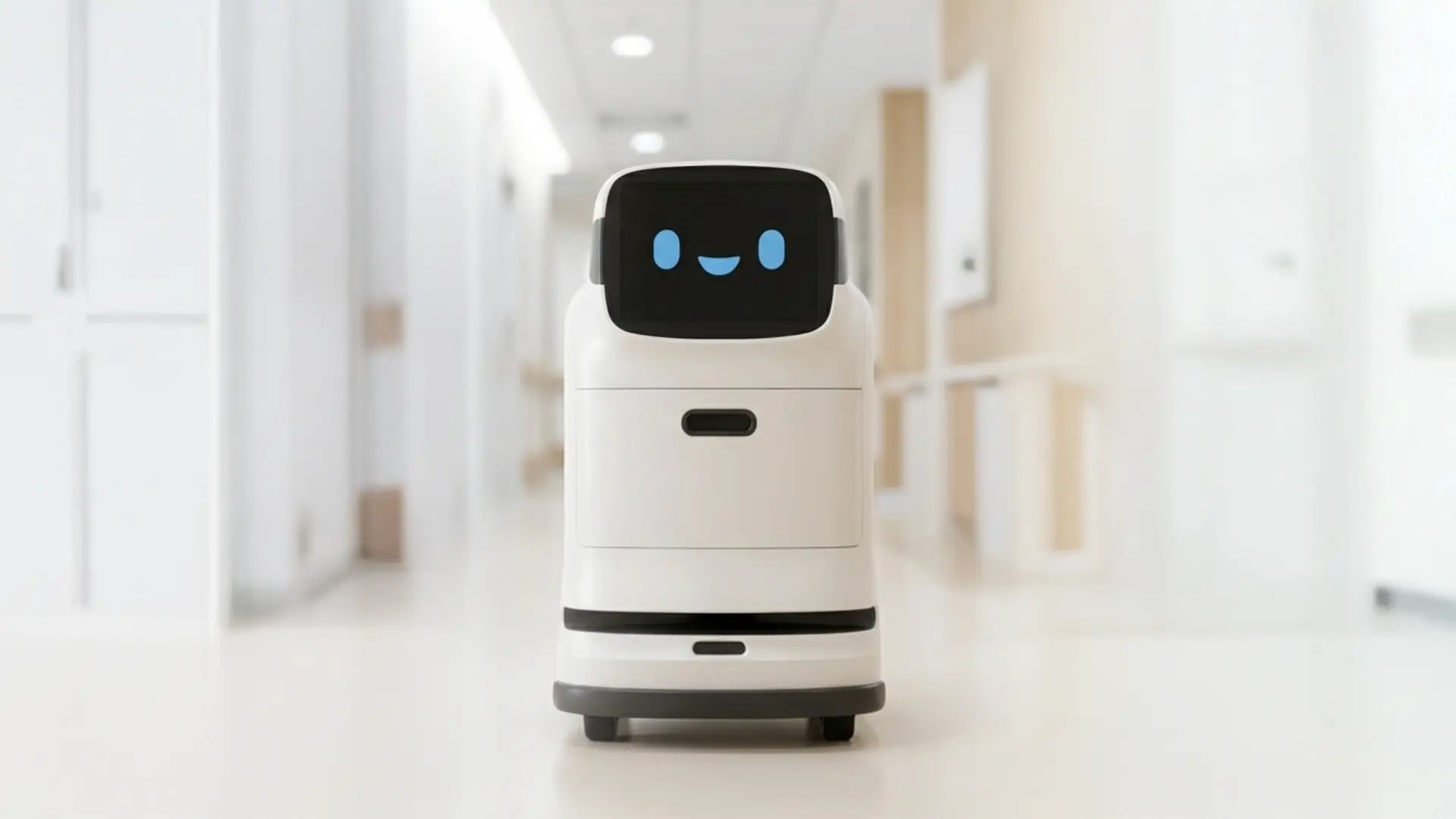
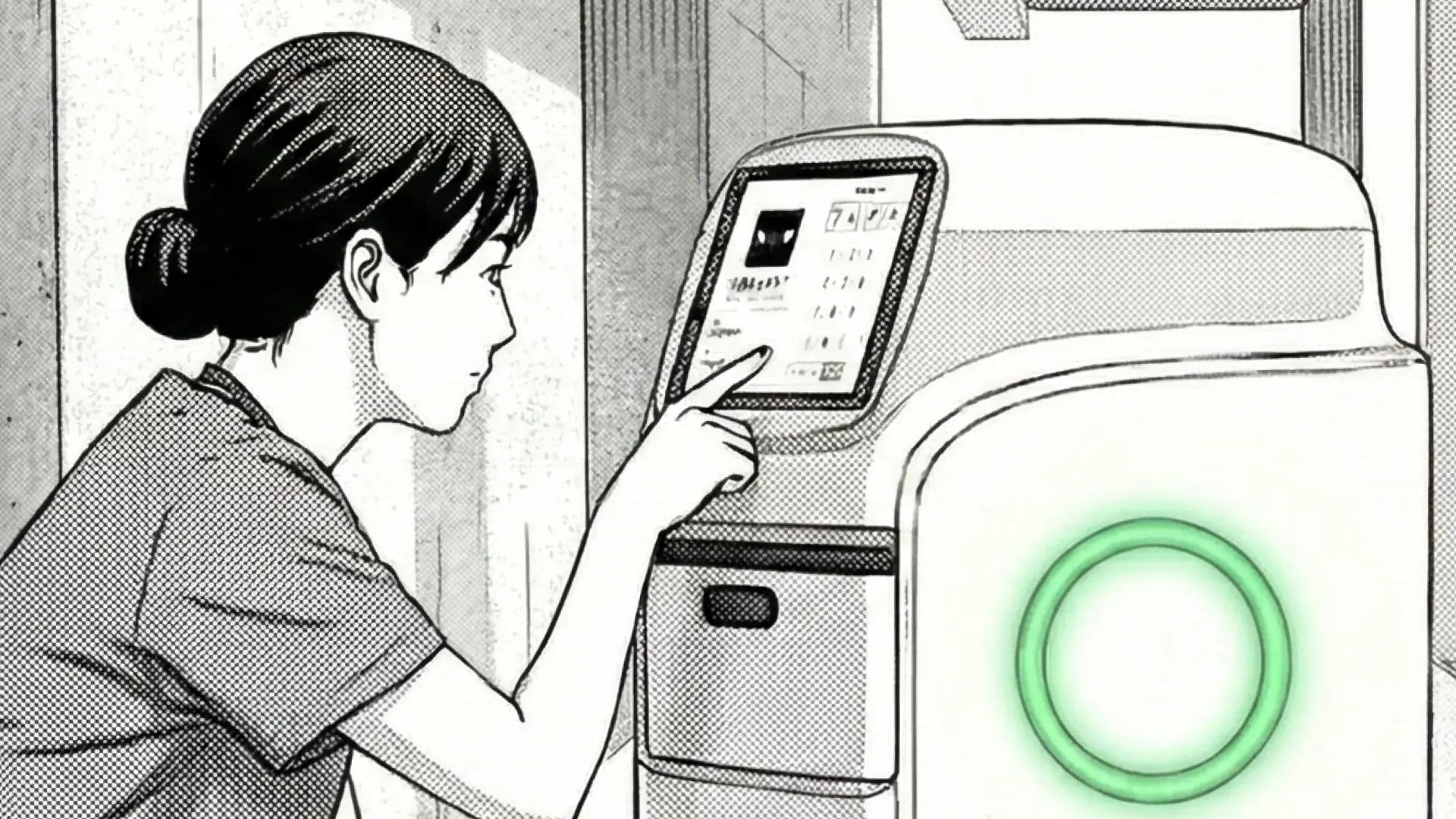
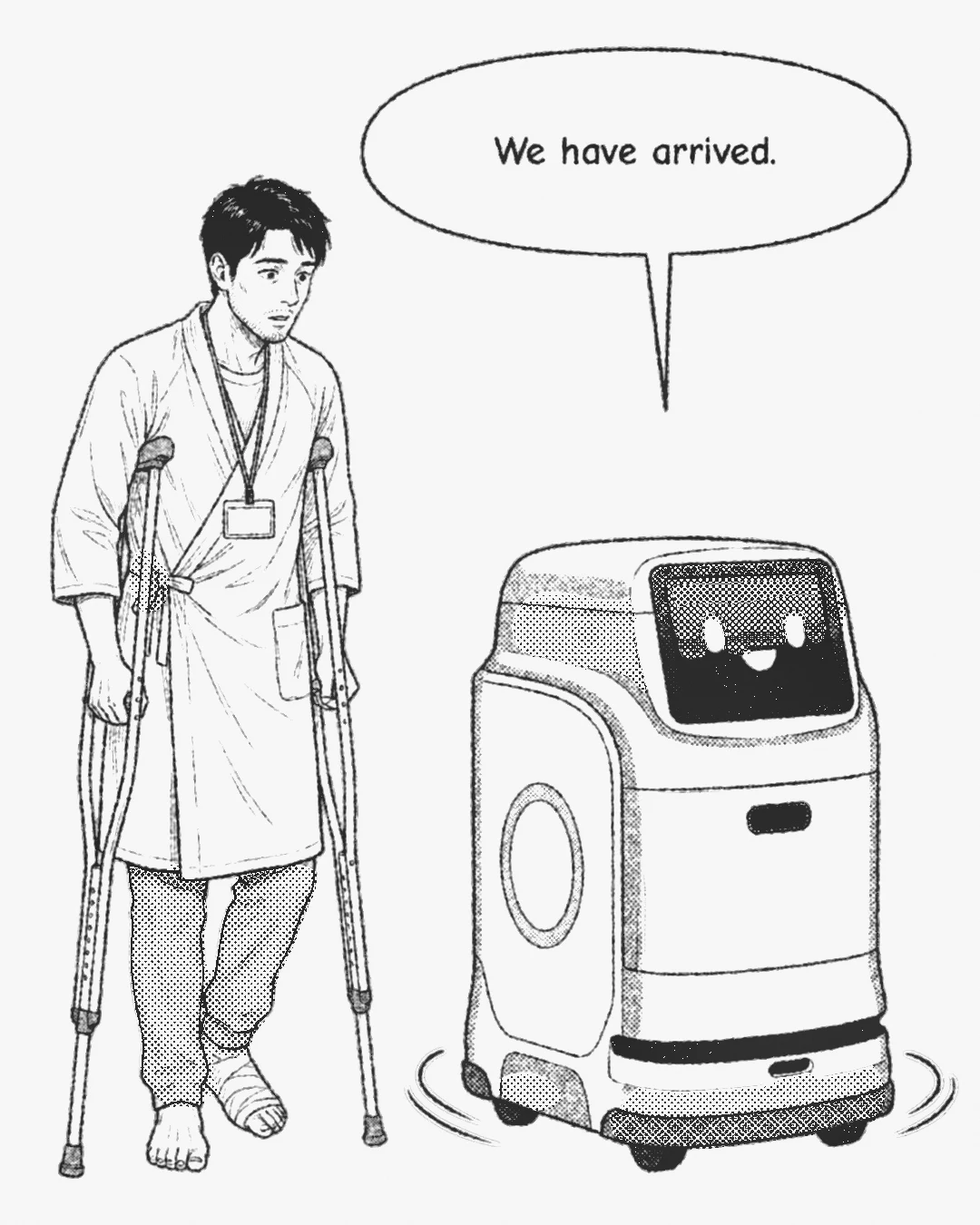
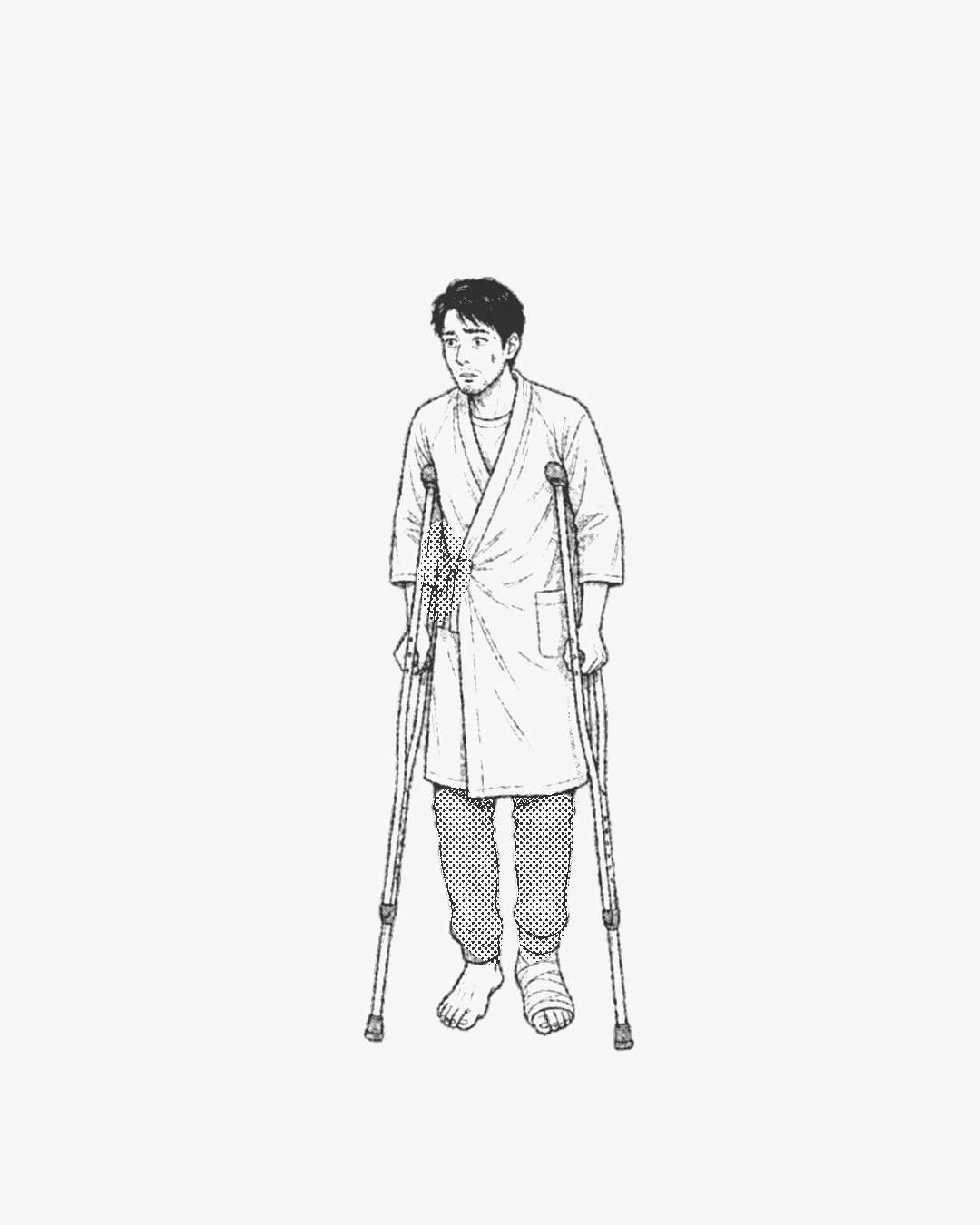
Mr. Iwata has come for outpatient rehab after being discharged, and Hakobukun guides him to the rehab room. On arrival it says, “We have arrived,” and immediately turns around to head back. But his therapist isn't there yet. Mr. Iwata is left standing alone on his crutches with no one around.
■ The machine's finish line and the person's are in different places
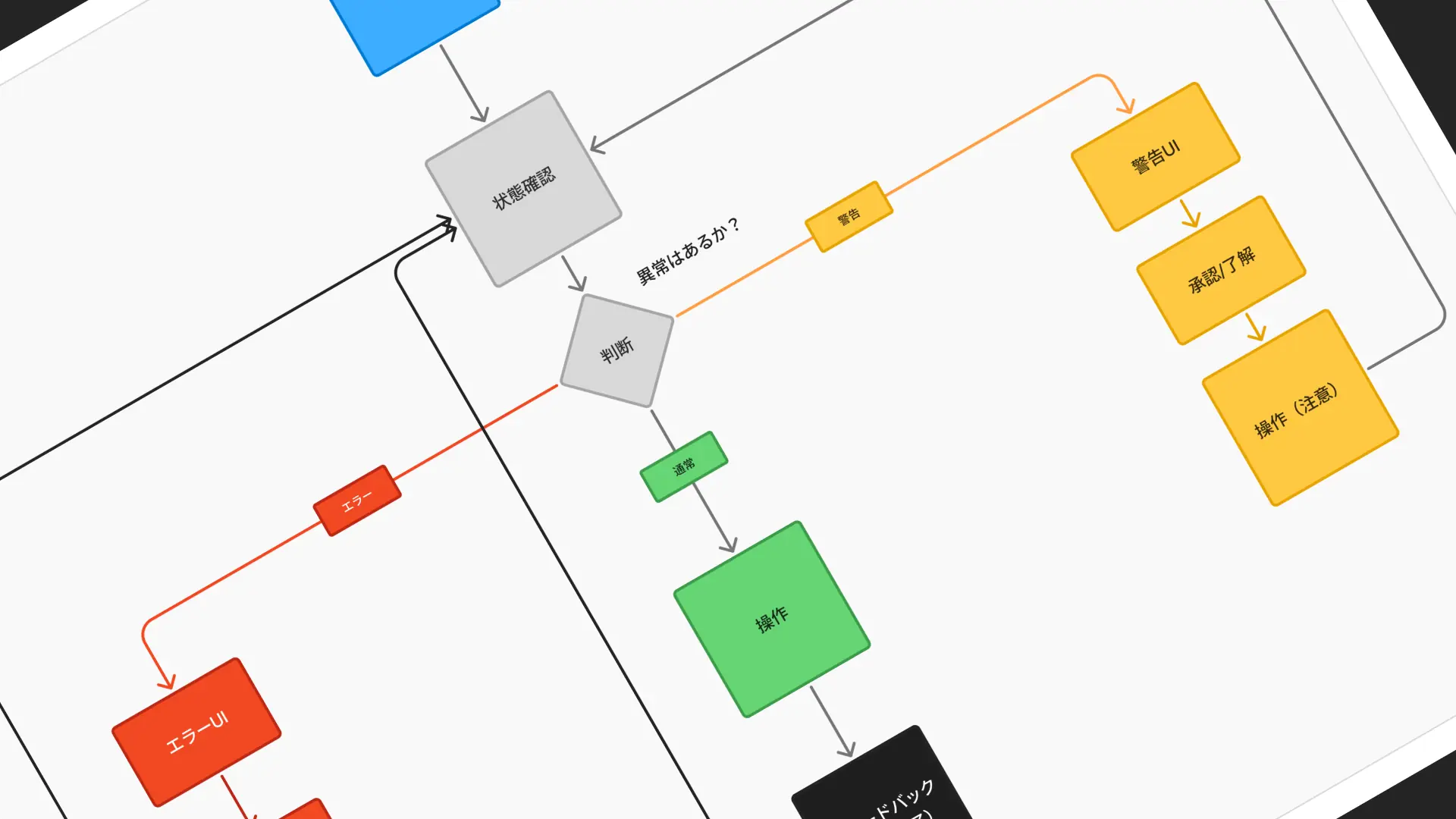
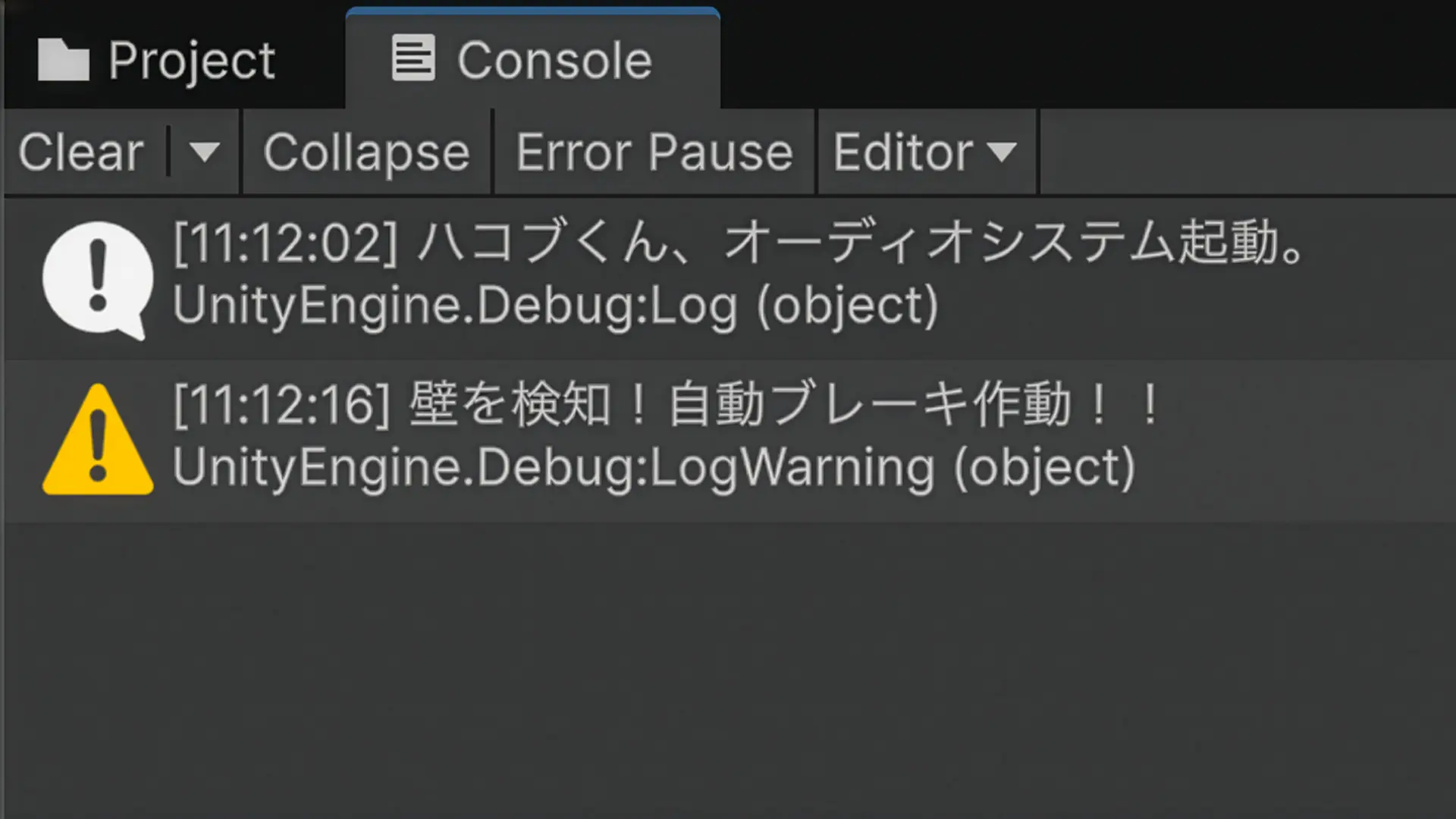
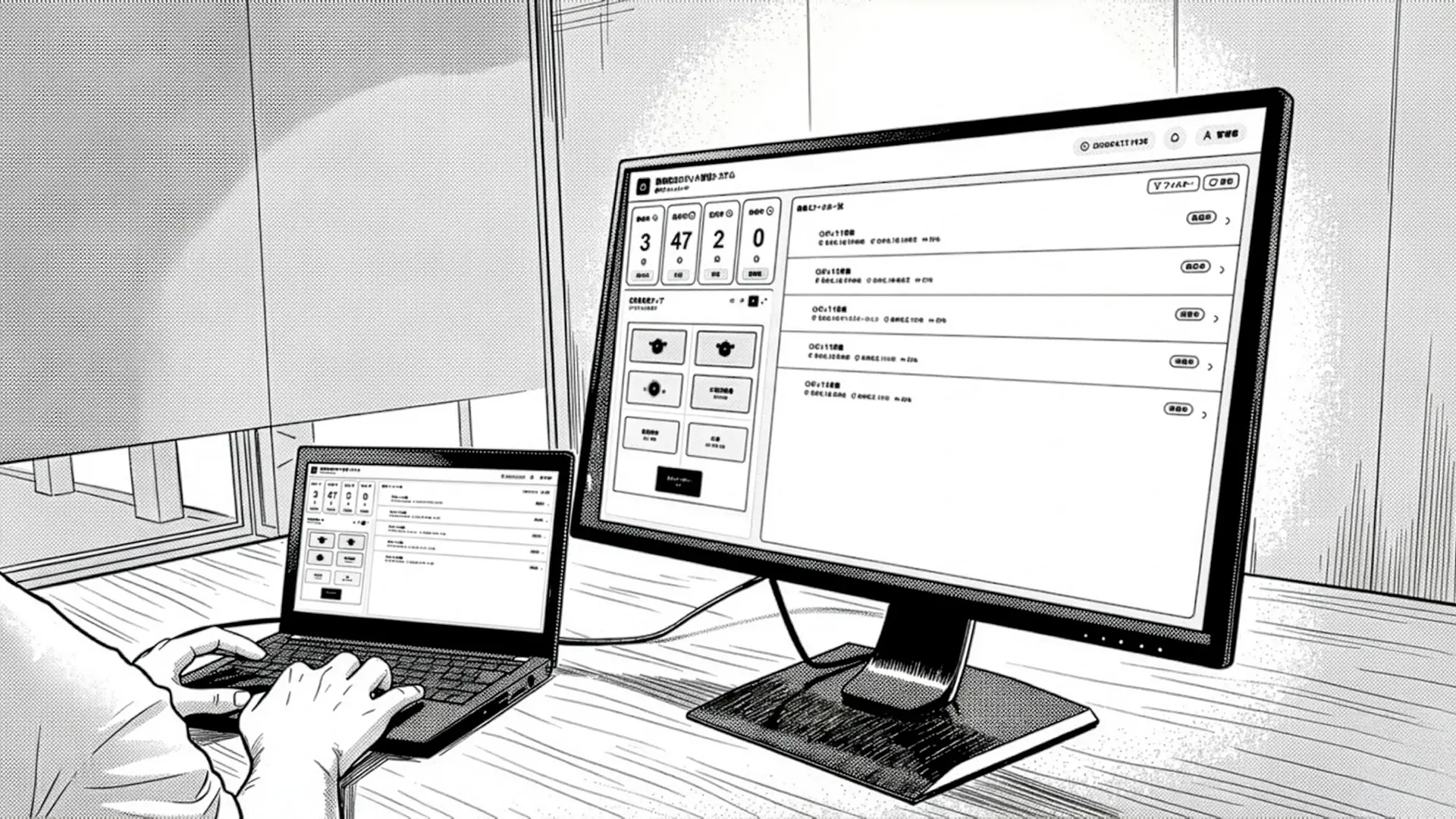
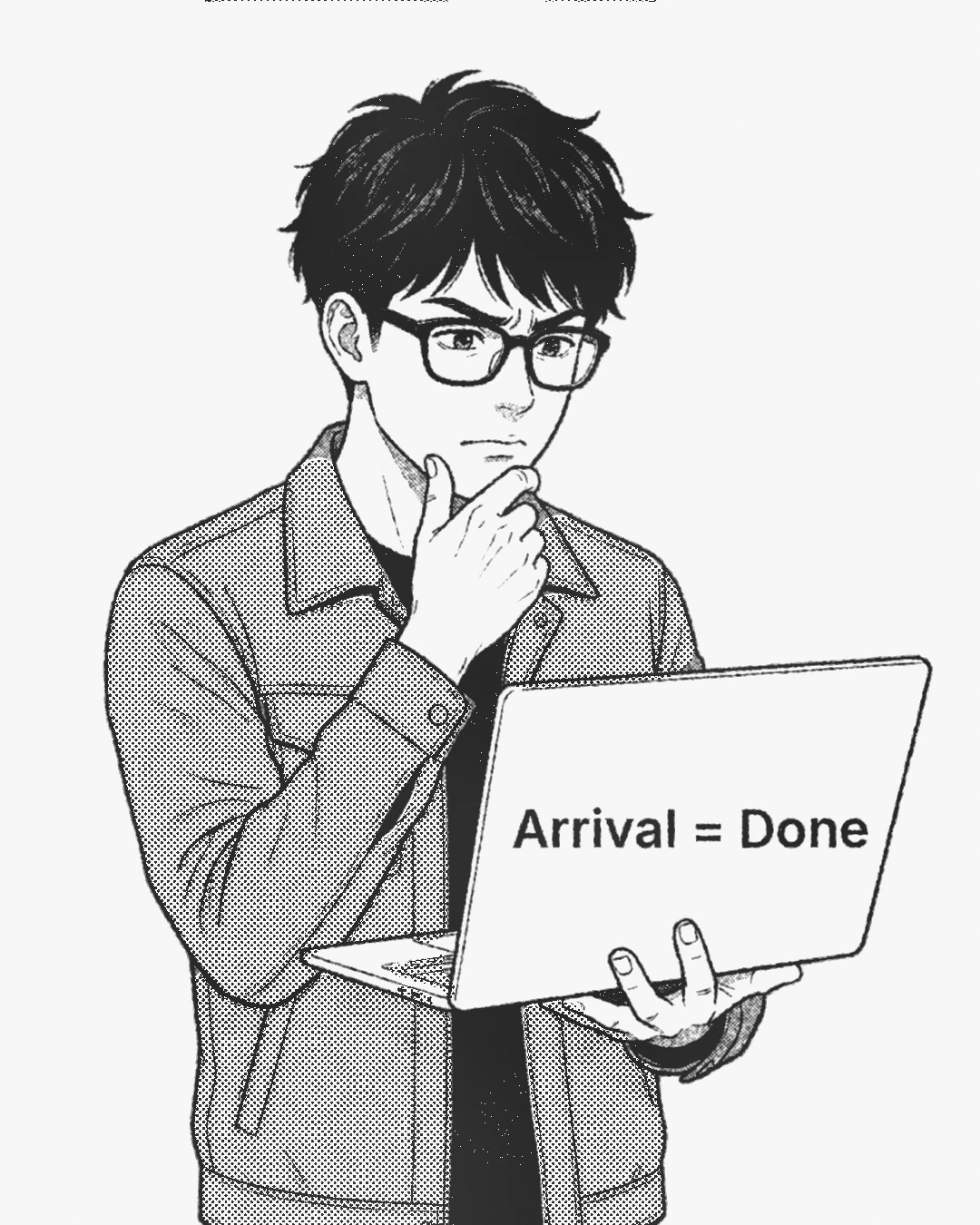
Later, when Makihara checks Hakobukun's logs, he finds that guiding was designed as “complete once the destination is reached.” From the machine's point of view, the job is done the moment it reaches the set location. For Mr. Iwata, though, the guiding ends when he meets the next person who will take care of him. If the end is defined by the machine's arrival, there is a gap between arriving and the next person showing up—a stretch where no one is watching.
■ Conclusion: A task ends when it has been handed off
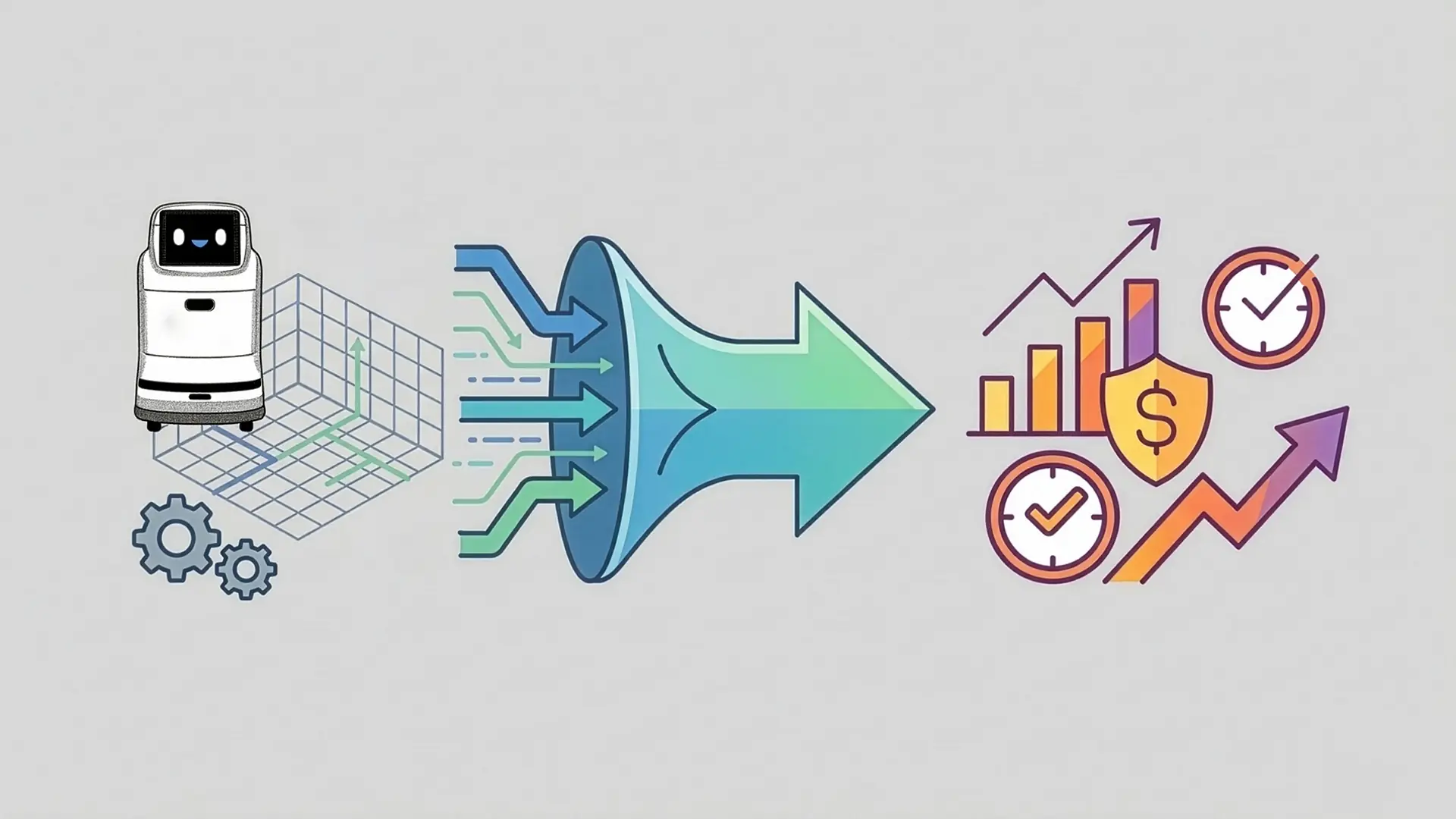
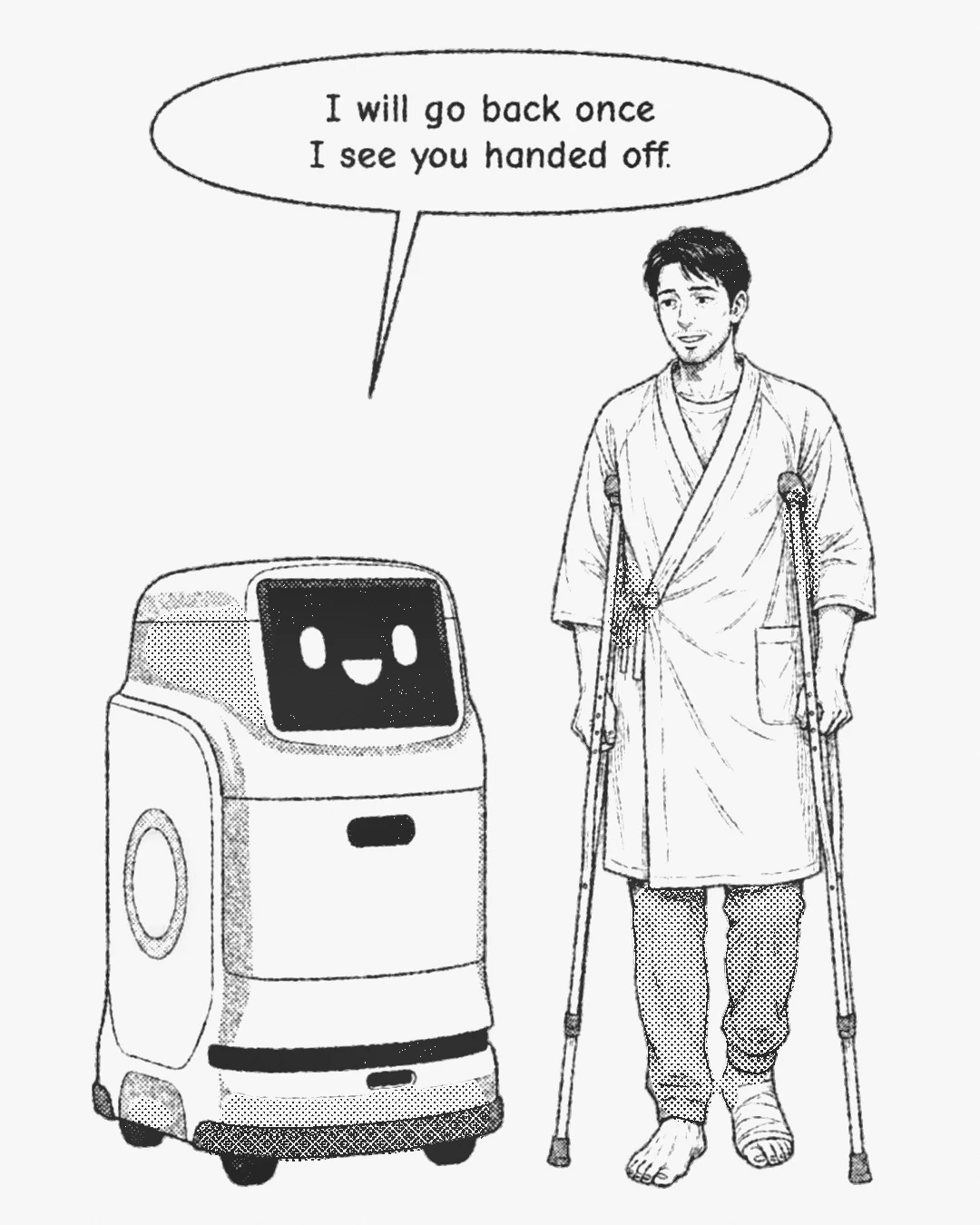
The definition of “complete” is changed to: Mr. Iwata has met the next staff member face to face. Hakobukun no longer turns away; it stays stopped beside Mr. Iwata and waits. “I will go back once I see you handed off.” When passing someone from one person to the next is treated as a single job, no one gets left behind in between.
“We have arrived” is not the signal that the job is over.