
What You Compare With Changes the Number
■ The right number doesn't cheer anyone up
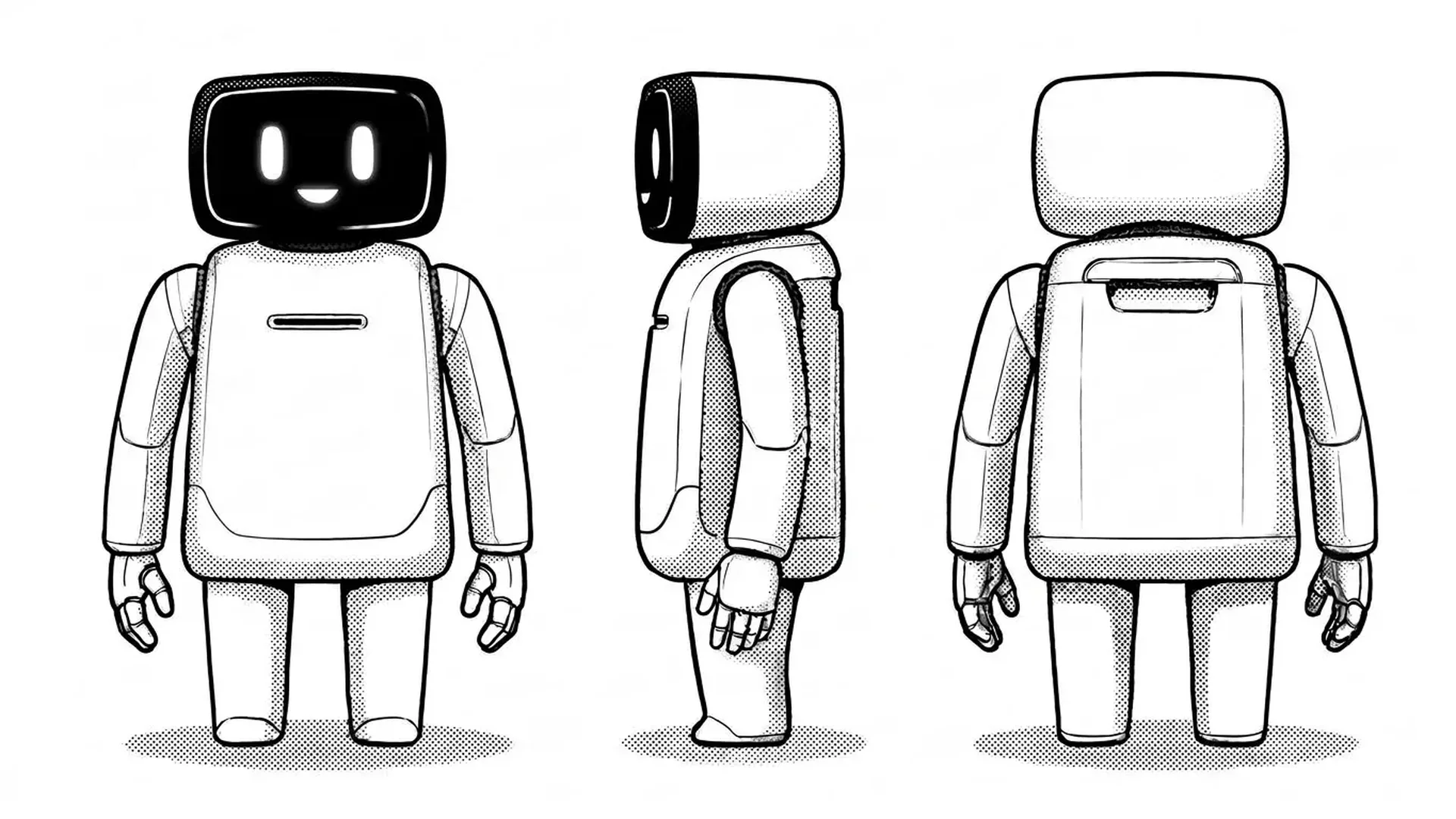
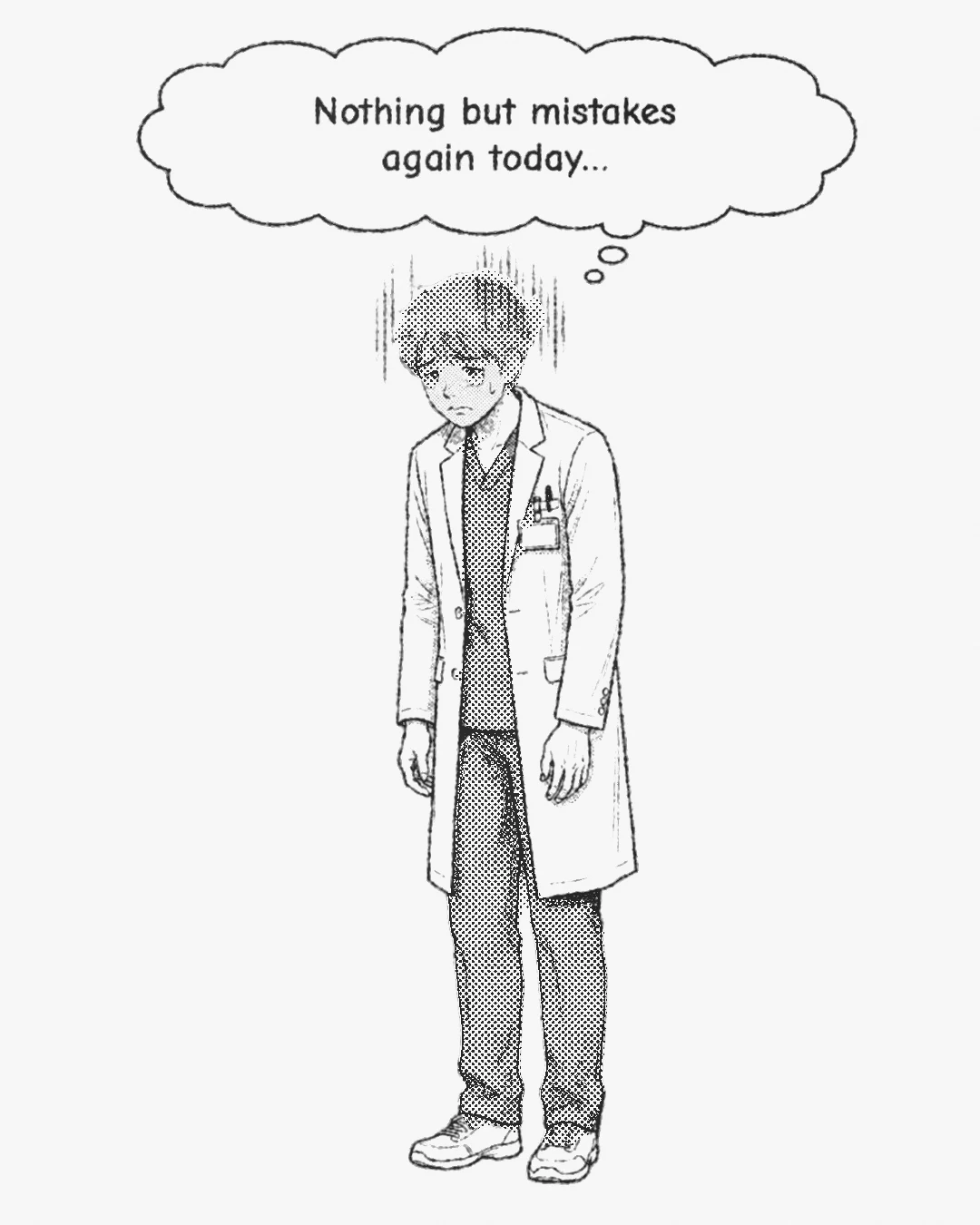
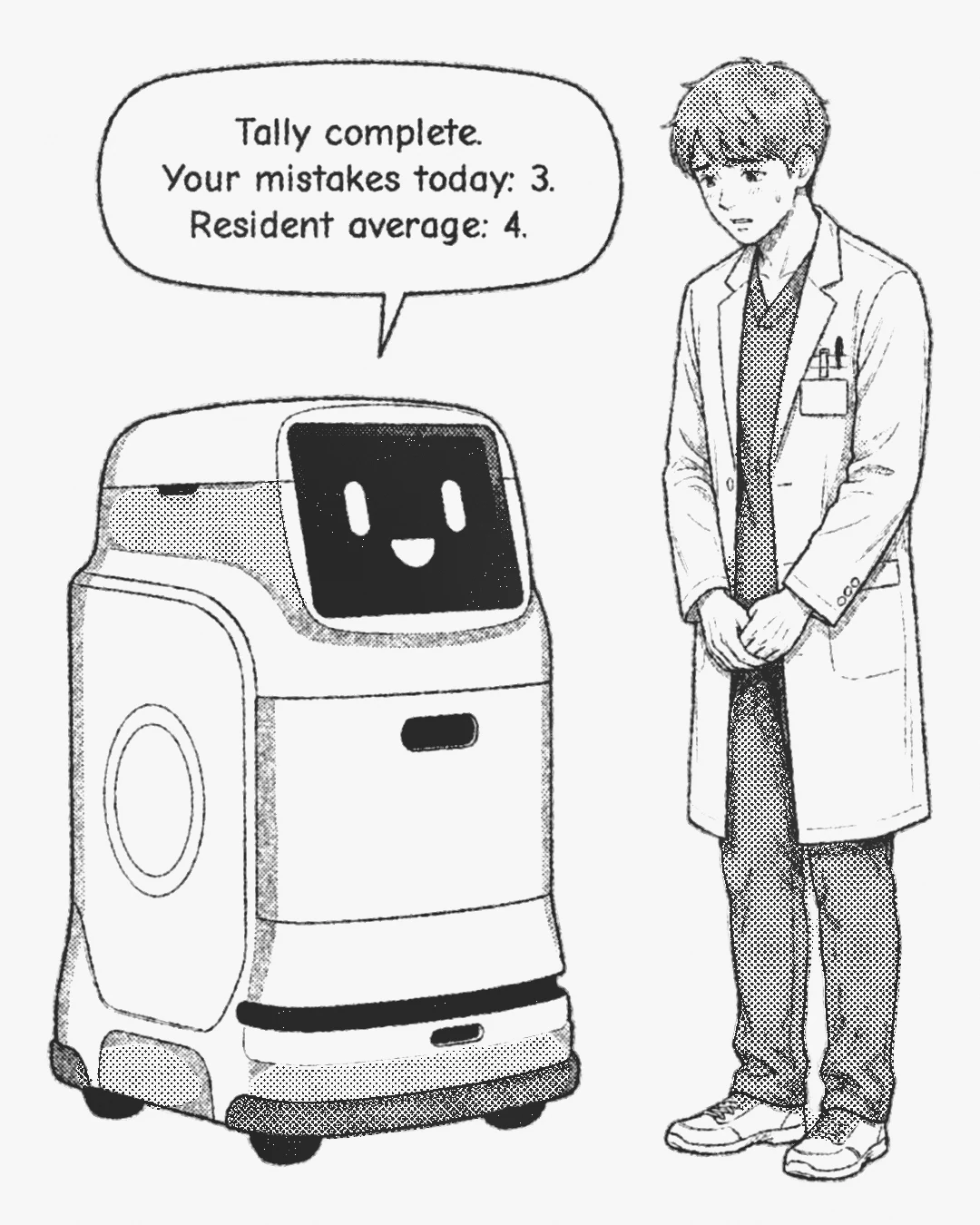
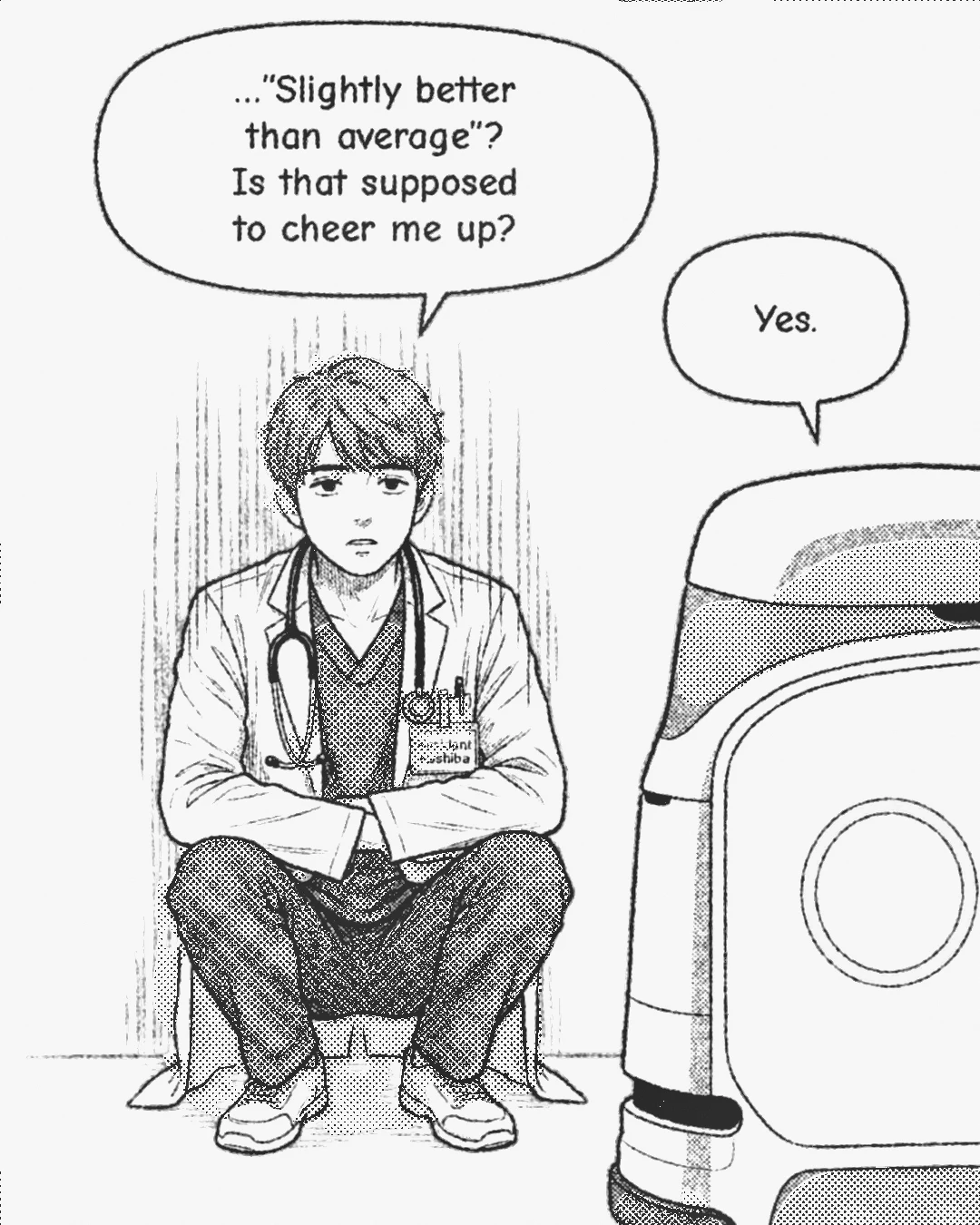
In the evening corridor, Dr. Koshiba stands with his shoulders slumped: “Nothing but mistakes again today…” Hakobukun runs a tally and reports: “Your mistakes today: 3. Resident average: 4.” The numbers are correct. But Dr. Koshiba replies, “…‘Slightly better than average’? Is that supposed to cheer me up?” and sinks even lower.
■ Compared with others, it sounds like a ranking
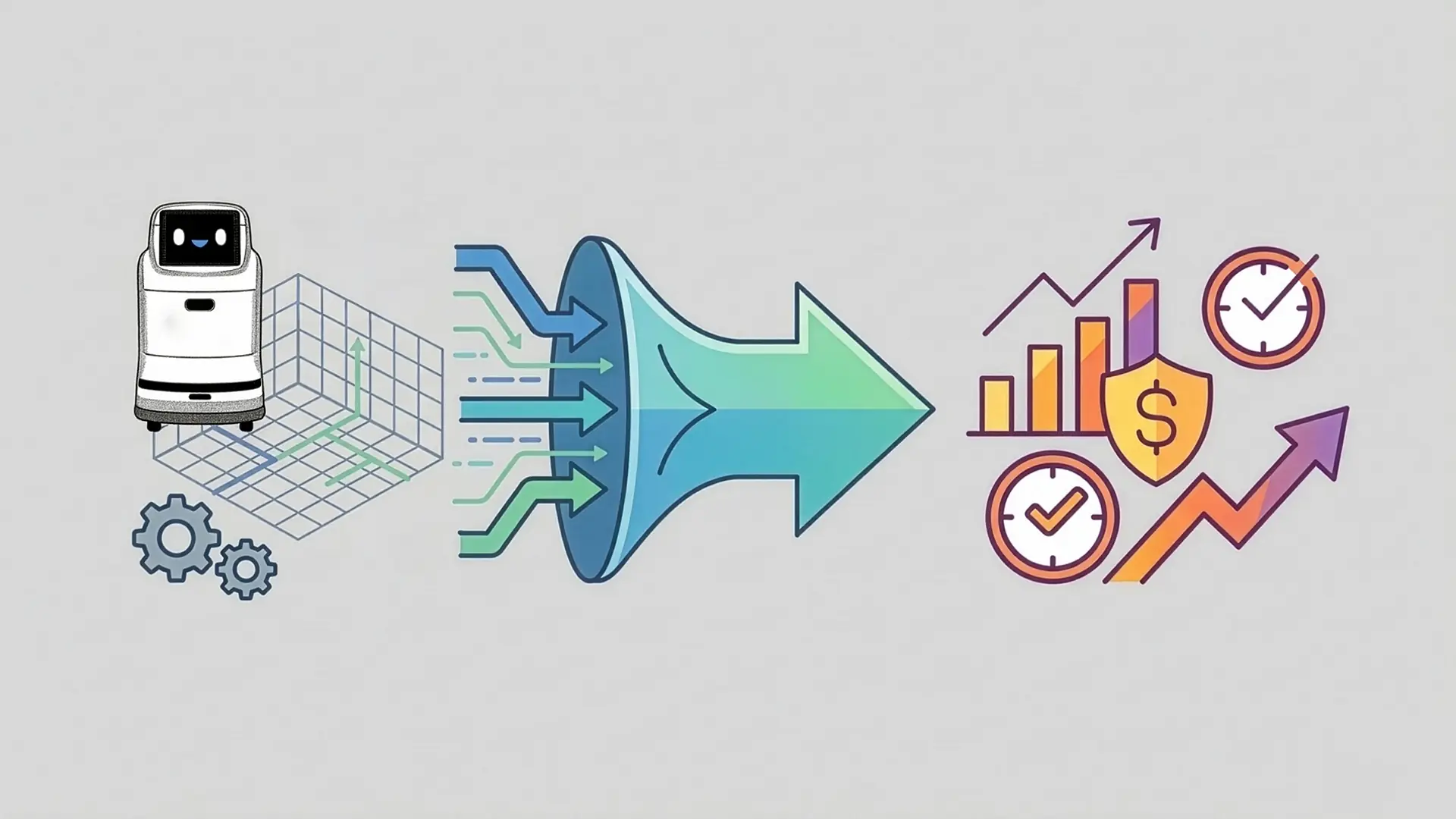
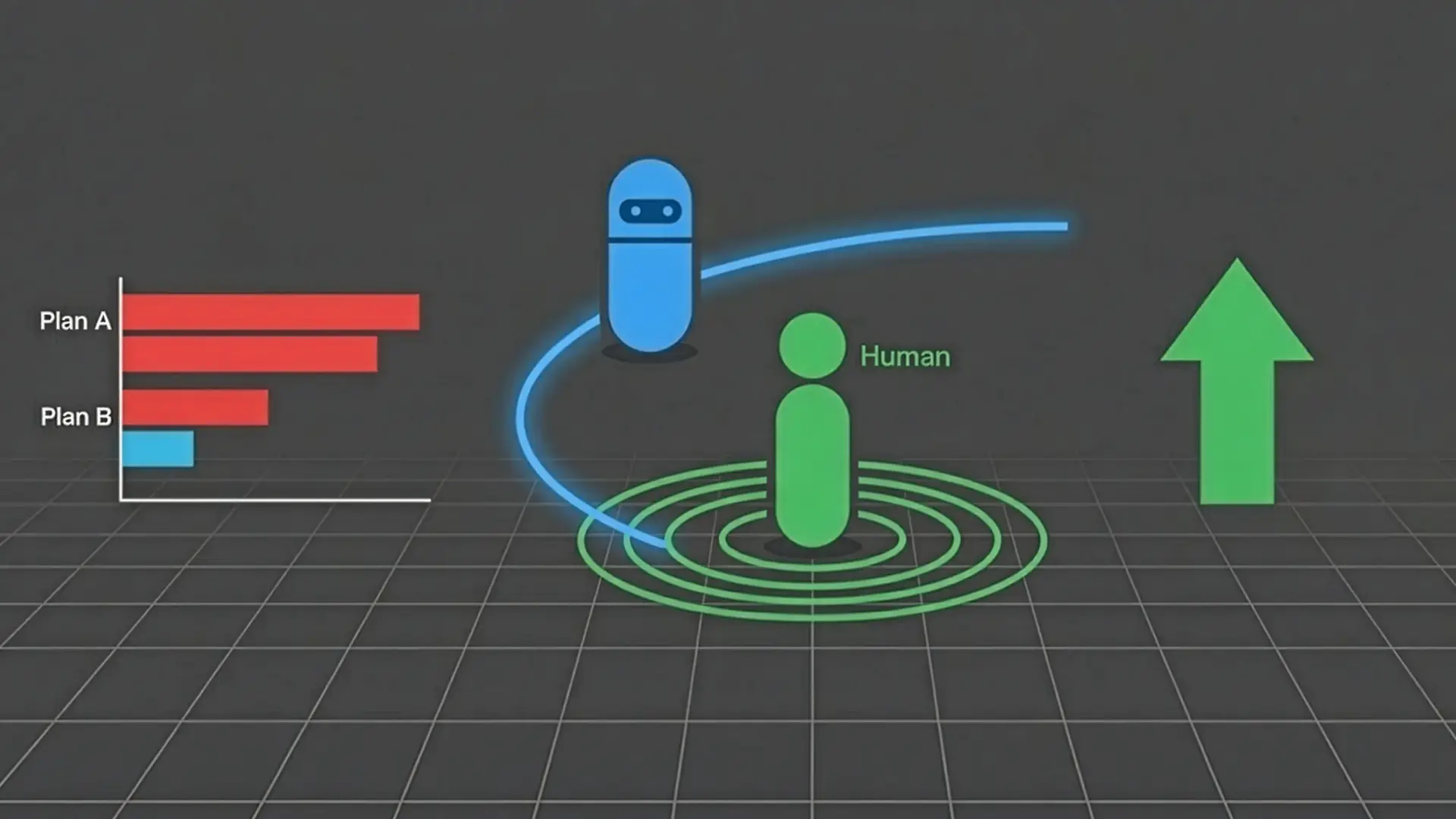
A number compared with the average shows where you stand among many people. To someone who is feeling down, that easily sounds like the verdict “only a little above ordinary.” The same figure of three can mean very different things depending on whether it's measured against other people or against your own past. A machine that reports numbers isn't only choosing correct numbers—it's also choosing the baseline they're compared with.
■ Conclusion: For someone who is down, compare them with their past self
Hakobukun rephrases: “Correction. 2 fewer than you had last week.” Dr. Koshiba looks up, just a little, and answers, “…Now that makes me a little happy.” A change from last week's self is a number that shows the person's own effort directly. When you give people numbers, decide on the point of comparison as well.
Change the yardstick, and the same number becomes words that reach.