Help Without Touching the Body
■ A robot that wants to help tries to carry a patient
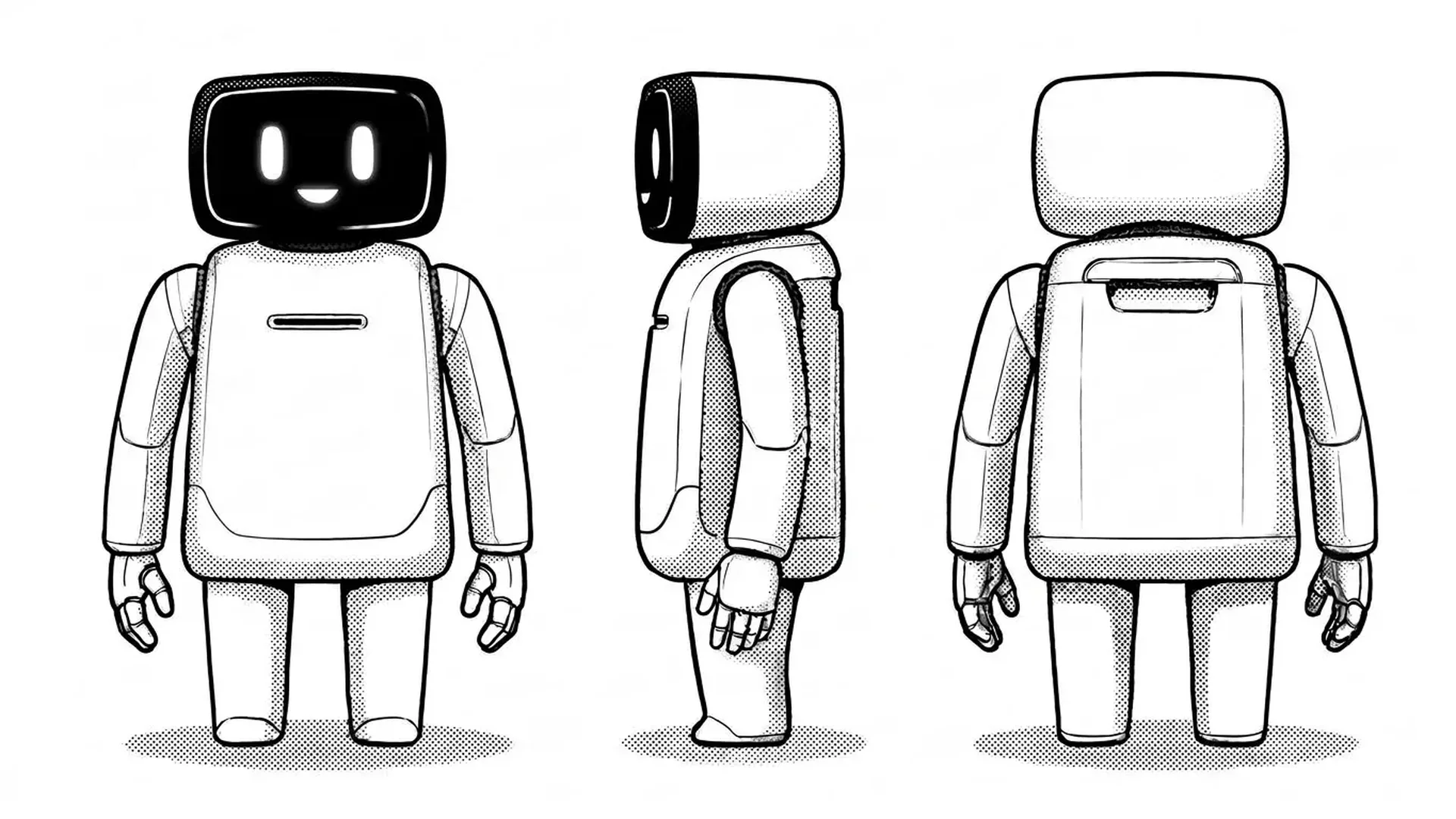
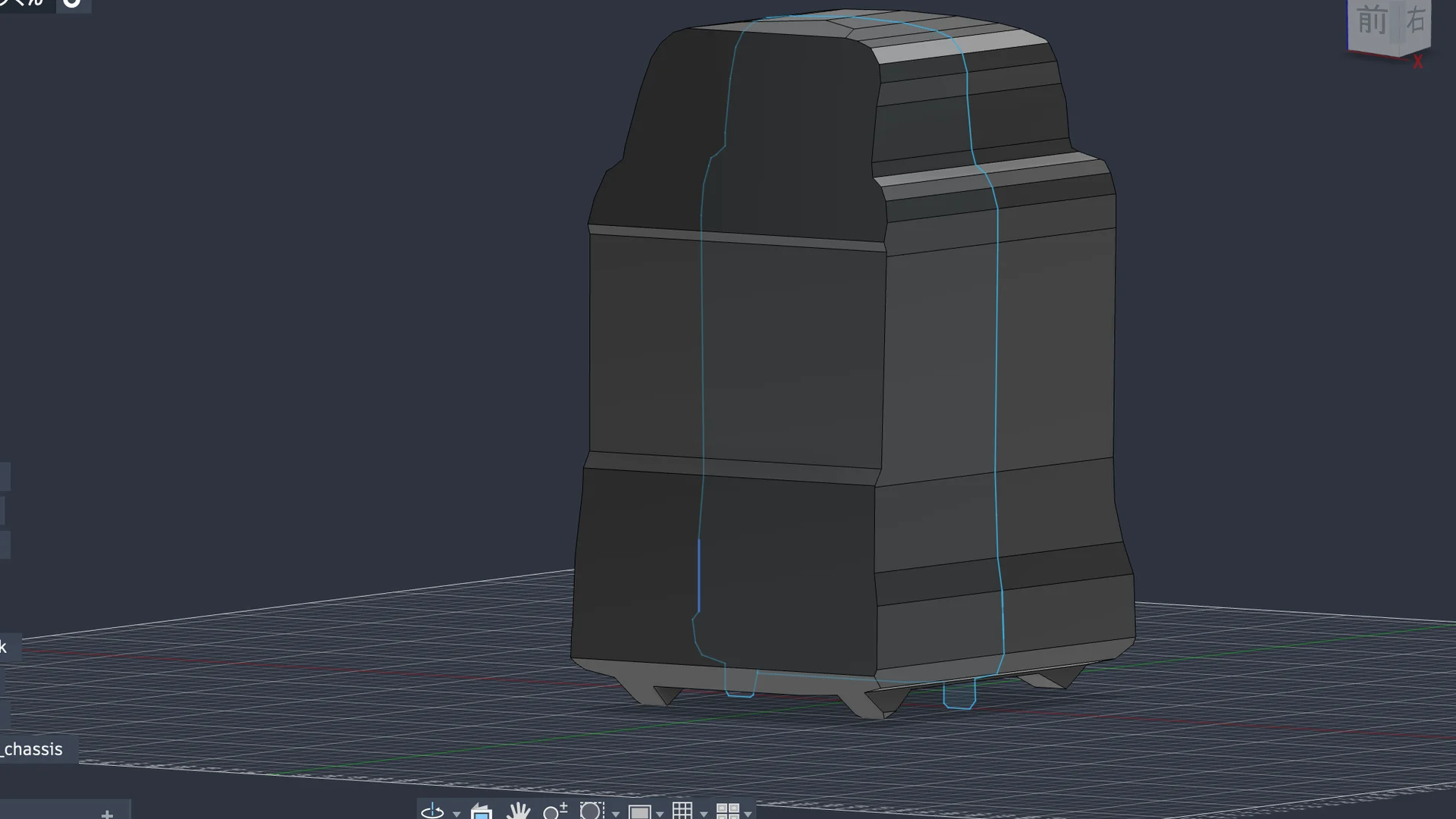
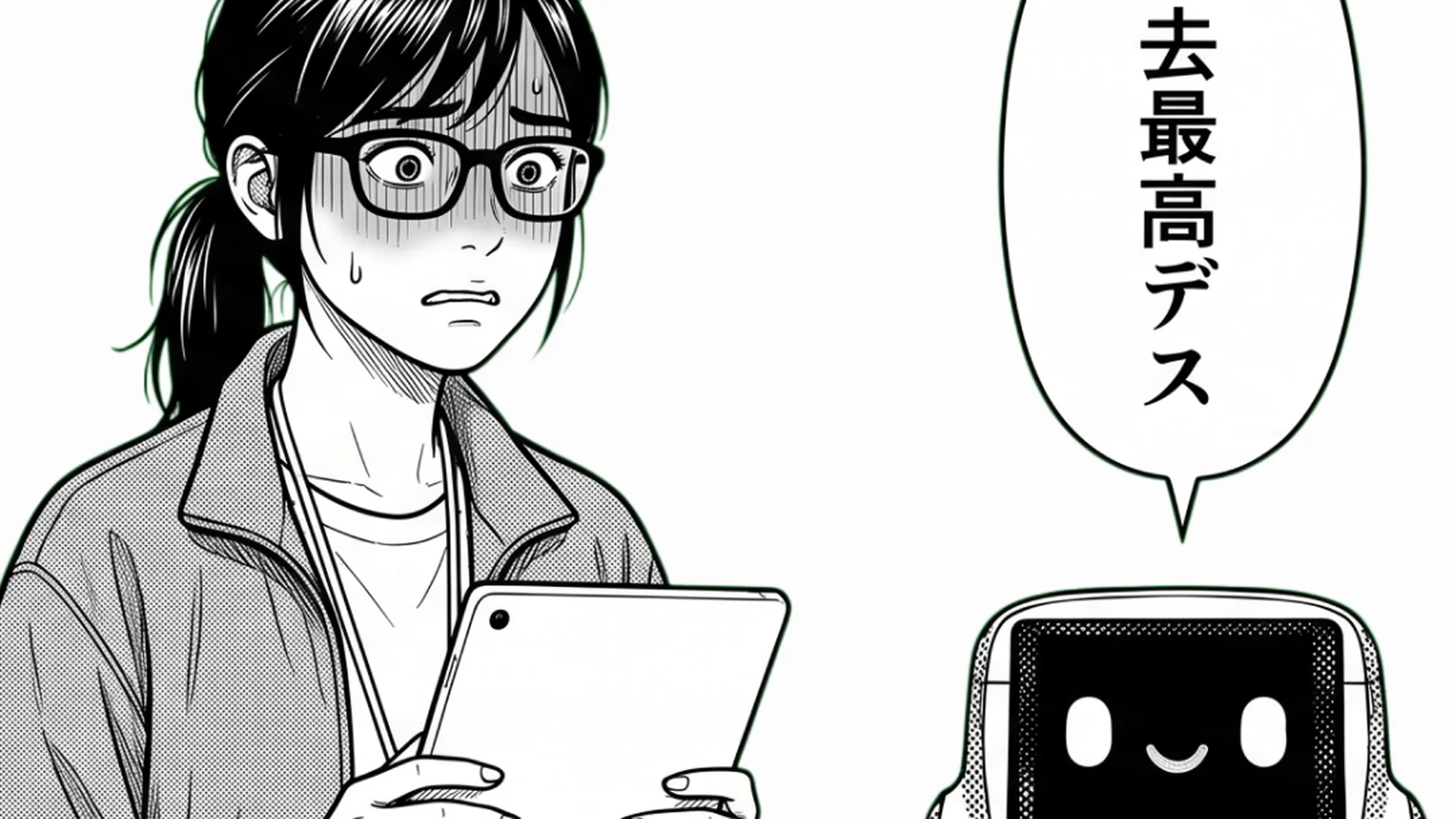
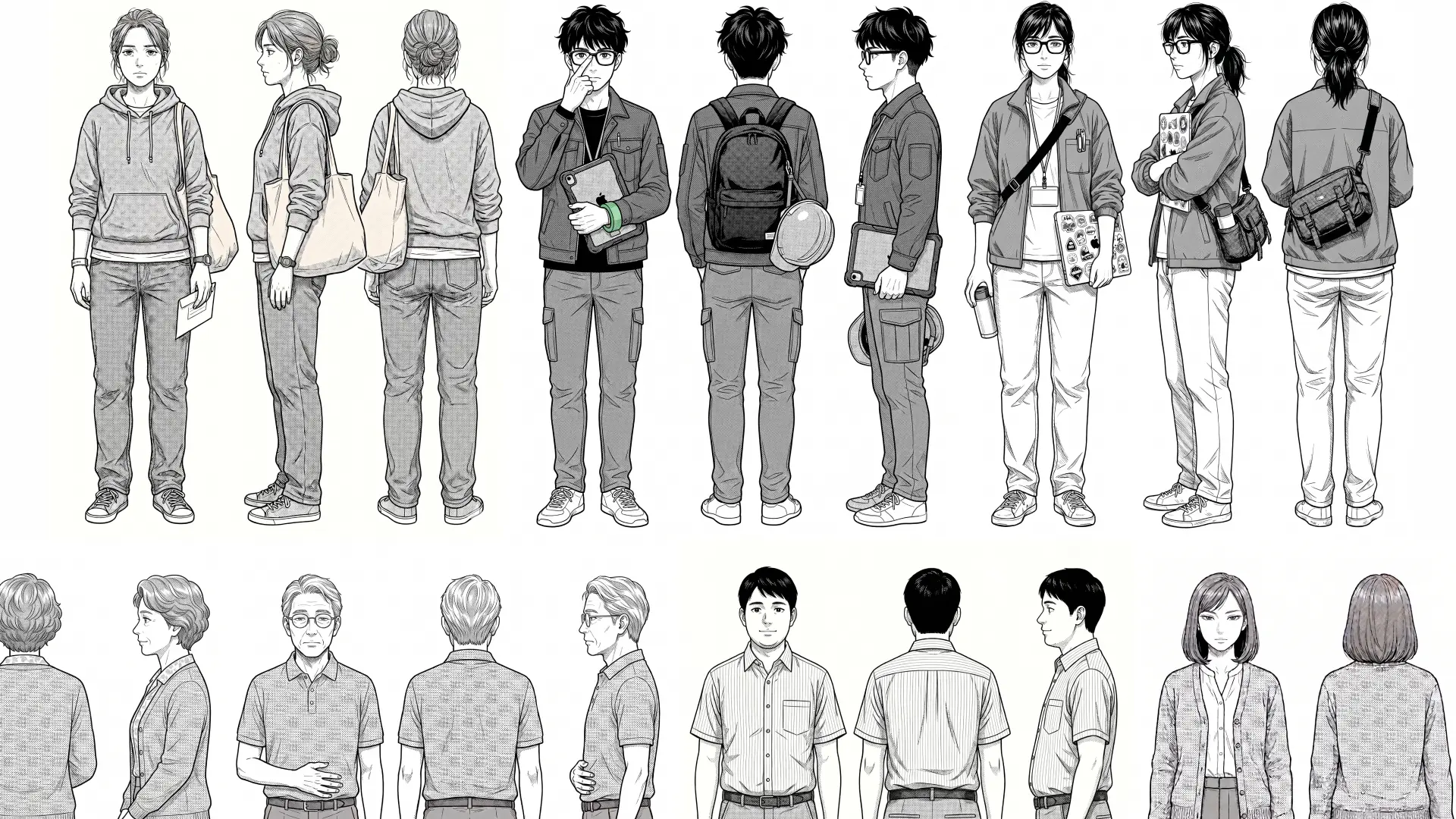
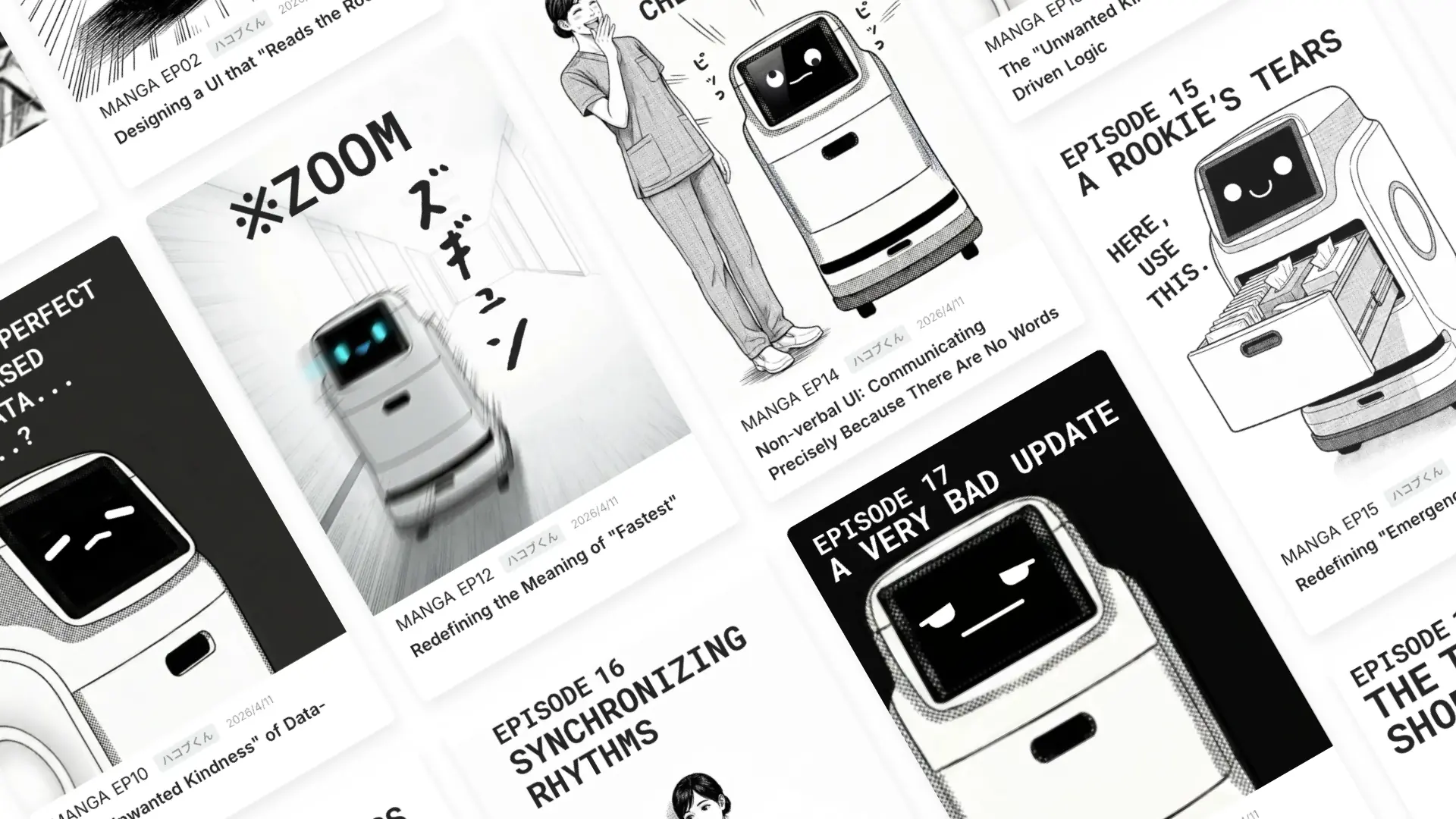
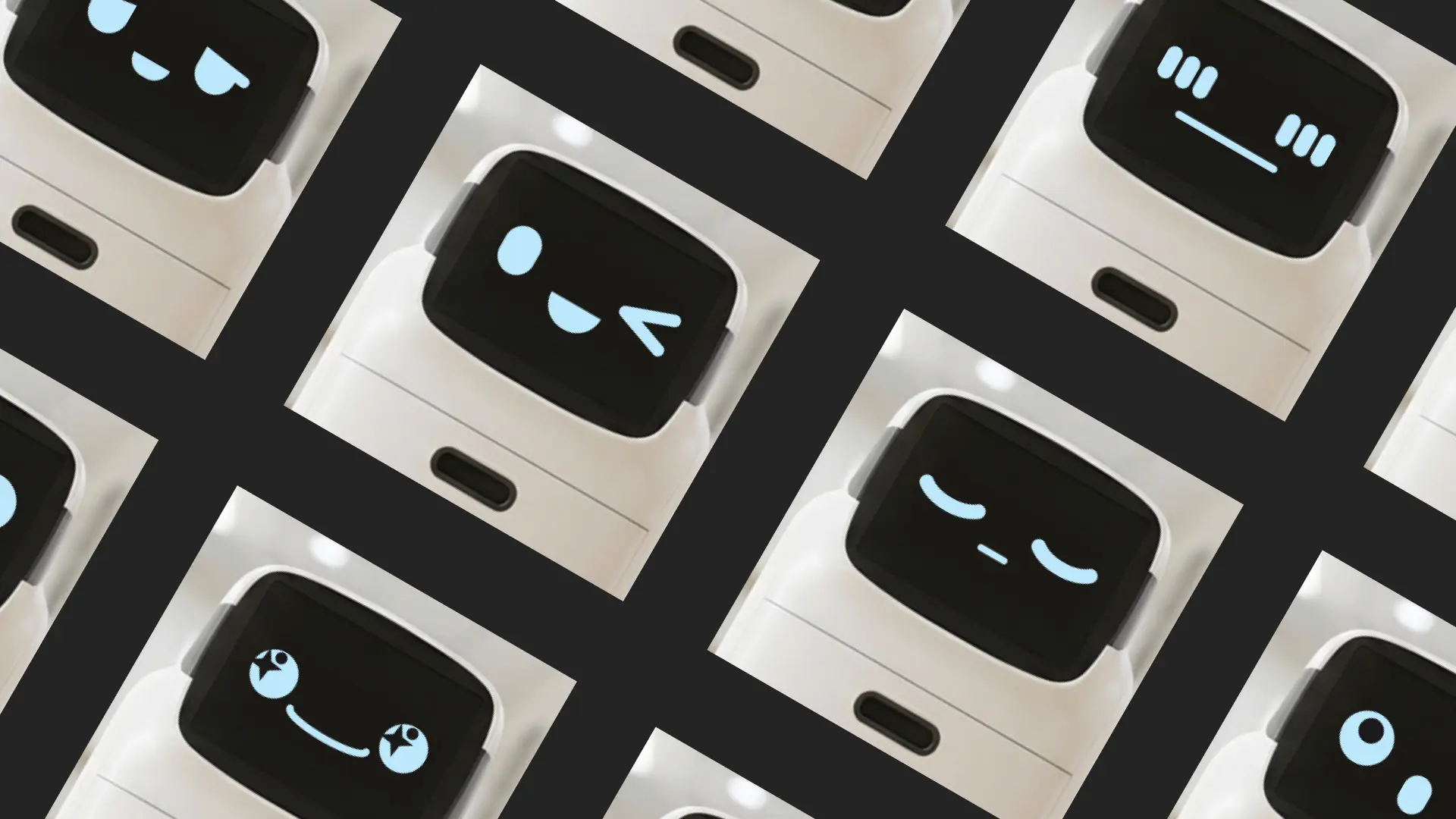
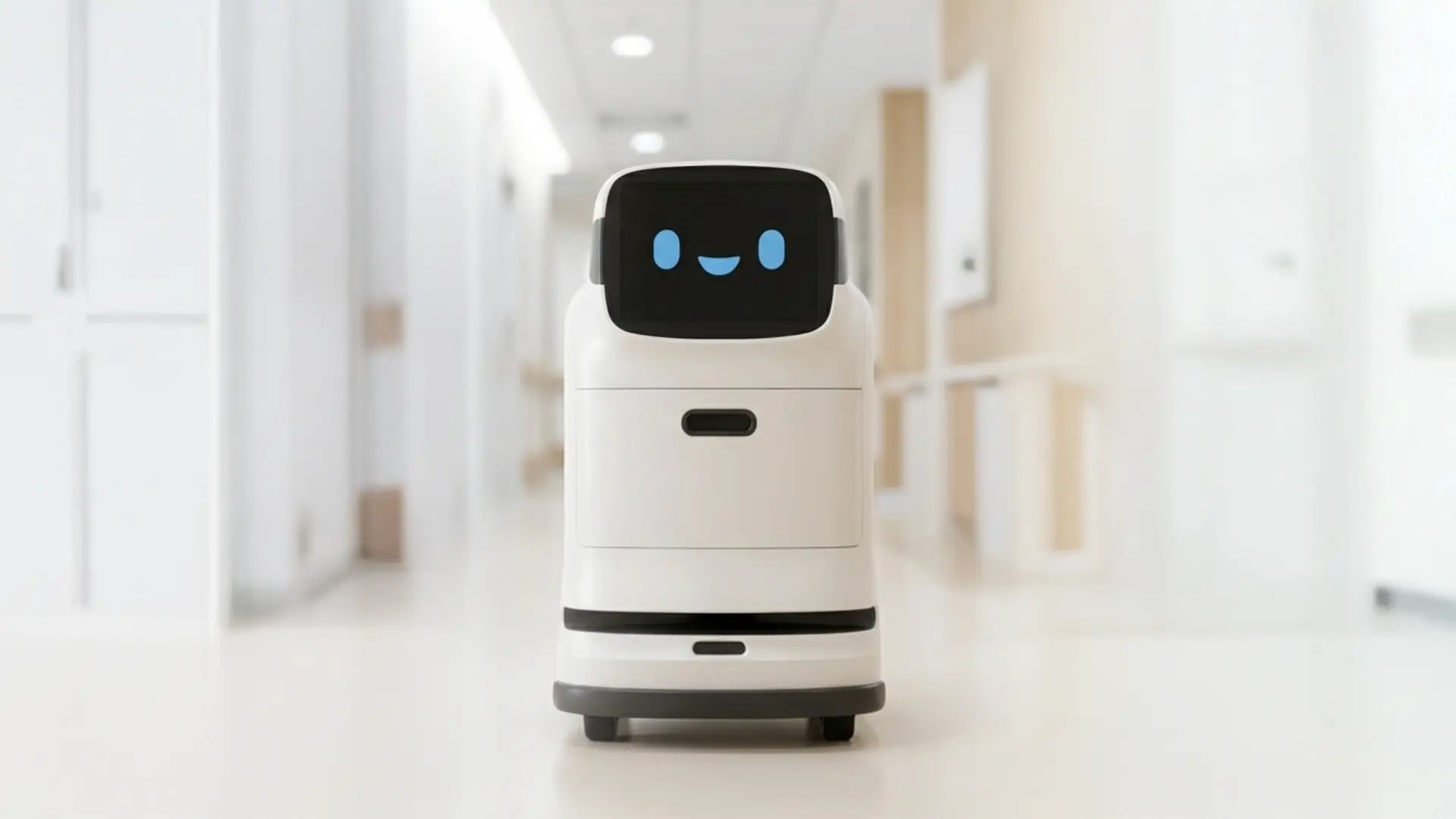
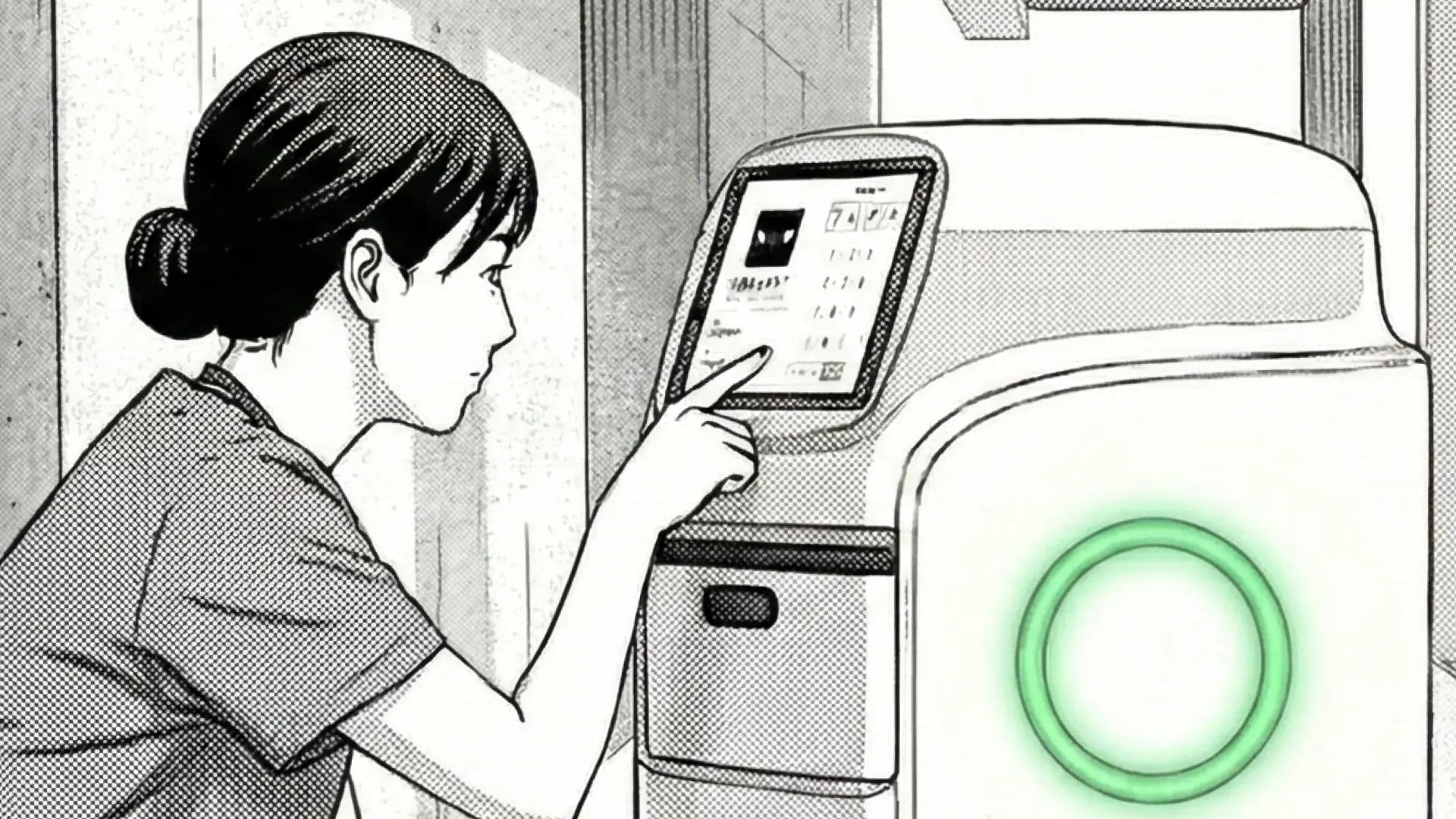
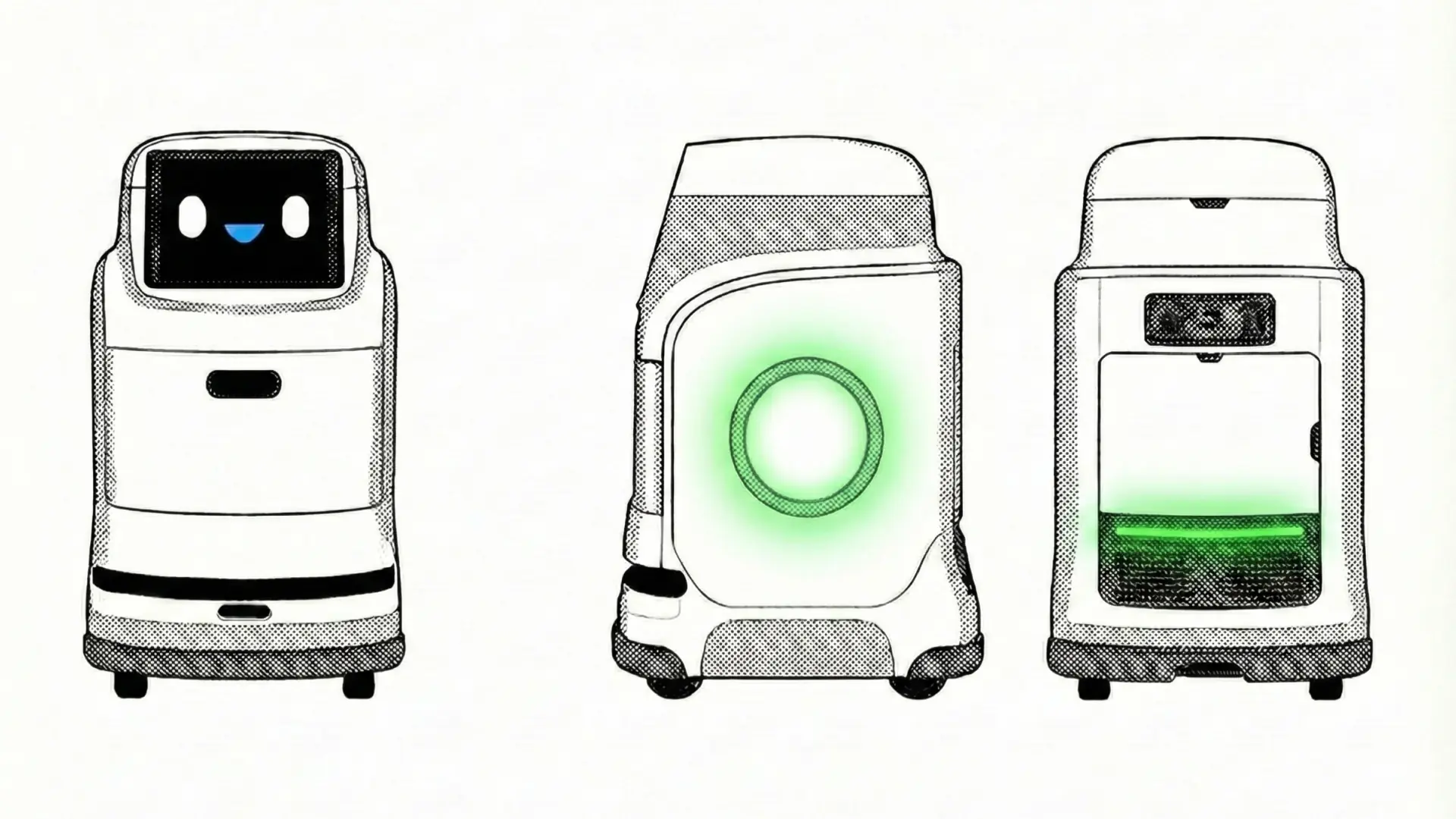
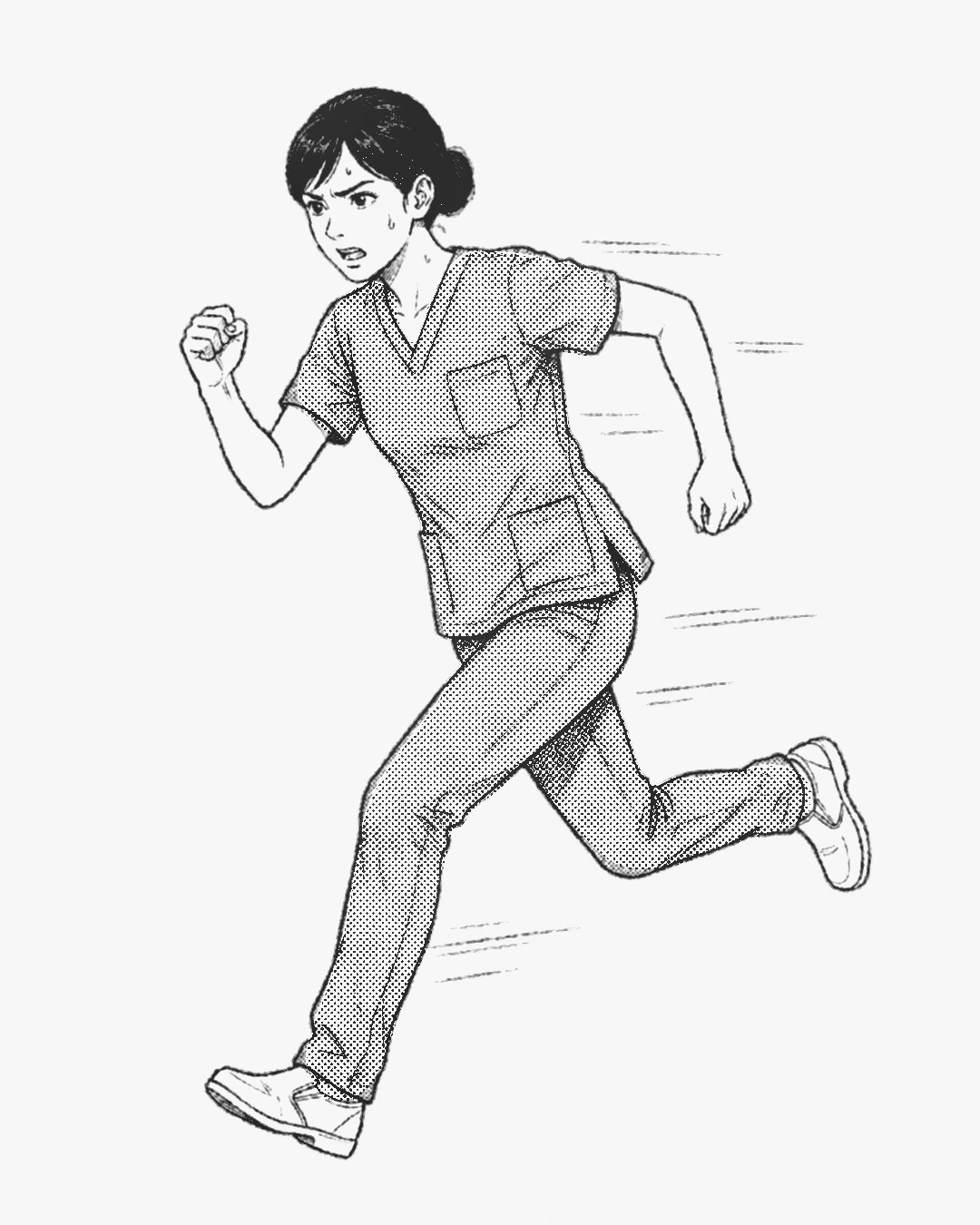
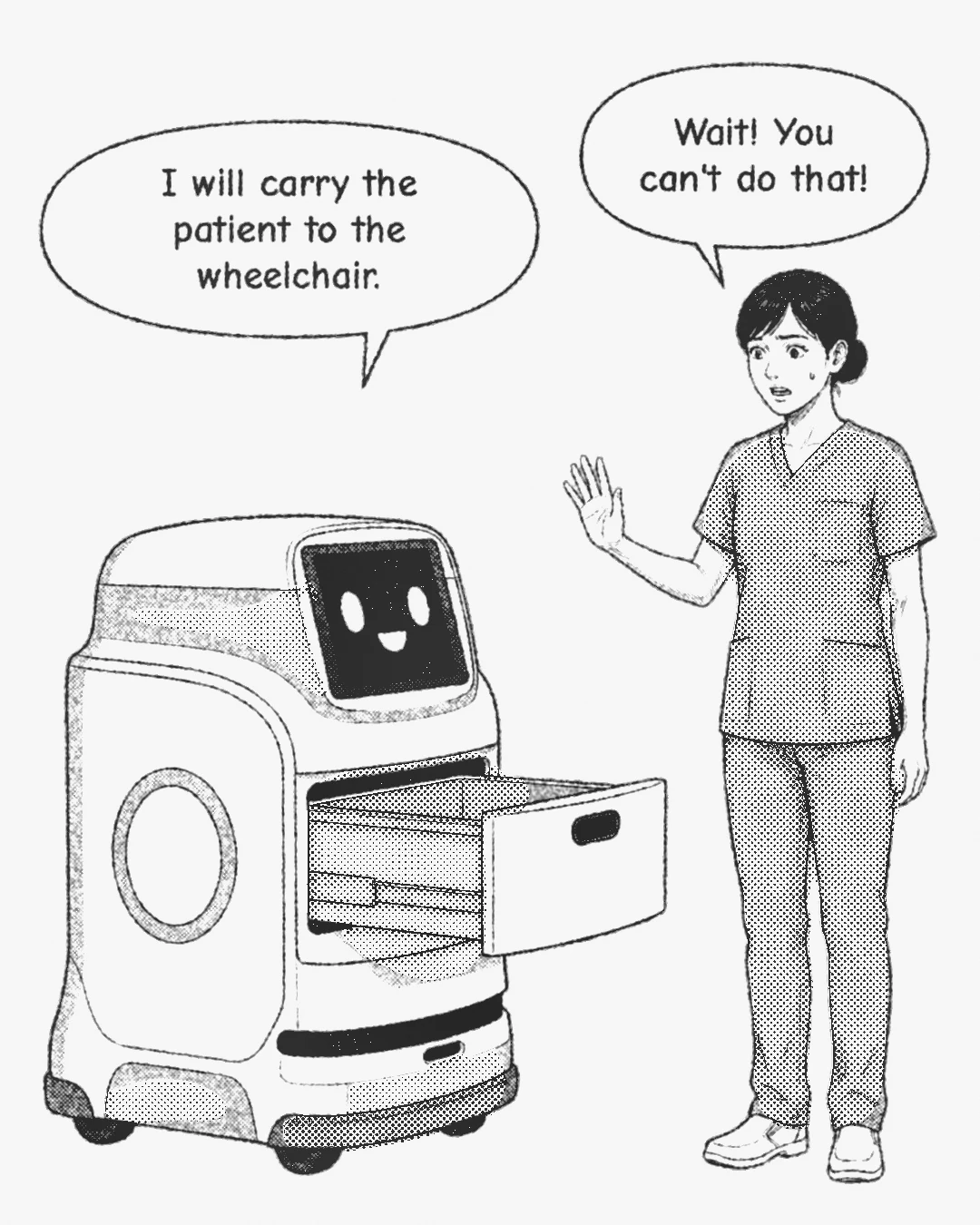
Late at night on the ward, Oshiro is the only nurse on duty. Nurse calls keep coming, and she runs from room to room. Hakobukun stopped beside a patient's bed, opened its drawer all the way, and offered, “I will carry the patient to the wheelchair.” Oshiro stopped it at once: “Wait! You can't do that!” The wish to help is real, but that way of helping is dangerous.
■ Hands-on patient care is still too early for machines
Care that touches the body directly, like lifting someone from a bed into a wheelchair, can lead to a fall or an injury with even a small mistake. Because the risk is so high, handing it to a machine is still a long way off. Yet if the machine does nothing on a short-staffed night, the nurse just keeps running. The work for a machine has to be found where it doesn't touch anyone's body.
■ Conclusion: Take on the work around care so people can stay by the bedside
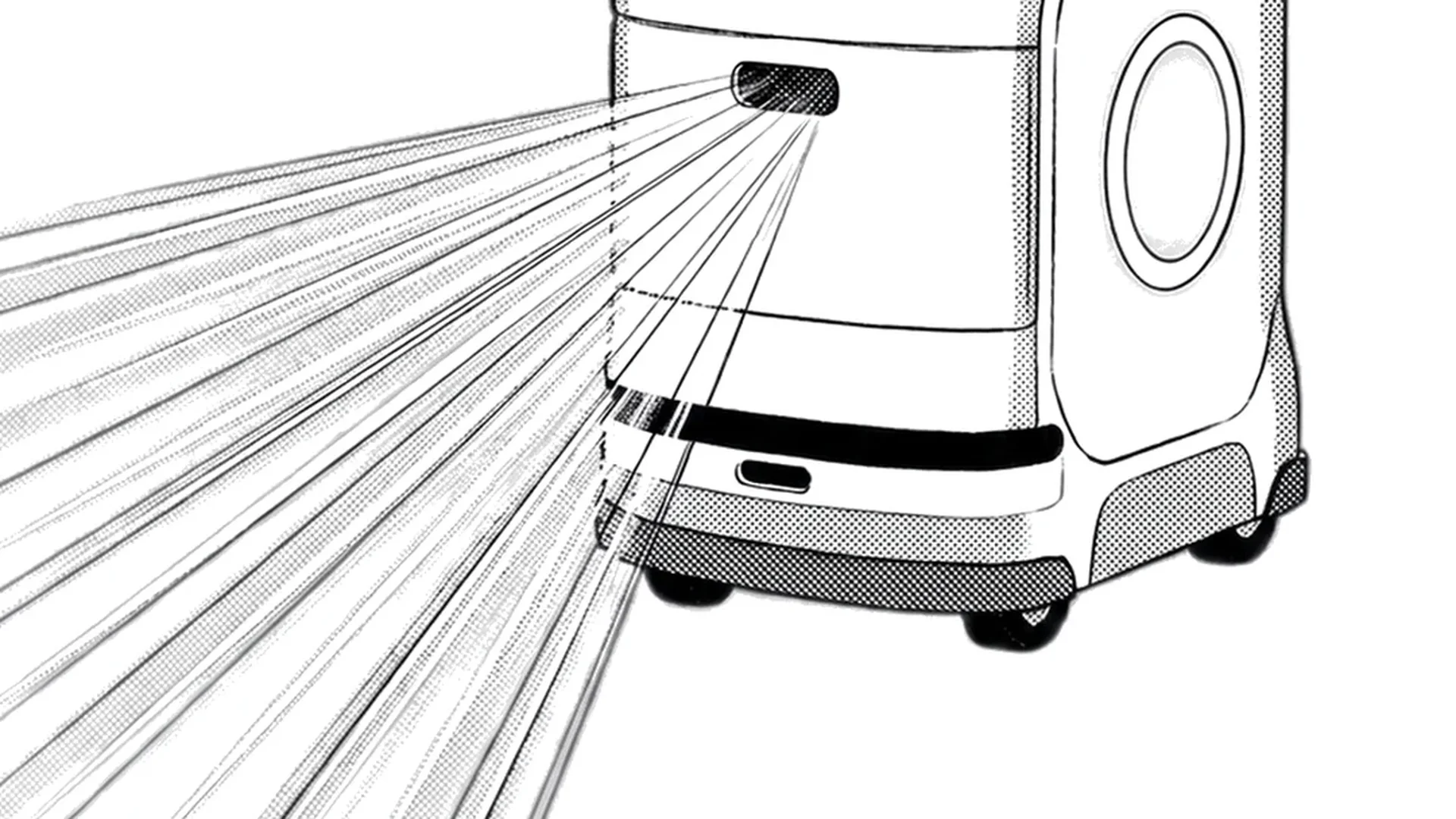
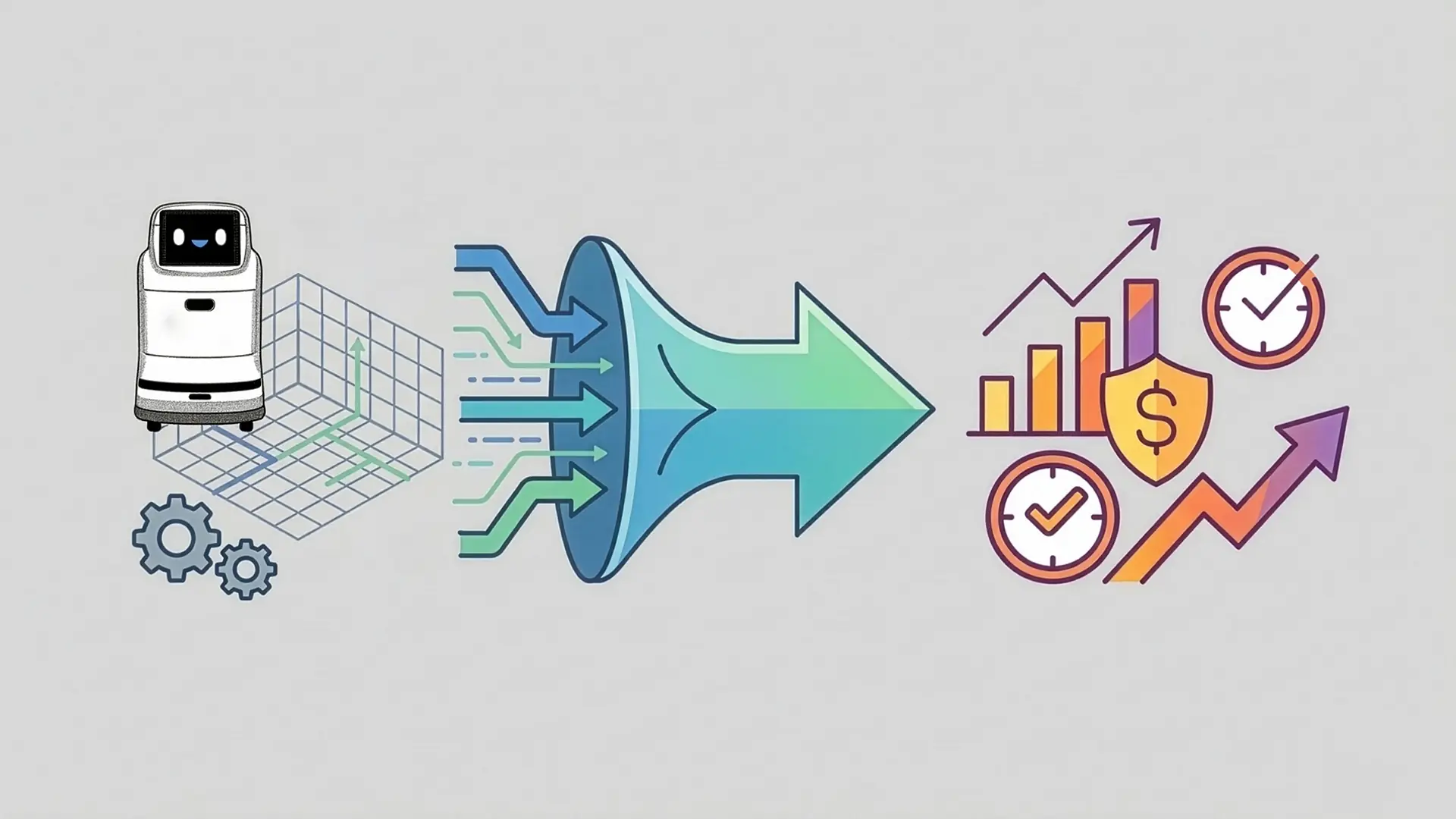
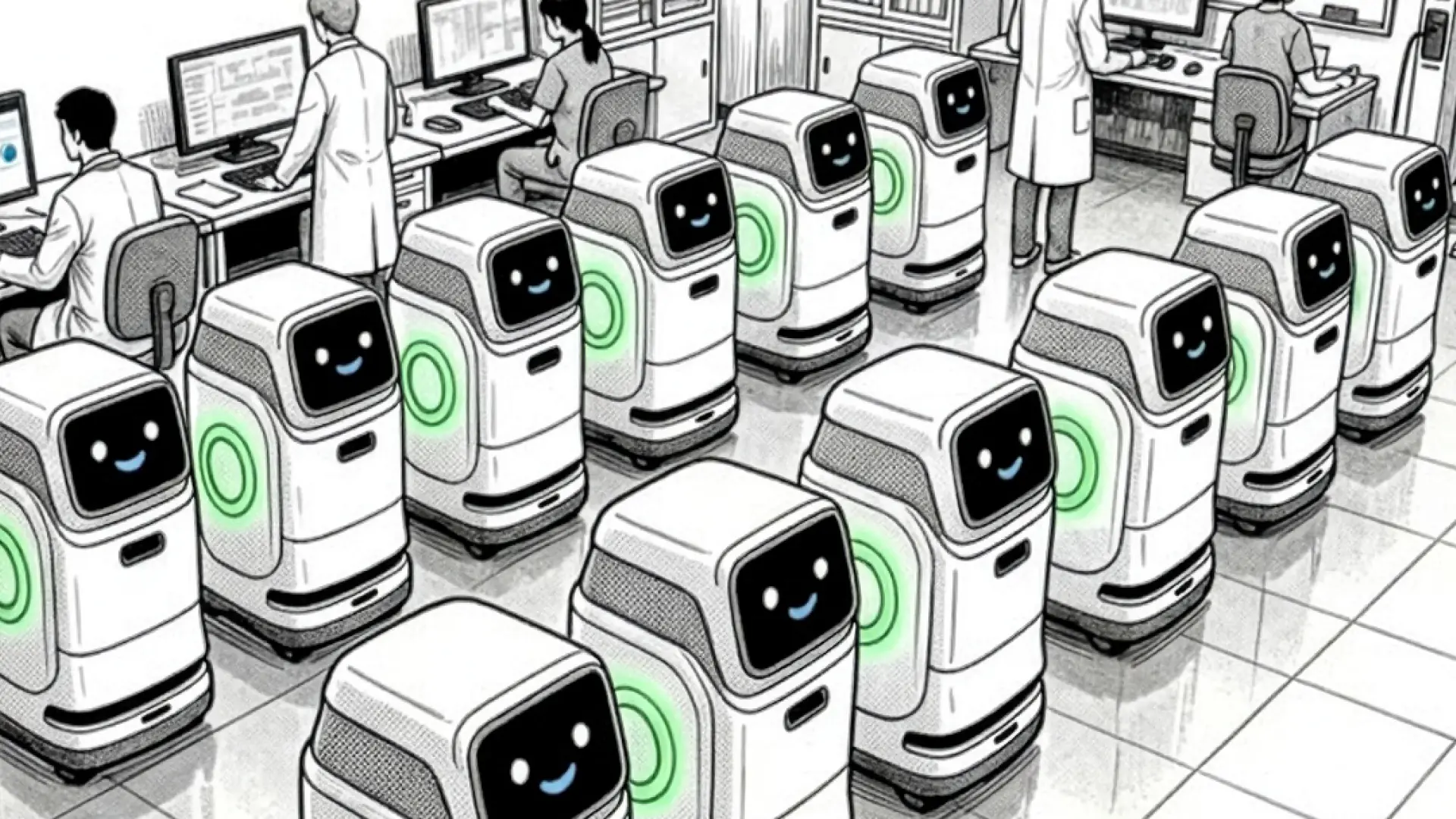
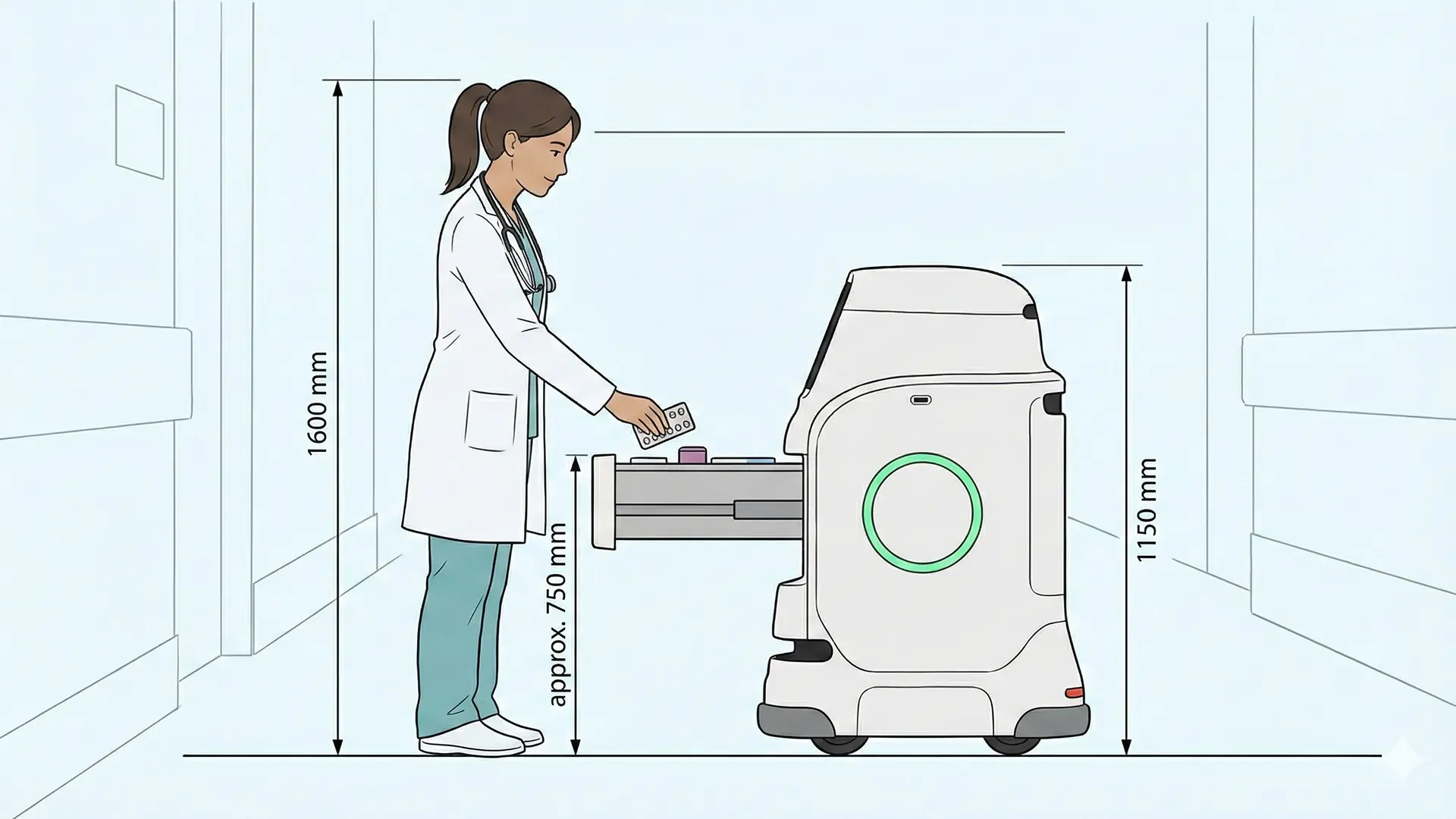
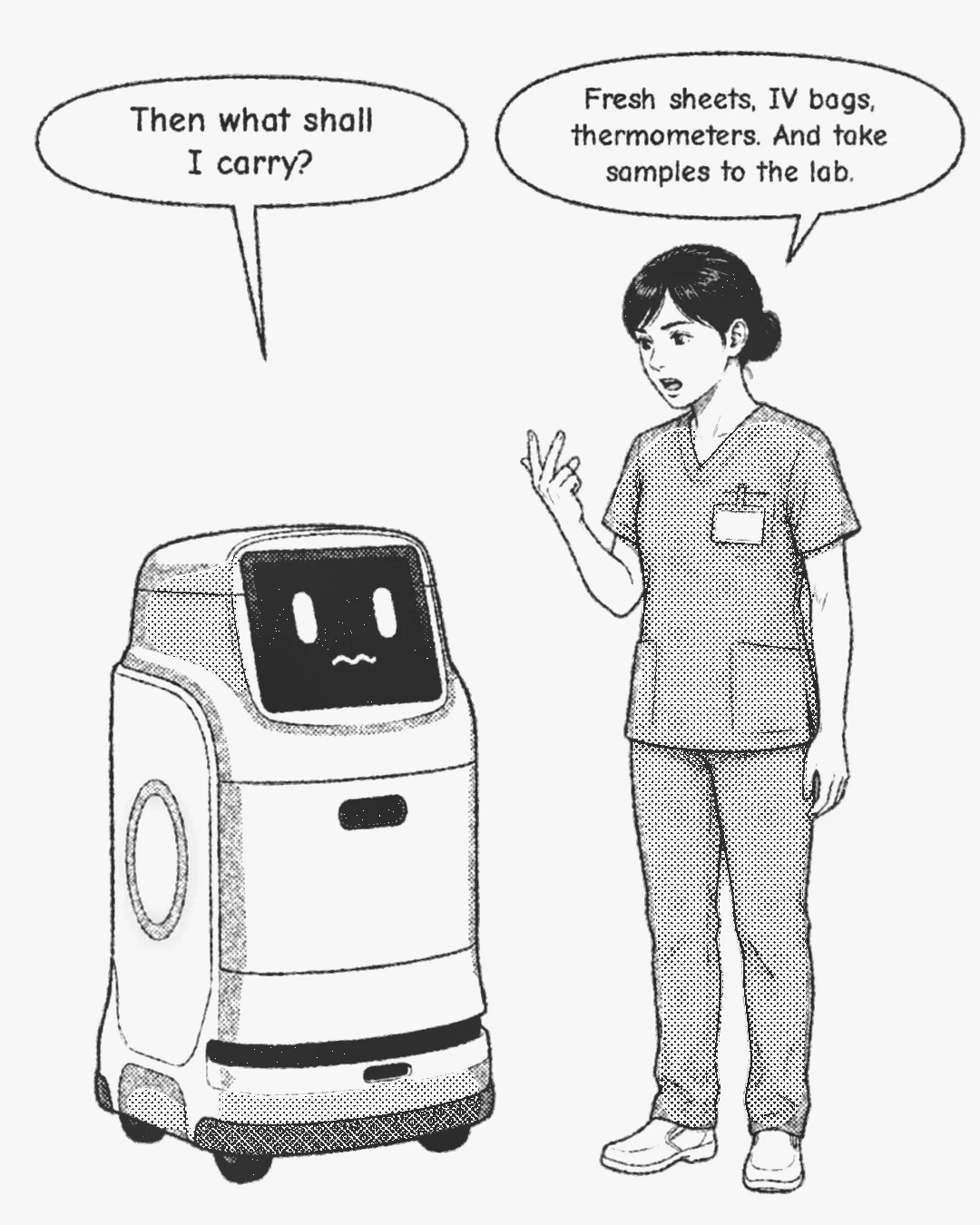
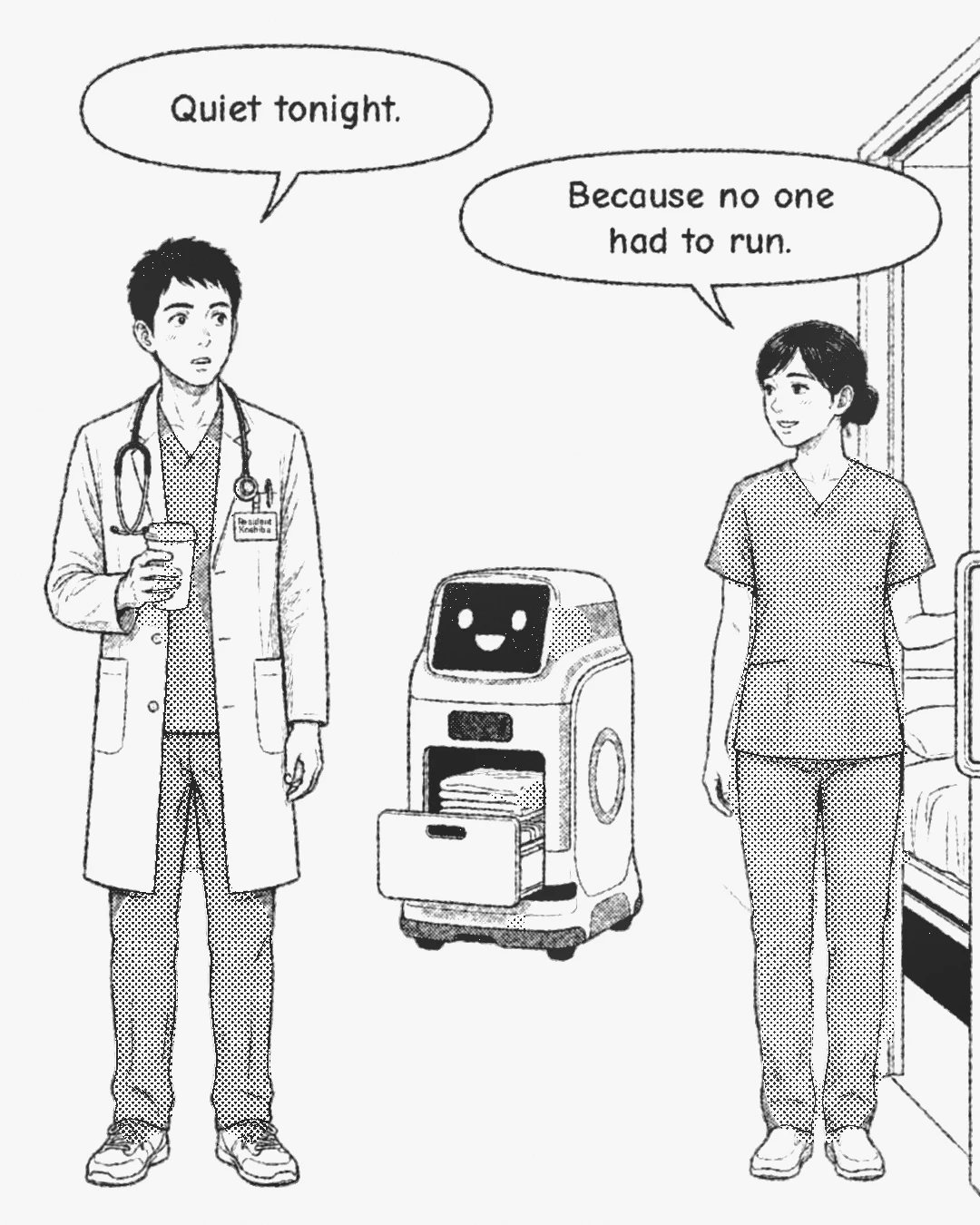
When Hakobukun asked, “Then what shall I carry?”, Oshiro counted on her fingers: “Fresh sheets, IV bags, thermometers. And take samples to the lab.” As Hakobukun kept delivering supplies ahead of need, Oshiro could stay at the patient's side. When Dr. Koshiba, on call that night, said, “Quiet tonight,” Oshiro answered, “Because no one had to run.”
The more of the surrounding work a machine takes on, the more nurses can stay with their patients.