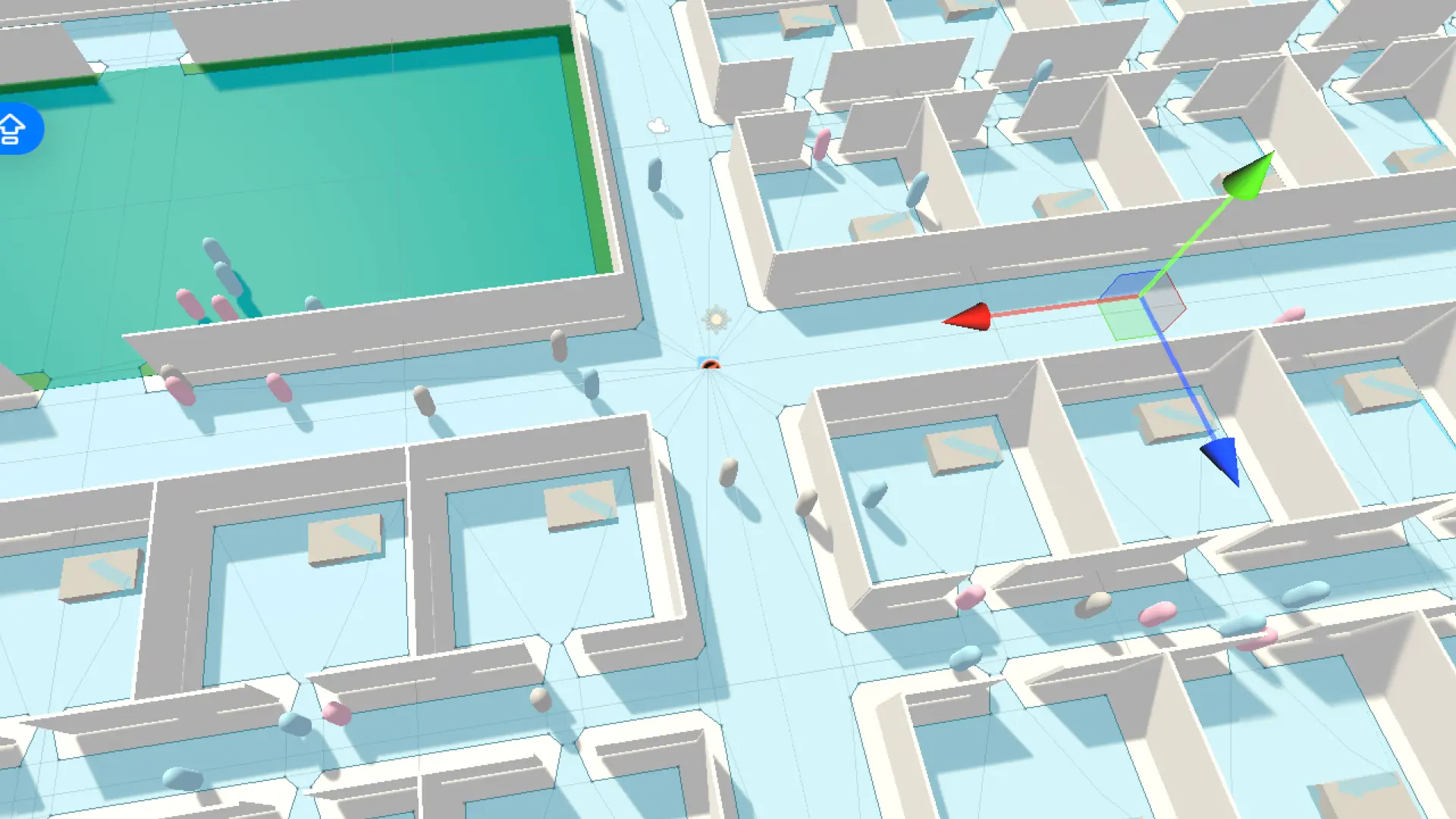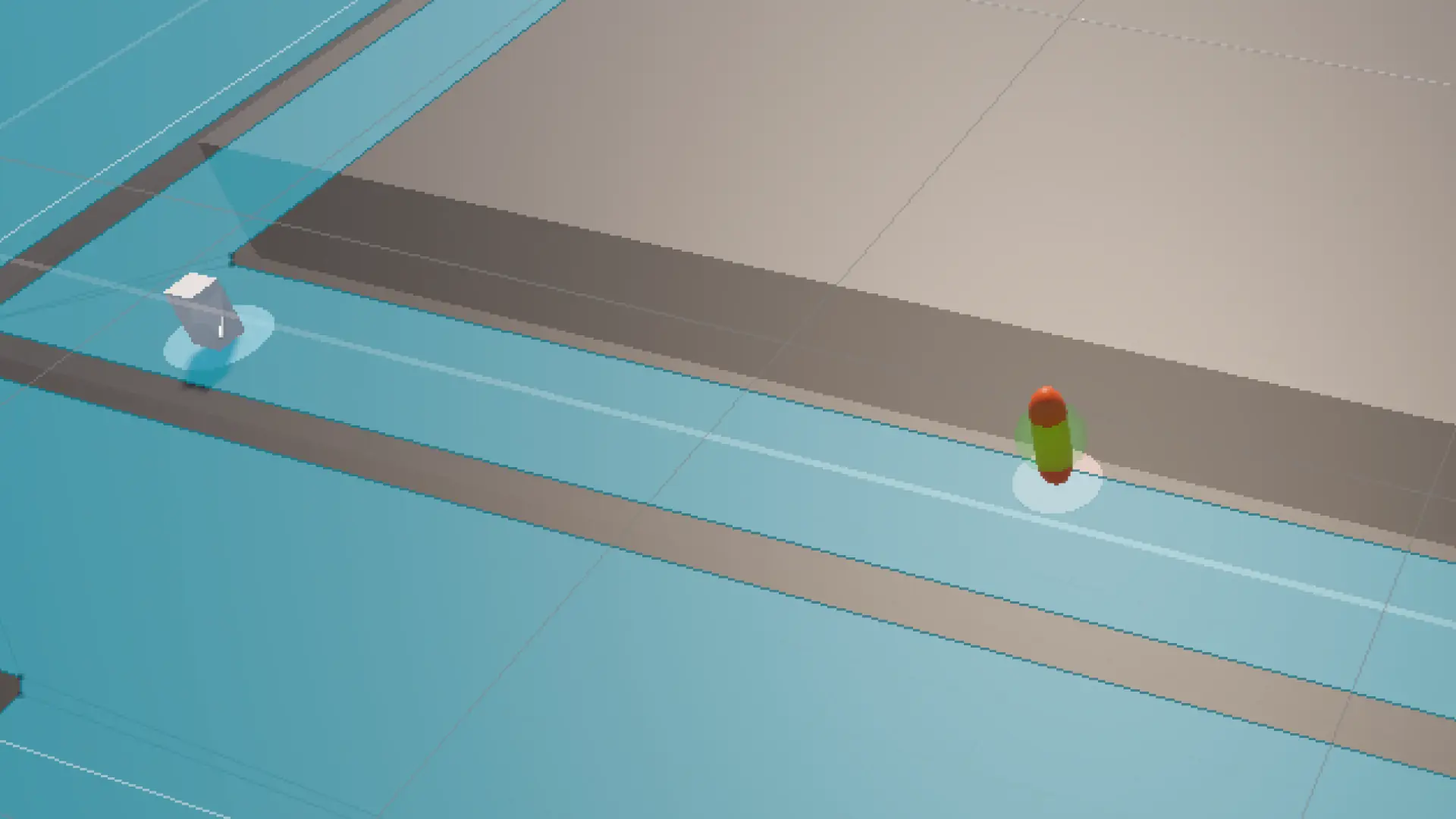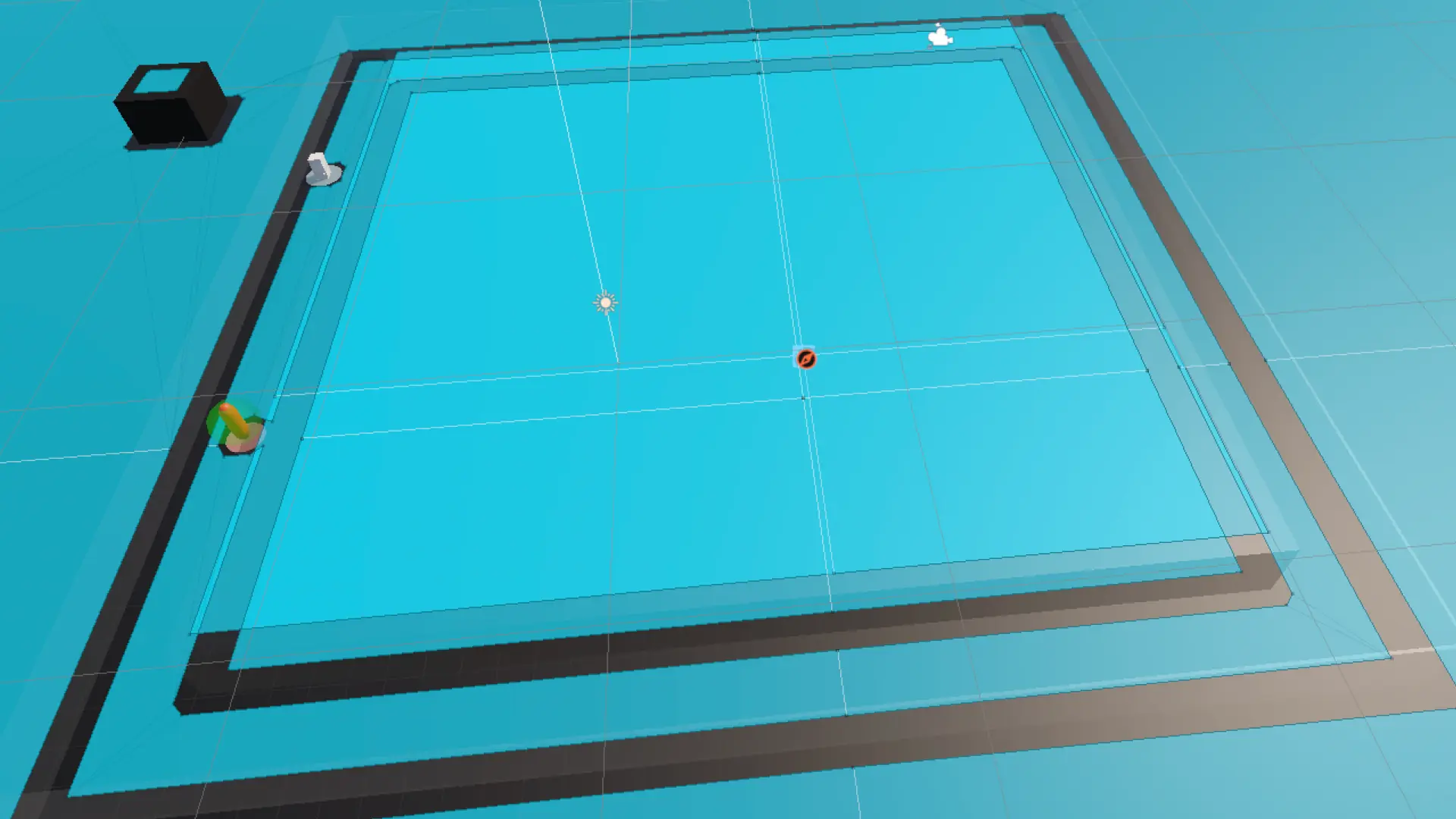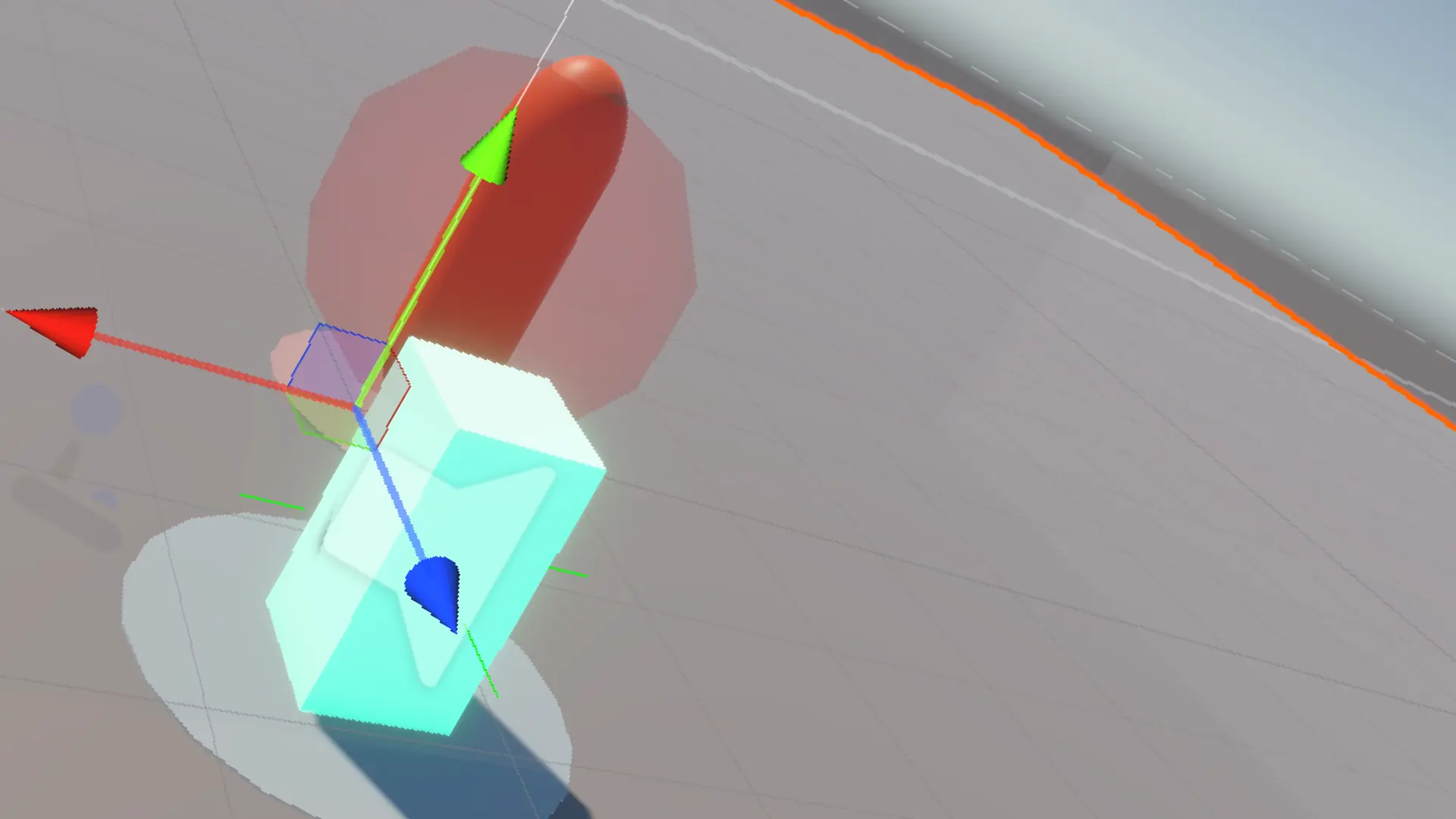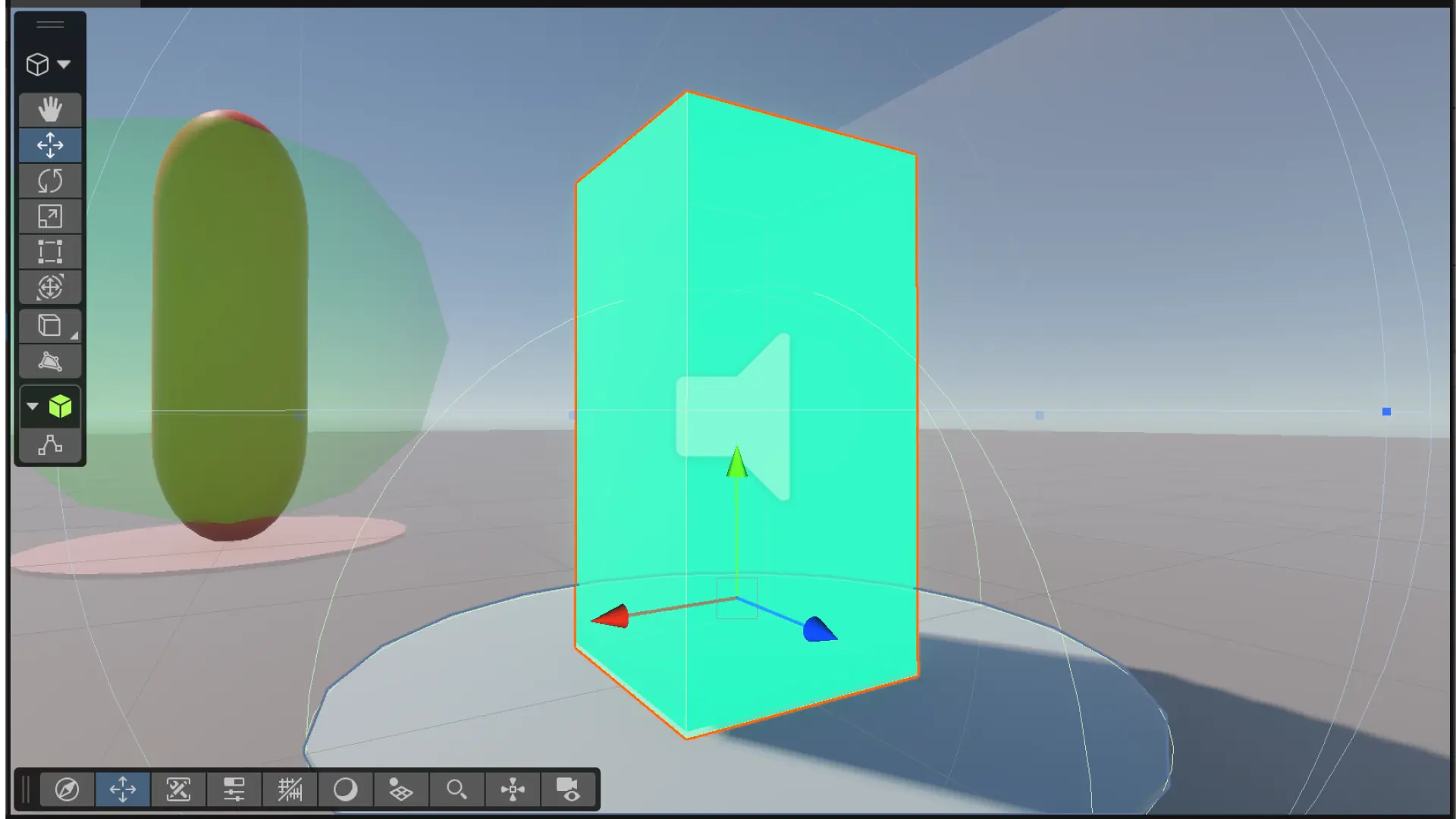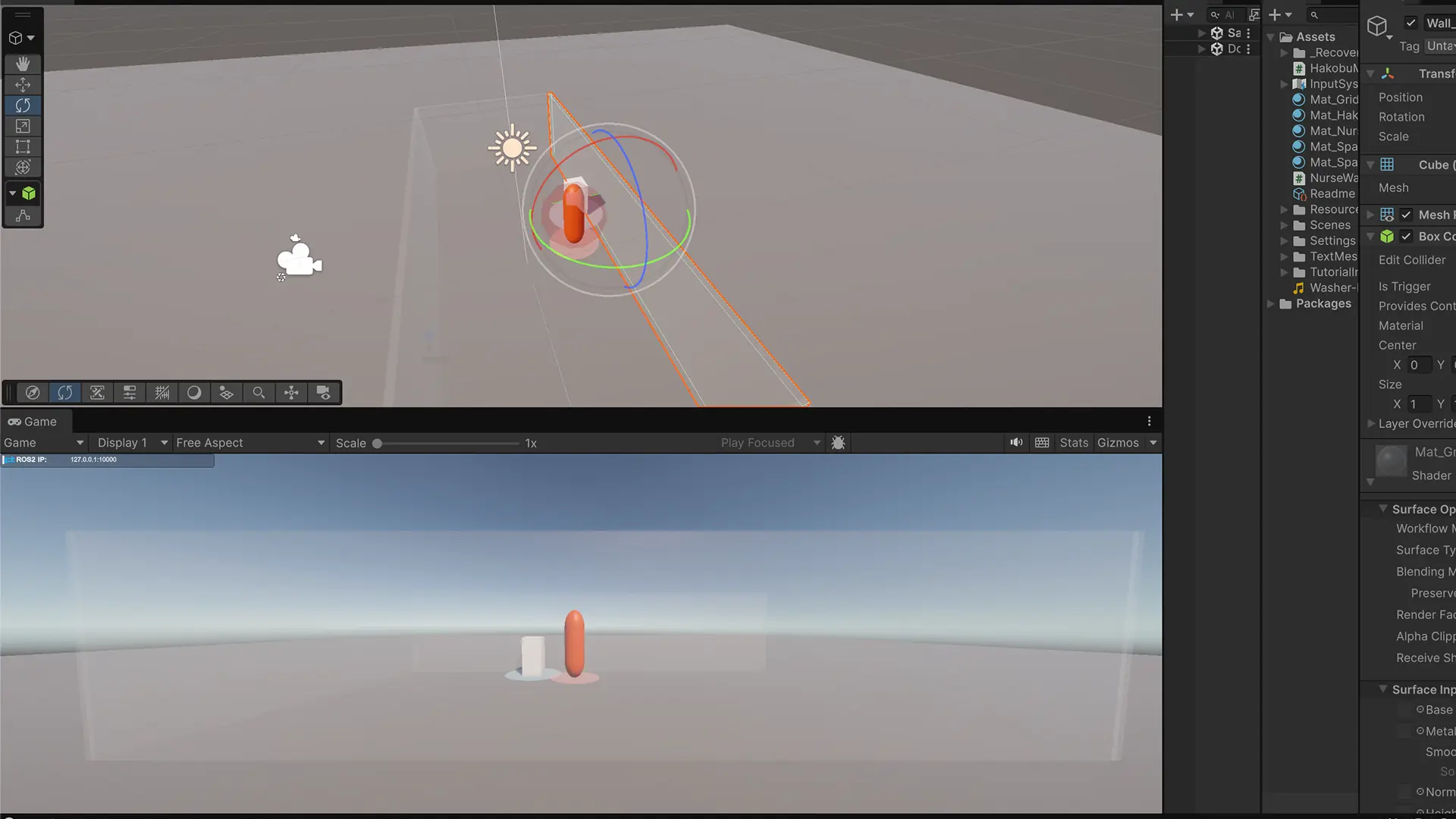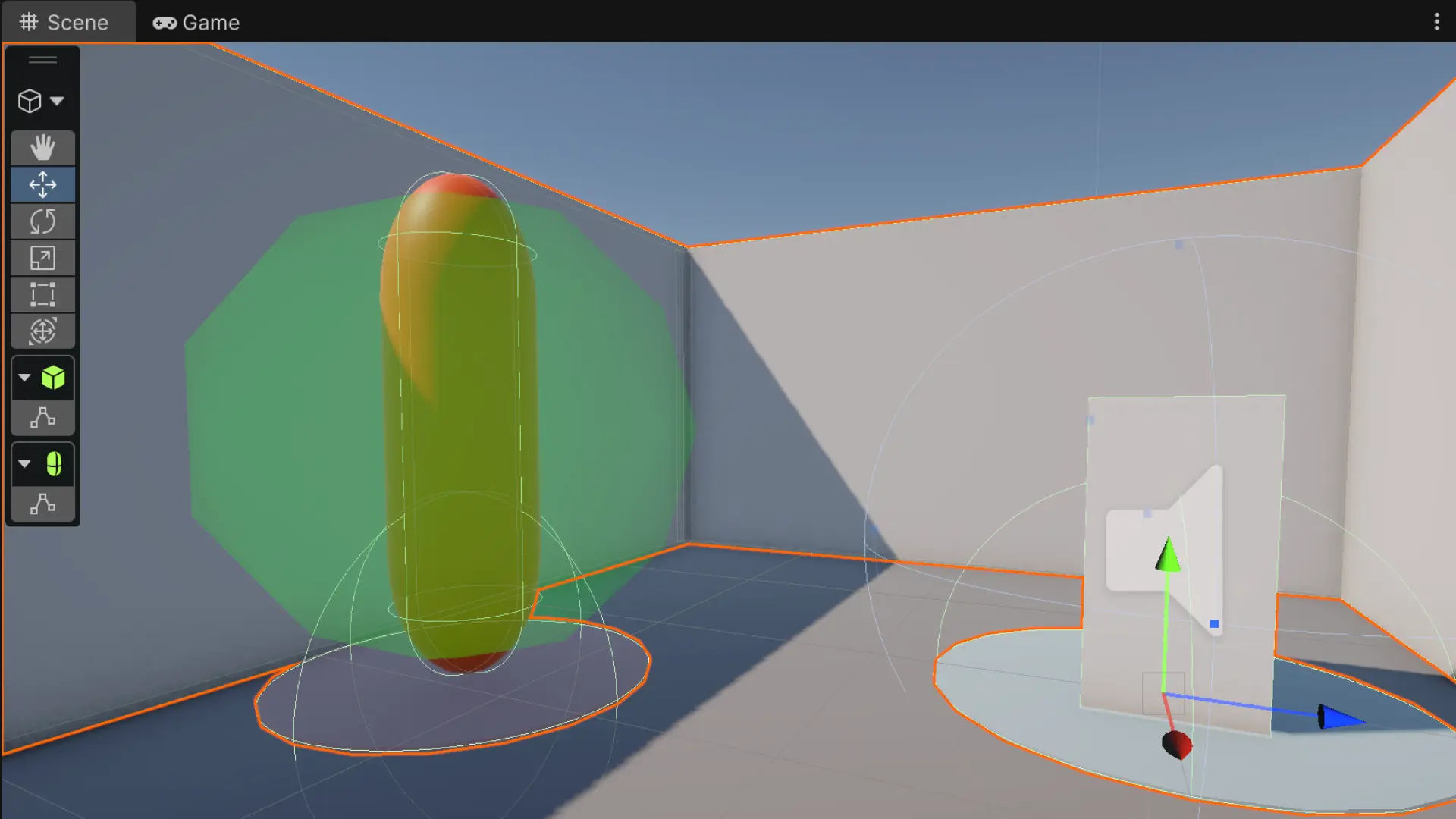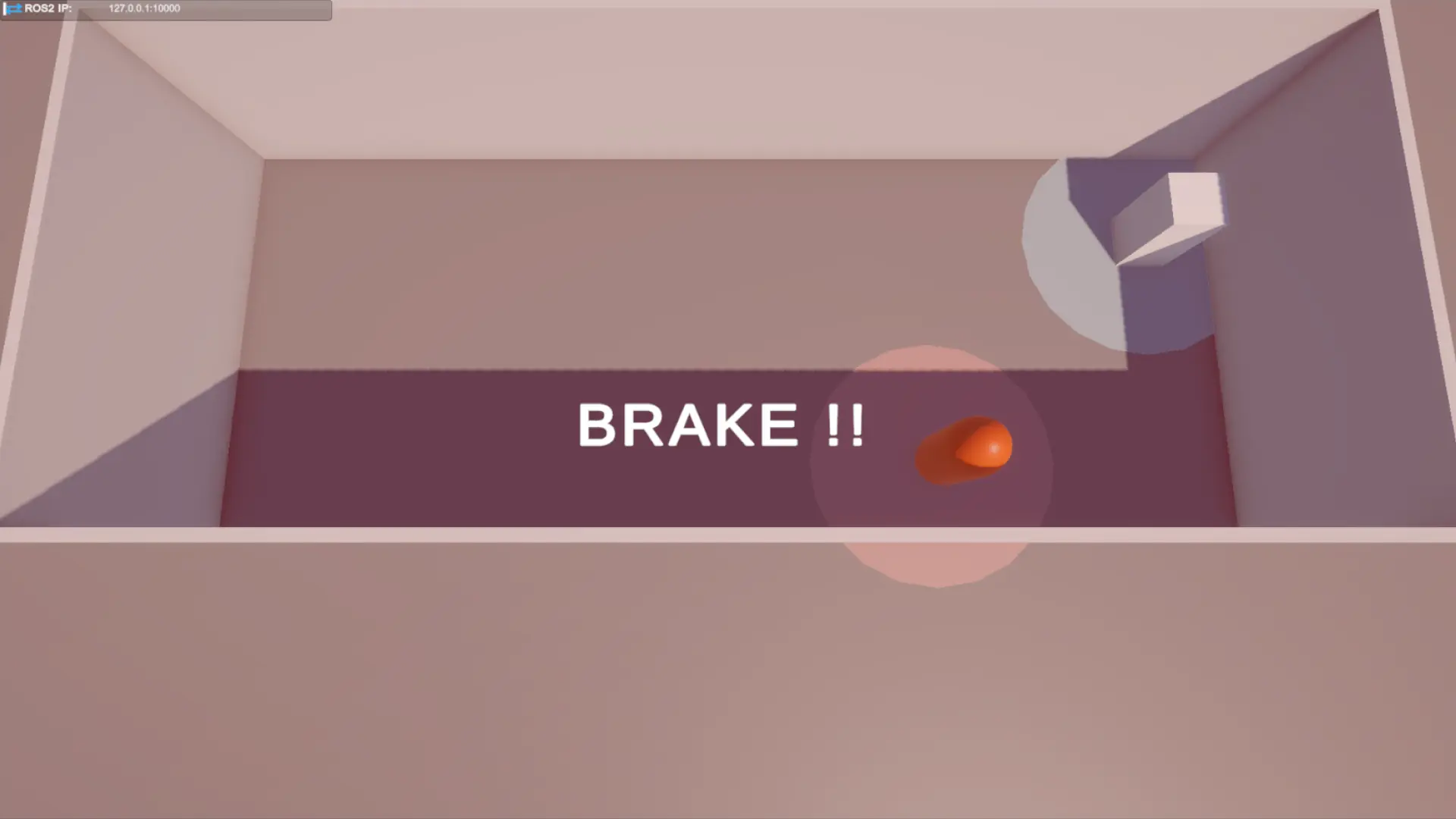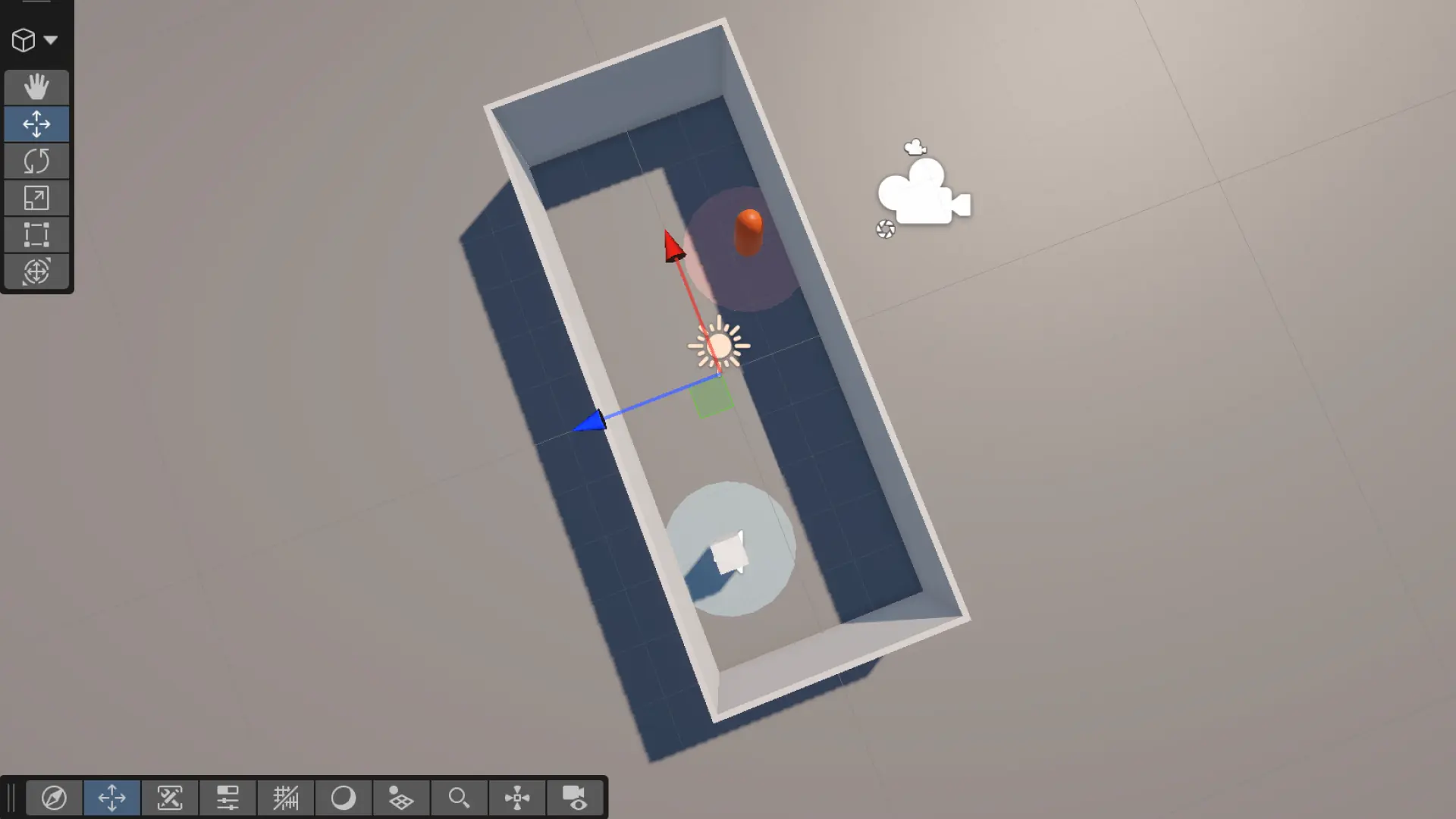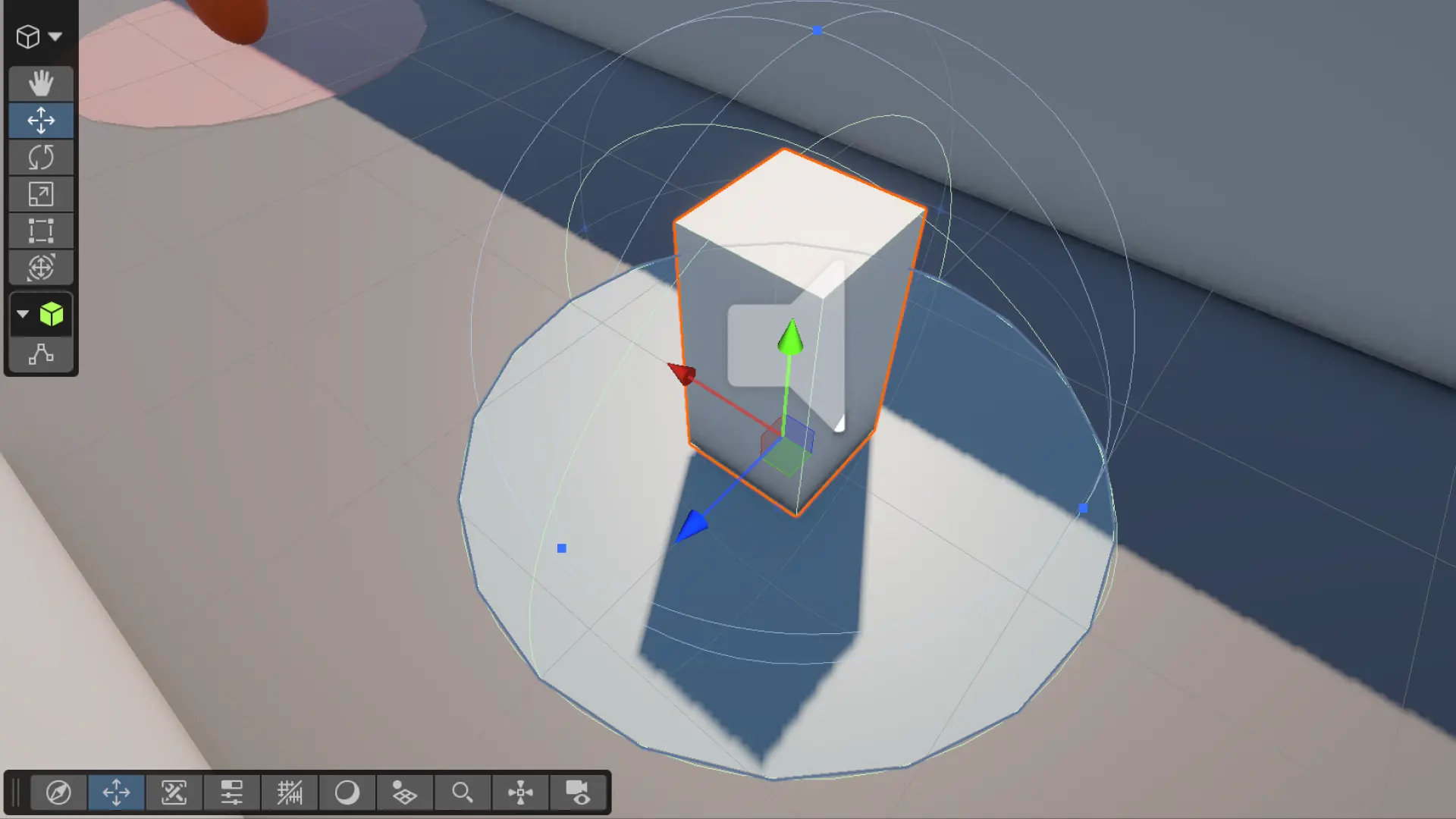
At Night, Carry with the Lights Down
■ What's right by day becomes a nuisance at night
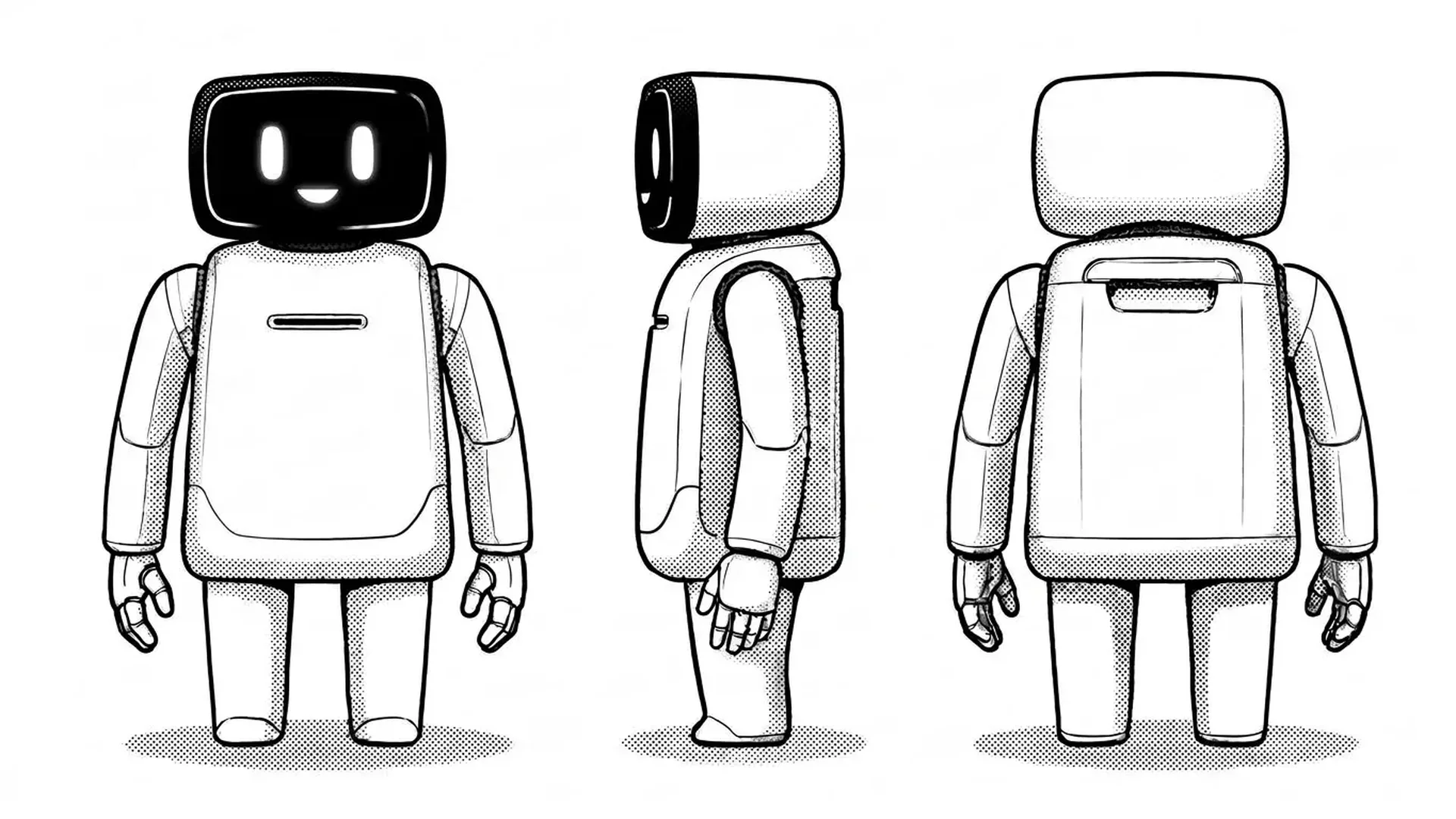
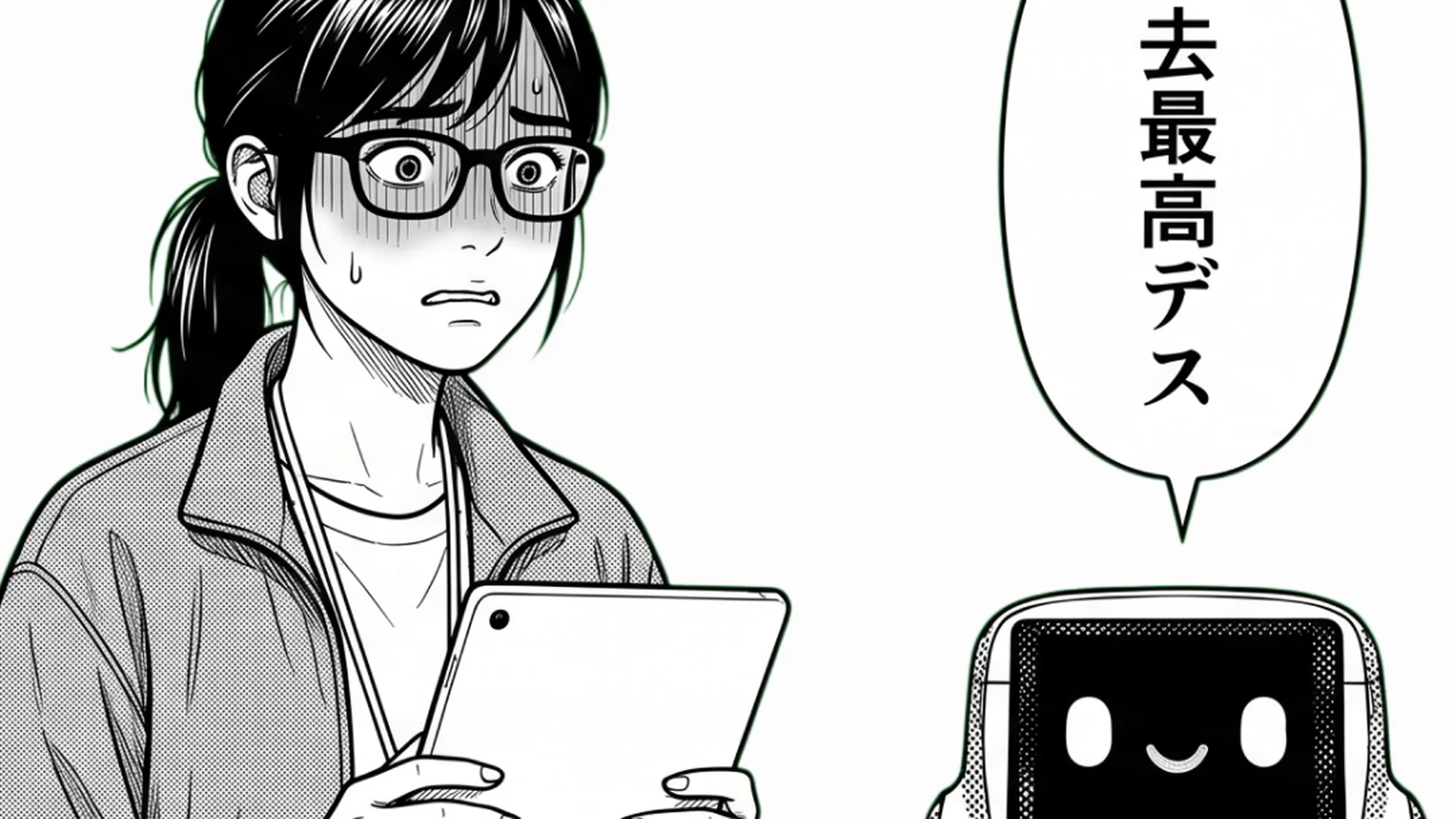
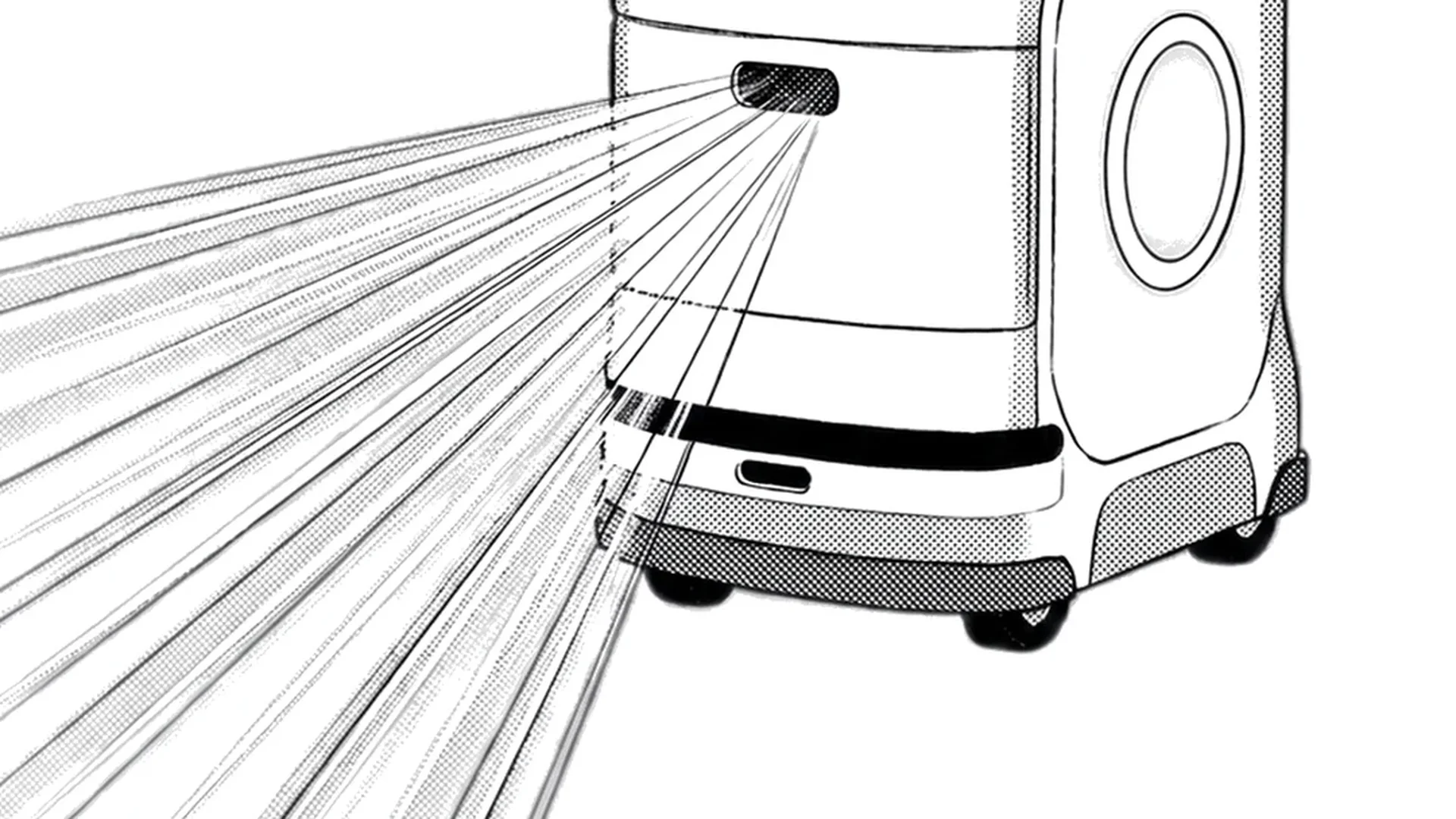
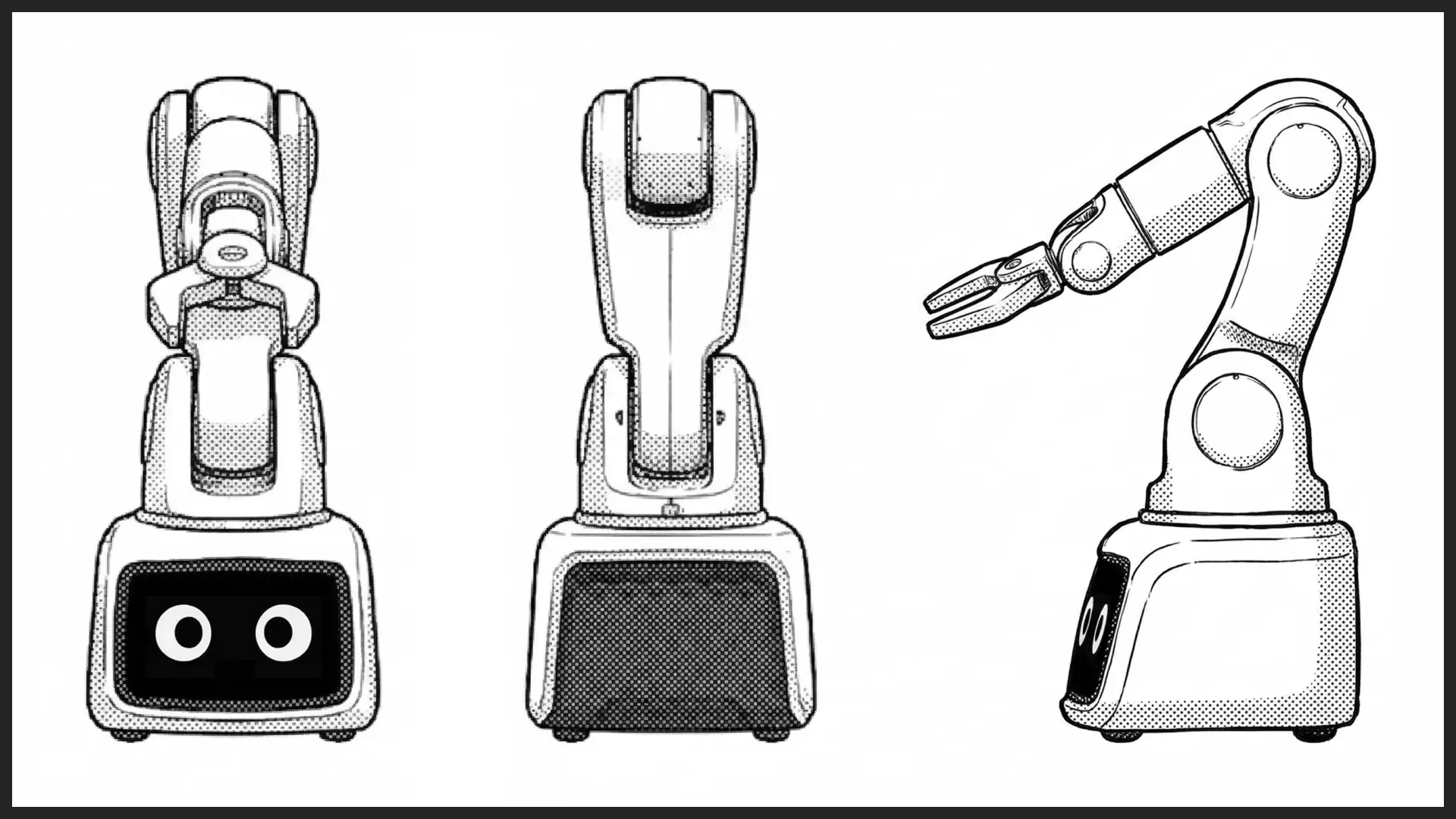
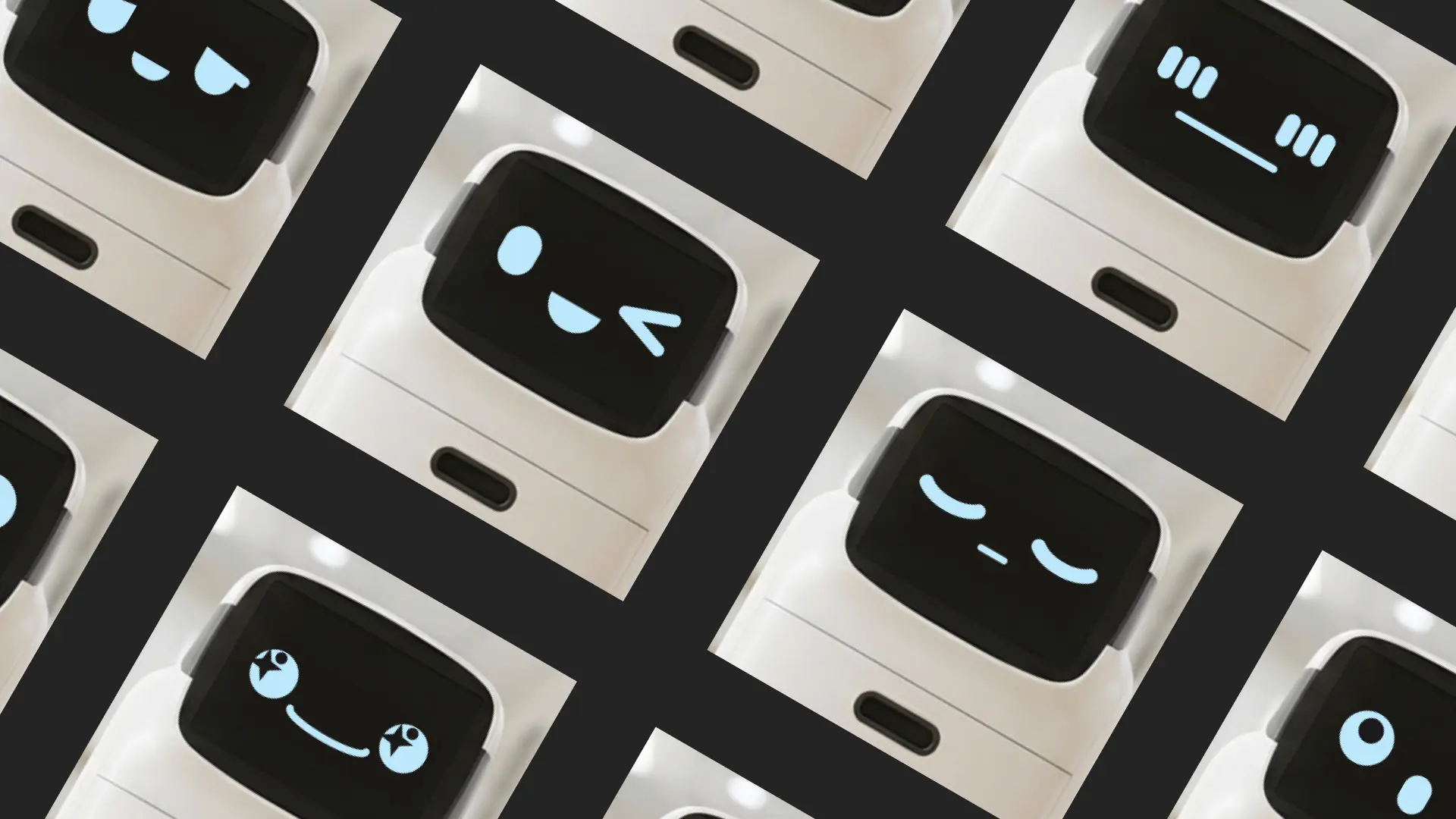
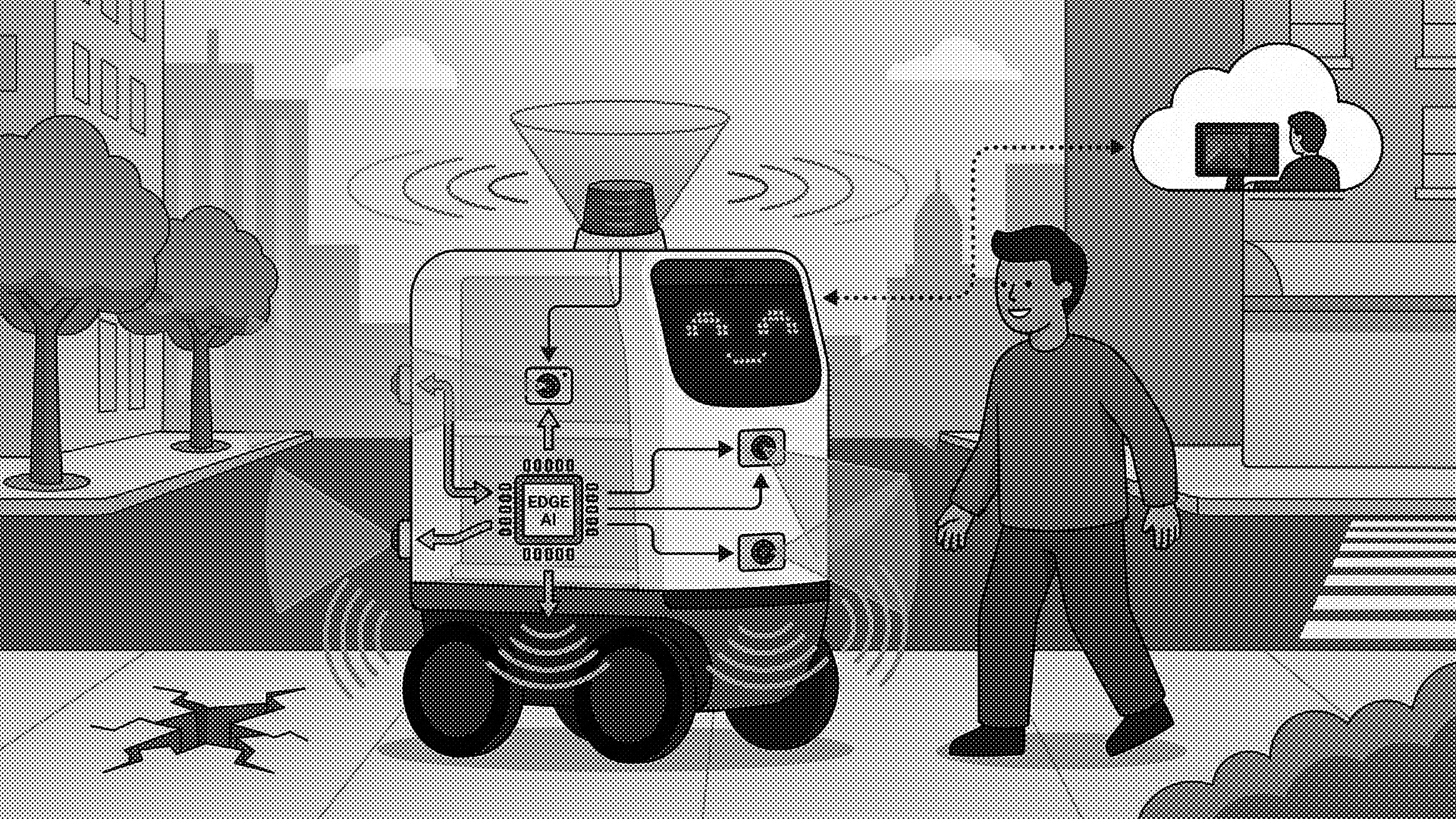
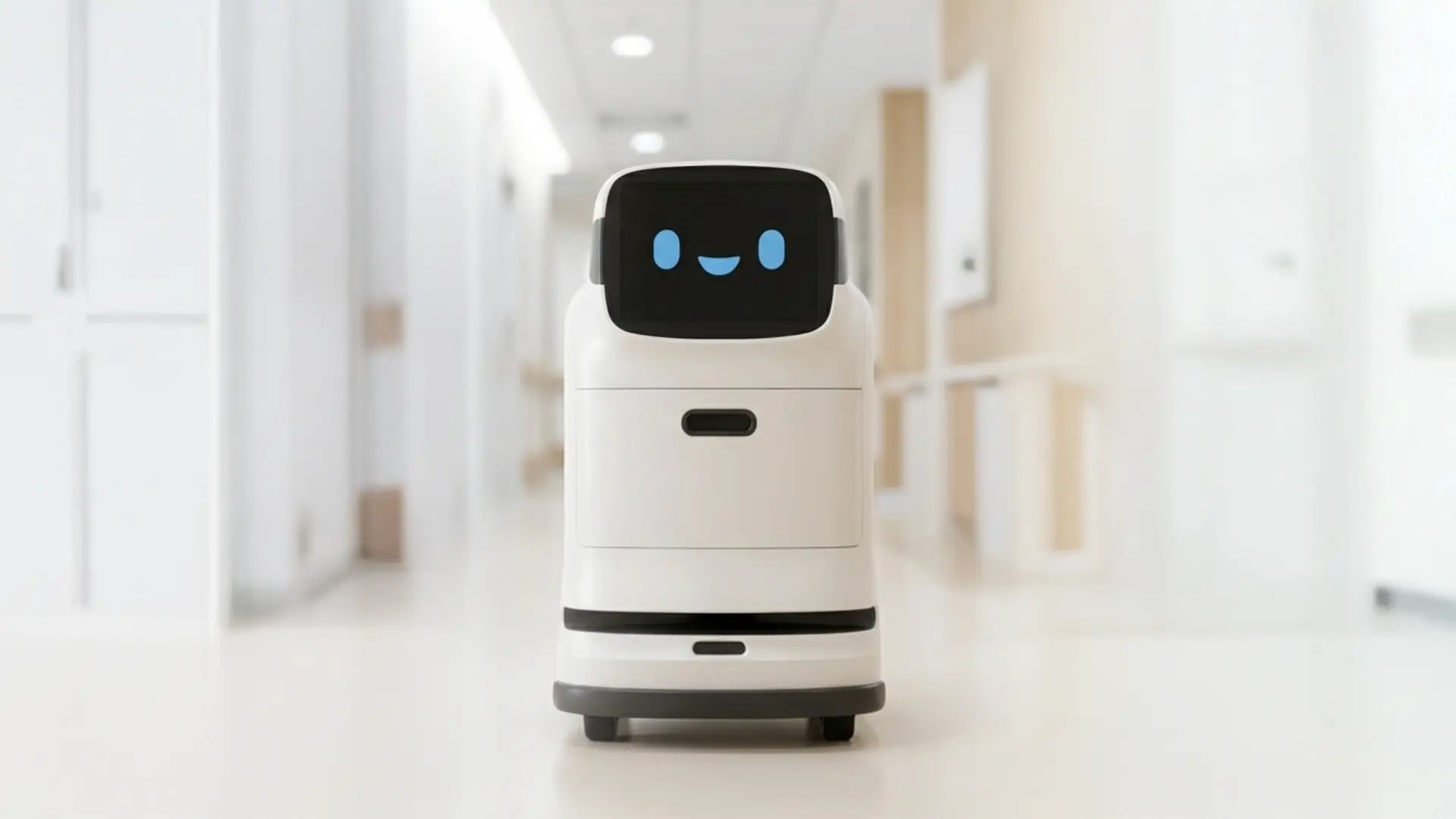
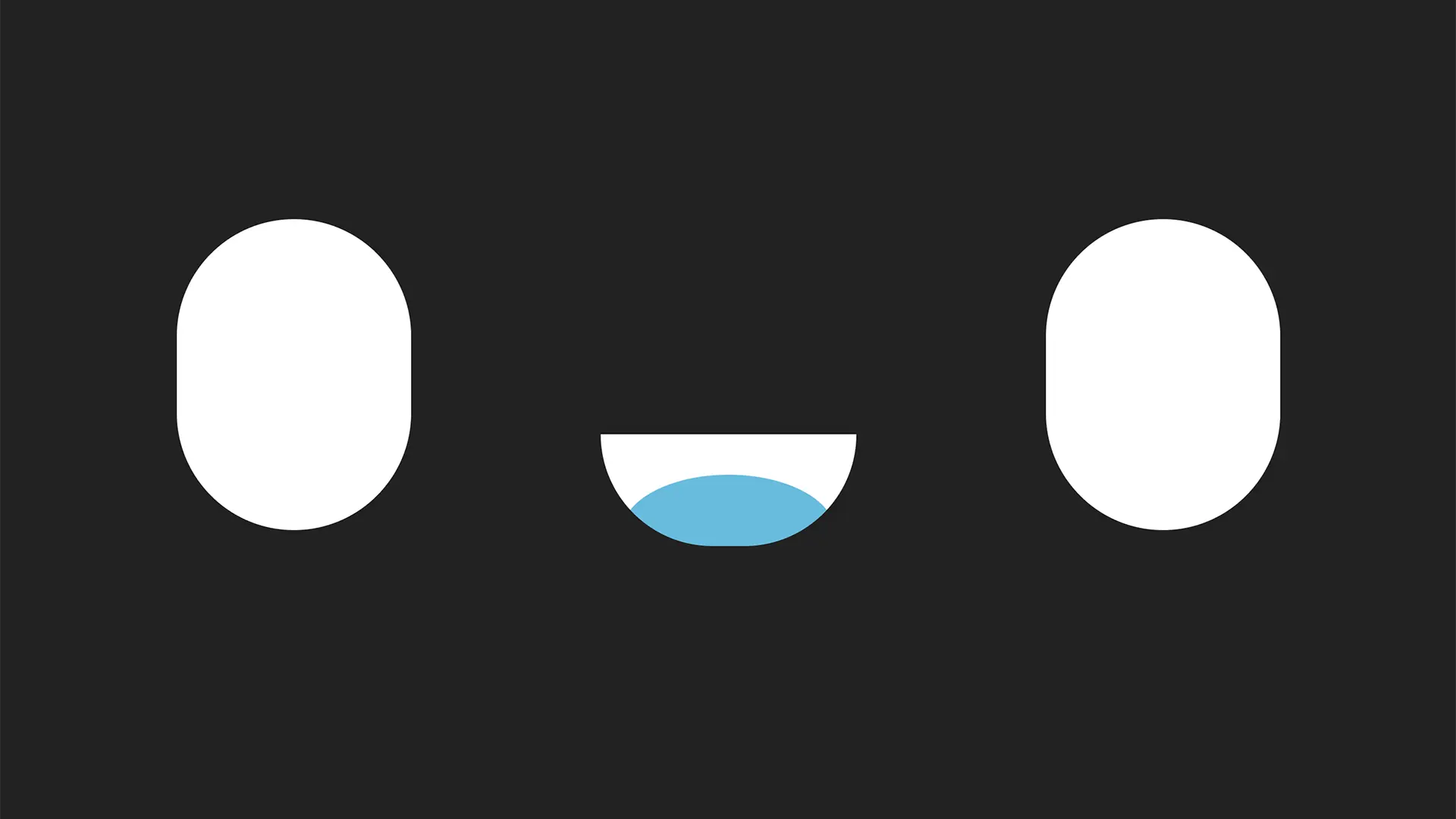
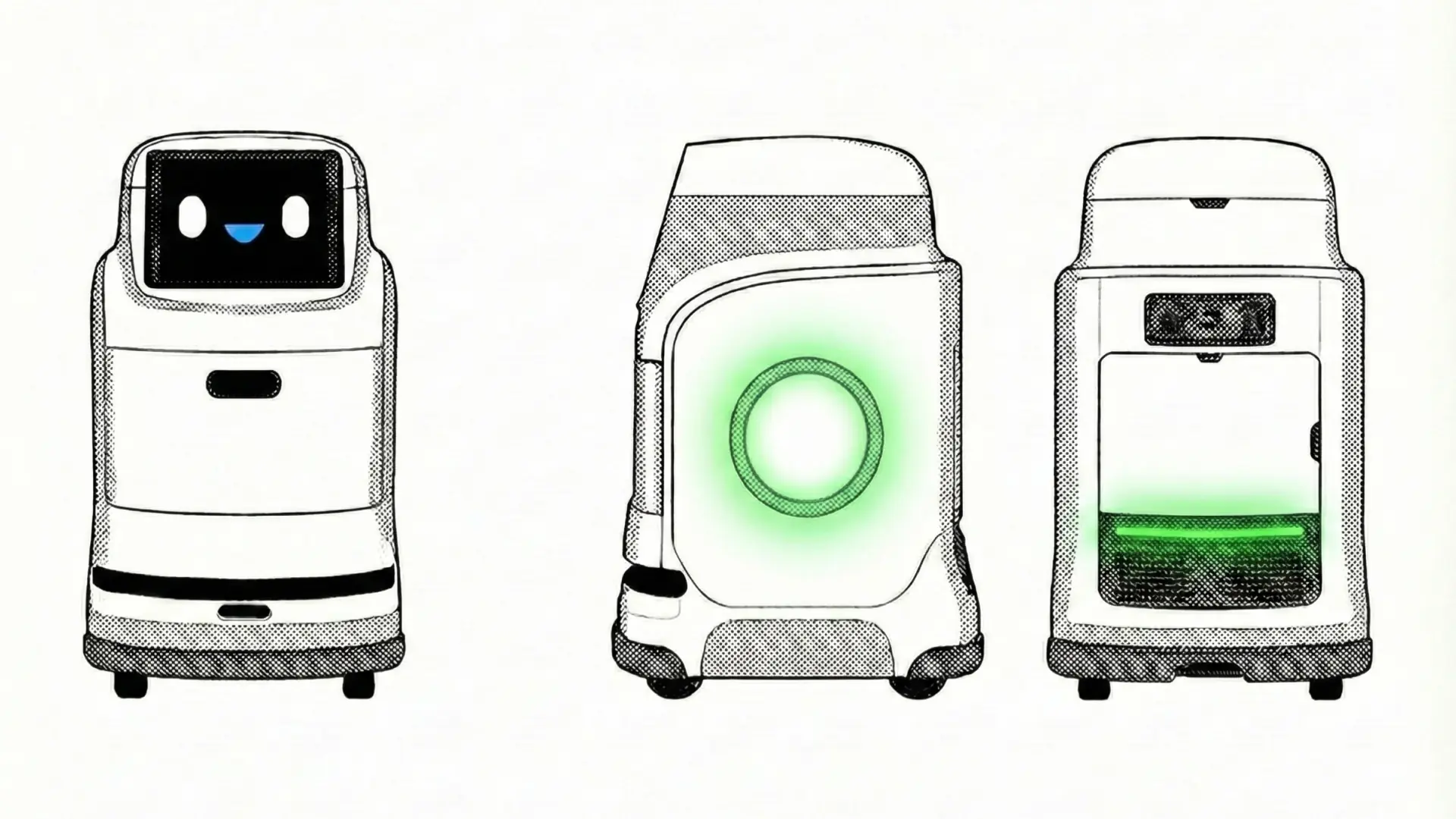
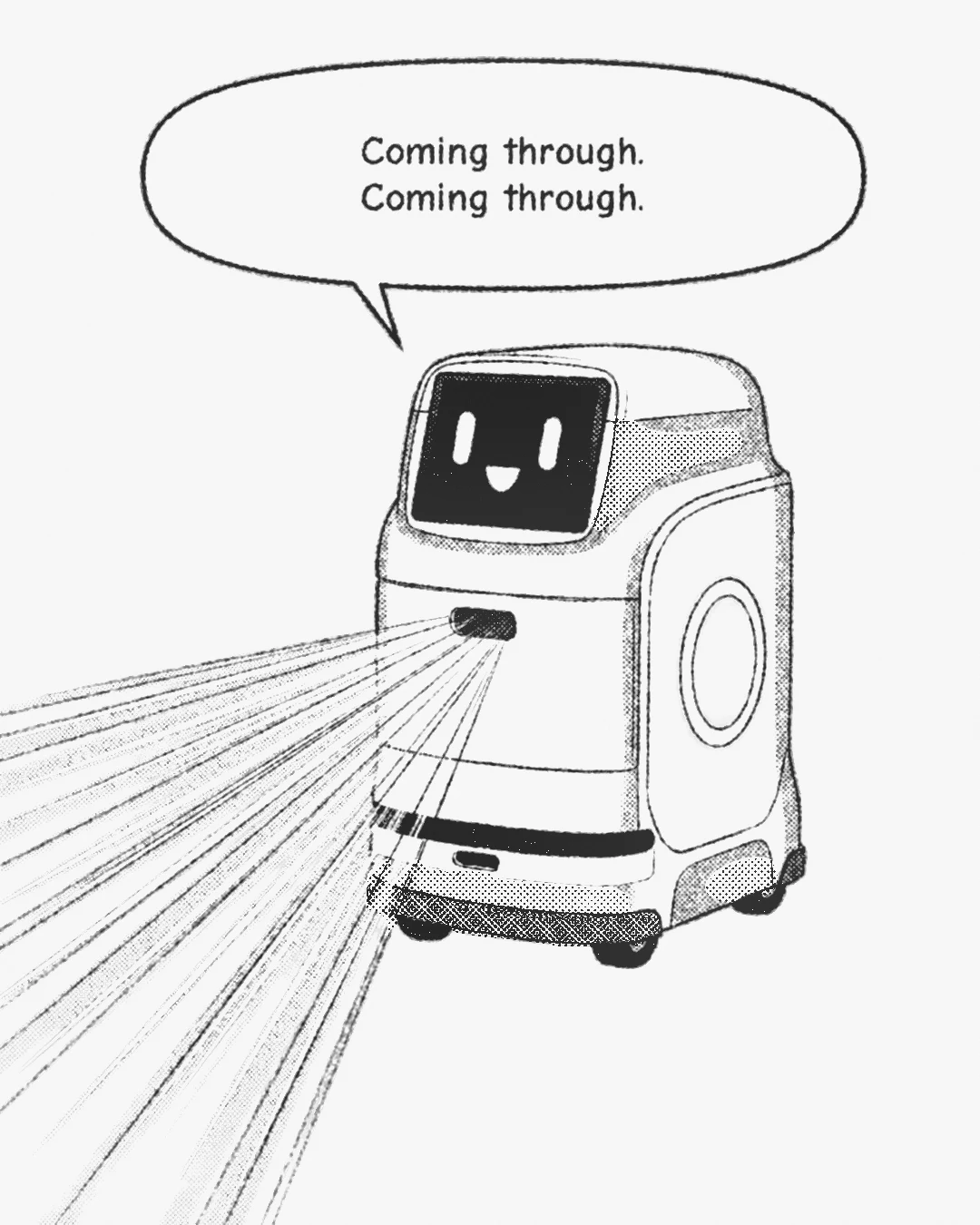
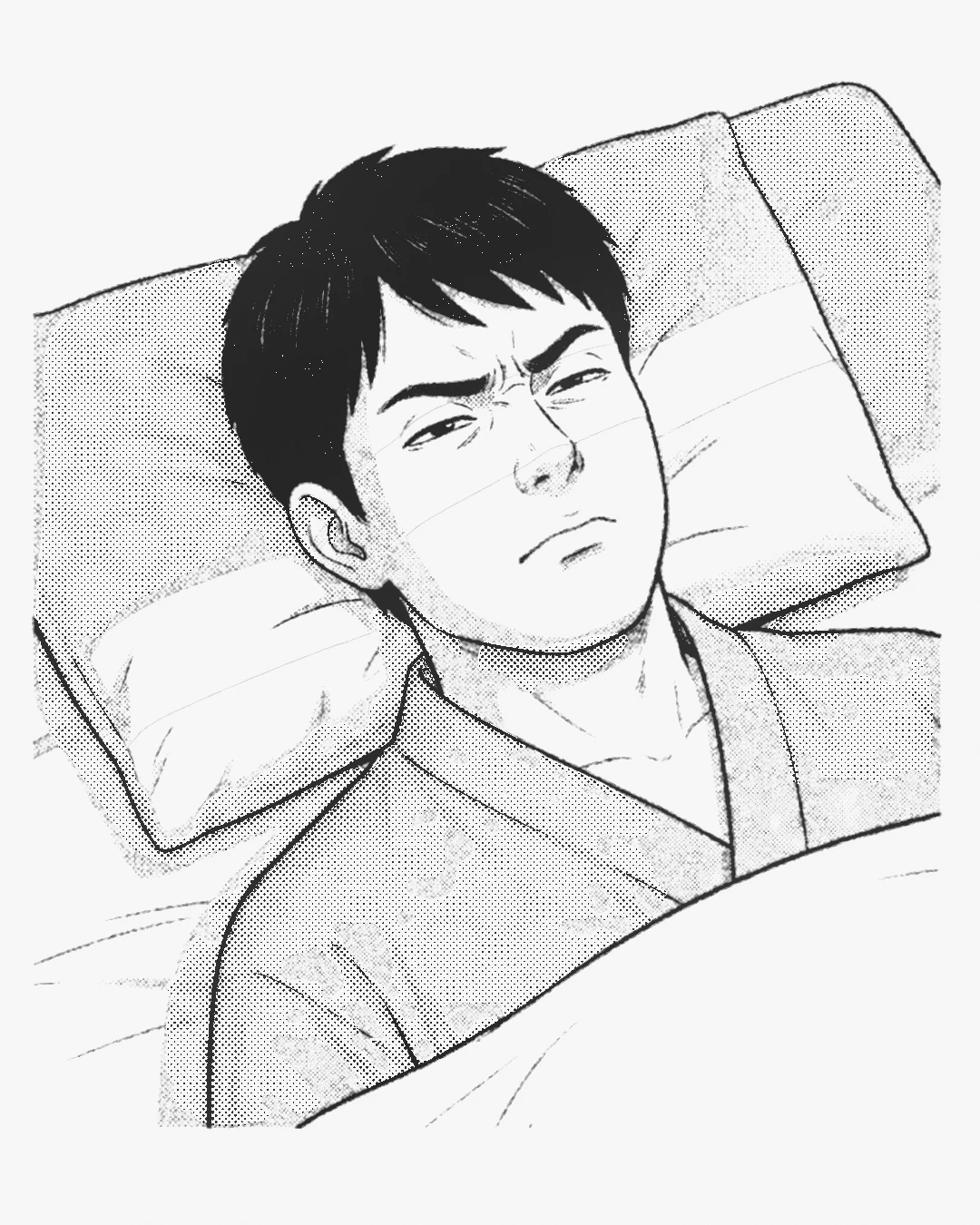
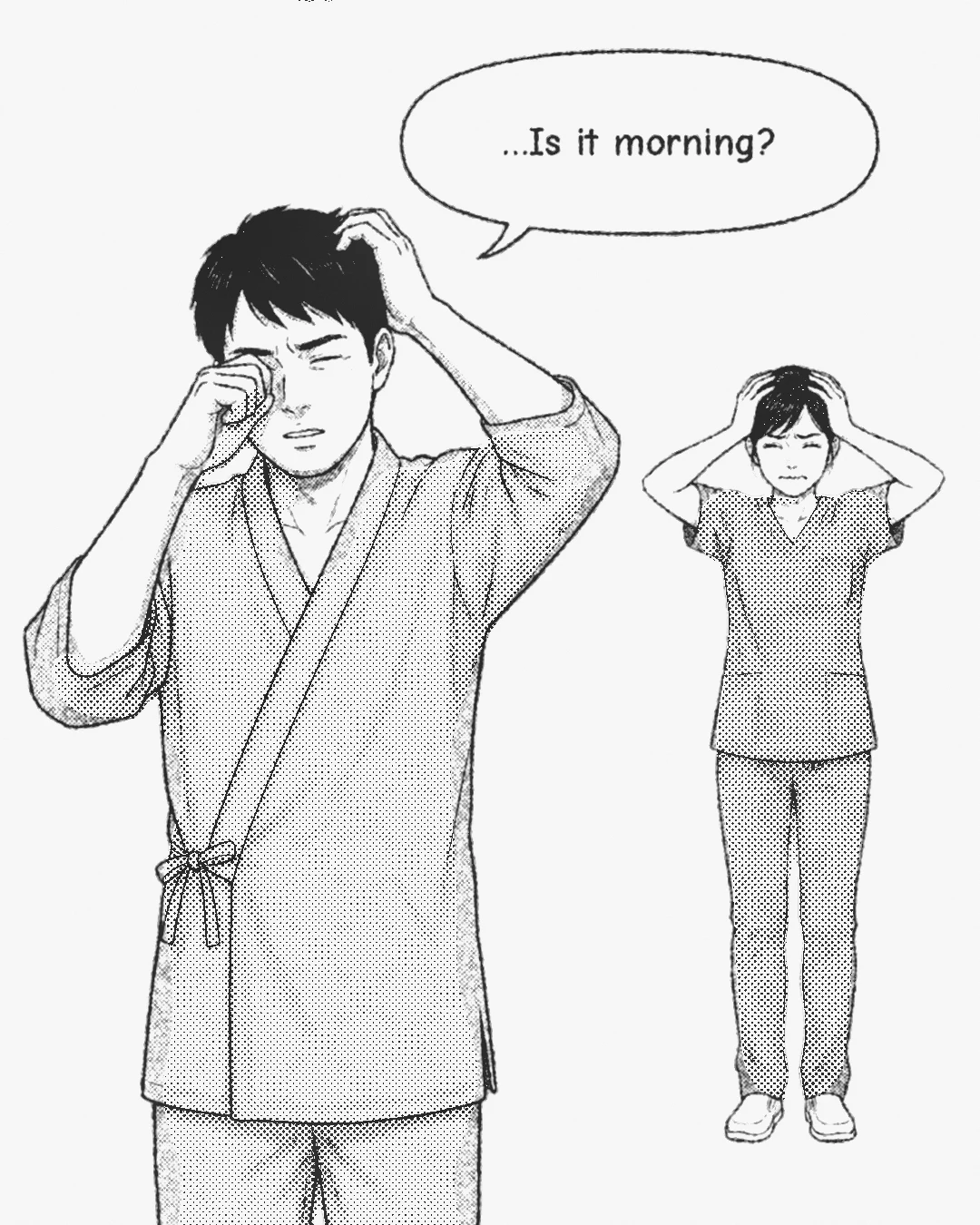
At 2 a.m., Hakobukun was carrying an IV bag. Just as in the daytime, it turned its lights all the way up and rolled down the corridor announcing, “Coming through. Coming through.” Light slipped through the gap in a door, and Mr. Nakamura opened his eyes. In the next room, and the one after that, patients woke up too. Hakobukun was only following the way it had been told to move.
■ Sound and light mean different things at different hours
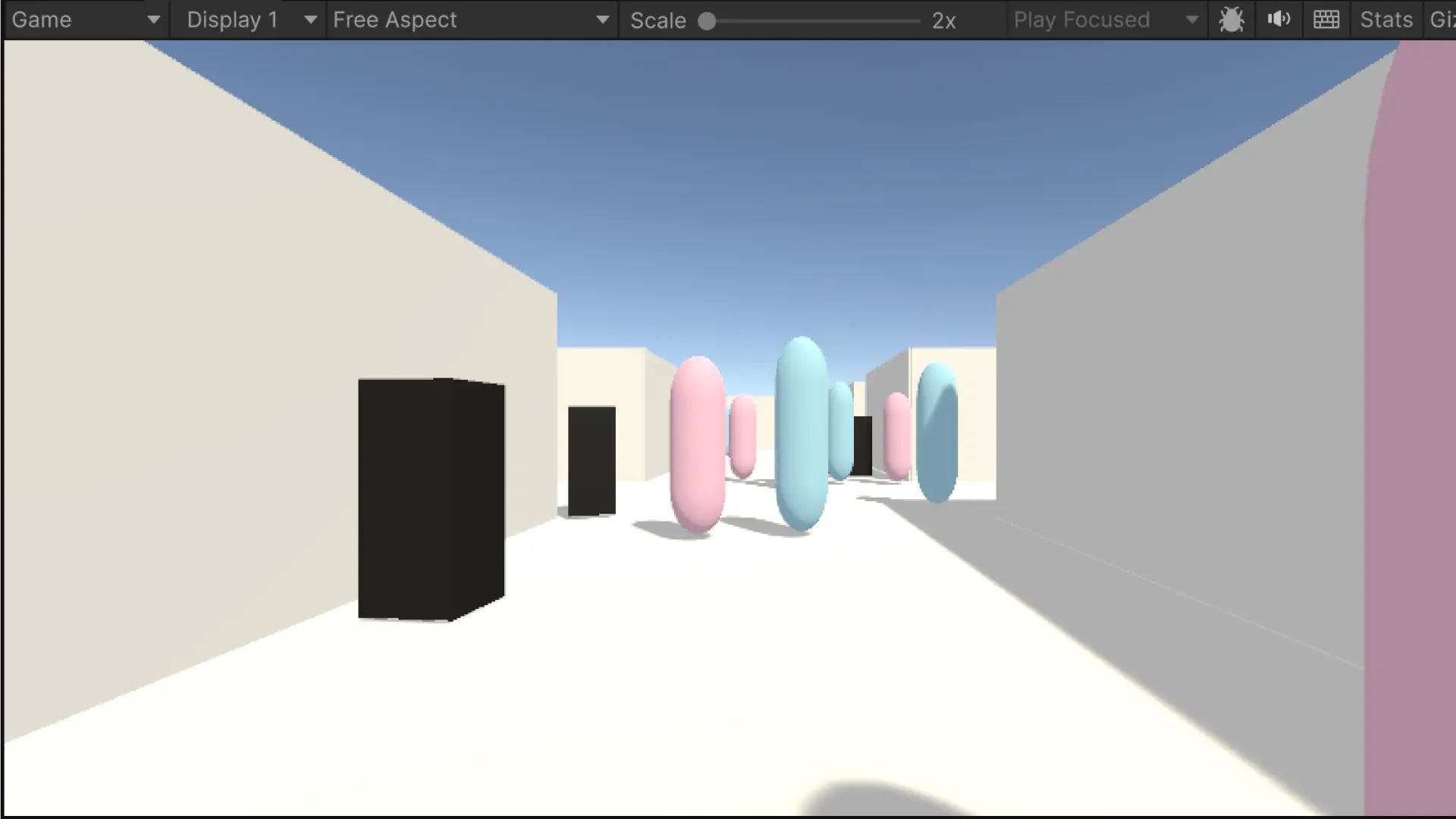
In a daytime corridor, lights and a voice are signals that keep people from bumping into the robot. When people are coming and going, letting them know it's there is what keeps everyone safe. But at night the corridor is nearly empty and the patients are asleep. The same brightness and volume now get in the way of sleep. Mr. Nakamura's “…Is it morning?” shows that even when the job stays the same, the right way to move changes with what's around you.
■ Conclusion: Change speed, sound and light to fit the hour
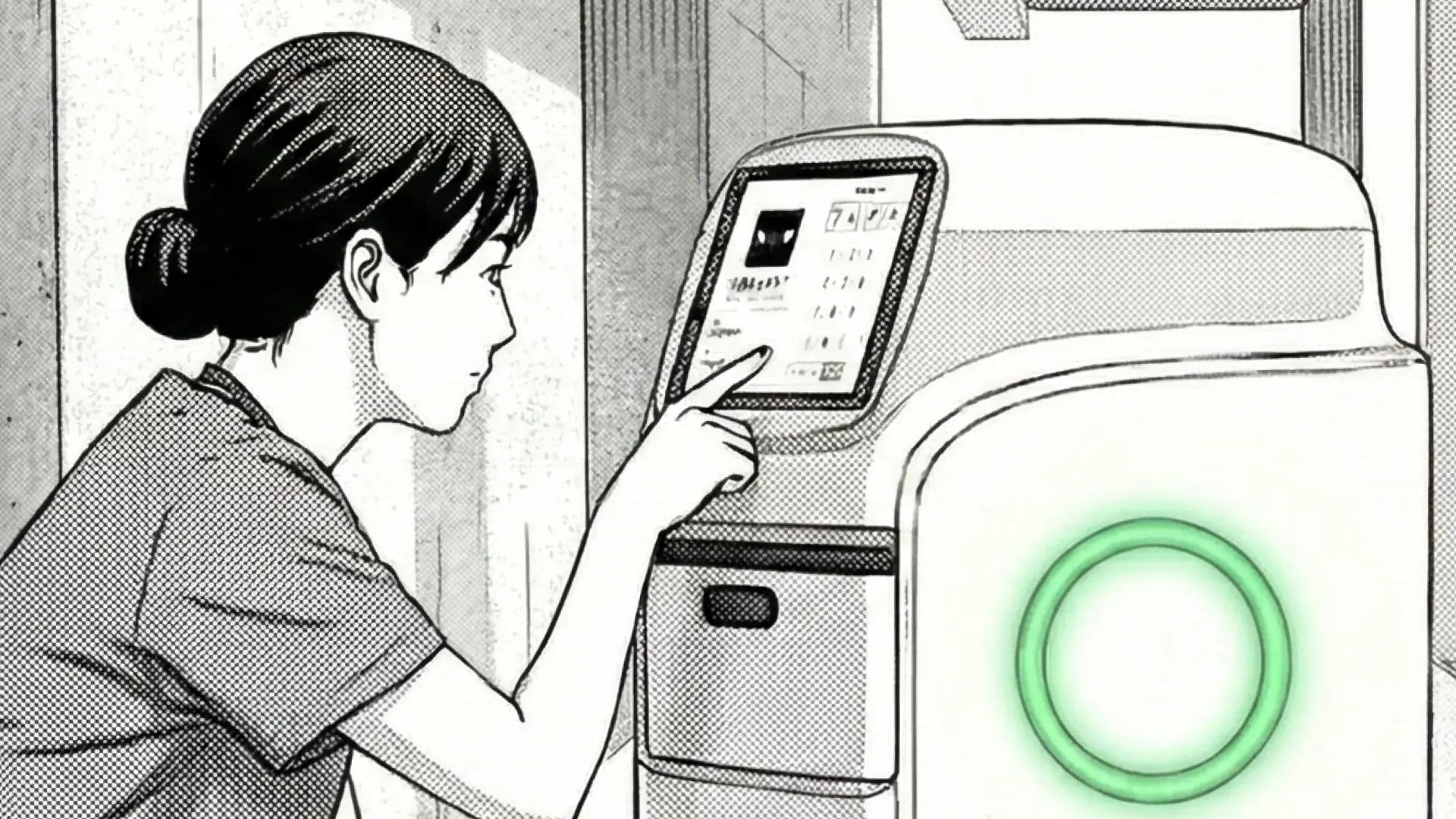
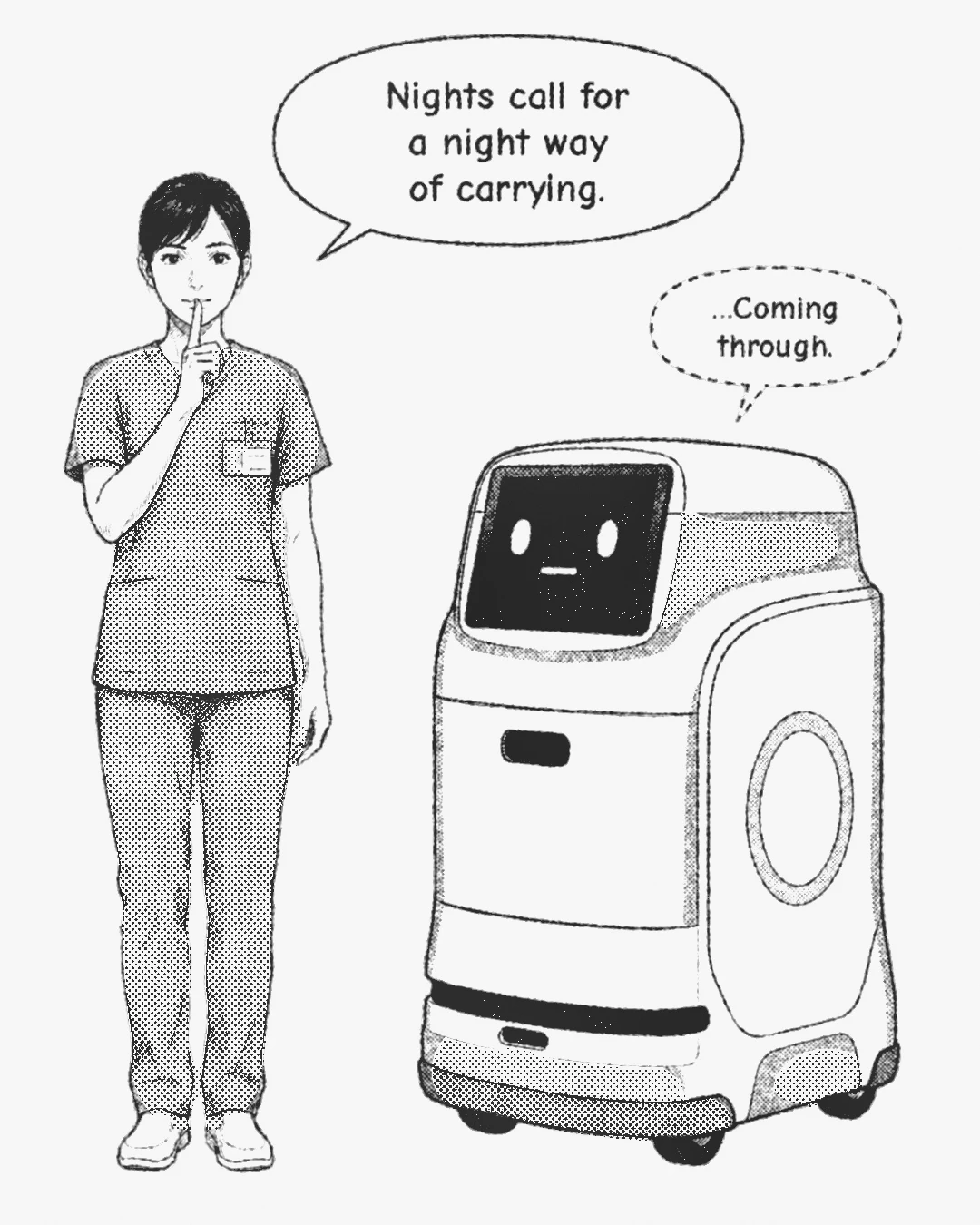
Oshiro told it, “Nights call for a night way of carrying.” Hakobukun cut its voice, lit only a small patch at its feet, and moved slowly. Even as its words shrank to a whispered “…Coming through,” the IV bag still arrived. Keep the delivery job as it is, and switch speed, volume and light by time of day. If that switch is built in from the start, deliveries won't disturb the ward at night.
Same corridor, but at night you drive it as a different place.