Decide Which Movements Call a Nurse
■ Reporting every movement it sees
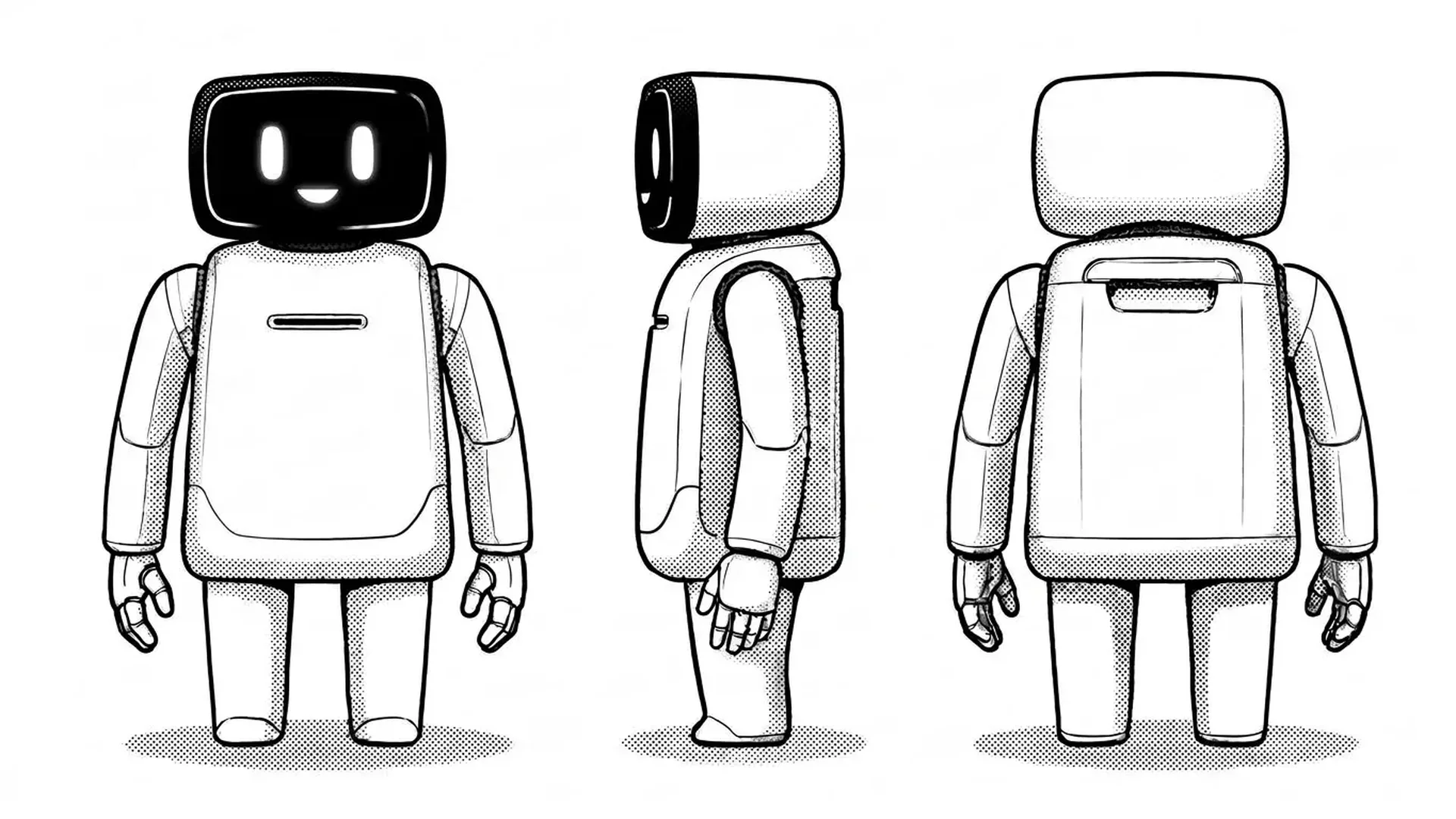
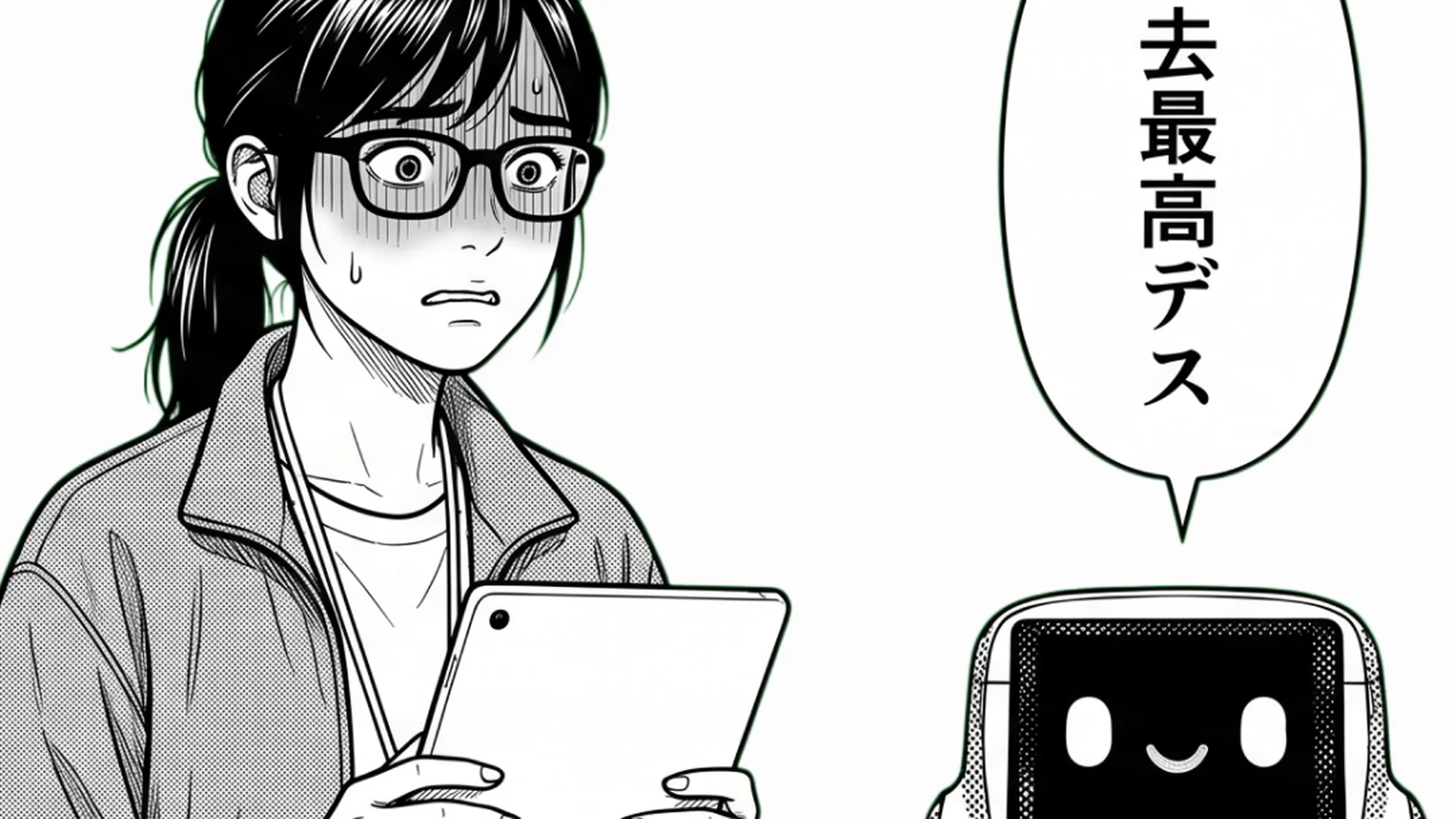
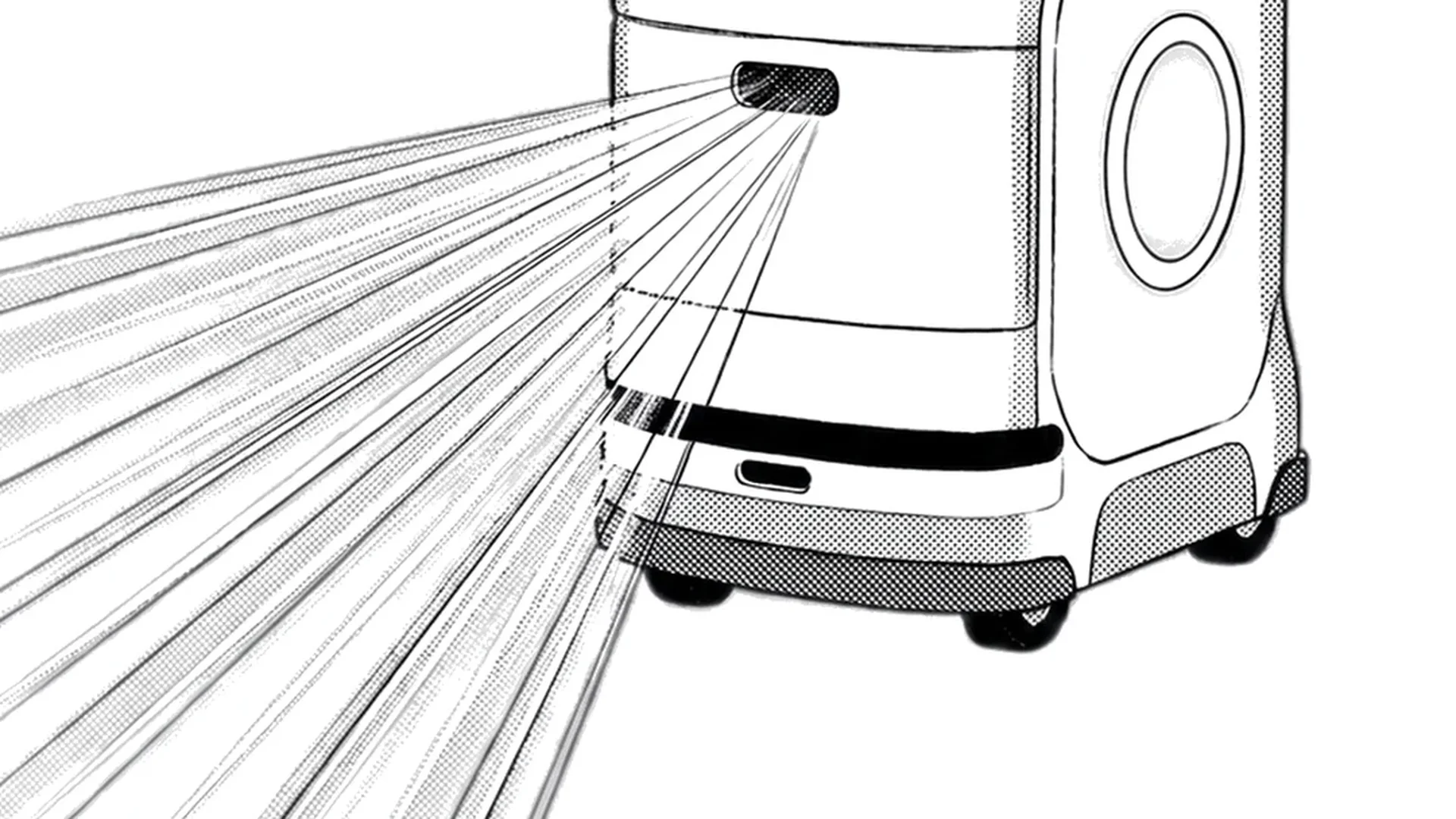
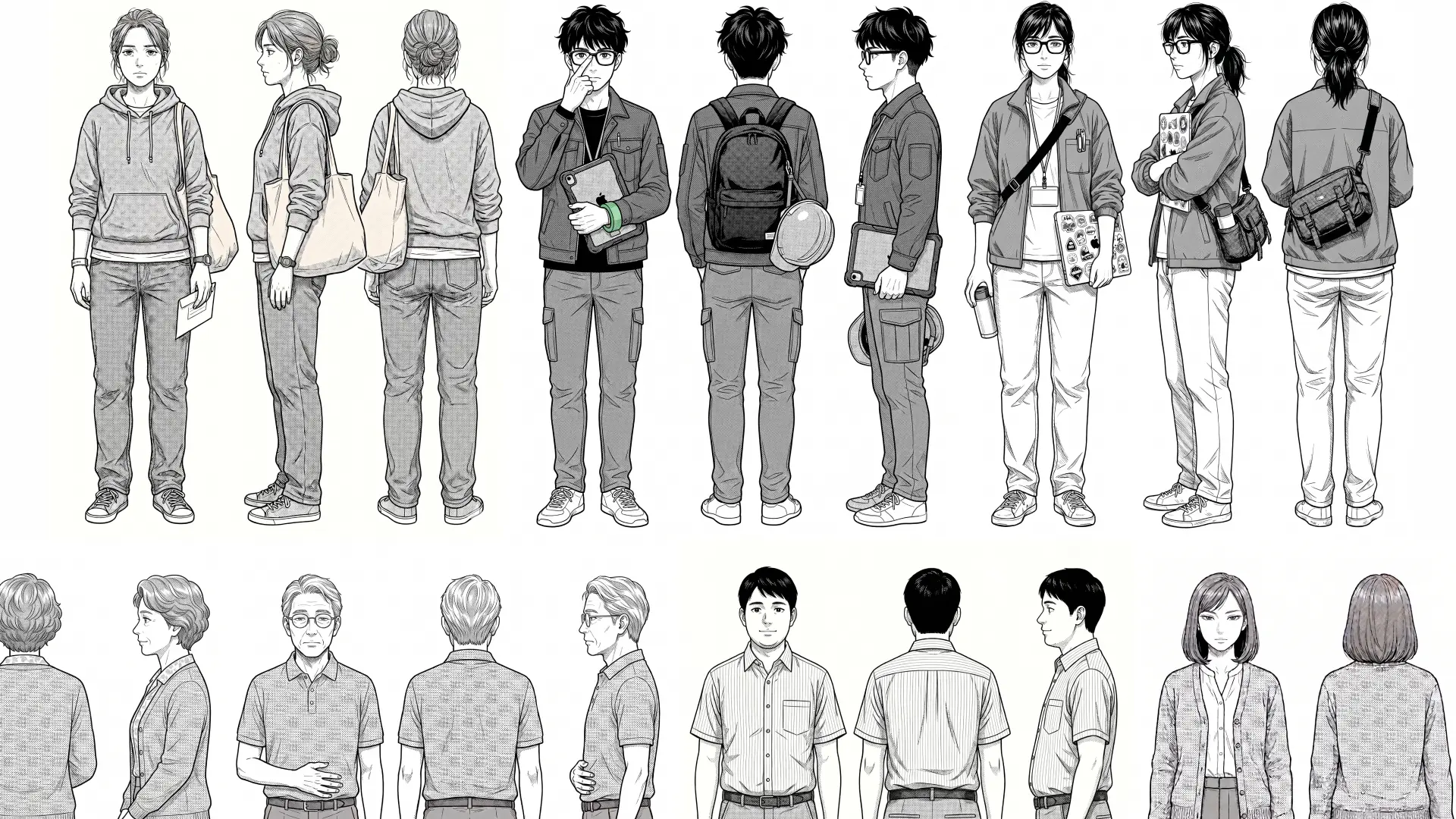
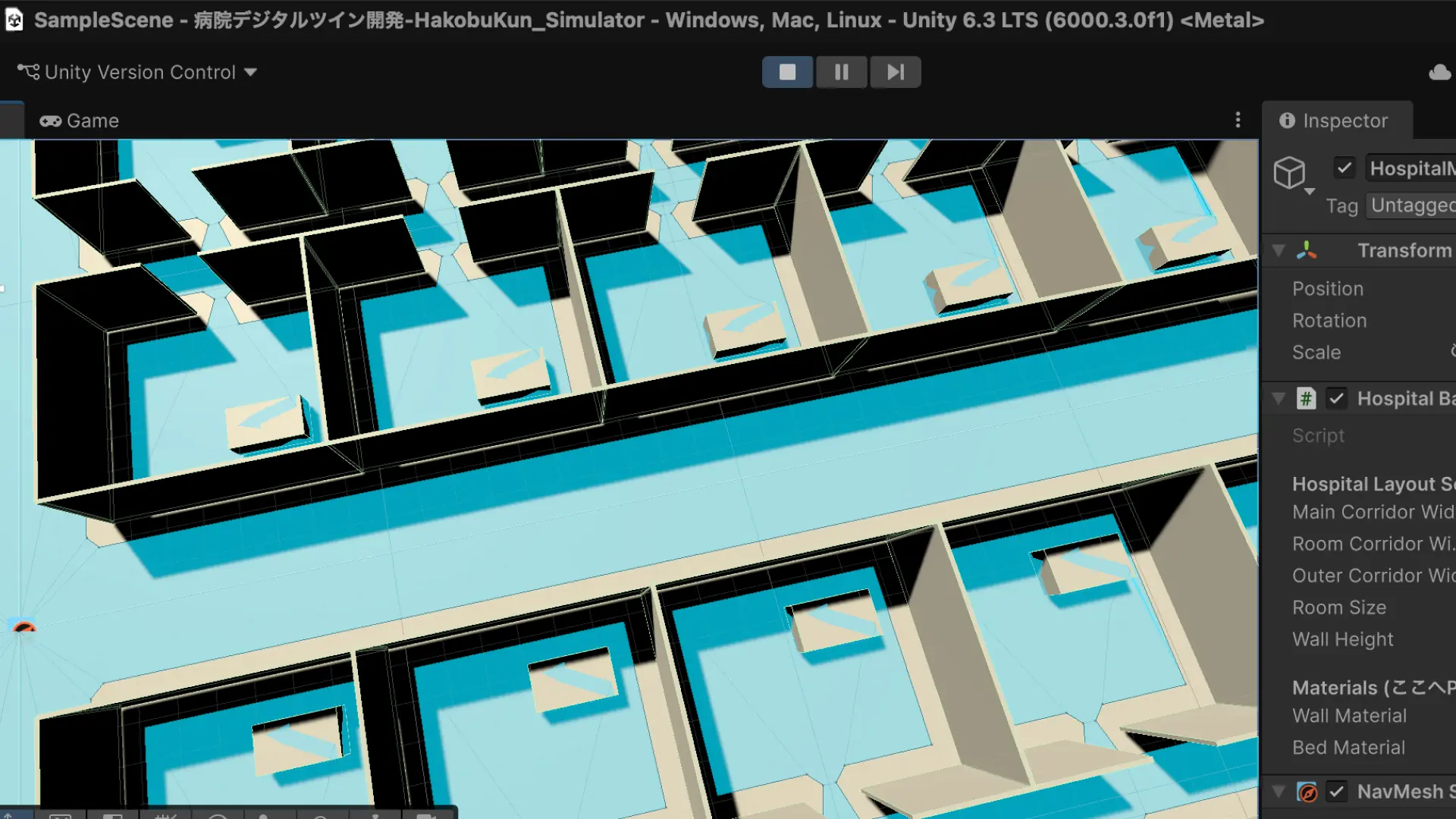
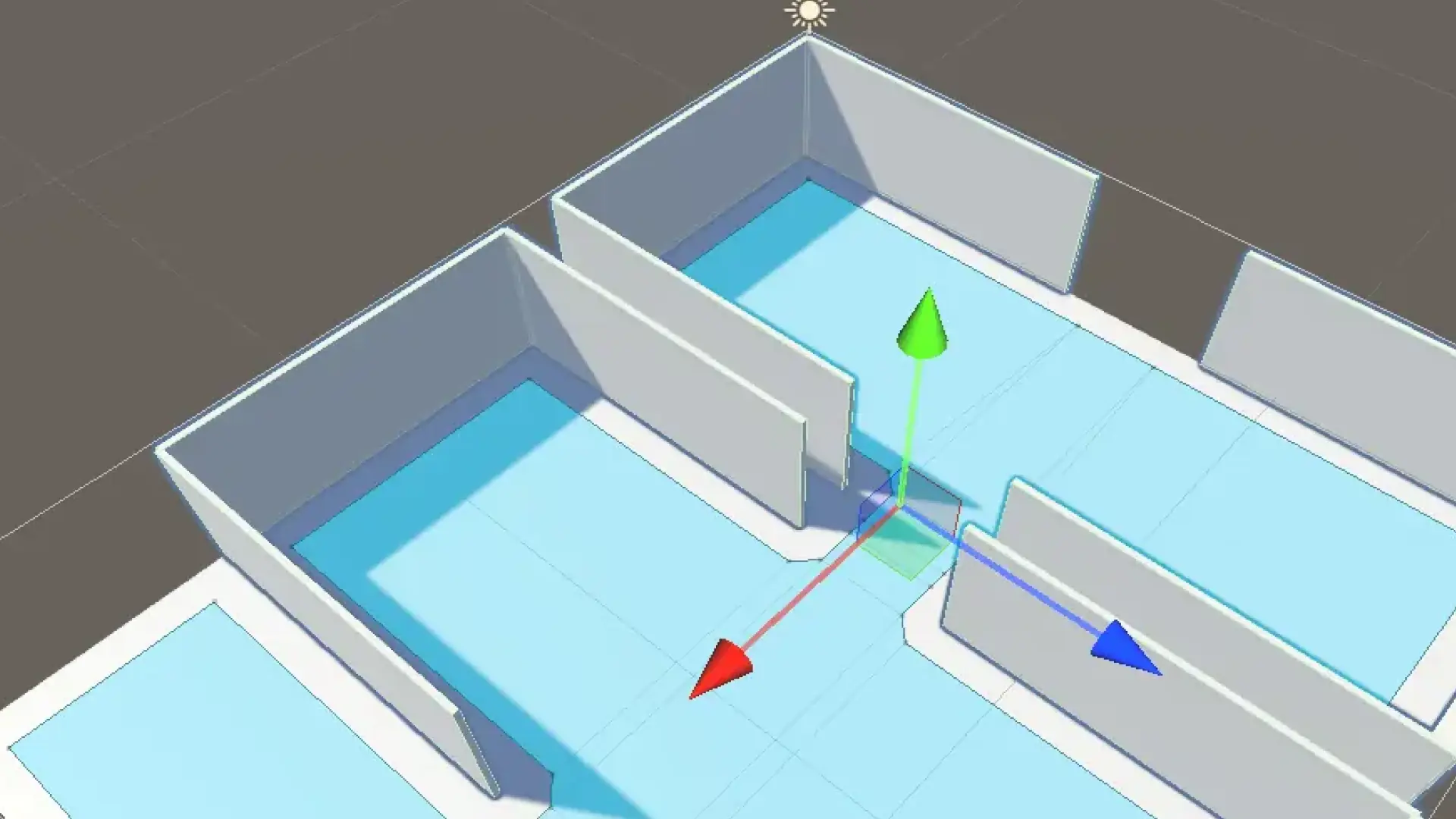
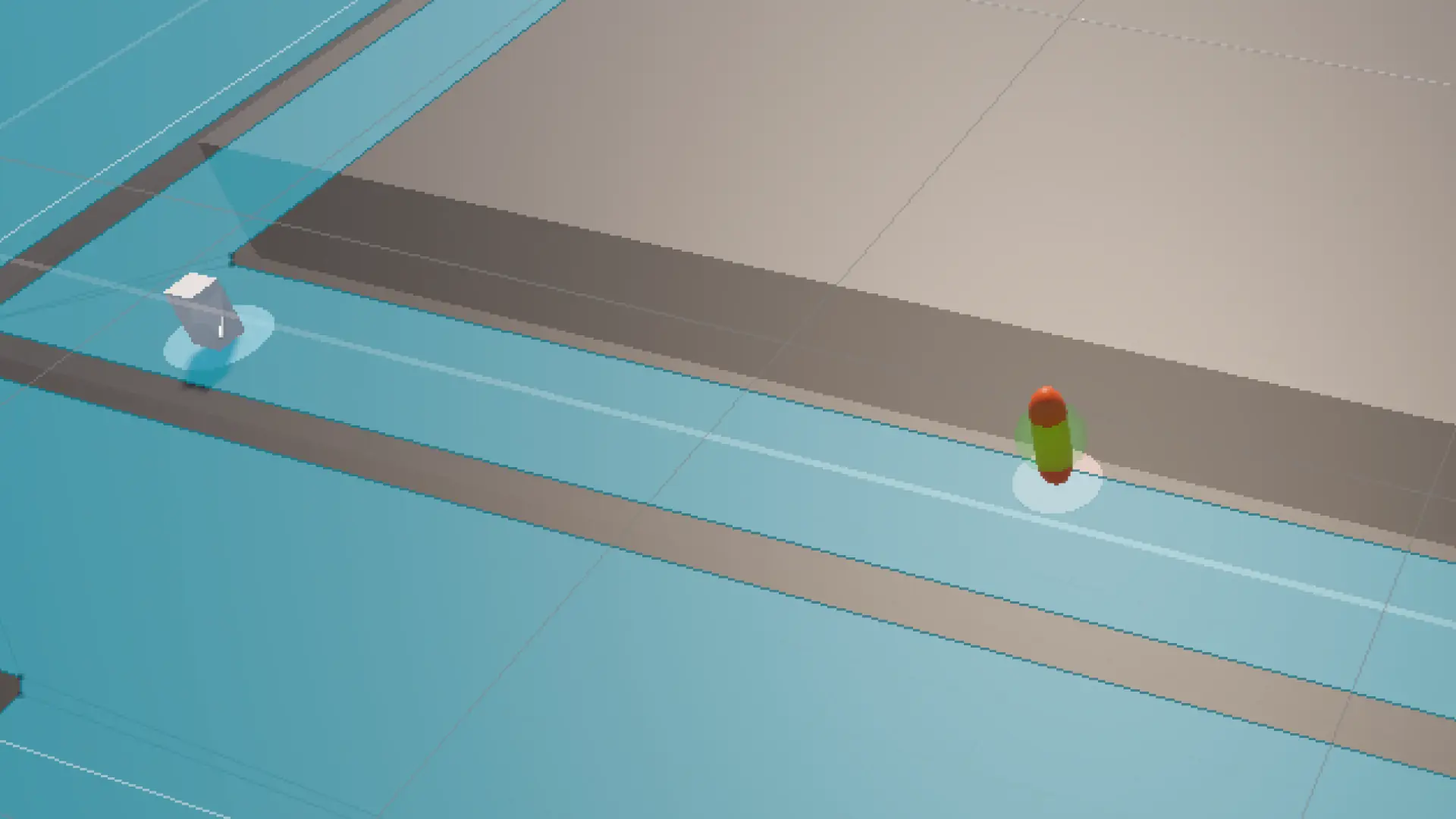
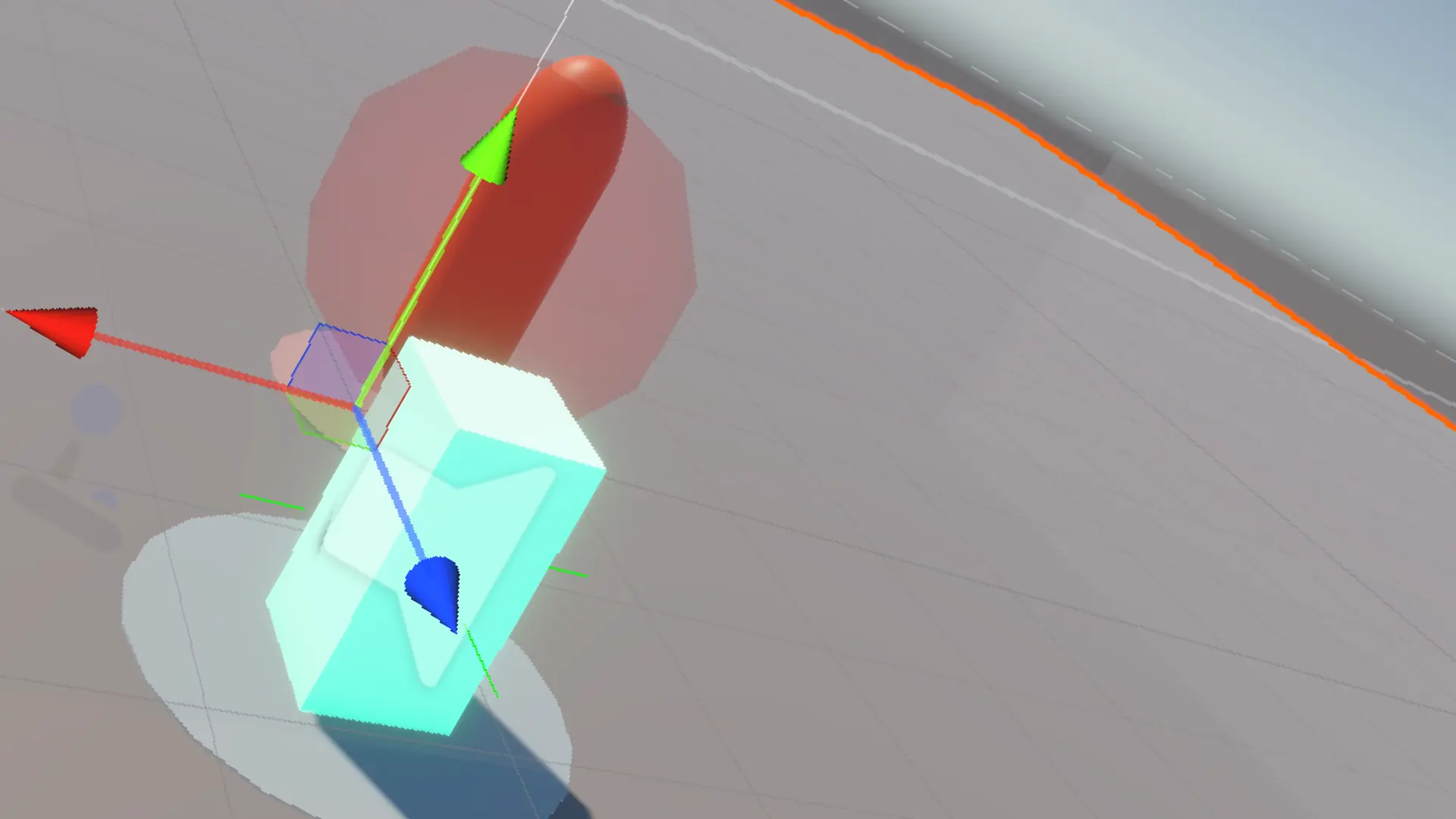
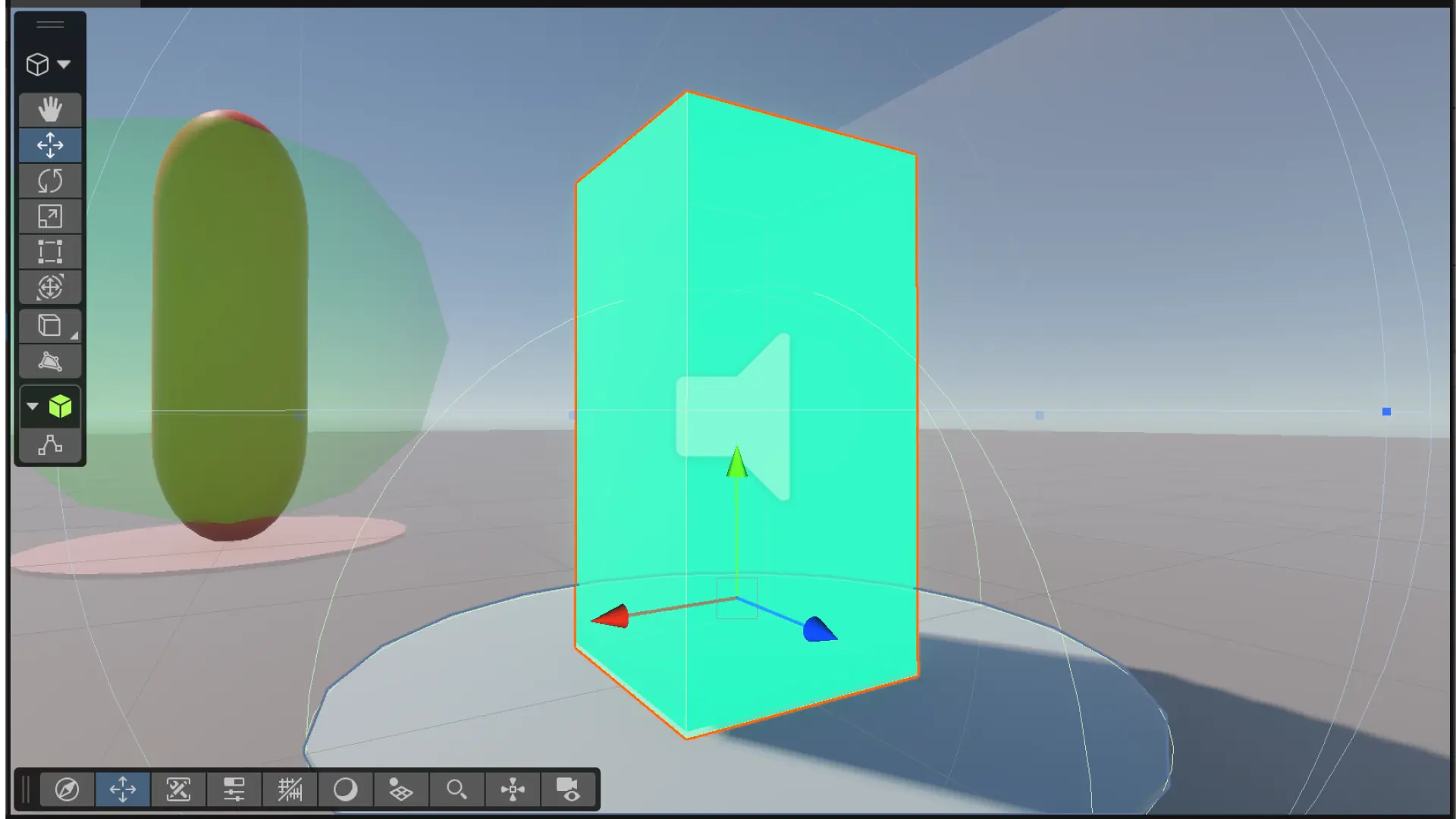
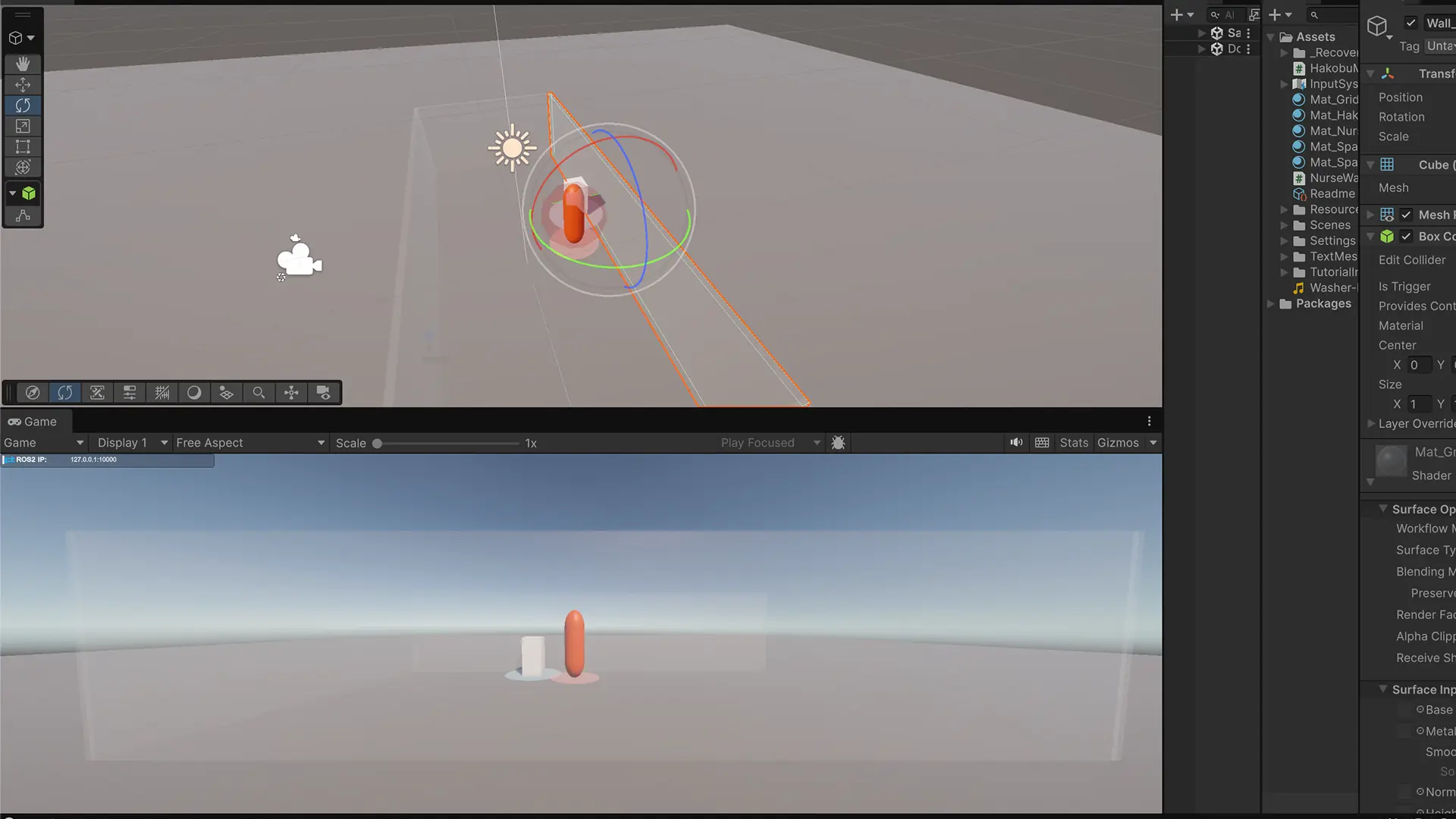
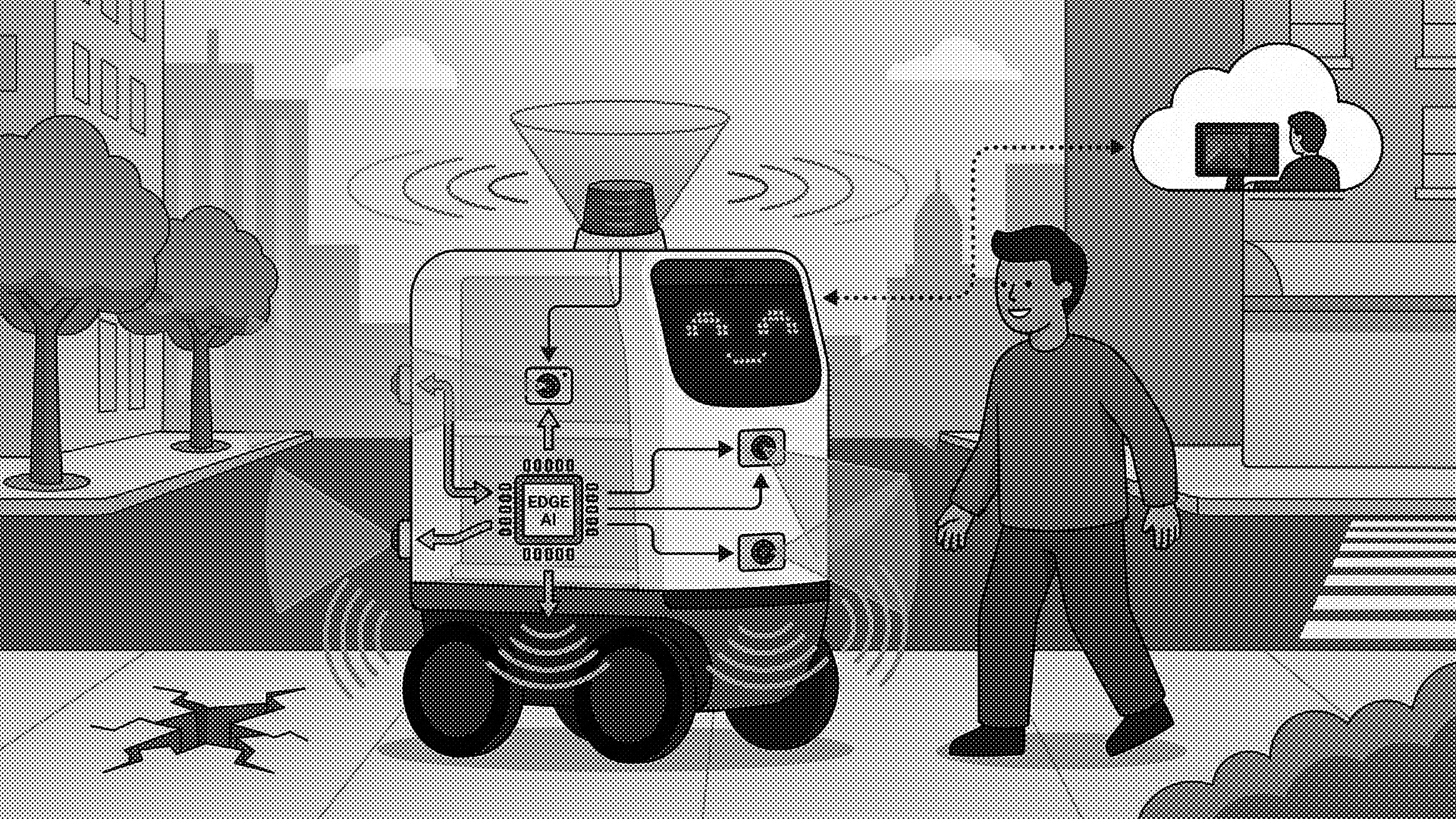
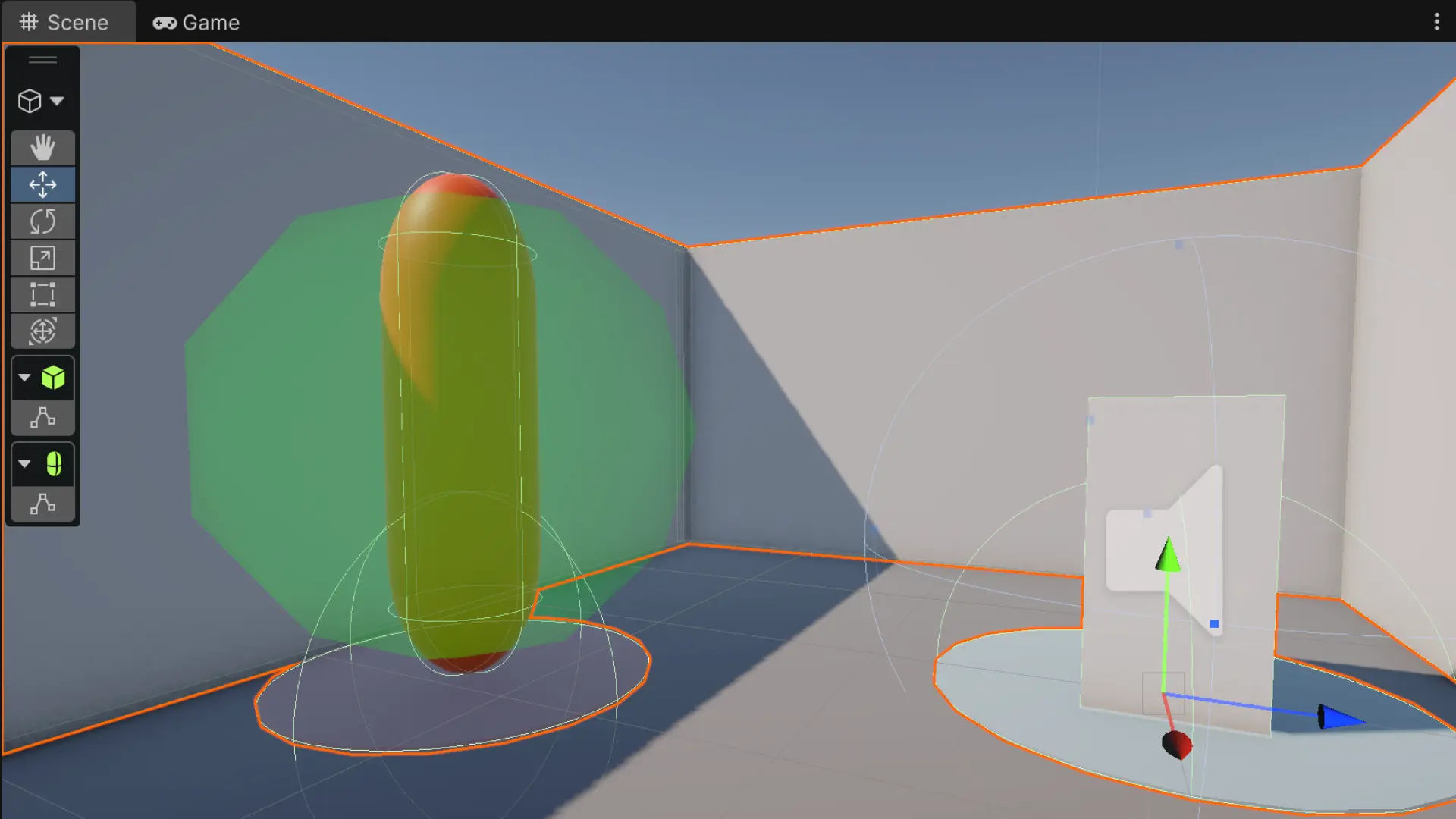
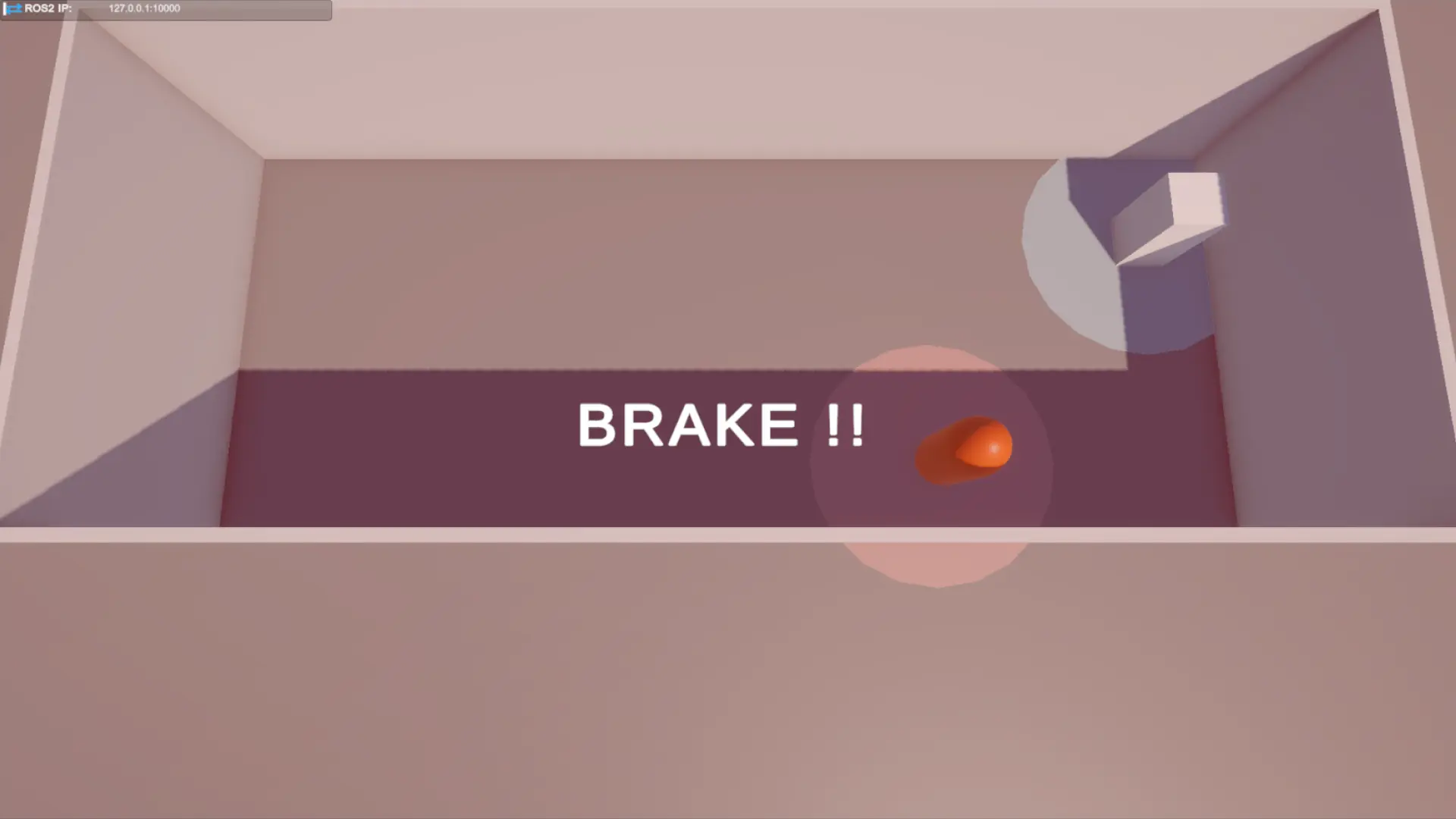
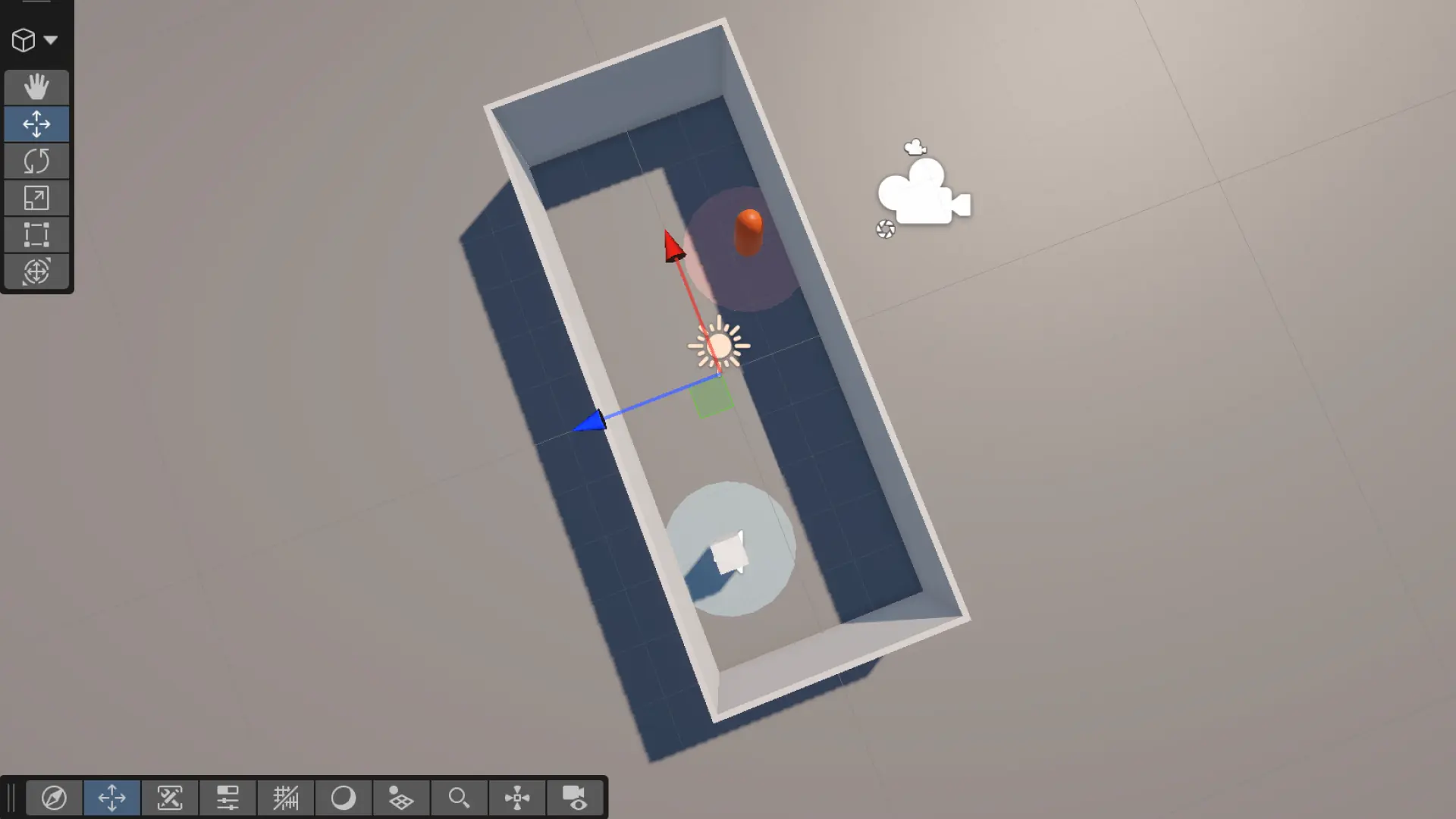
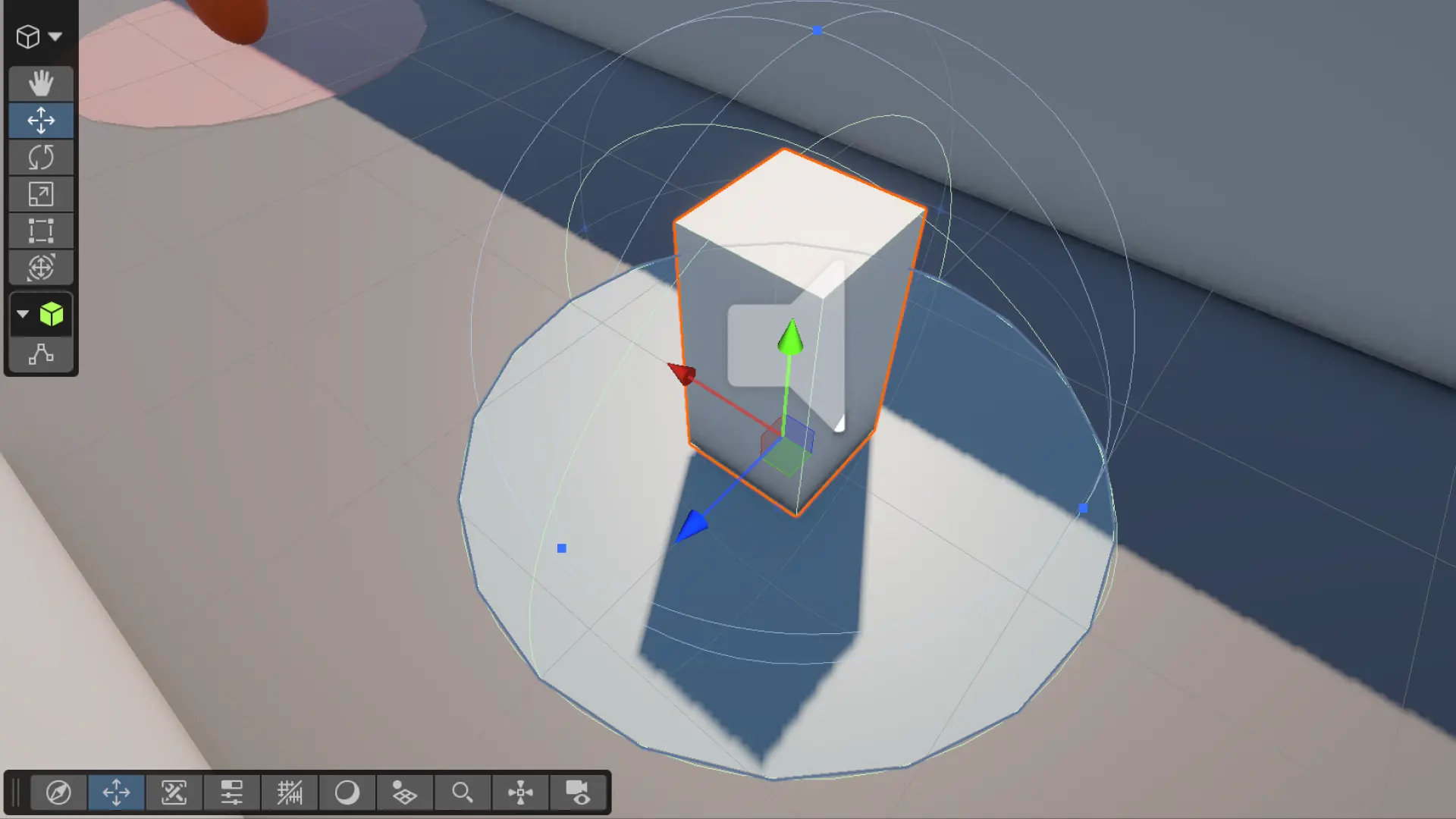
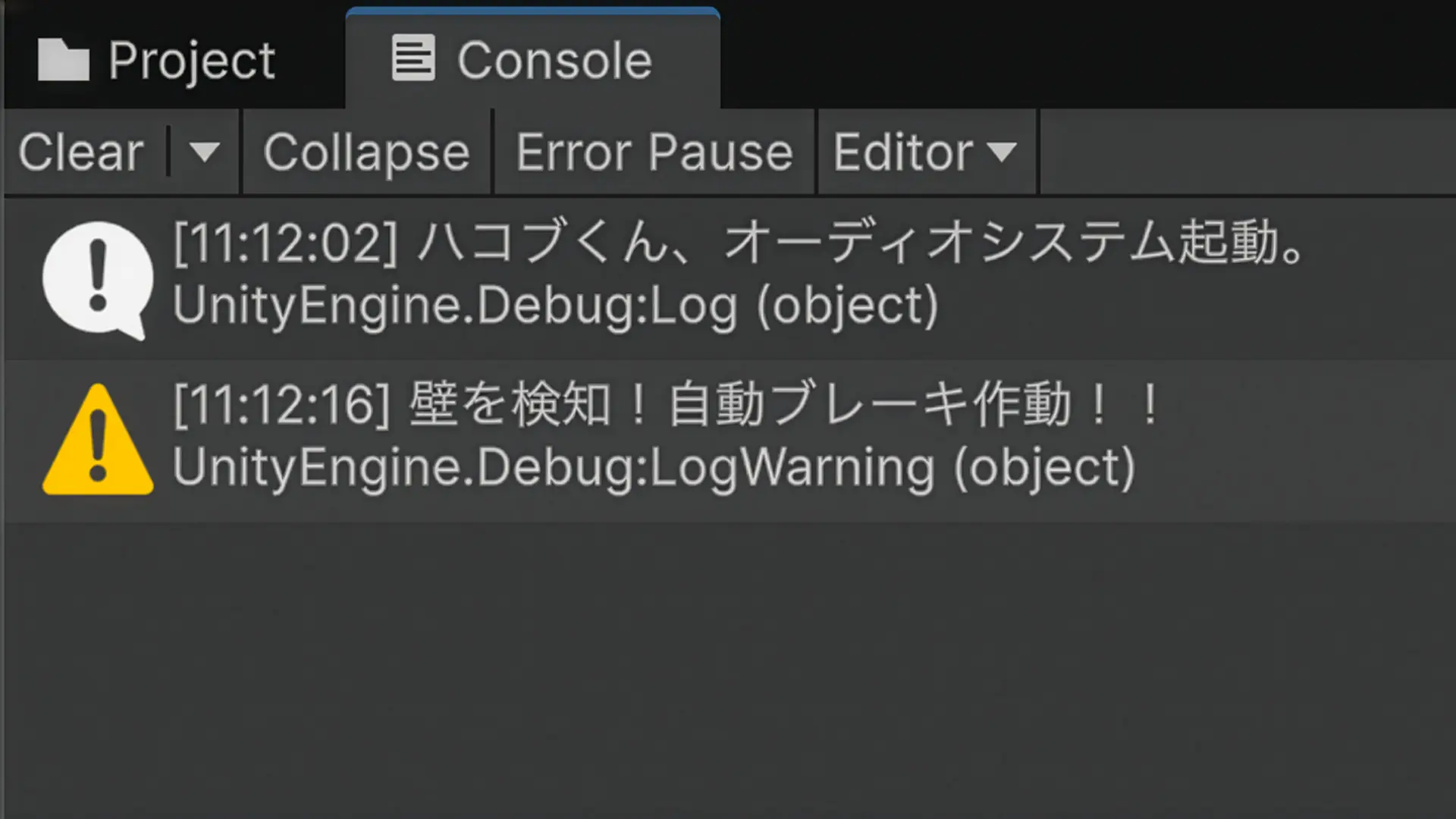
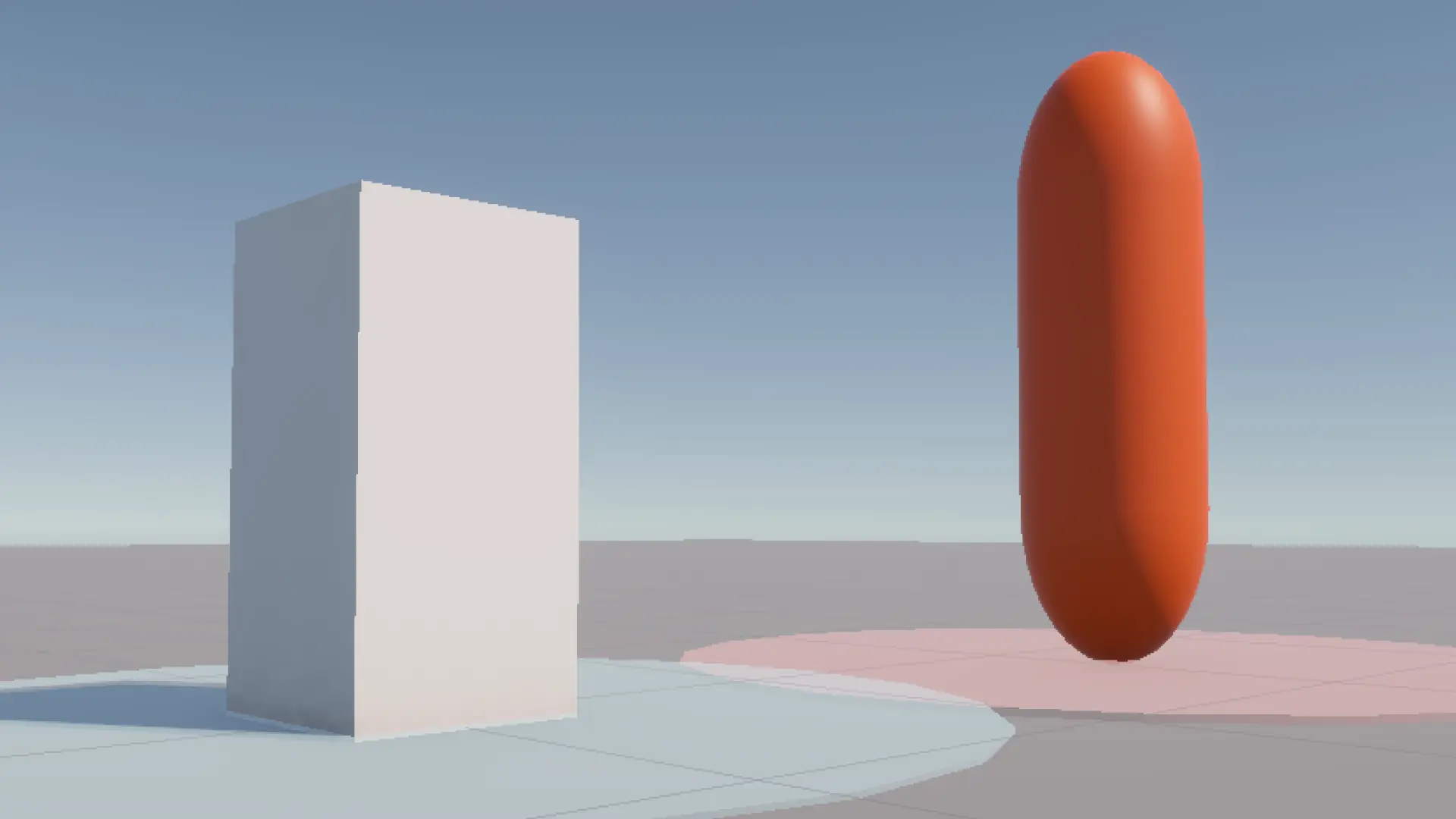
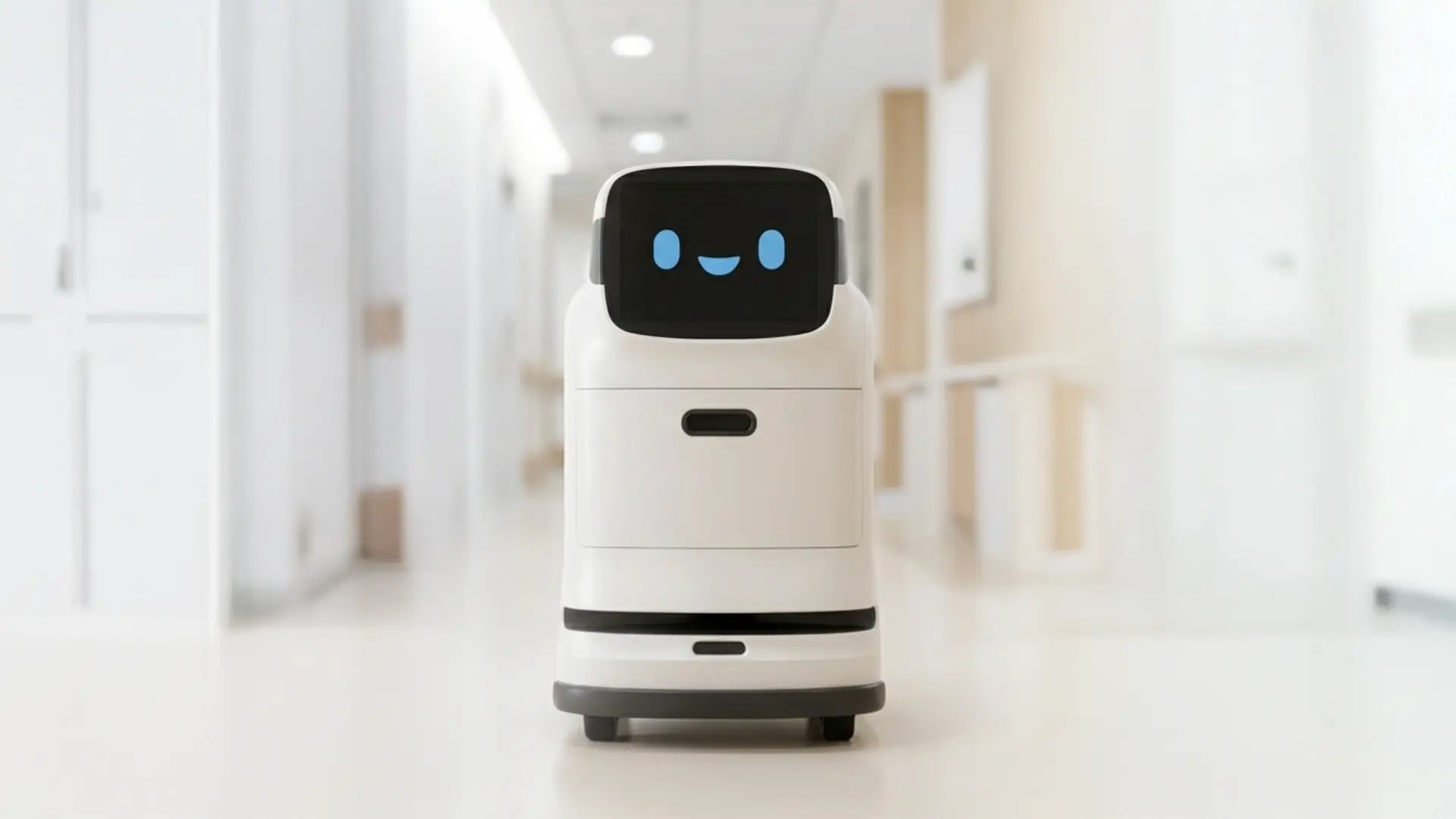
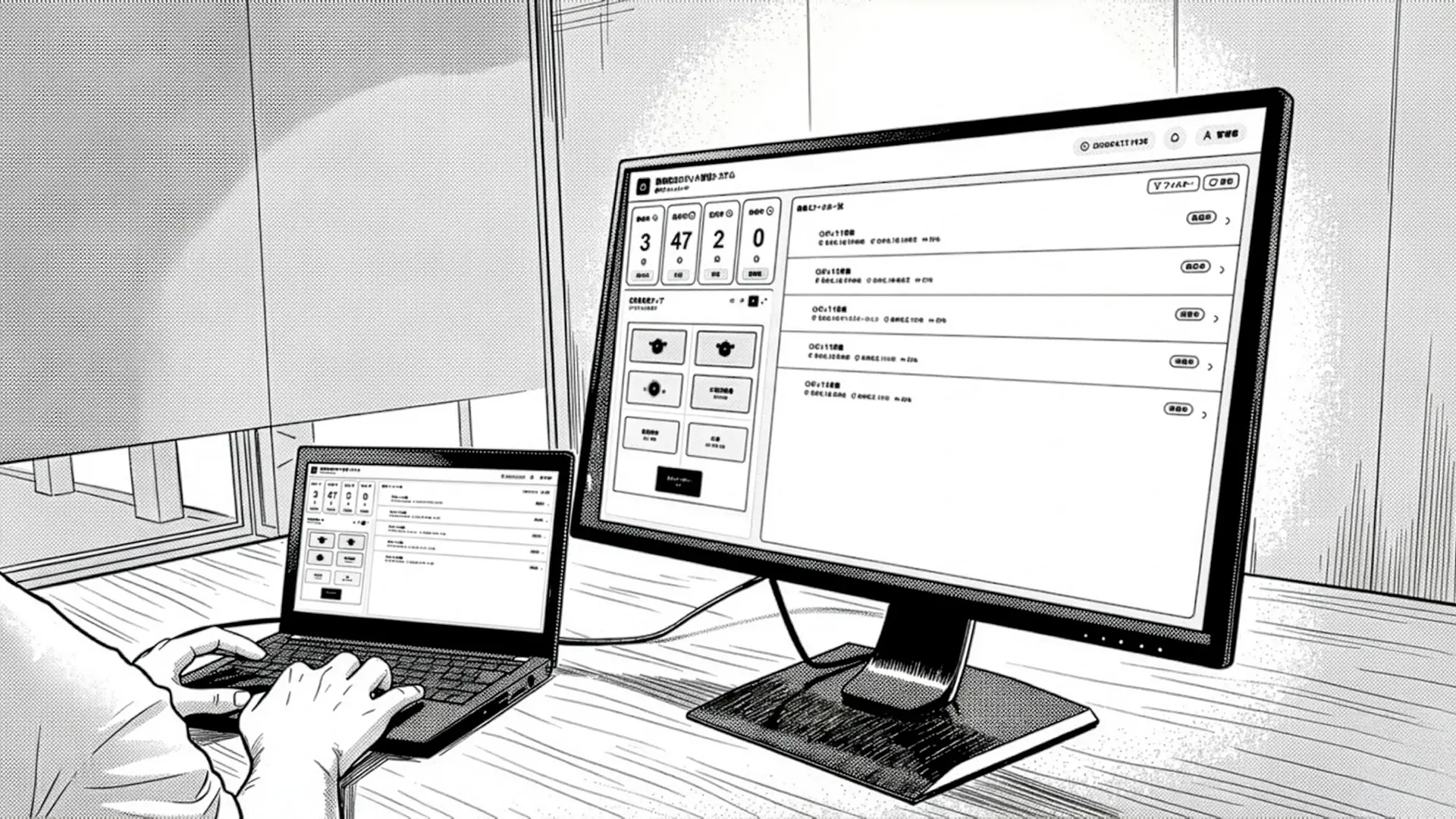
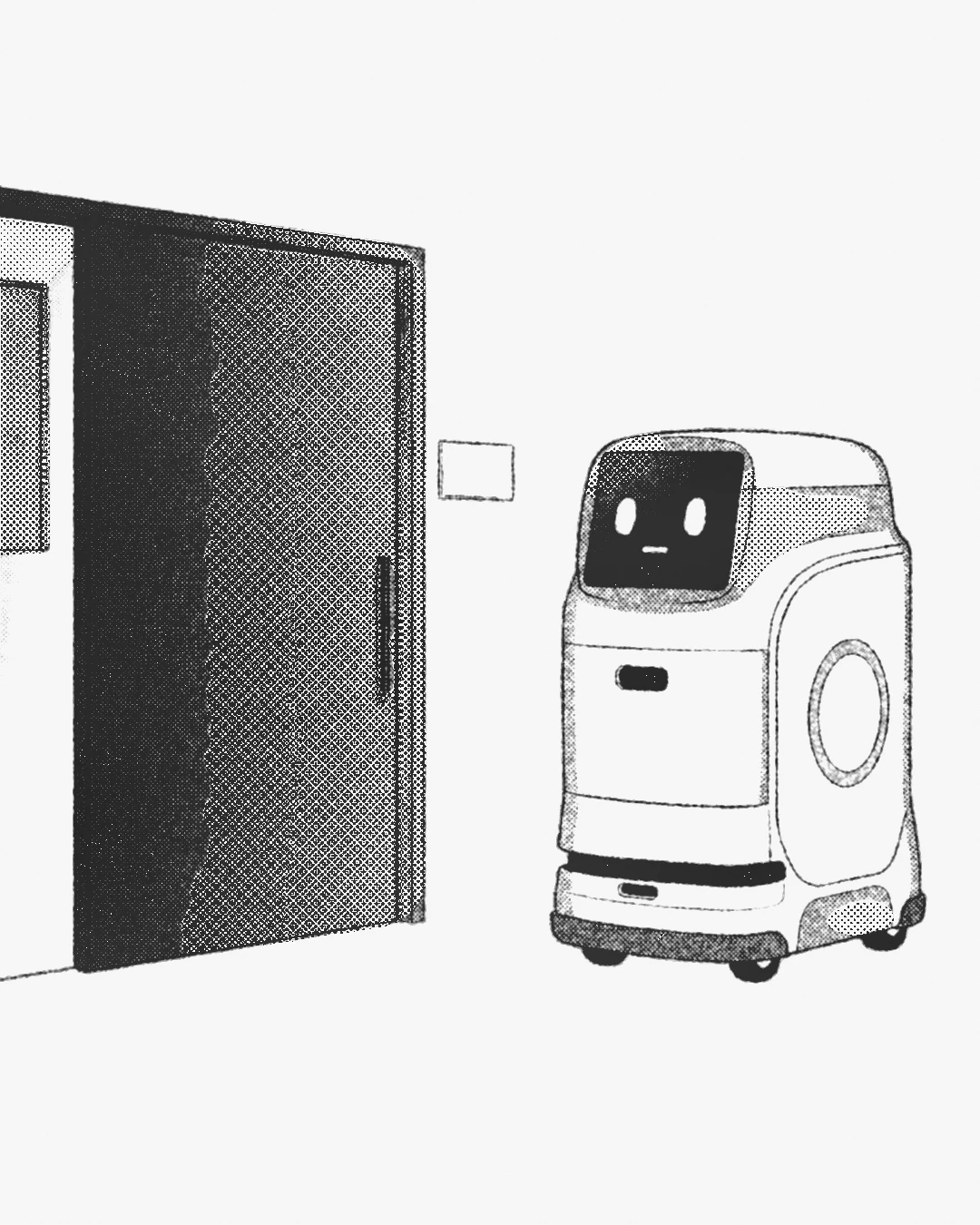
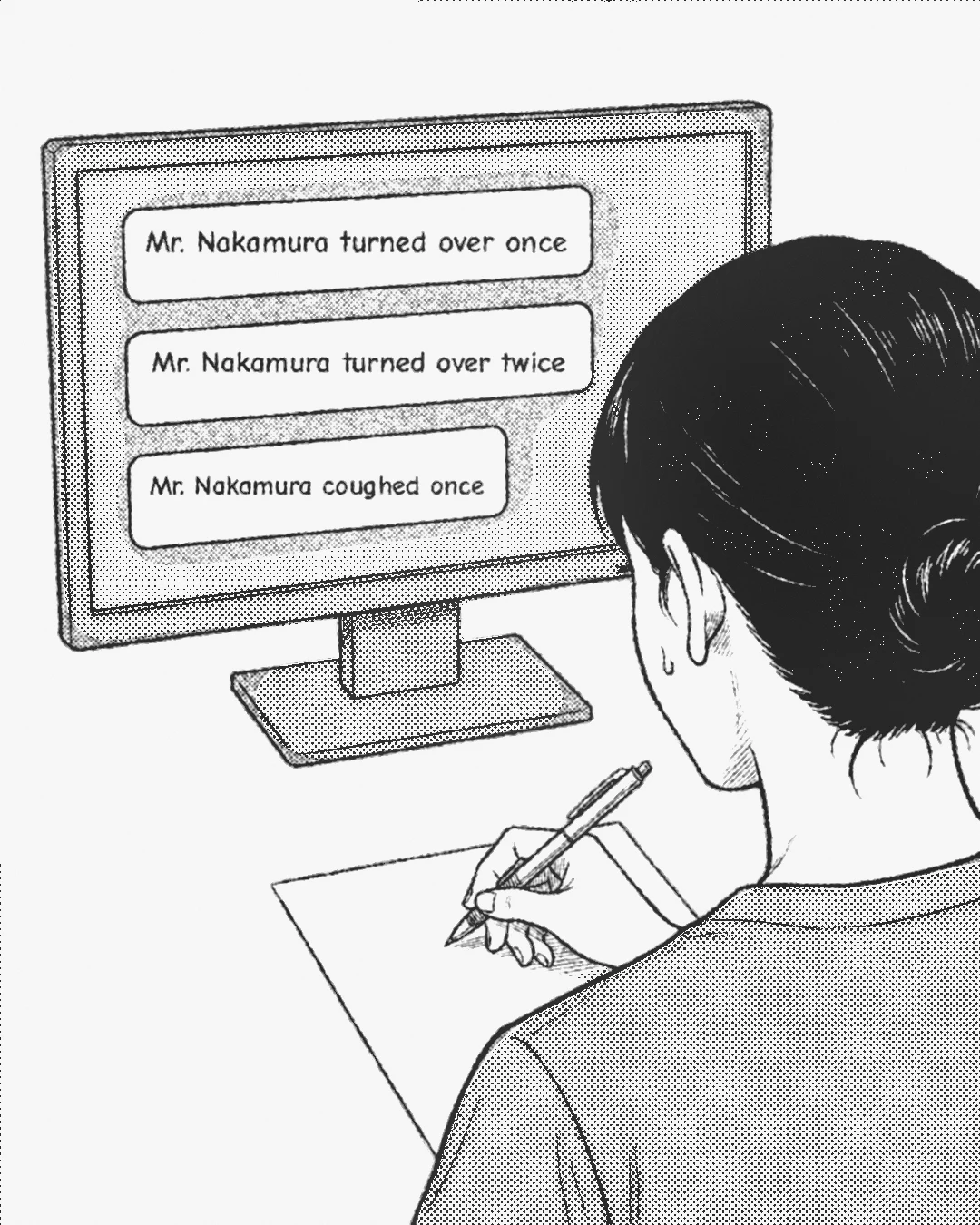
Assigned to night watch, Hakobukun waited outside Mr. Nakamura's room and sent every movement it detected straight to the nurses' station. Turned over once. Turned over twice. Coughed once. Notifications lined up on the screen one after another, and Oshiro, who had been writing up records, stopped her pen. Meanwhile, in another room, a patient was starting to put his feet down off the bed.
■ Too many alerts hide the one that's dangerous
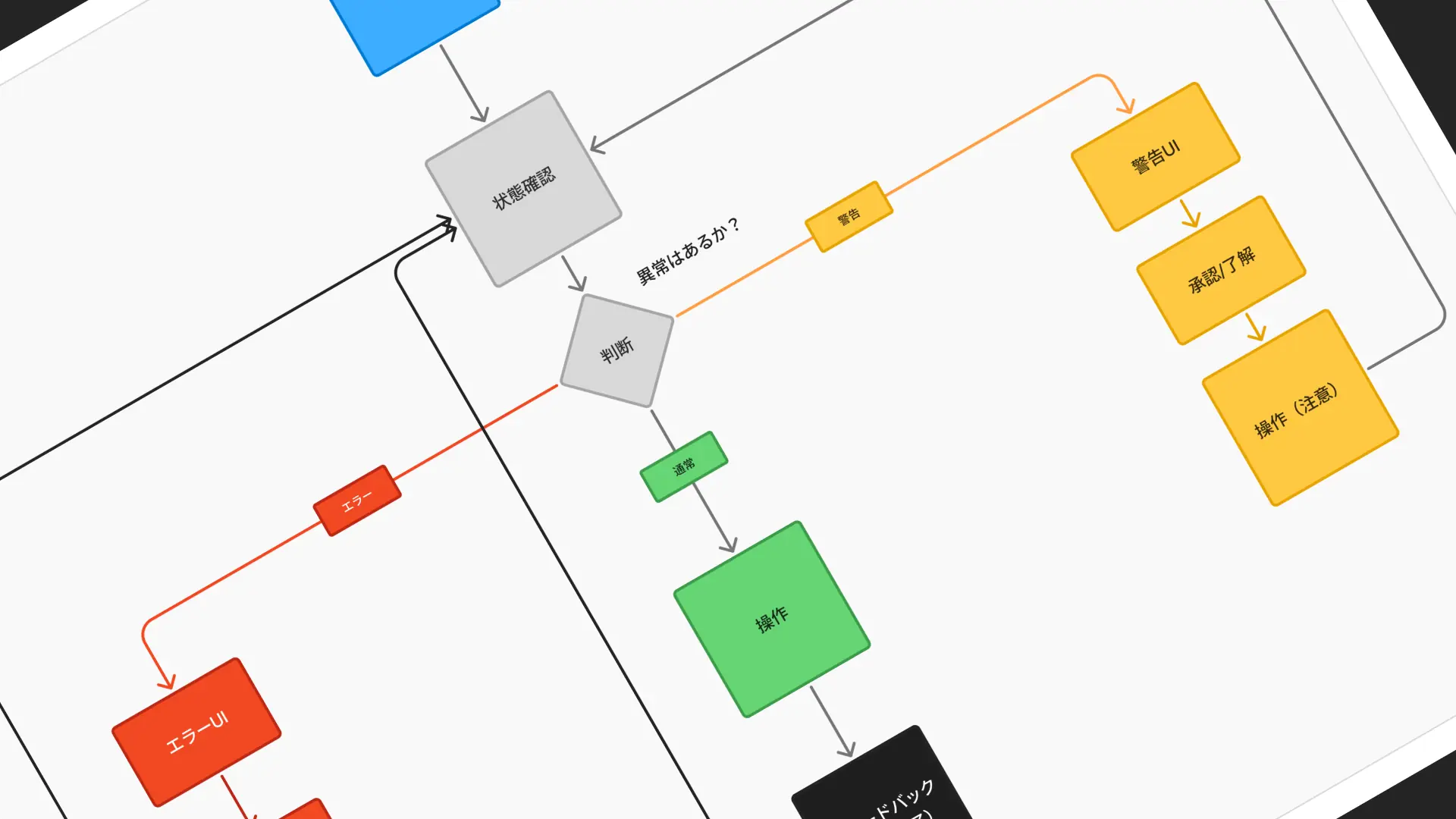
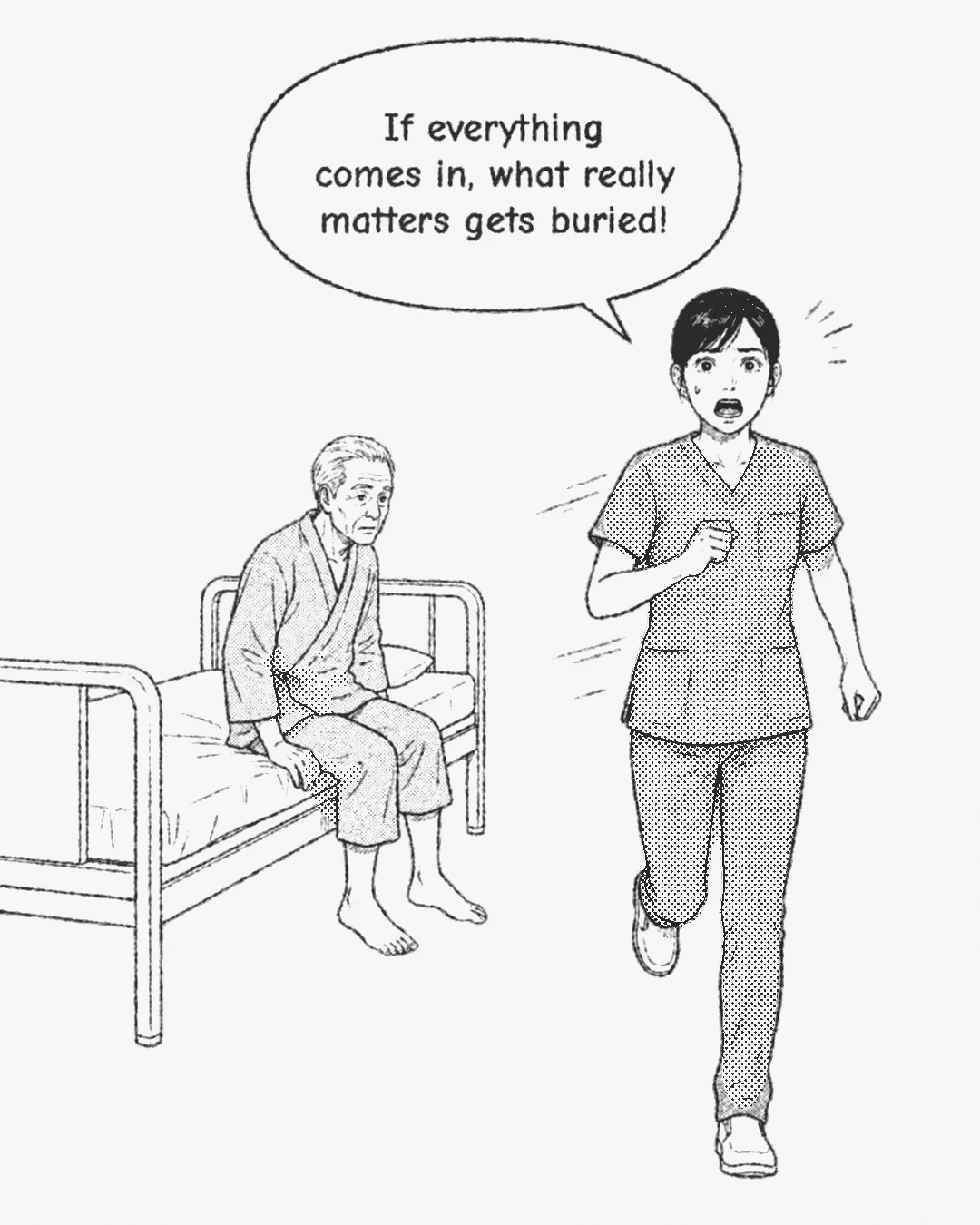
Bed monitoring sensors can pick up even small movements in bed. But if every one of them triggers an alert, the nurse ends up staring at a screen all night. Turning over, coughing, sitting up—each shows up as just another notification. Among them, the real bed exit—a patient trying to leave the bed, the kind of movement that leads to falls—gets buried. Oshiro's “If everything comes in, what really matters gets buried” describes exactly how that happens.
■ Conclusion: Decide what calls a person, not just what can be detected
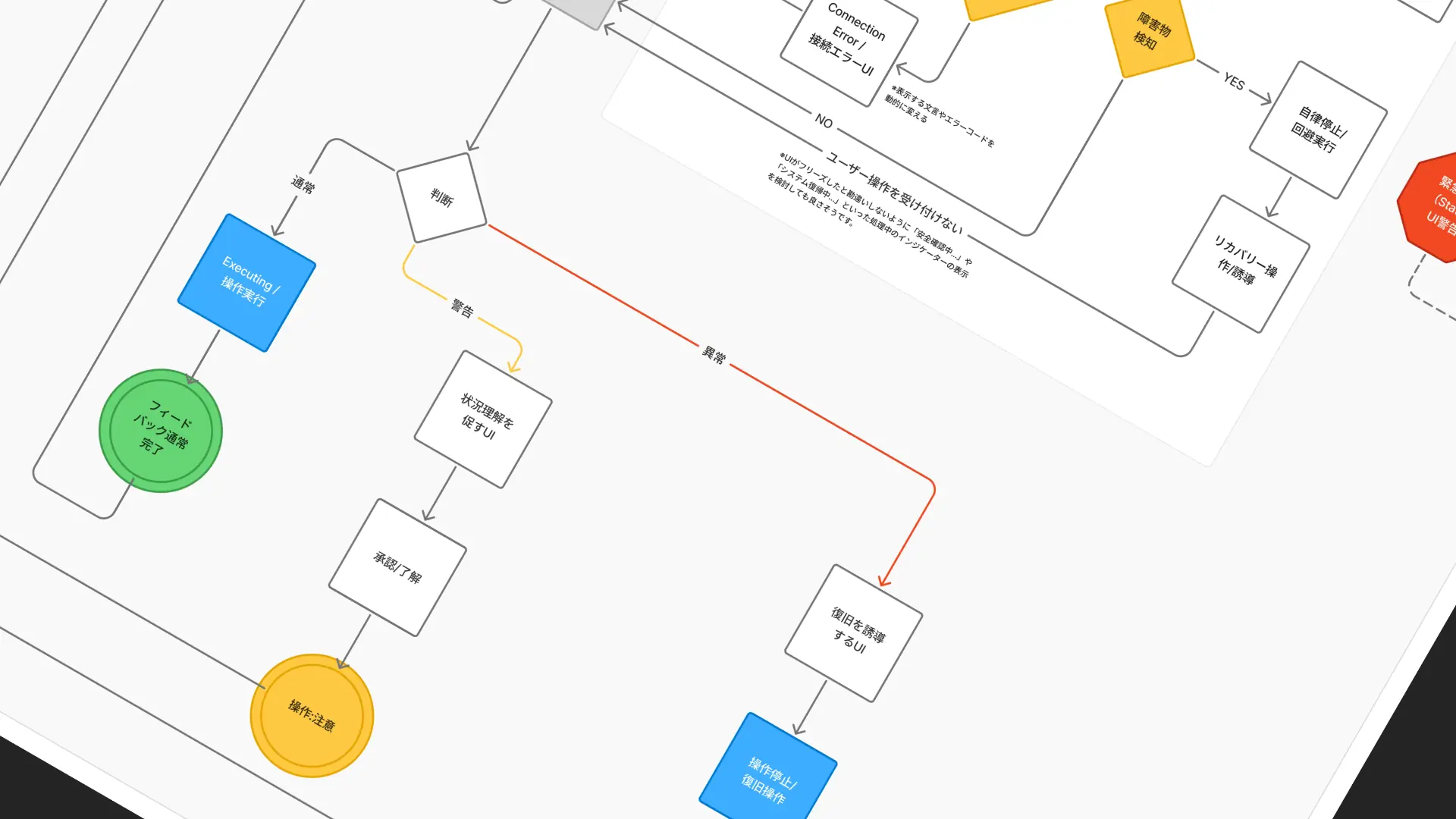
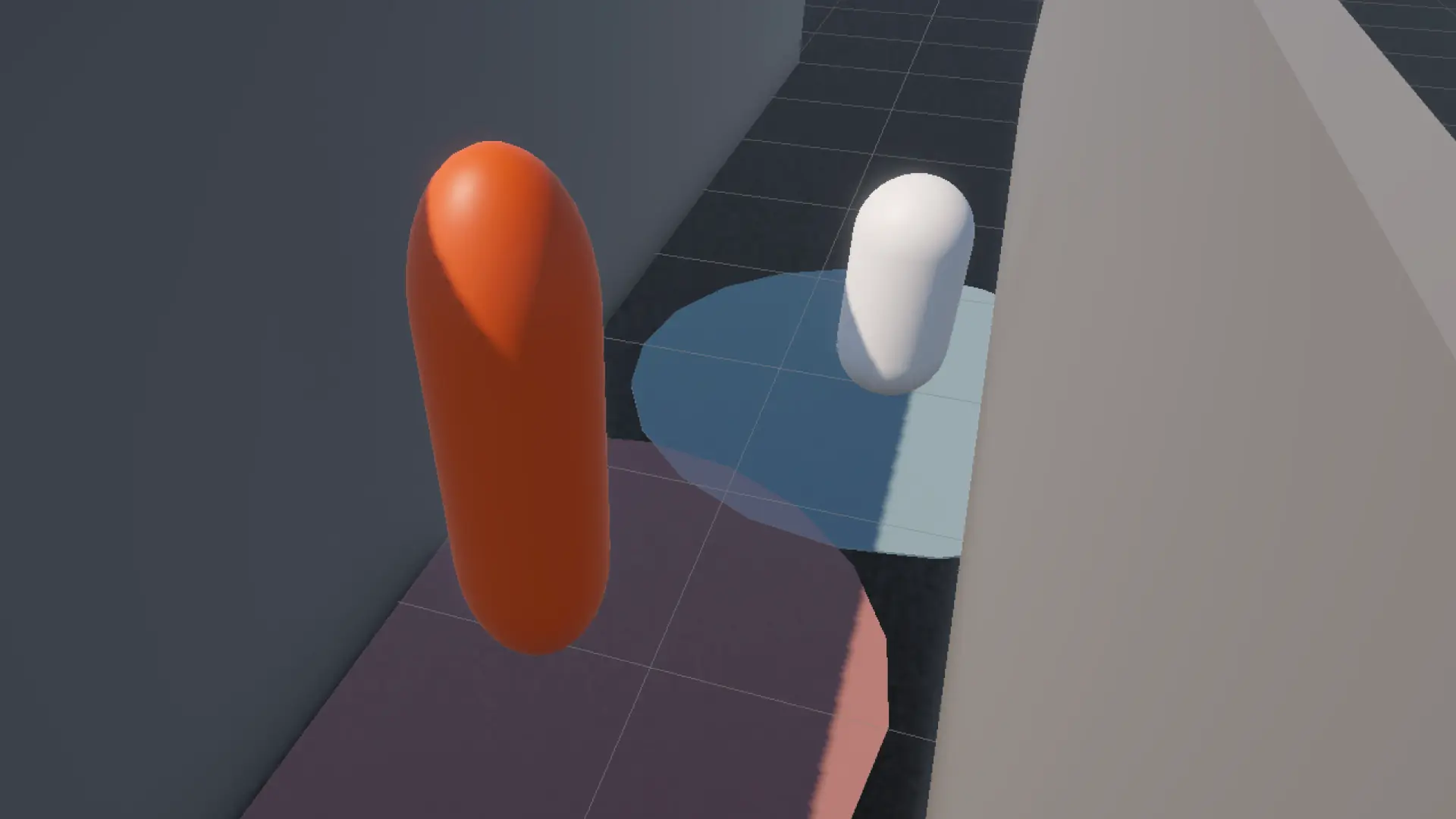
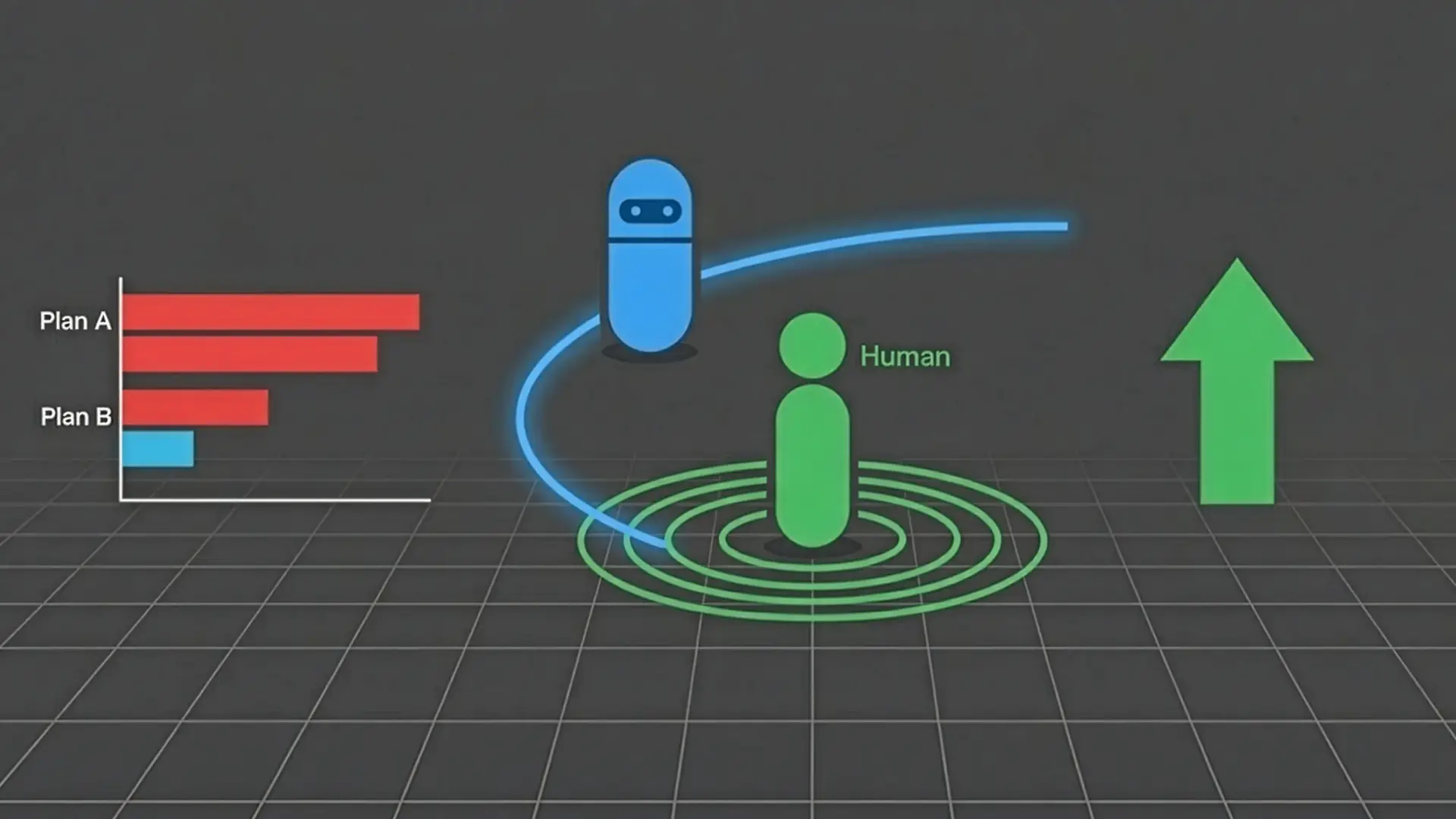
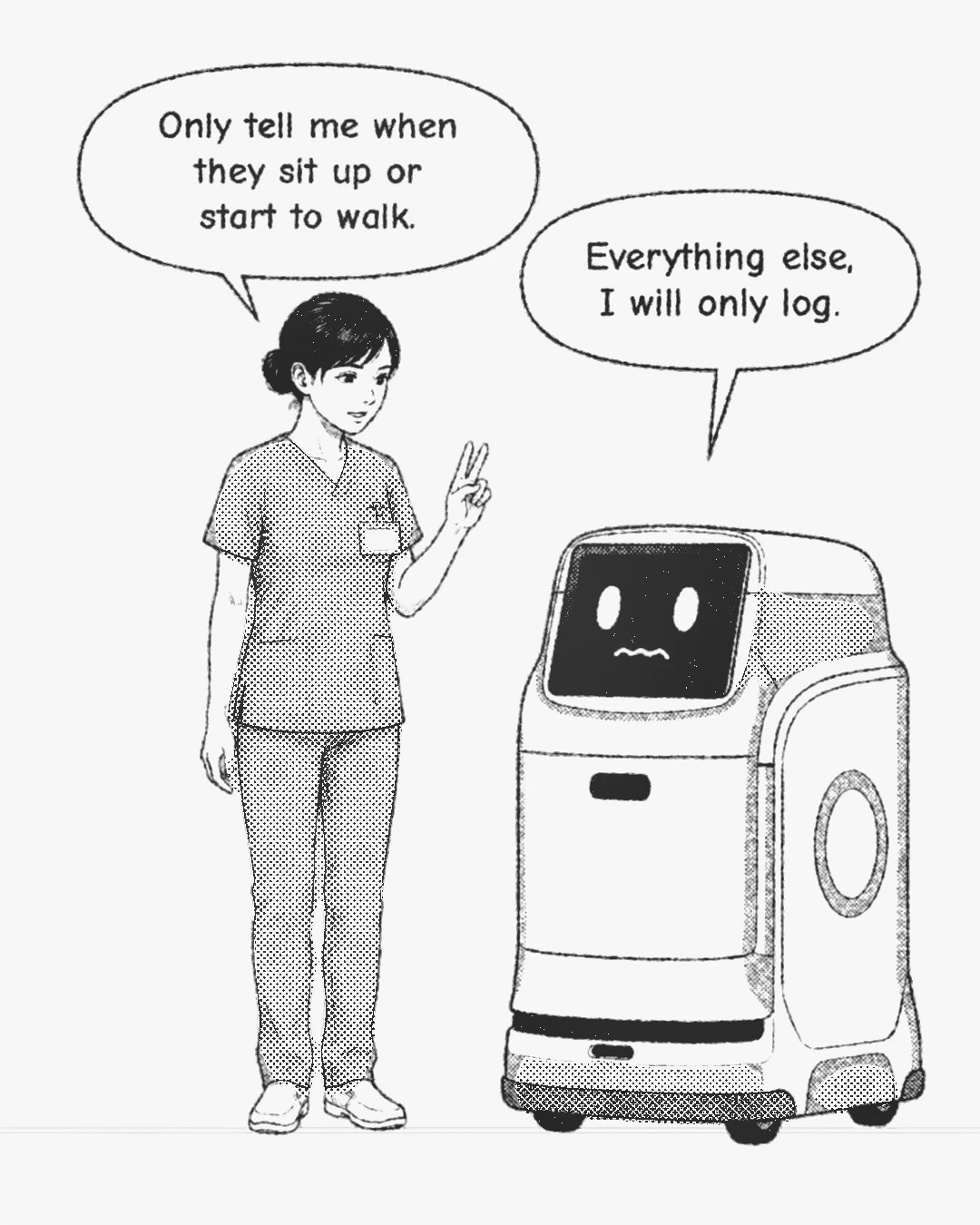
The patient was back in bed in time. Oshiro told Hakobukun, “Only tell me when they sit up or start to walk,” and Hakobukun answered, “Everything else, I will only log.” Keep a record of everything detected, but call a person only for the movements you have chosen. When that line is drawn together with the nurses on the floor, alerts become signals that move people again.
Fewer alerts make each one count.