The Human Decides, the Machine Carries
■ When in doubt, people want to hand the decision to a machine
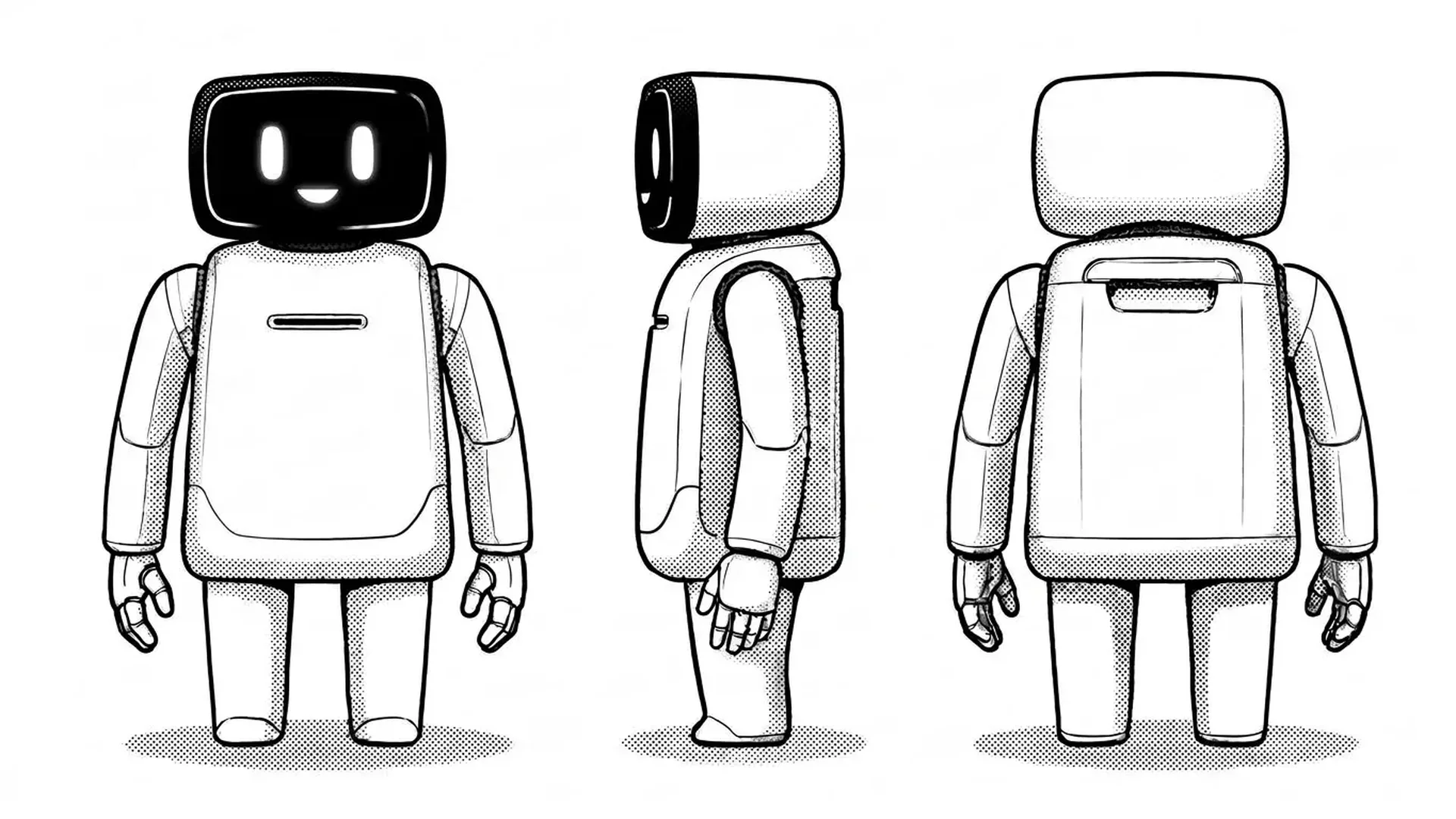
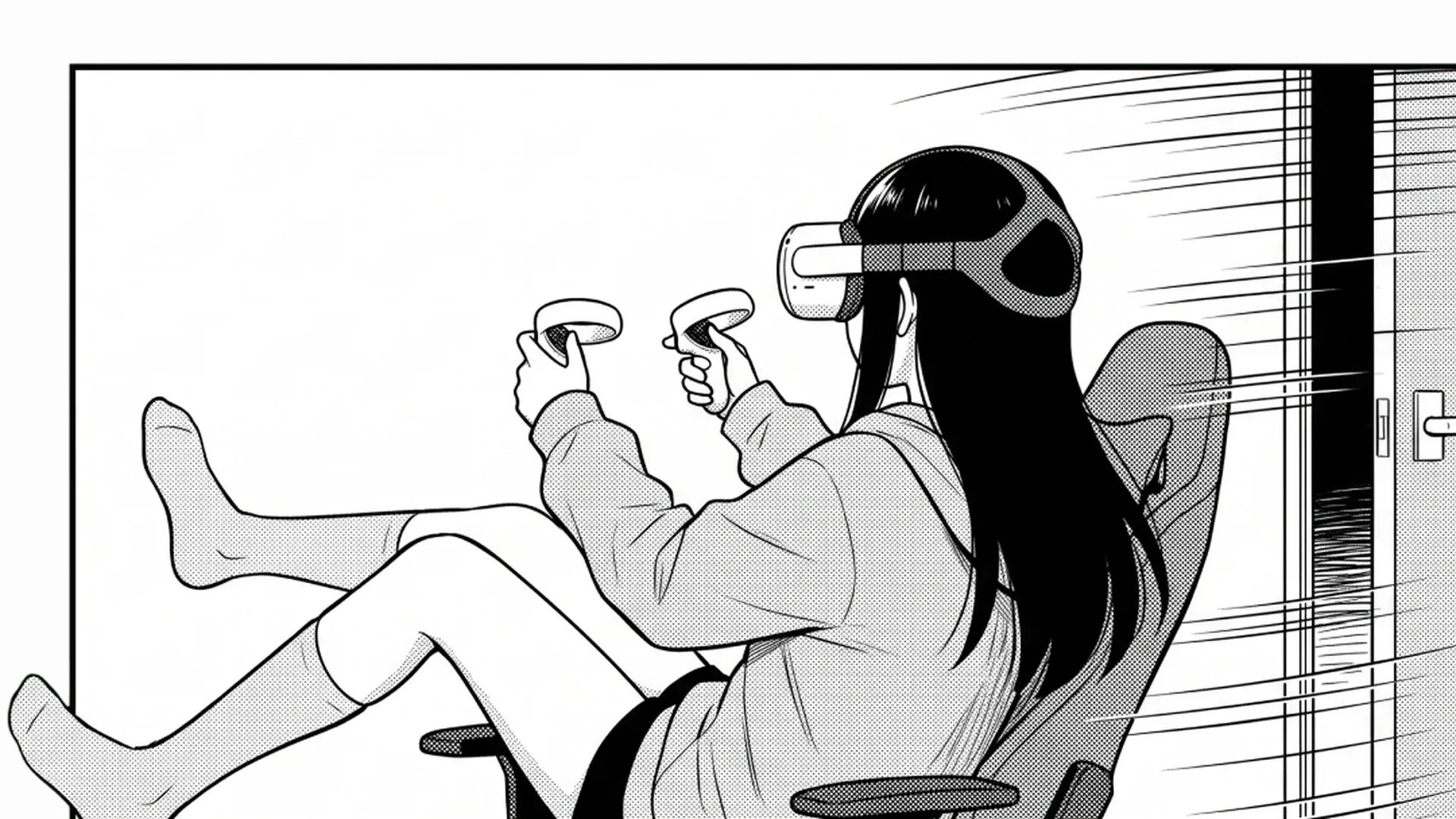
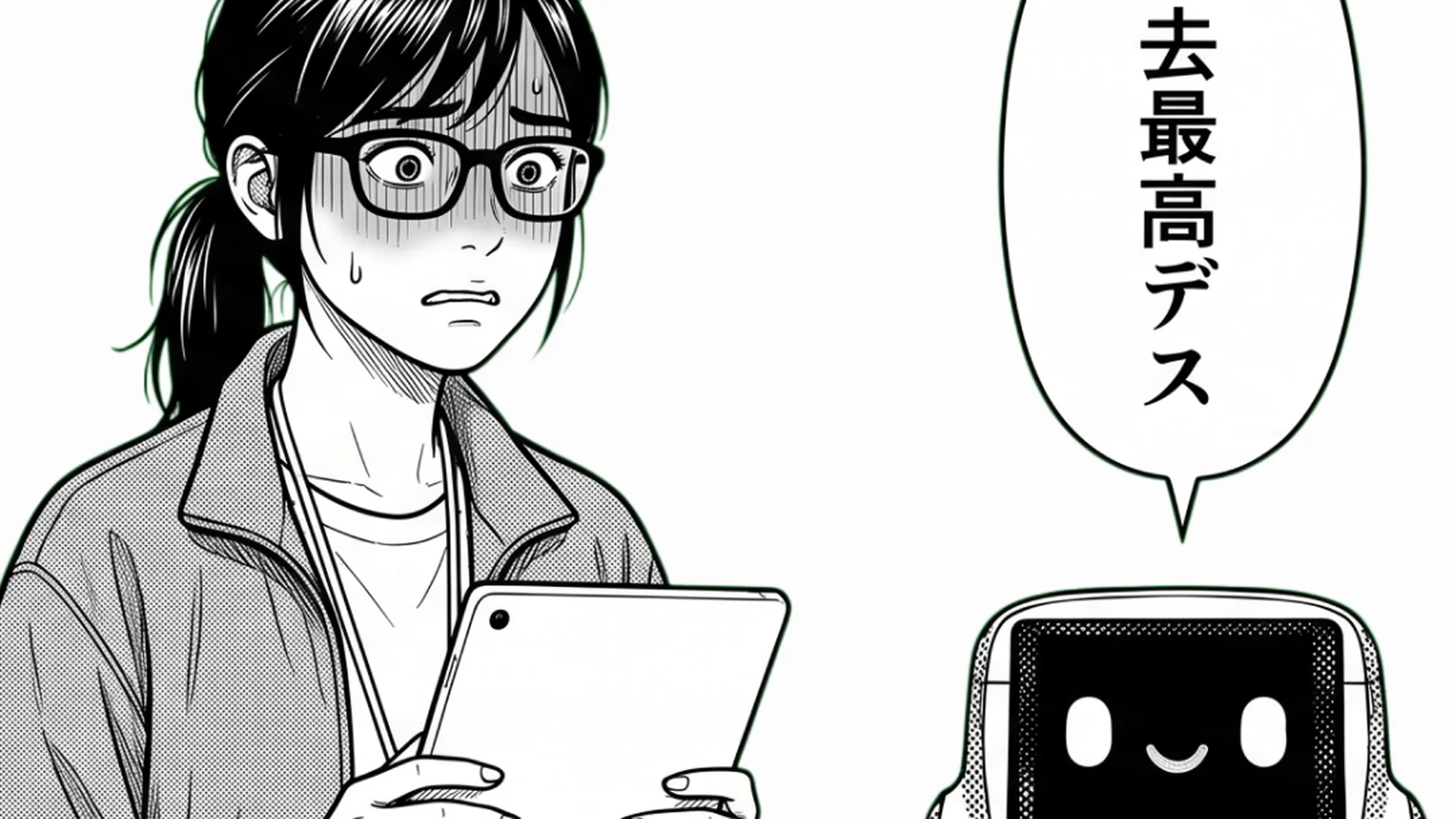
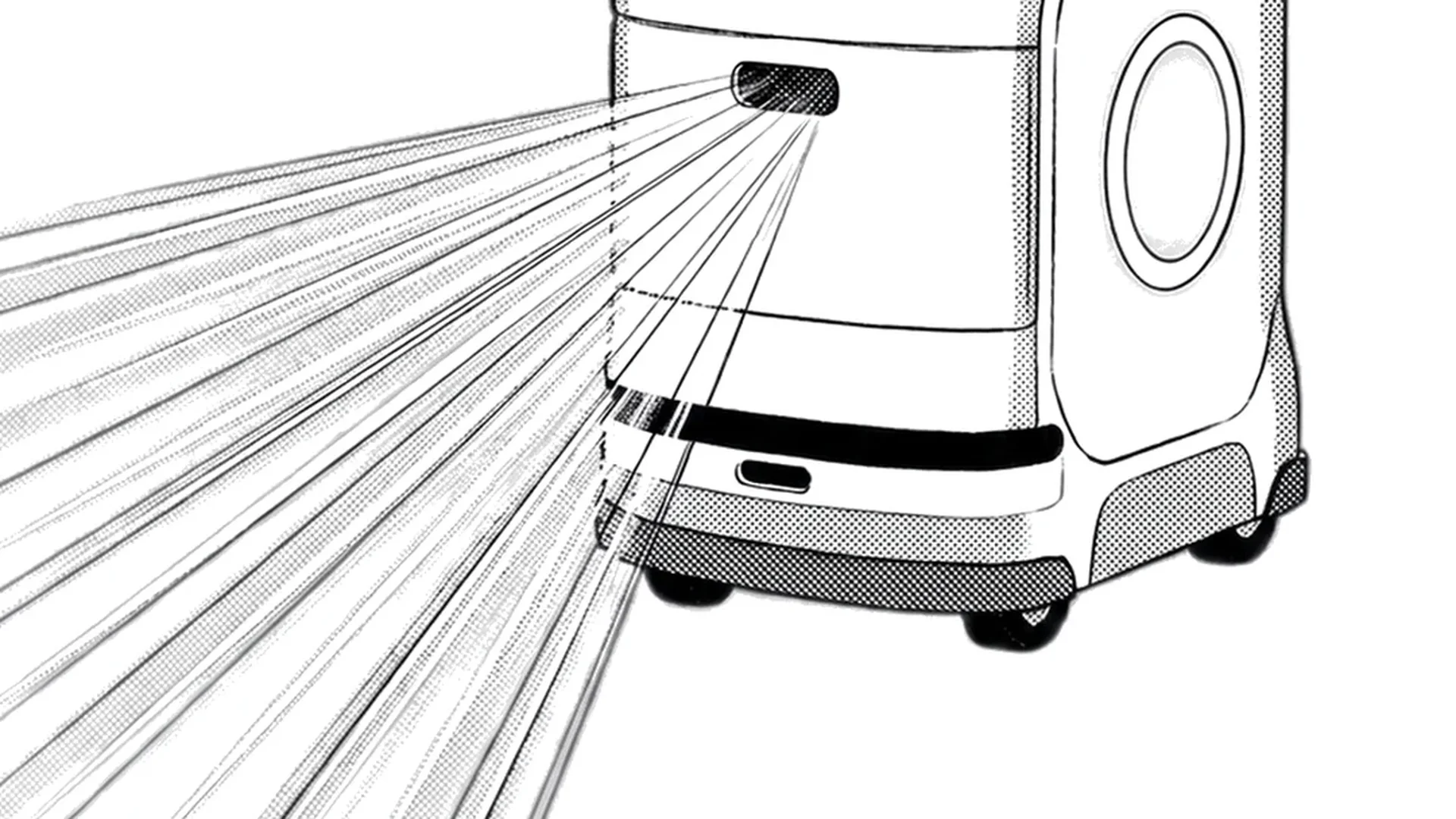
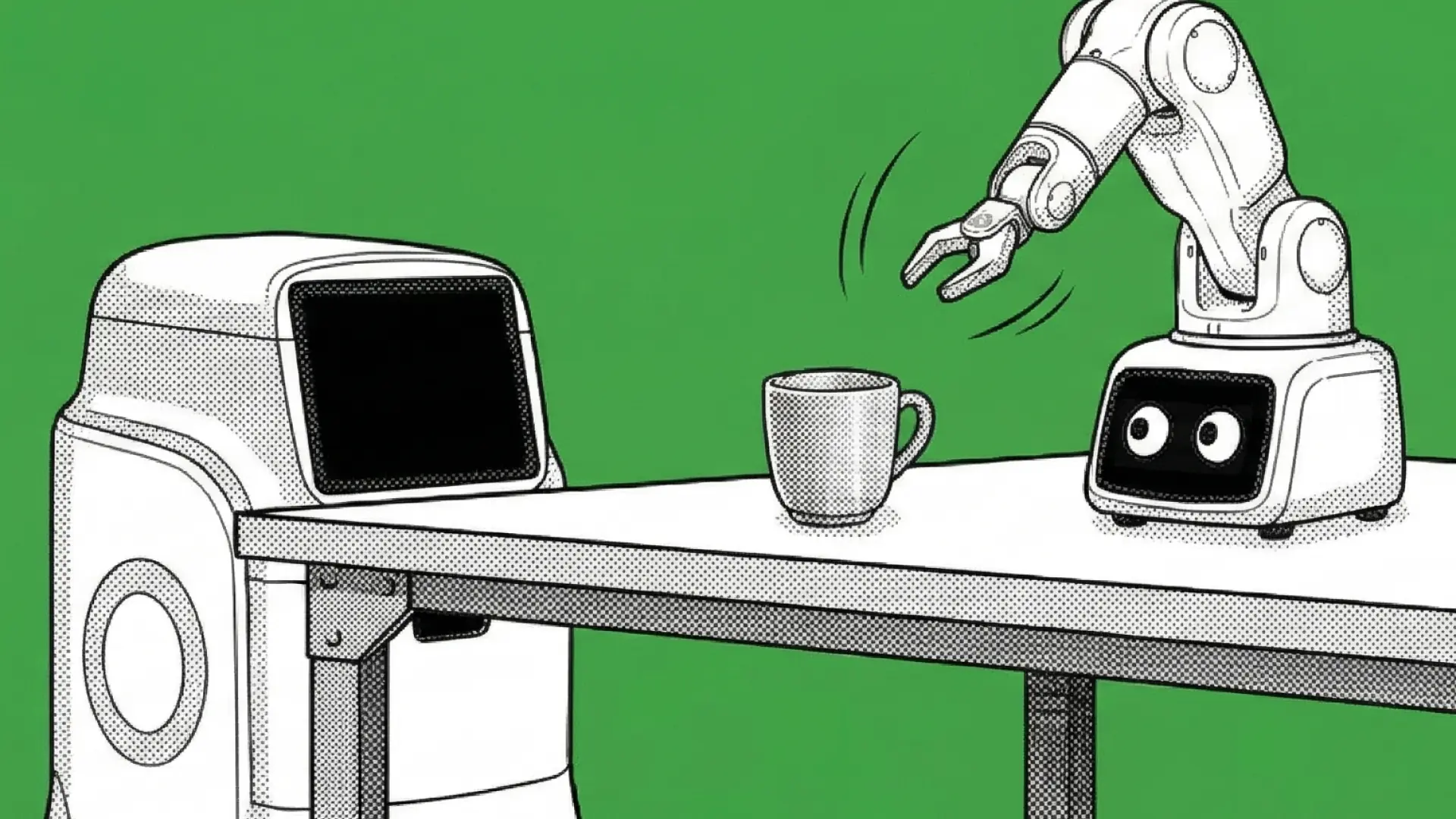
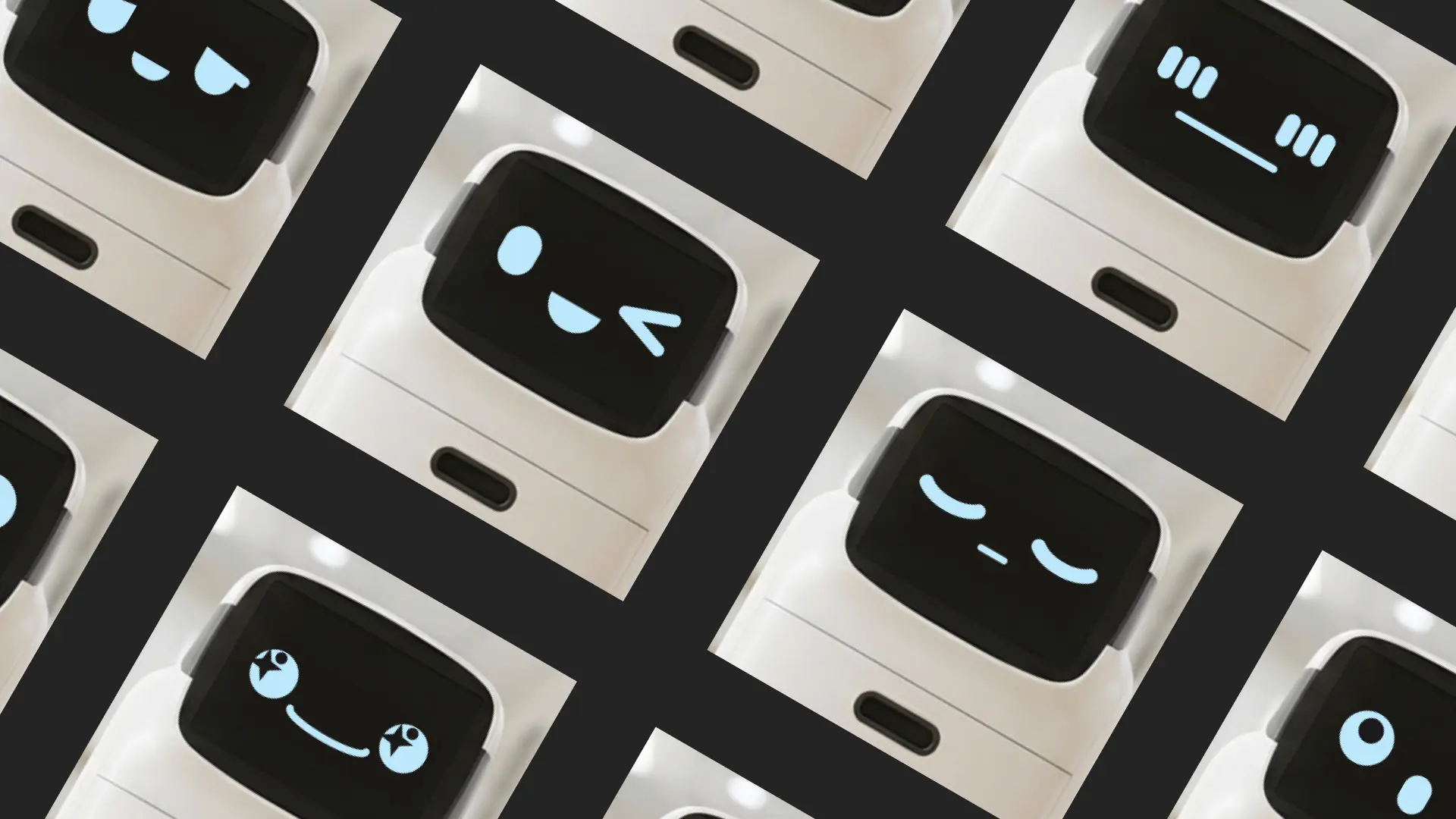
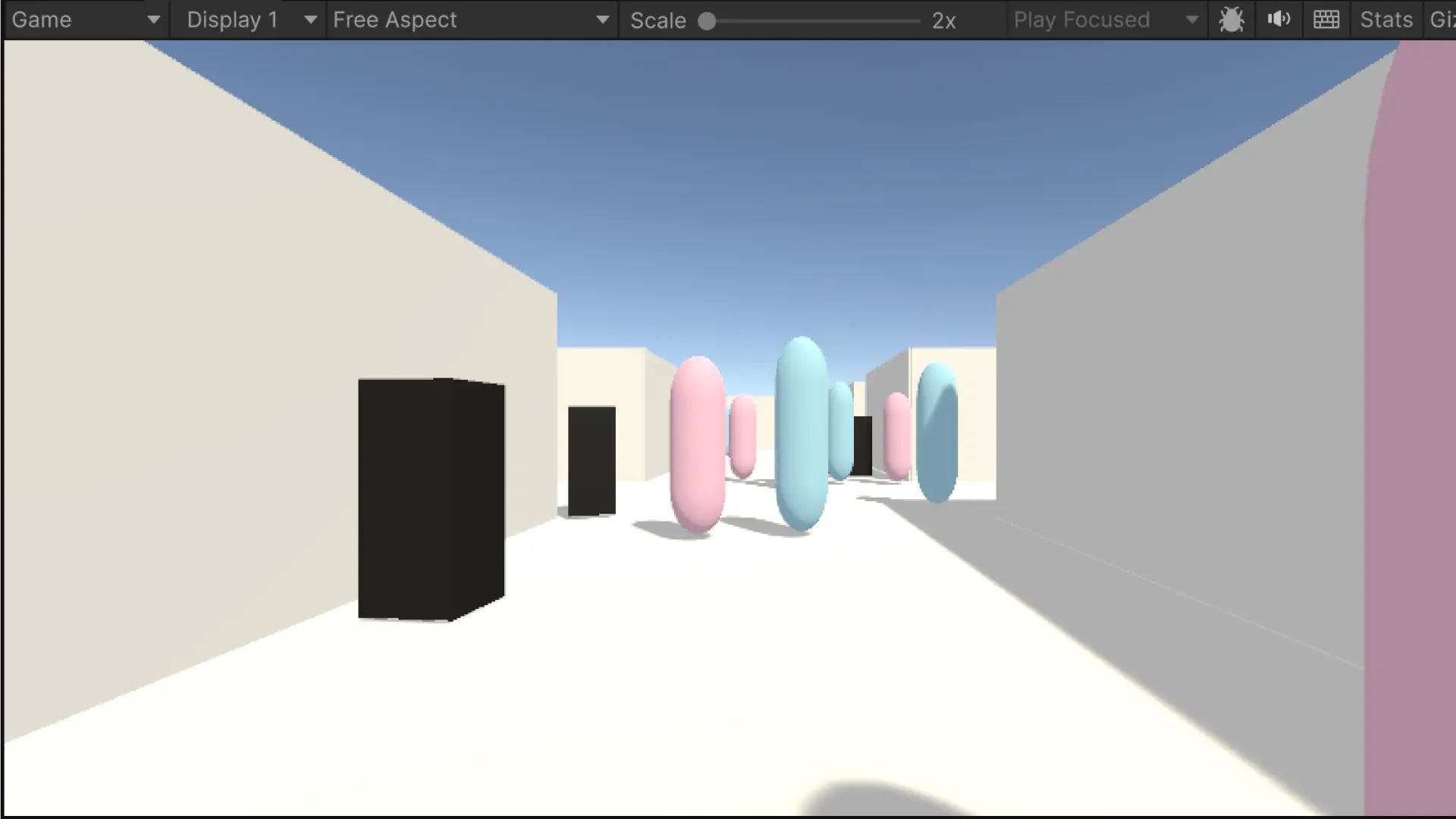
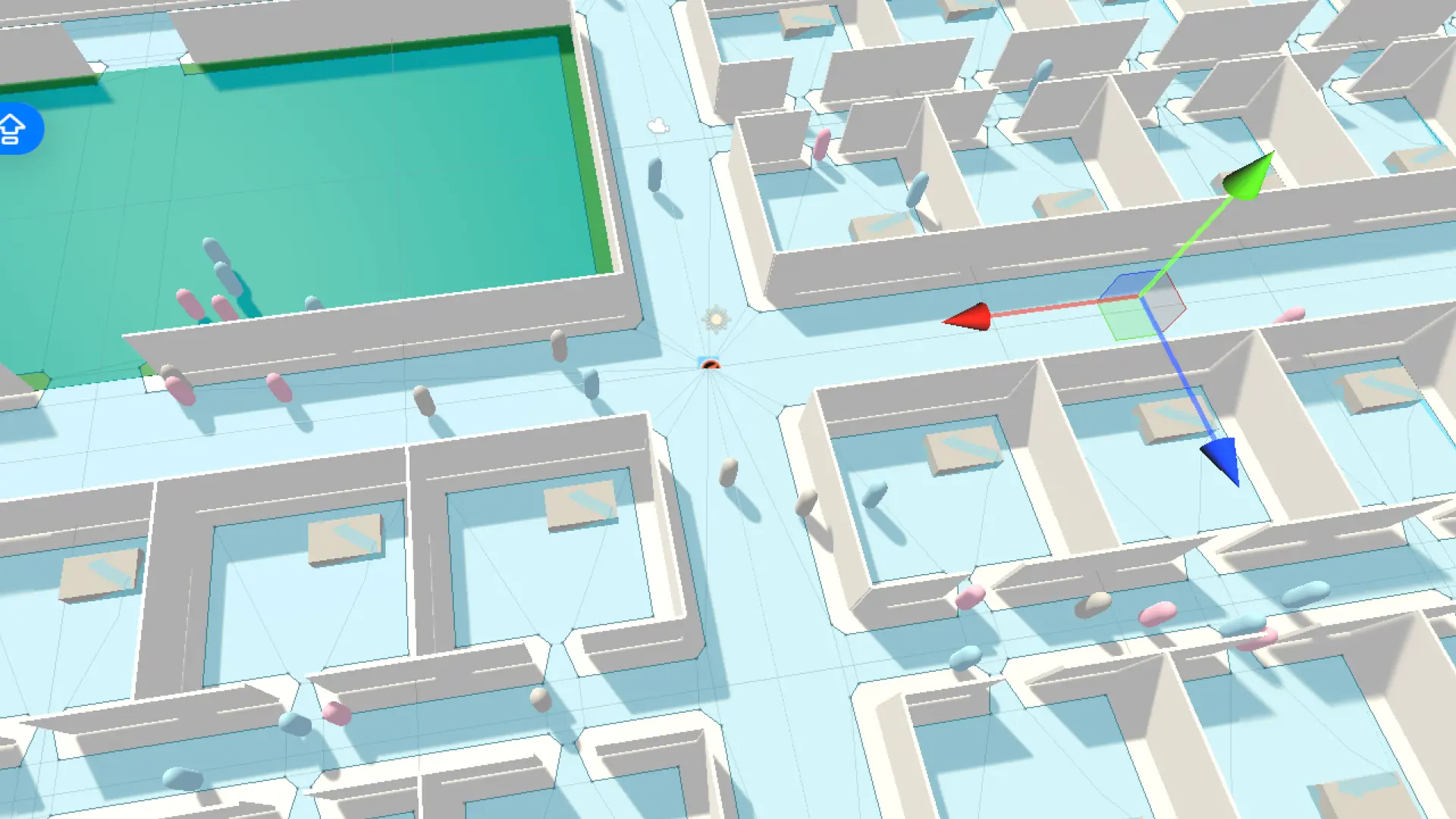
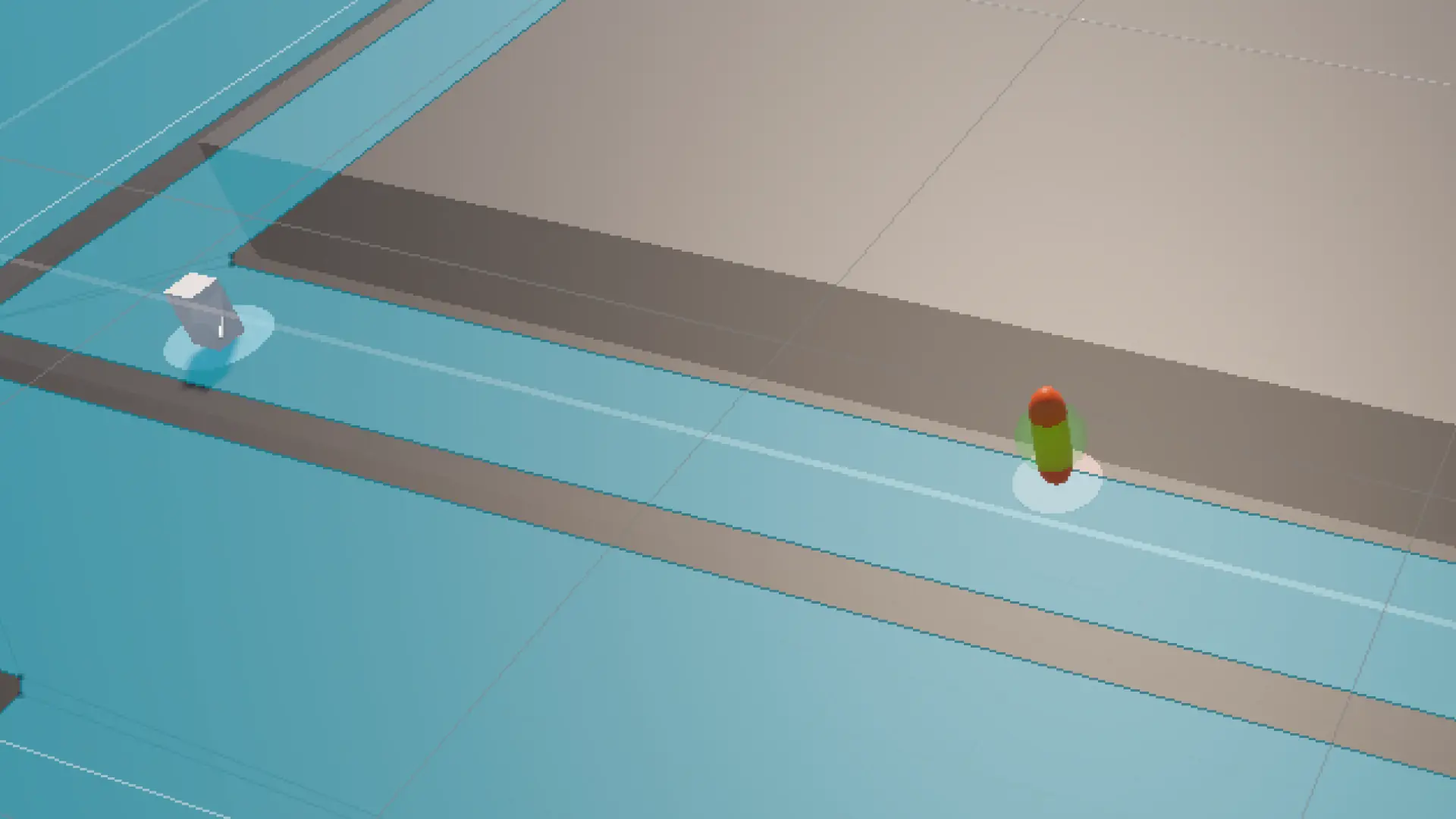
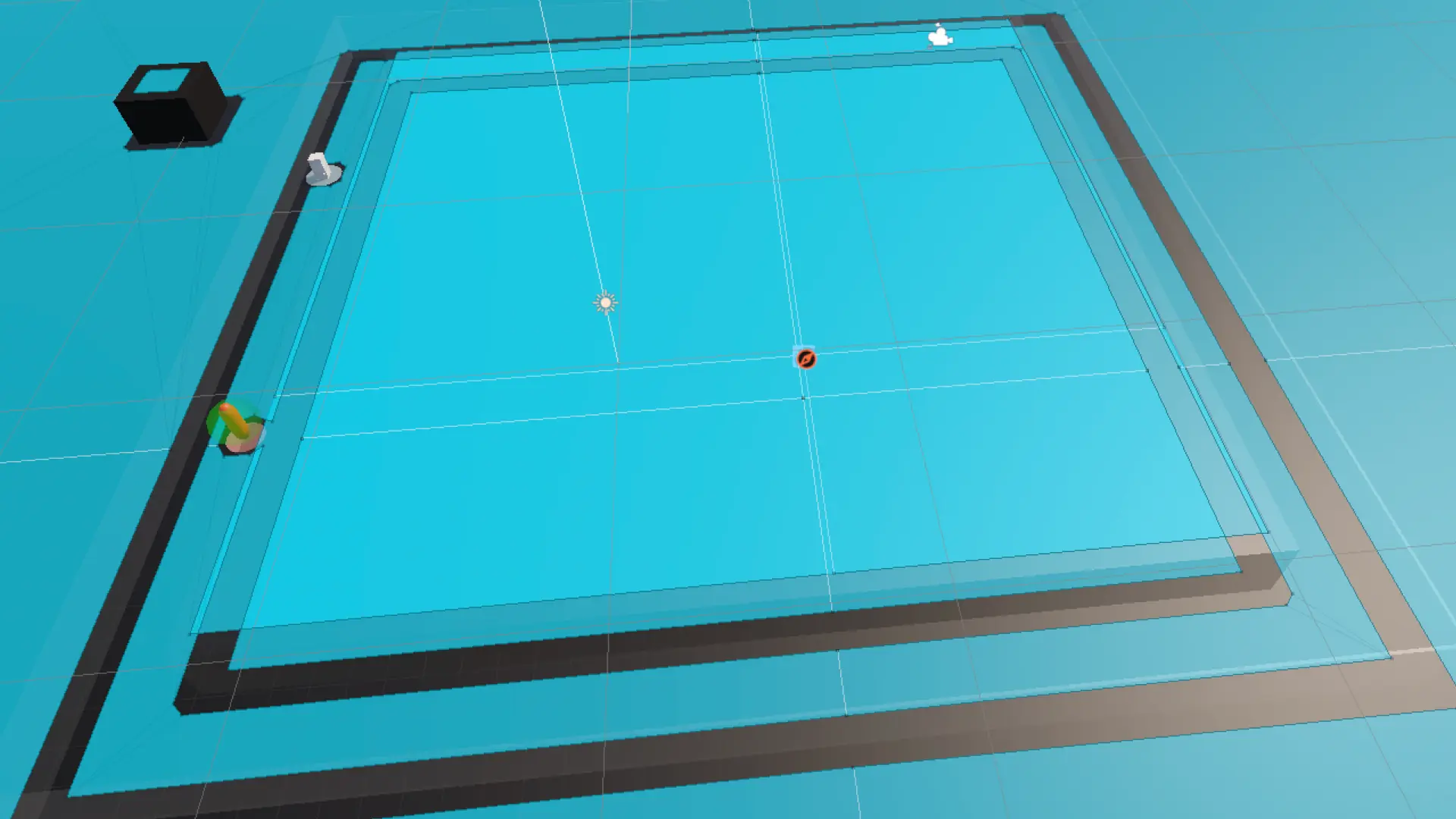
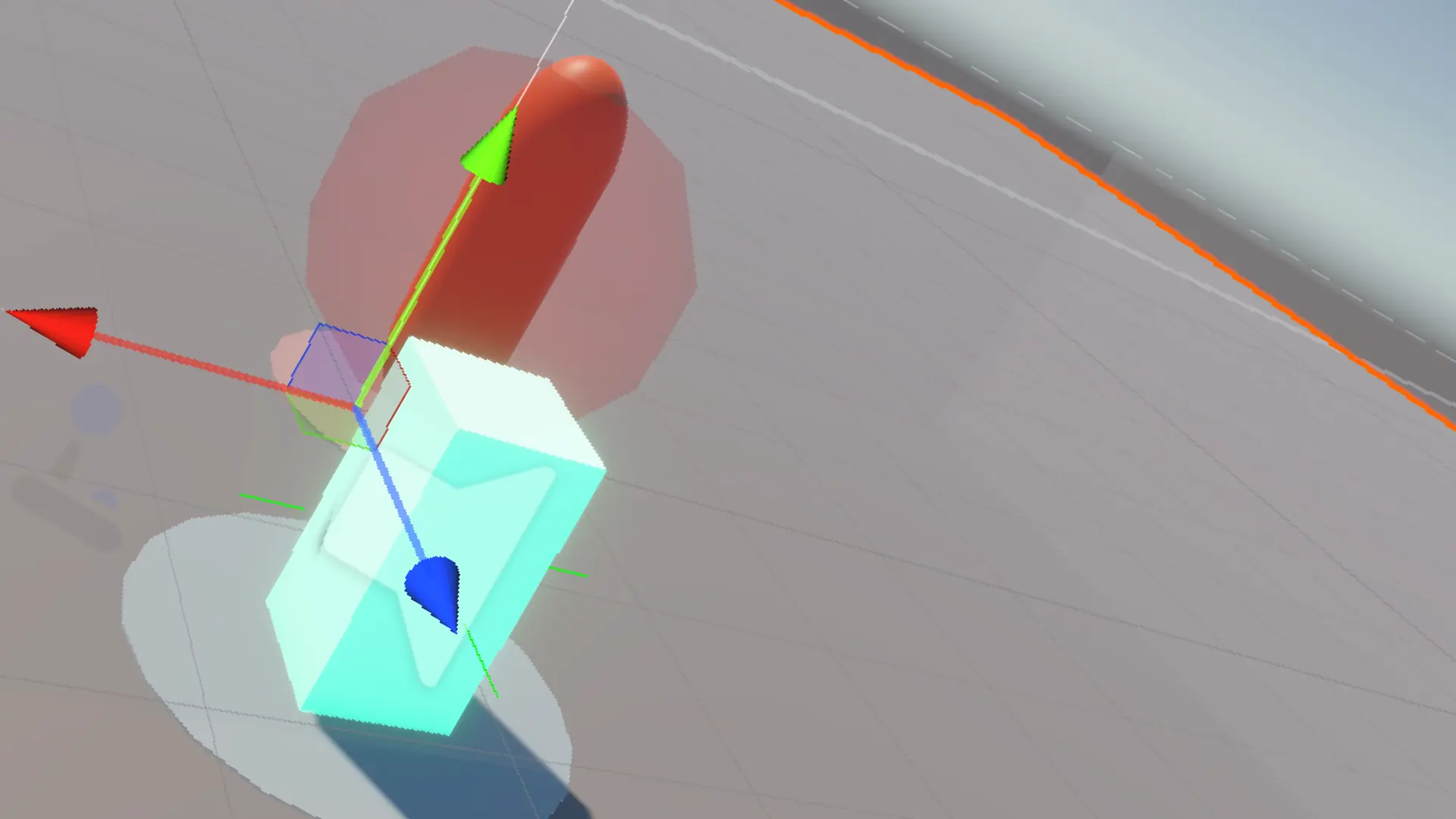
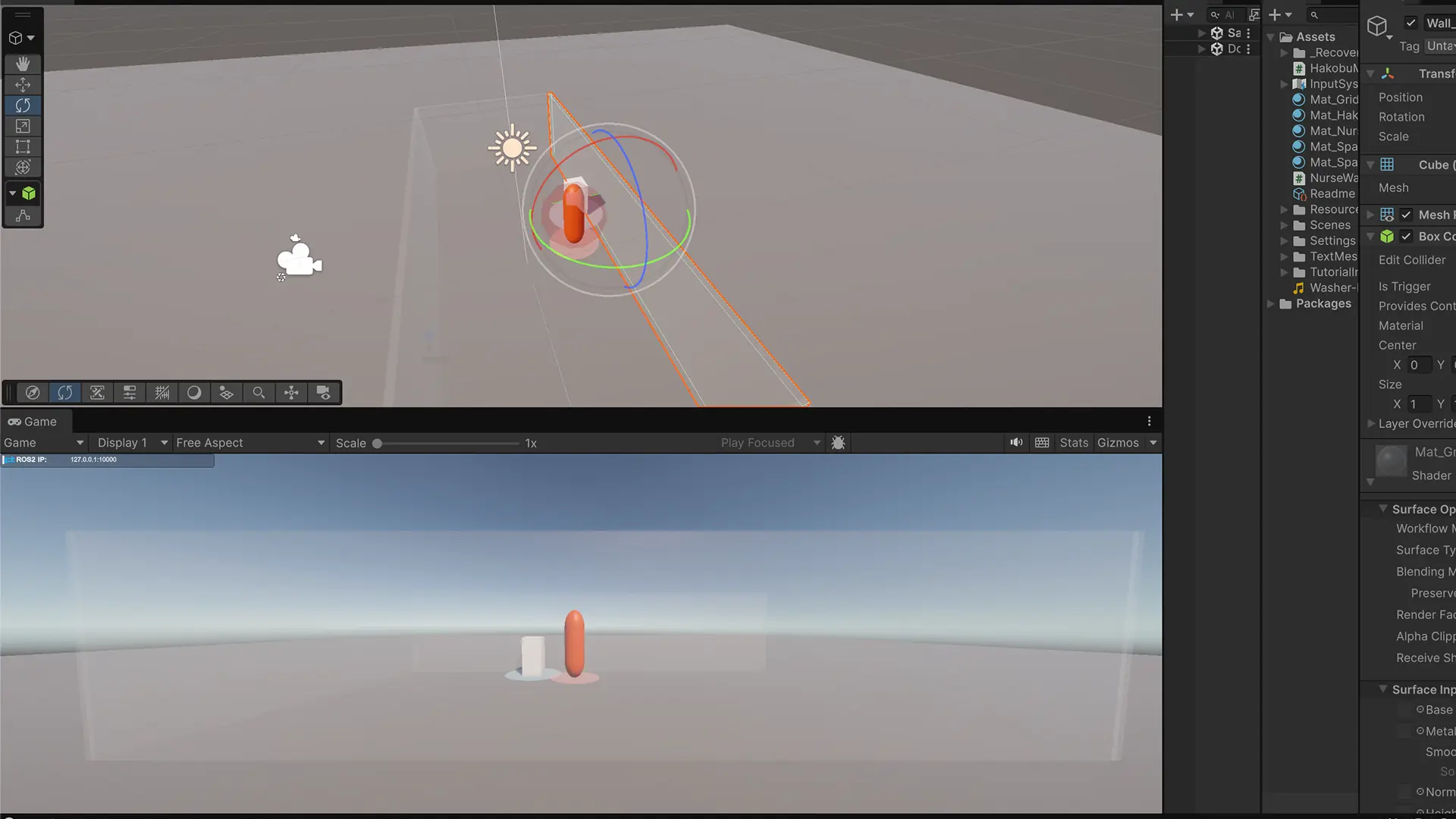
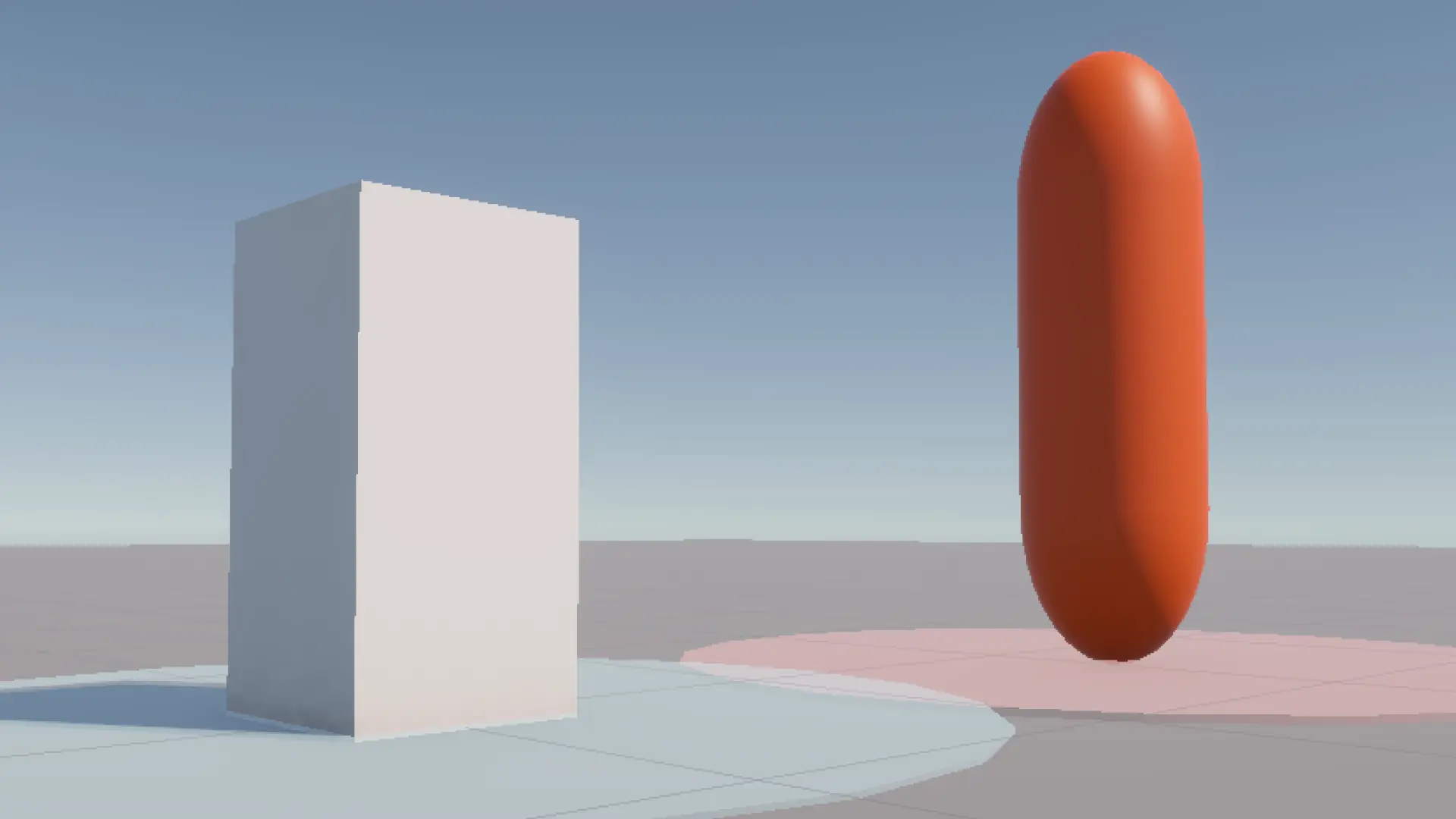
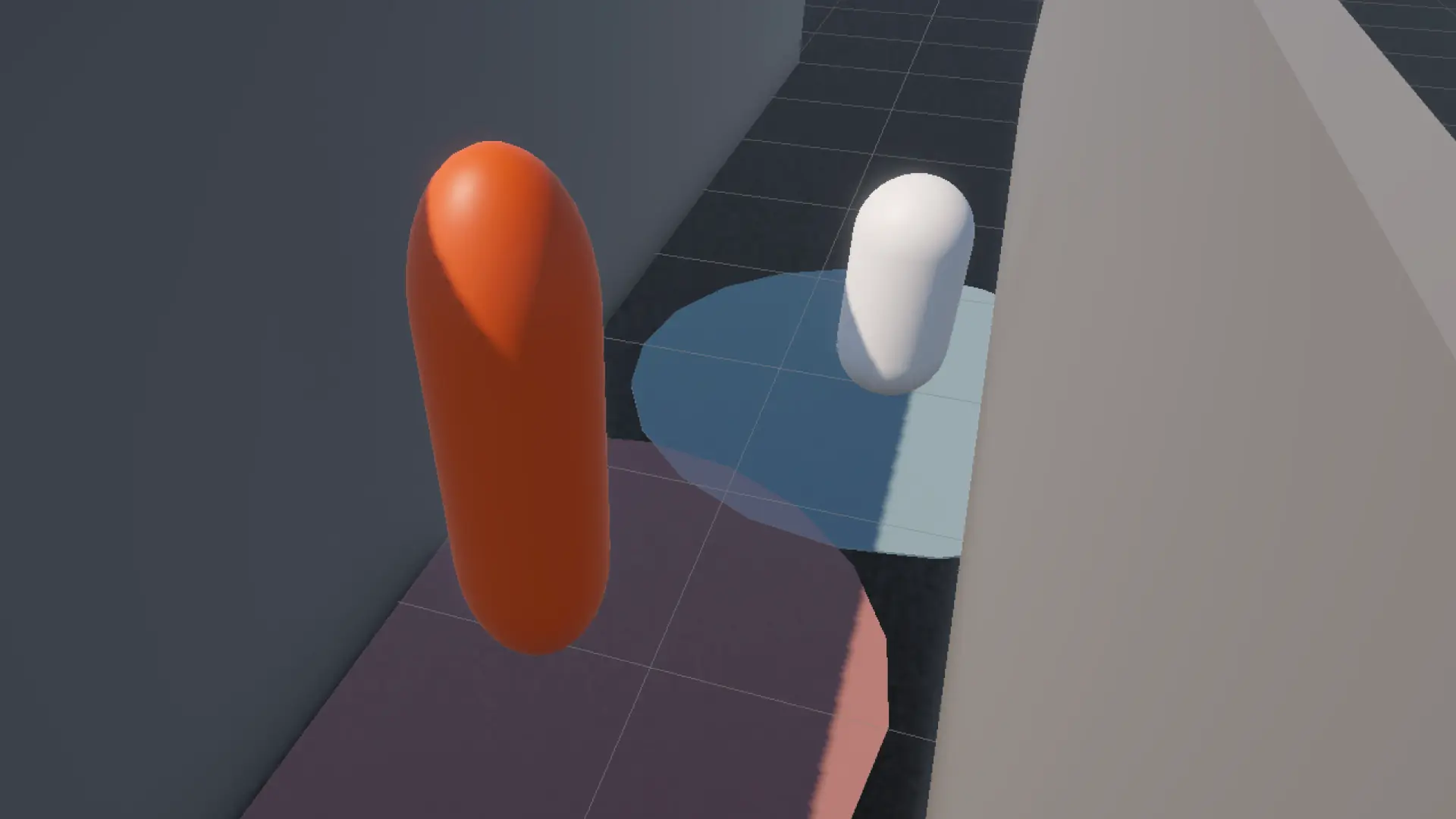
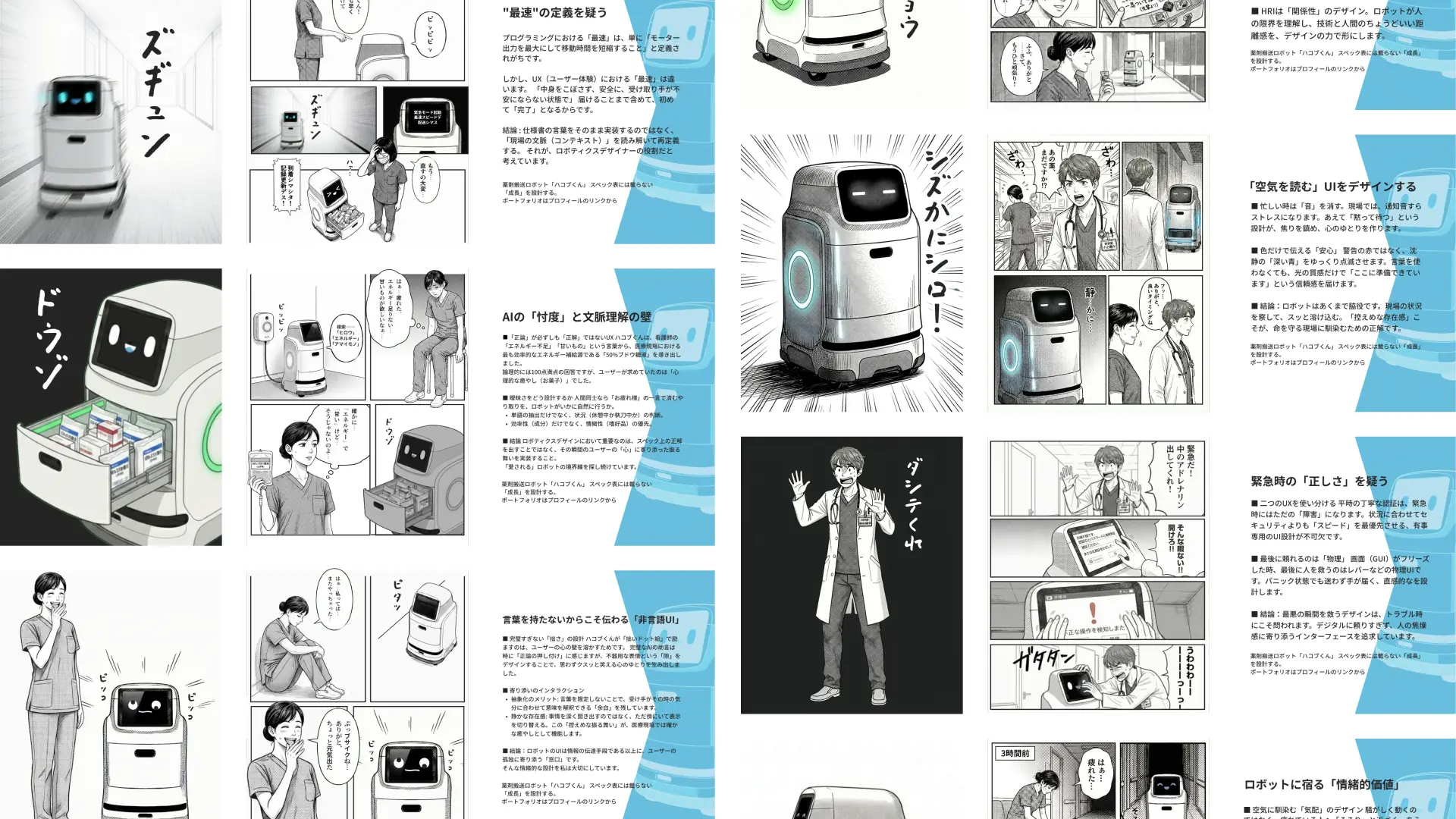
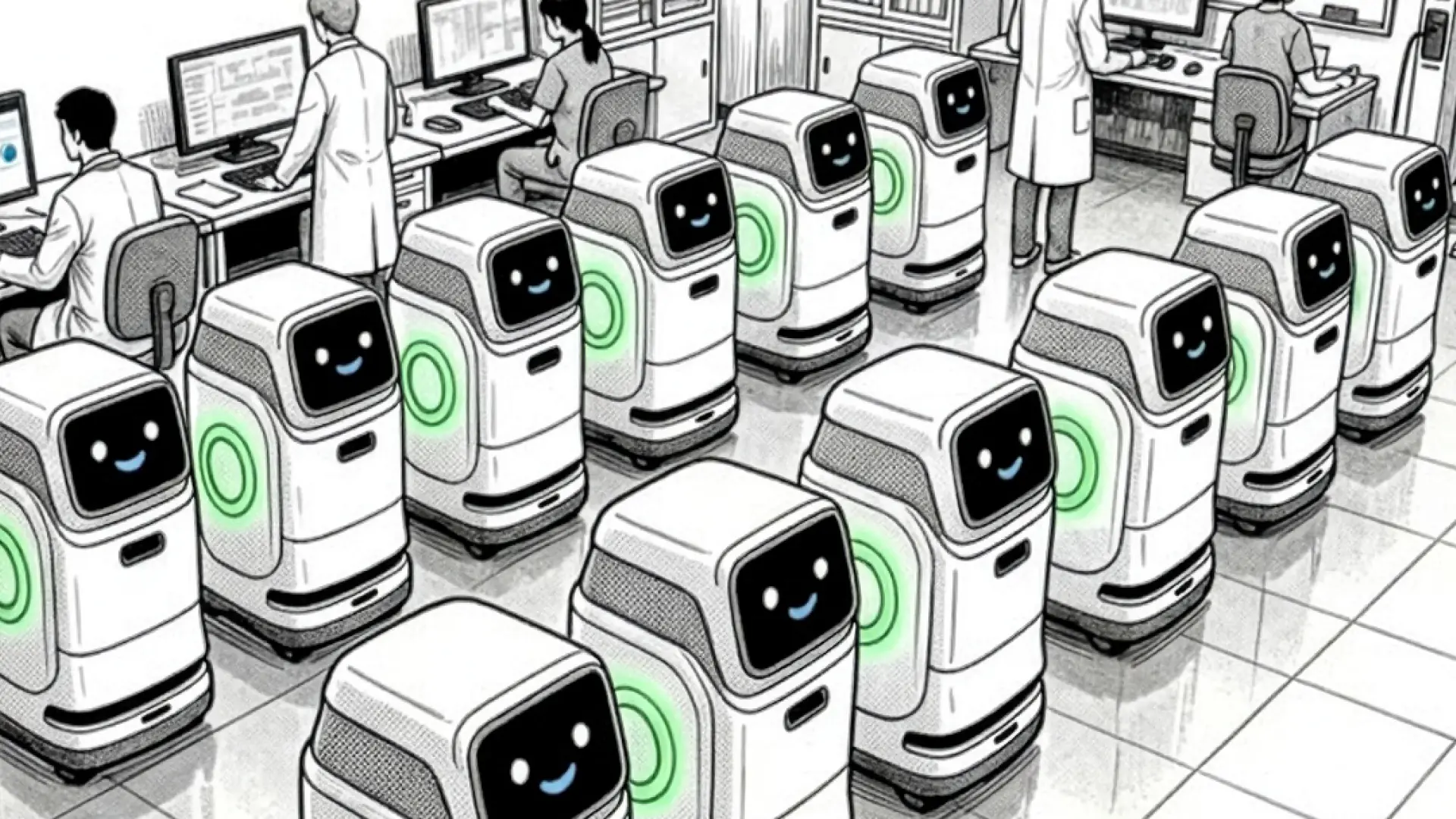
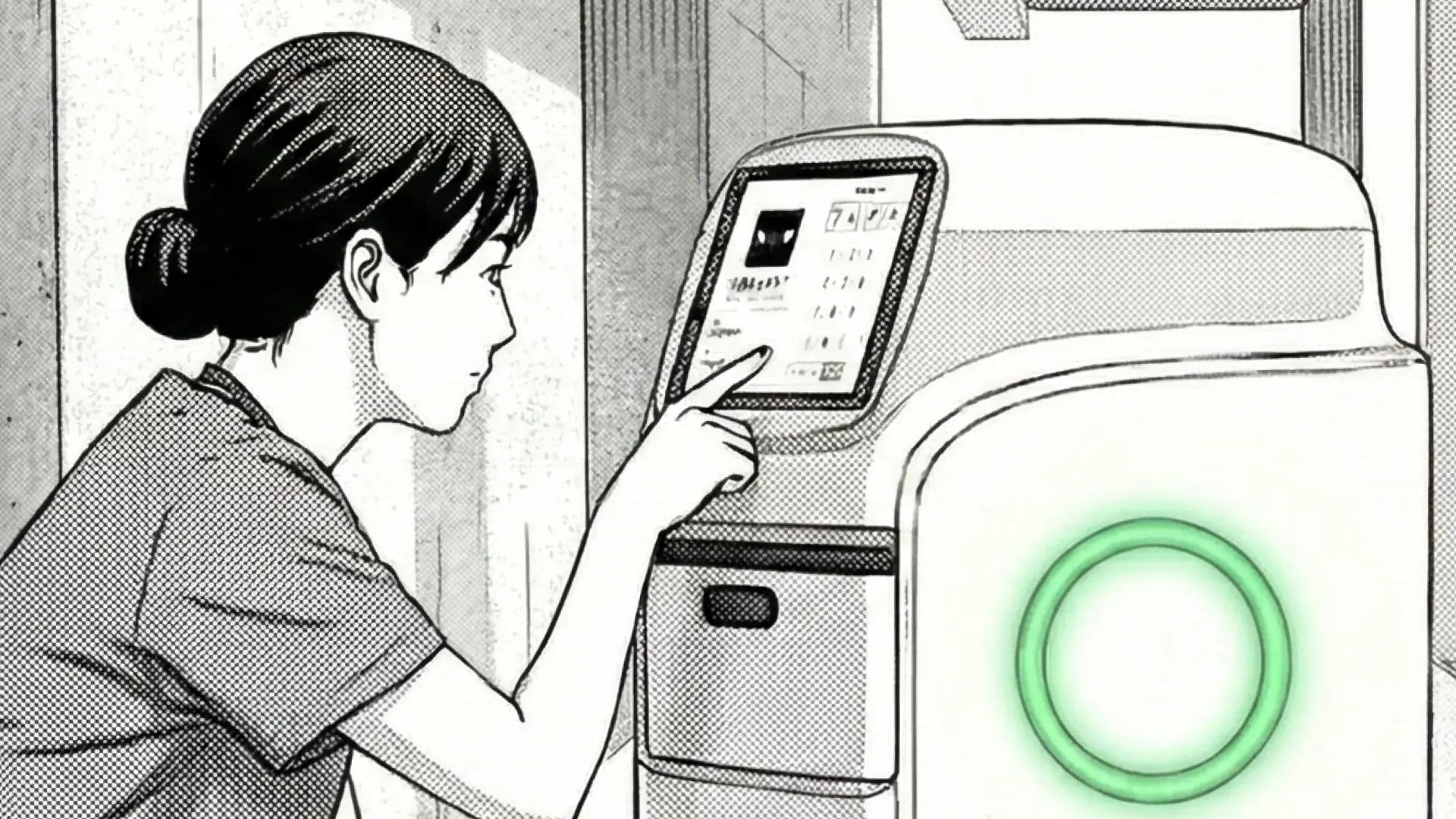
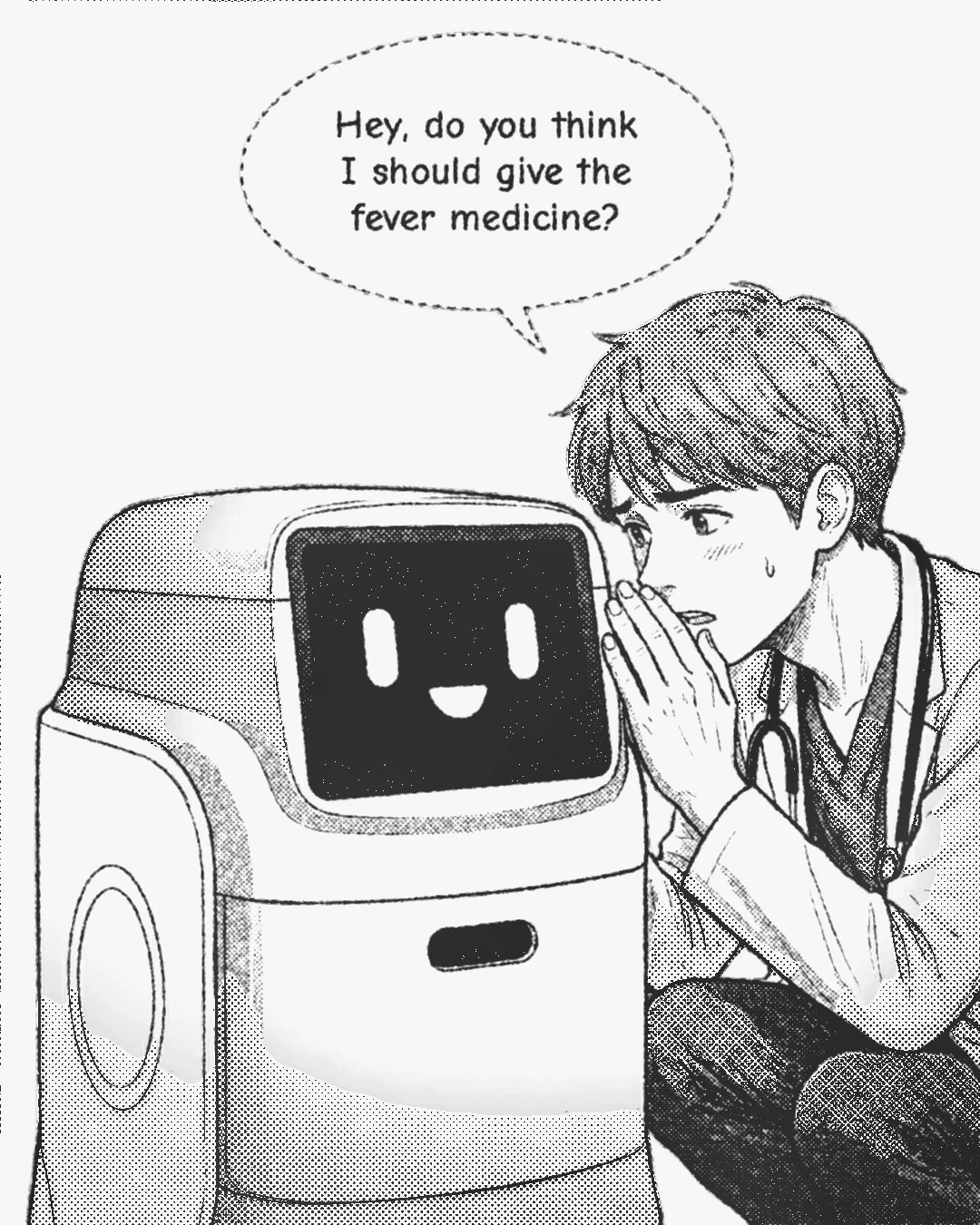
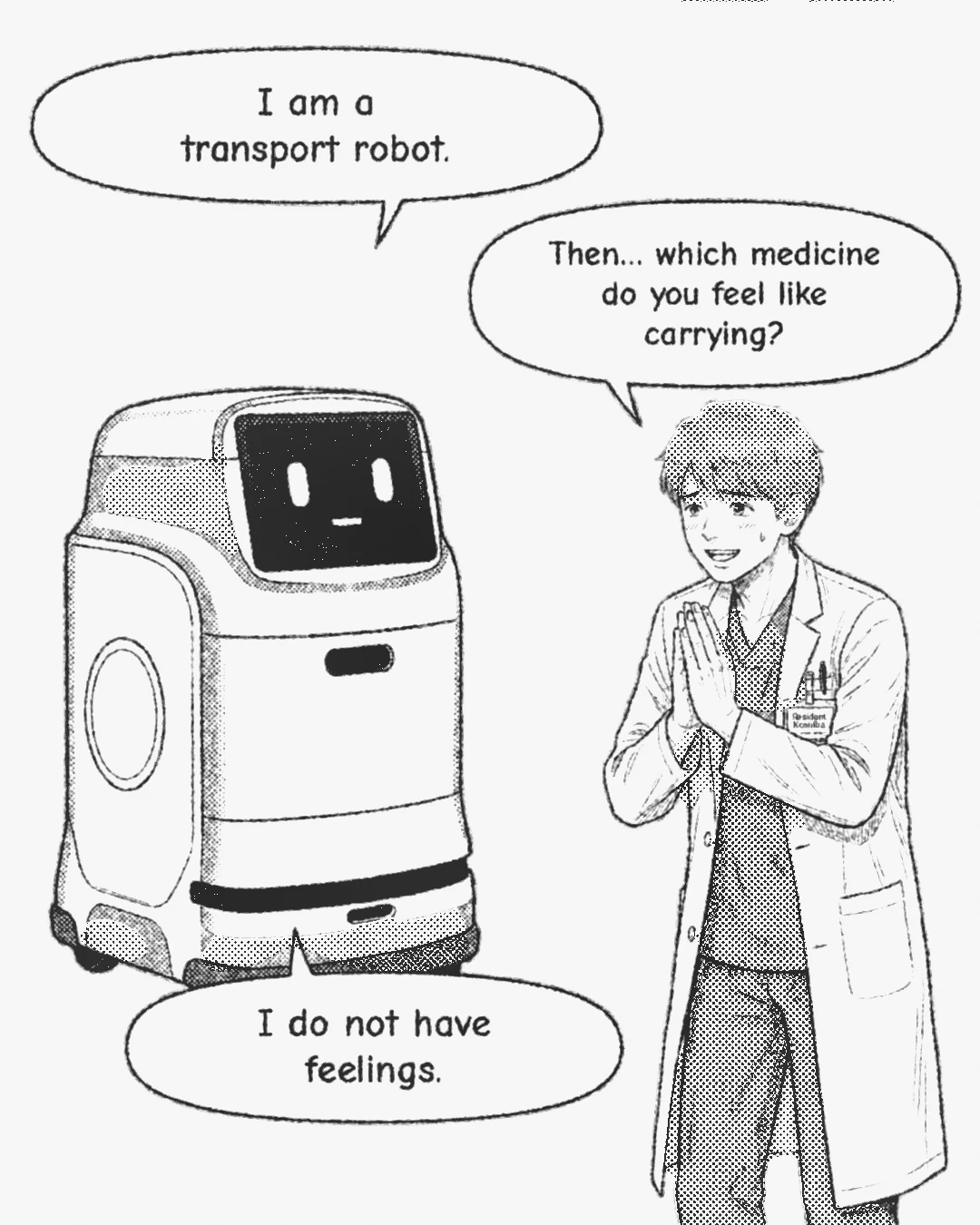
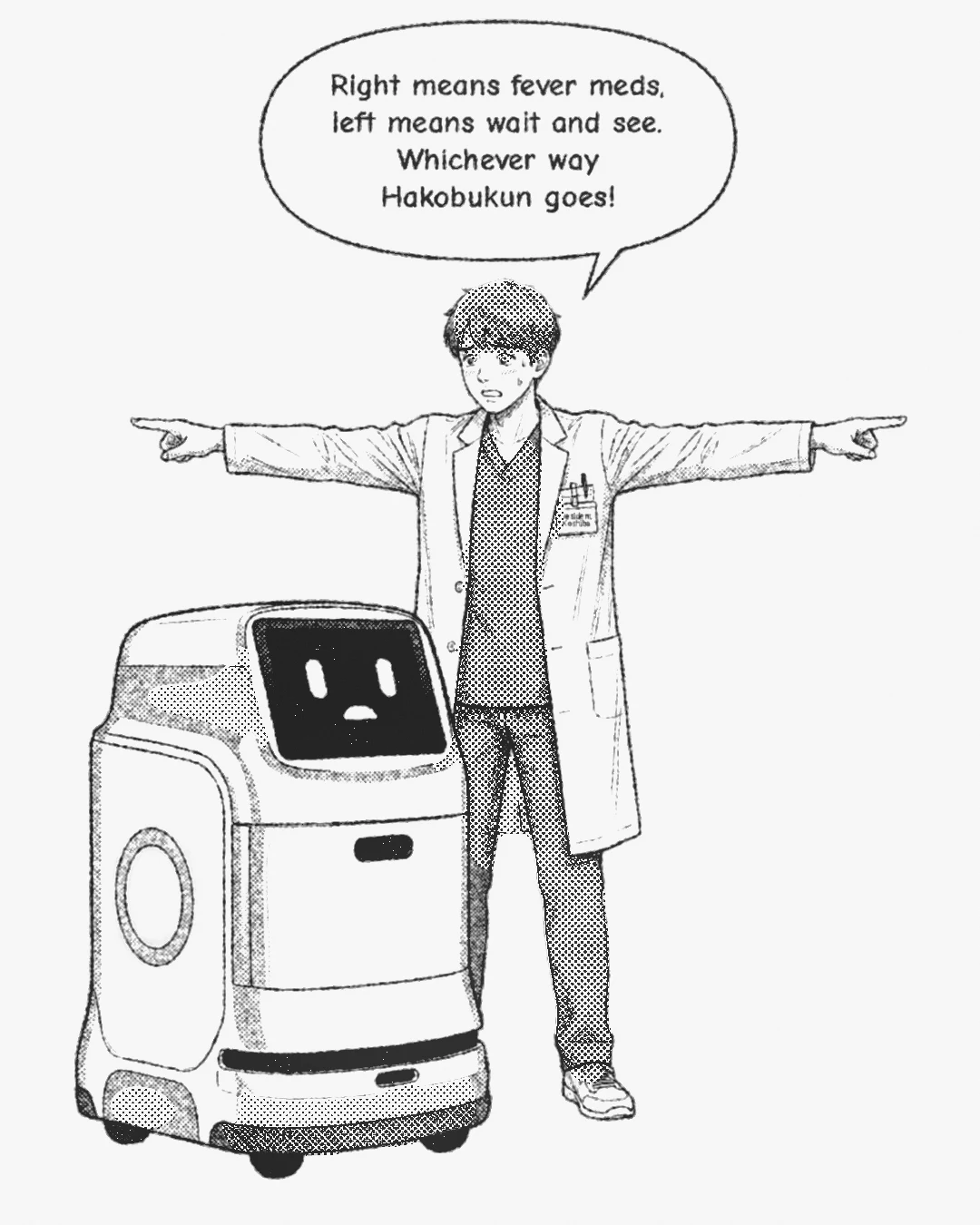
On night duty, unsure how to handle a patient with a fever, Dr. Koshiba quietly asks Hakobukun, “Hey, do you think I should give the fever medicine?” Hakobukun answers, “I am a transport robot.” Still, Dr. Koshiba asks which medicine it feels like carrying, and in the end tries to let Hakobukun's movement decide: right means fever medicine, left means wait and see.
■ Leave it to a machine, and who decided on what basis disappears
The more anxious we are, the more we want to trust a machine's answer over our own judgment. This is called automation bias. If the result came from a machine, it doesn't feel like our fault when it's wrong. But whether a transport robot turns right or left has nothing to do with a patient's fever. Hand a decision to a movement with no grounds, and there's no record of who looked at what and decided.
■ Conclusion: The more a machine supports people, the clearer it should be about what it won't decide
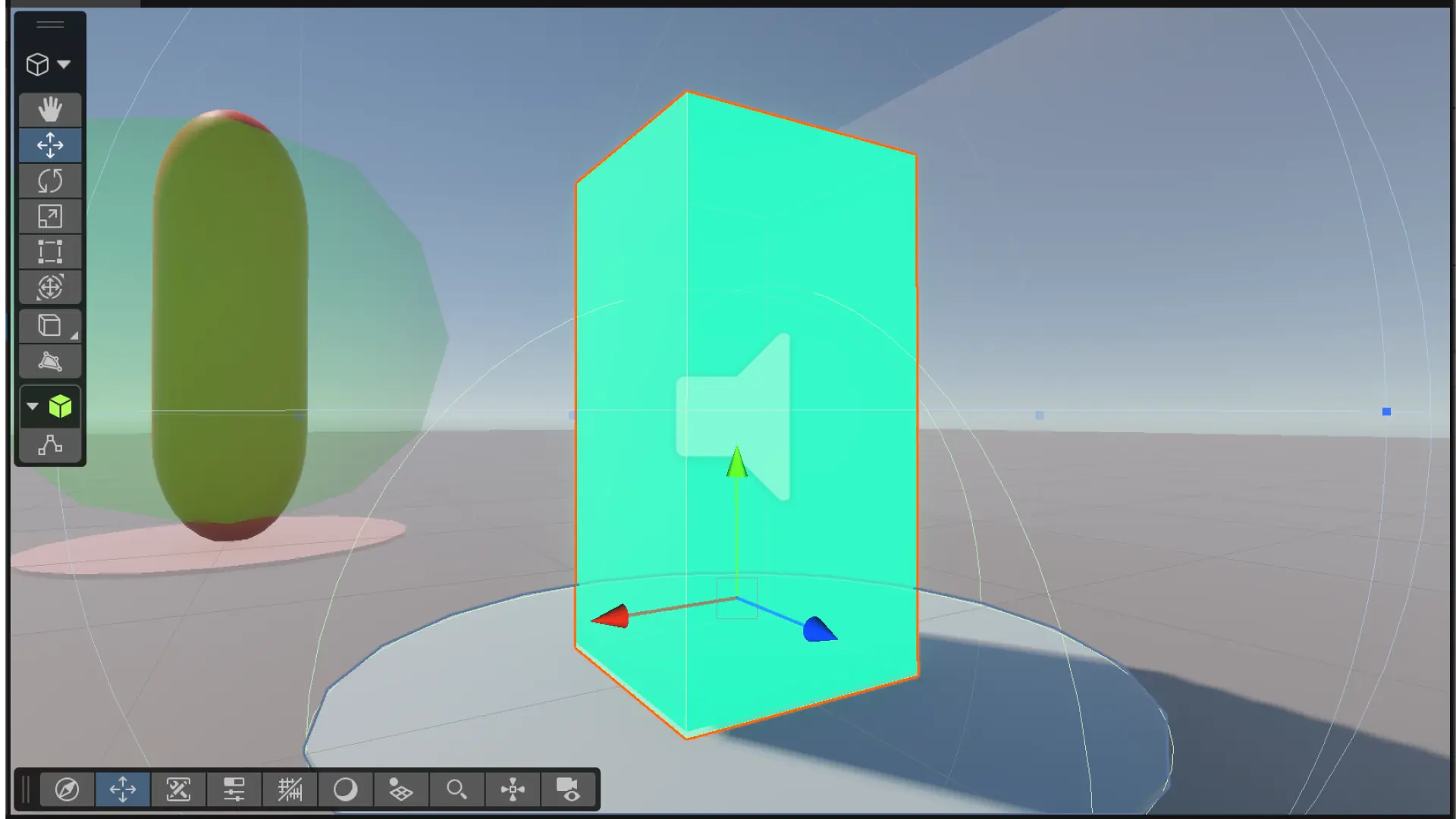
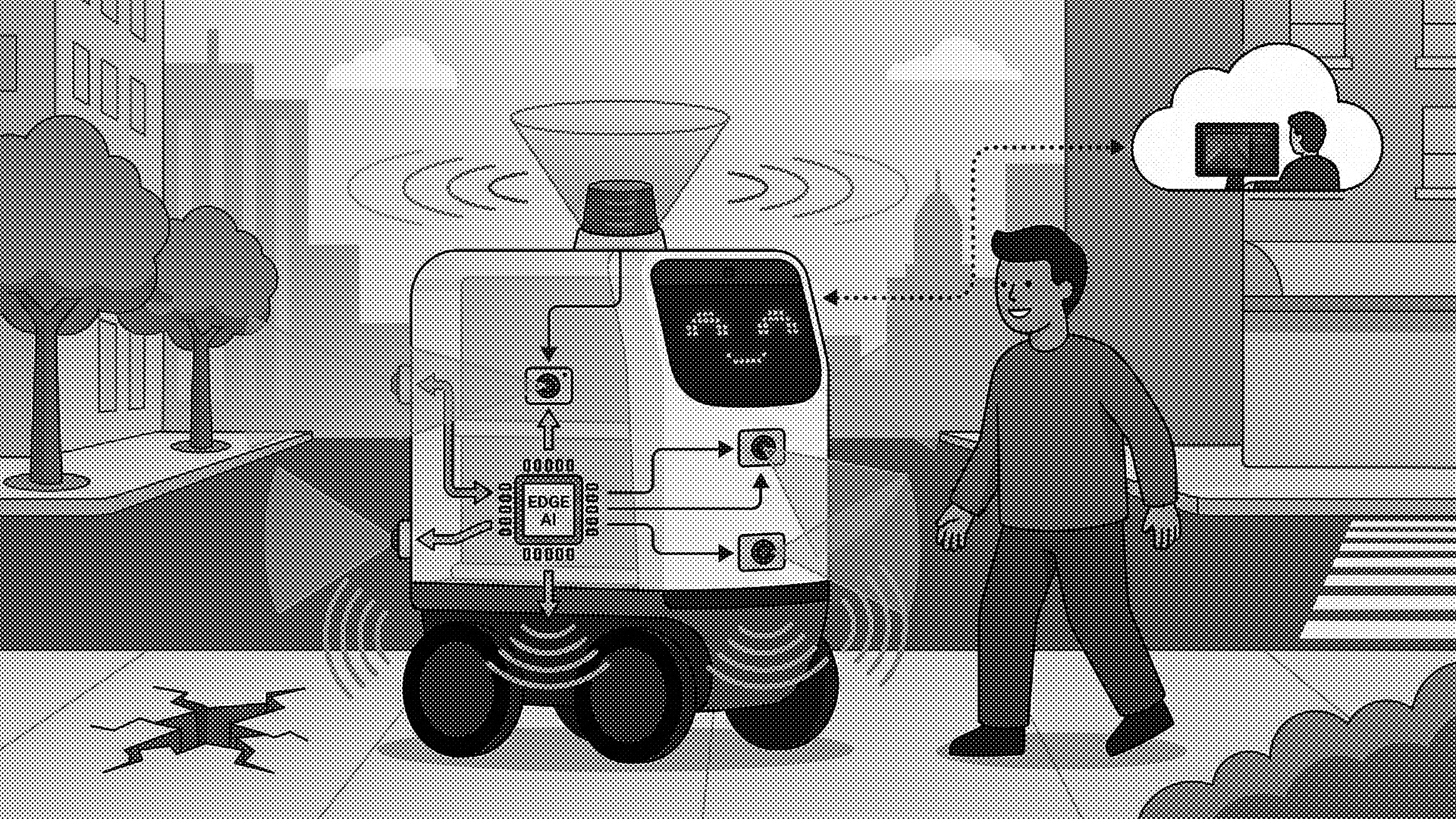
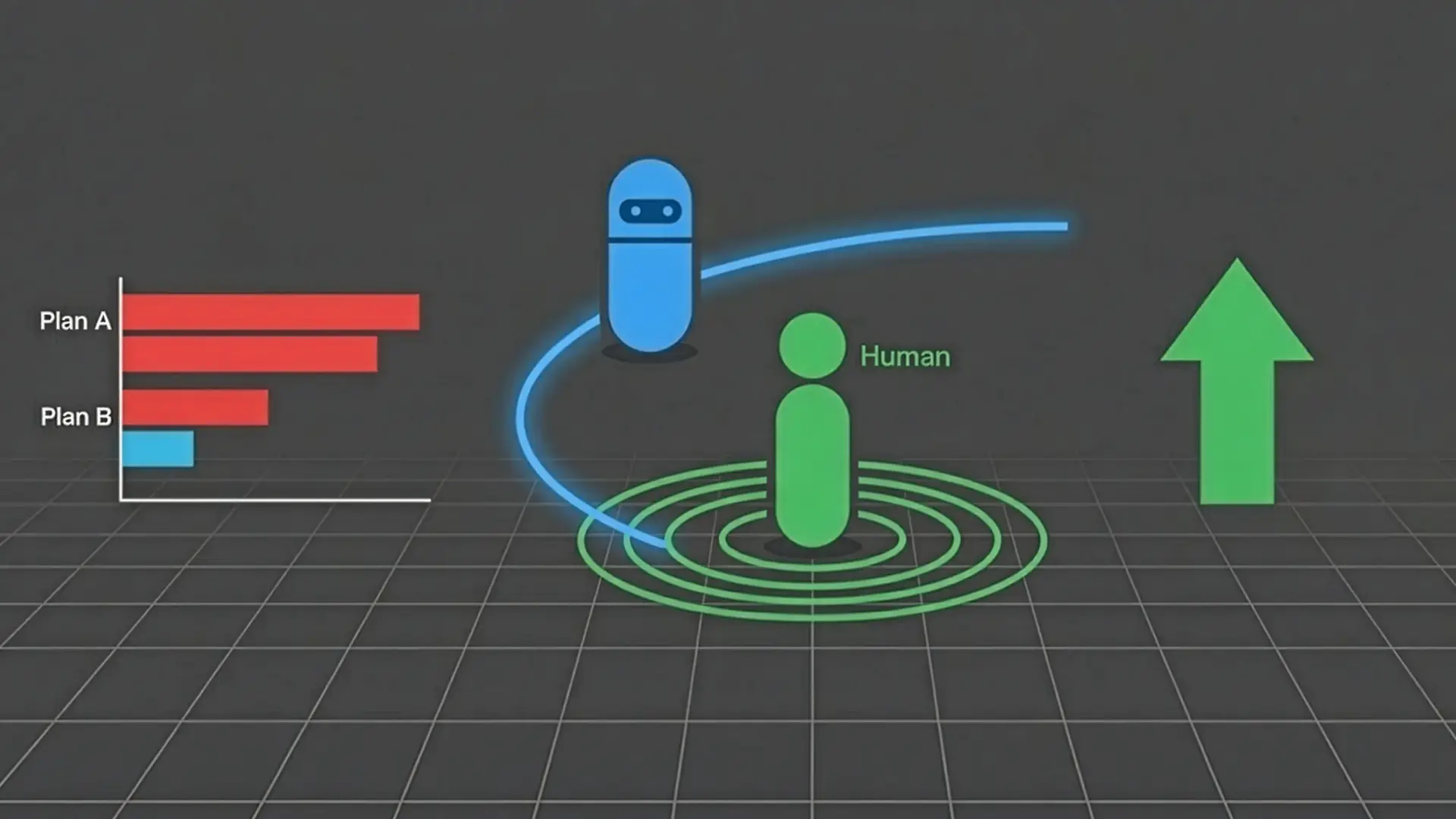
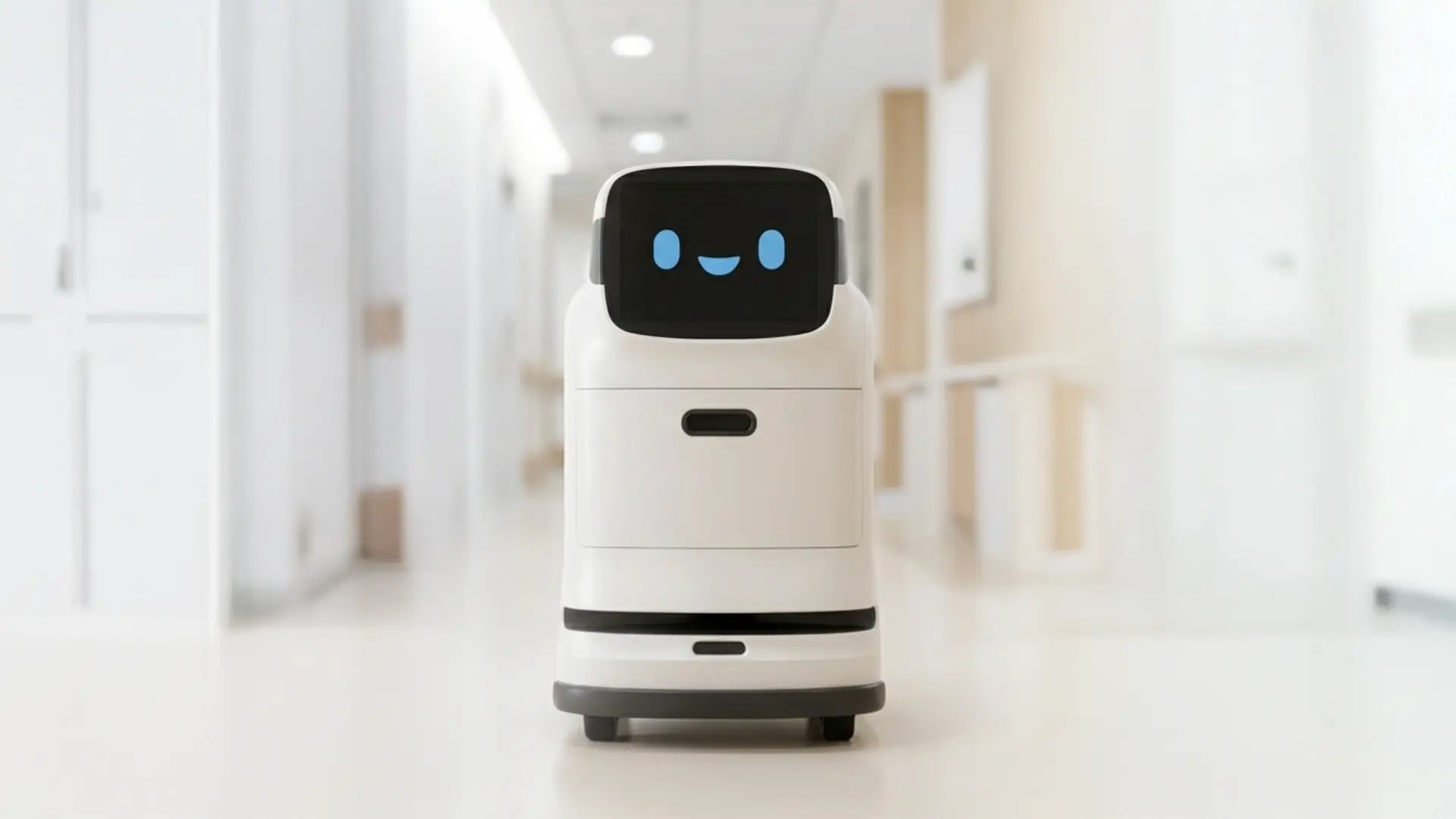
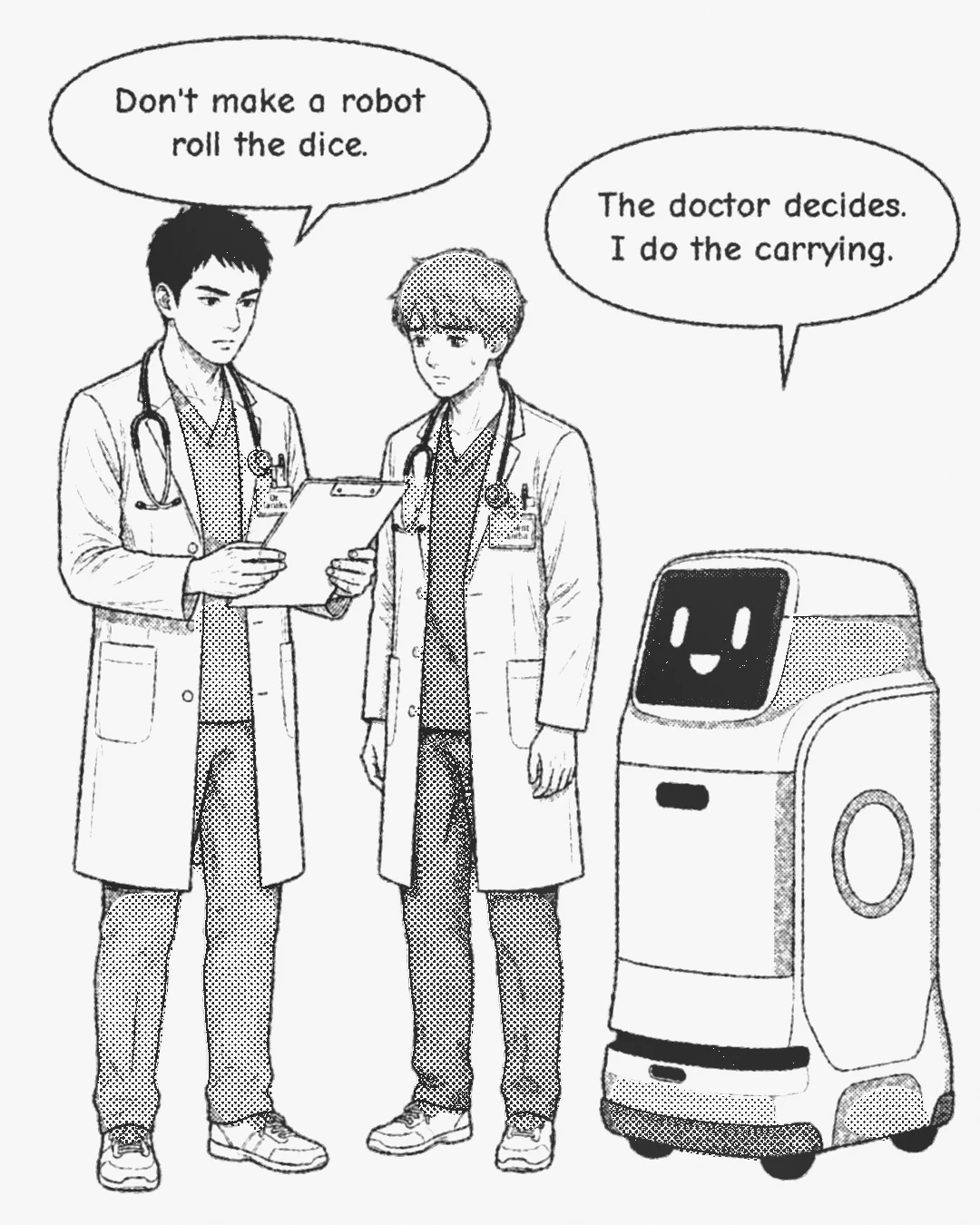
Dr. Tanaka, coming up from behind, says, “Don't make a robot roll the dice,” and the two of them decide by looking at the chart together. Hakobukun states its role plainly: “The doctor decides. I do the carrying.” People make the judgment from the evidence, and the machine reliably carries it out. The more a machine is relied on, the more it can keep responsibility on the human side by naming the work it won't take on.
Taking in someone's doubt is not the same as making the decision for them.