Erasing the Pause Between Moves
■ A pause after every move
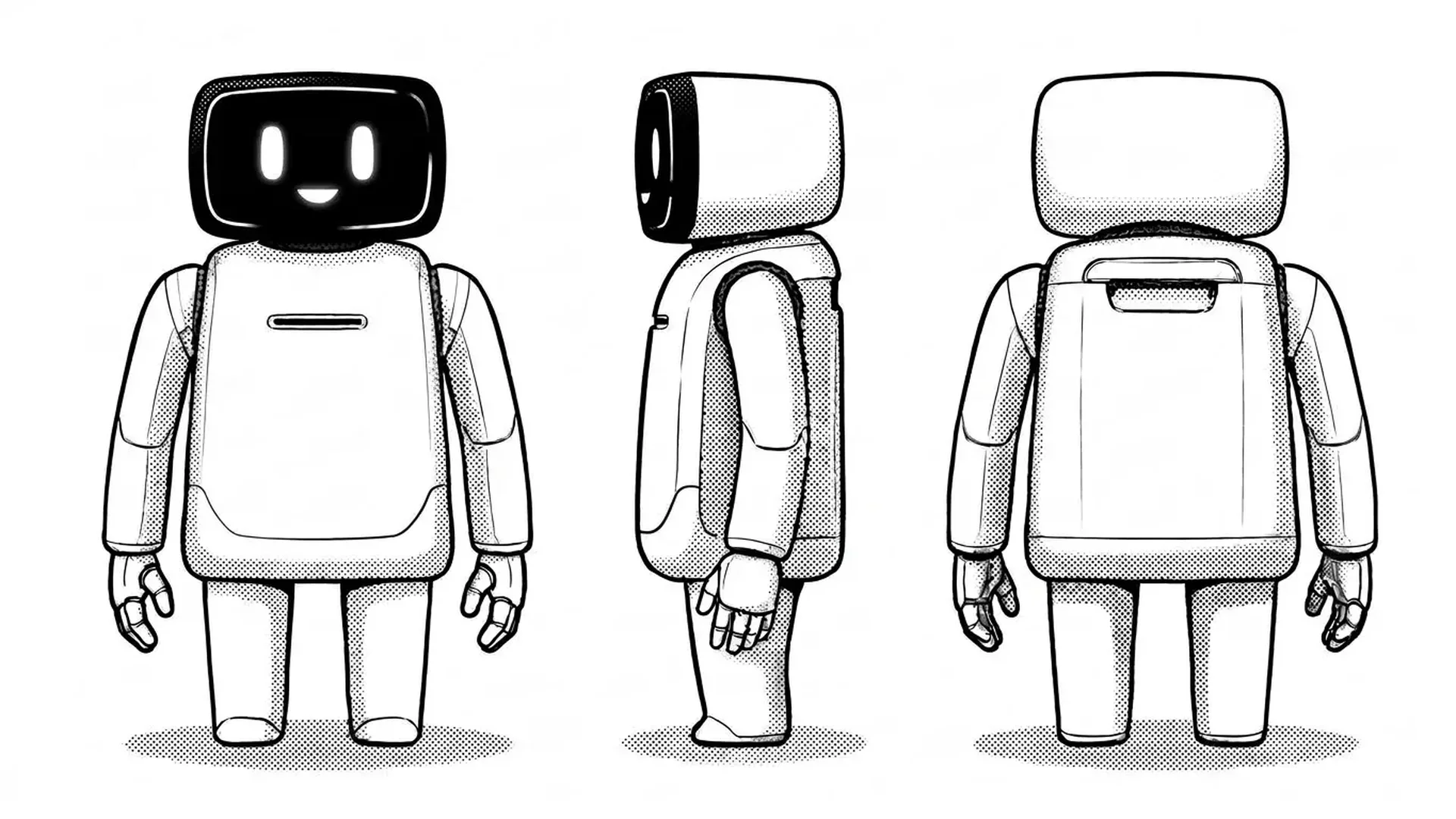
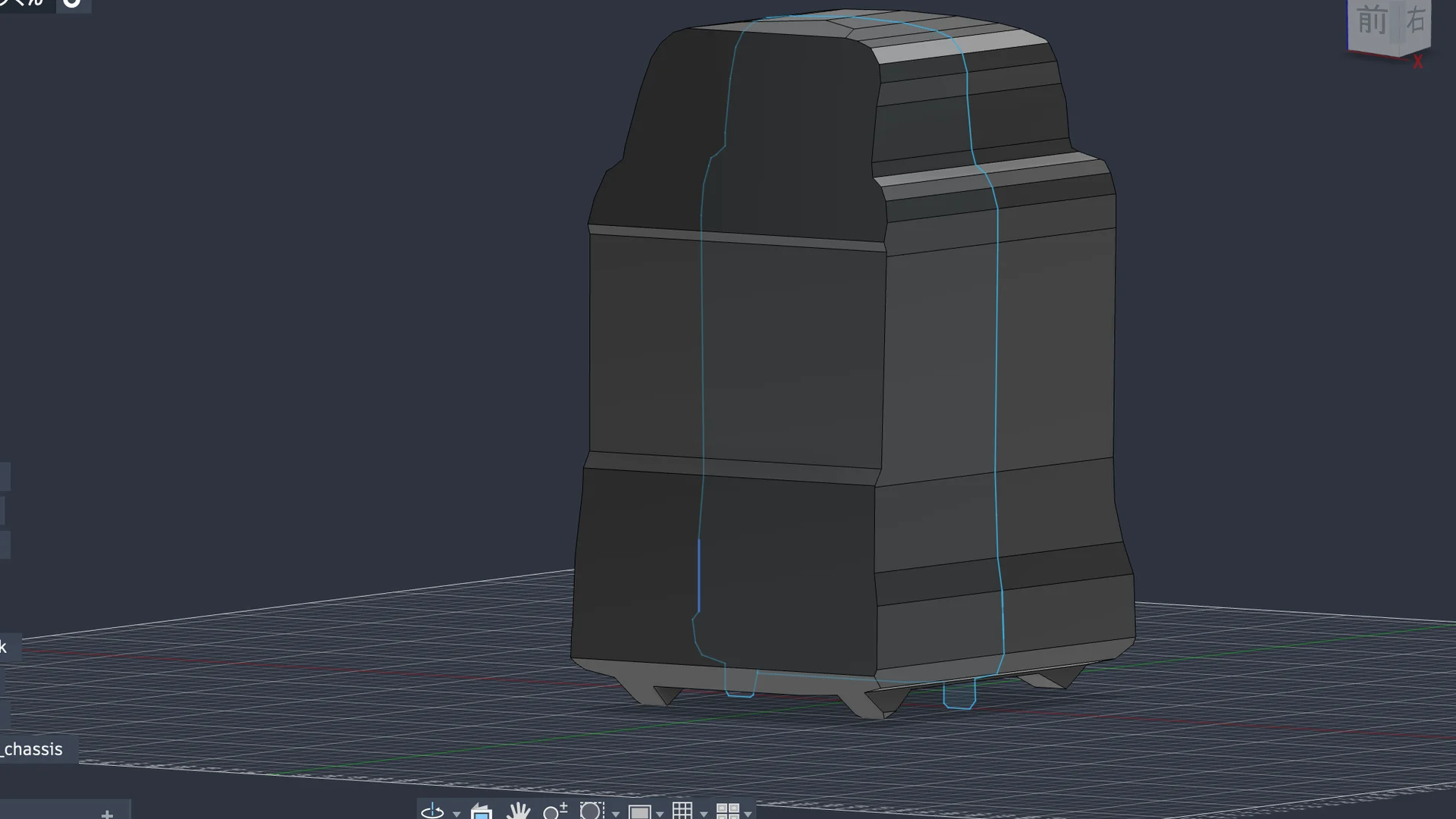
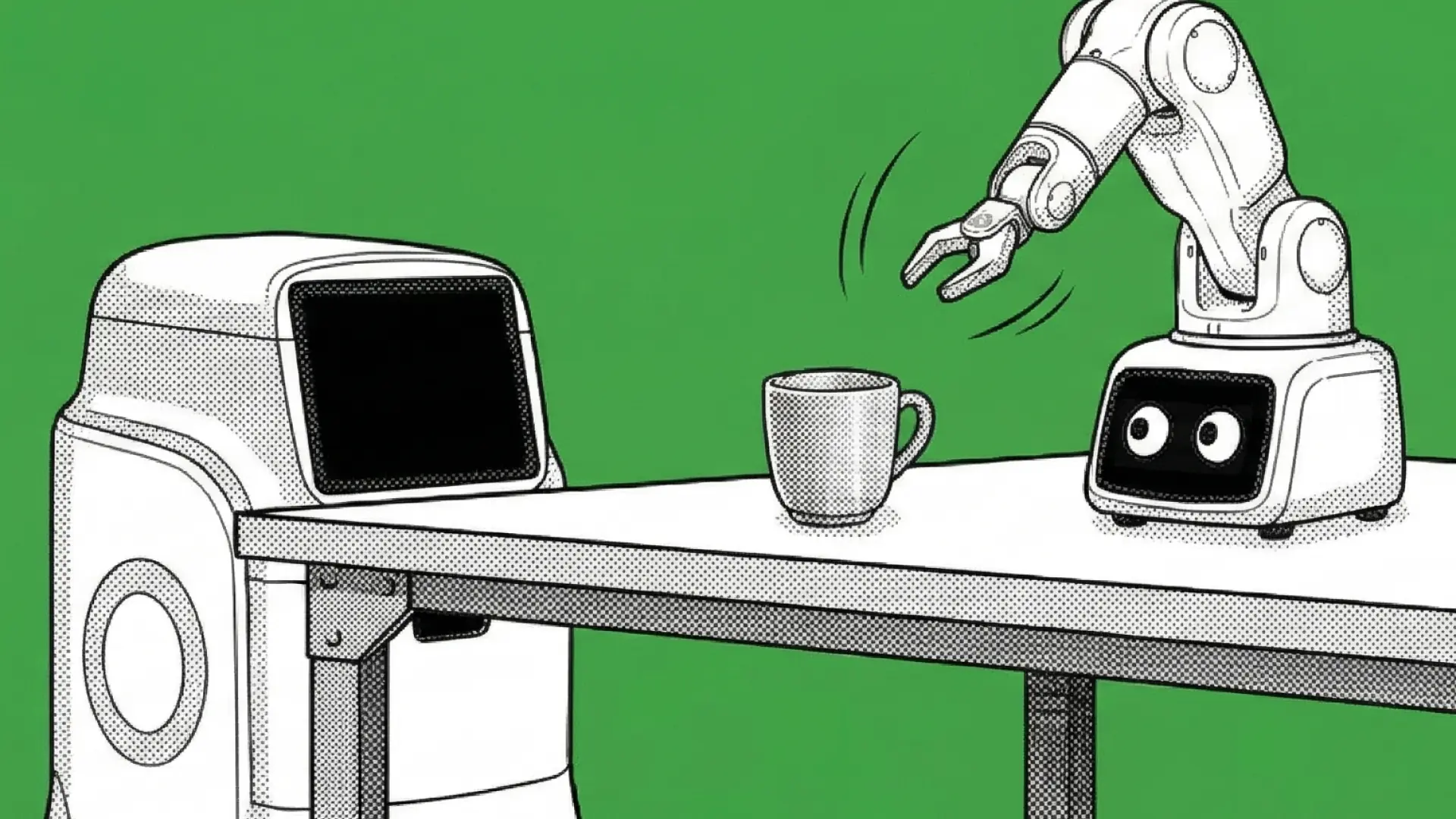
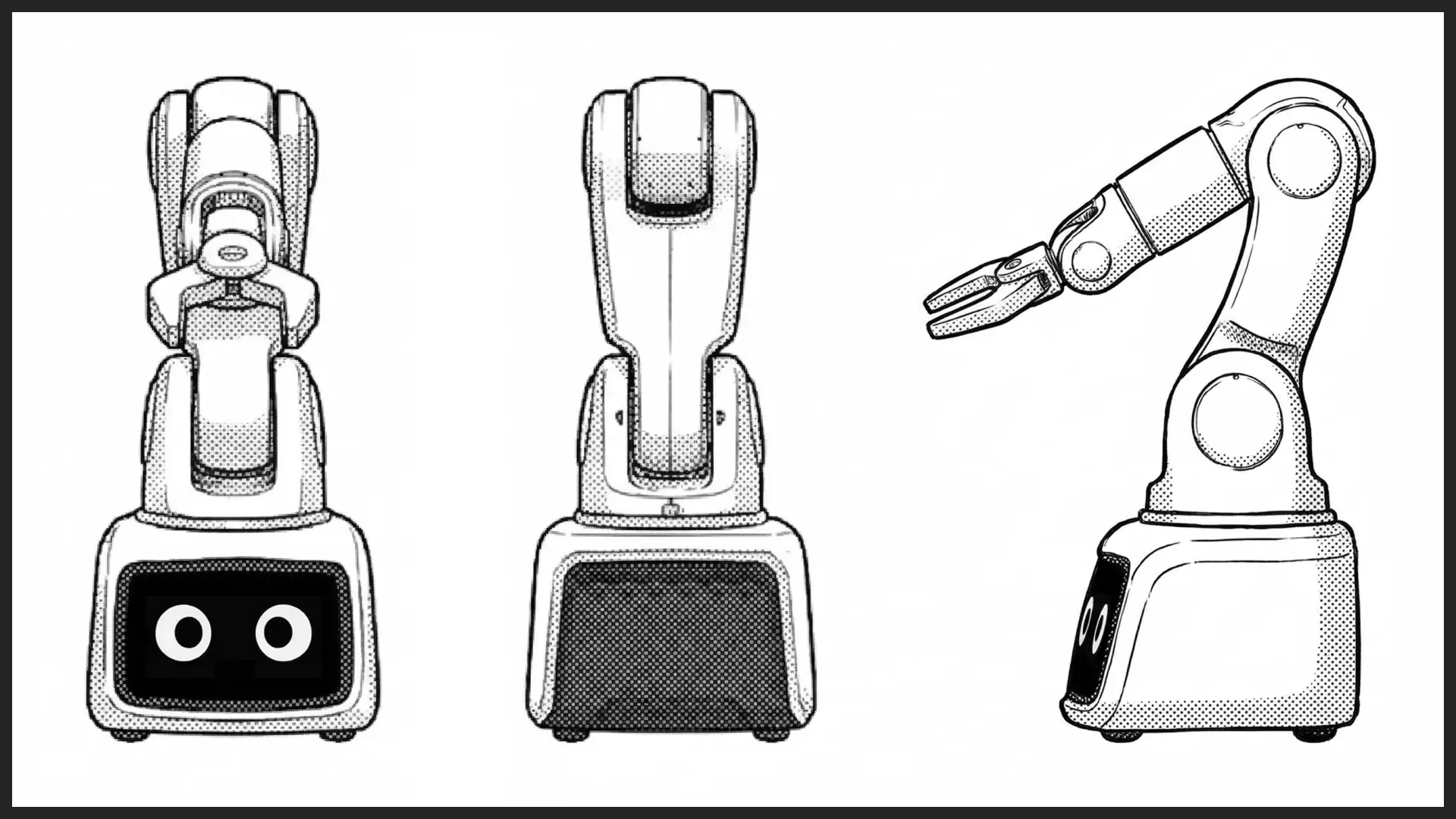
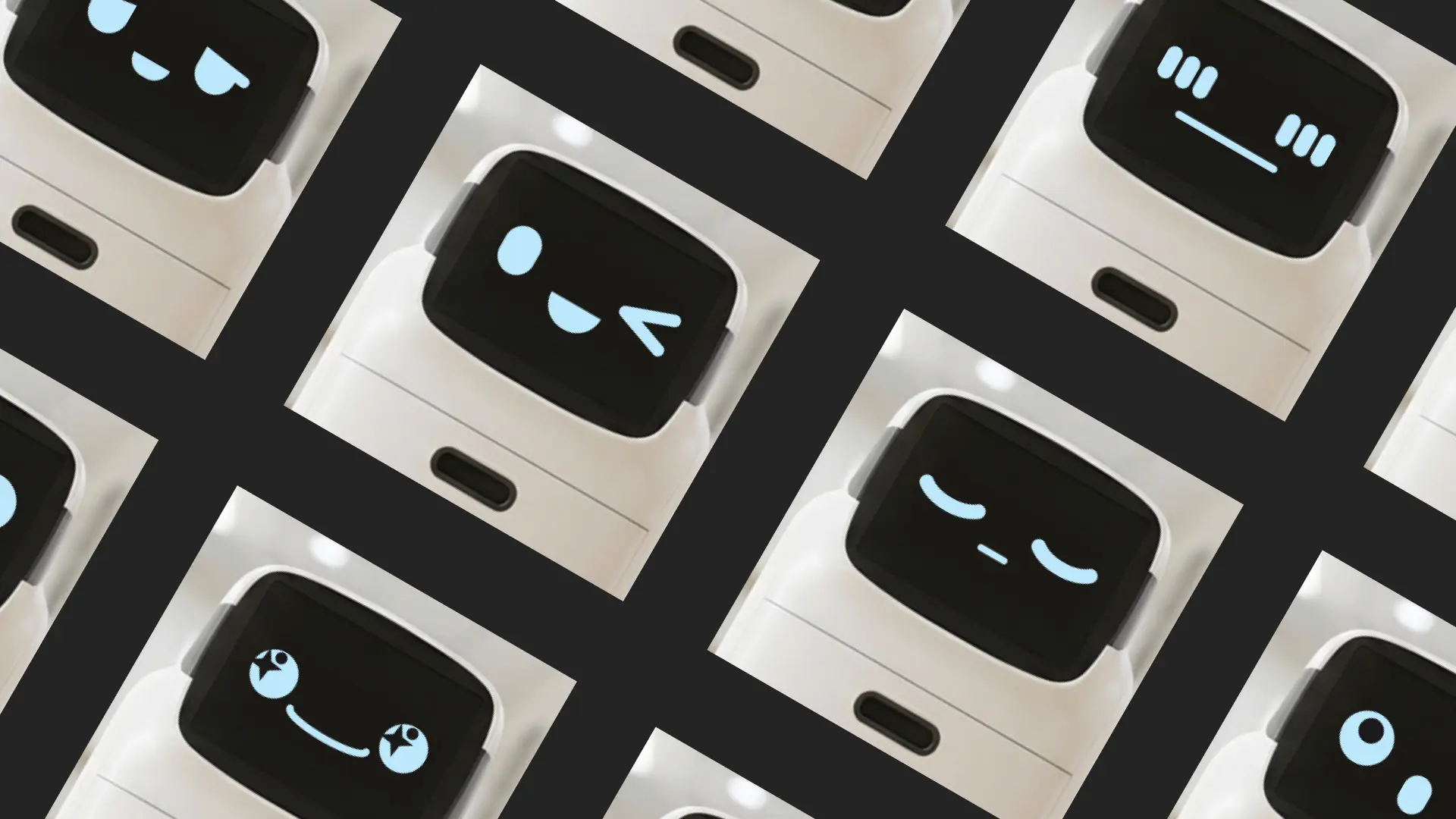
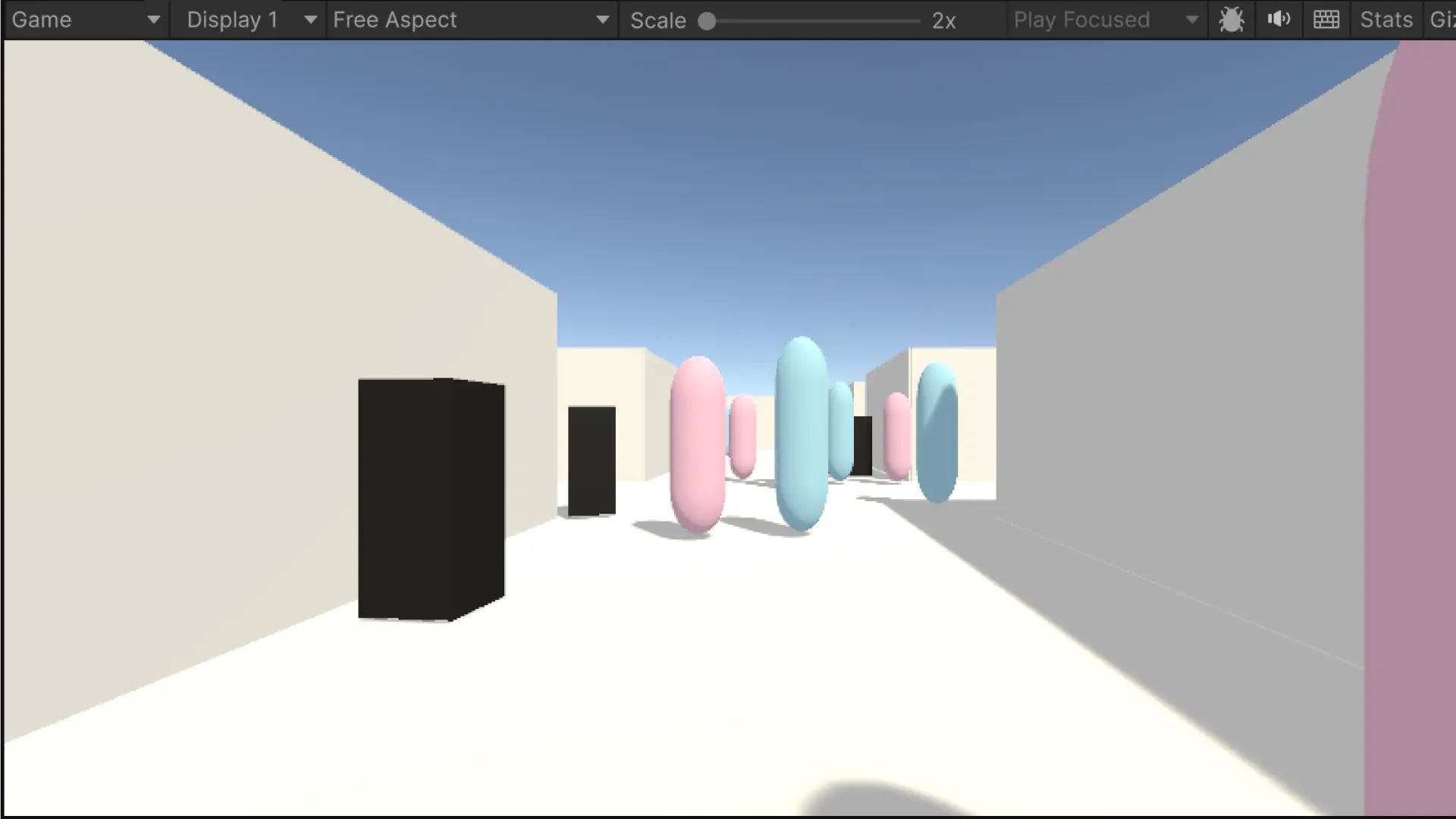
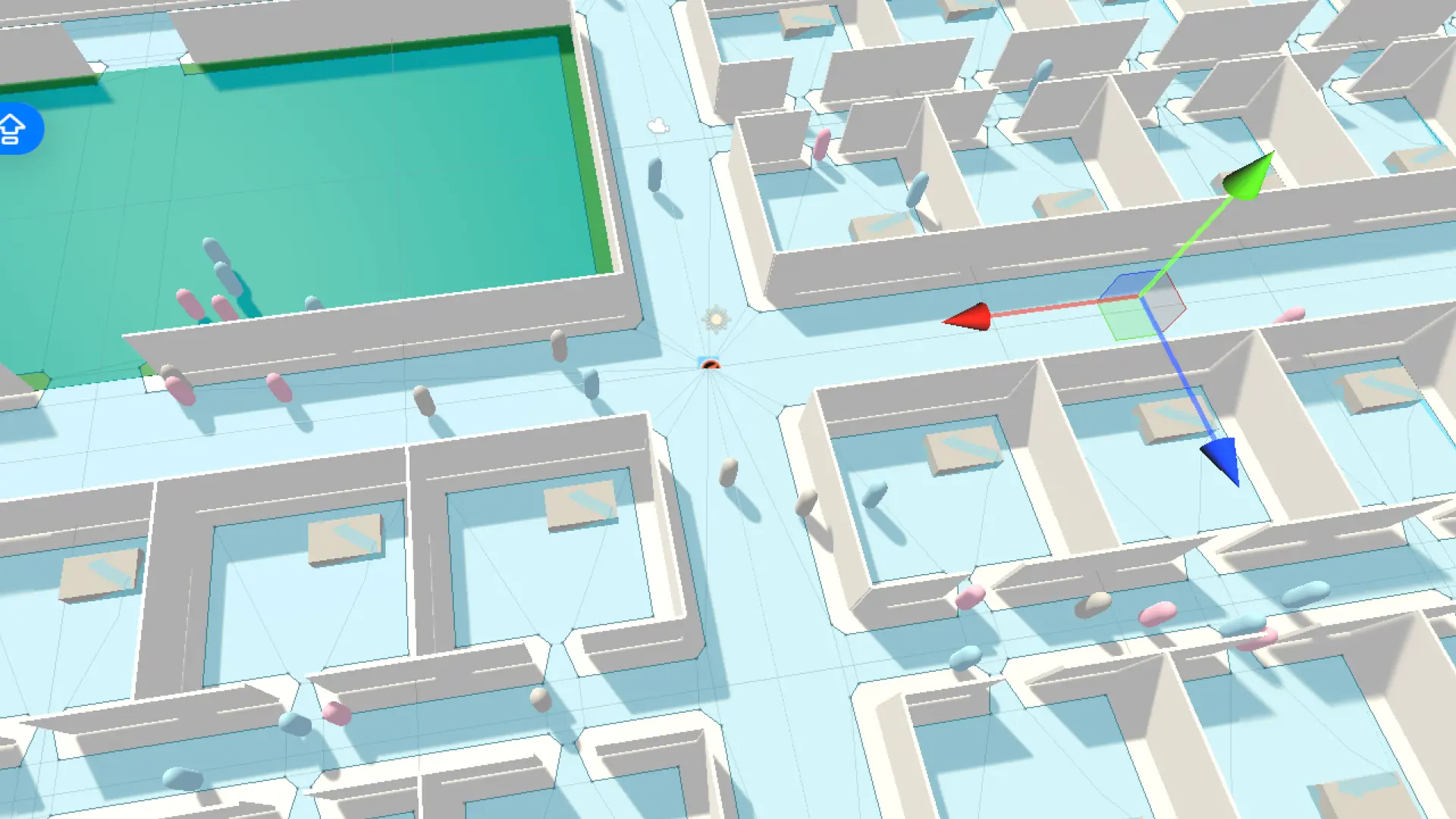
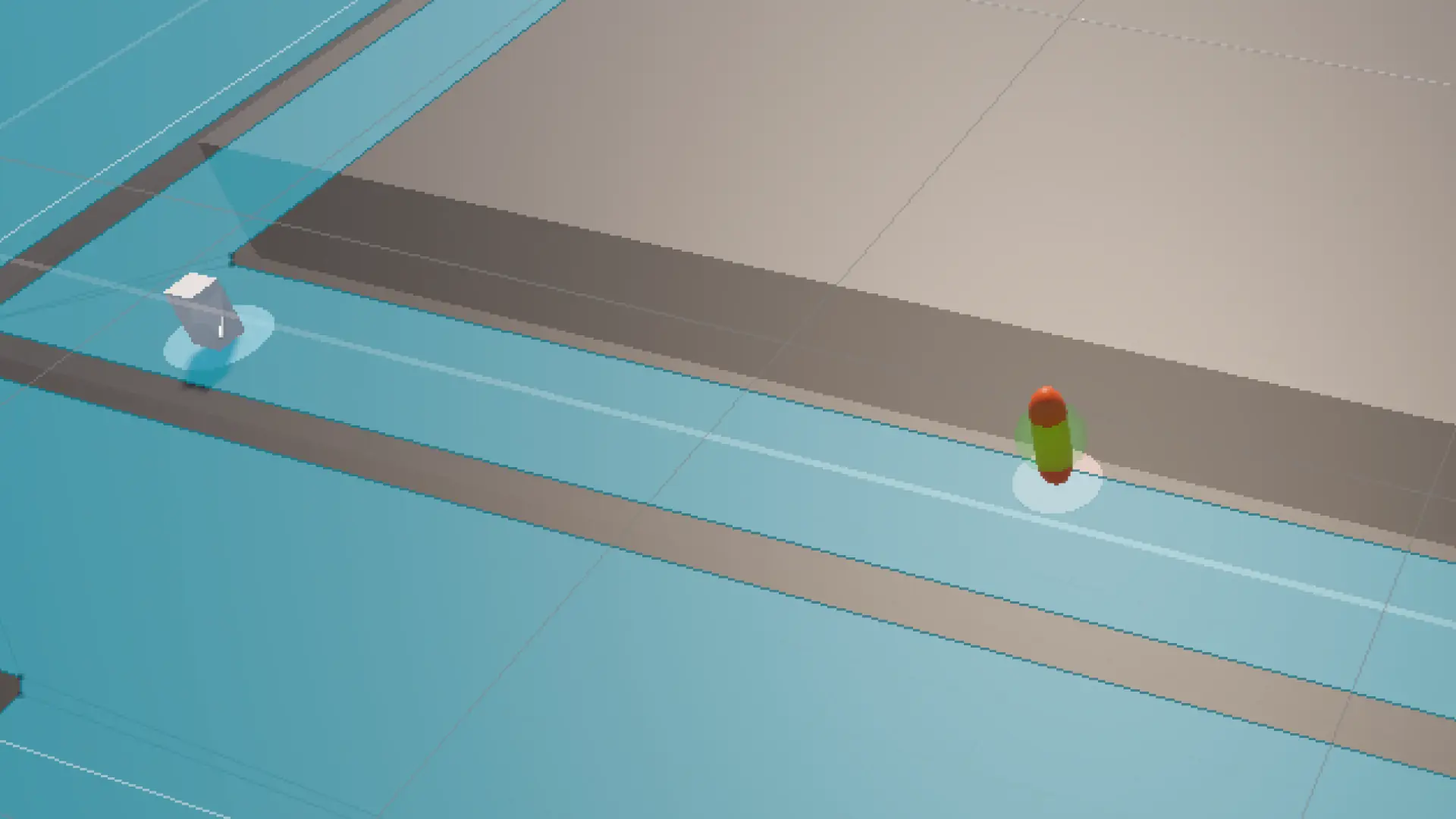
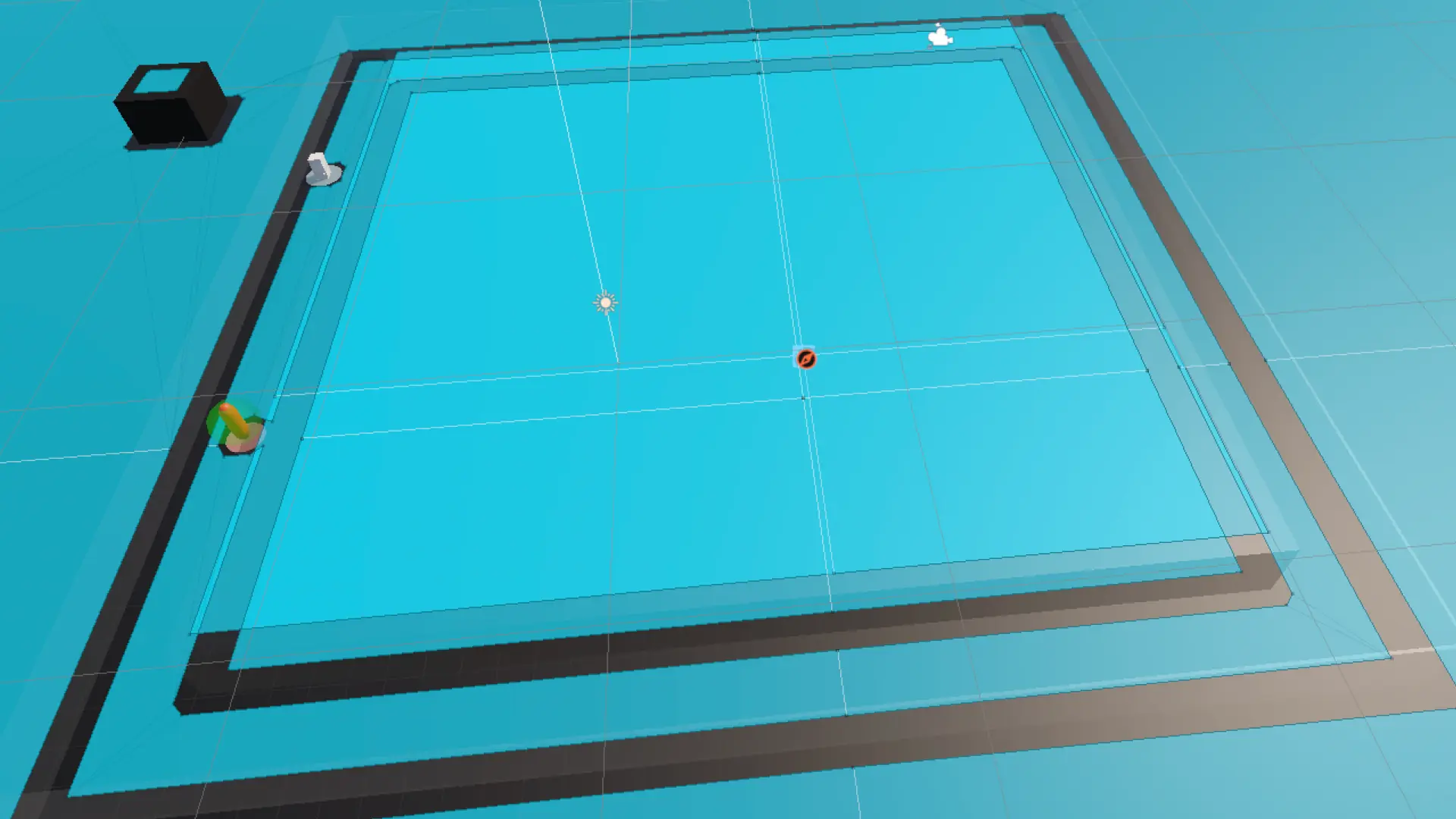
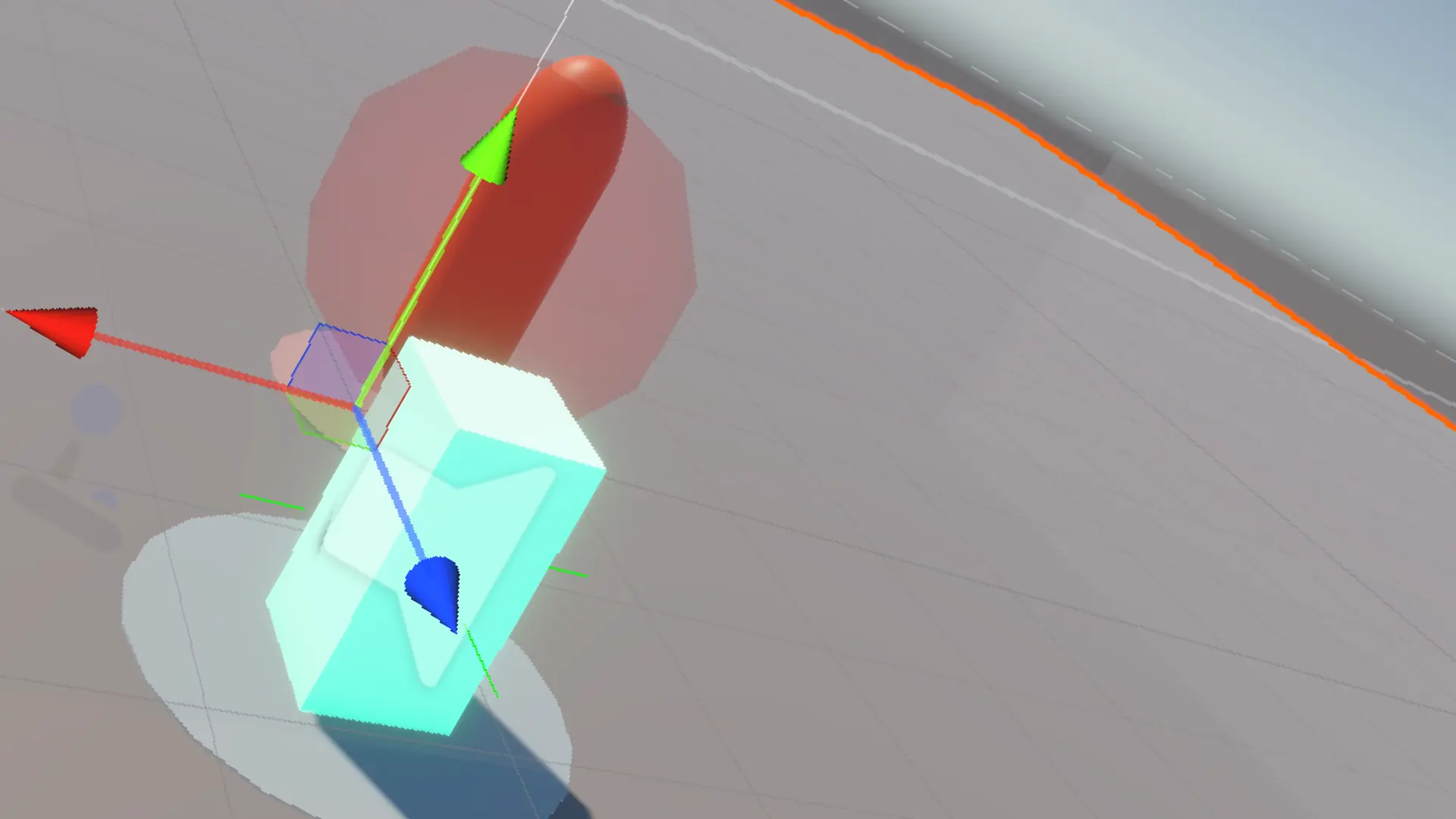
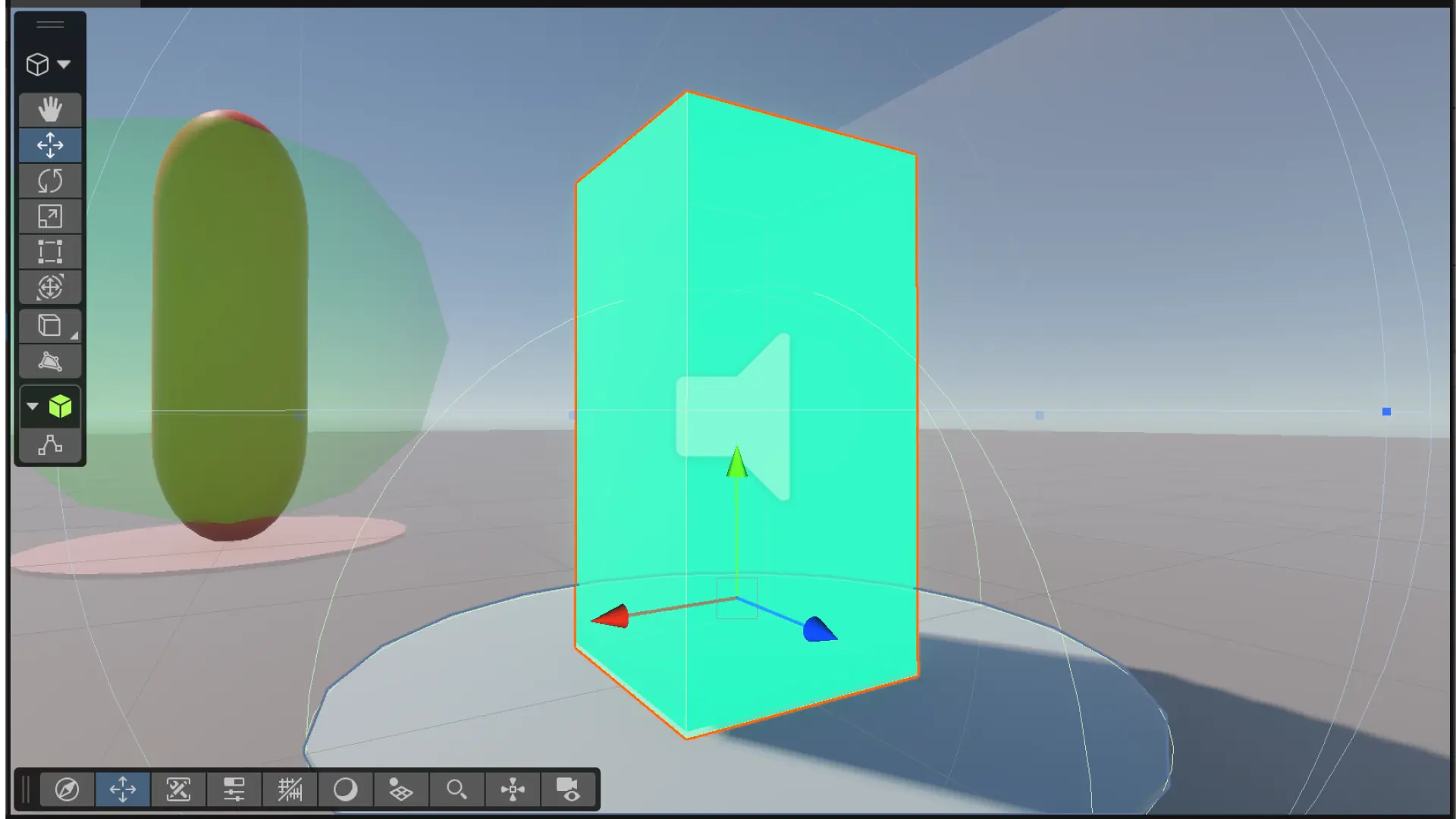
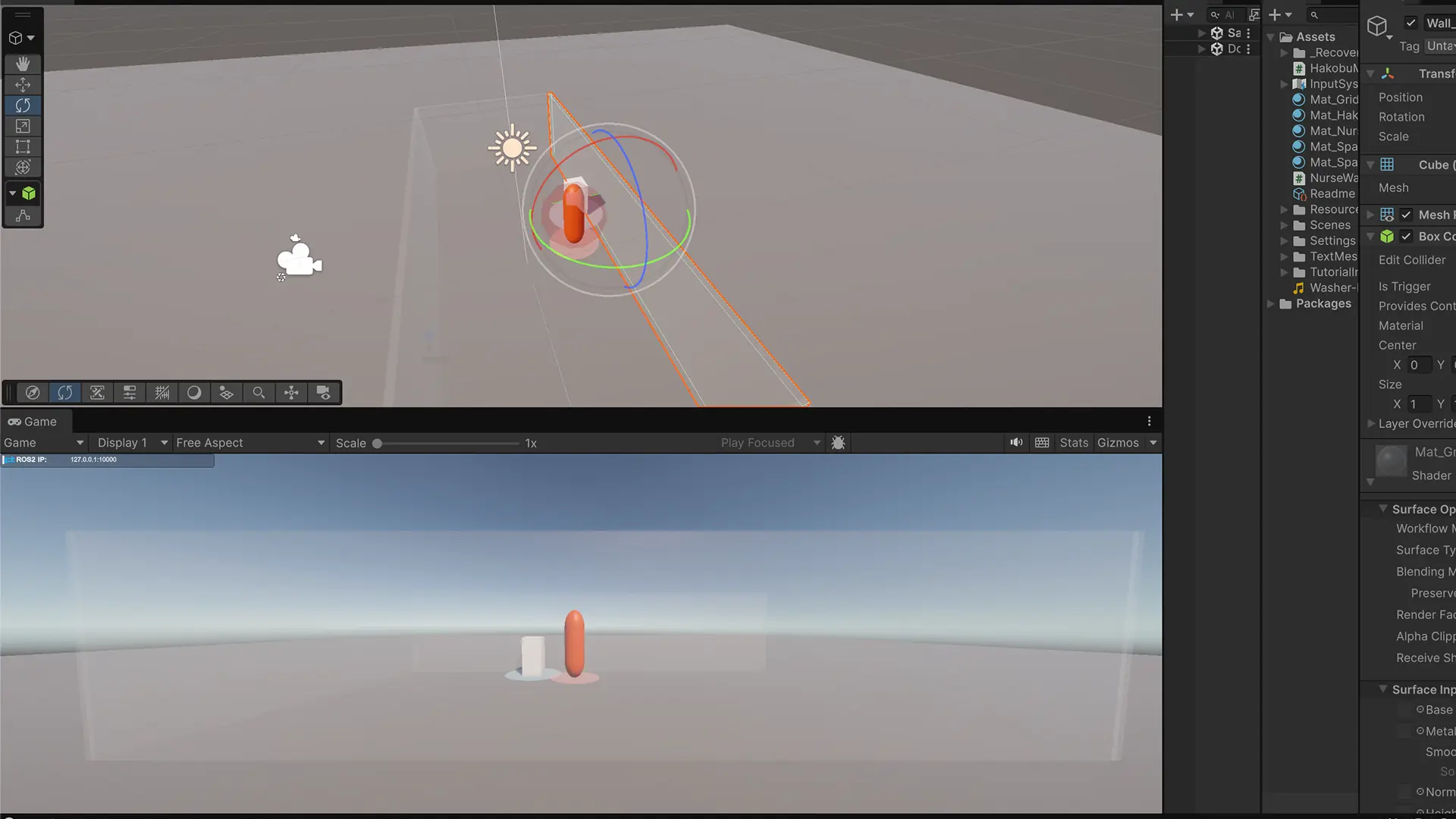
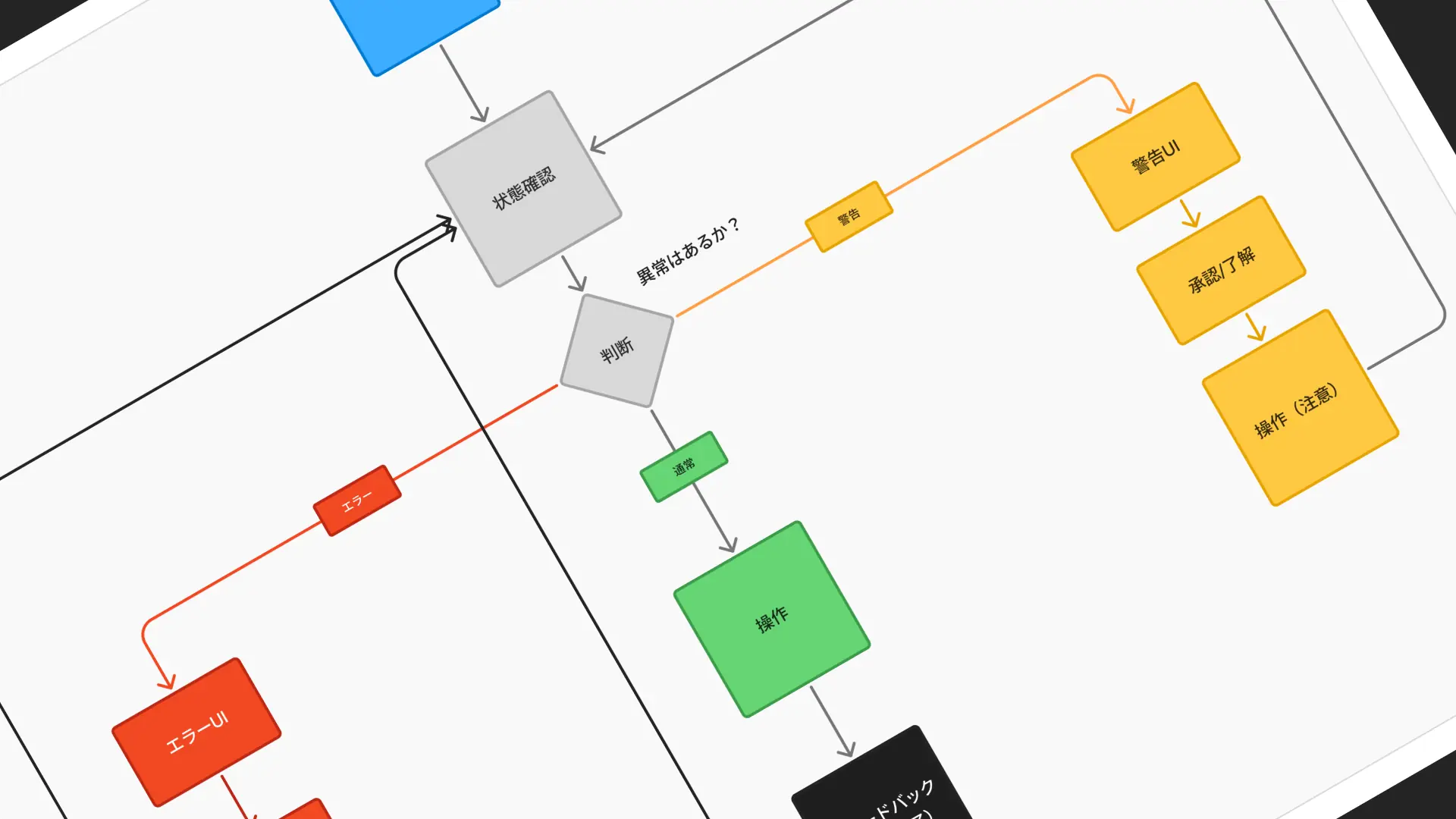
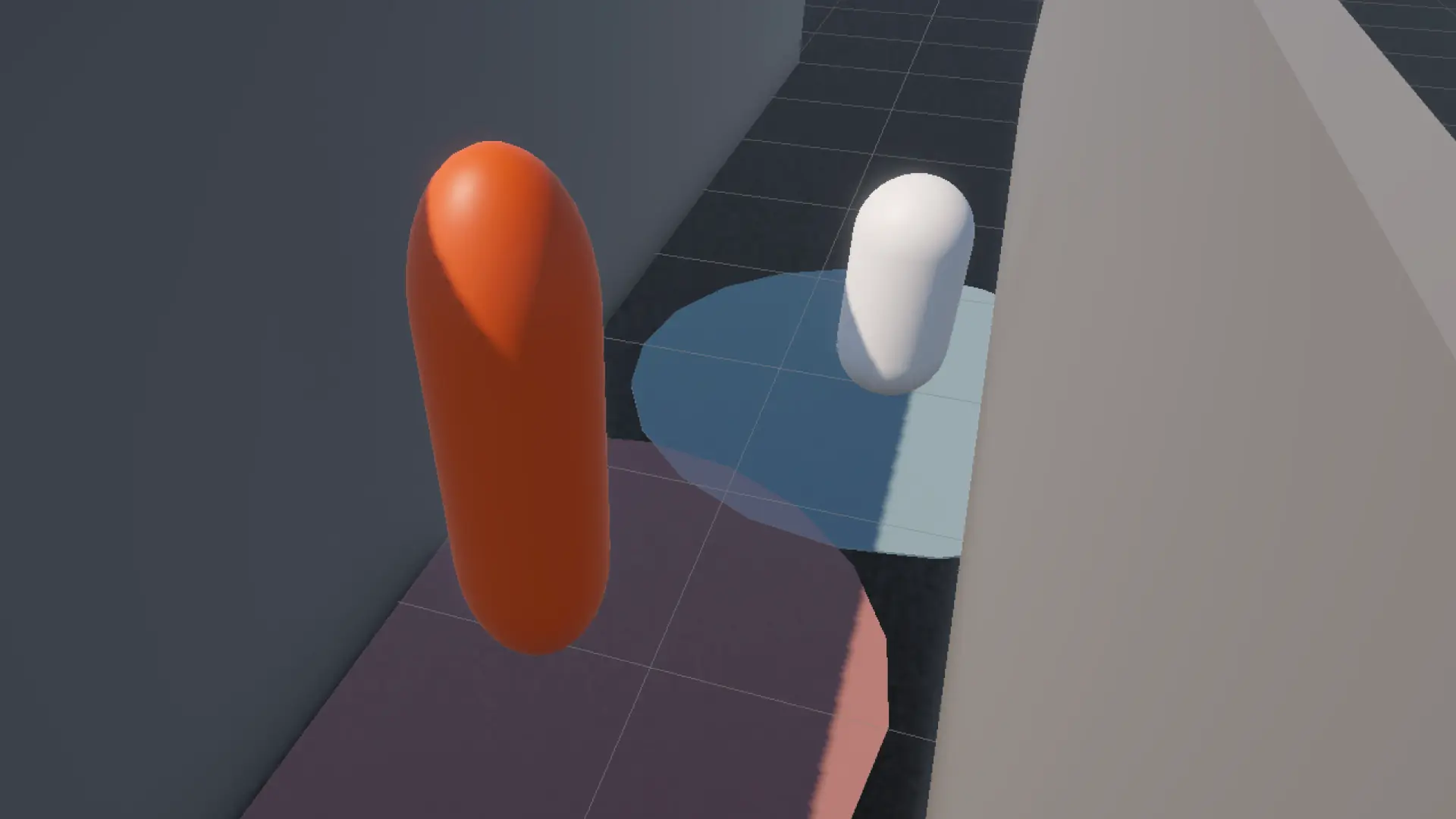
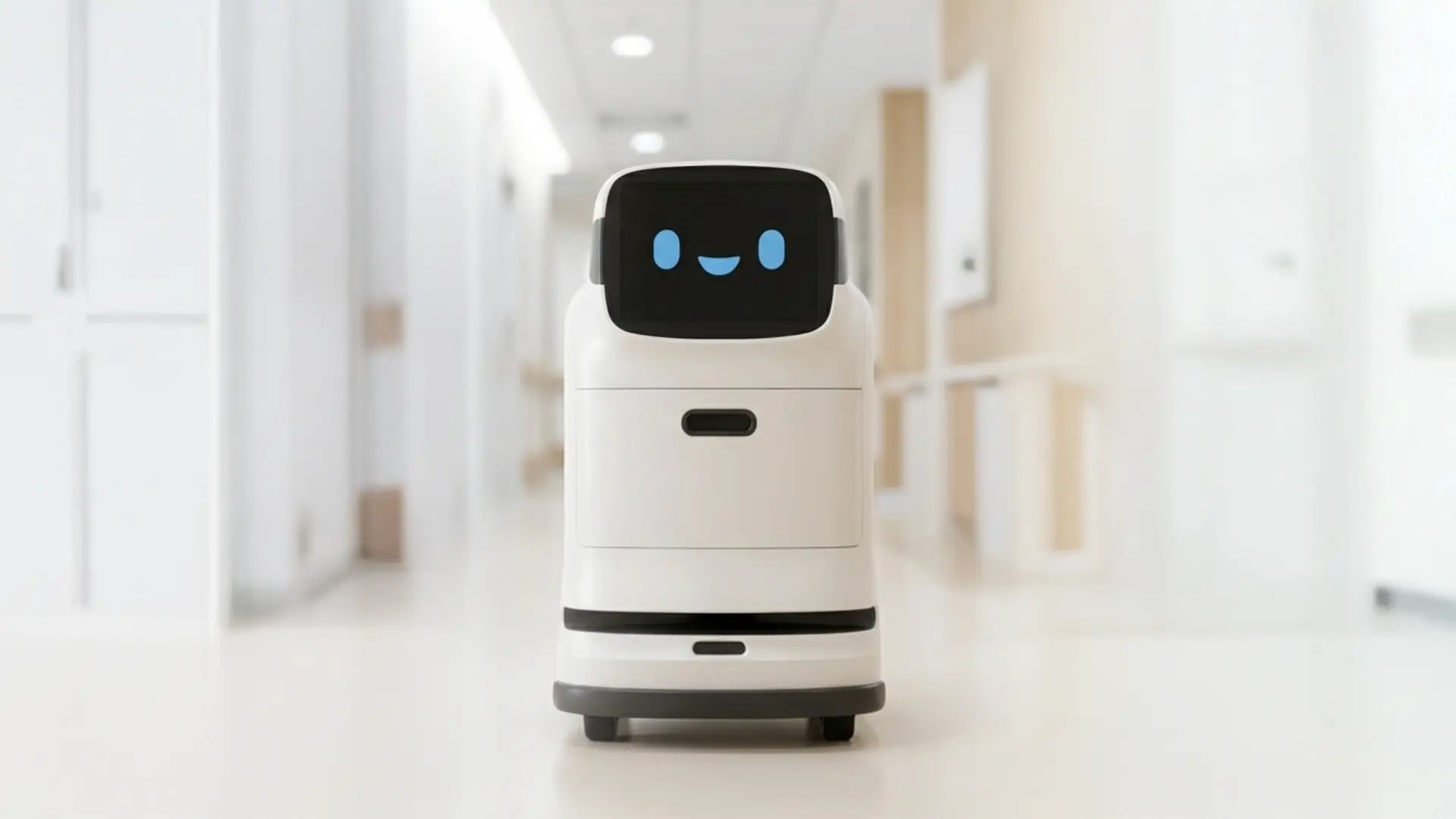
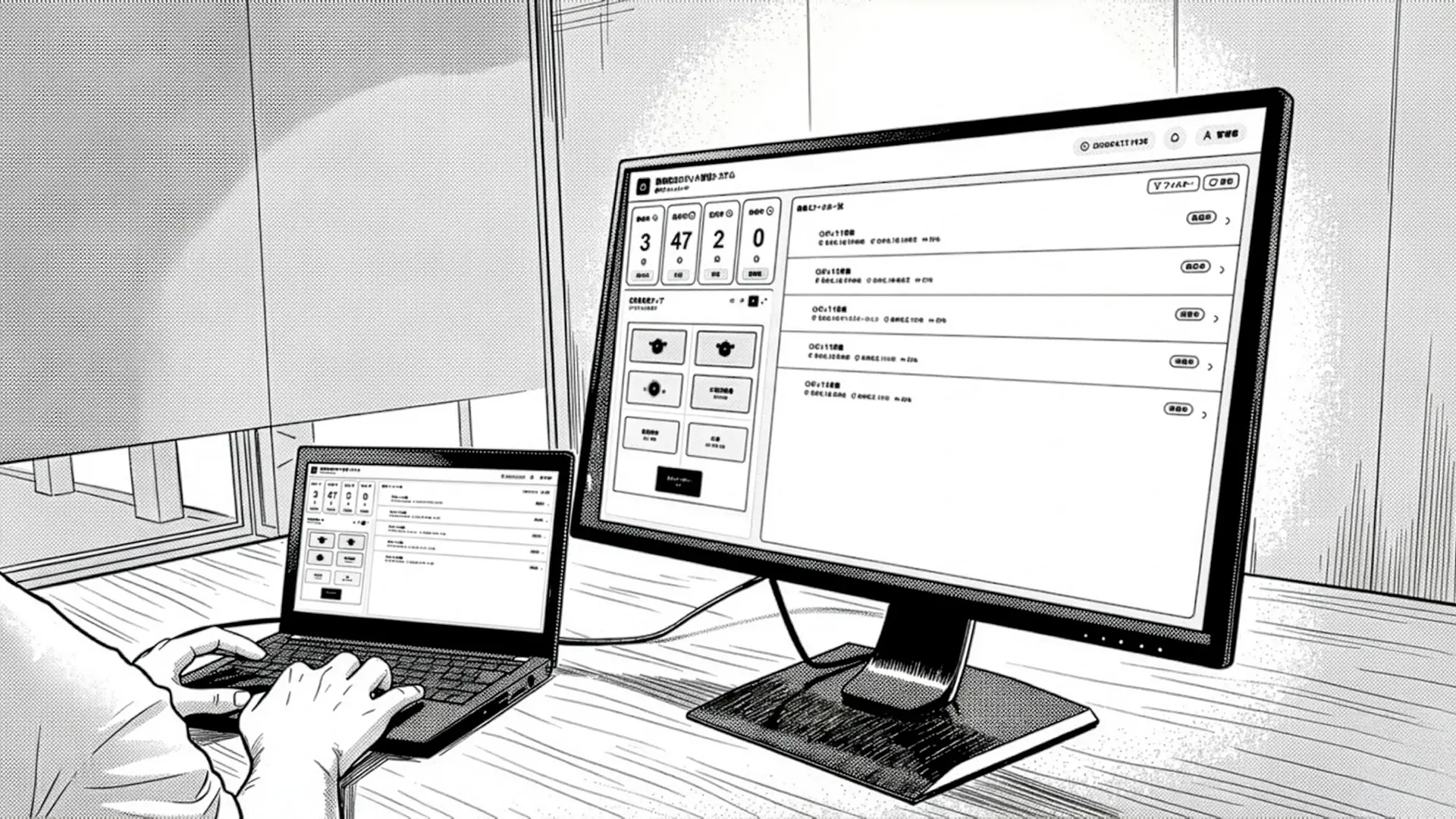
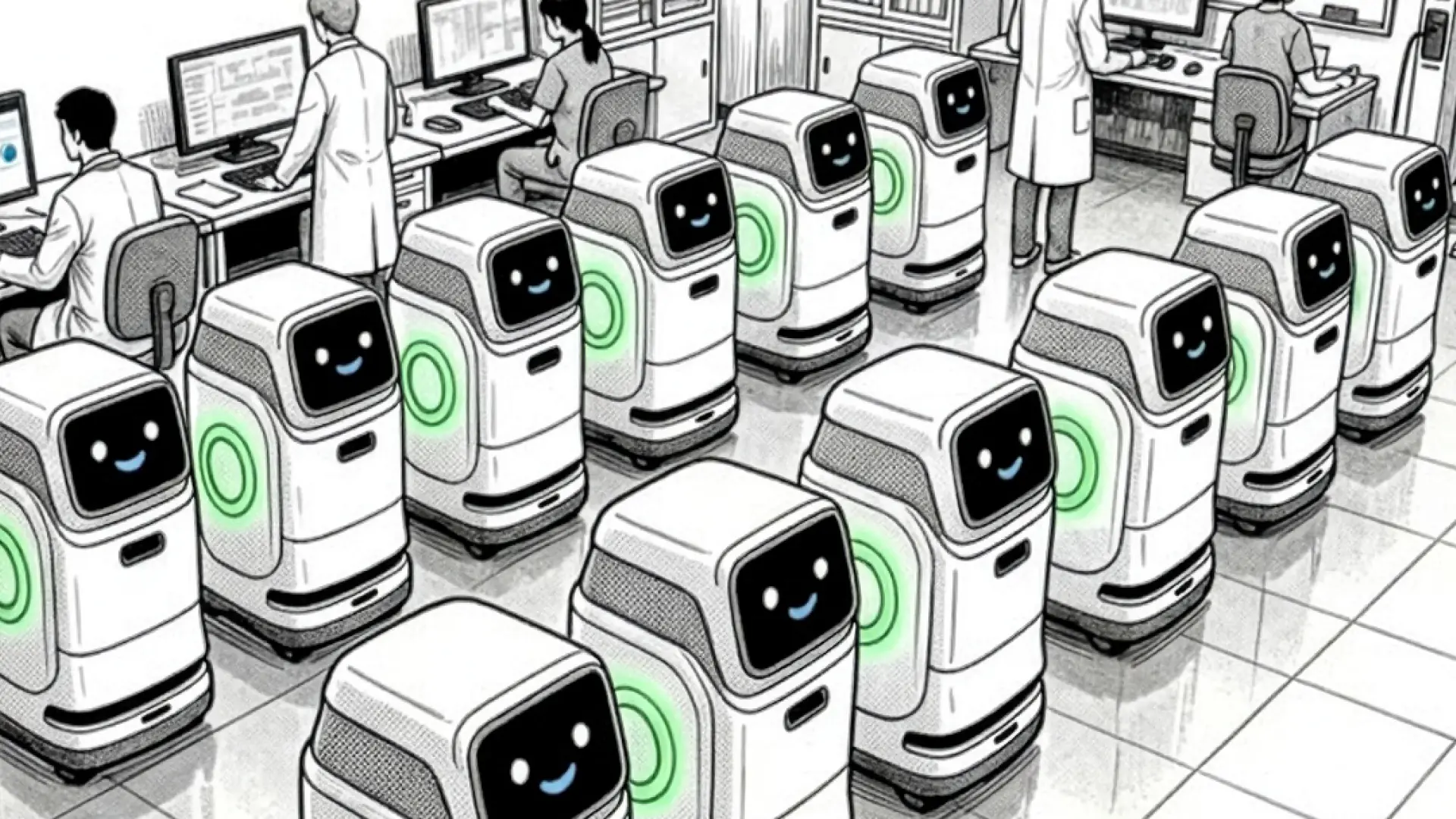
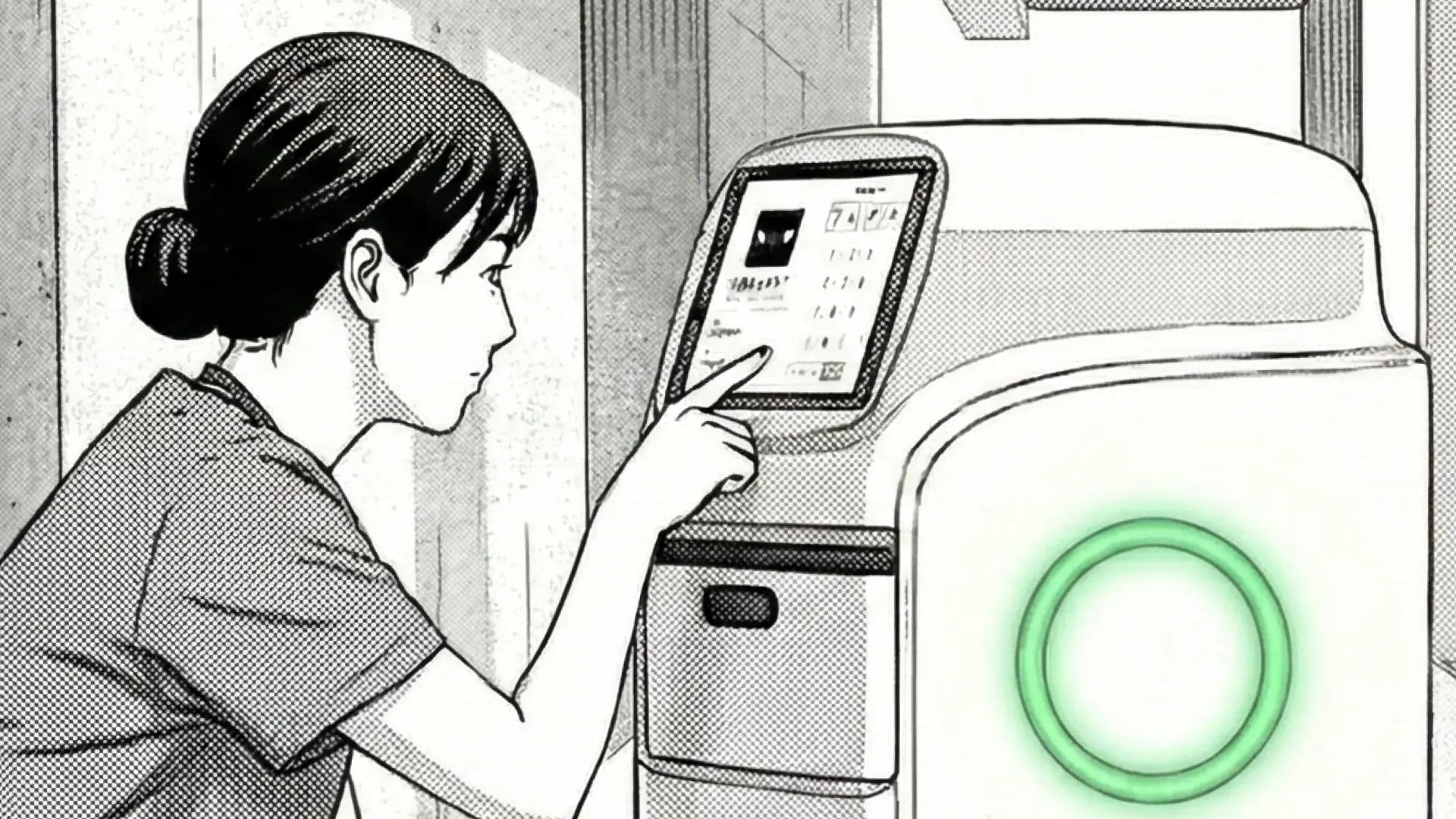
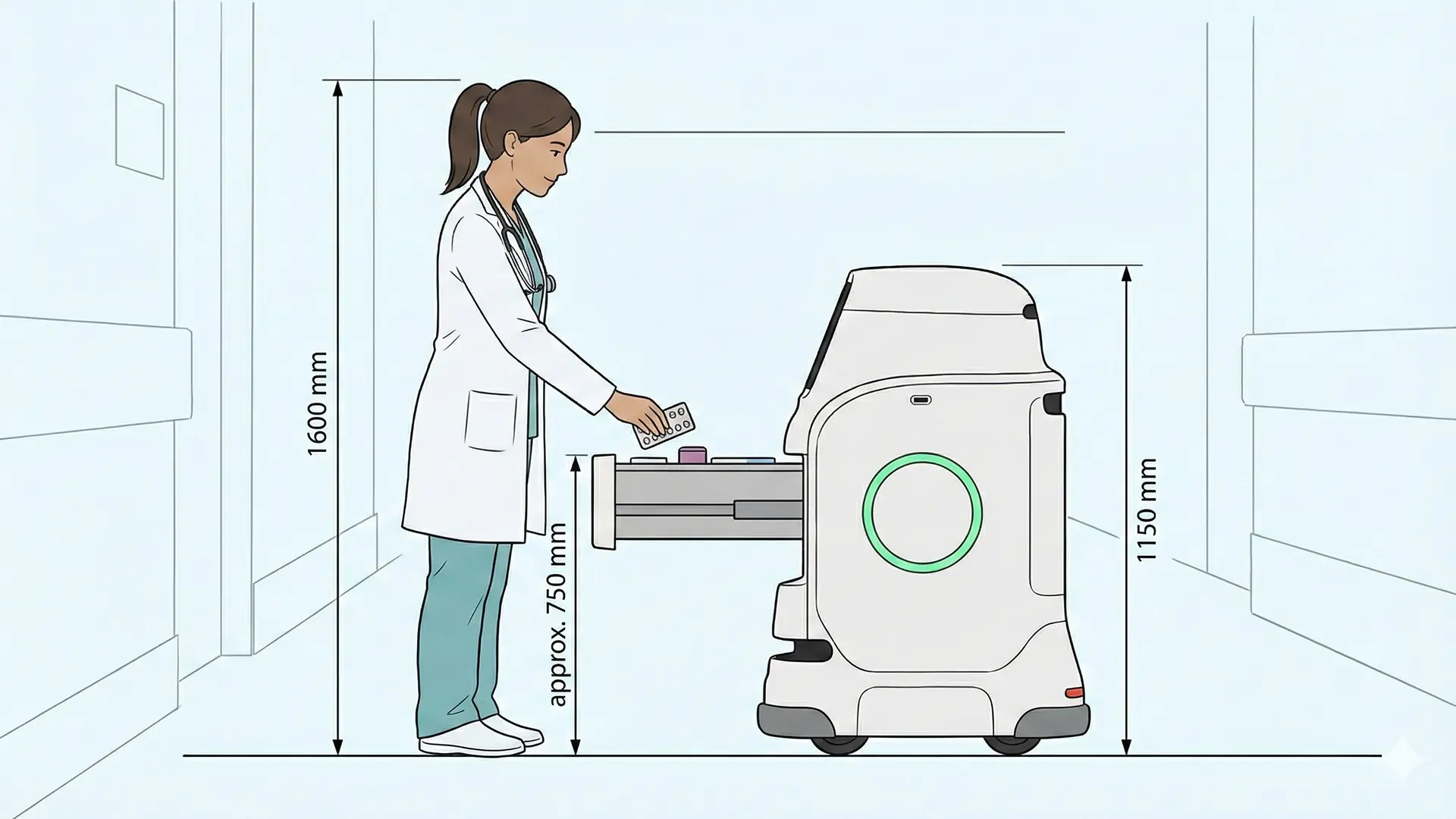
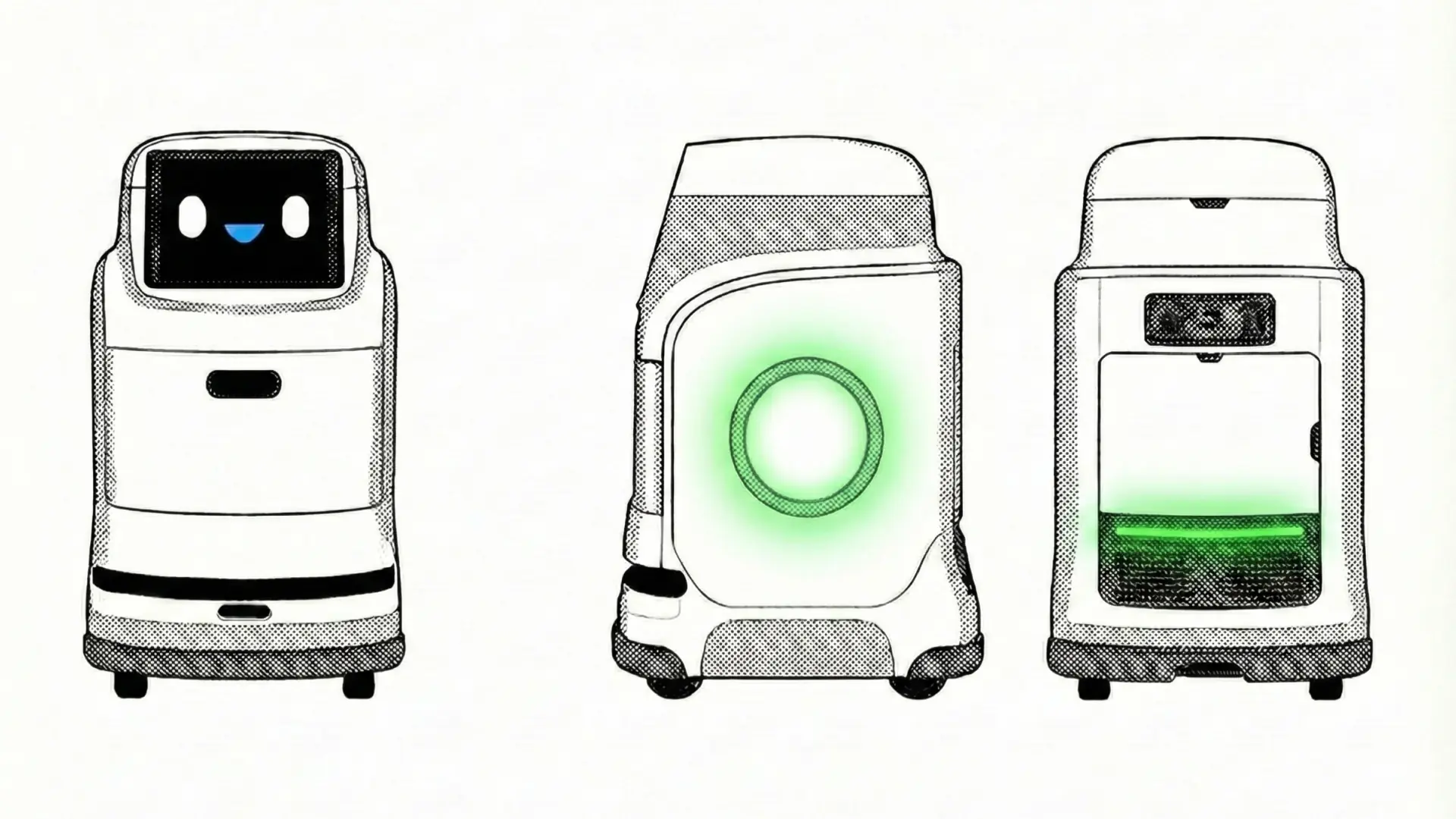
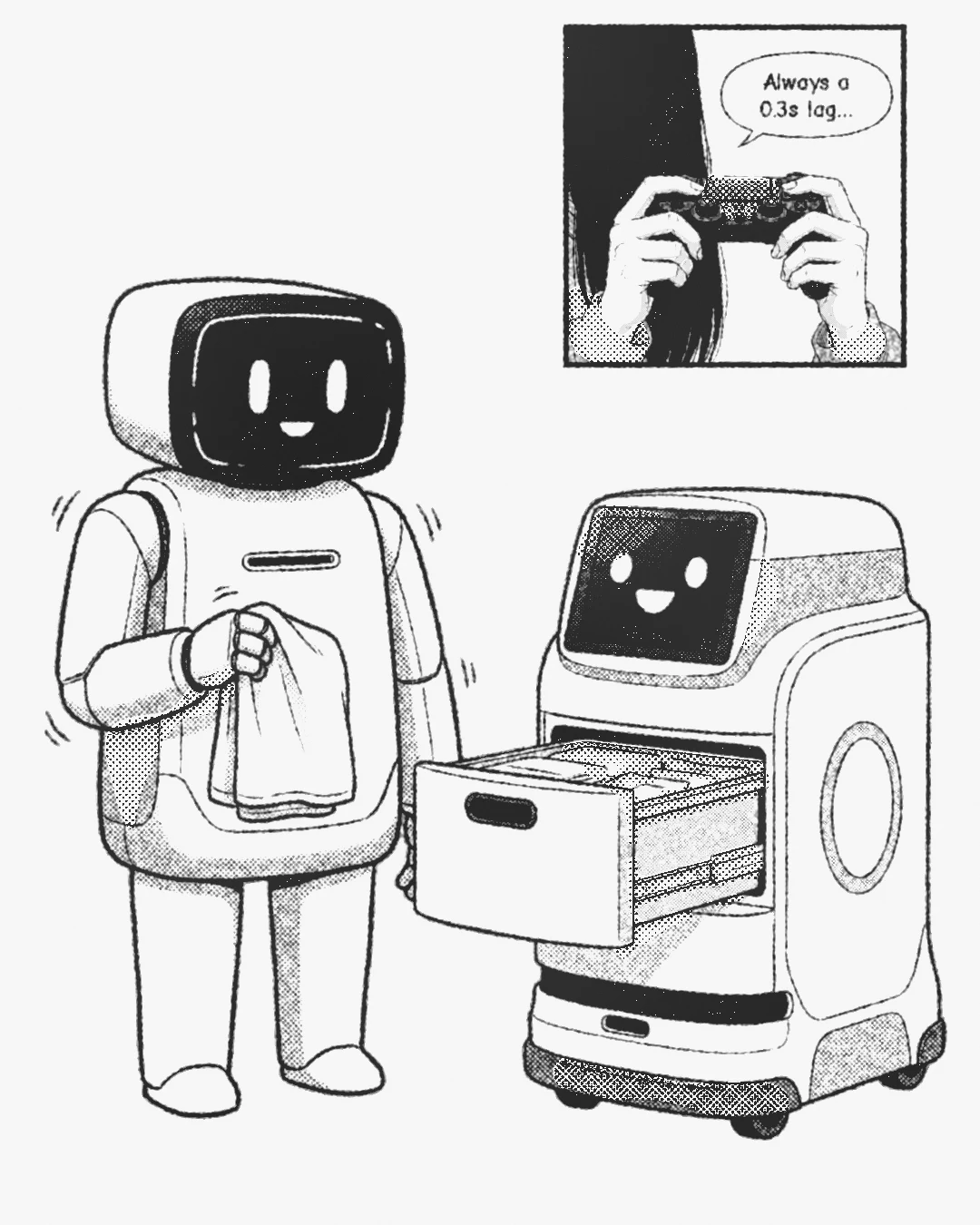
Outside a patient room, Hakobukun opens its drawer and Pikarikun takes out a towel. Take it, stop. Turn, stop. Hand it over. Pikarikun freezes for a beat after each motion. The Robo Avatar, who is operating it from far away, sees every command arrive 0.3 seconds late. Because the operator waits to see each motion finish before sending the next, the delay slips in every single time.
■ Delay adds up with every motion
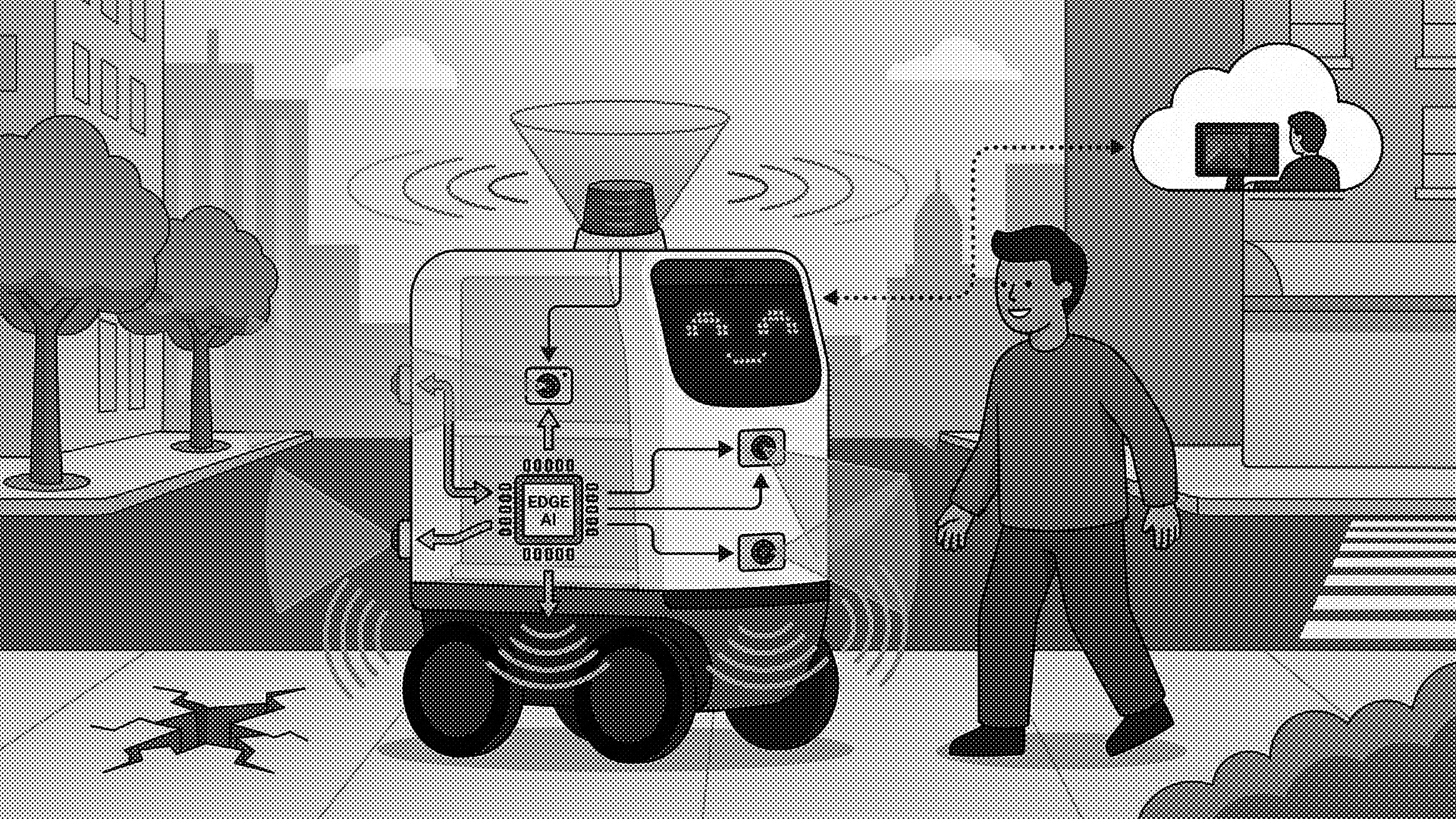
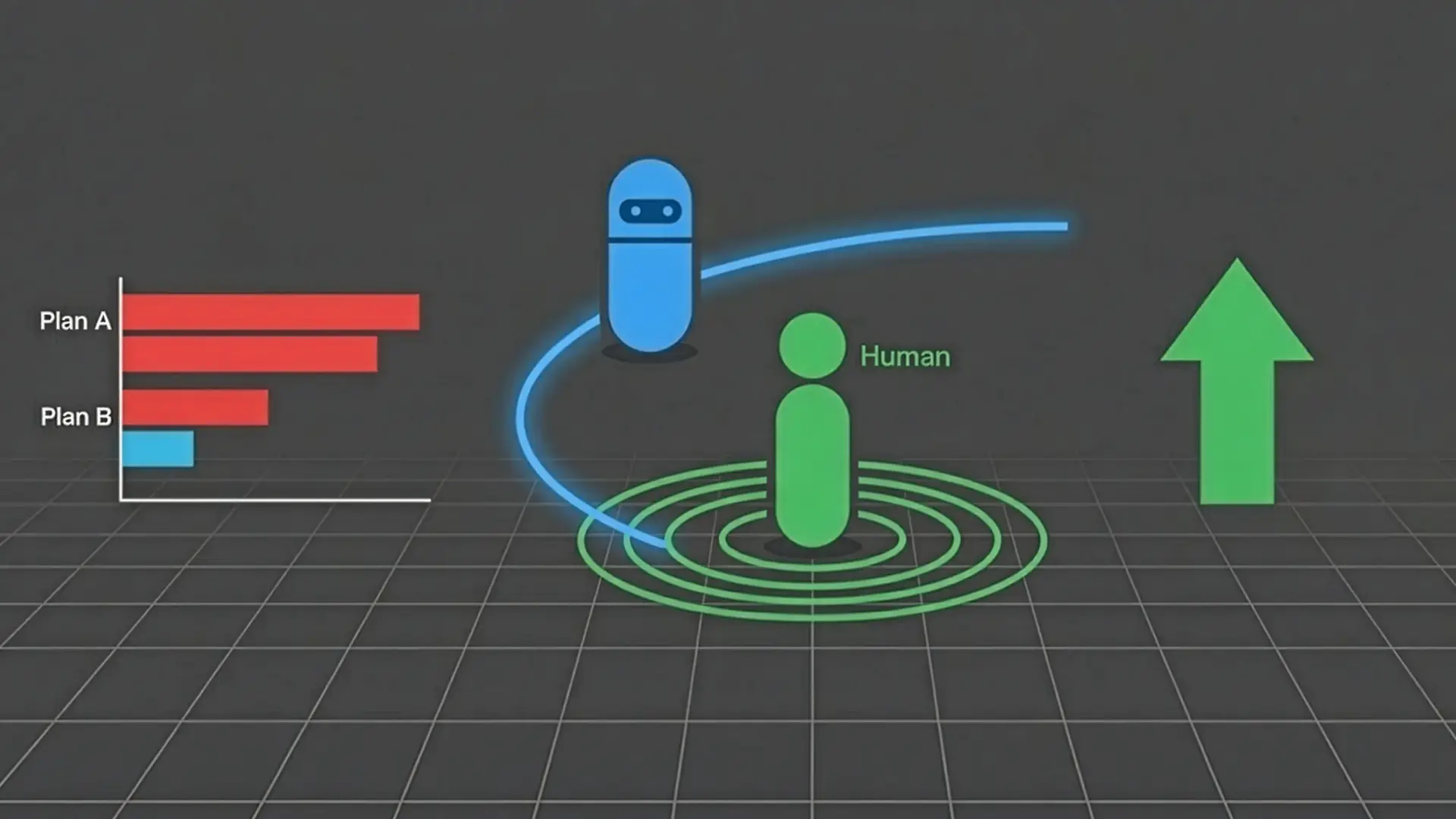
In remote operation, it takes a moment for each command to reach the robot. A delay you barely notice in one motion piles up across a task like taking and handing over an object. The stop-and-go jerkiness makes it hard for people nearby to read what the robot will do next. The delay itself can't be removed, but how often it shows can be reduced.
■ Conclusion: Accept the next command while a motion is still running
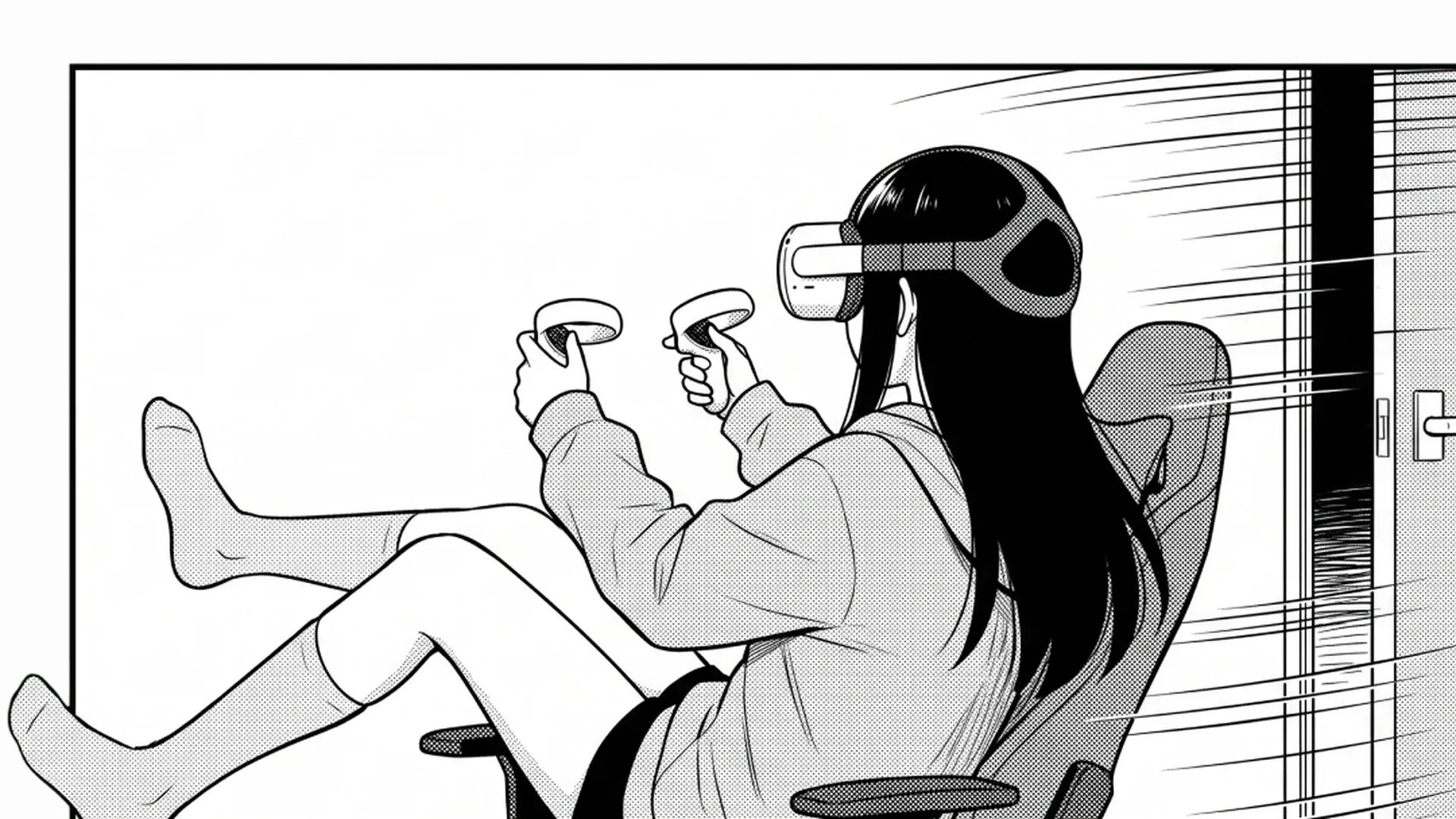
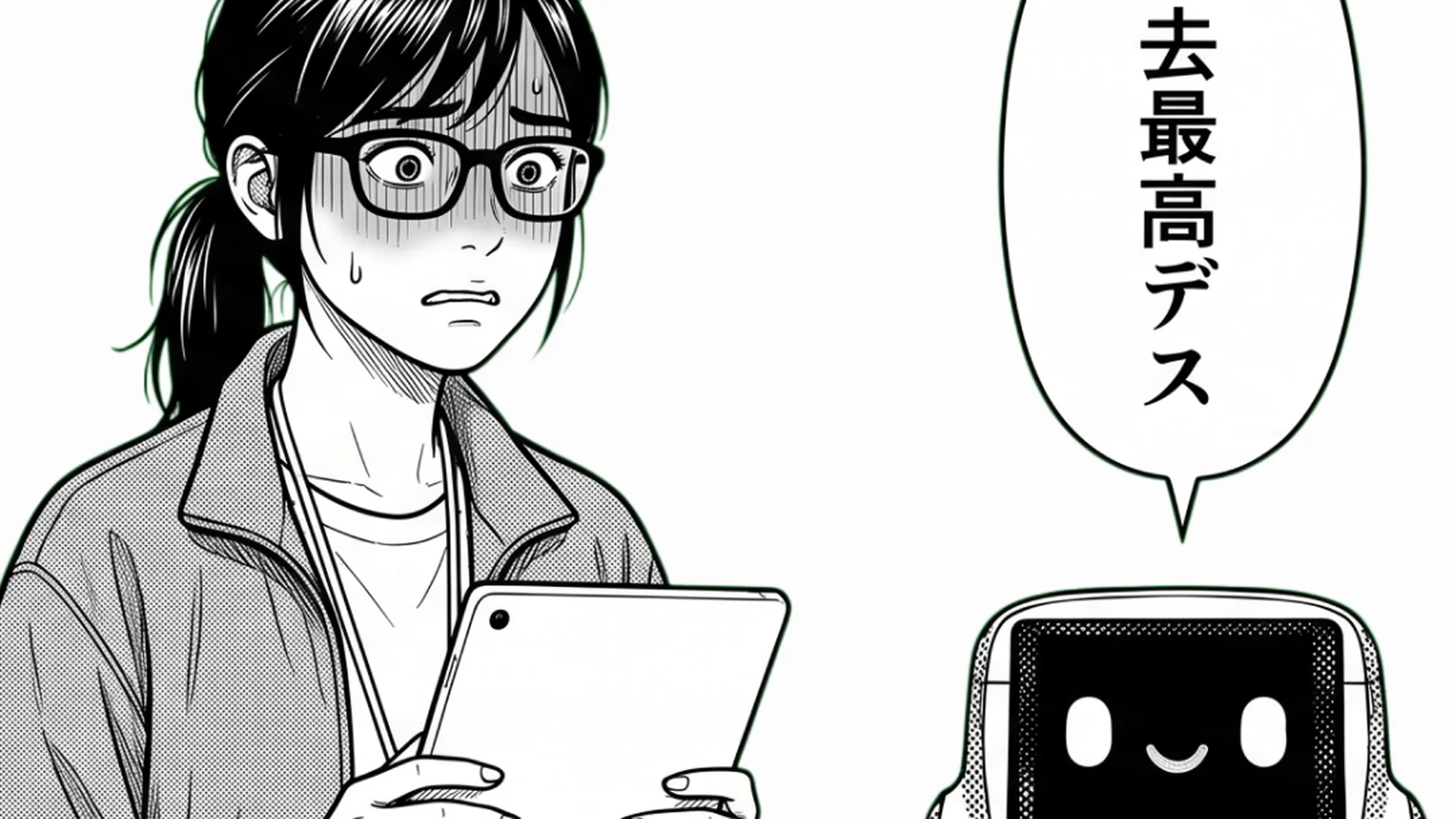
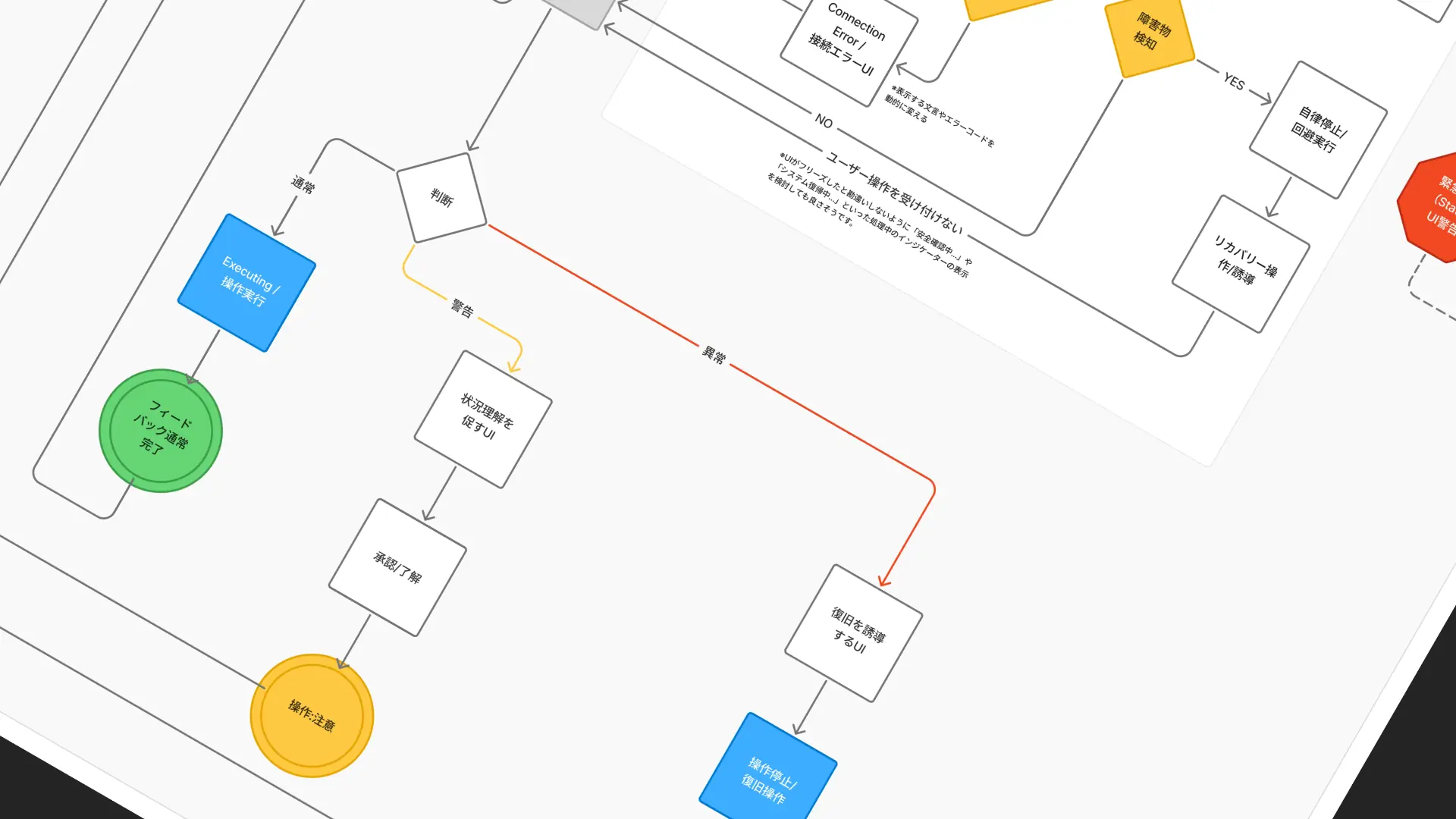
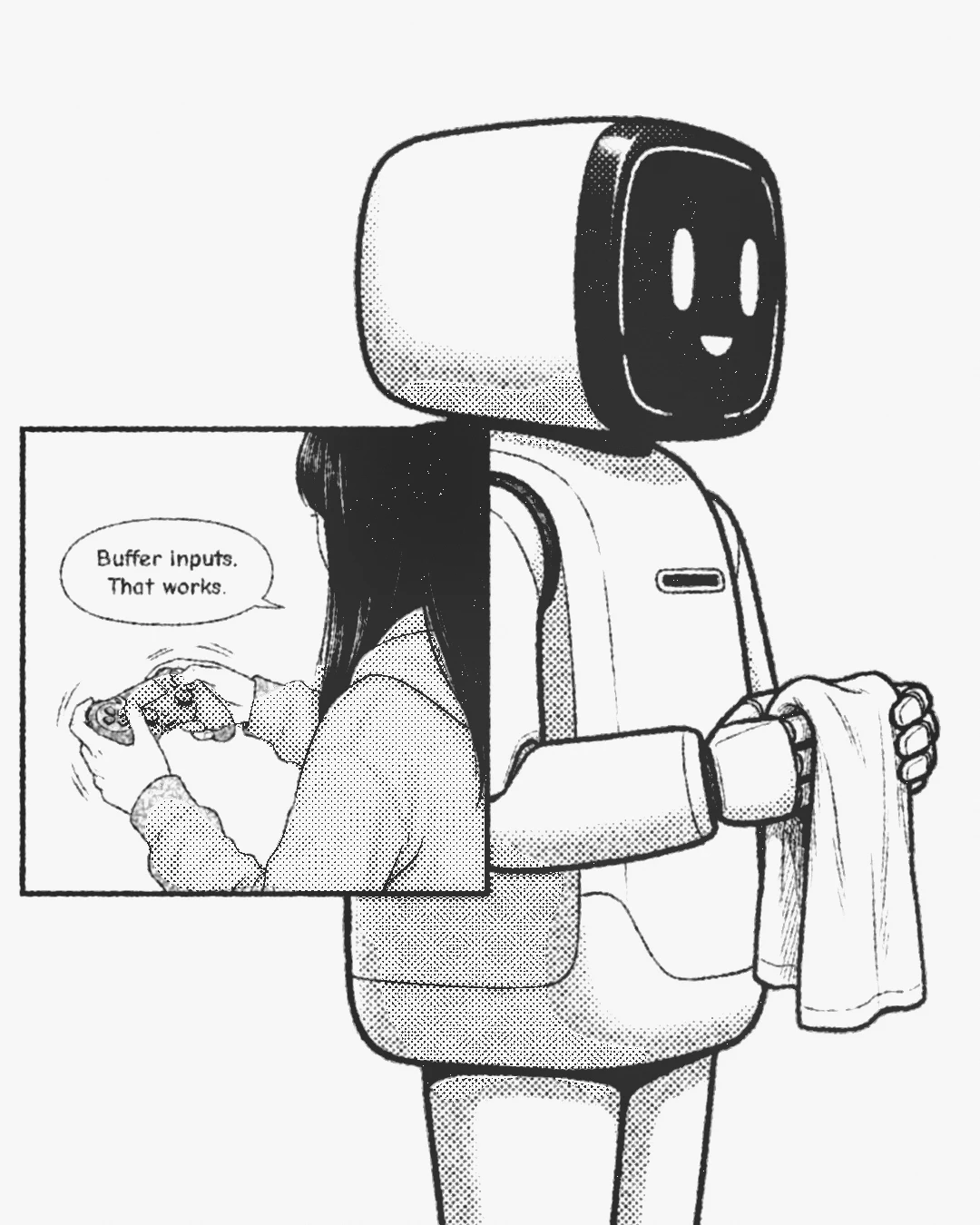
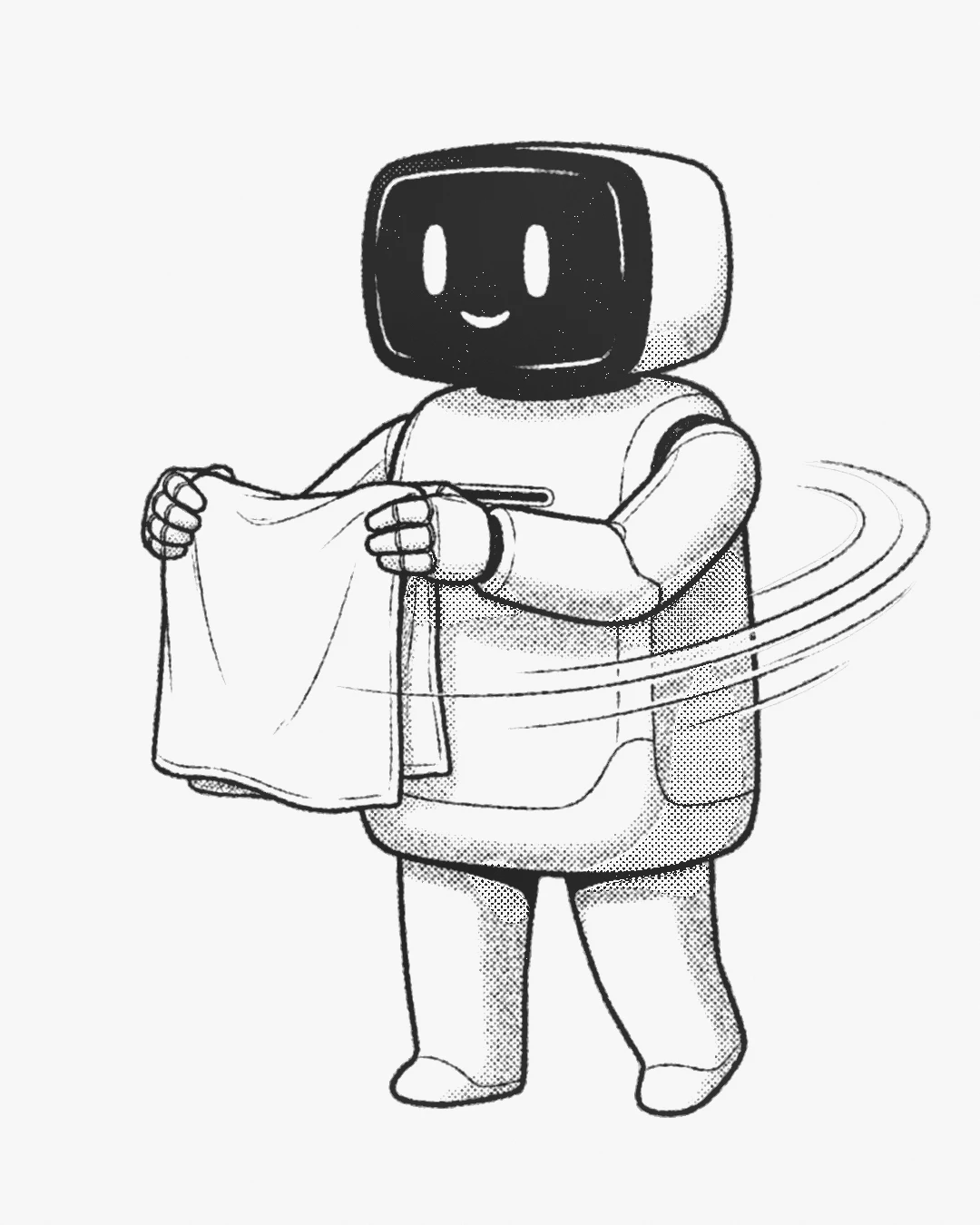
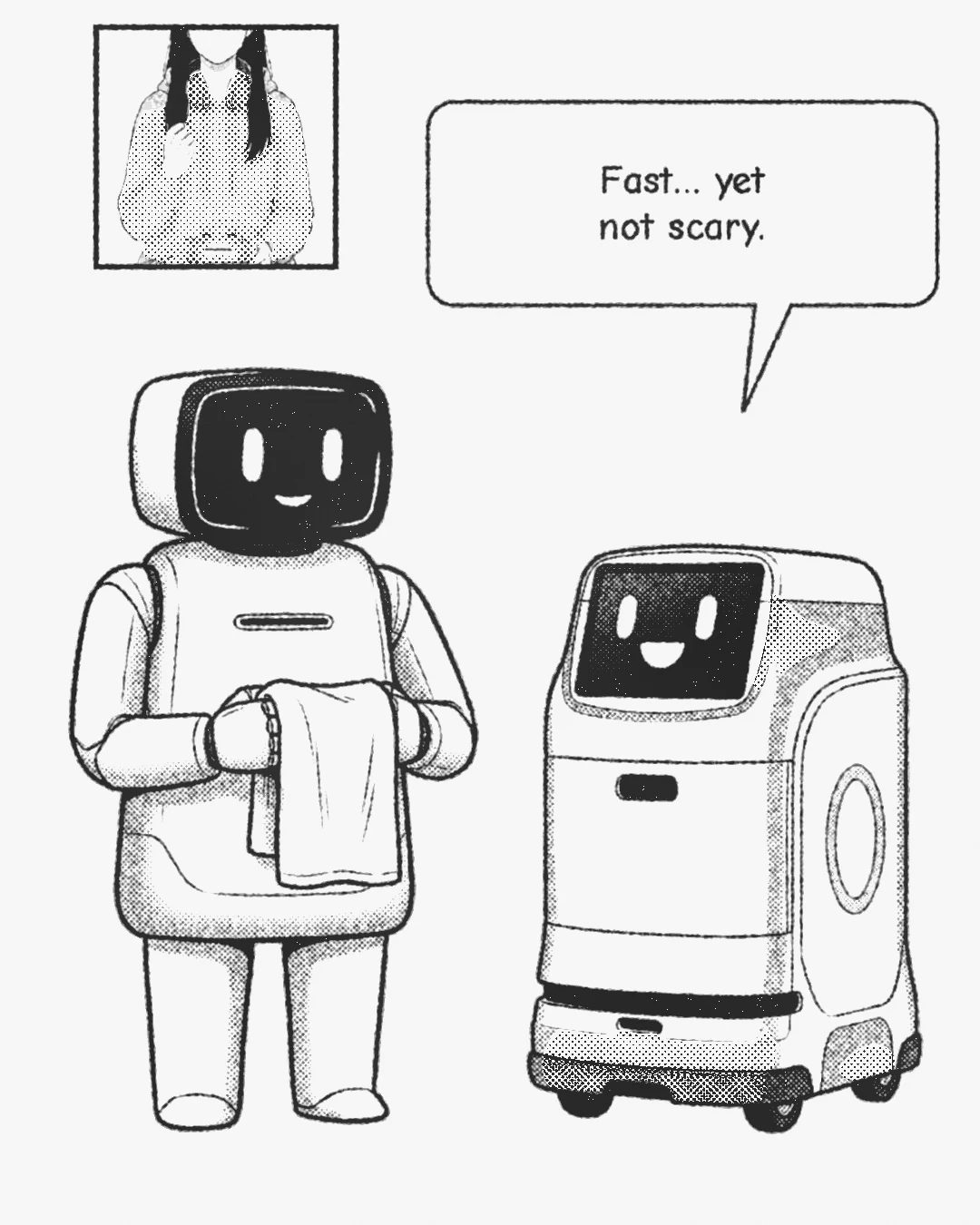
Midway through taking the towel, the Robo Avatar already entered the next command: “turn.” Entering the next move before the current one finishes is a gaming technique called input buffering. Pikarikun handed over the towel without stopping once, and Hakobukun murmured, “Fast… yet not scary.” If the robot accepts the next command mid-motion, it can move smoothly even with delay.
That is where skills sharpened by gaming make a difference.