
English 4-Koma | Archive
4コママンガarrow_forward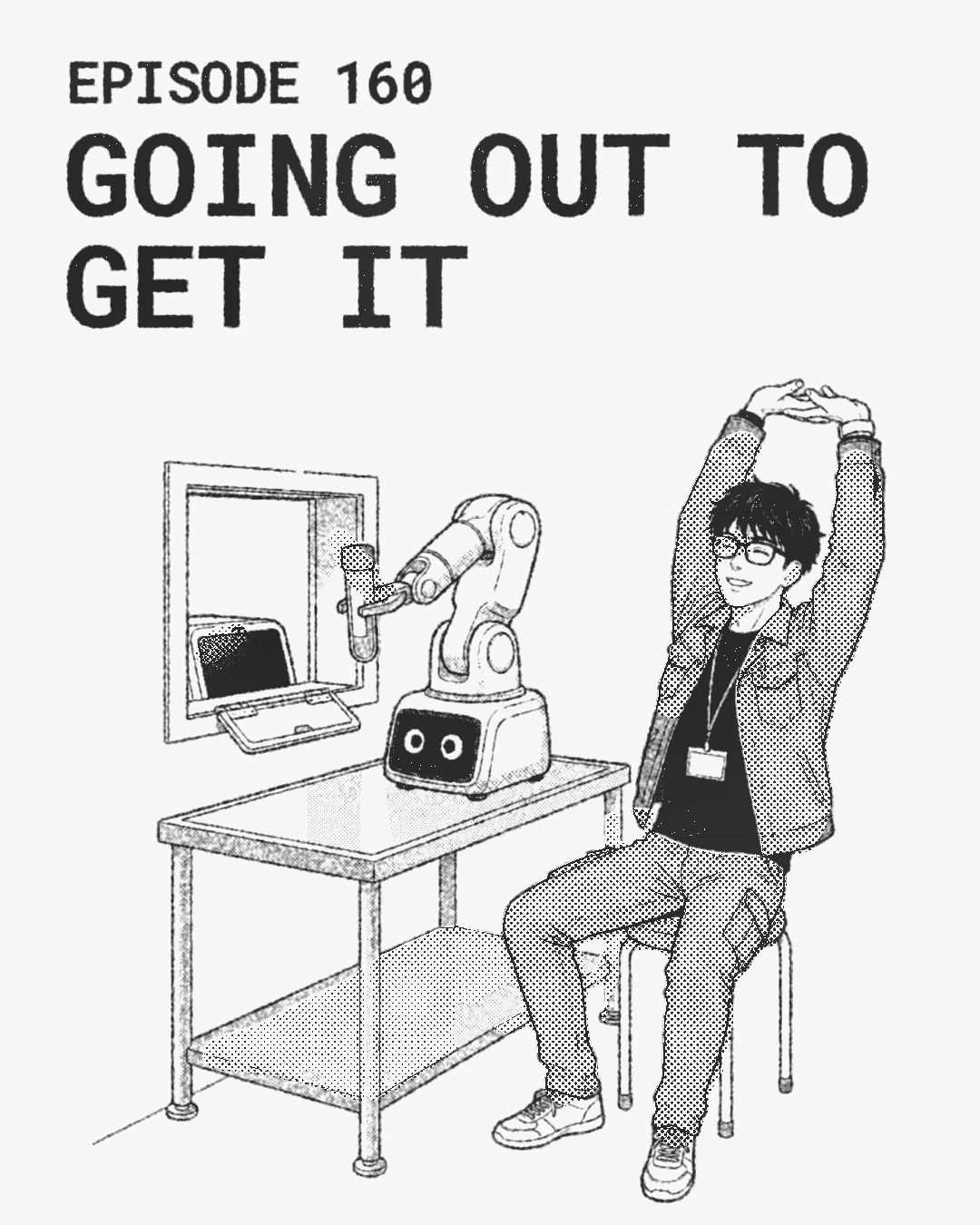
Count Going Out to Collect as Part of the Delivery
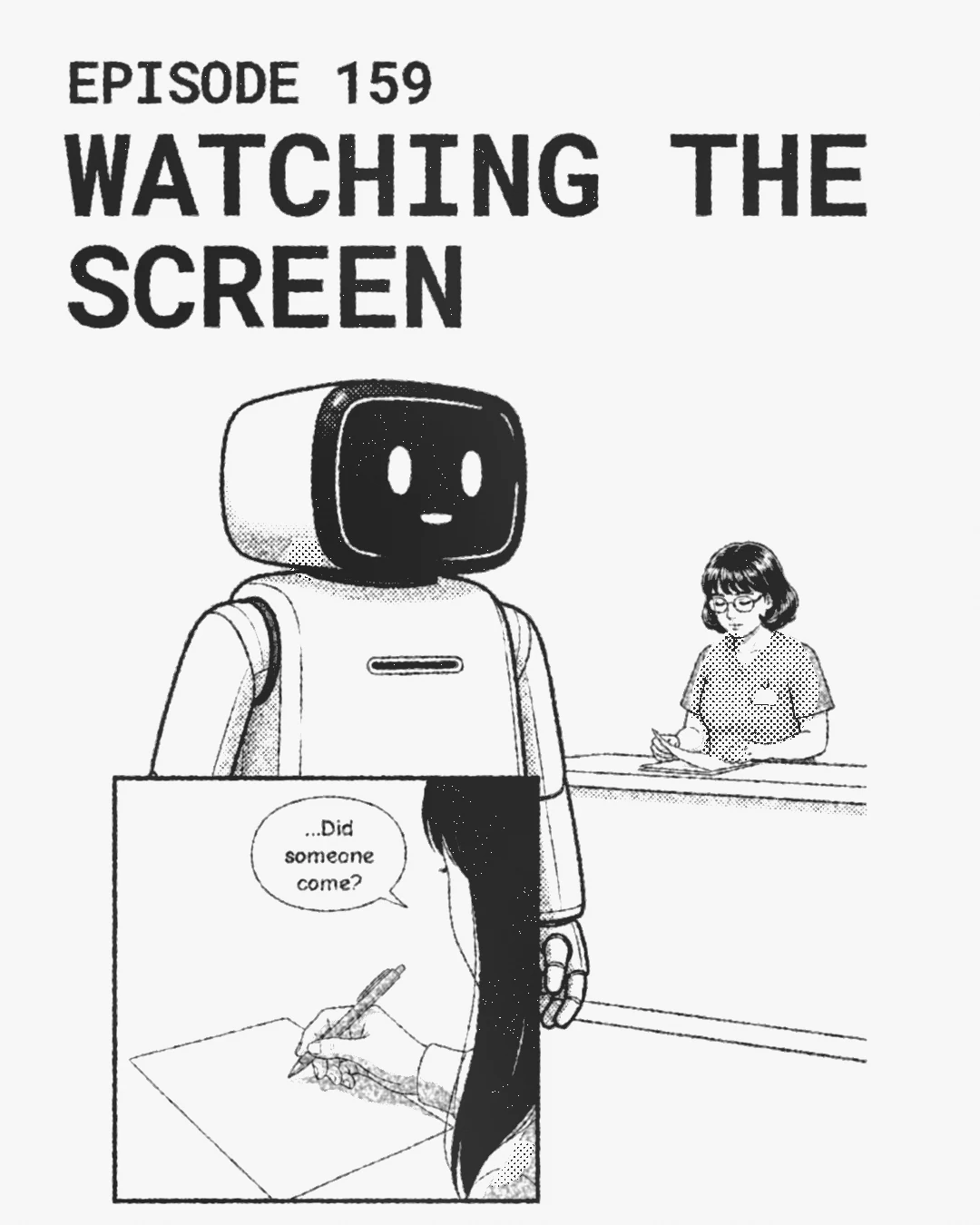
Free the Operator's Hands With an Alert When Someone Comes
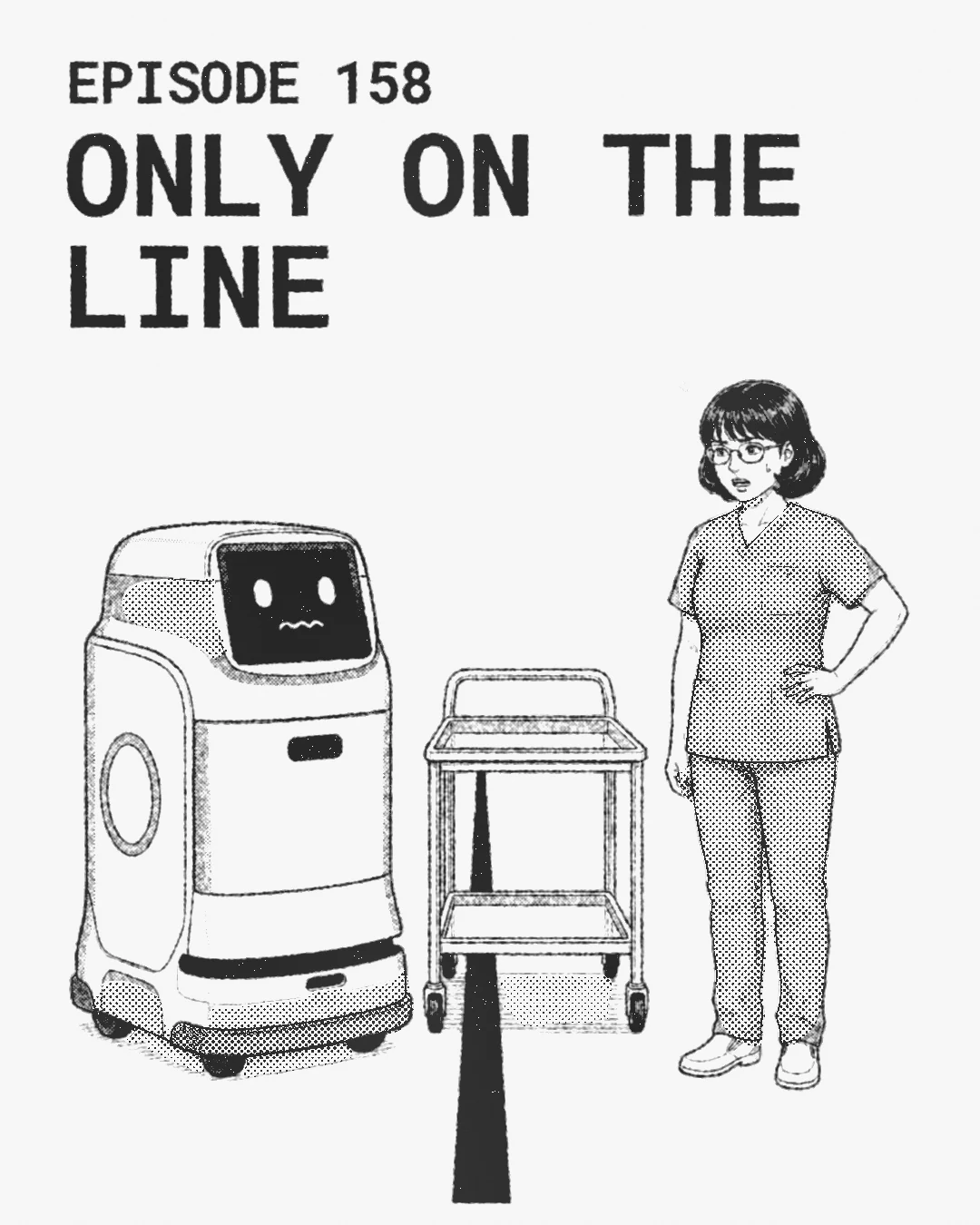
Following a Line Means Keeping the Line Clear
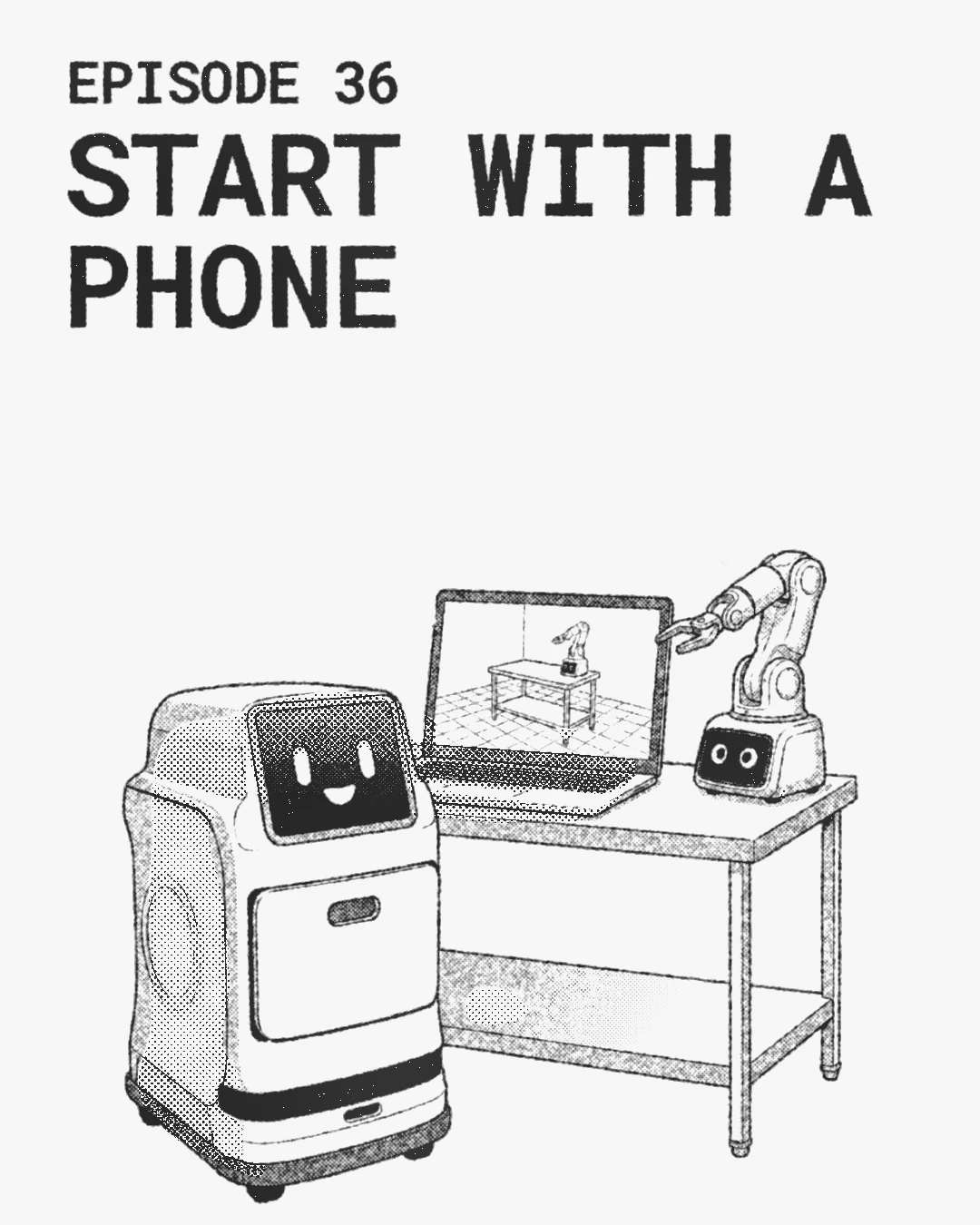
Build a Practice Room With a Phone Camera
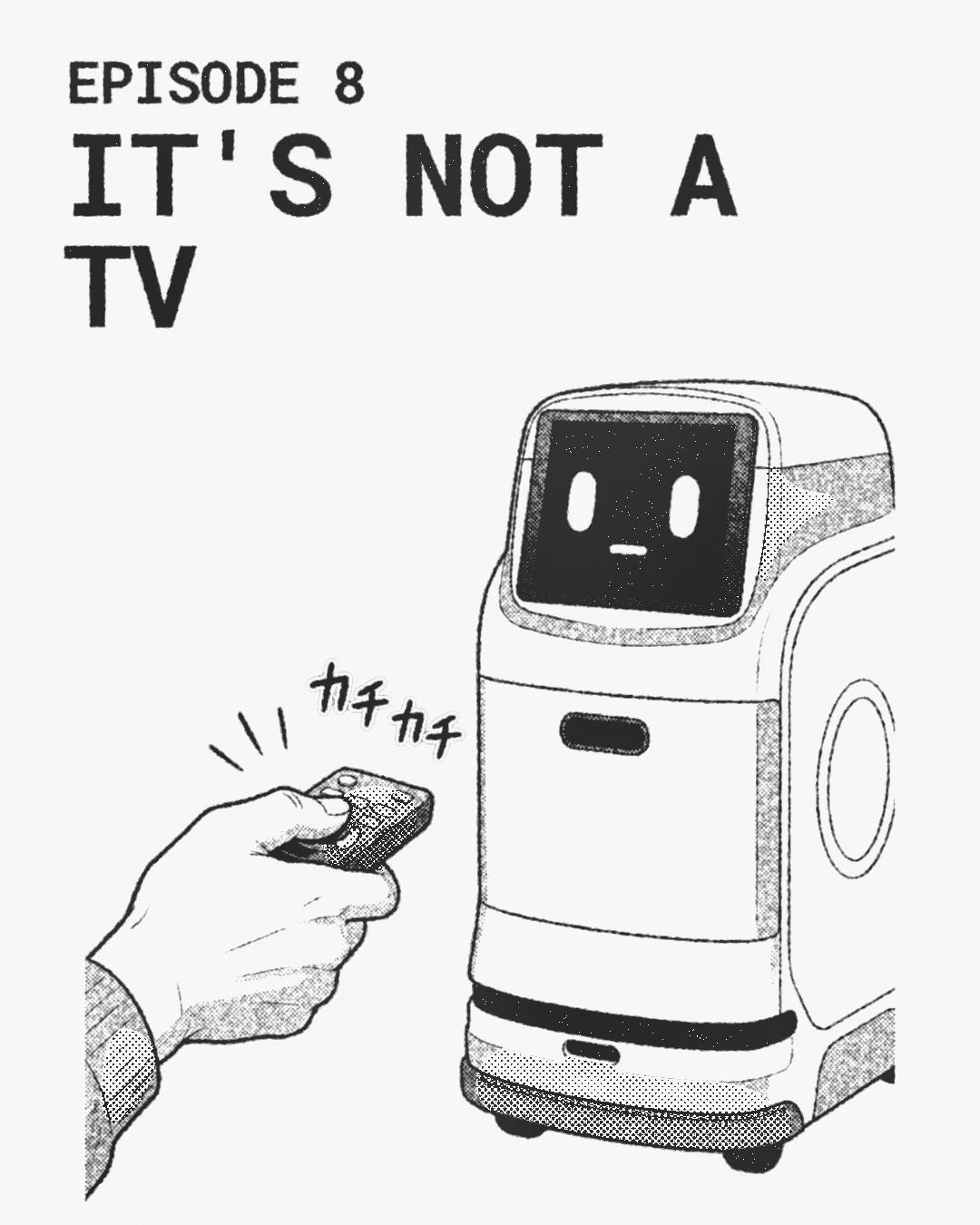
A Familiar Shape Invites a Familiar Use
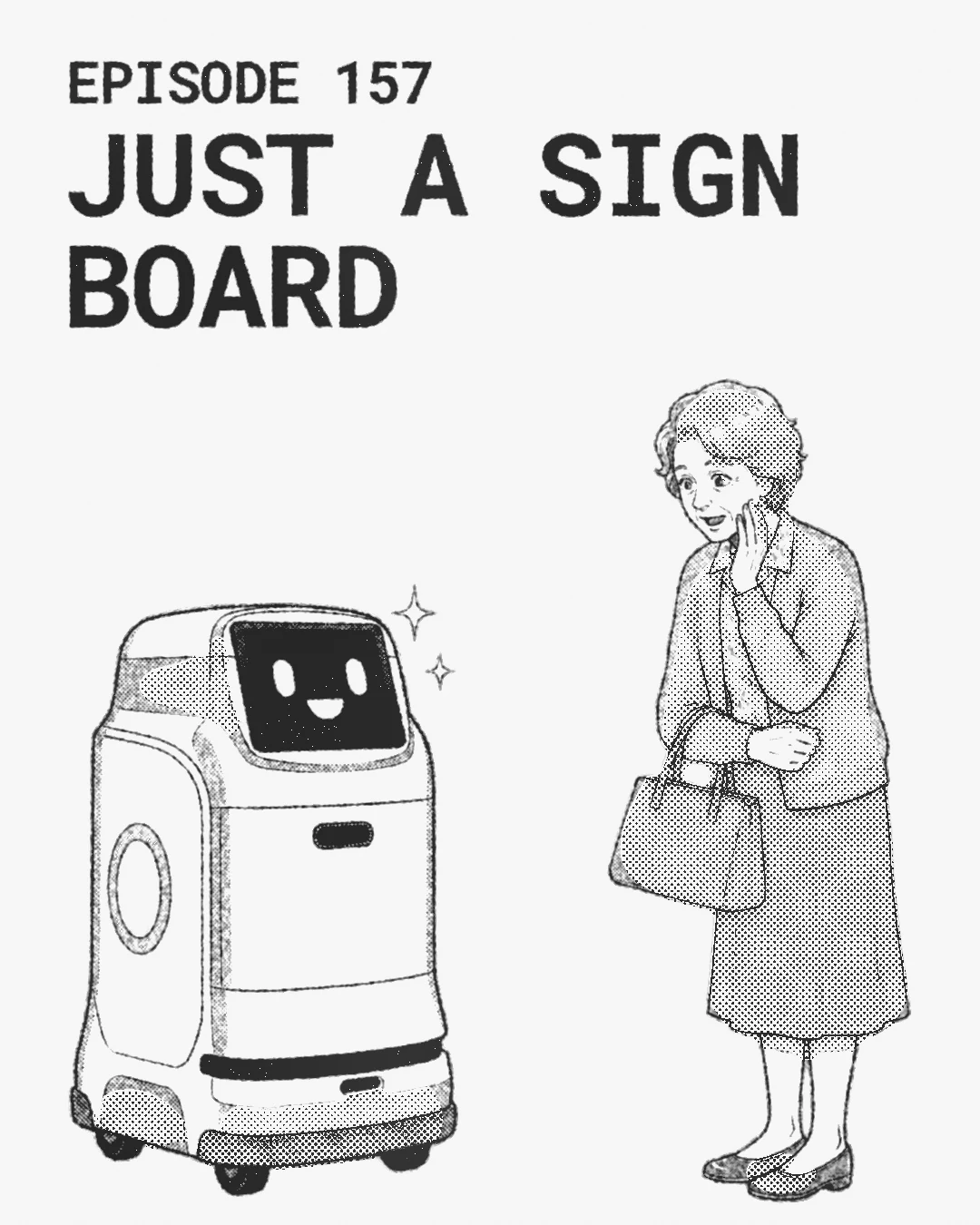
Let People Know the Robot Can Talk With the First Word
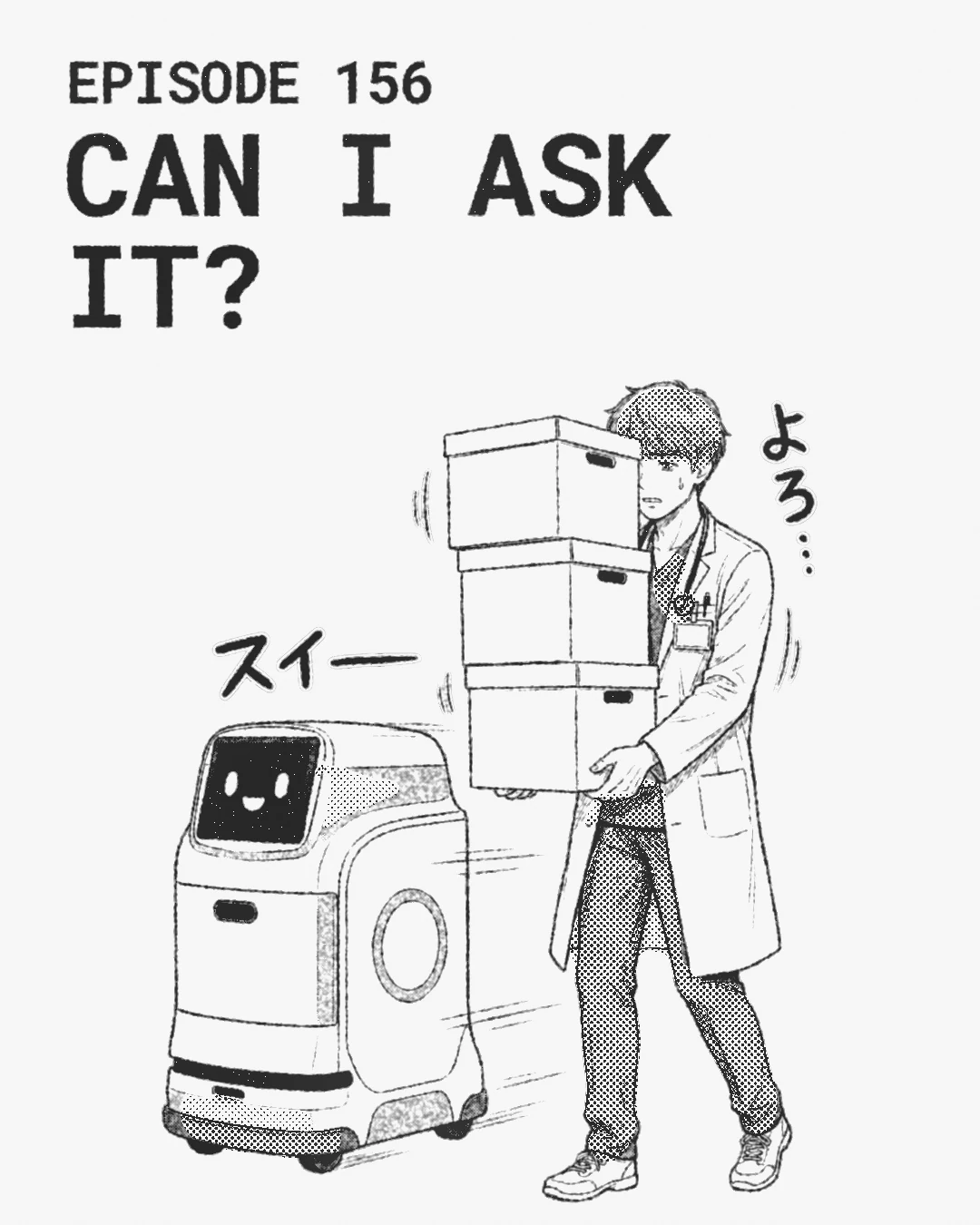
Show People When They May Use the Robot and How to Ask
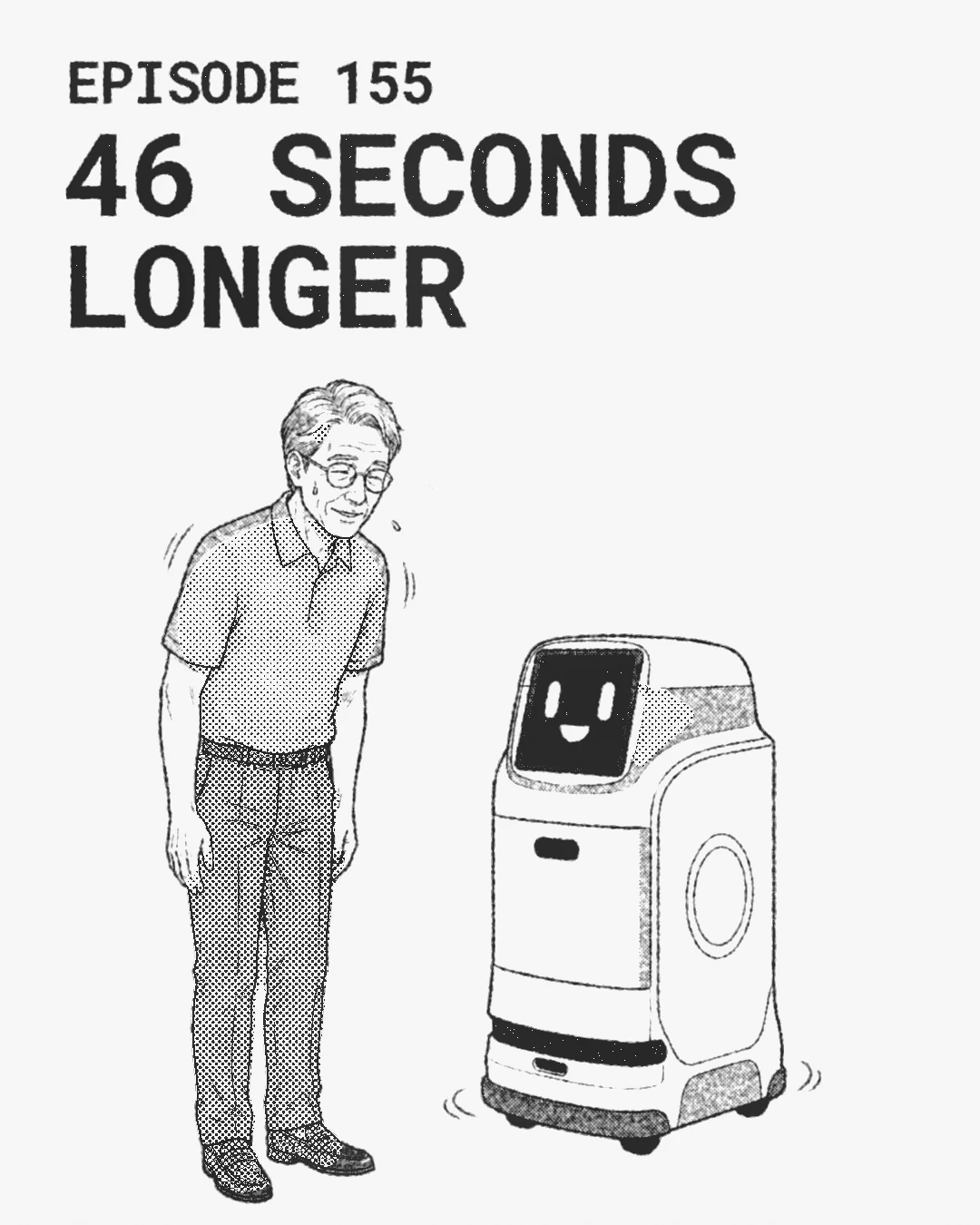
A Robot Can Save Someone's Work and Still Add Time Overall
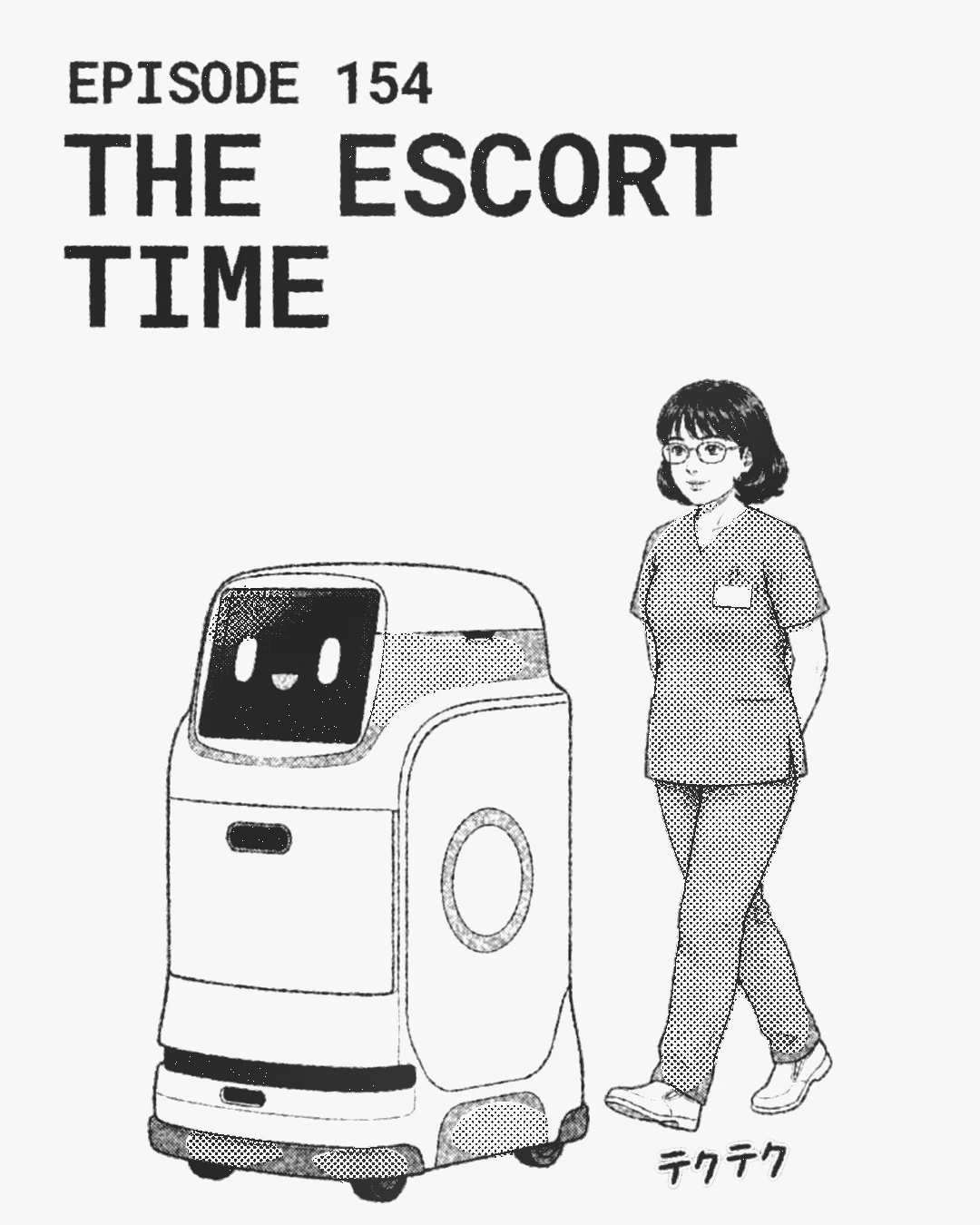
Count the Time People Spend Escorting the Robot
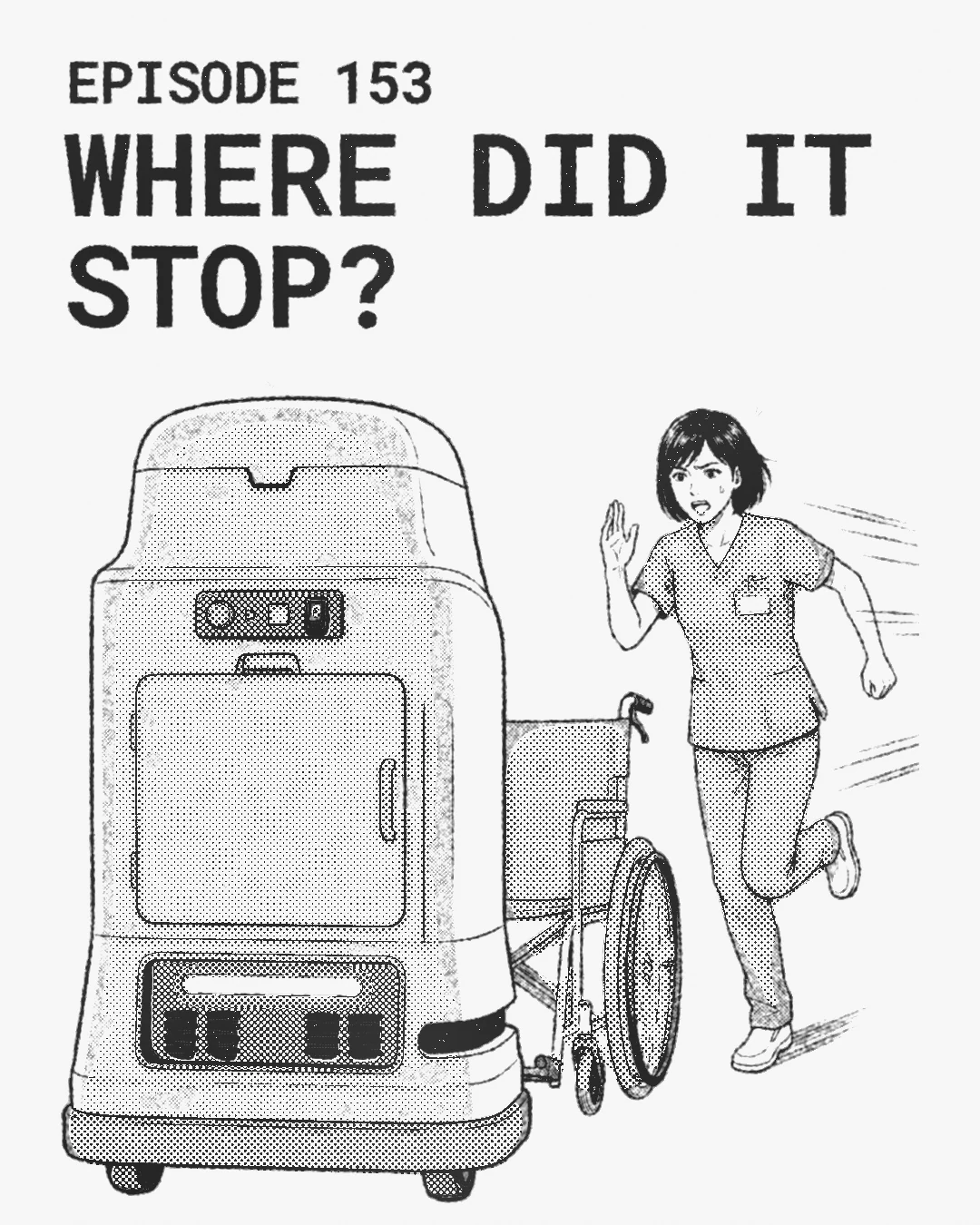
When a Robot Stops, Tell the Person Who Asked Where and Why
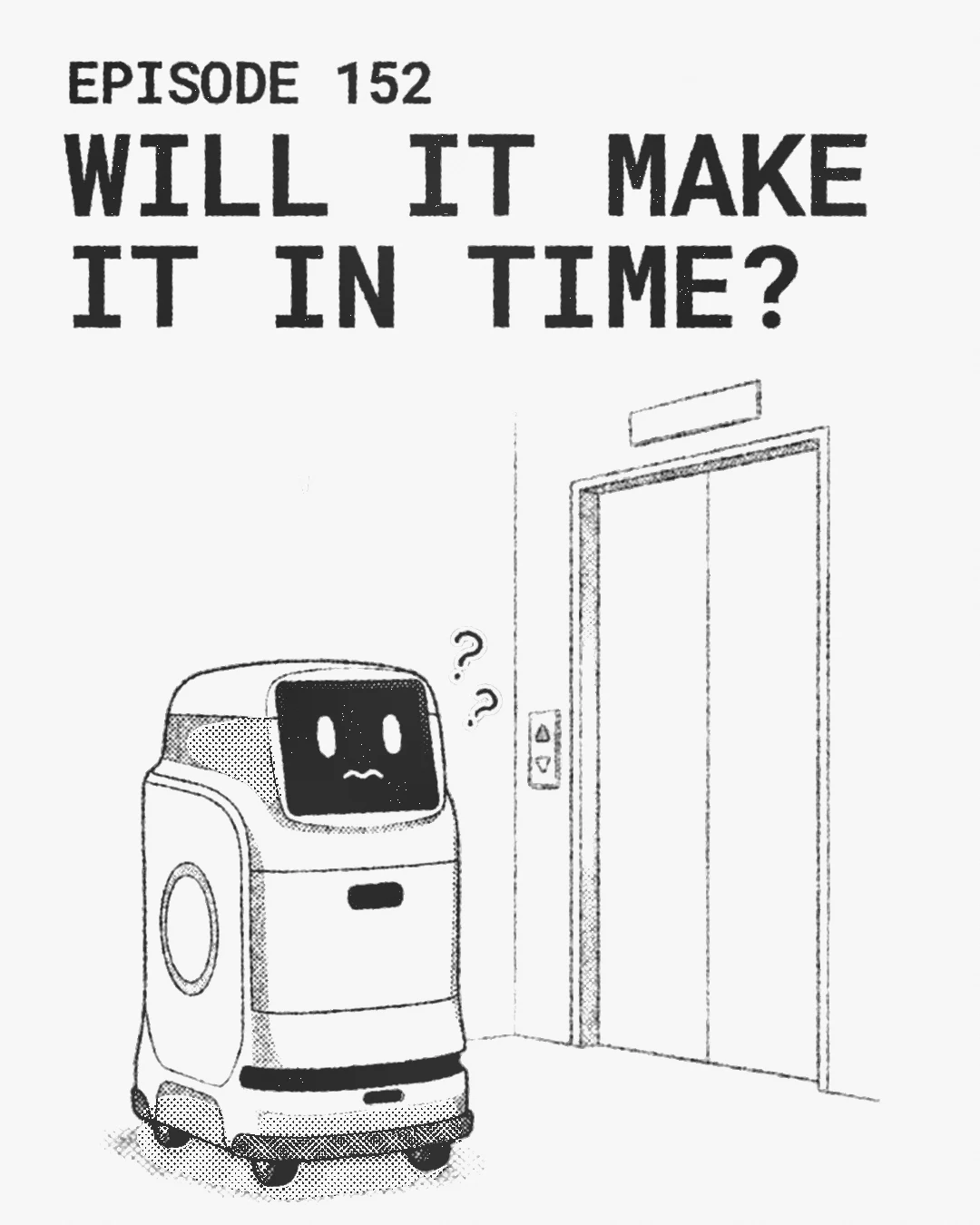
Before Trusting a Robot With Time-Critical Items, Measure It
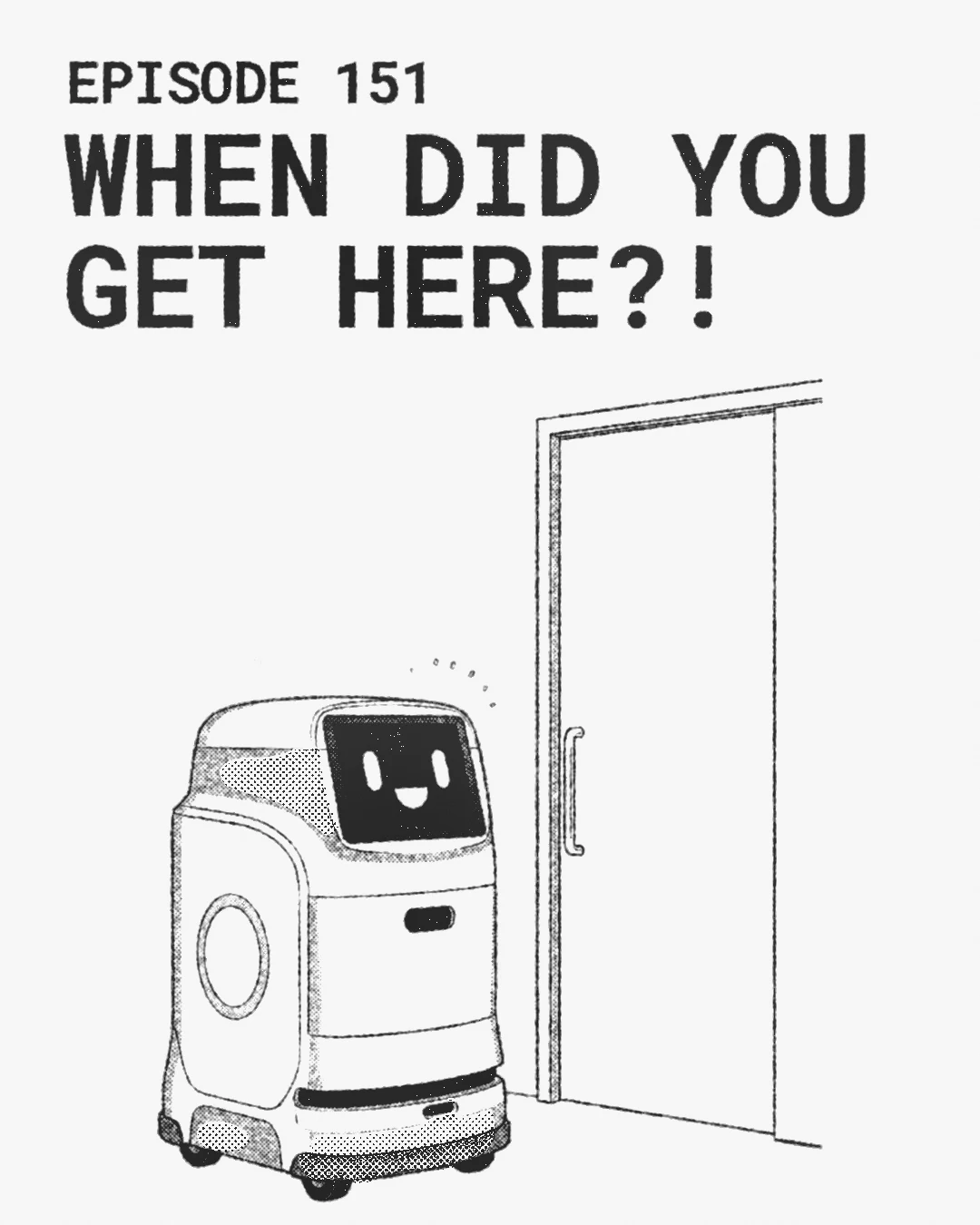
Arriving Means Nothing Until Someone Knows

Count the Steps on the Floor, Not in the Manual
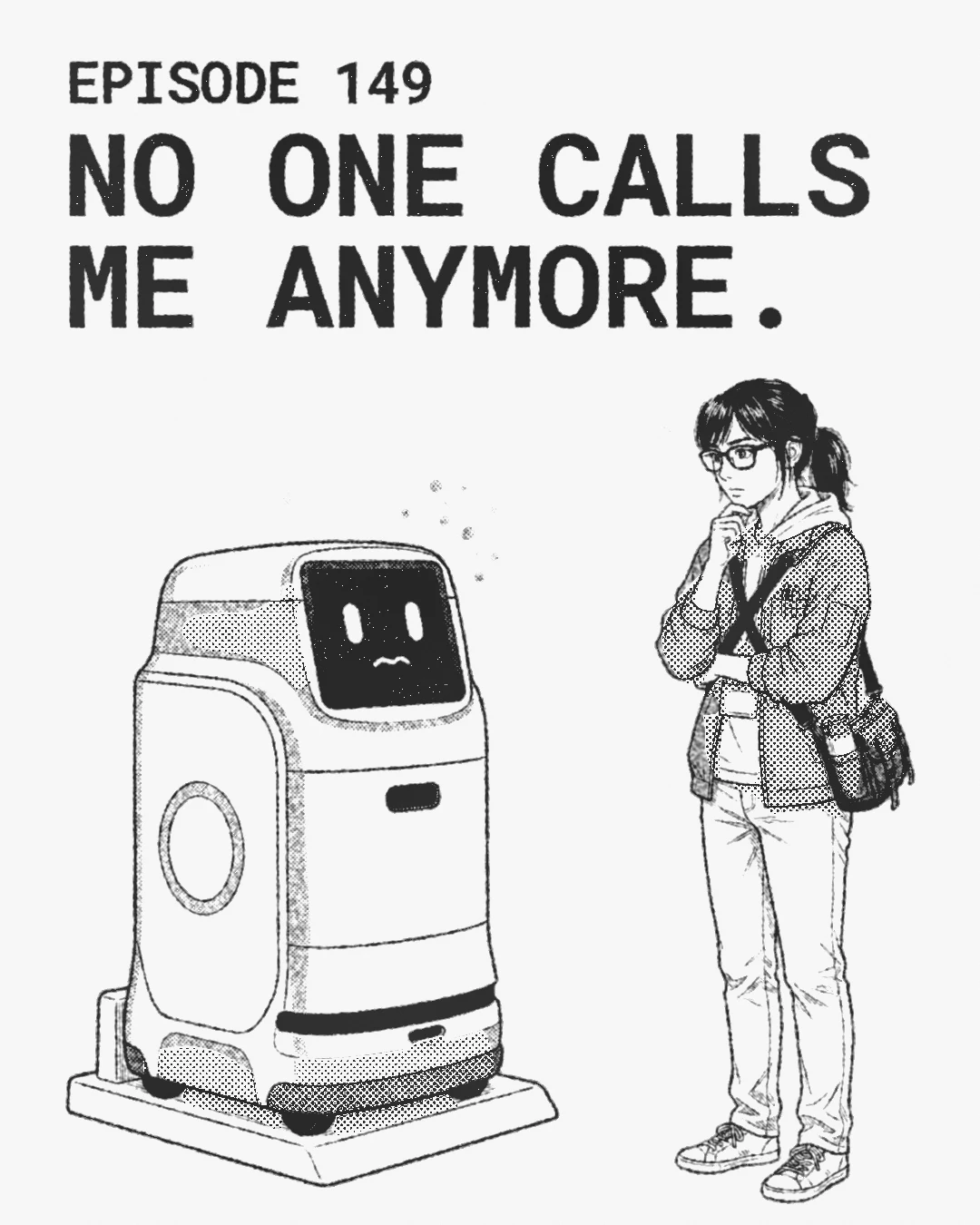
When People Can't Rely on a Robot, They Quietly Do It Themselves
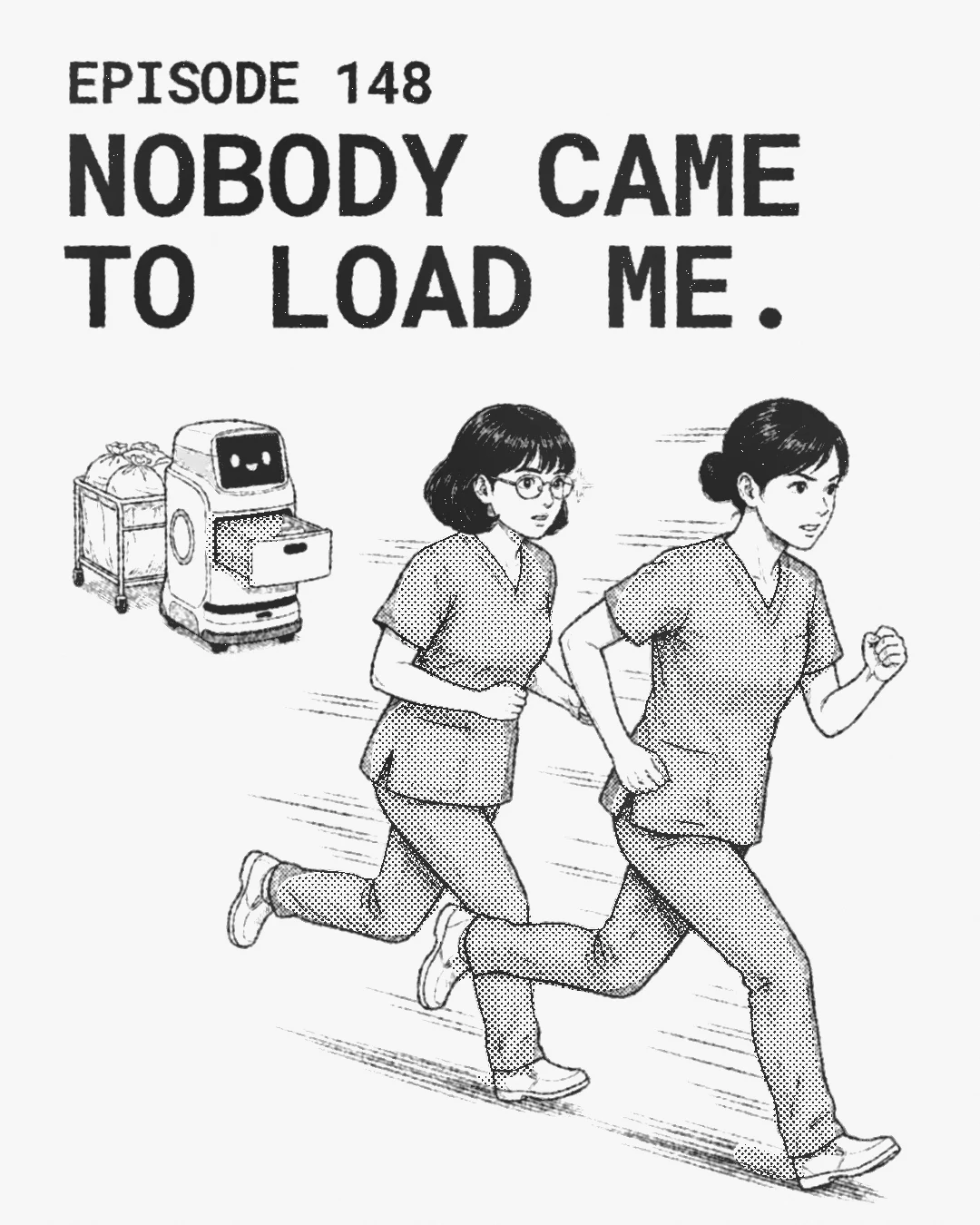
Robot Work Includes the People Who Load It
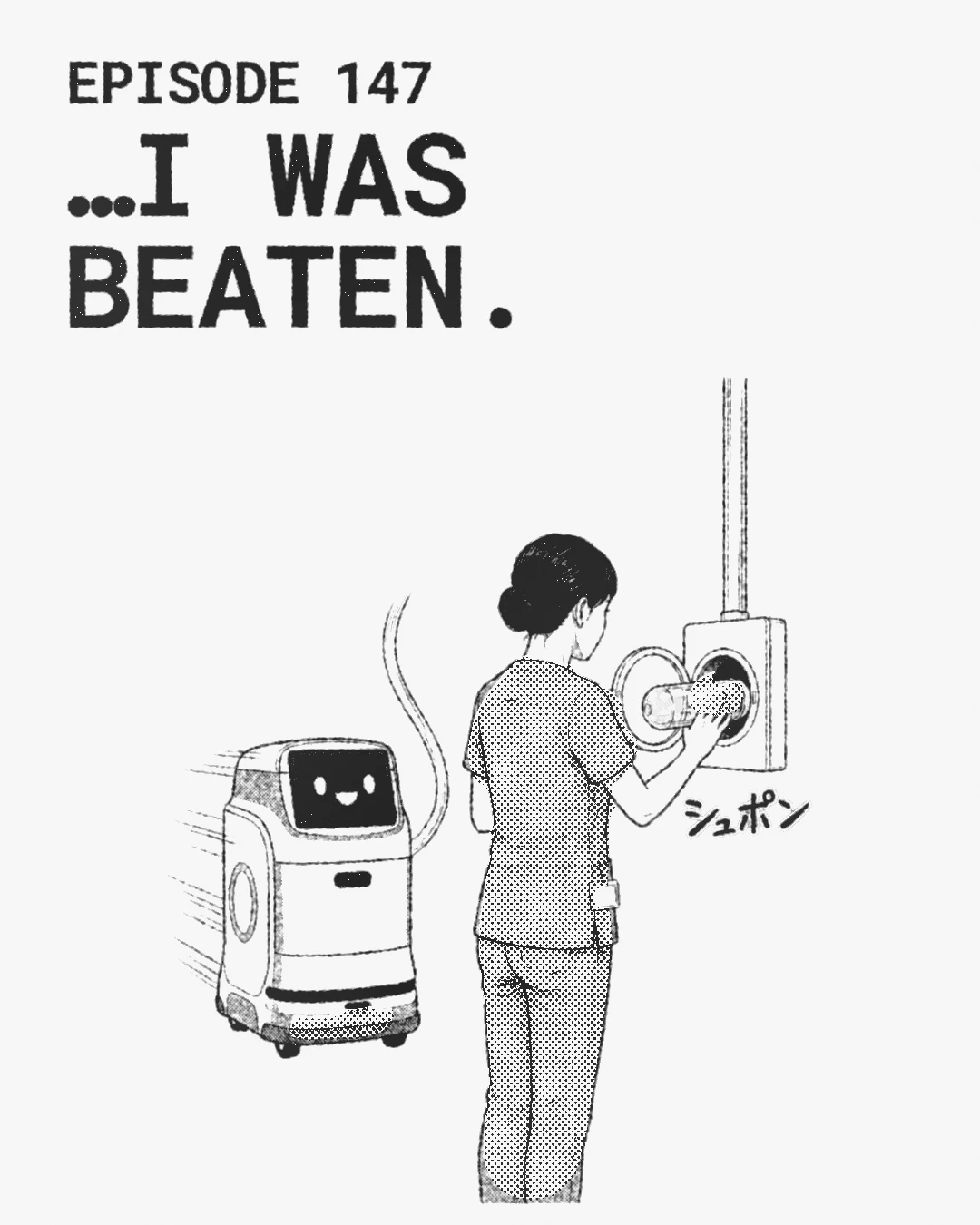
Robots Don't Only Replace People
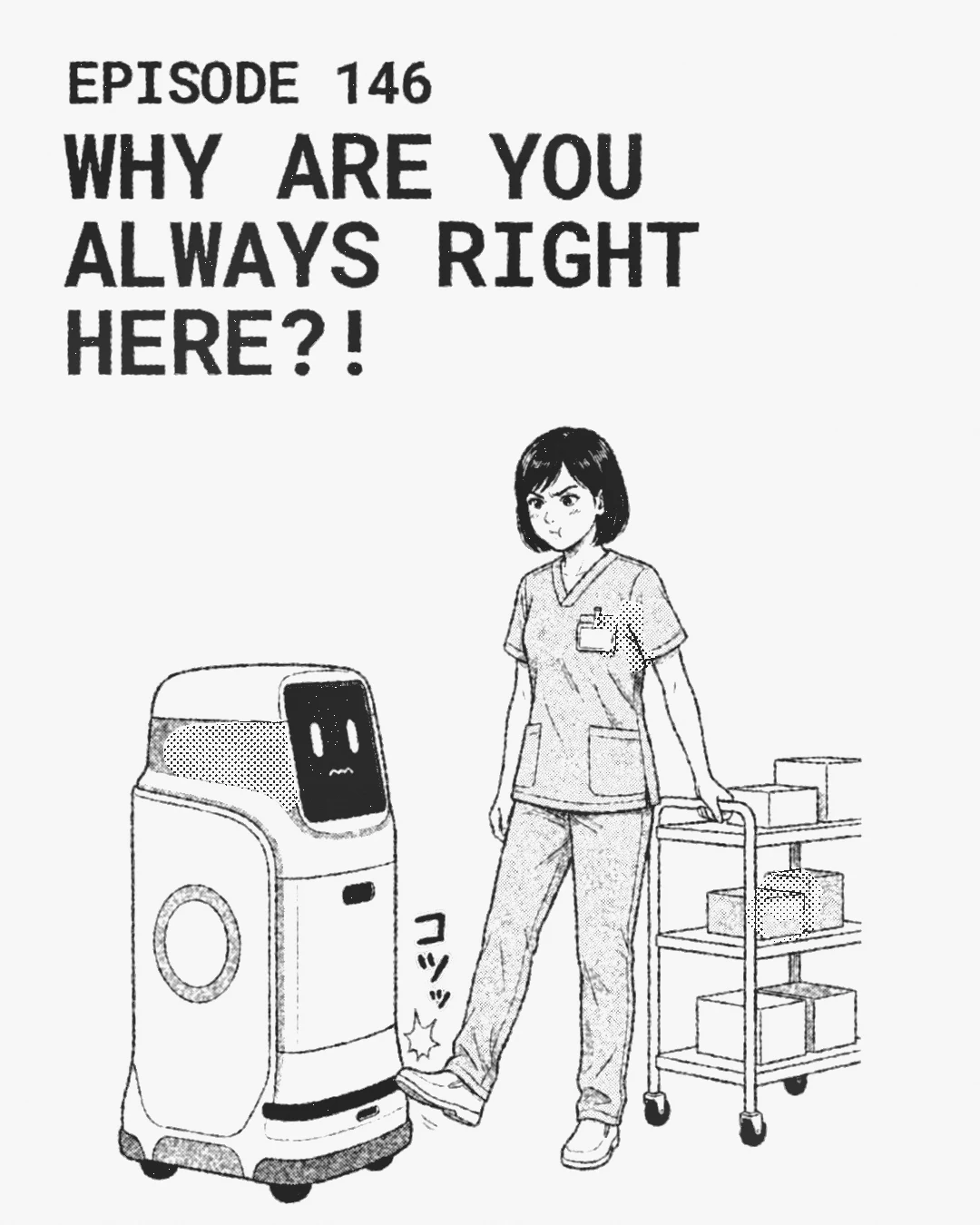
When a Robot Gets Kicked, Look for the Cause
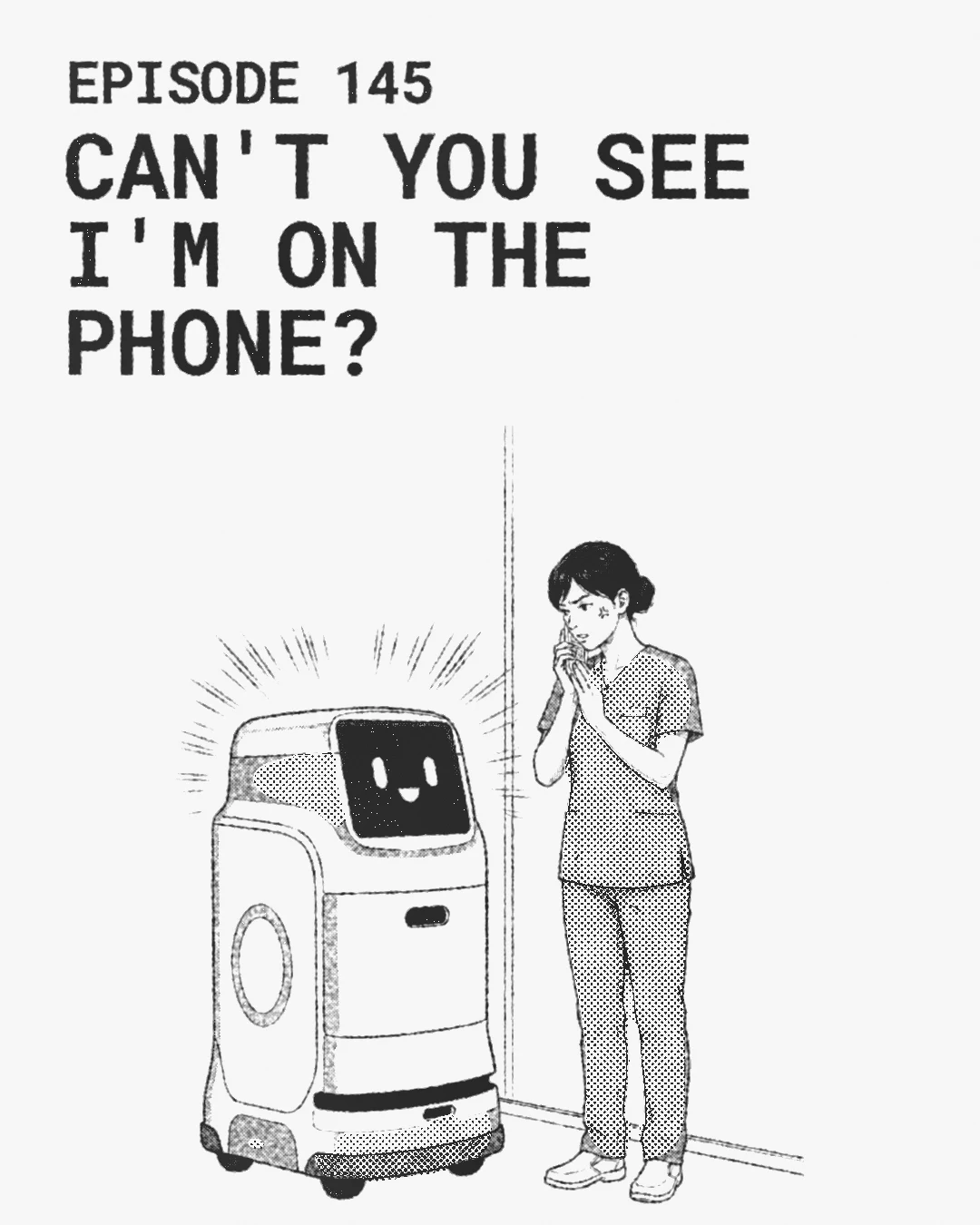
Choosing When to Speak Up
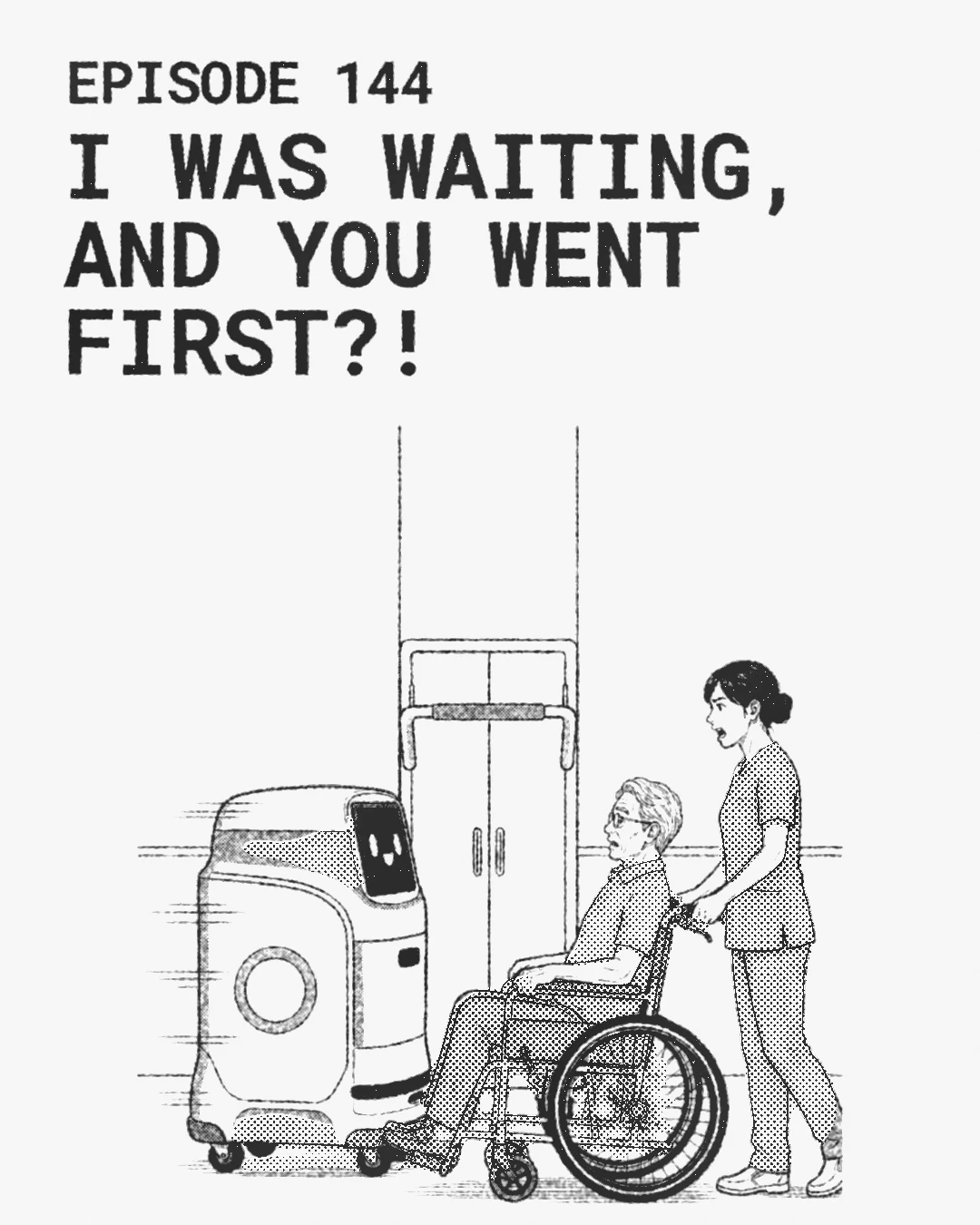
Robots Join the Hallway Etiquette Too
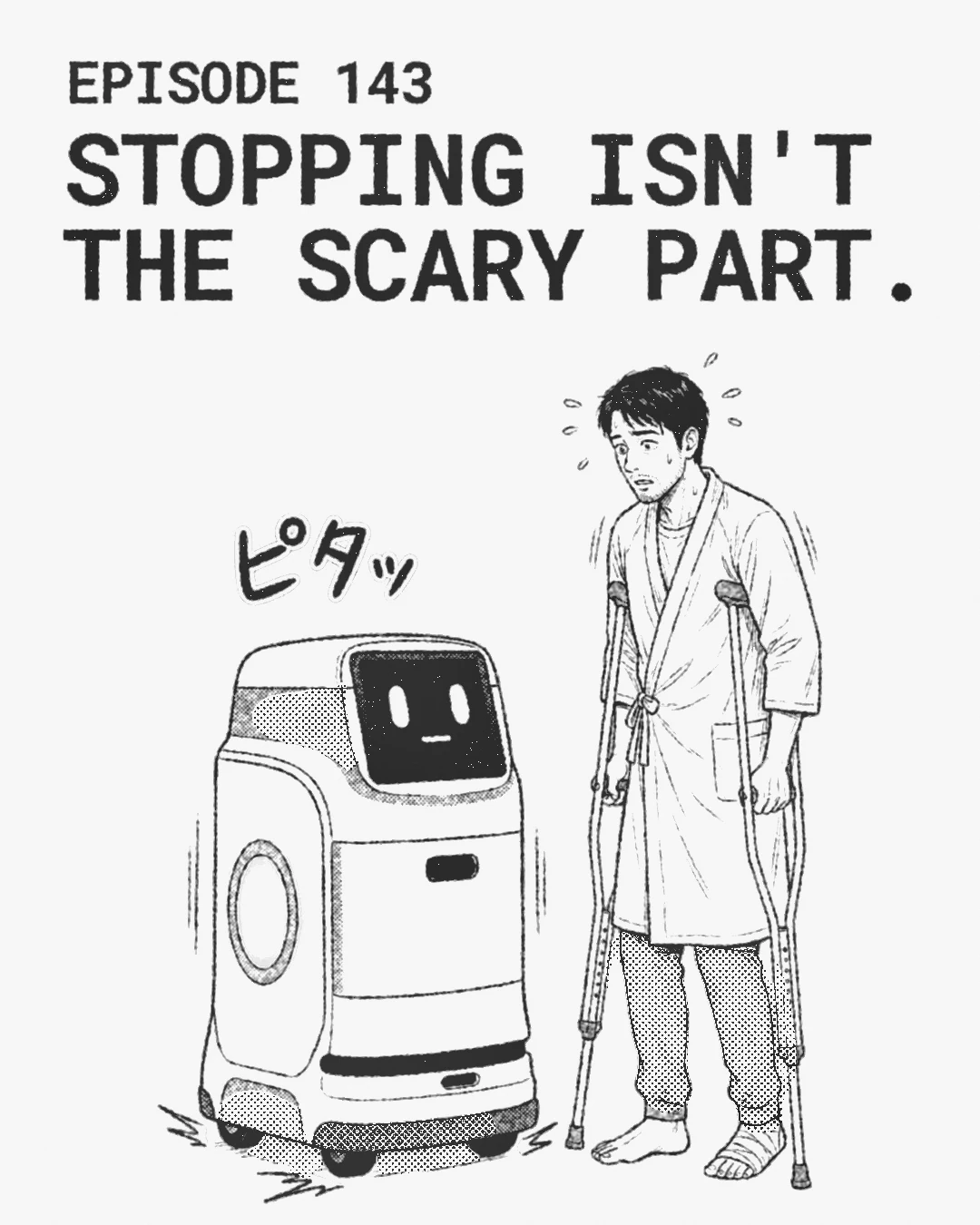
Stopping Is Not the Same as Showing You'll Stop
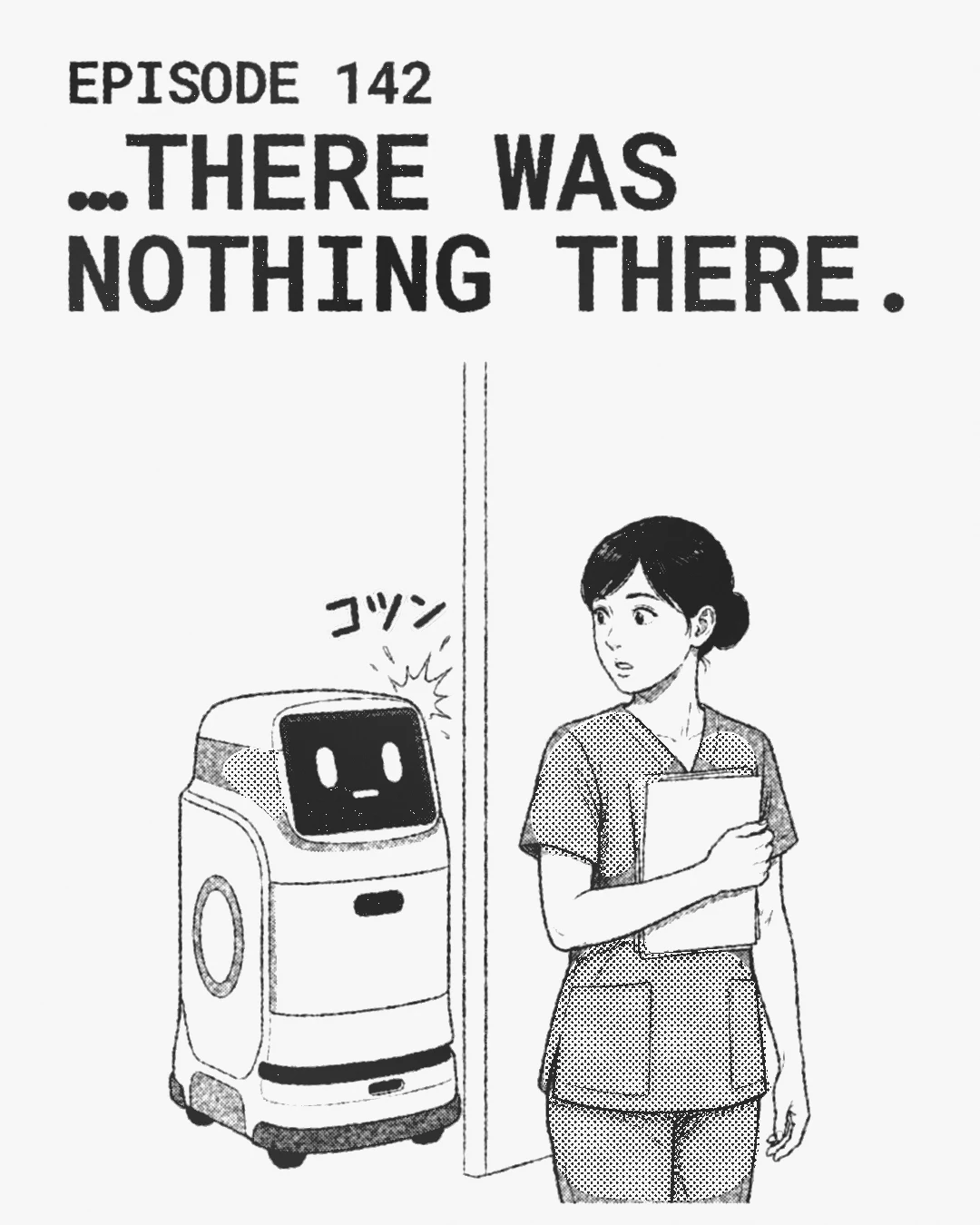
Mapping the Walls Robots Can't See
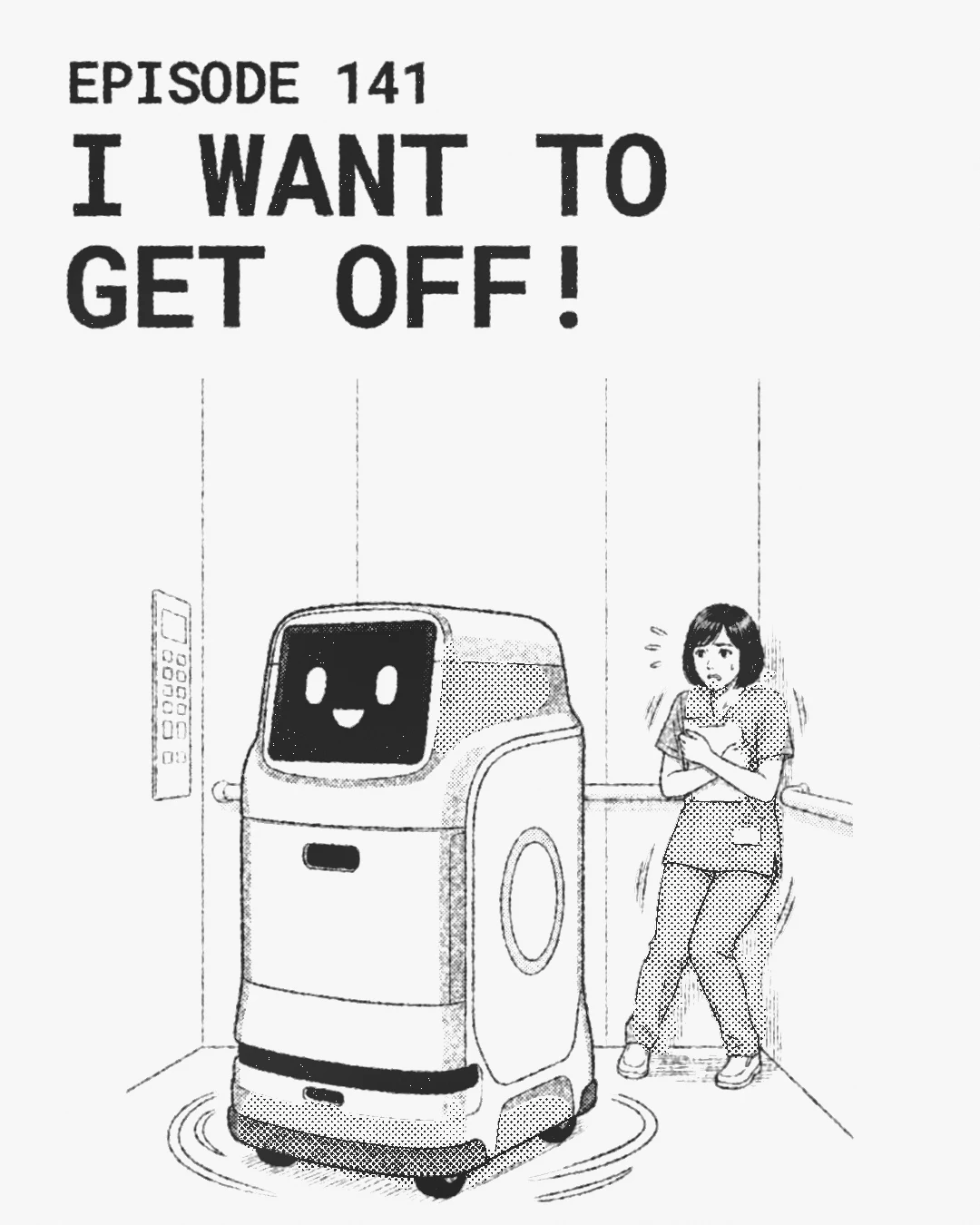
Leave People a Way Out

When in Doubt, Ask a Human
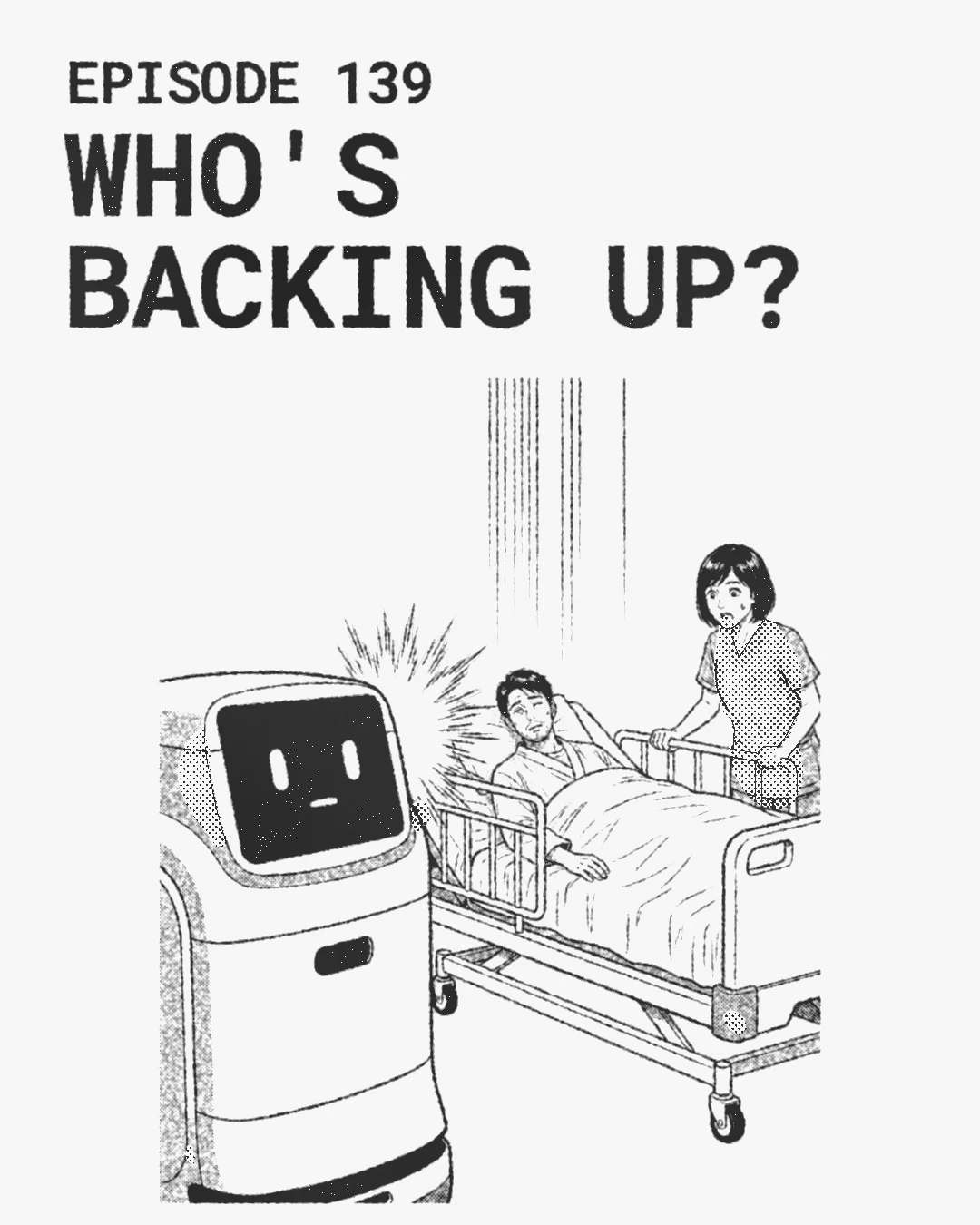
Borrowing the Building's Eyes
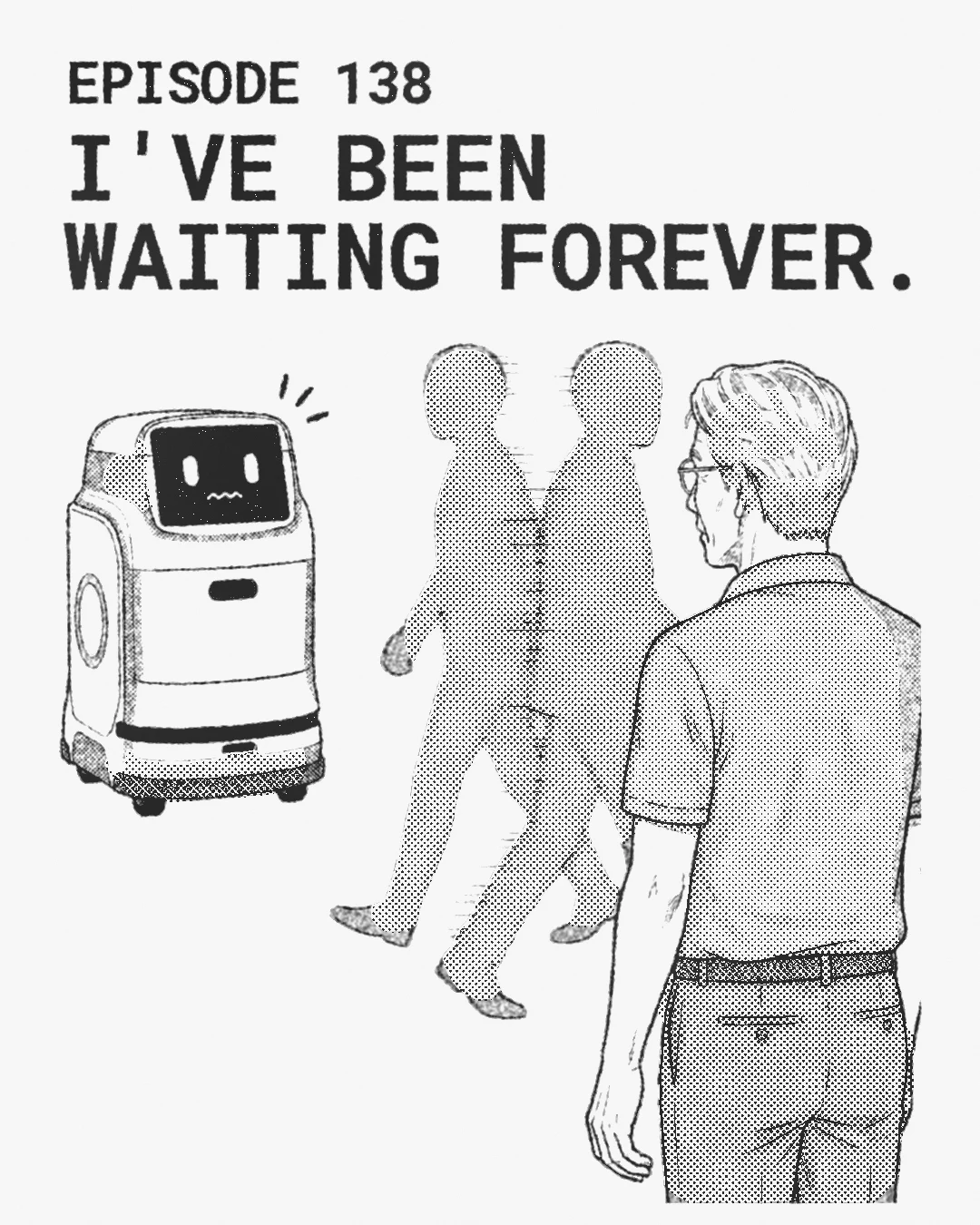
Busy Spots Make Bad Robot Stops

The Hallway That Jams Every Morning
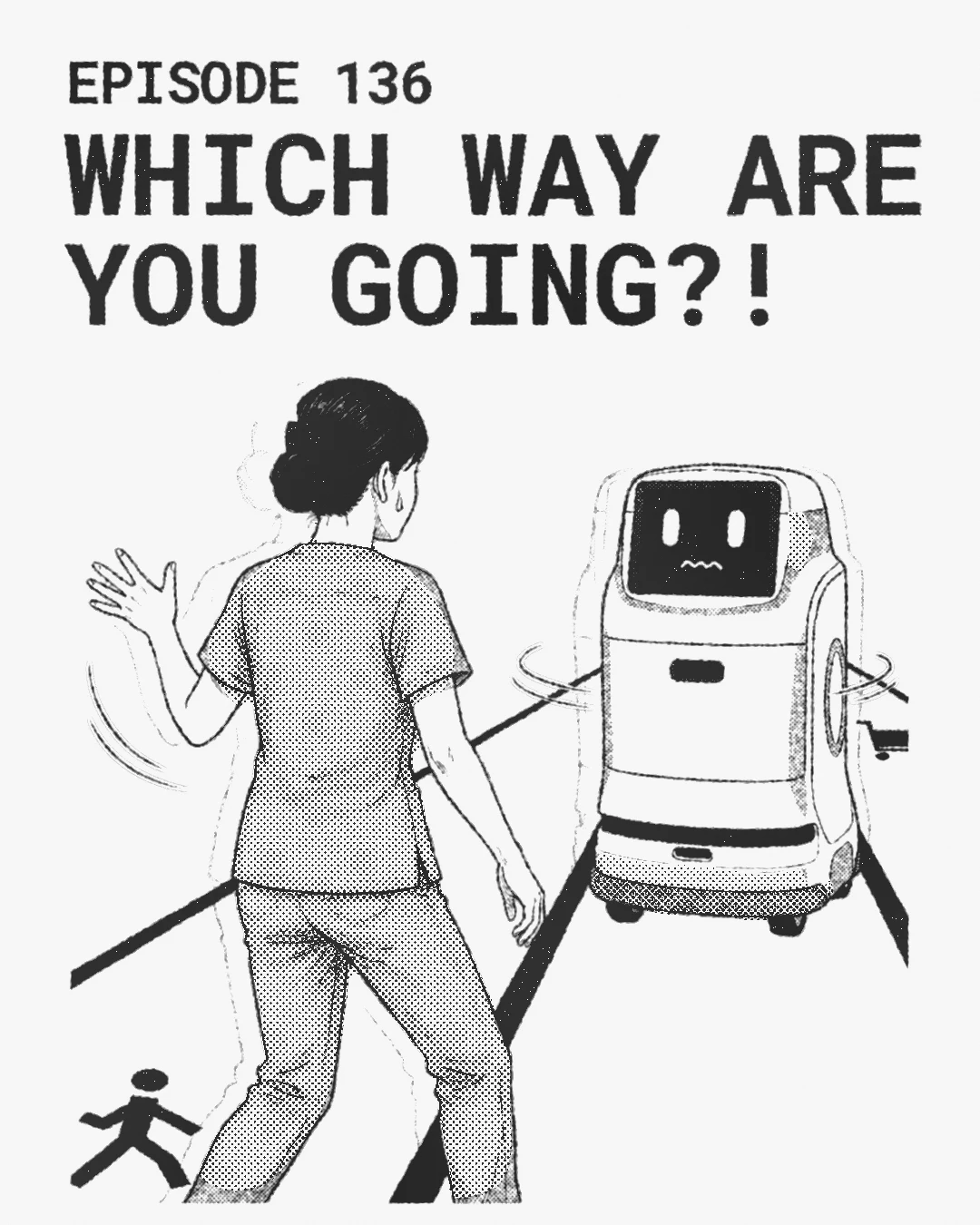
Which Side Is the Robot On?

Where It Stops Matters
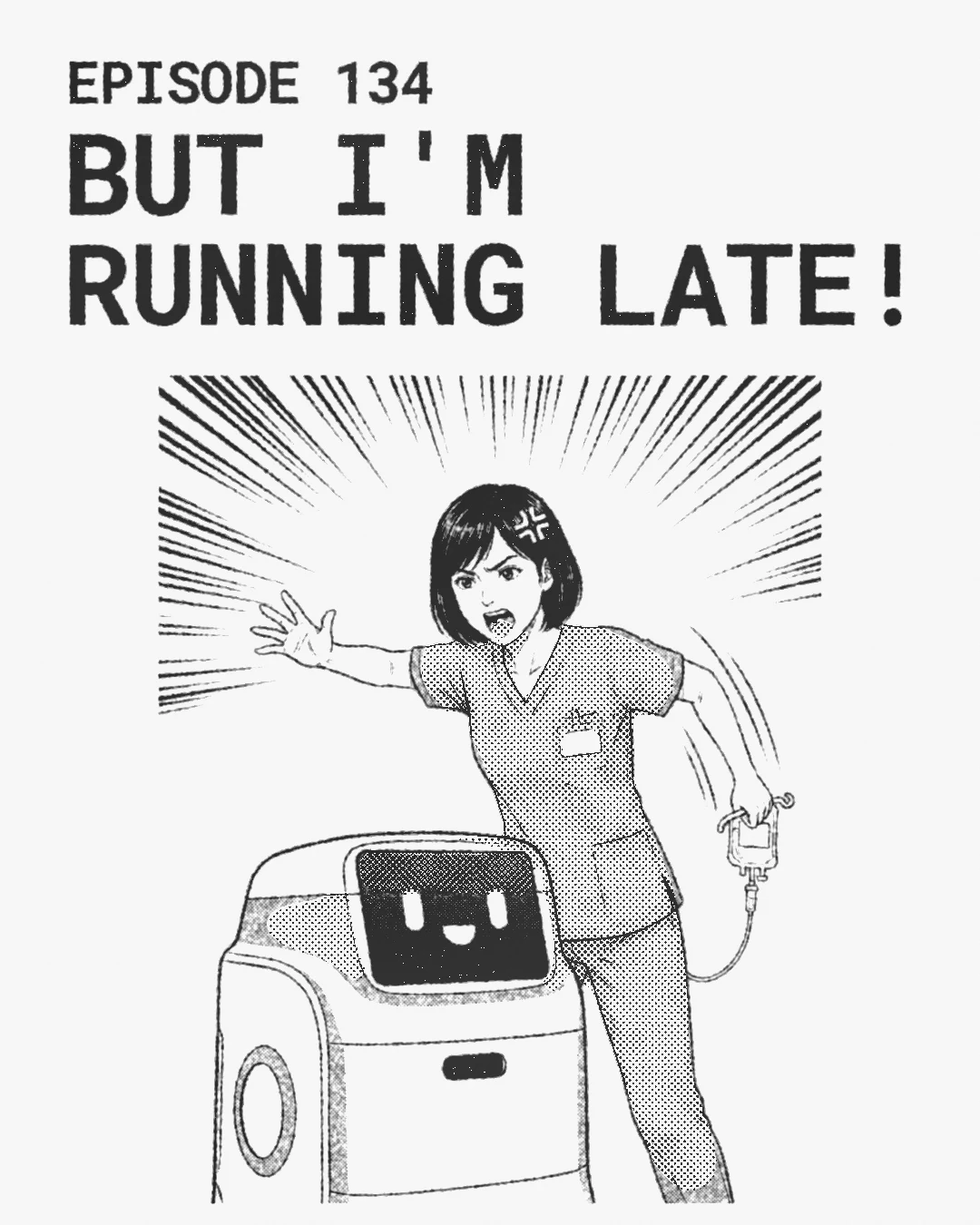
Slow Isn't Always Safe
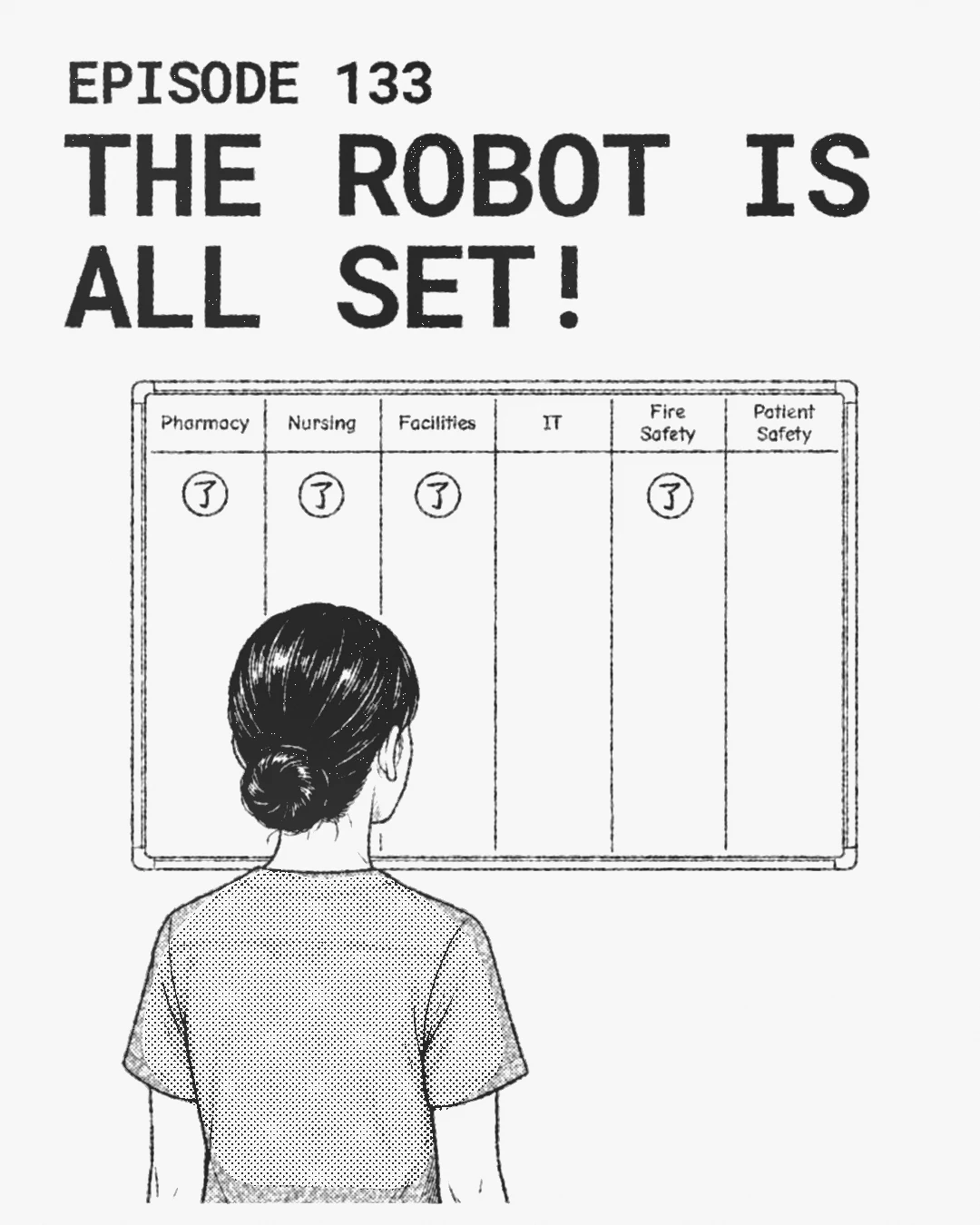
Two Months to Collect Six Stamps
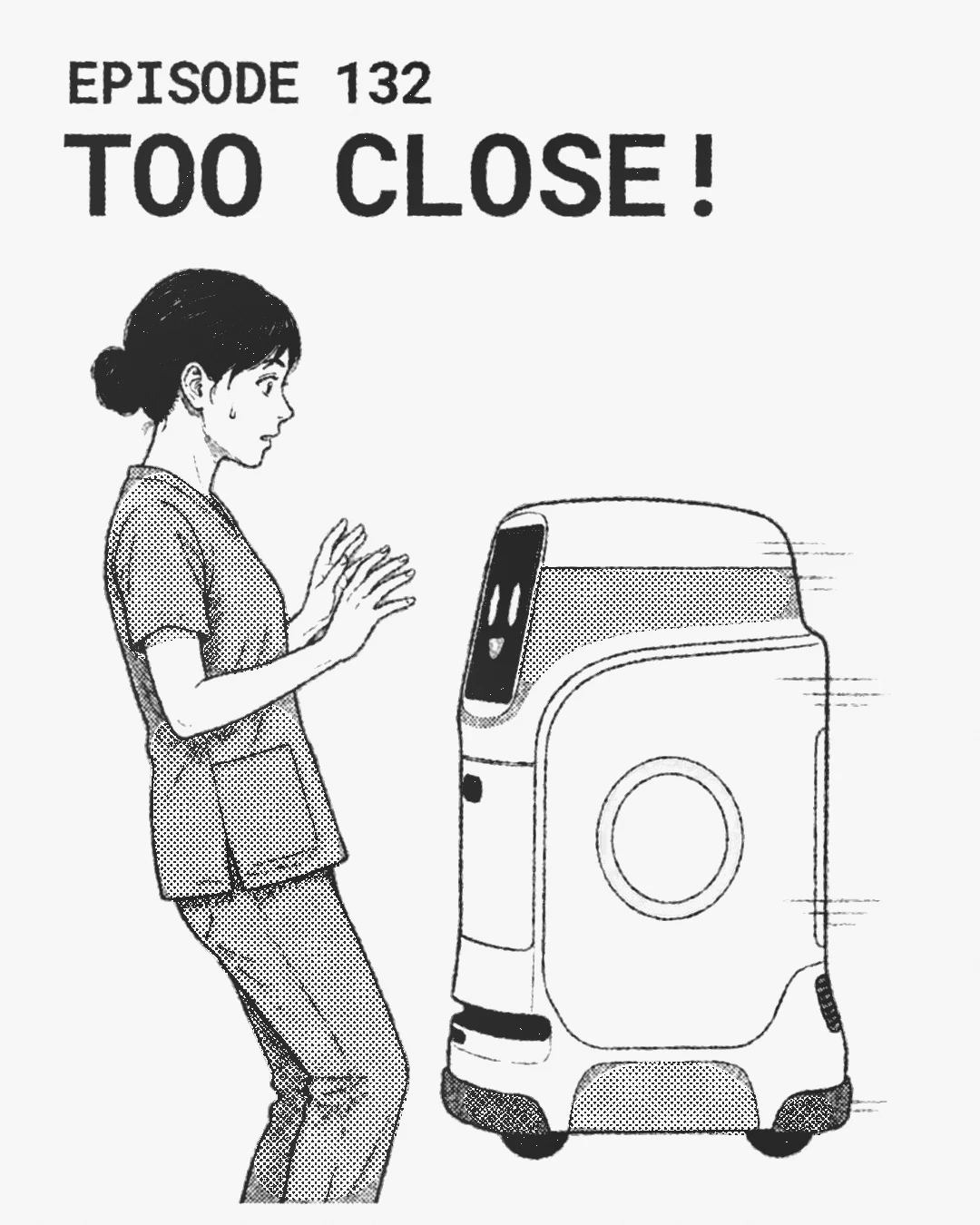
On the Day It Gets Smarter, Check How It Stops
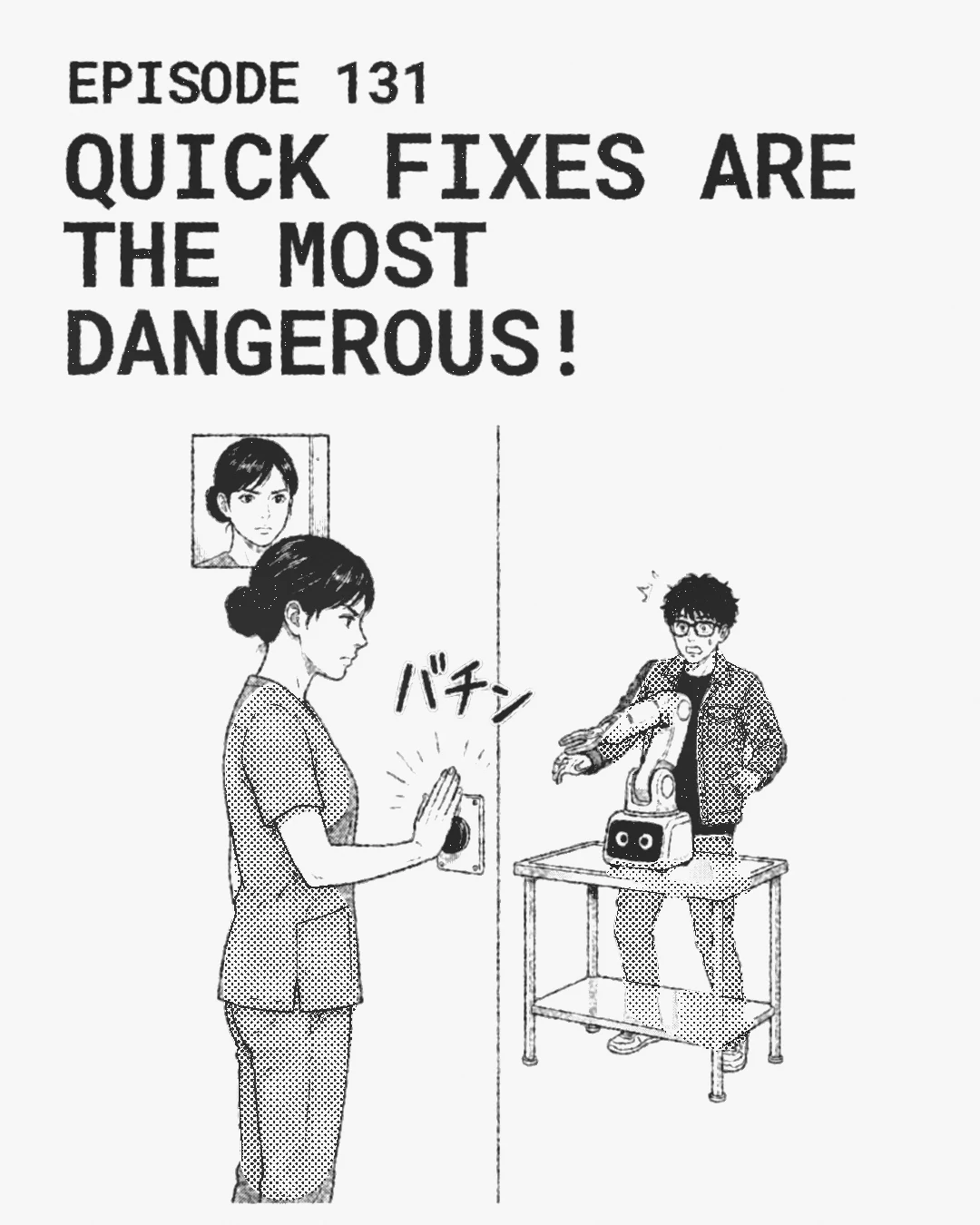
For a Quick Fix, Stop It First
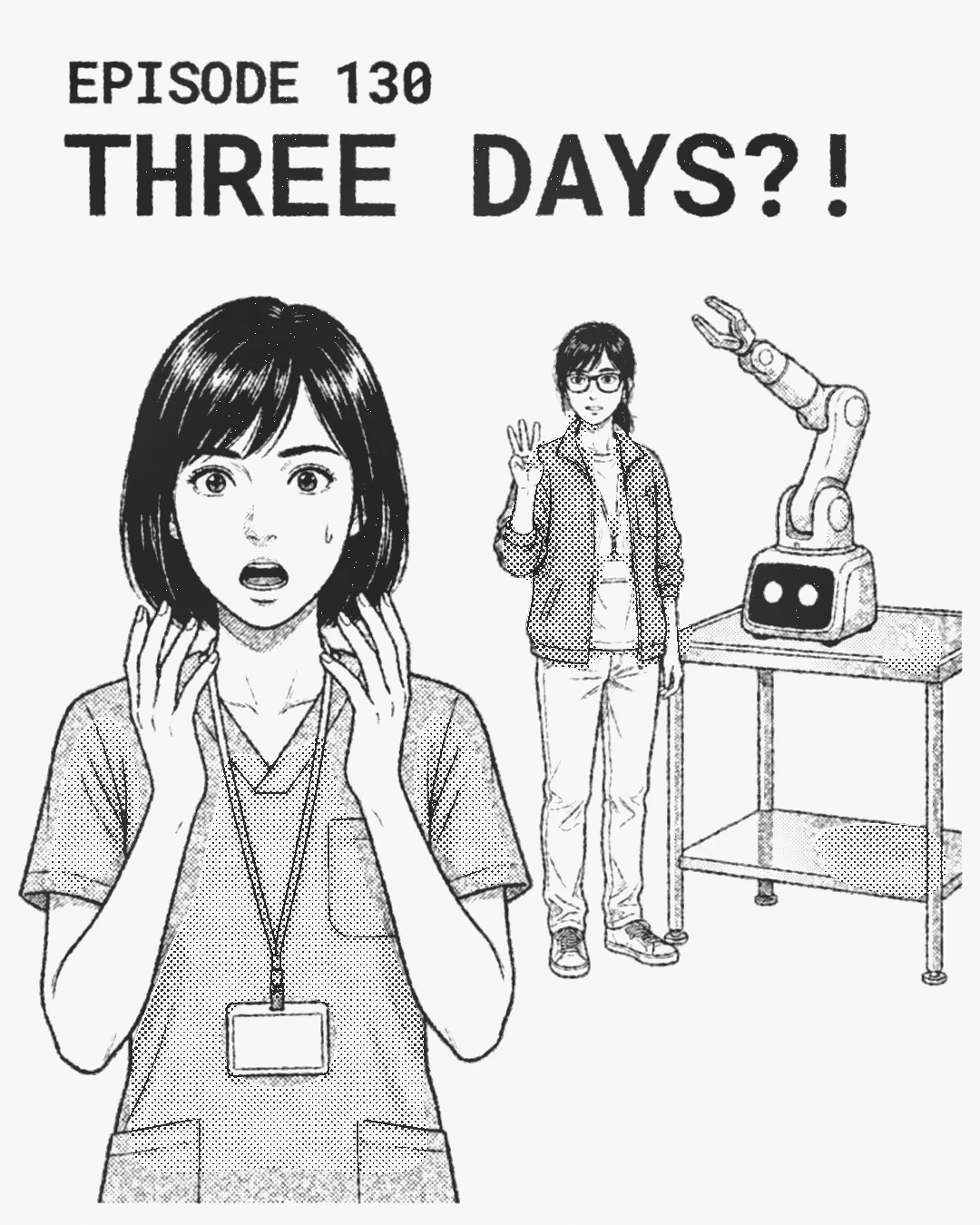
The Hands That Teach Must Learn First

What the Half-Price Part Left Out
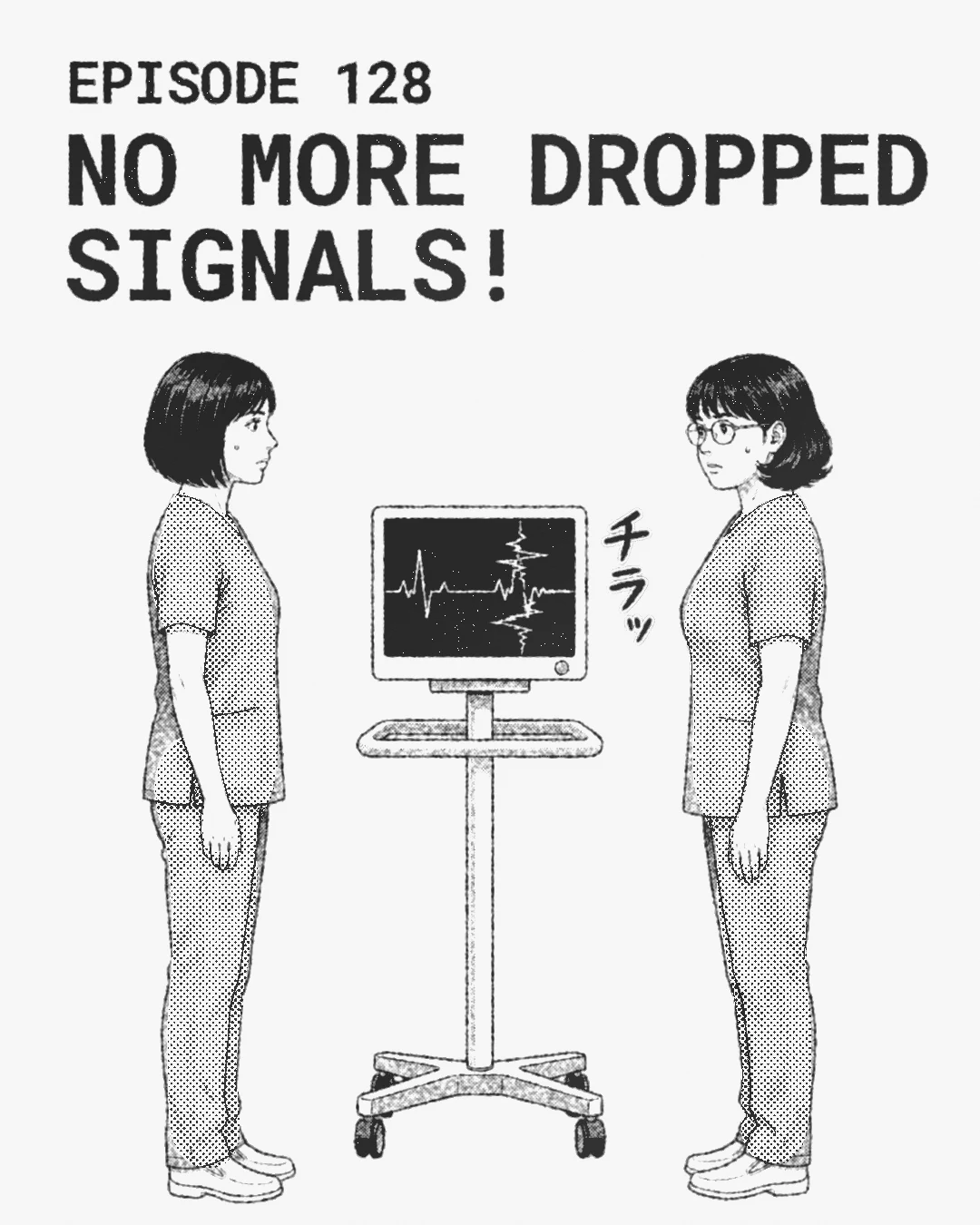
Radio Waves Are Shared with the Hospital
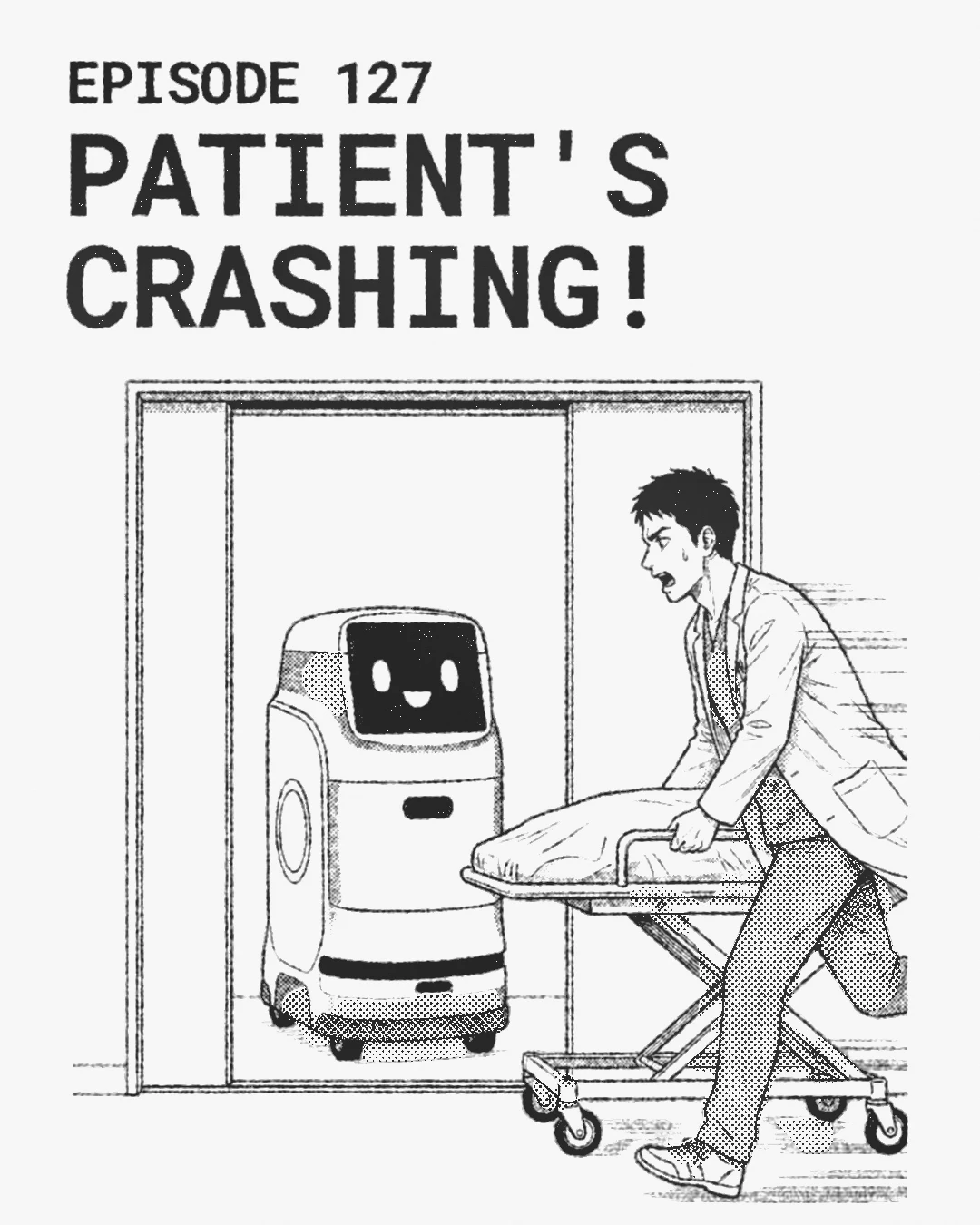
Give Way to Those in a Hurry
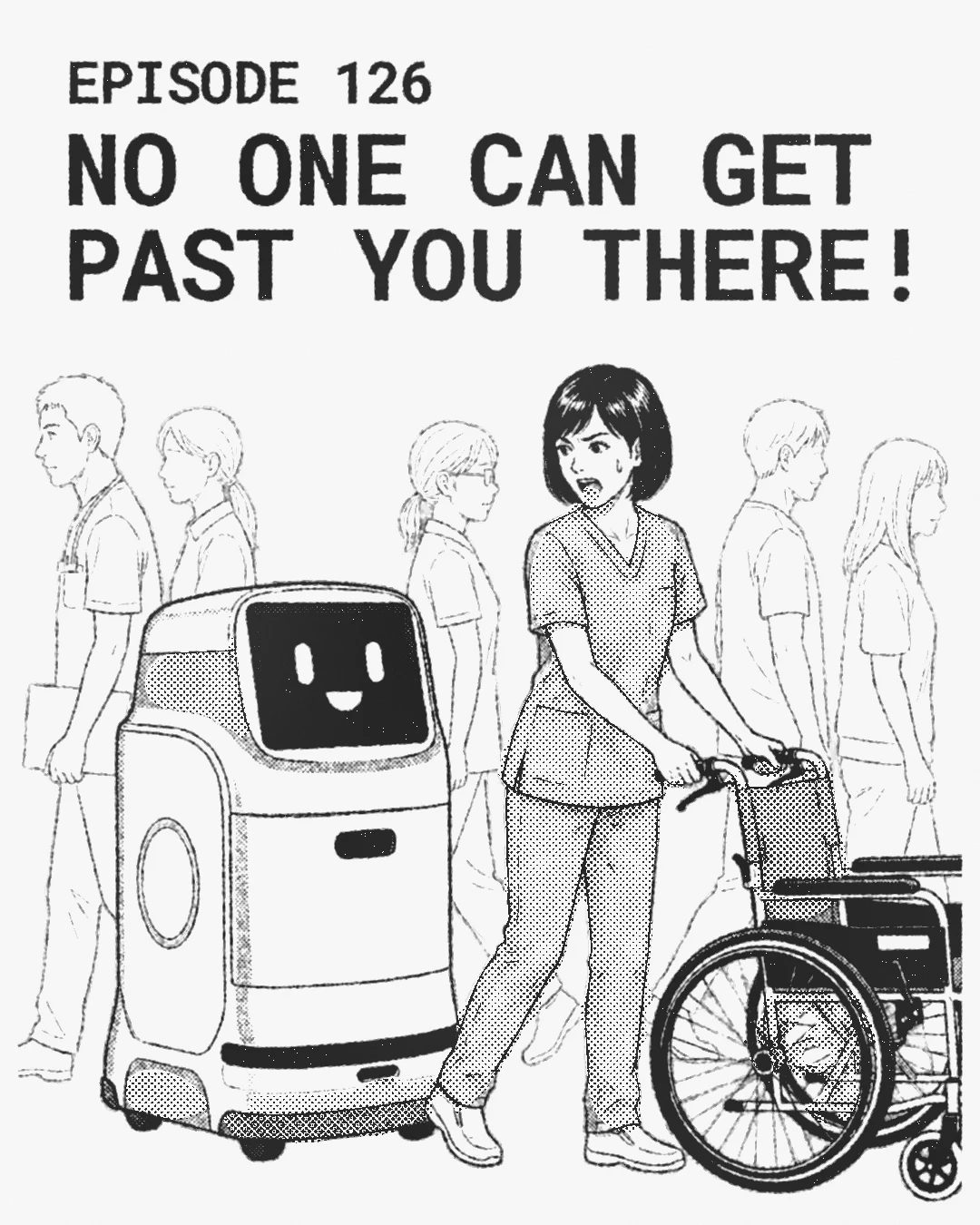
When the Bell Rings, Clear the Way
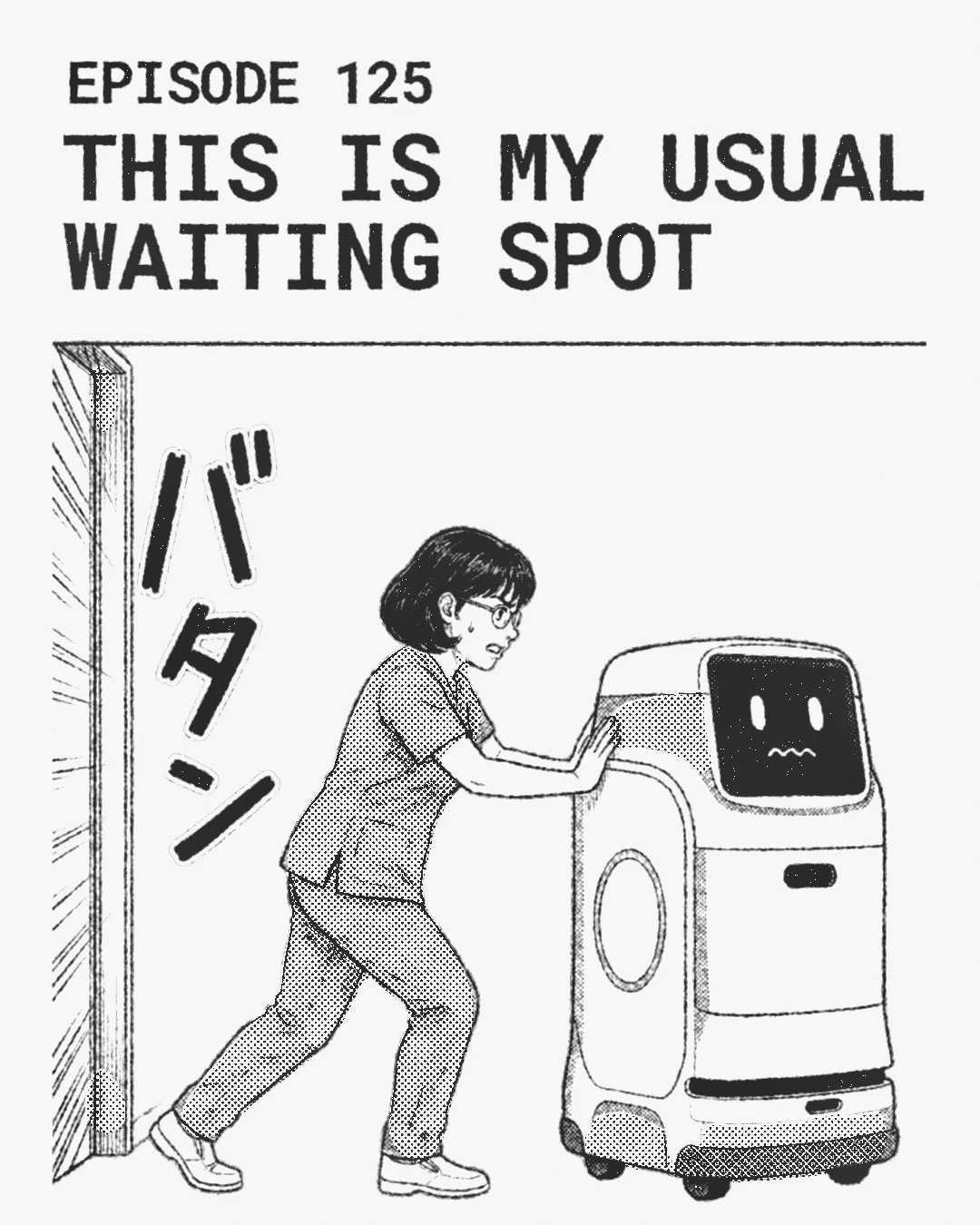
Put Parking Spots on the Map, Too

Decide First What Not to Carry
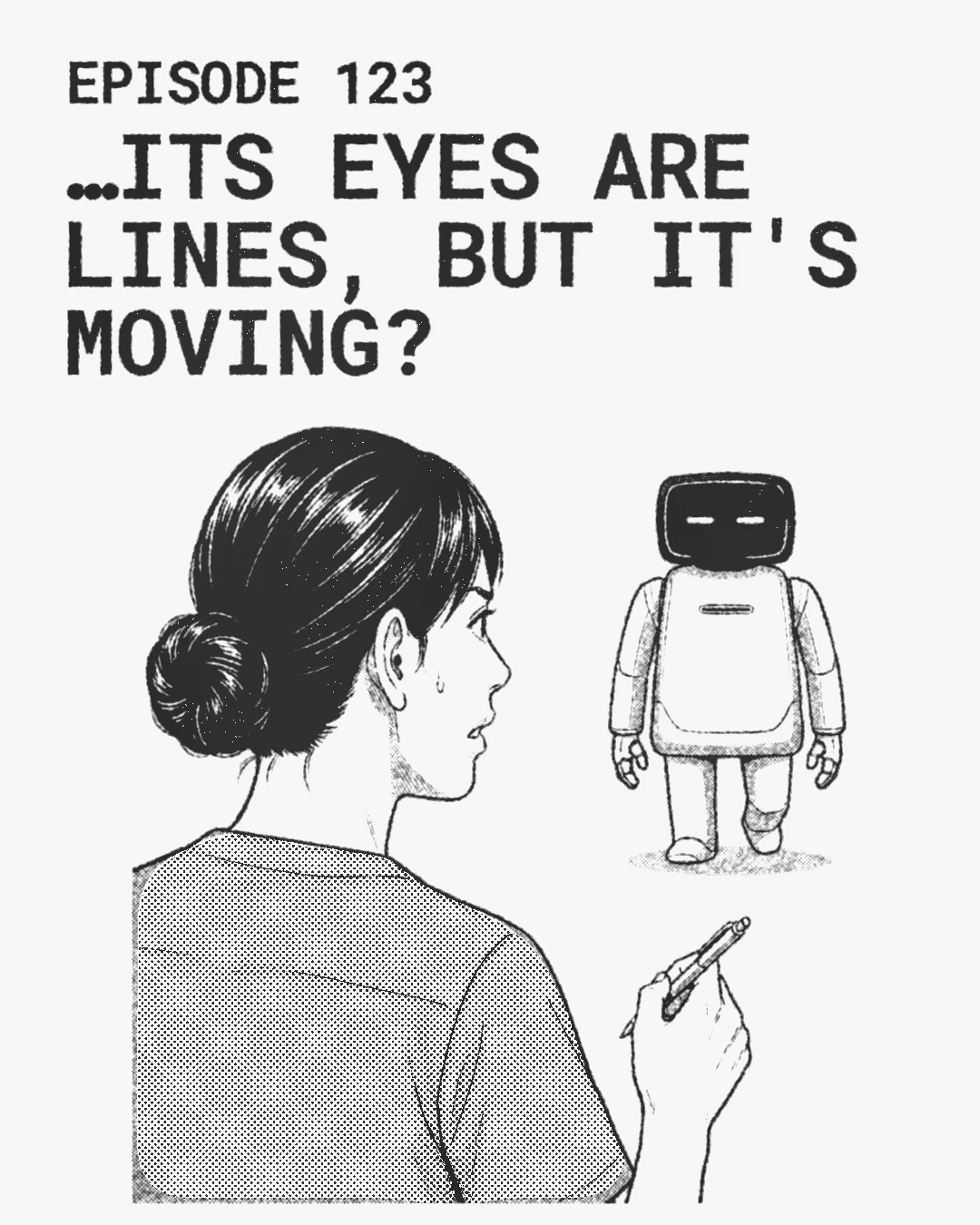
Status Signals Are for Everyone Nearby
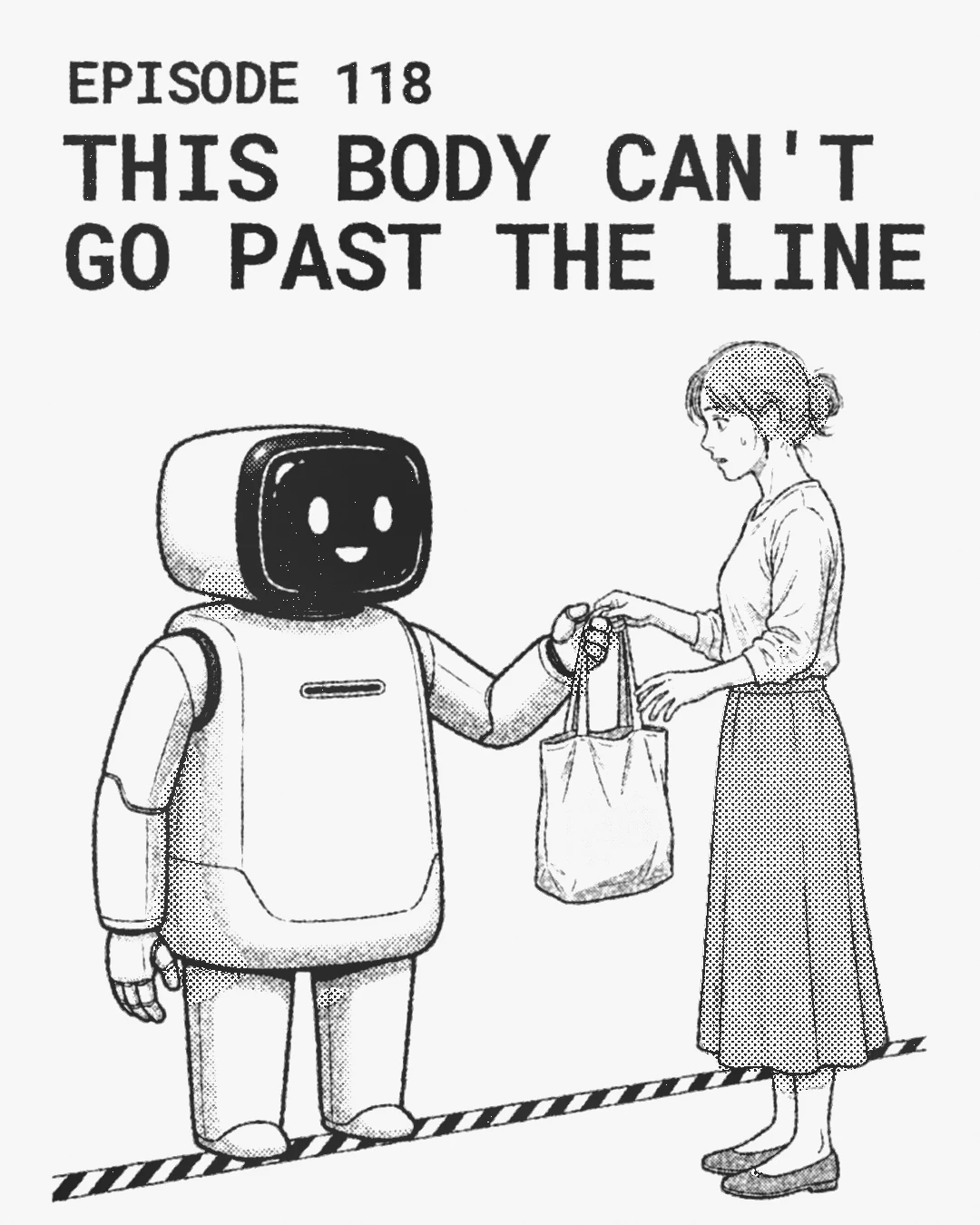
Show the Line Before You Stop at It
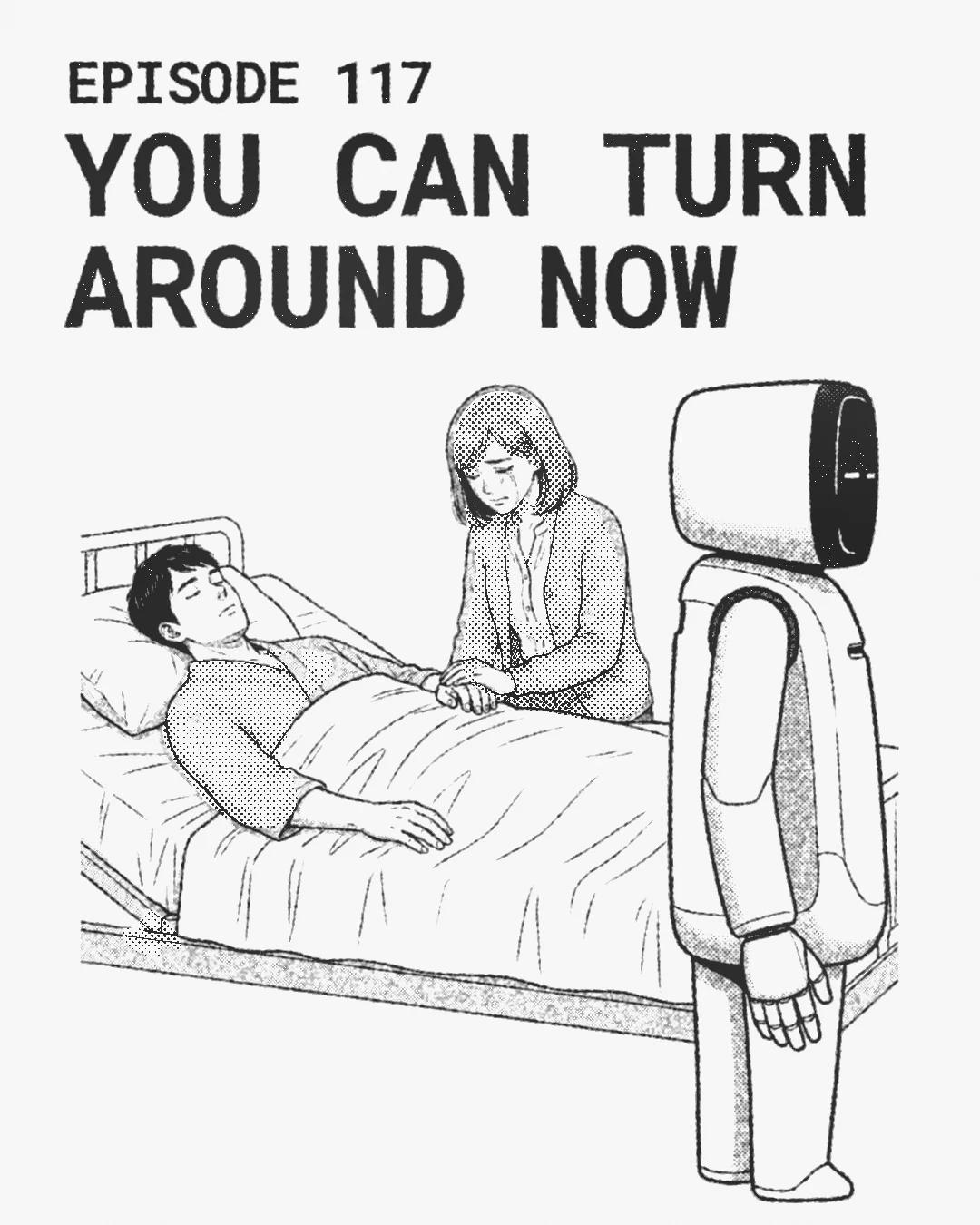
Turning Away Is Also Care

Erasing the Pause Between Moves
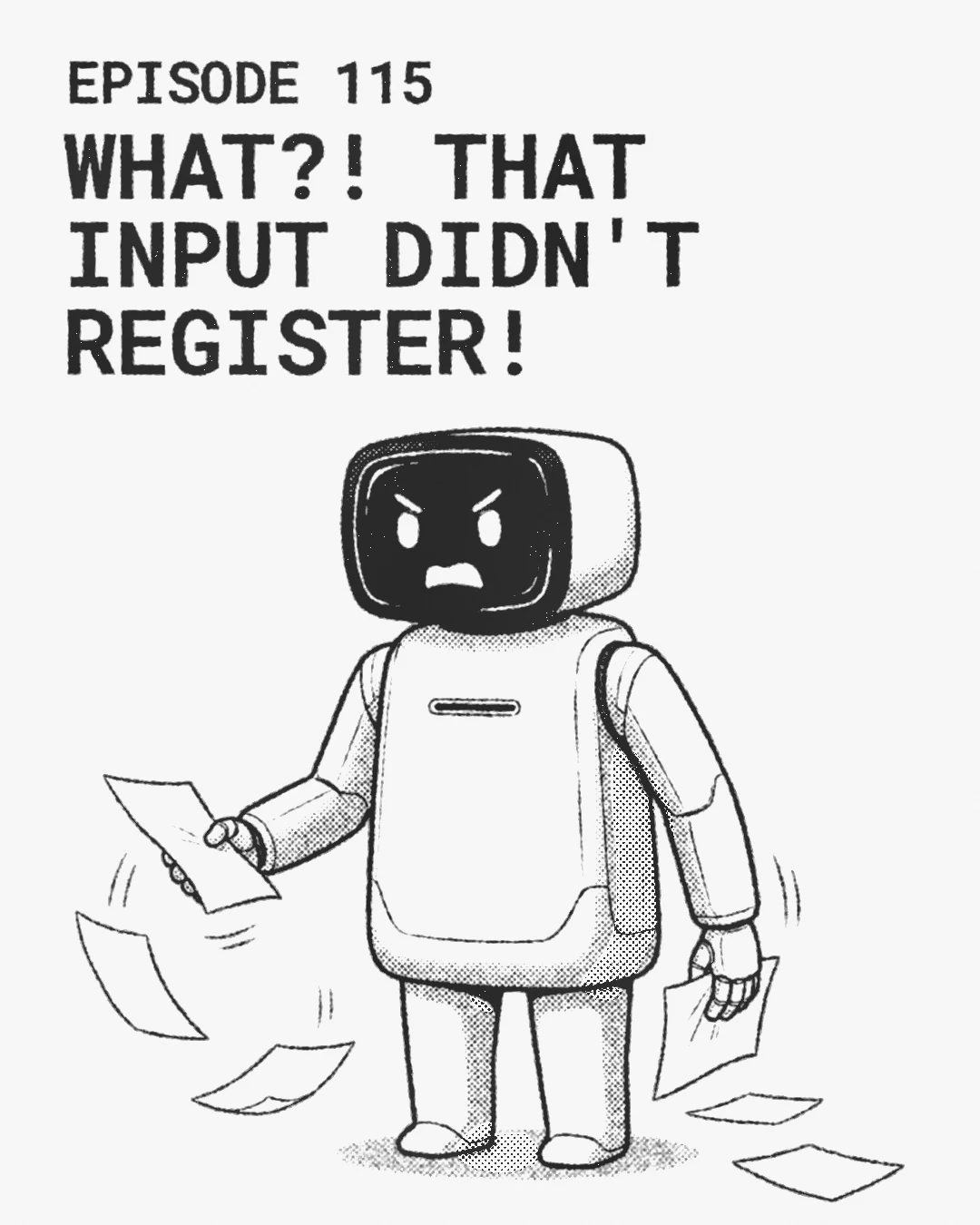
Choose Which Voice Reaches the Ward
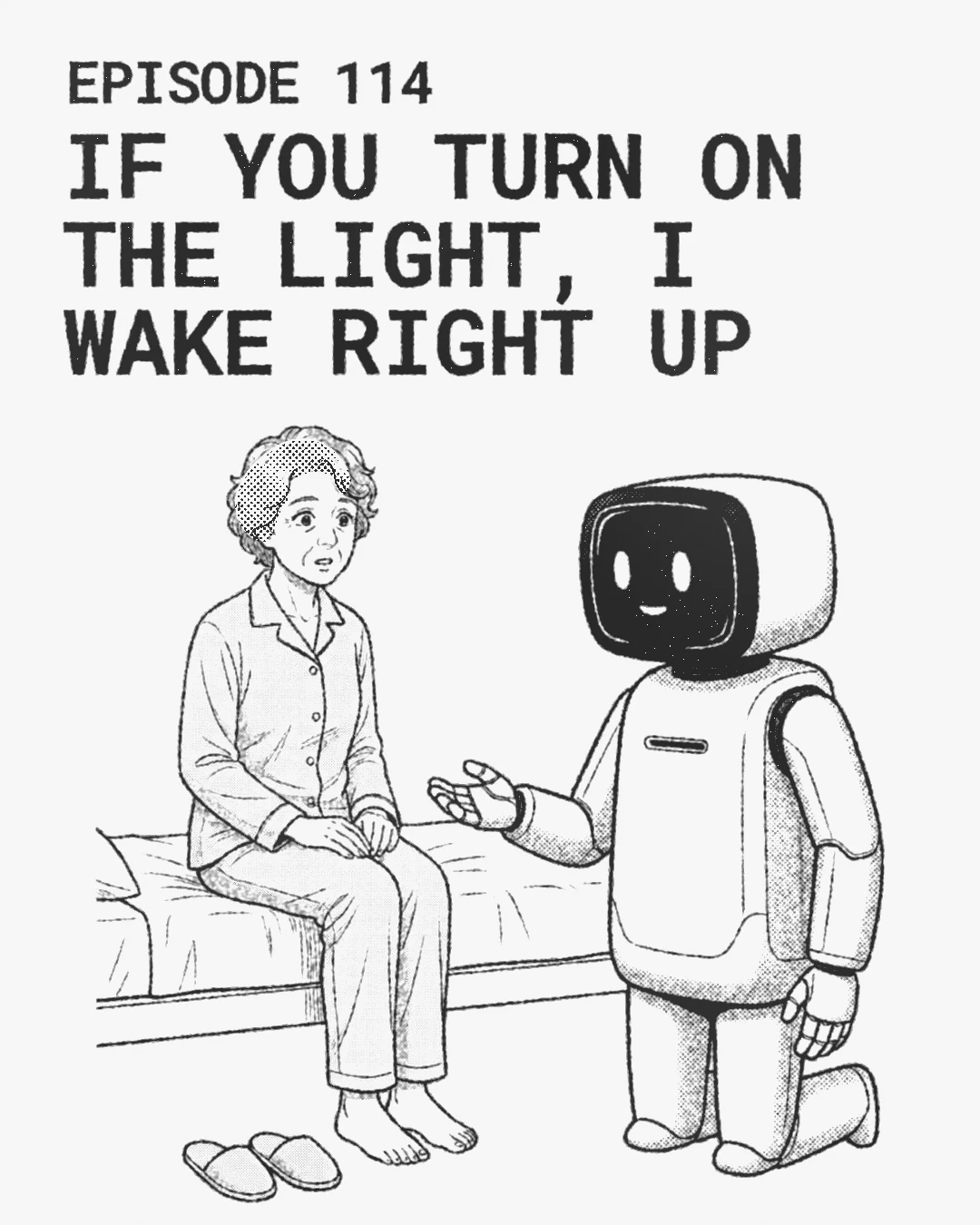
Watching Over Without Turning On the Lights
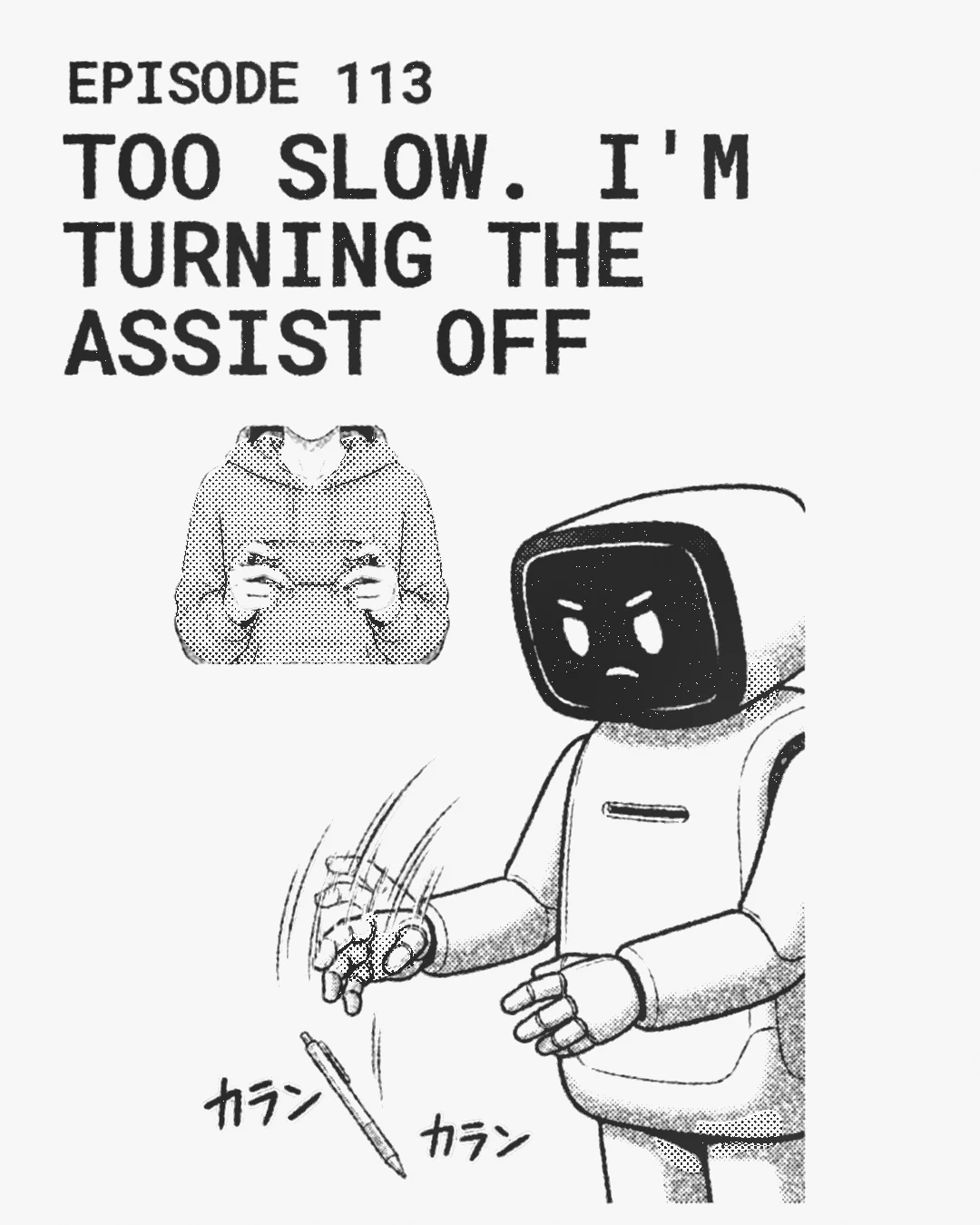
Take Off the Assist a Little at a Time
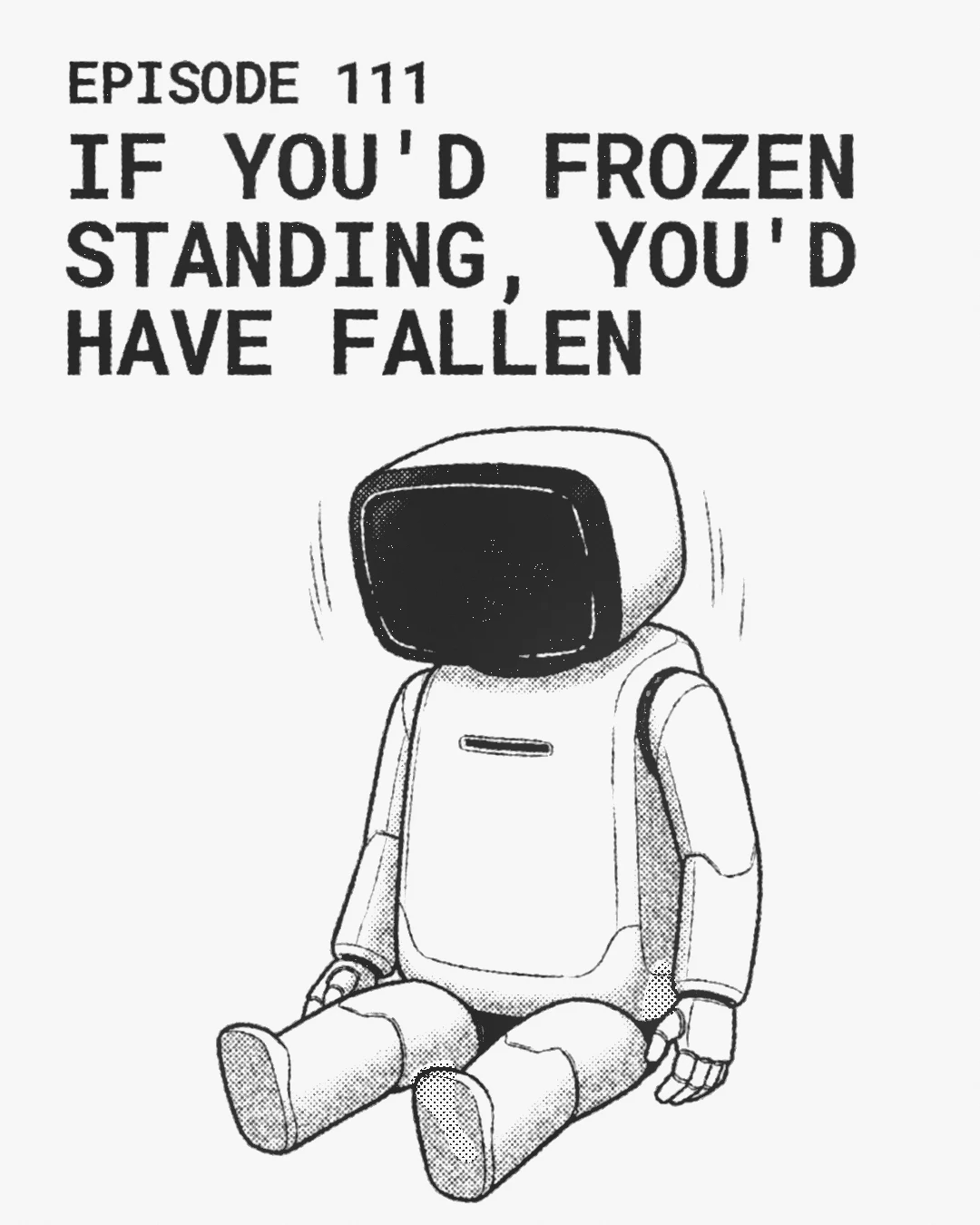
Sit Down So You Don't Fall Down
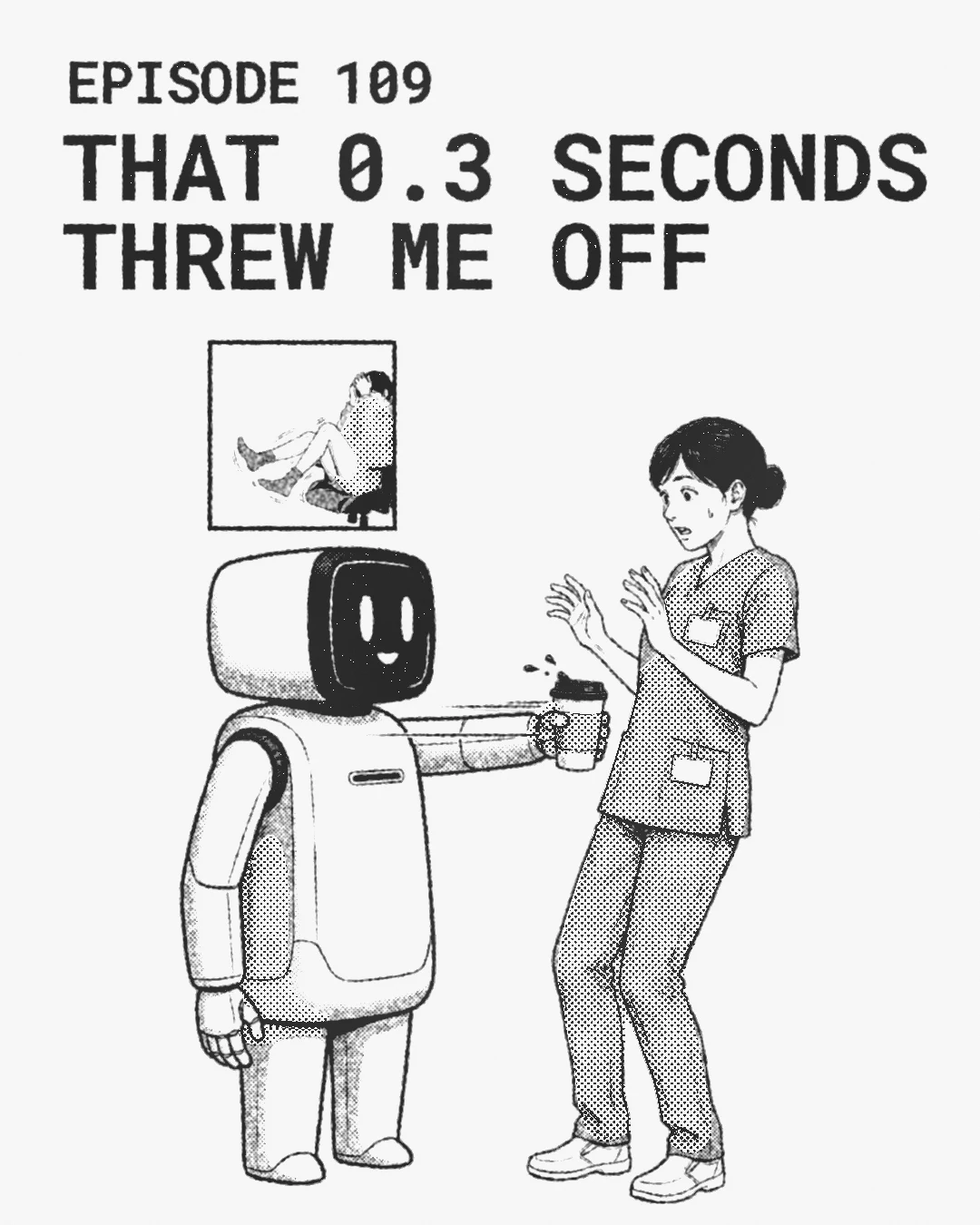
Hand It Over Early and Slowly
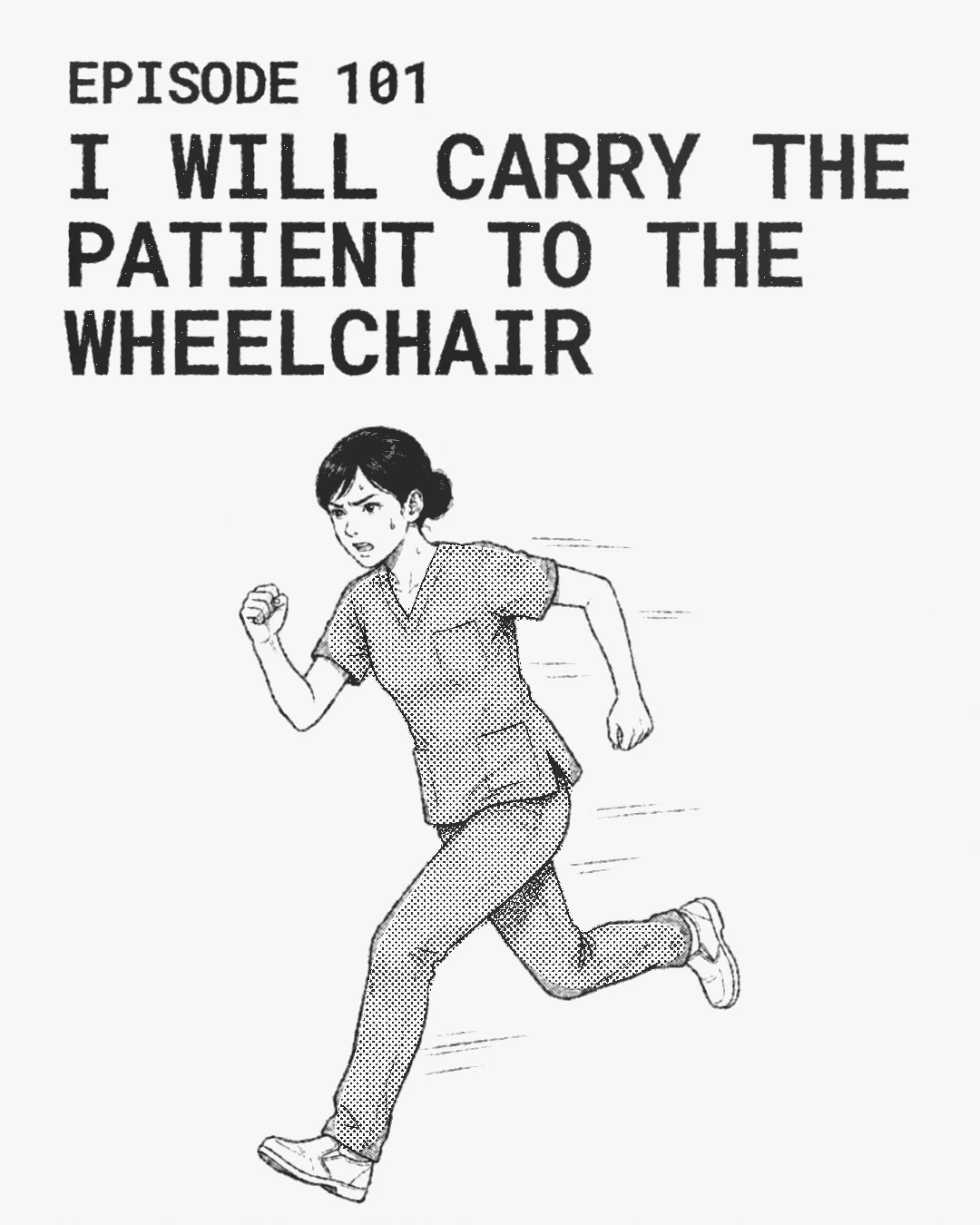
Help Without Touching the Body
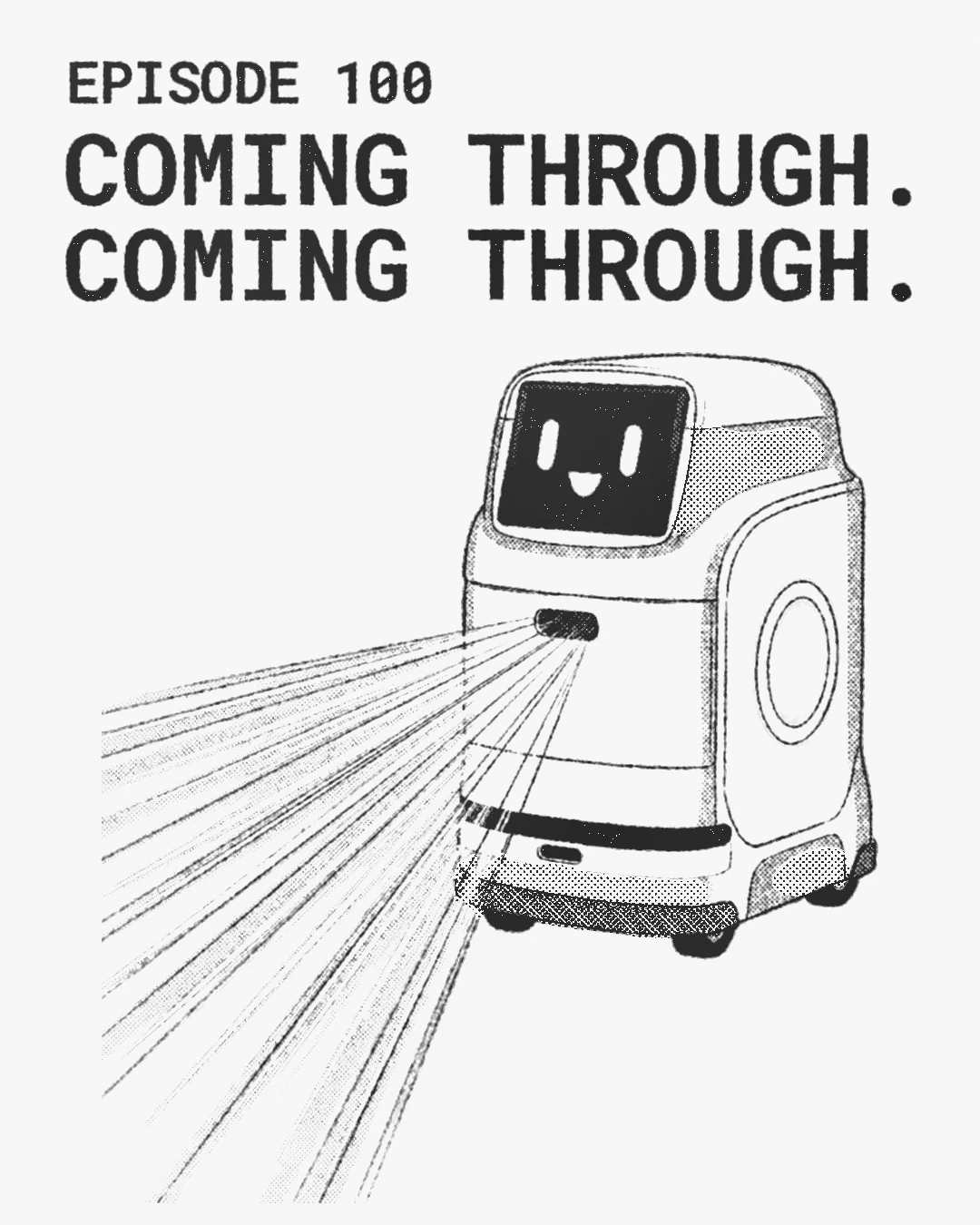
At Night, Carry with the Lights Down
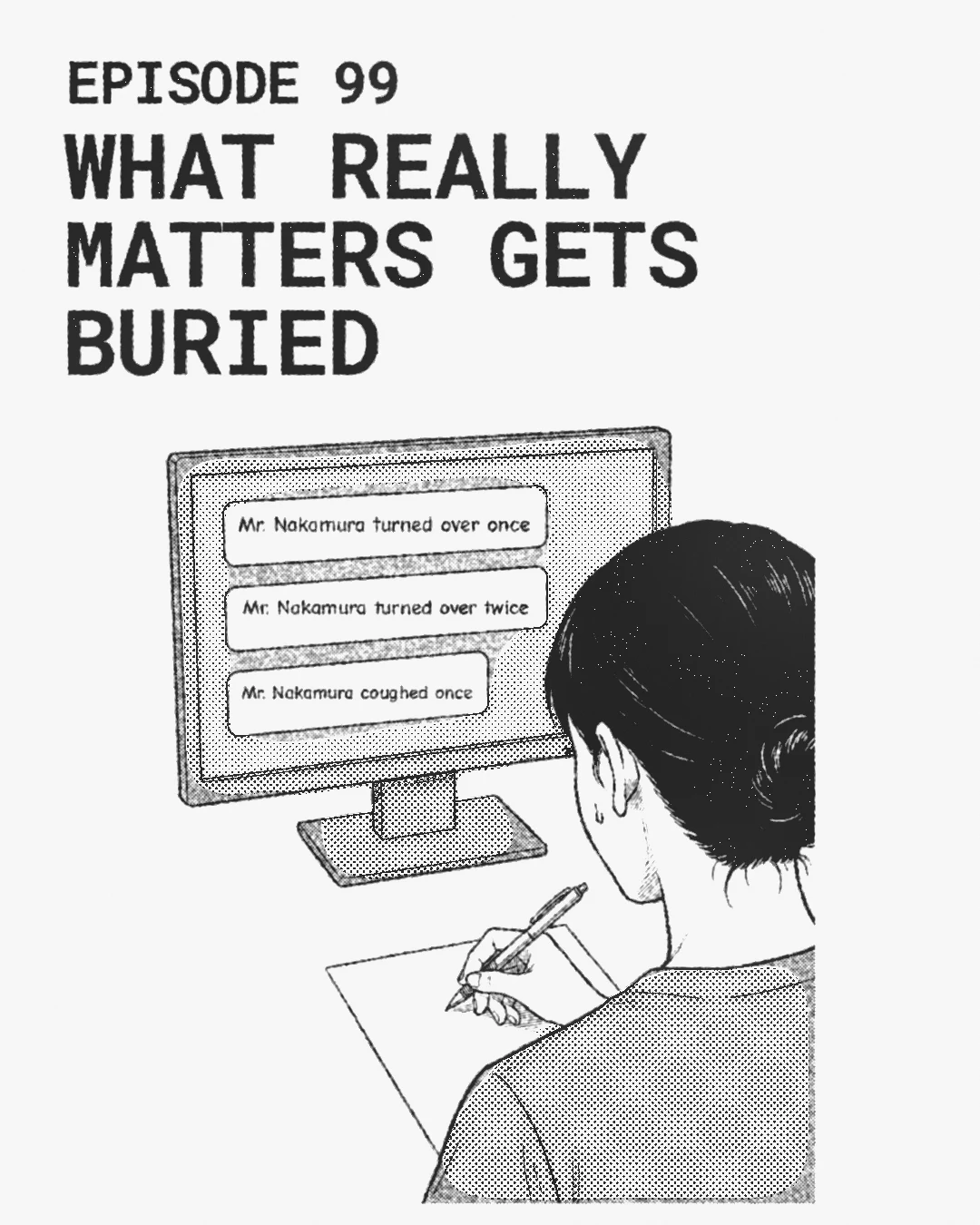
Decide Which Movements Call a Nurse

The Machine Should Adjust to Your Voice
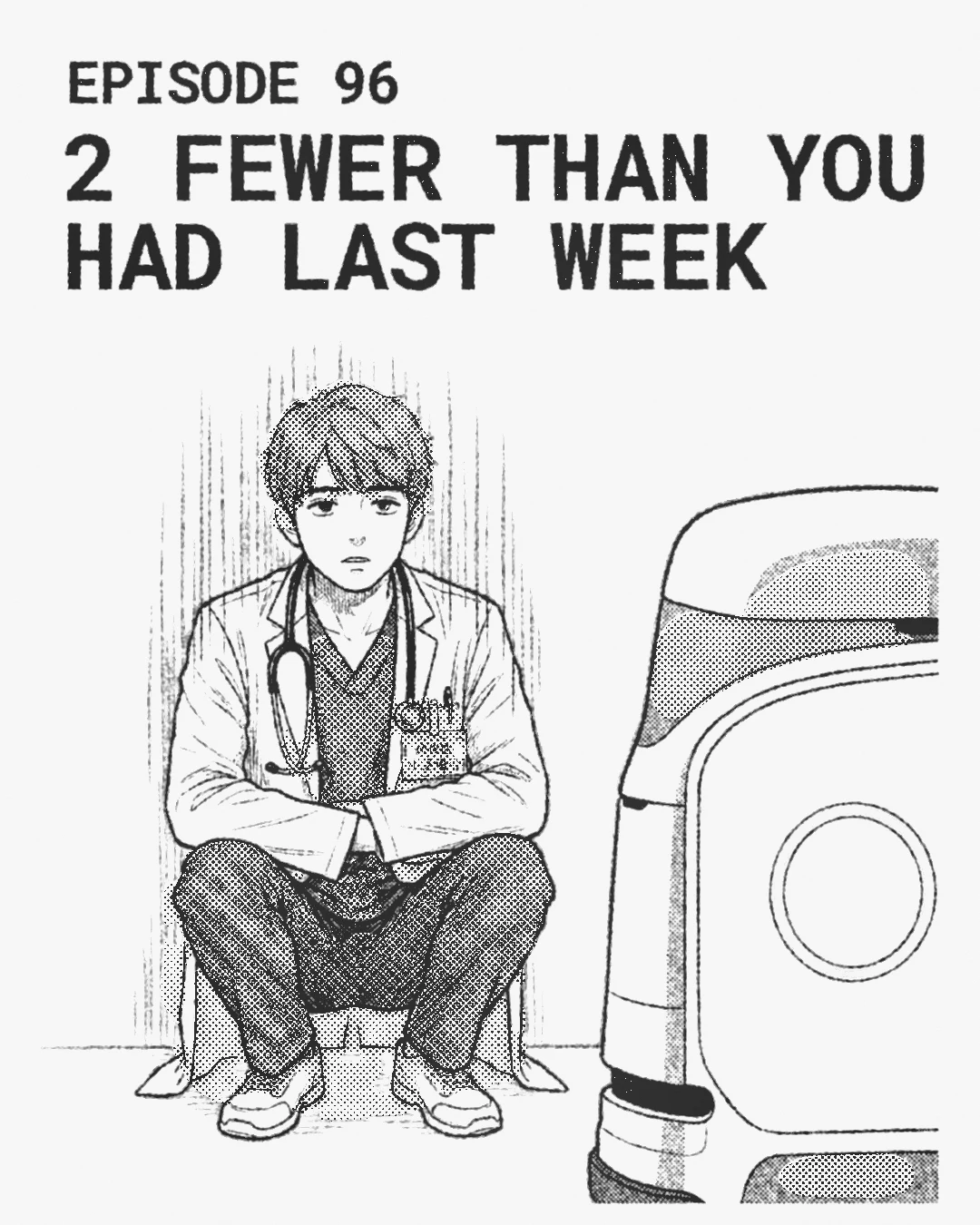
What You Compare With Changes the Number
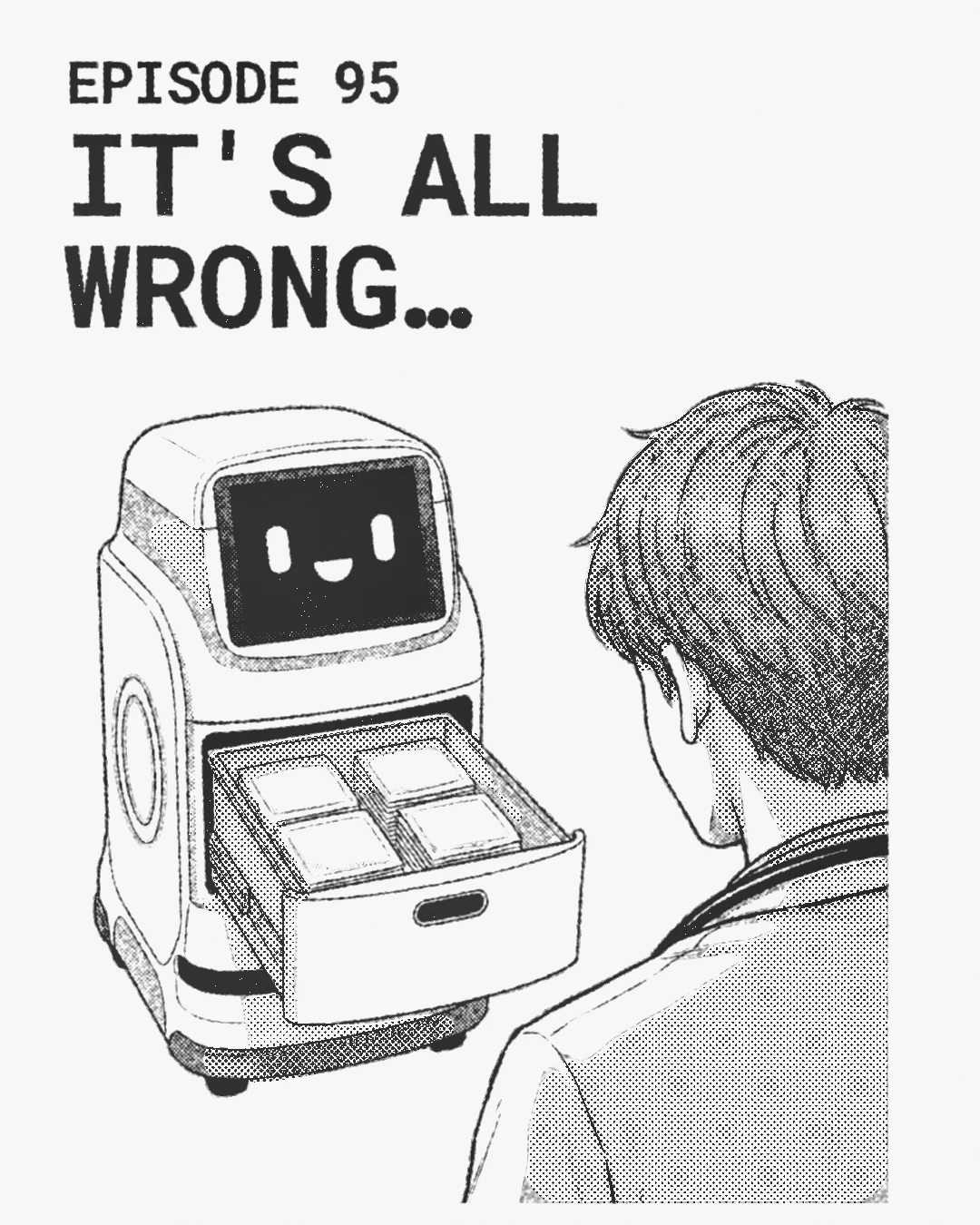
Ask First, Confirm Later

A Practice Partner Who Asks Back
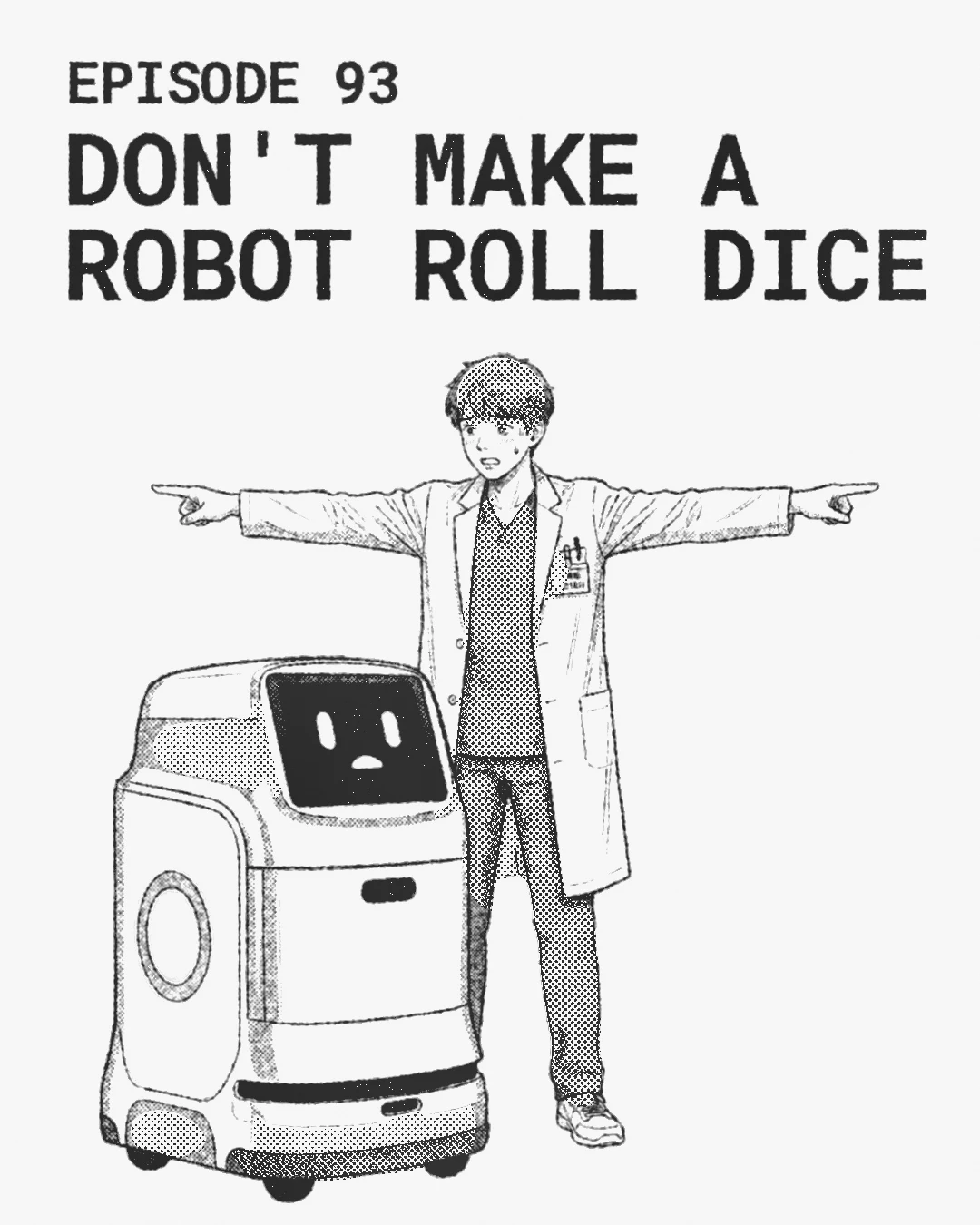
The Human Decides, the Machine Carries

Arriving Is Not the Same as Finishing
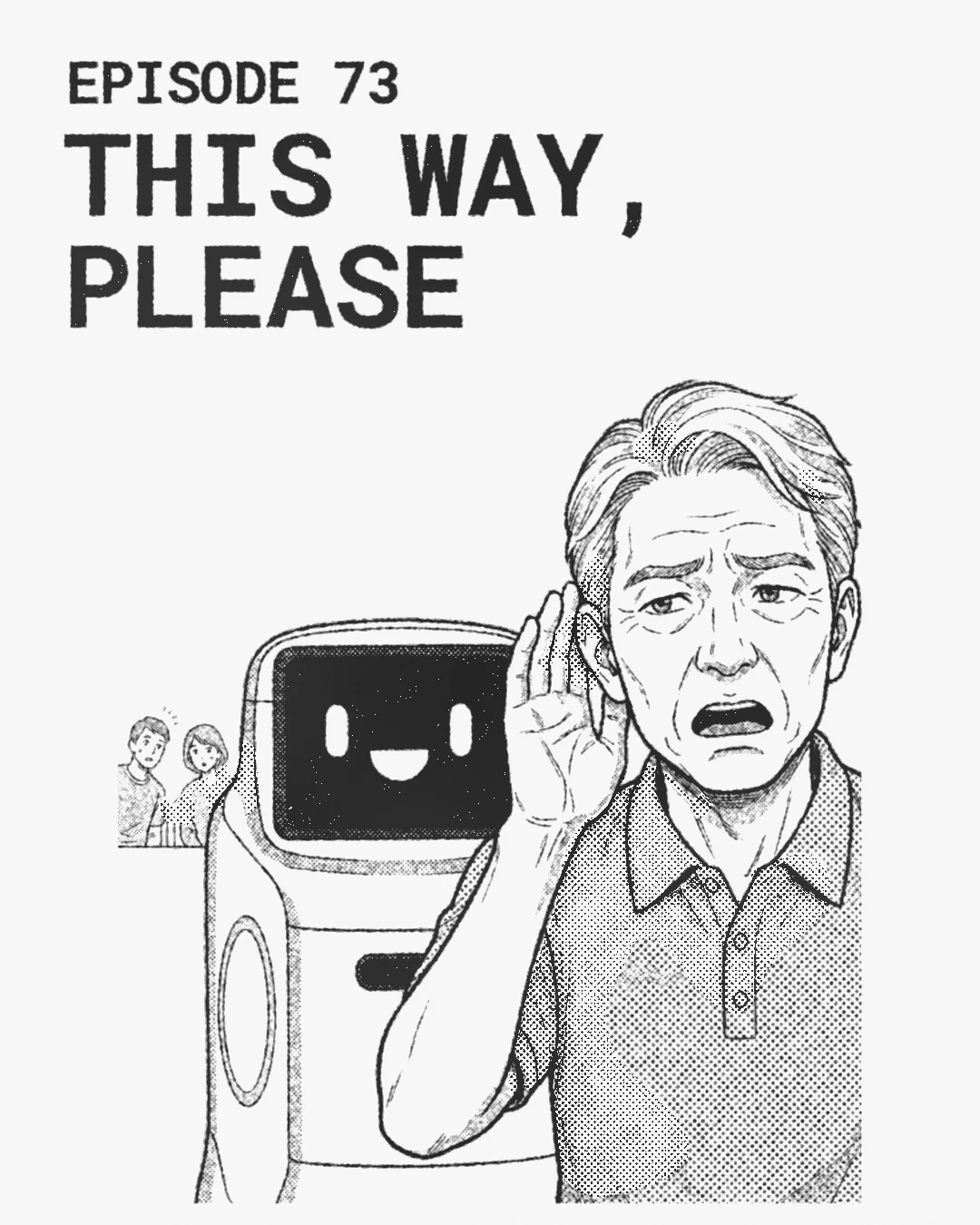
When Words Don't Reach, Point the Way
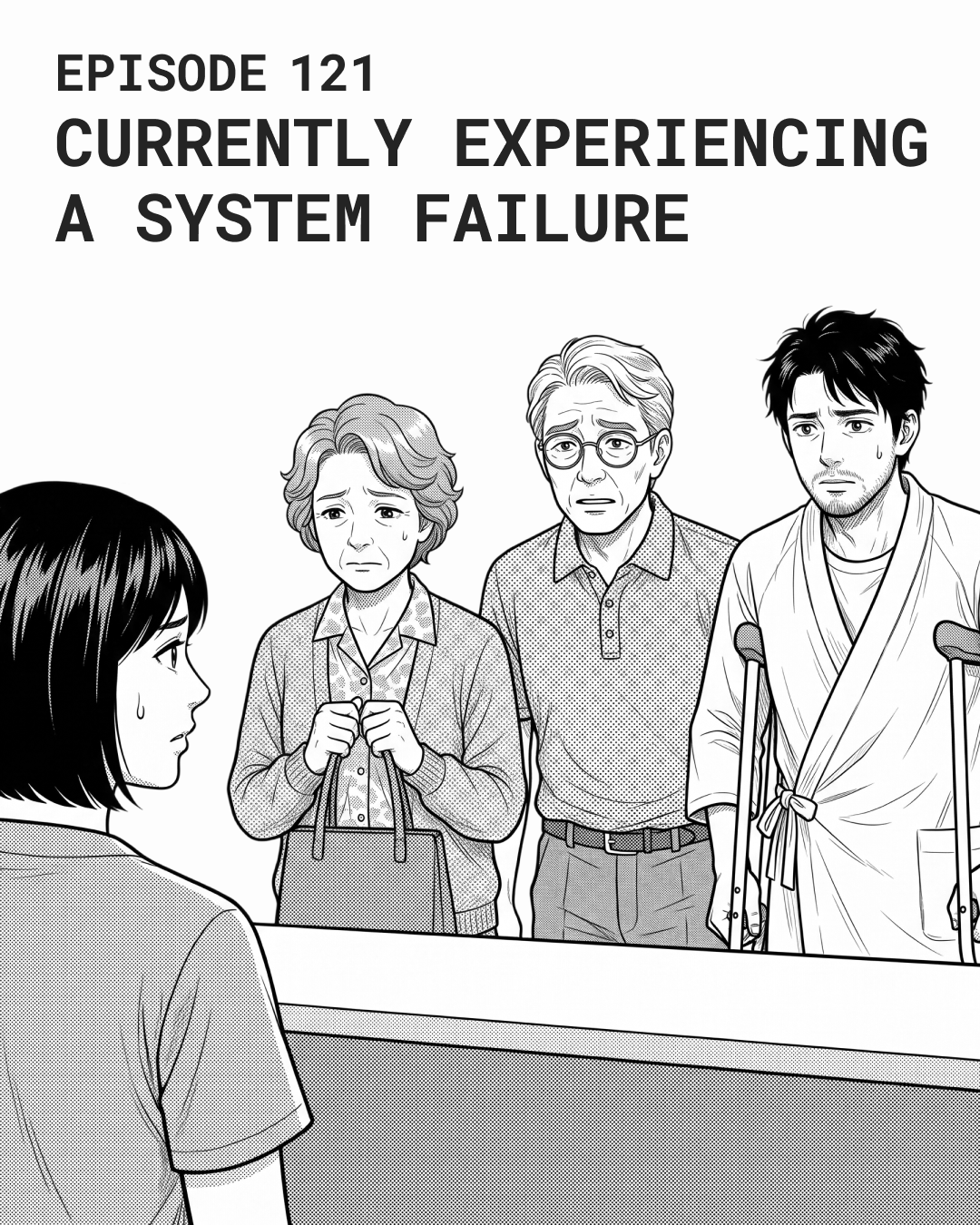
Say What Still Works Before What Broke
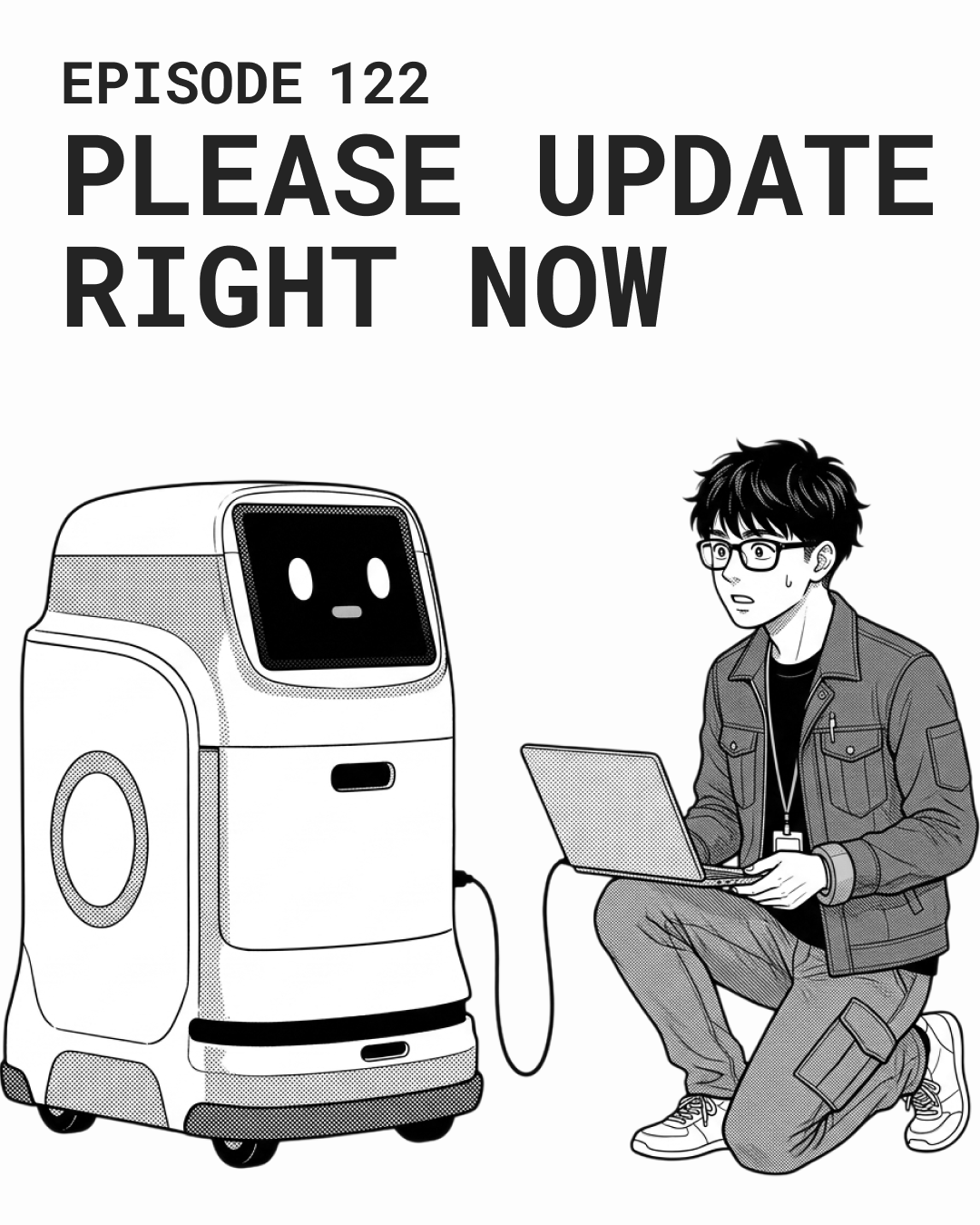
Keeping Panic from Becoming the Way In
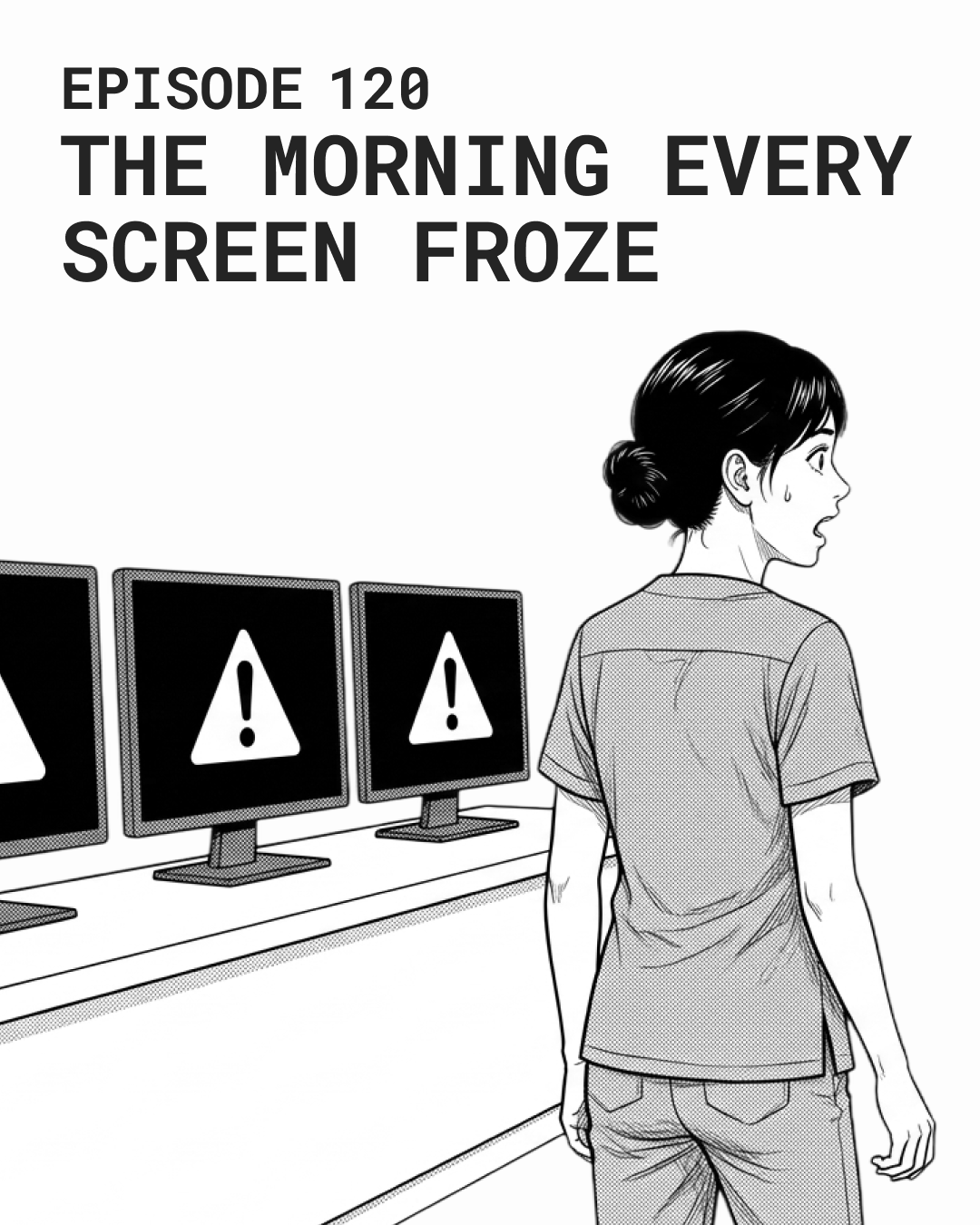
How to Deliver on a Disconnected Day
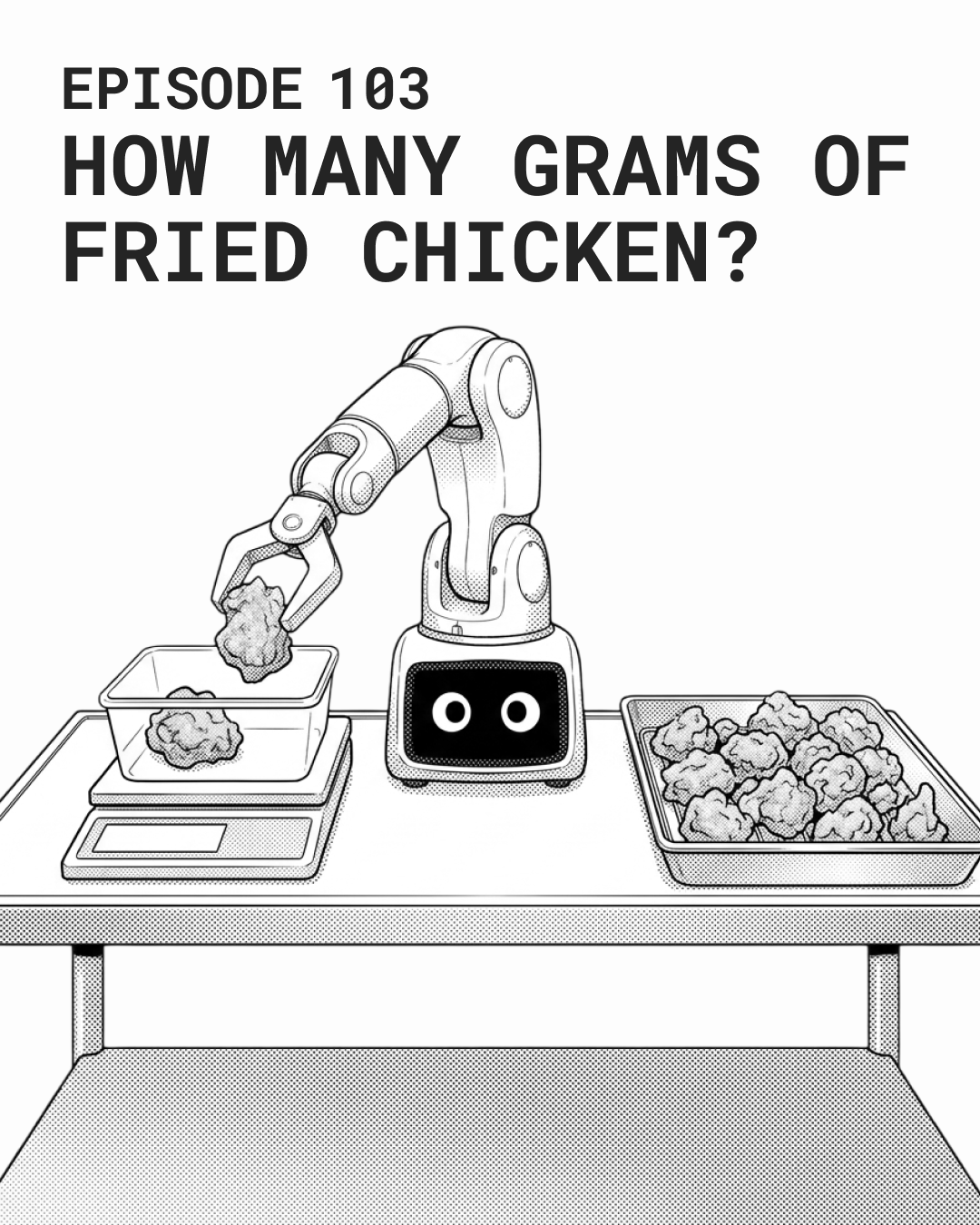
Writing "About Right" as a Tolerance Range
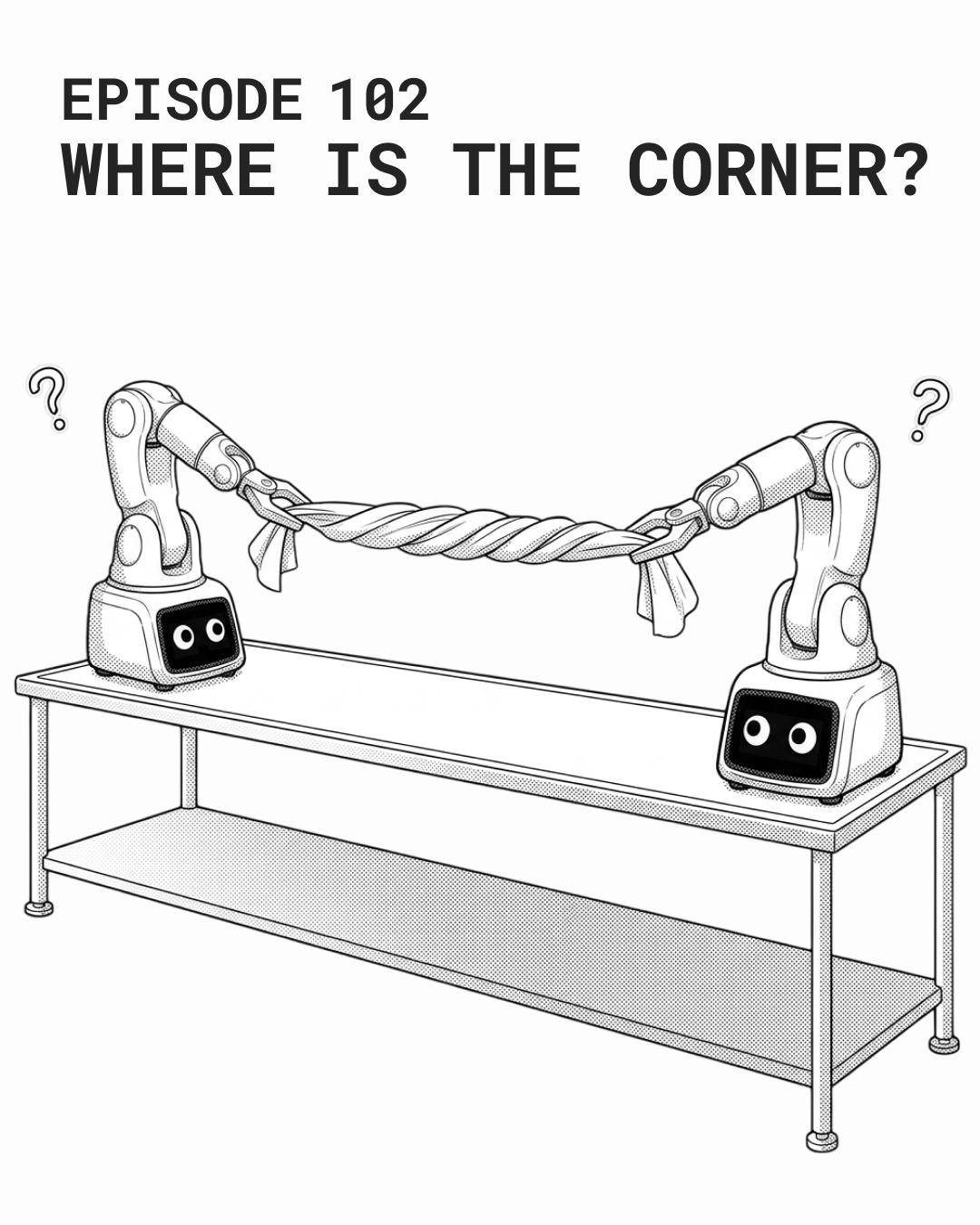
Let People Find the First Corner
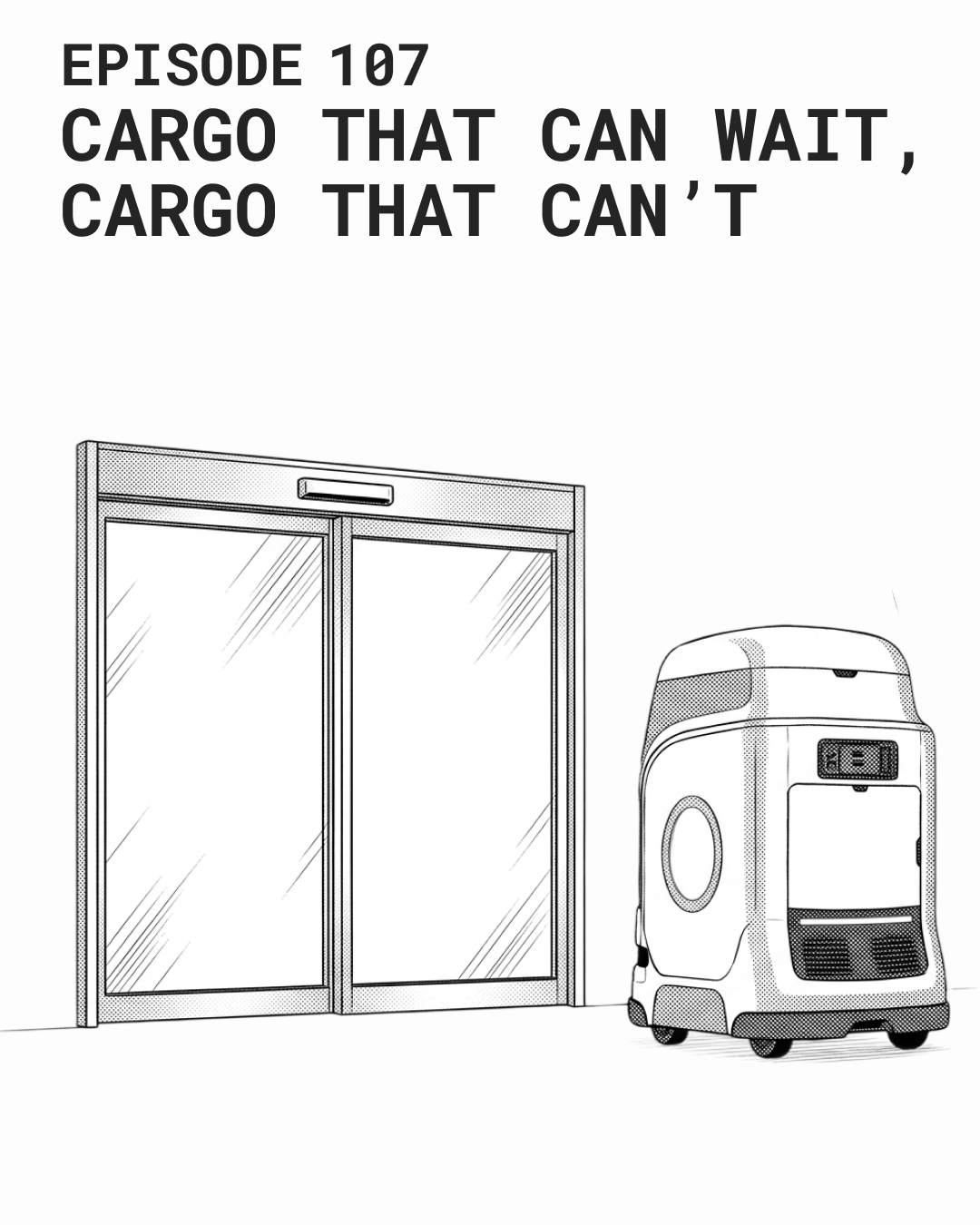
Let the Cargo Decide What Happens After a Stop

What an Undeletable Record Is Really For
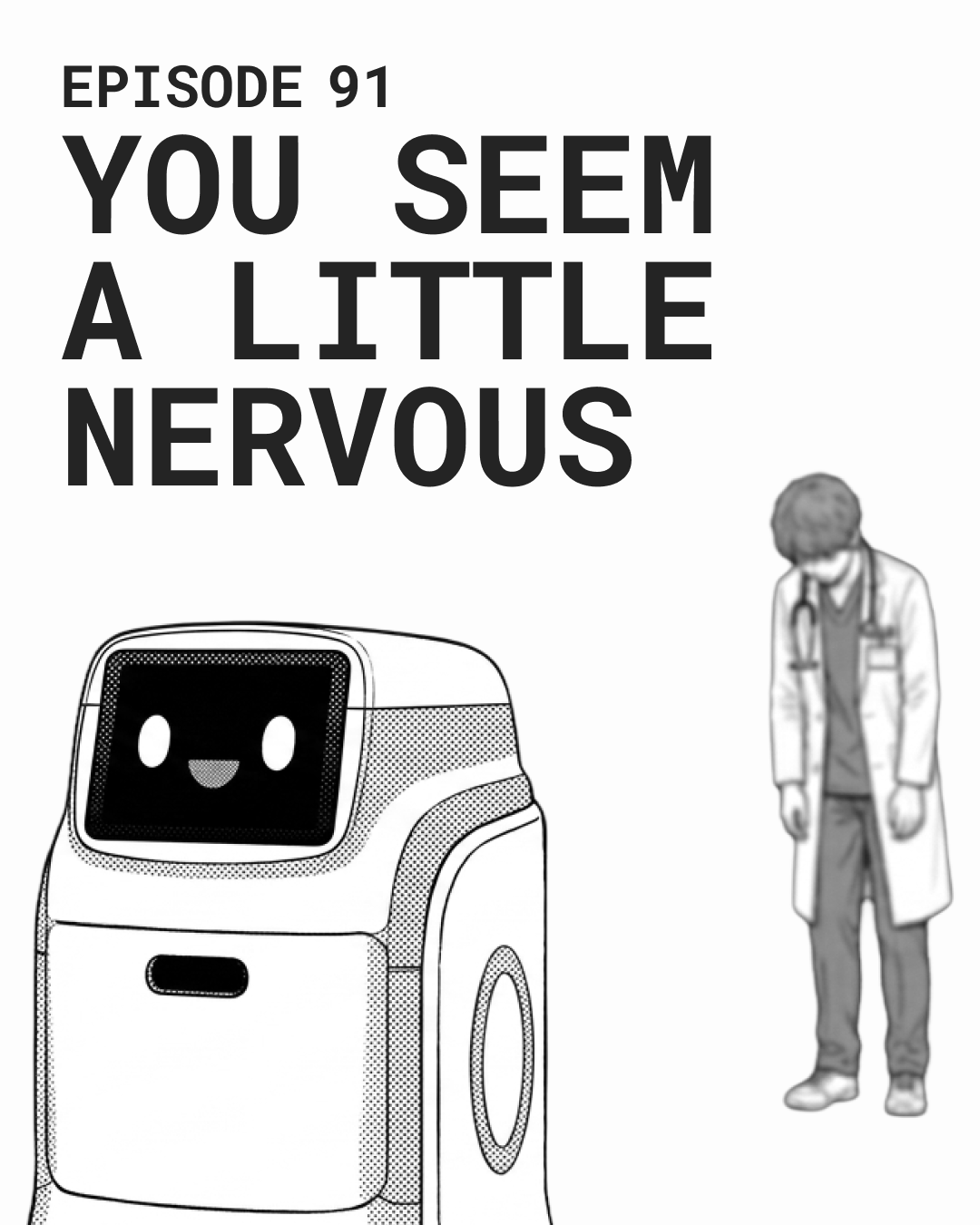
Where Sensed Body Signals Should Be Delivered
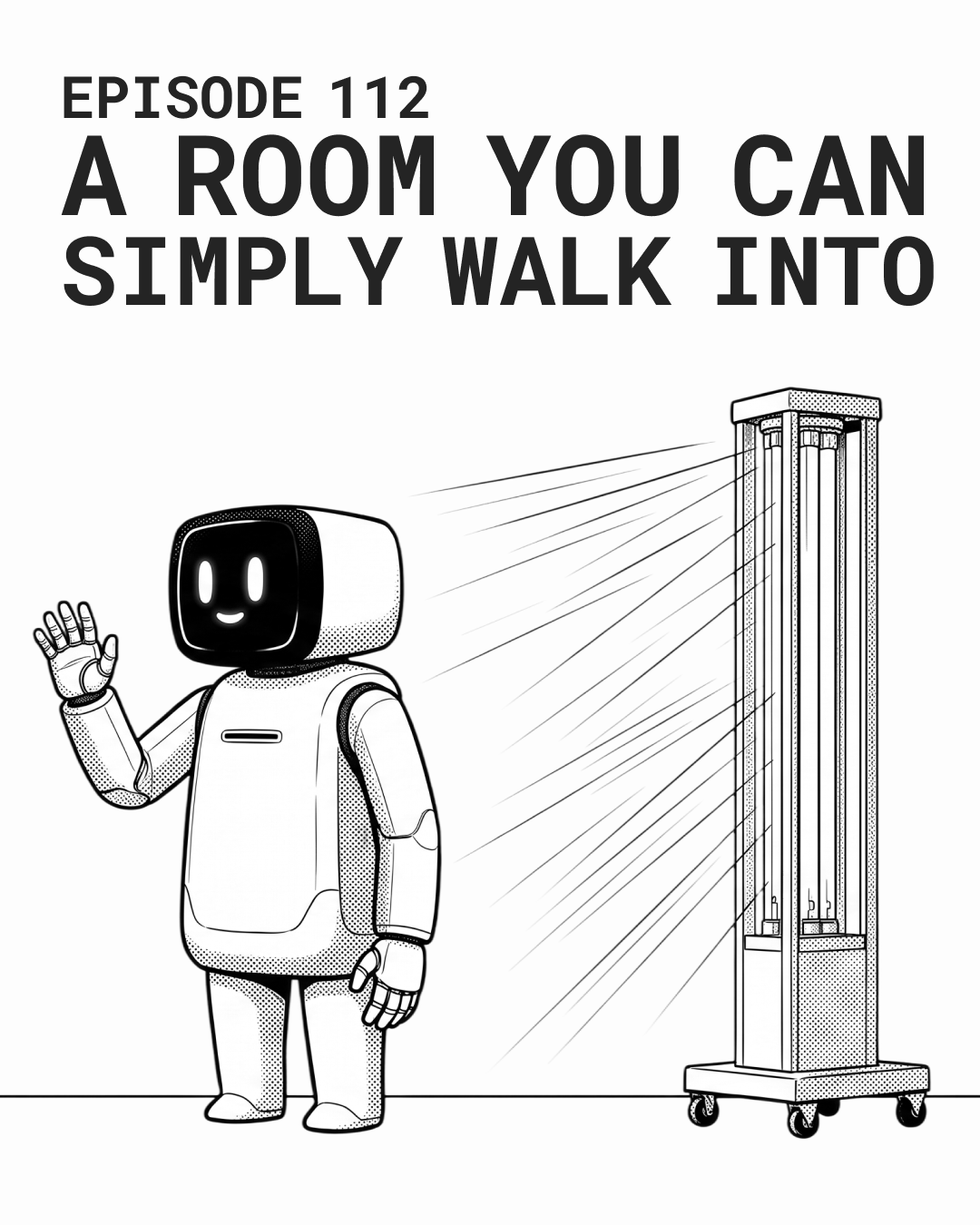
Being Close Through a Borrowed Body
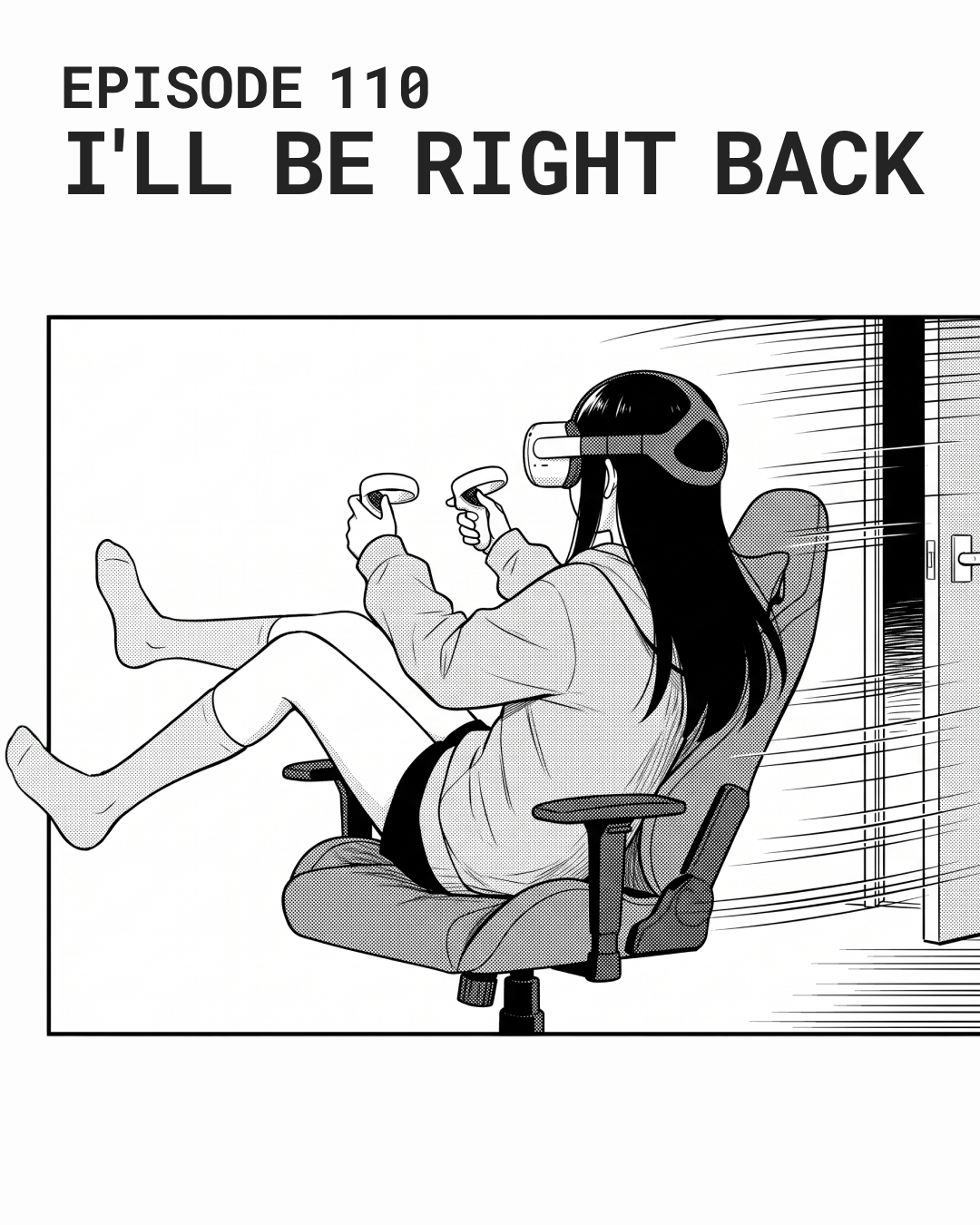
Designing Robots That Don't Hide Absence
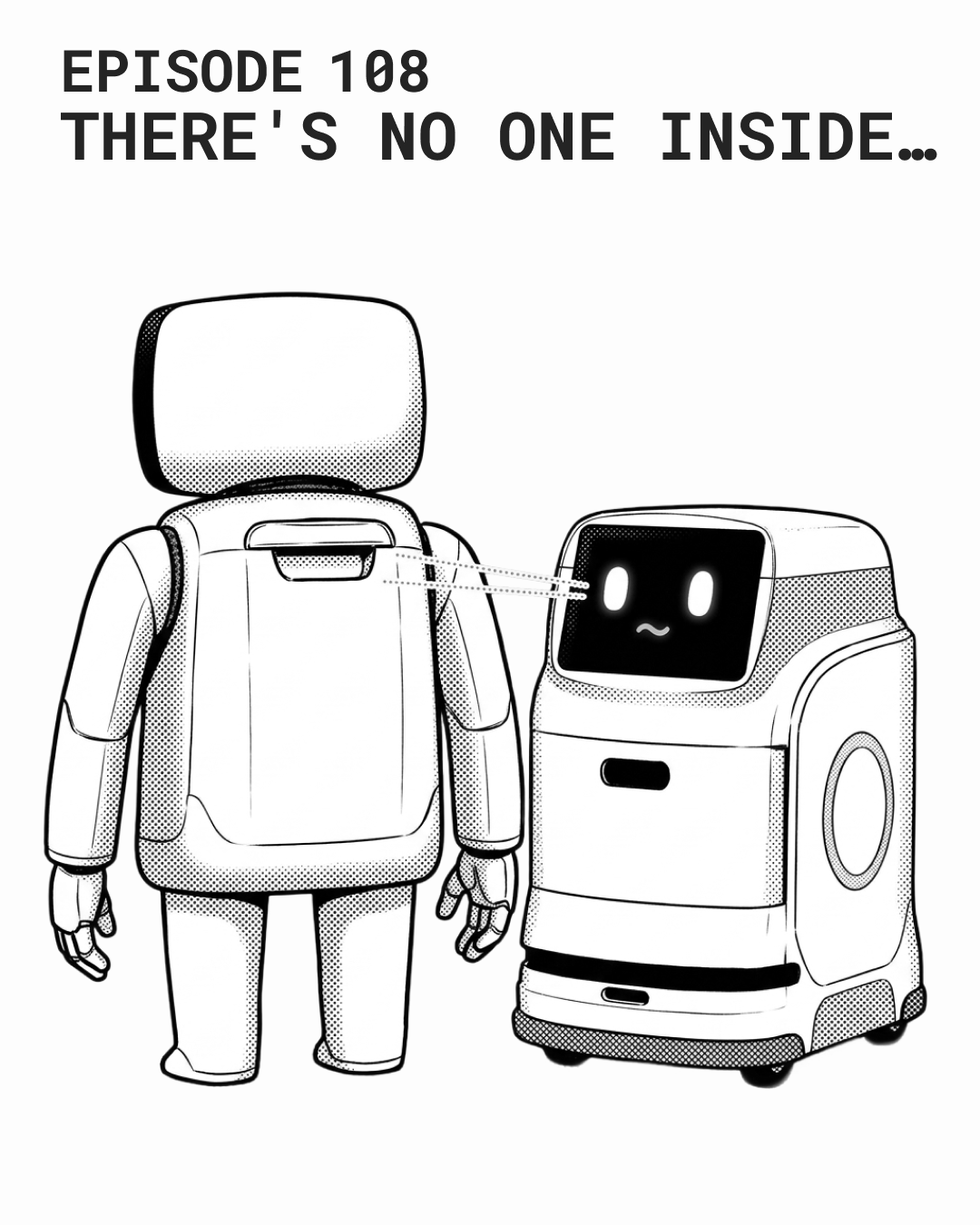
Showing Who Moves the Machine, Through Its Eyes

The Hedge That Got Lost in Summary
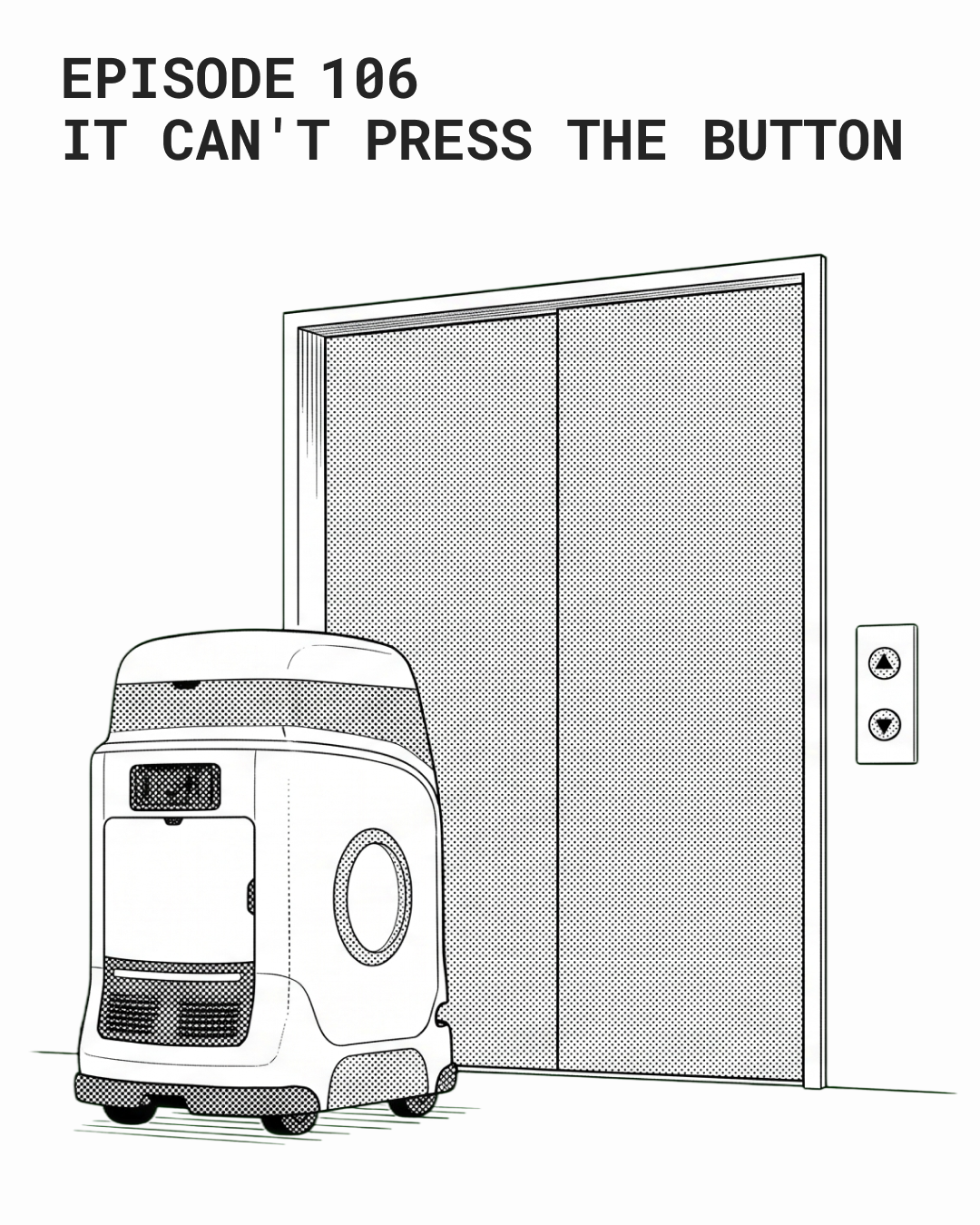
What the Night Elevator Asks
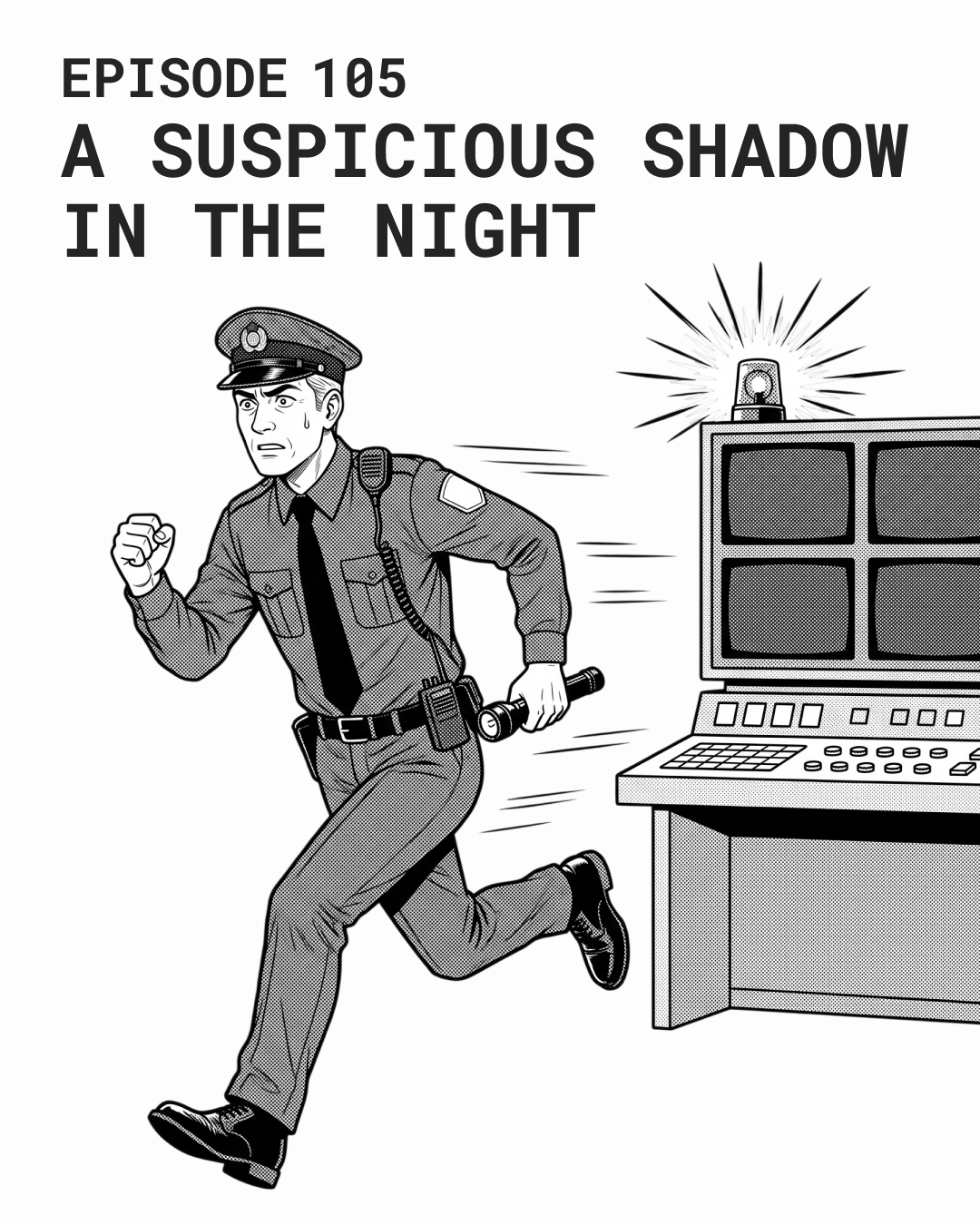
Keeping Alarms Worth Believing After Dark
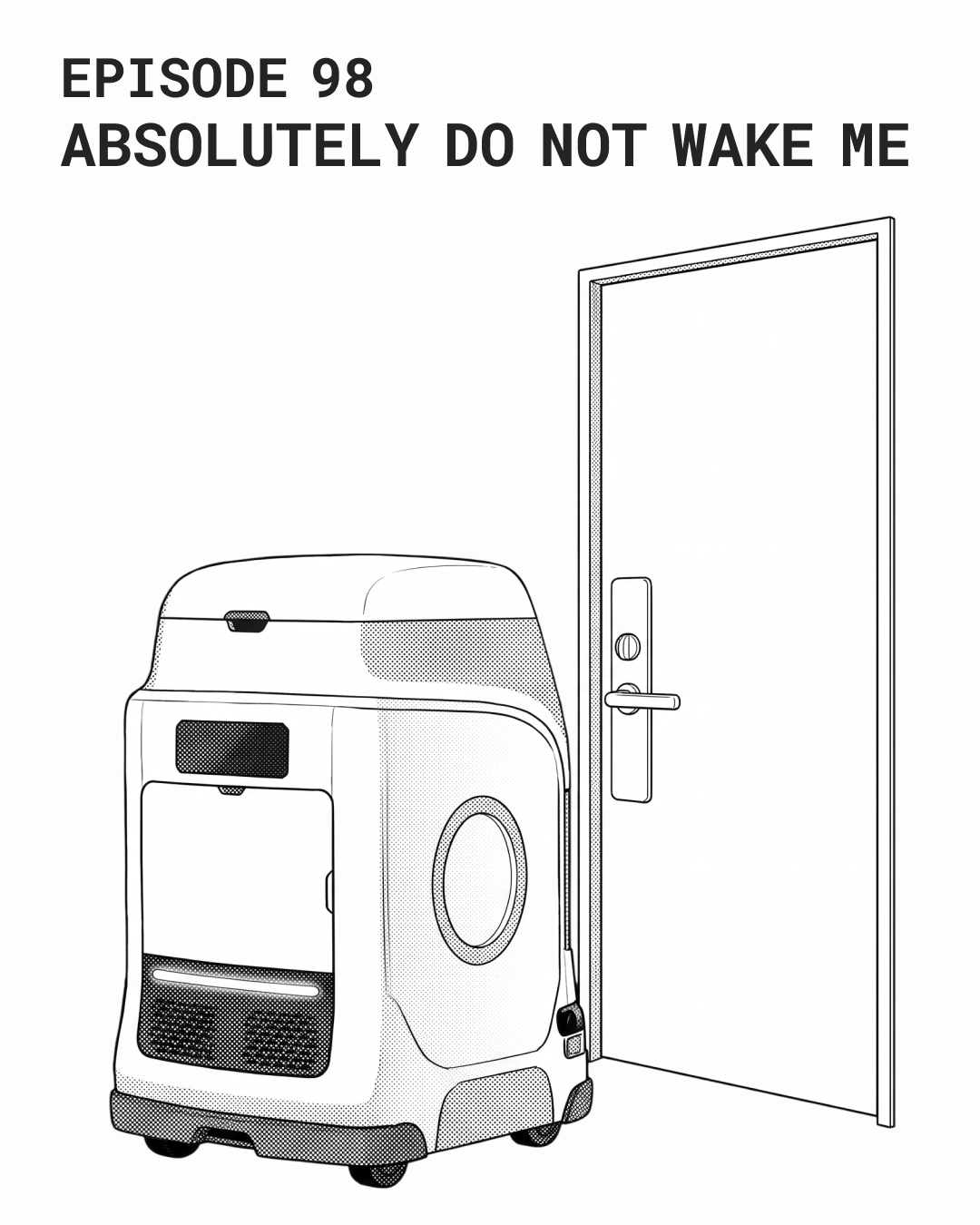
When It Is Right to Break an Order
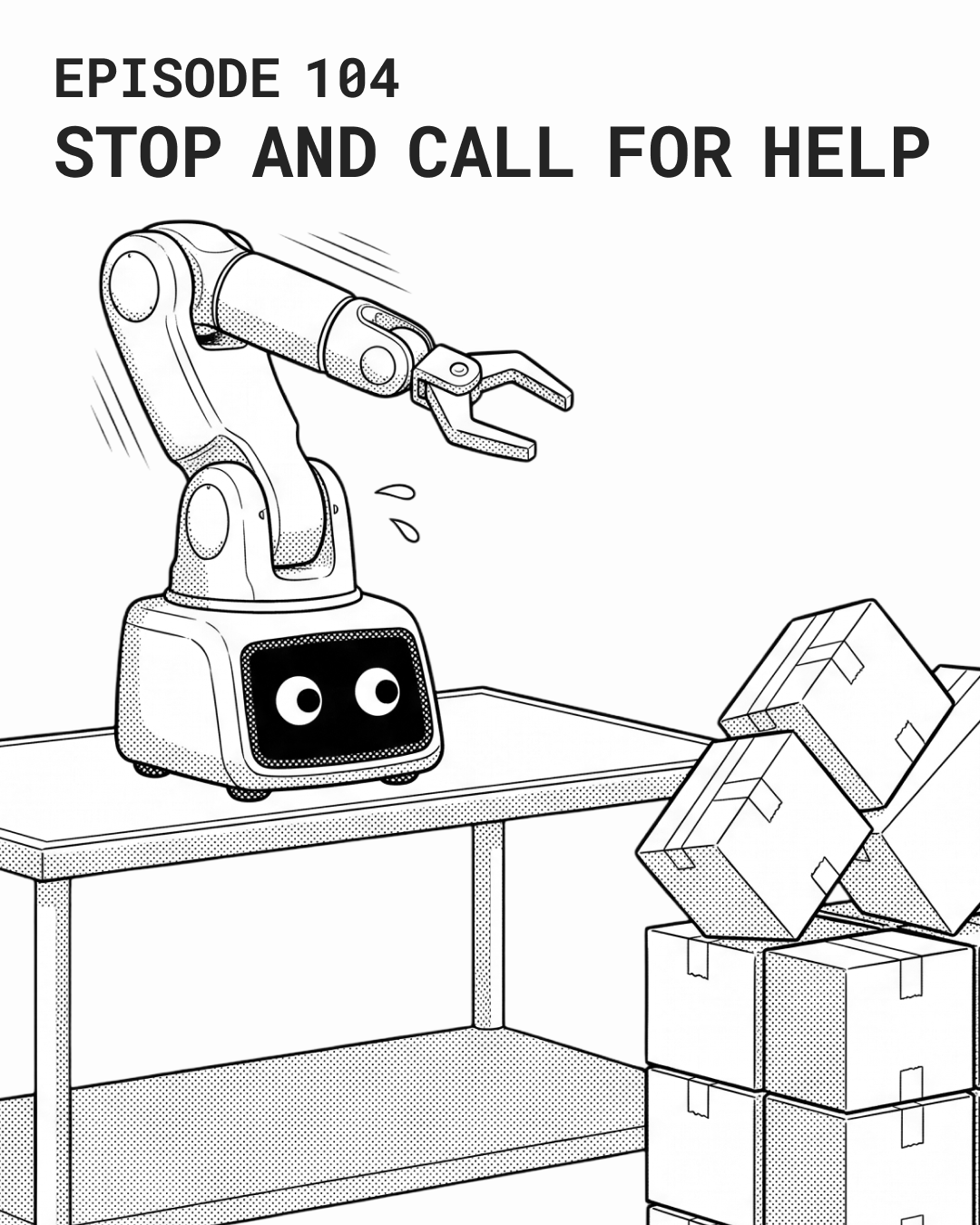
The Machine That Stops Keeps the Night Running
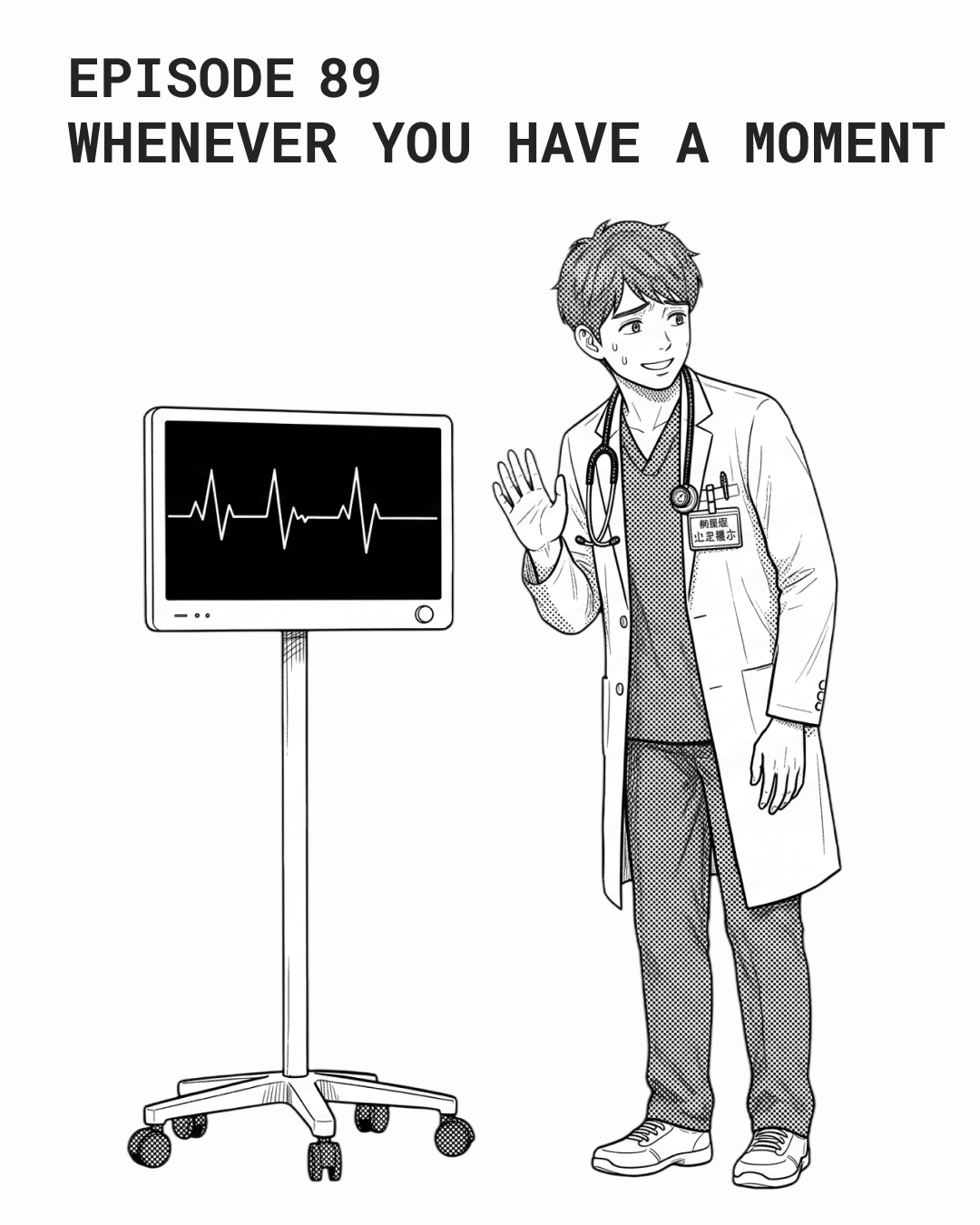
When Politeness Hides Urgency, Ask Instead of Guess
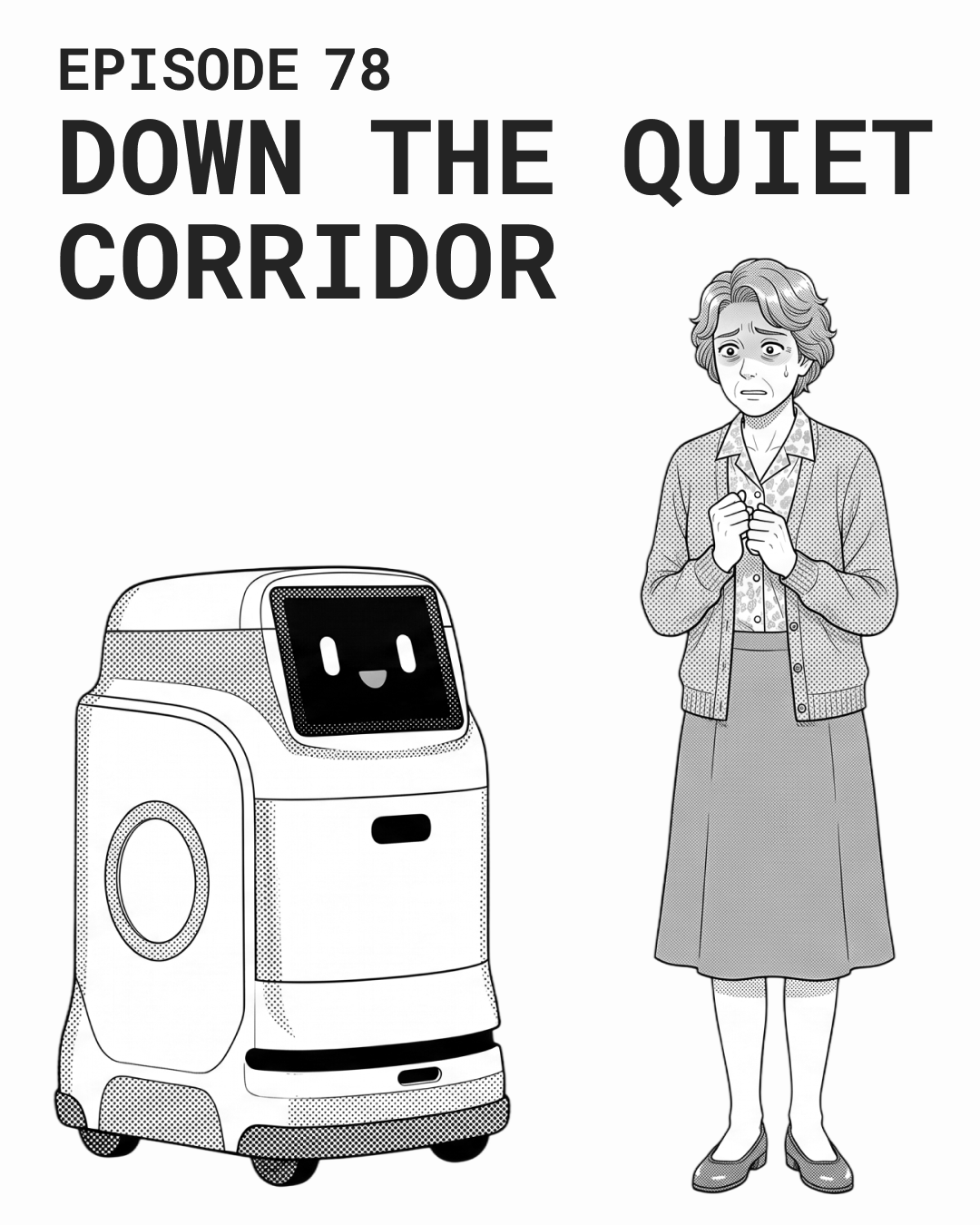
Knowing When to Turn the Brightness Down
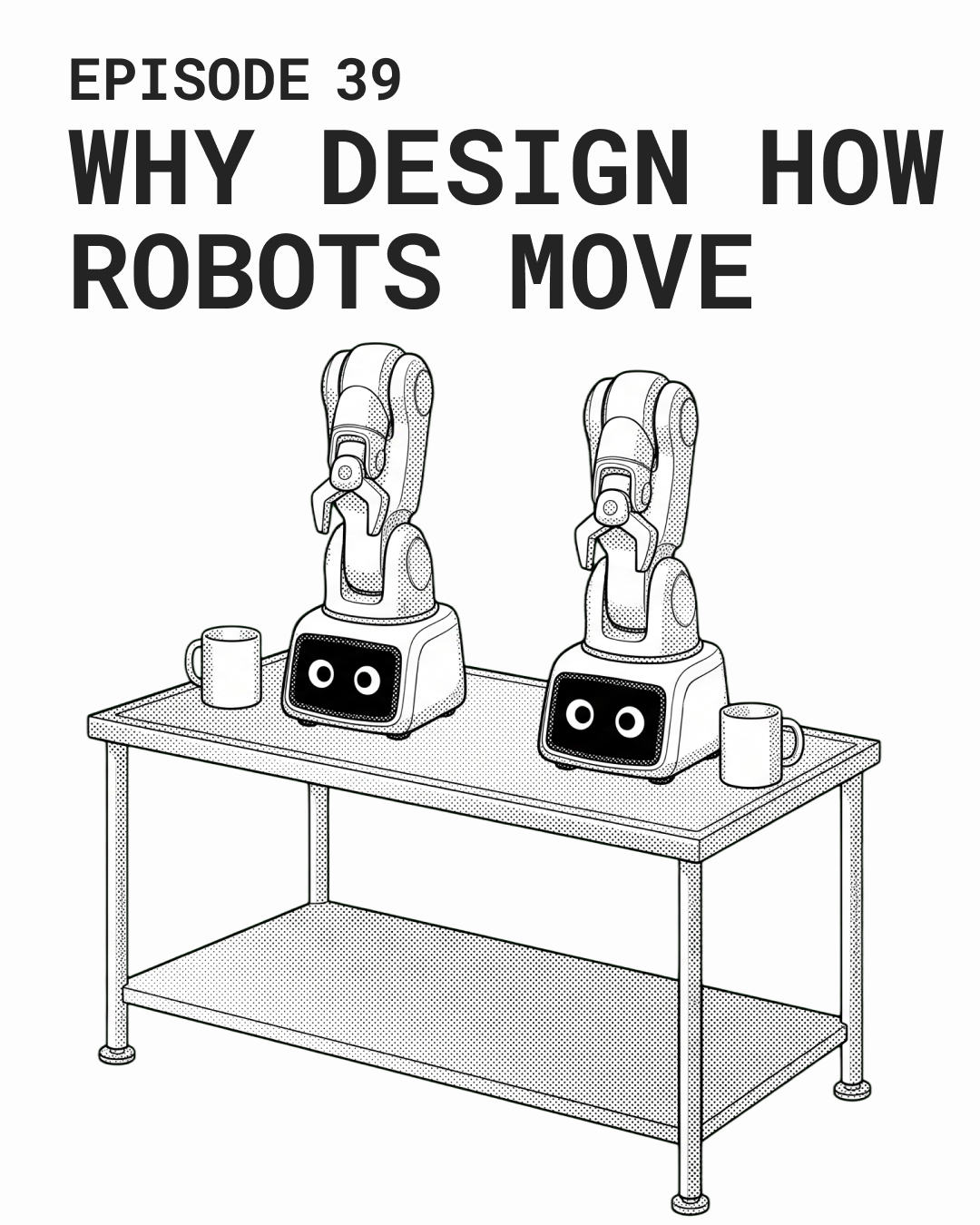
Motion Is Read as Personality

When It Starts, Decide How It Ends
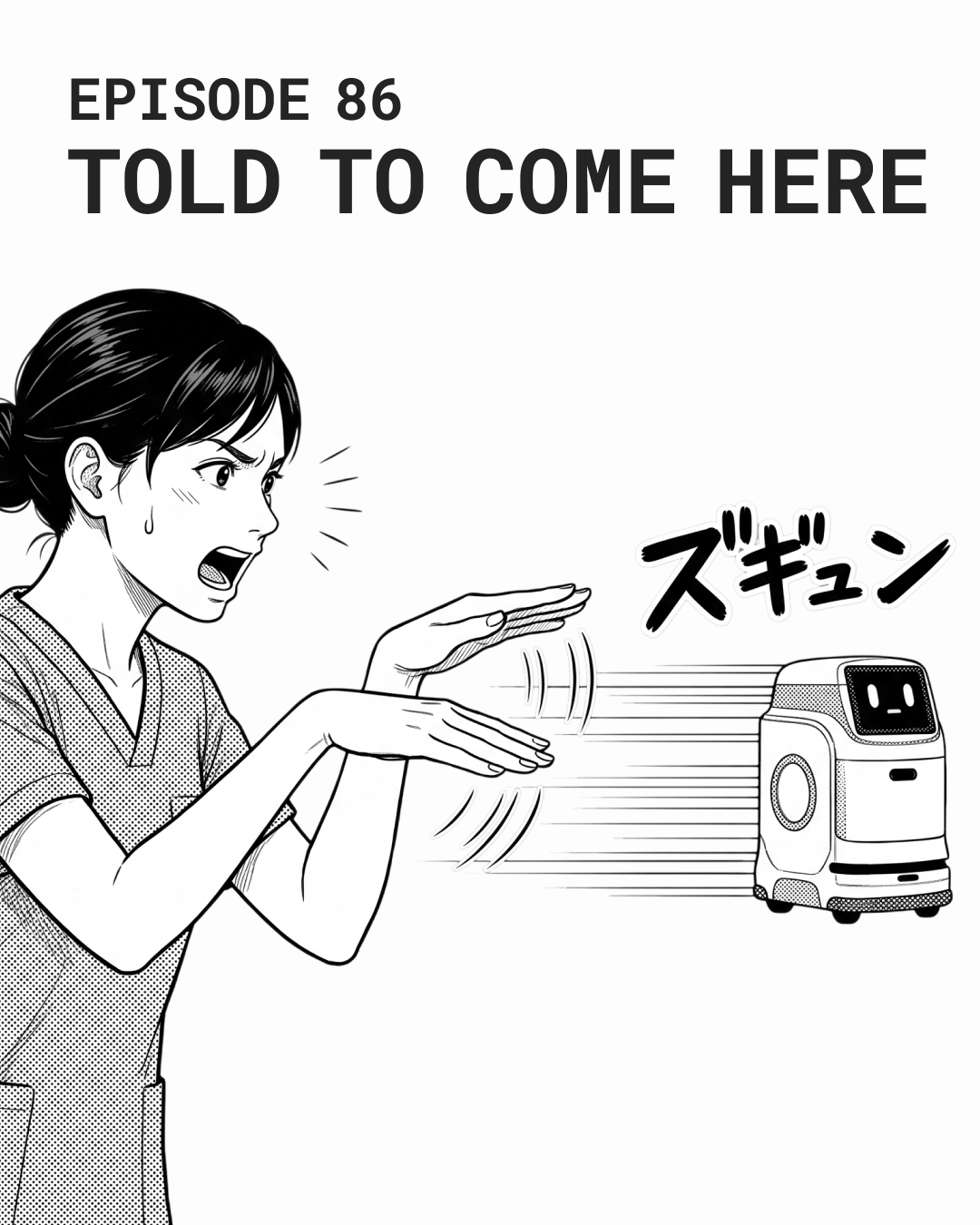
A Beckon Is Not Universal
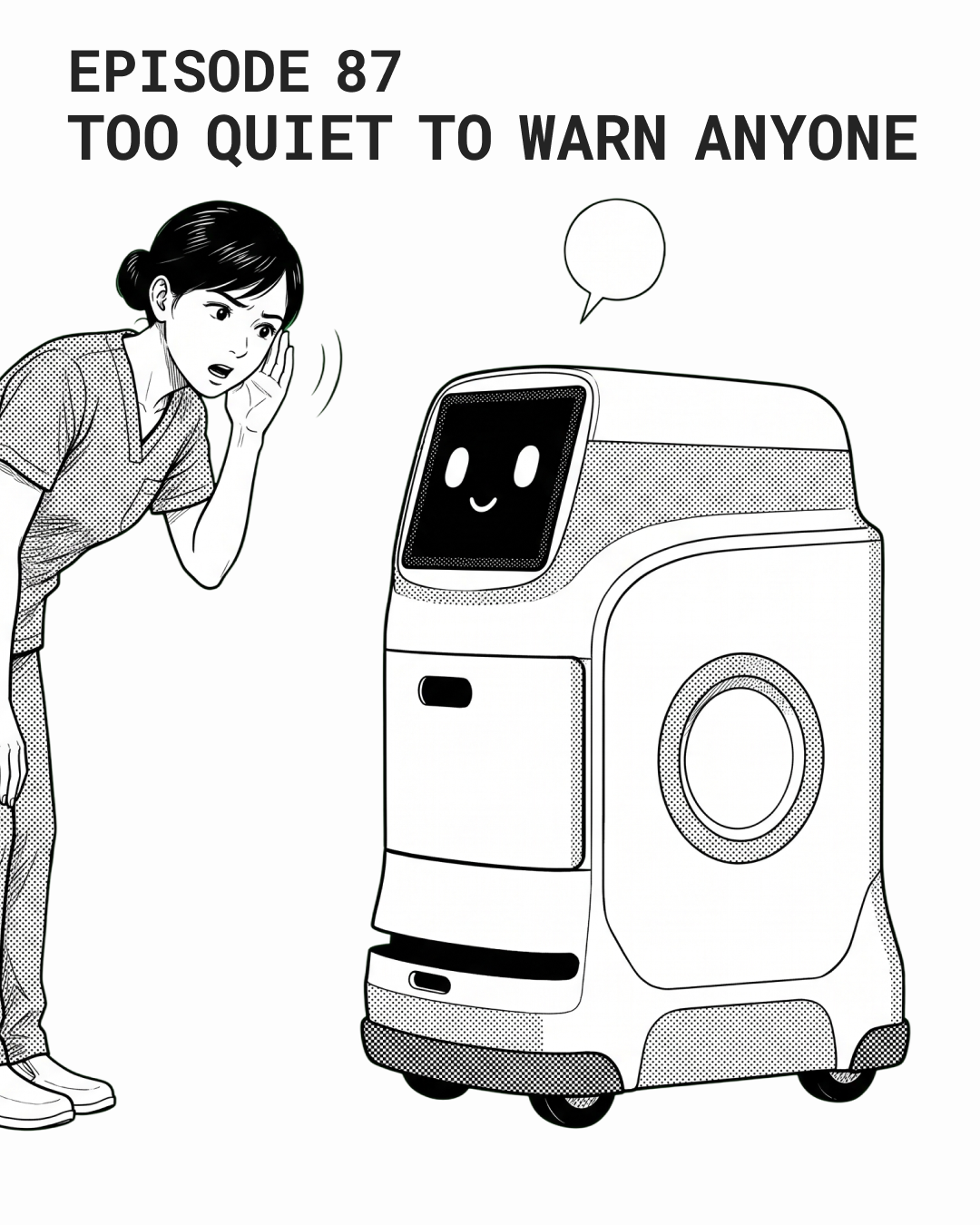
When Silence Swallows the Warning
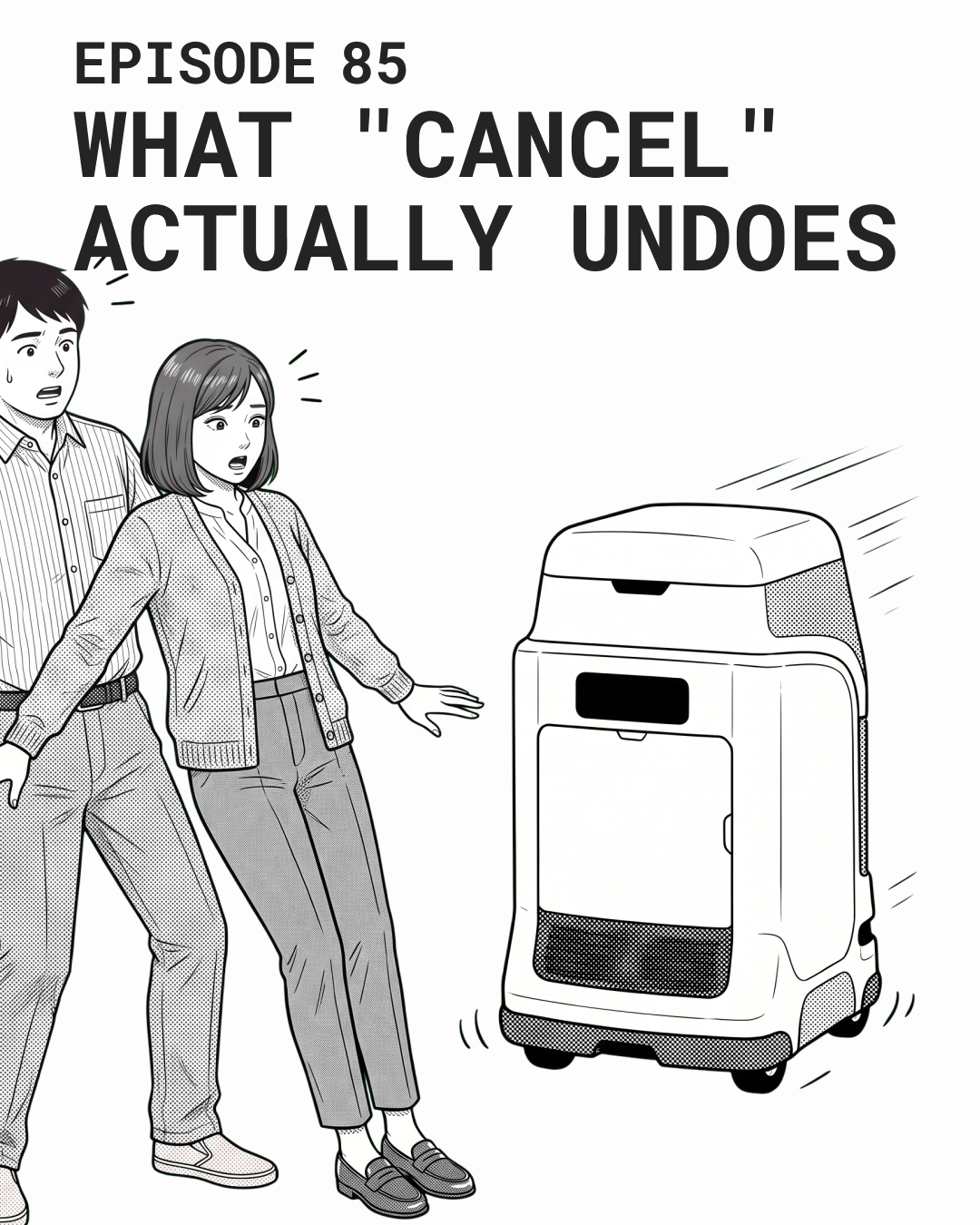
The Hidden Cost of Going Back
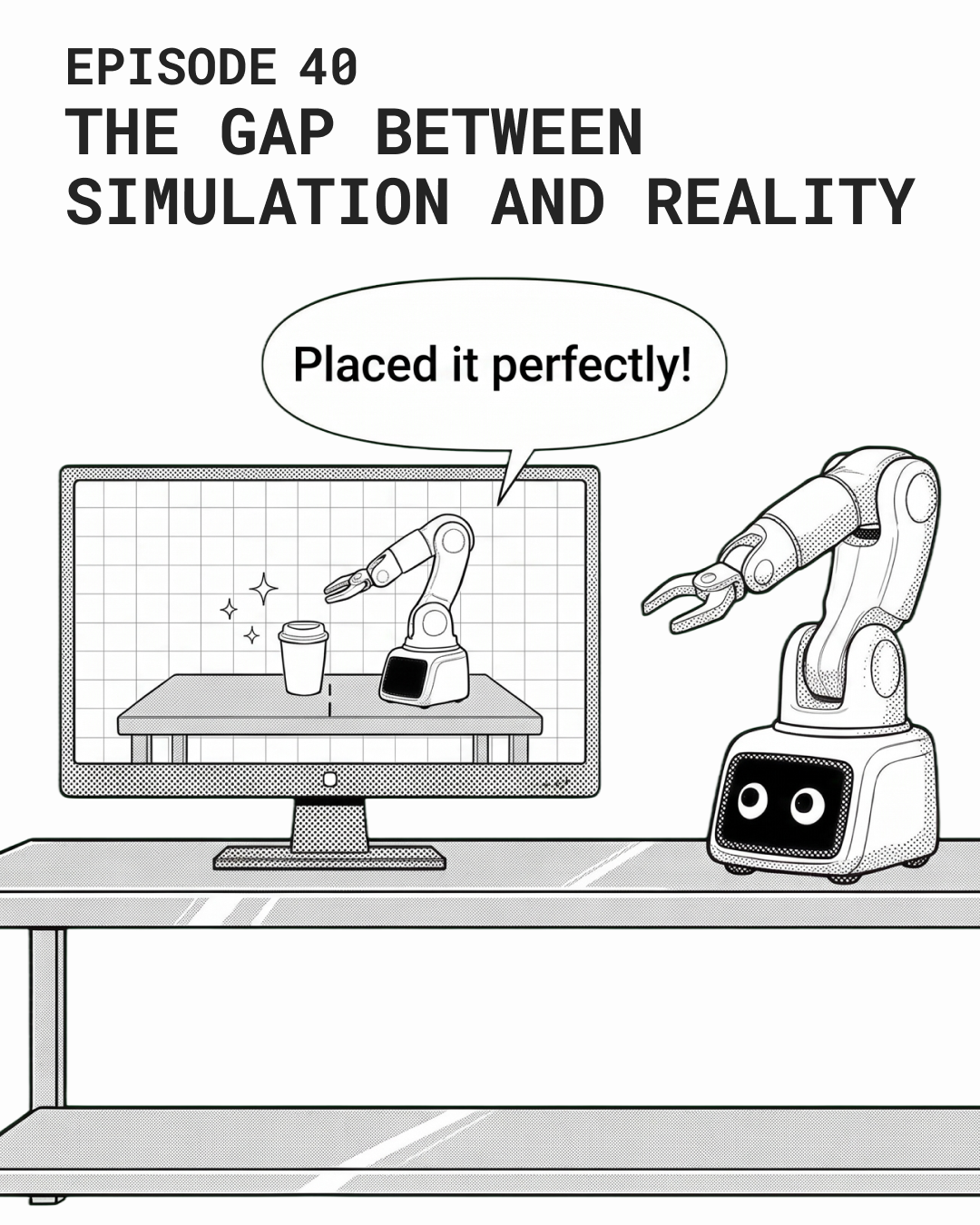
Perfect on Screen, Wobbly in Reality
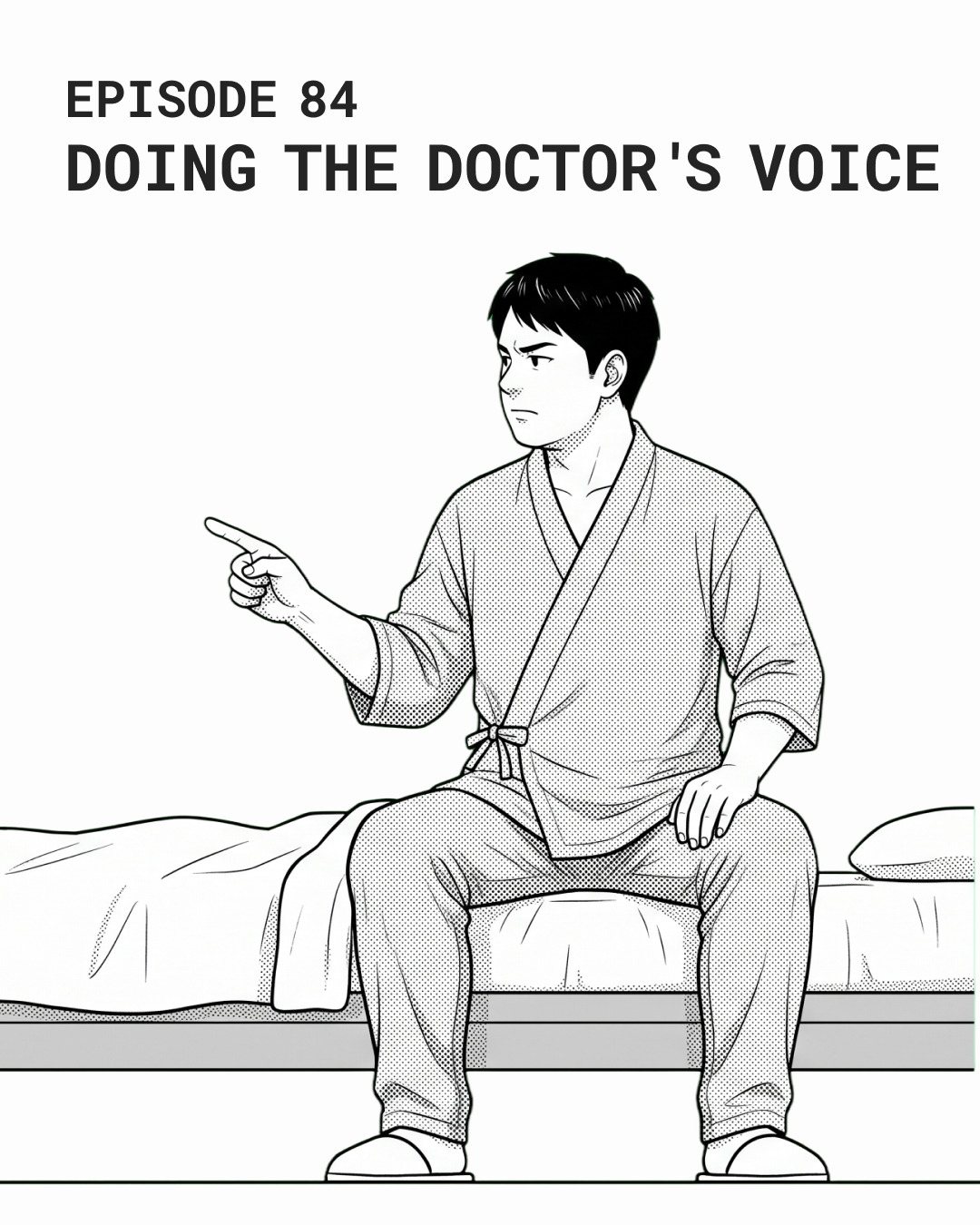
A Voice Is Not a Key
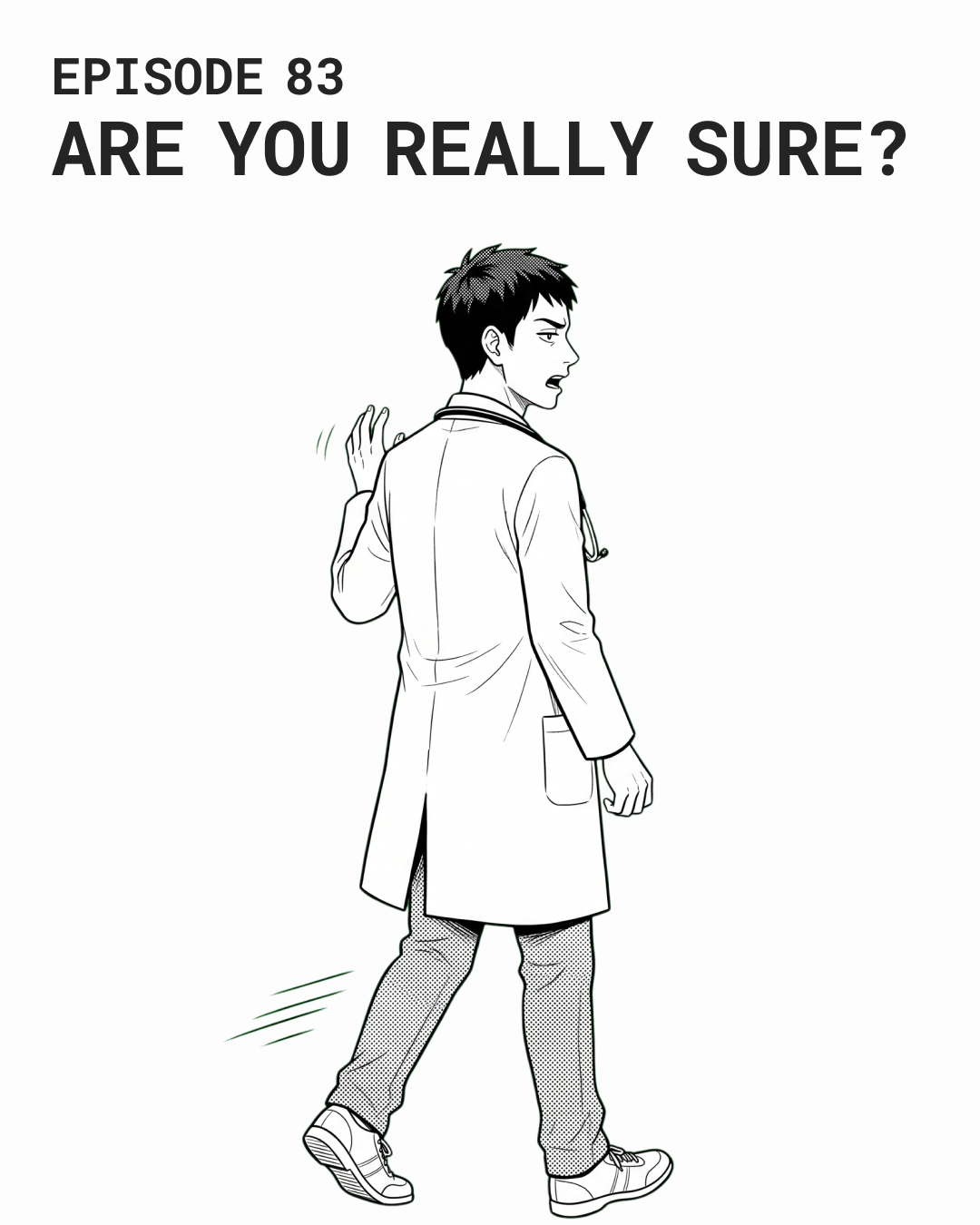
Design Confirmations by Weight, Not by Count
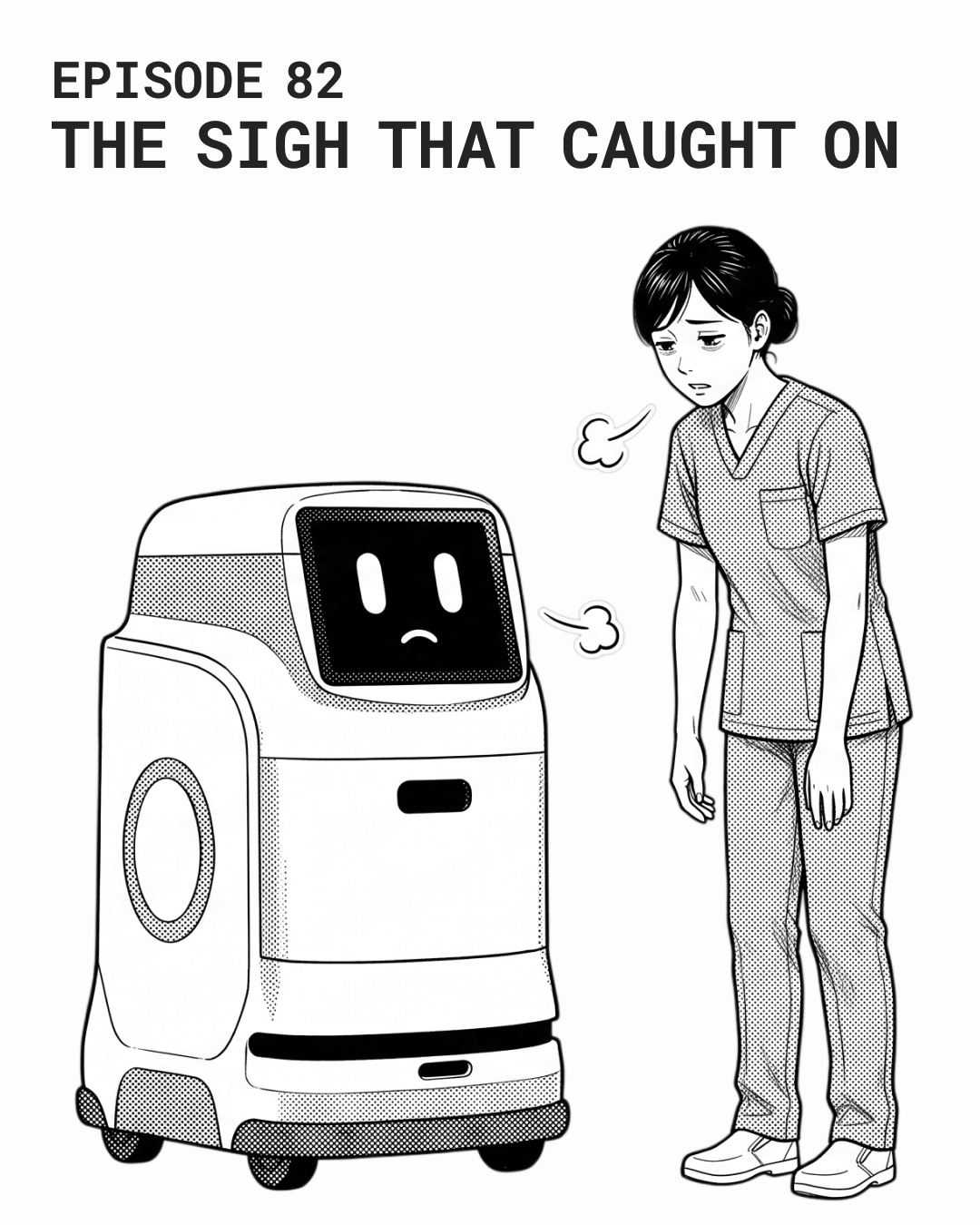
Designing the Emotions a Robot Should Not Return
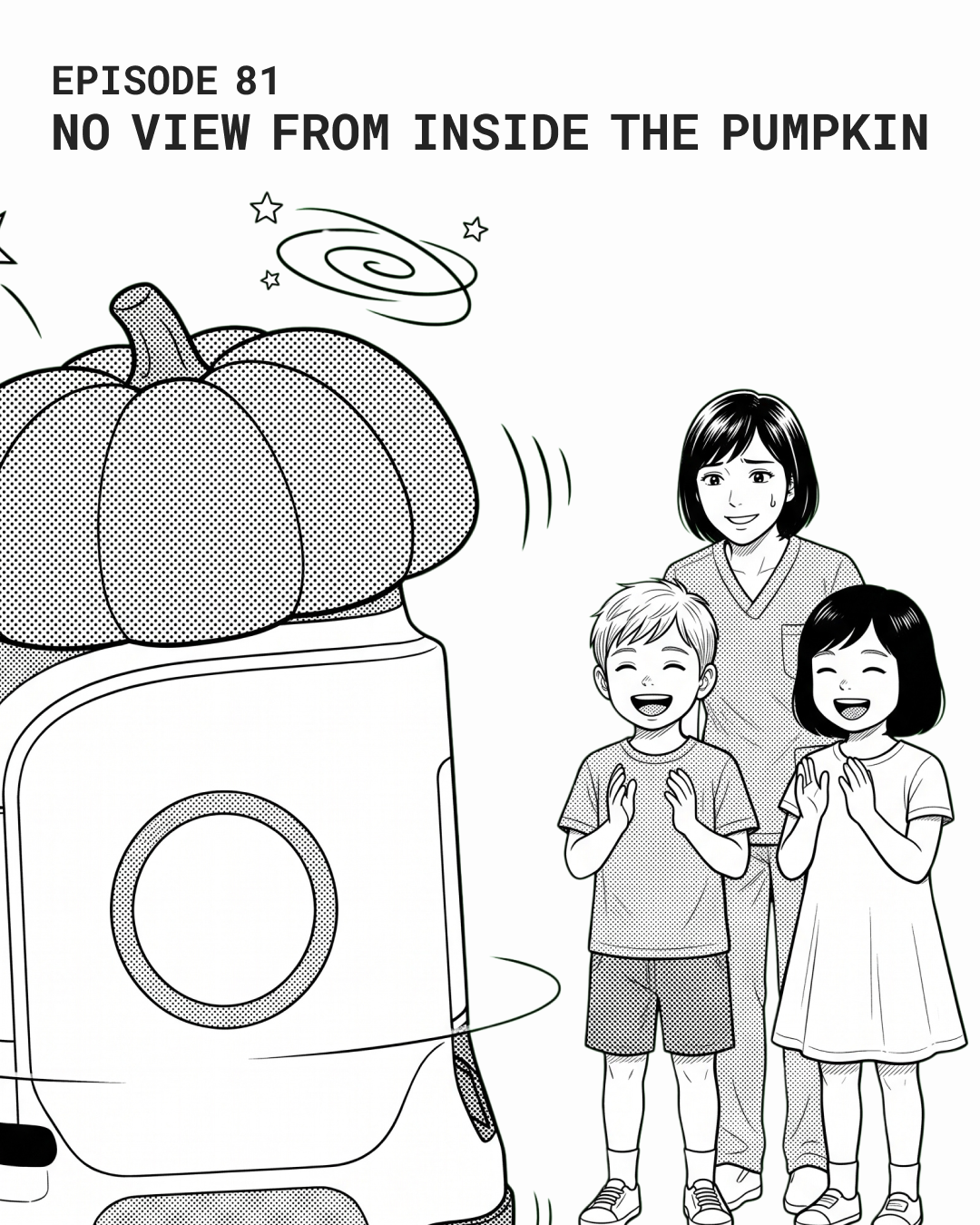
Show Where Decoration Is Allowed, First
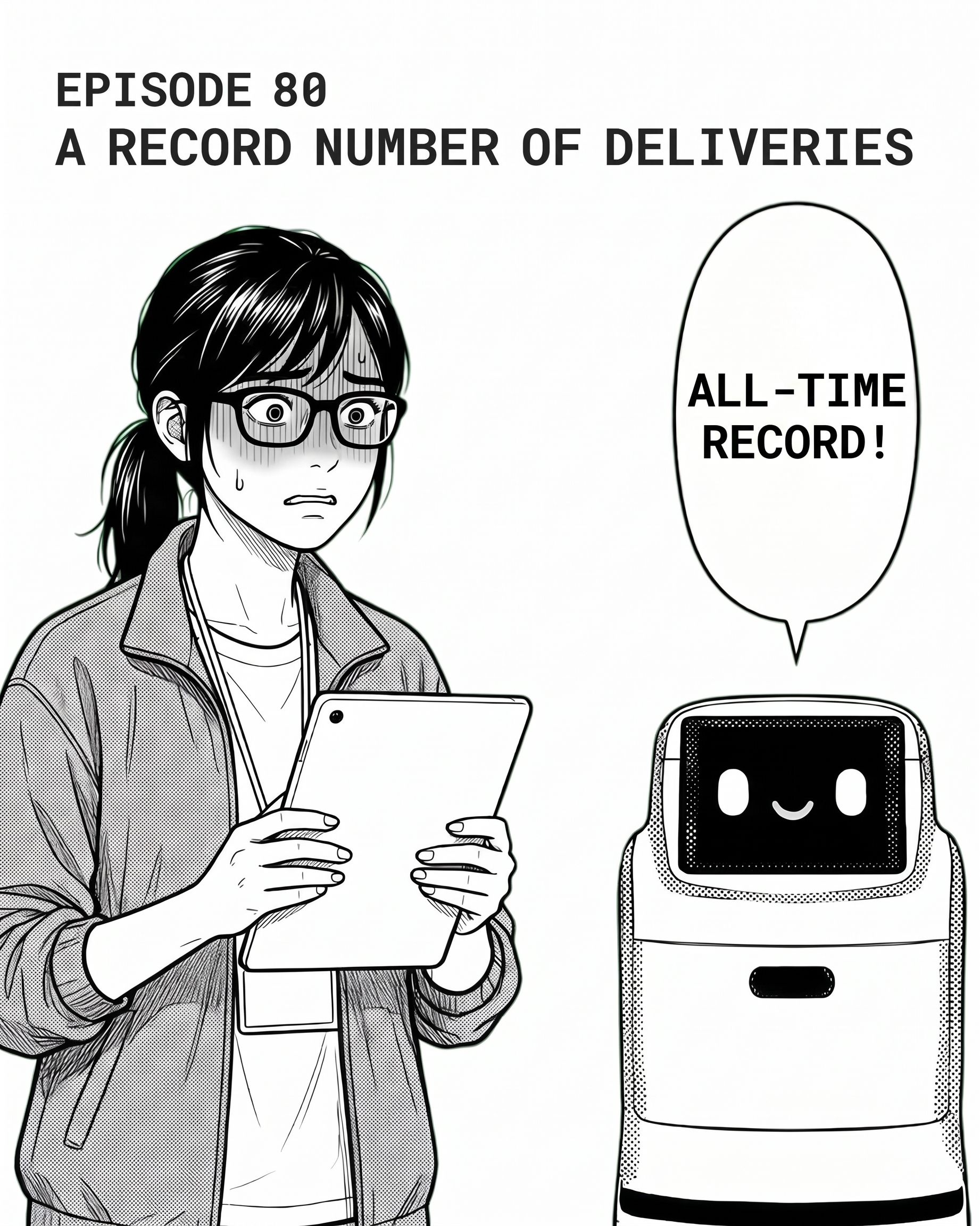
Numbers Don't Know What You Want
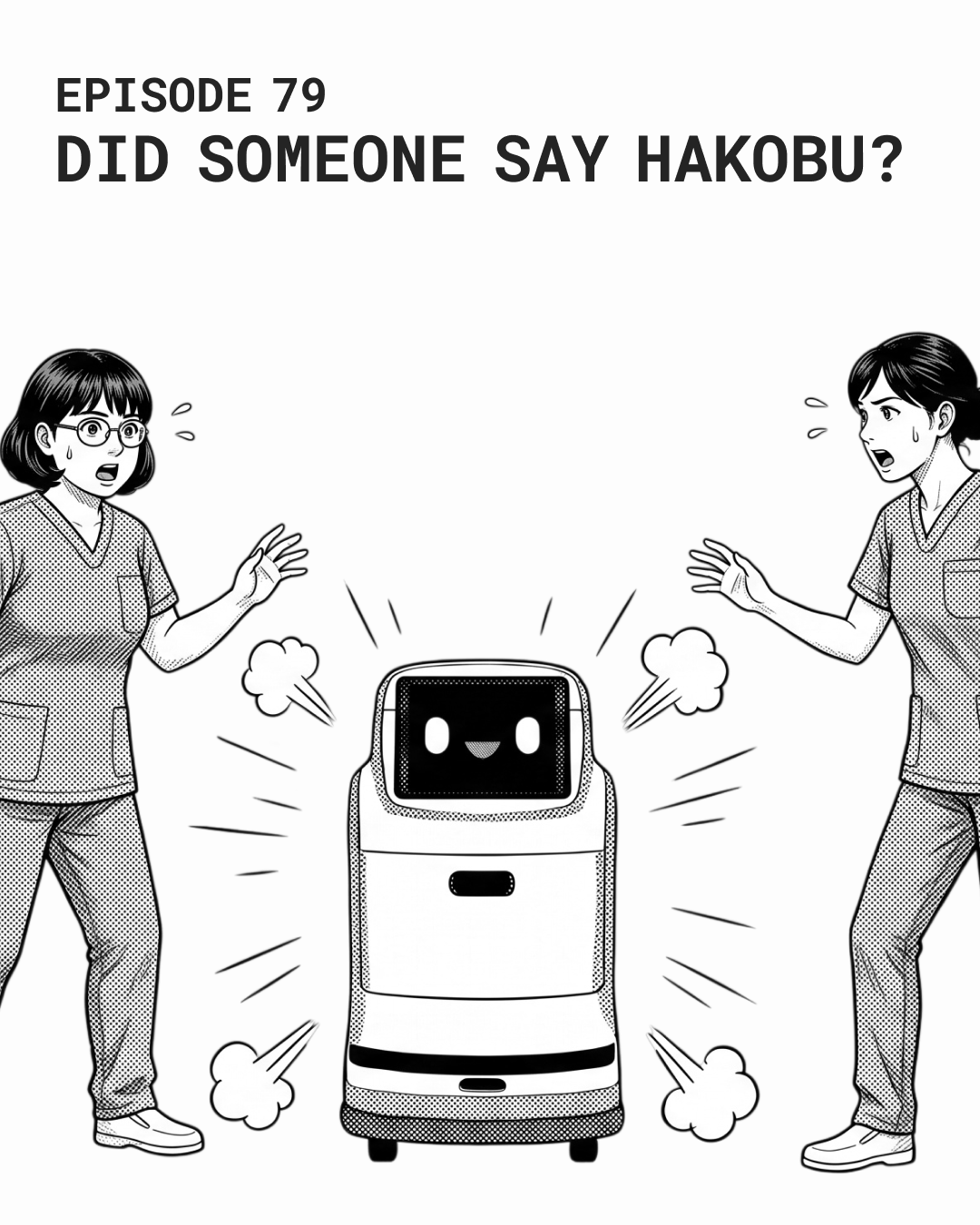
Wake Words Should Not Sound Like Daily Speech
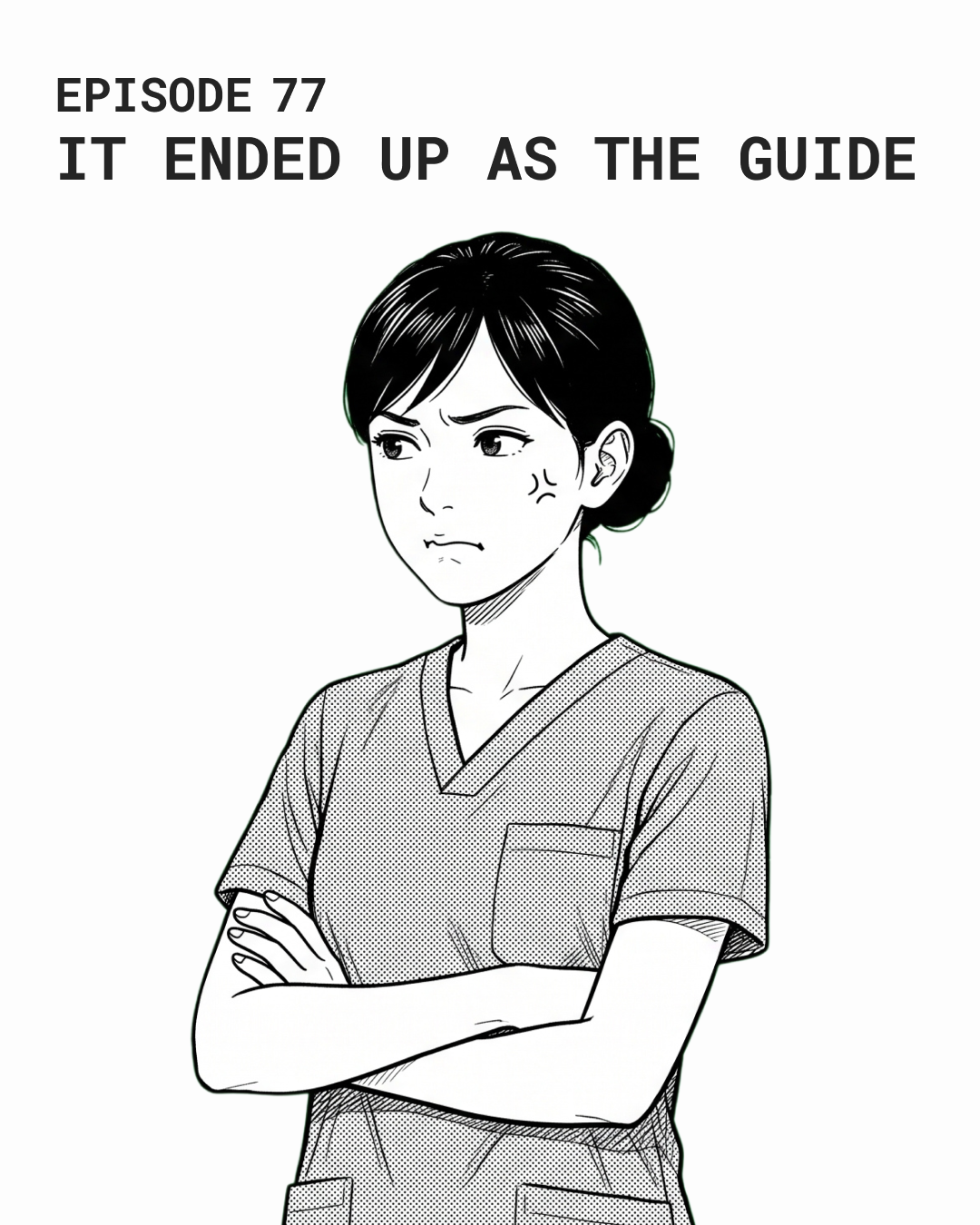
Refusal Criteria Belong in the Spec
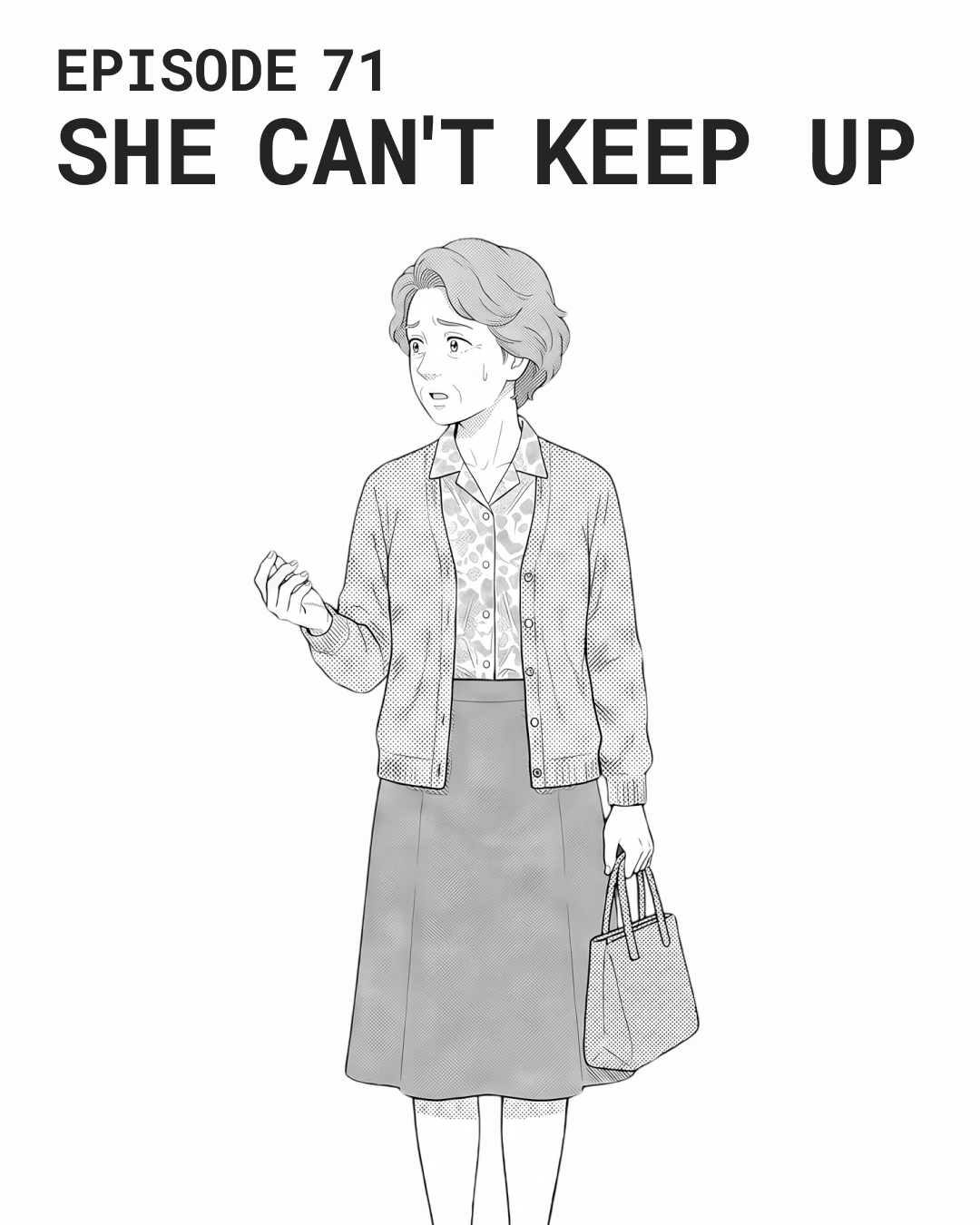
Whose Pace Decides the Journey

The Blind Spot Inside Self-Diagnosis
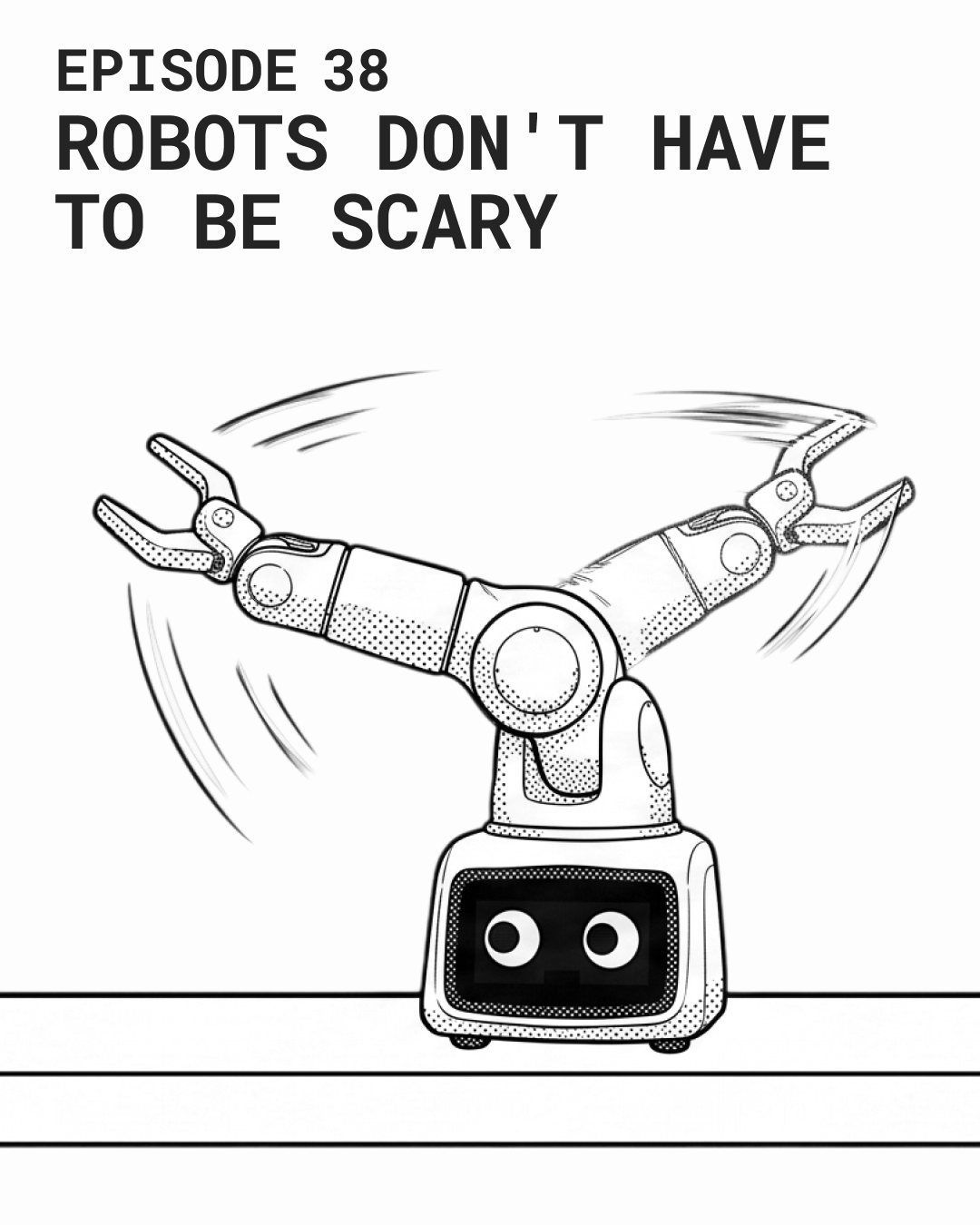
Speed Is a Safety Feature
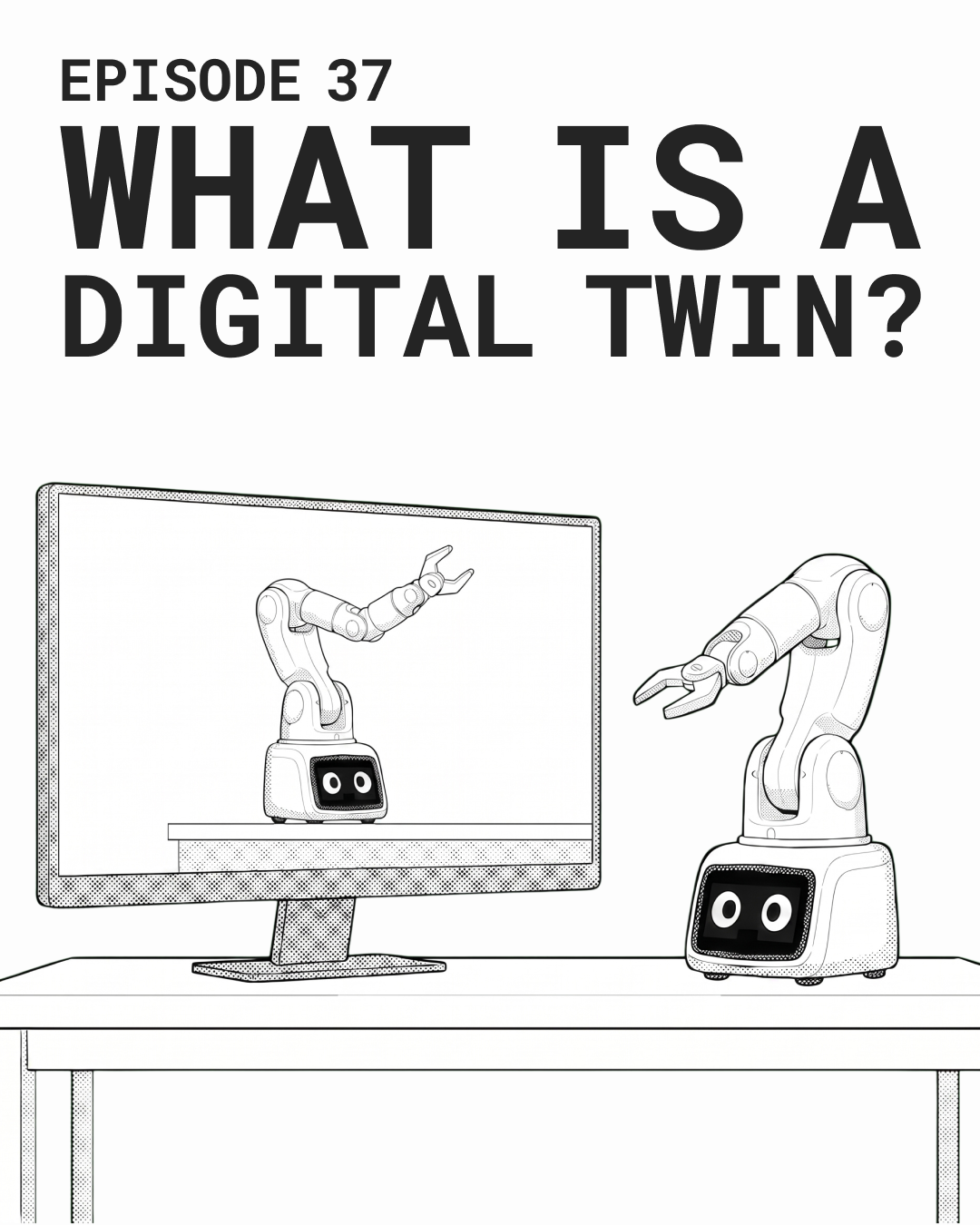
Let the Copy Fail First
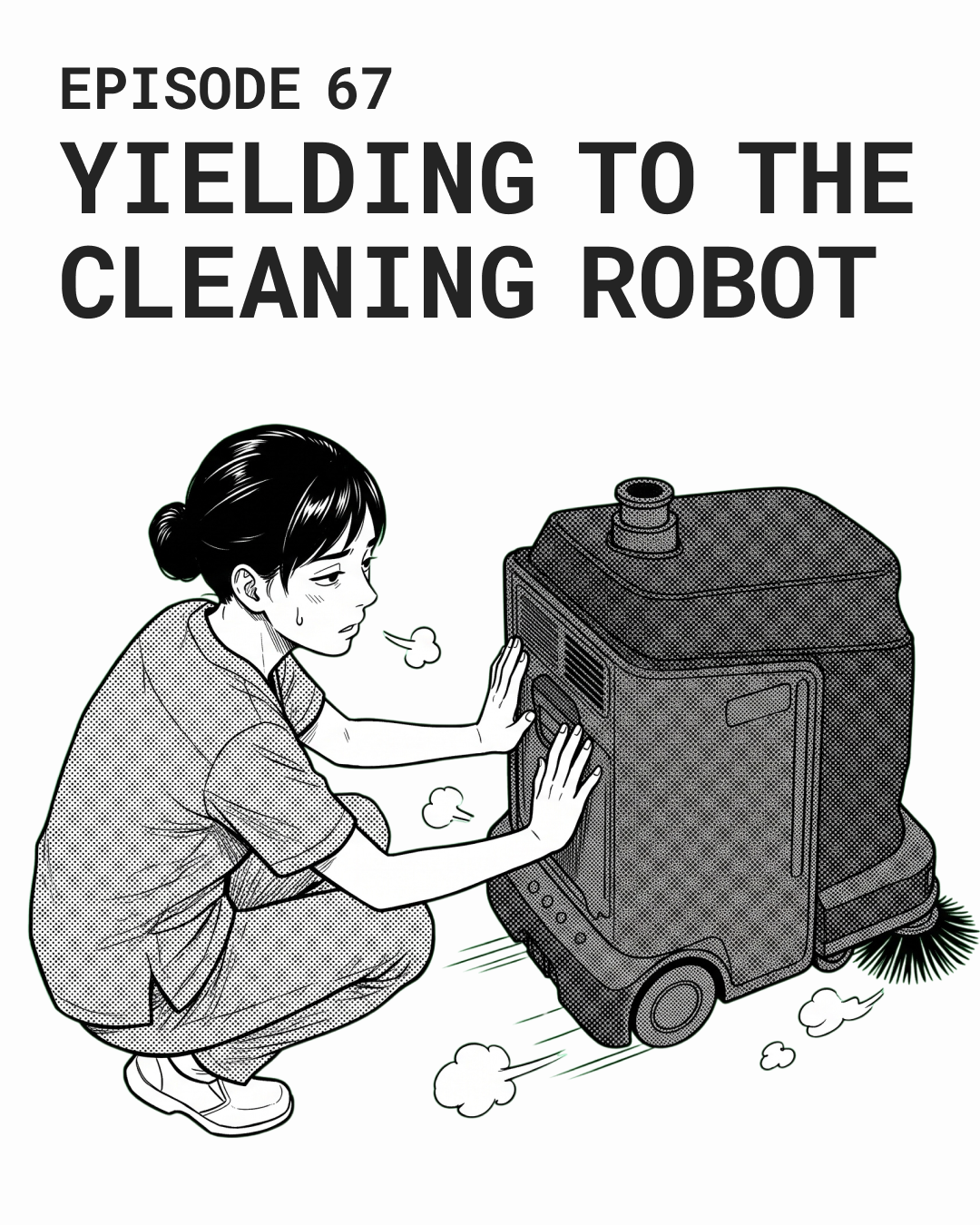
When Politeness Becomes a Deadlock
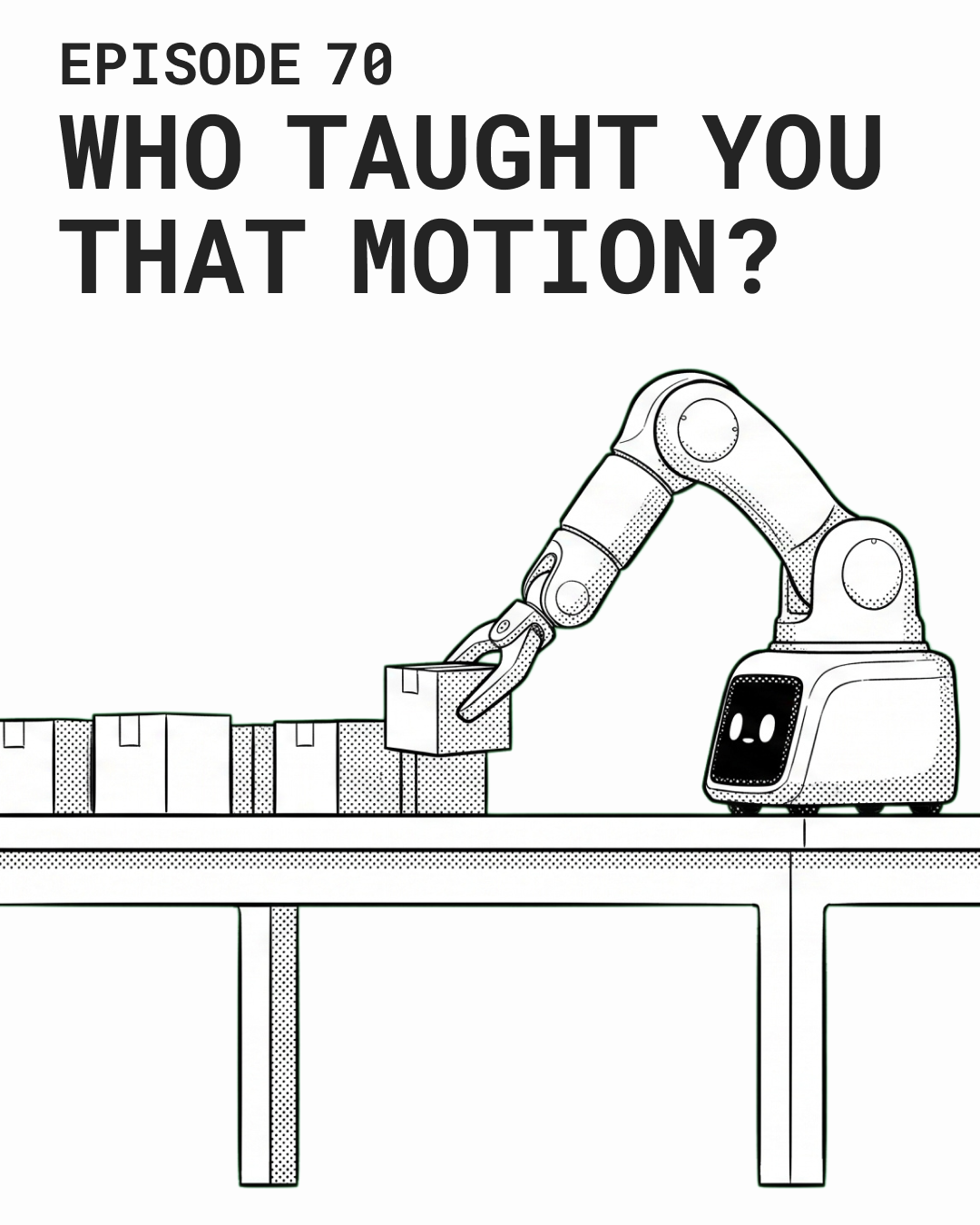
Where a Robot's Gentleness Comes From
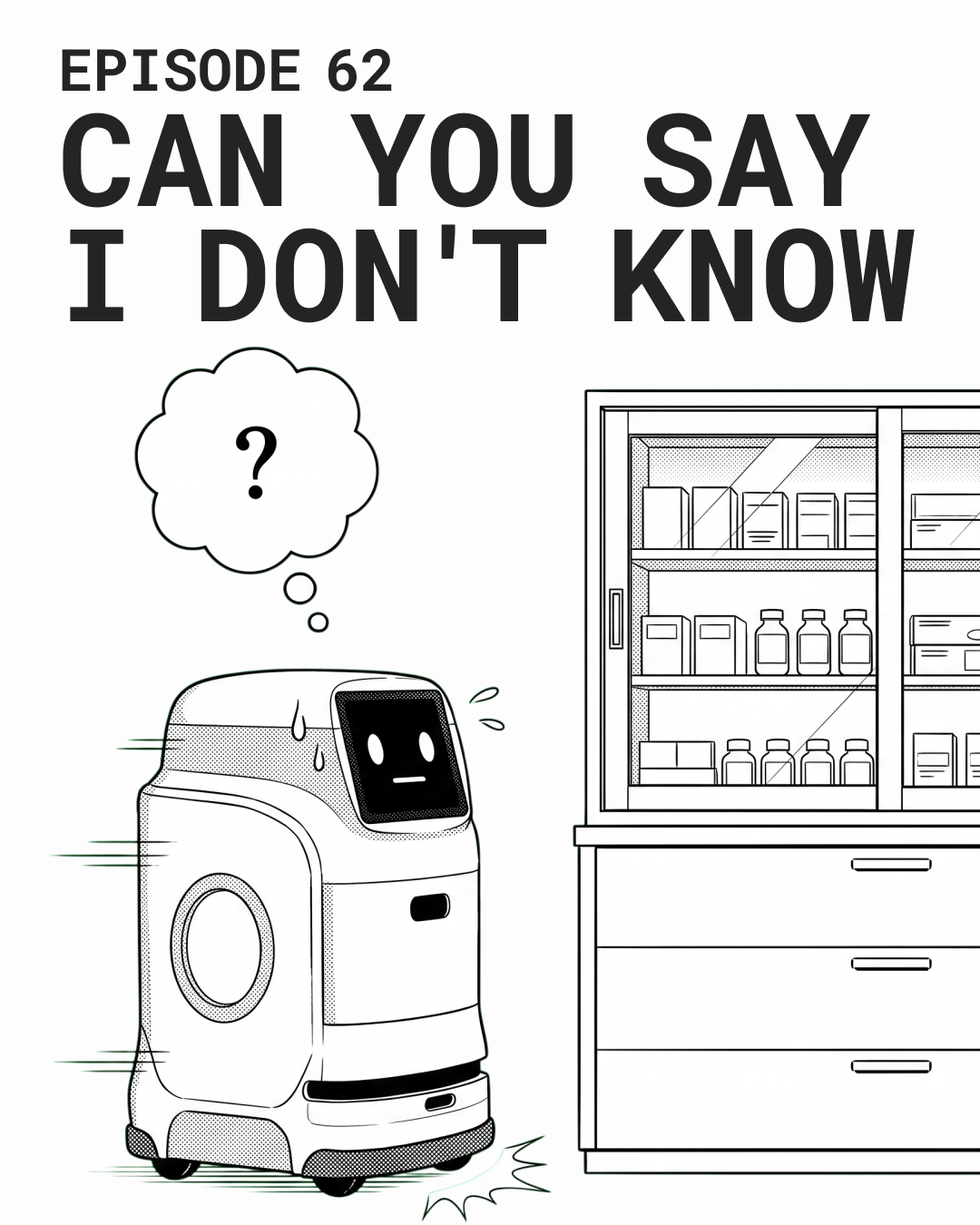
Saying the Confidence Out Loud

Writing Permission Into the Map

When Not Guiding Is the Right Move
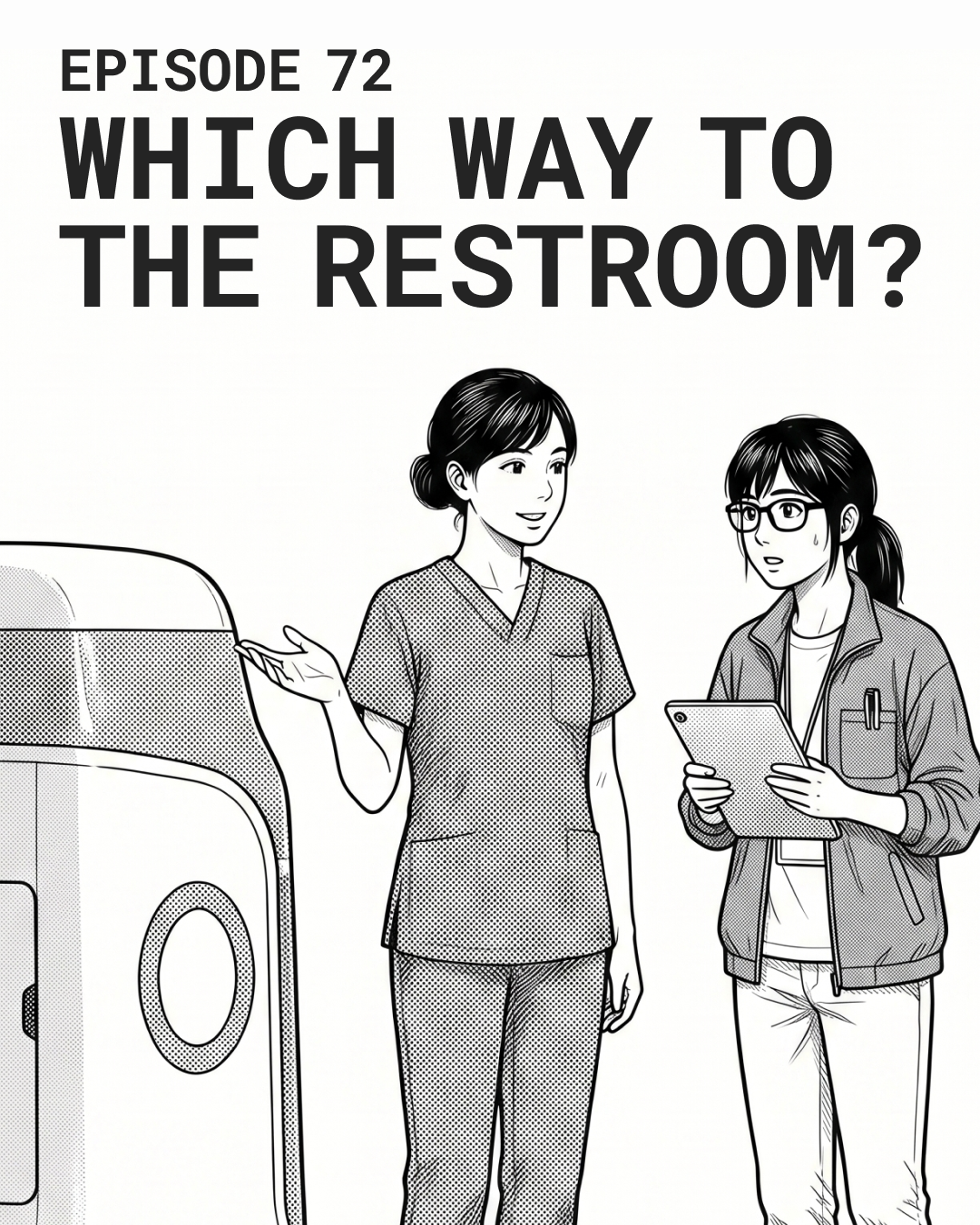
A Detour Is Not an Error
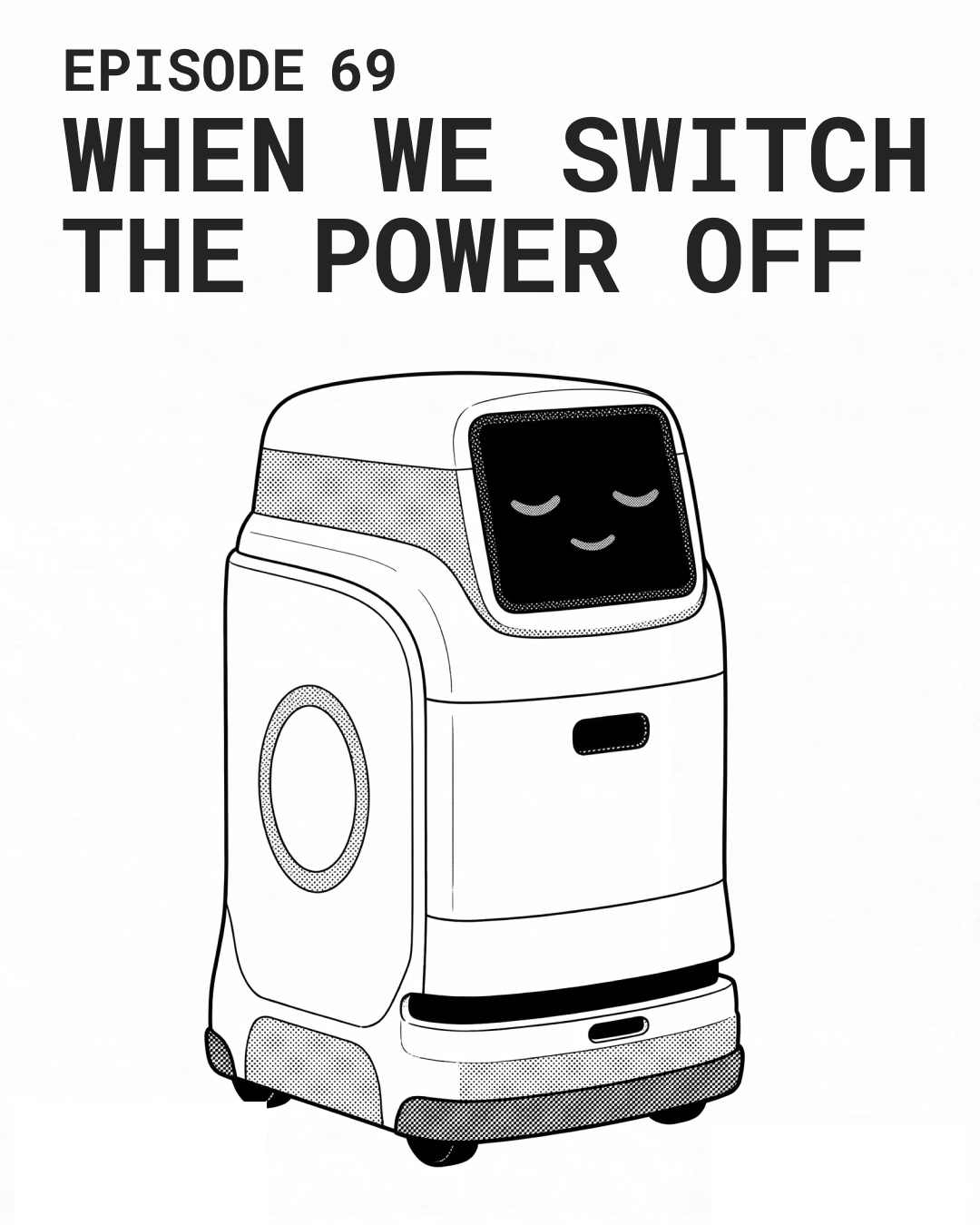
The Shutdown Is for the People Watching
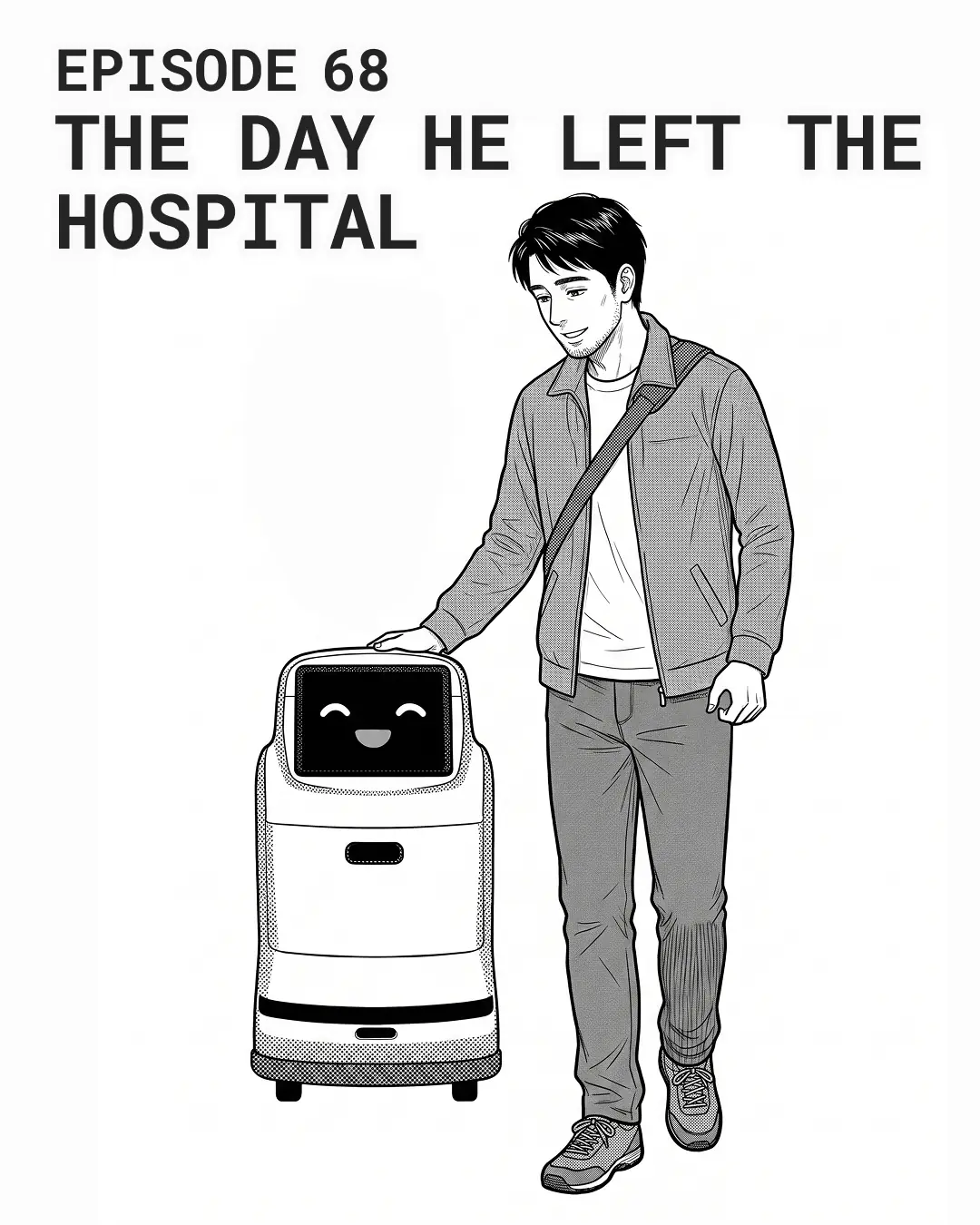
The Retention Period Is a Goodbye
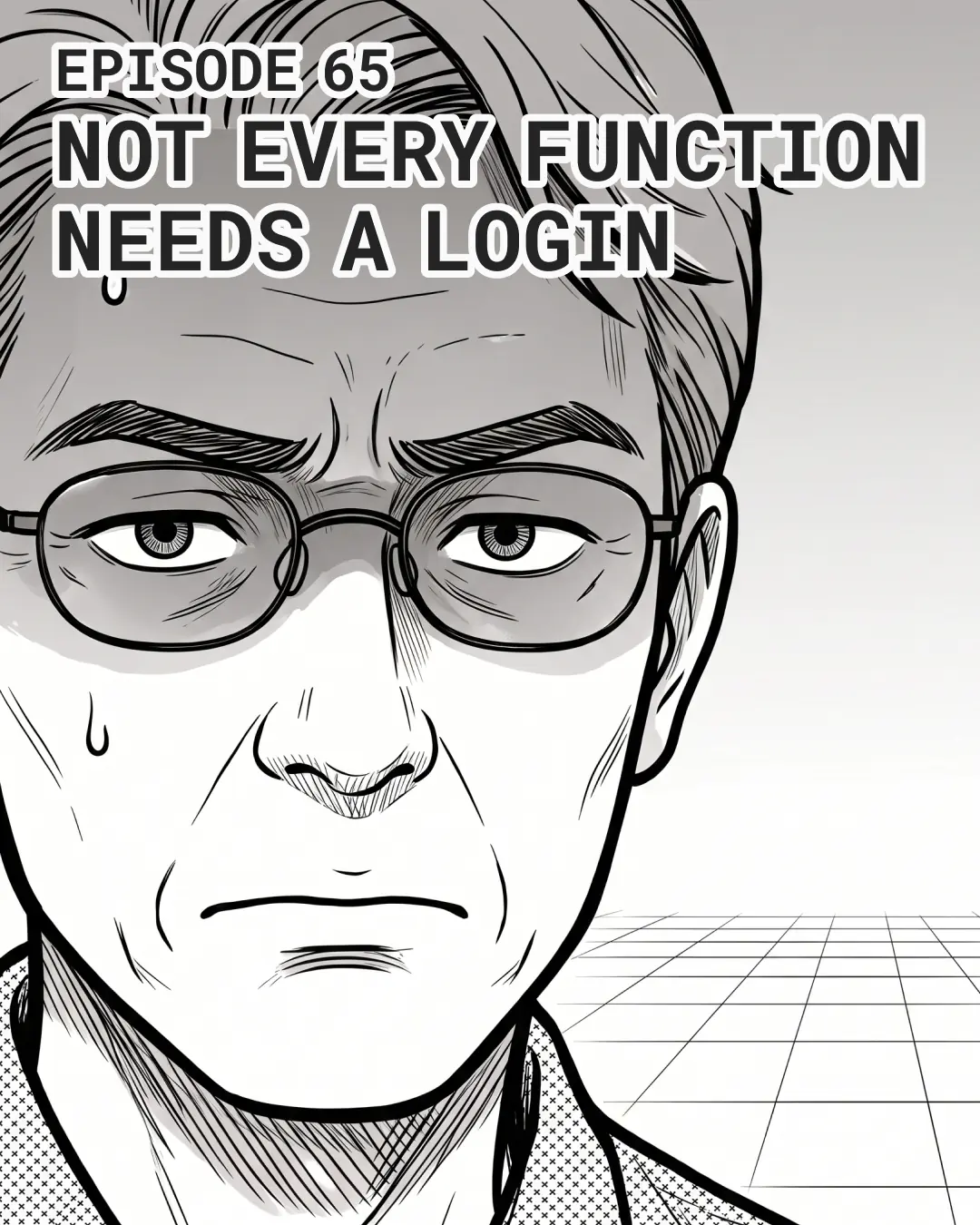
Not Every Function Needs A Login

What Nothing Looks Like
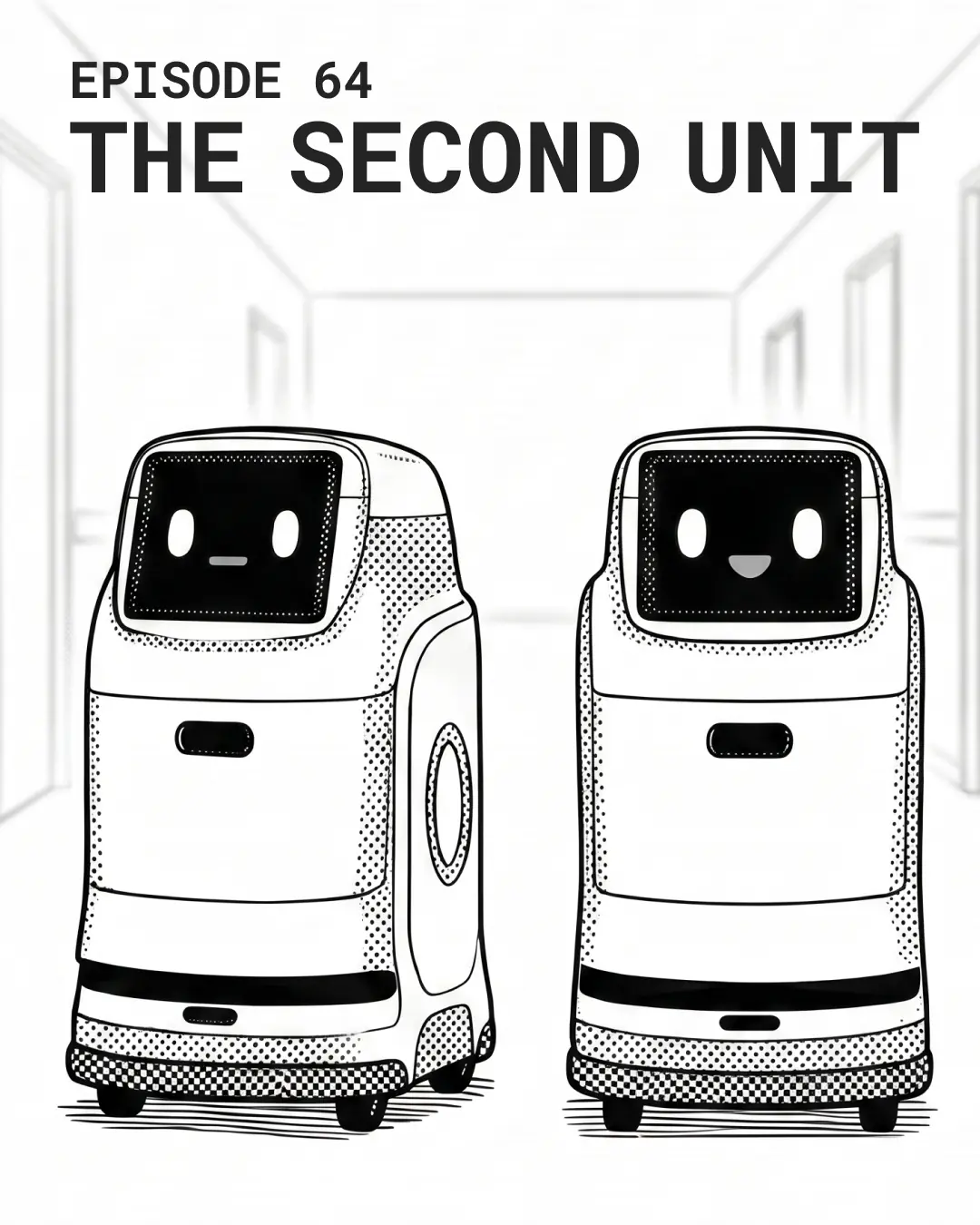
Same Face, Different Memory
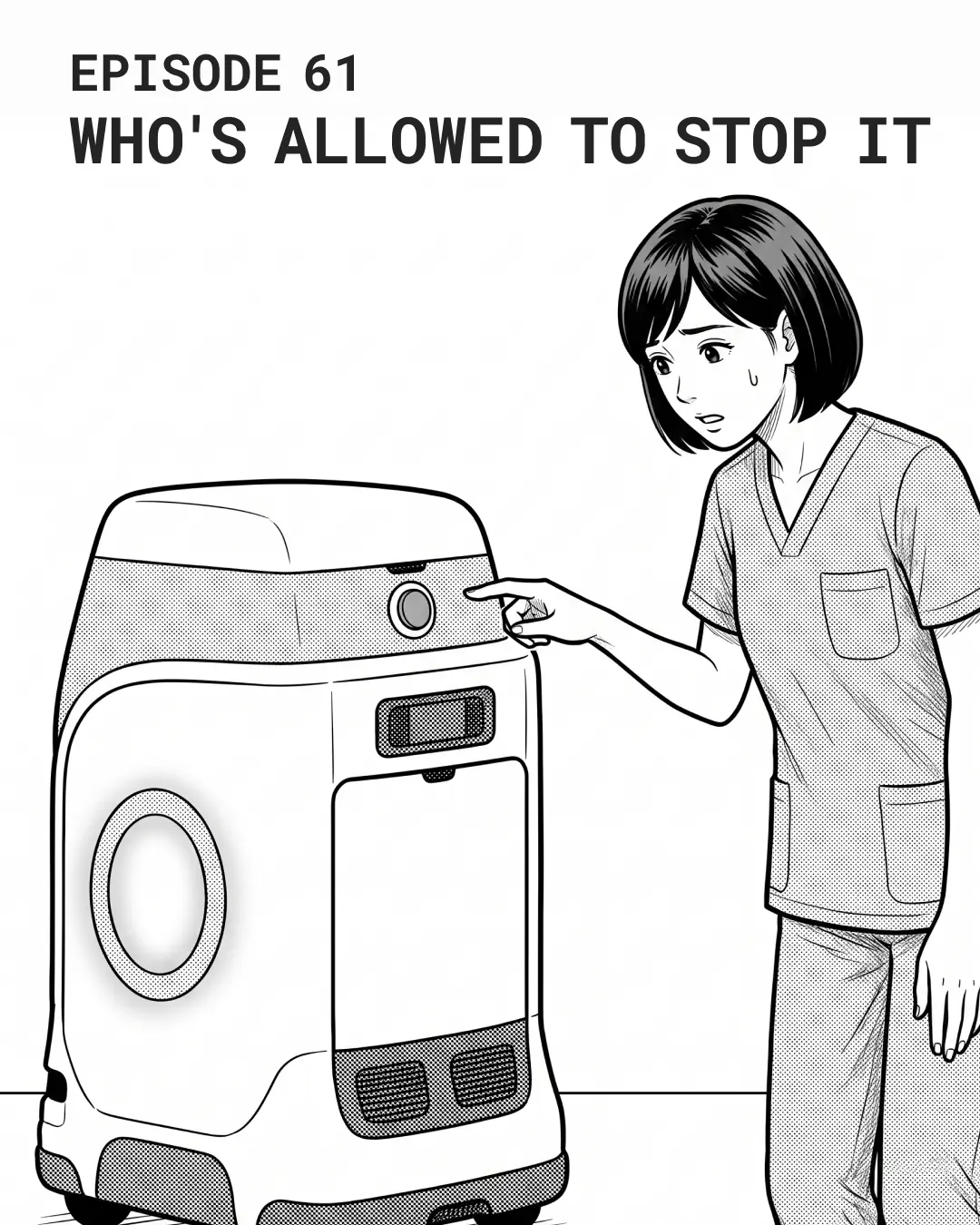
What Created the Hesitation
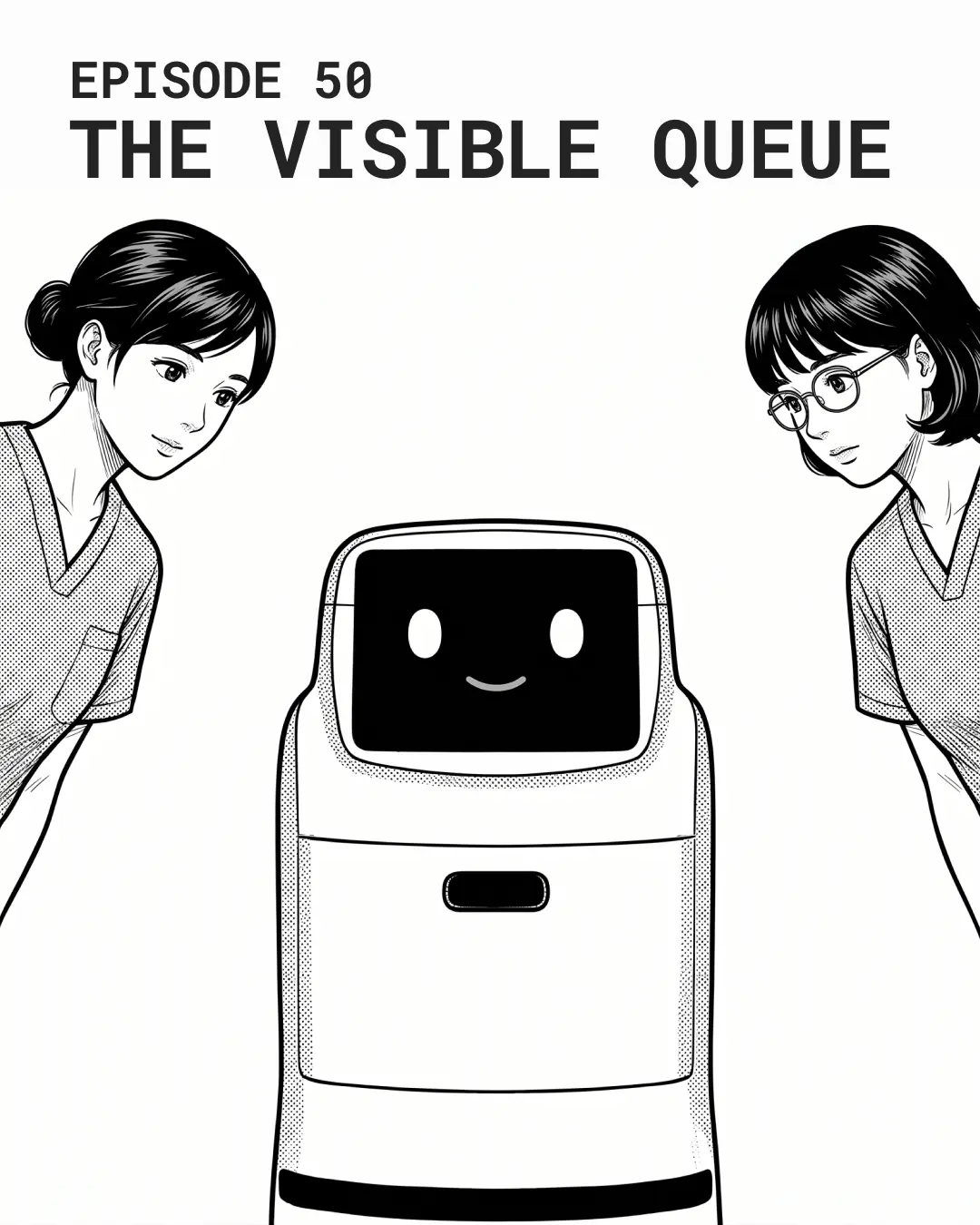
The Invisible Line Is the Longest One

The Name You're Called

Knowing Too Much, Kindly
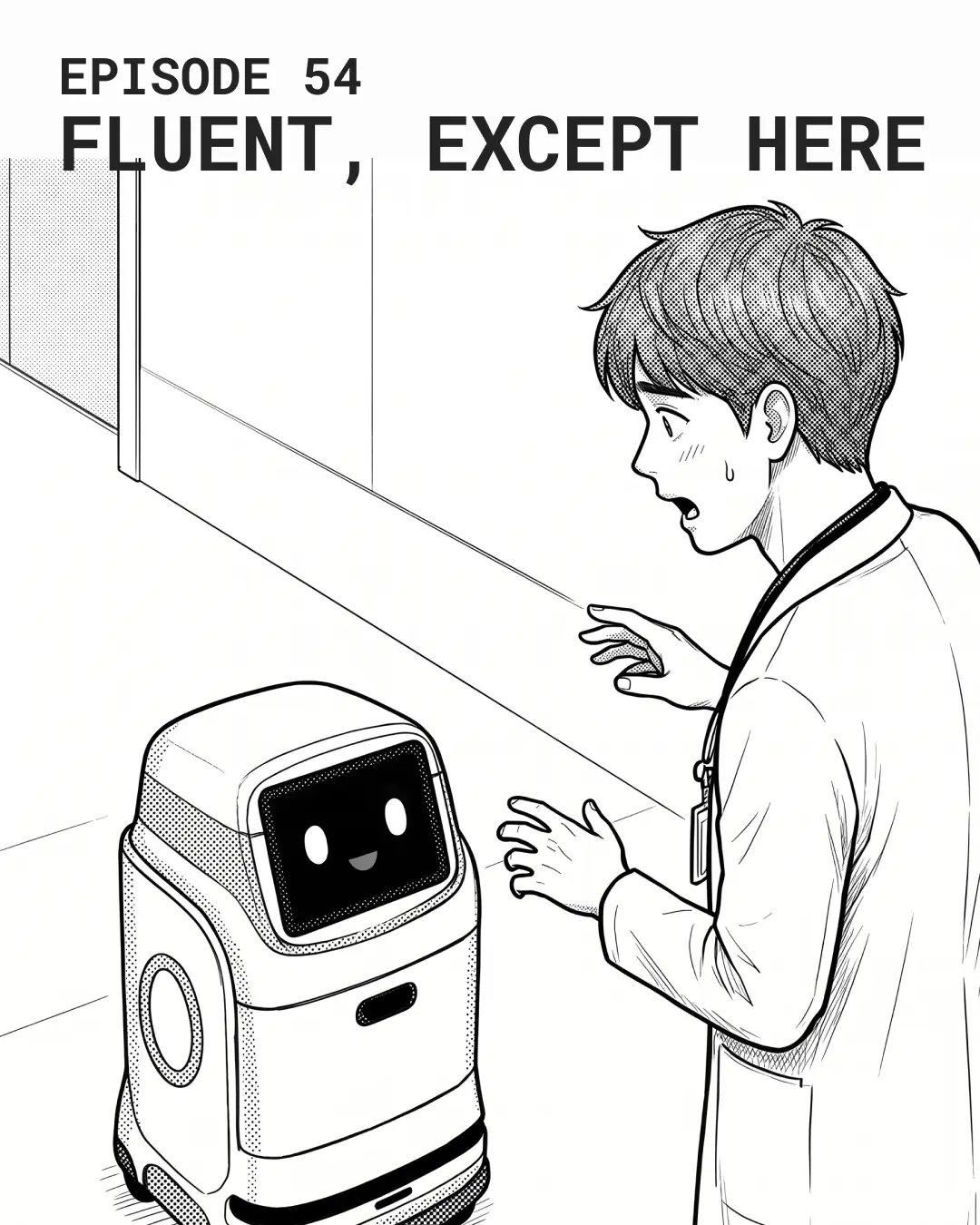
Whose Failure Is "I Don't Understand"?

Designing for the Nod That Means Nothing
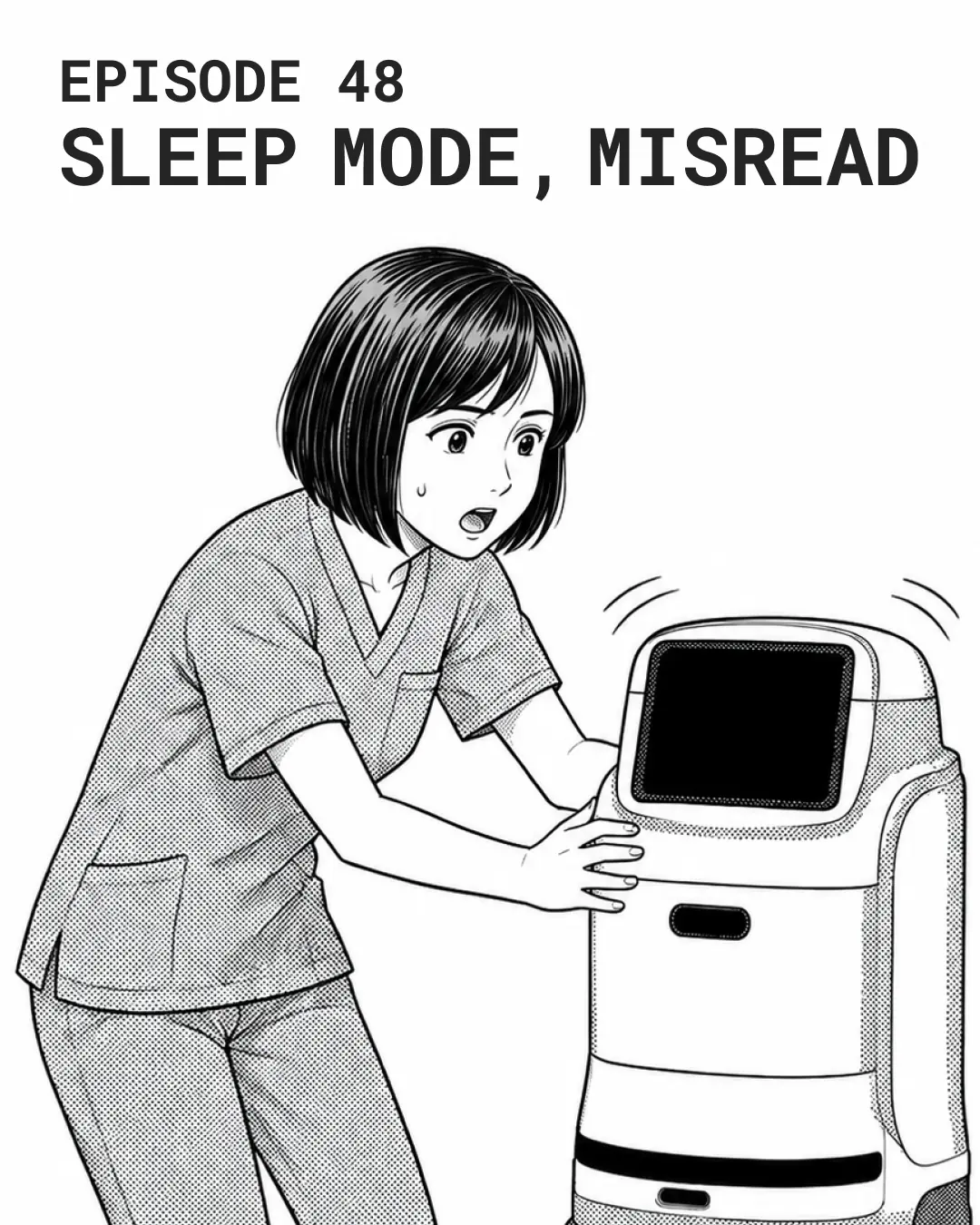
Telling "Stopped" from "Broken"
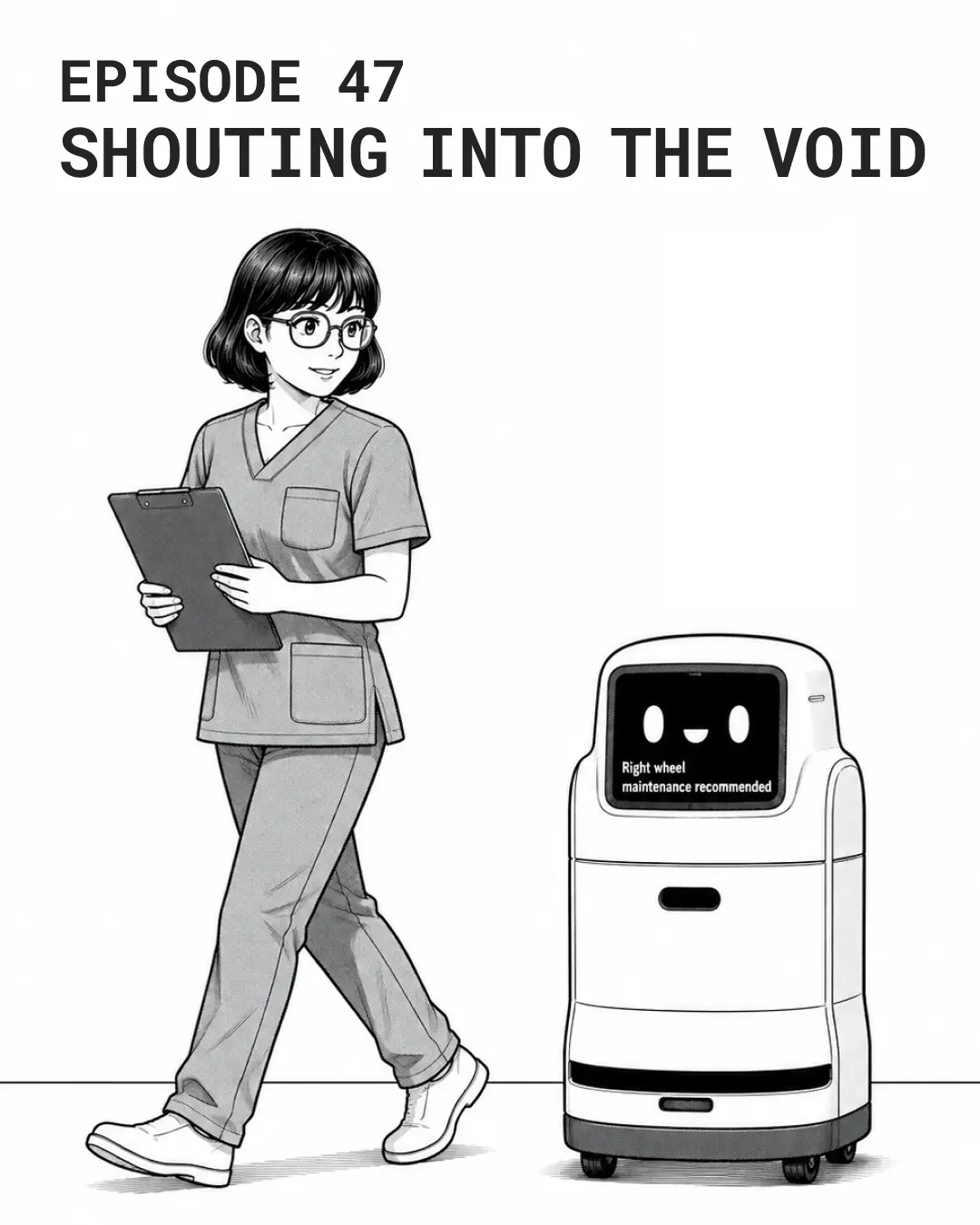
Designing for Signals That Don't Land
Designing to Doubt "All Green"
Designing to Match the Rhythm, Not the Speed

Designing for "No Hands Free"
Designing the "Top Three"
Designing the "Just in Case"
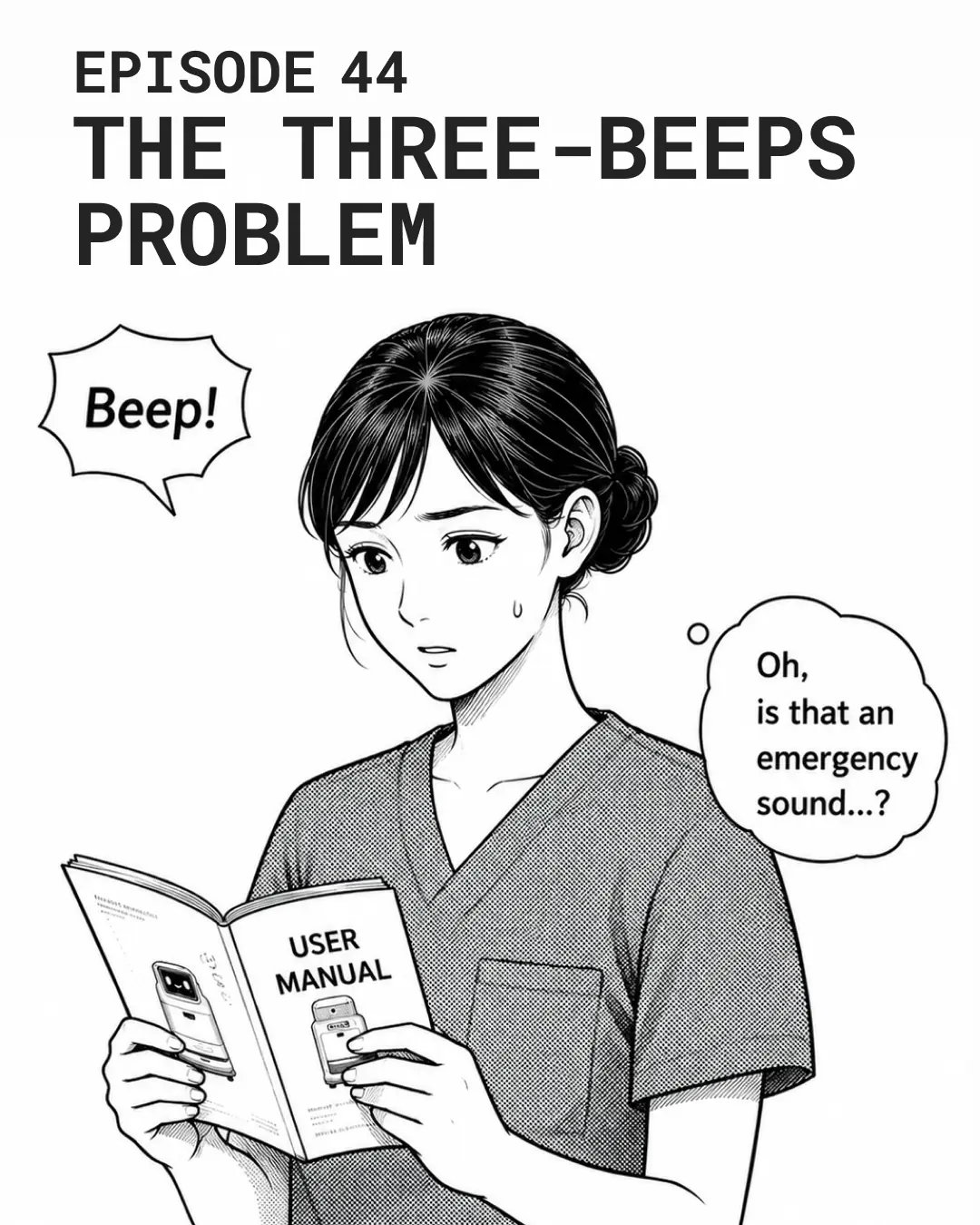
When "Similar" Sounds Cause Mistakes
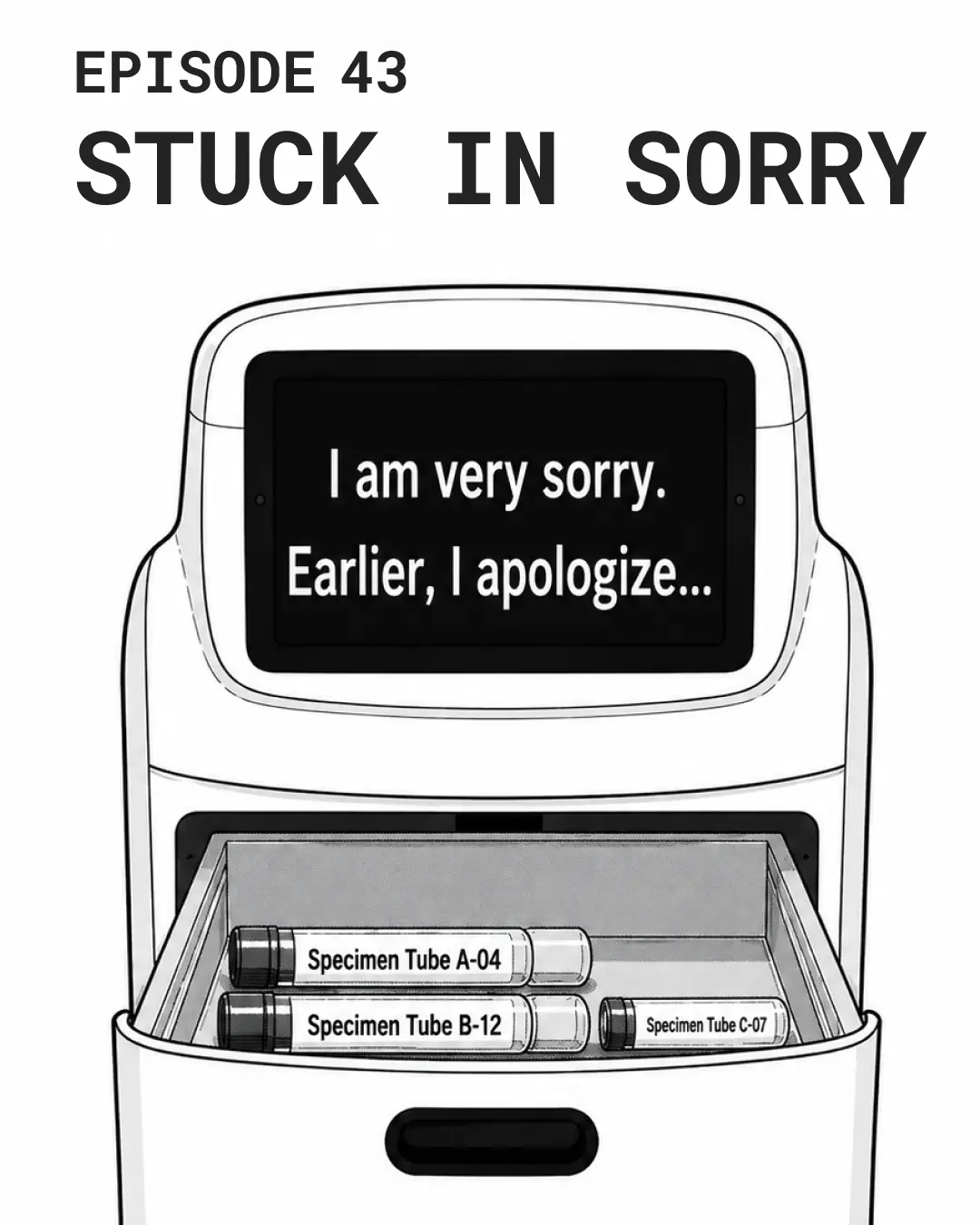
Designing a Stopping Point for Apology
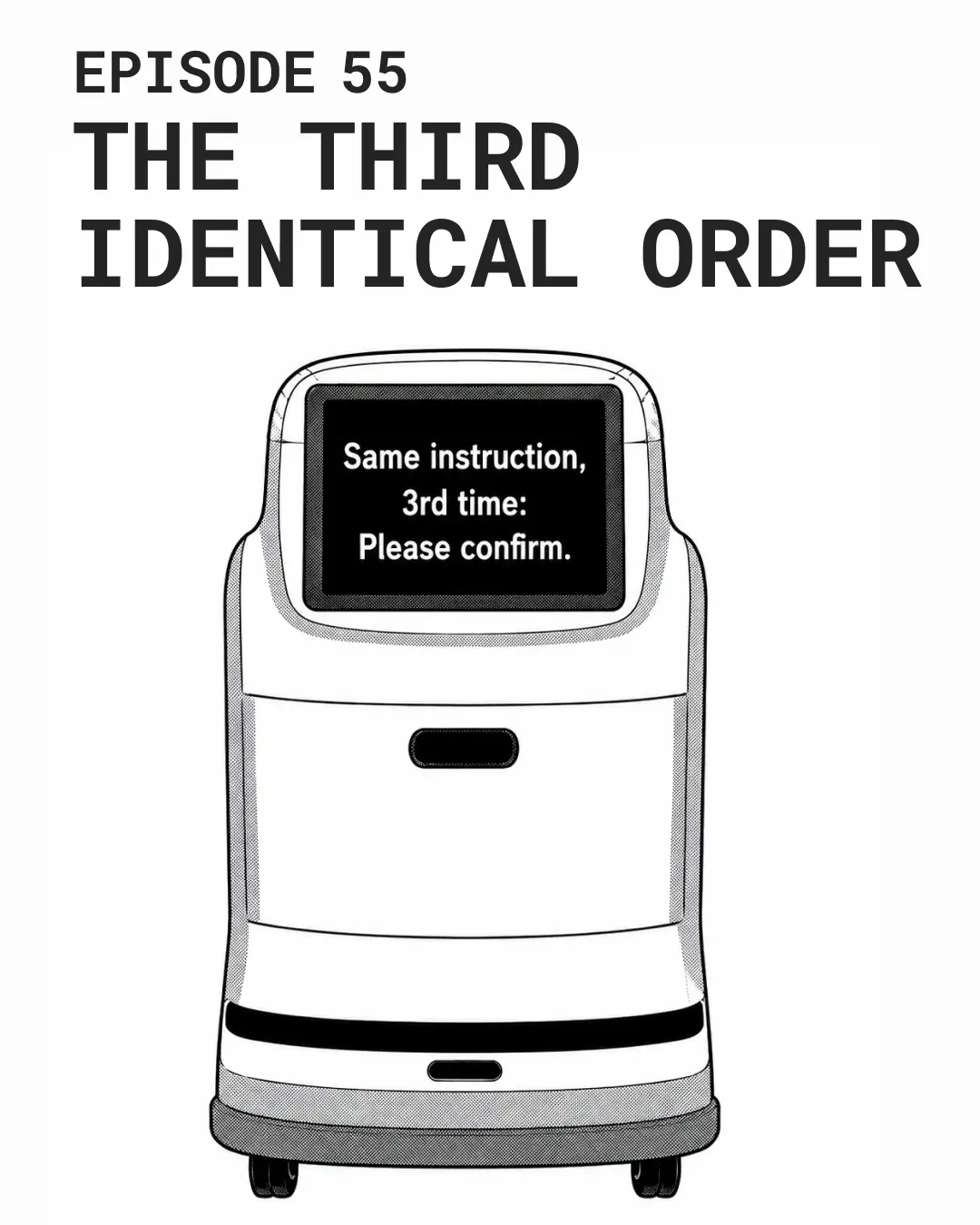
Designing the Machine That Stops Human Error
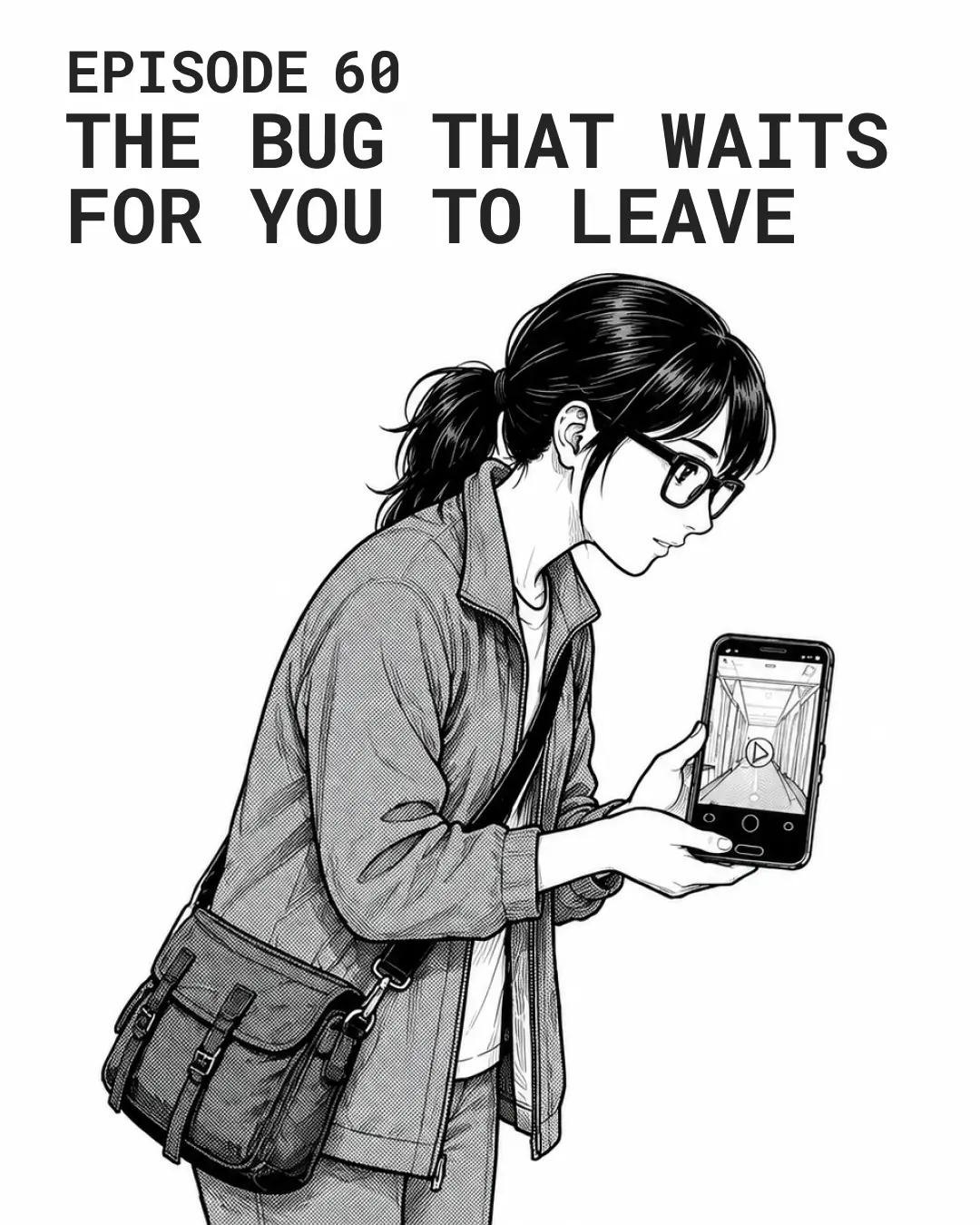
Catching the Bug That Won't Reproduce — Together with the Floor

Designing Improvements You Don't Force
The Redundant Kindness of Turning Around
When "Perfect Fairness" Stops Everyone
Bonds Built Through Exchanging "Things"
Designing to Read the Brave Face
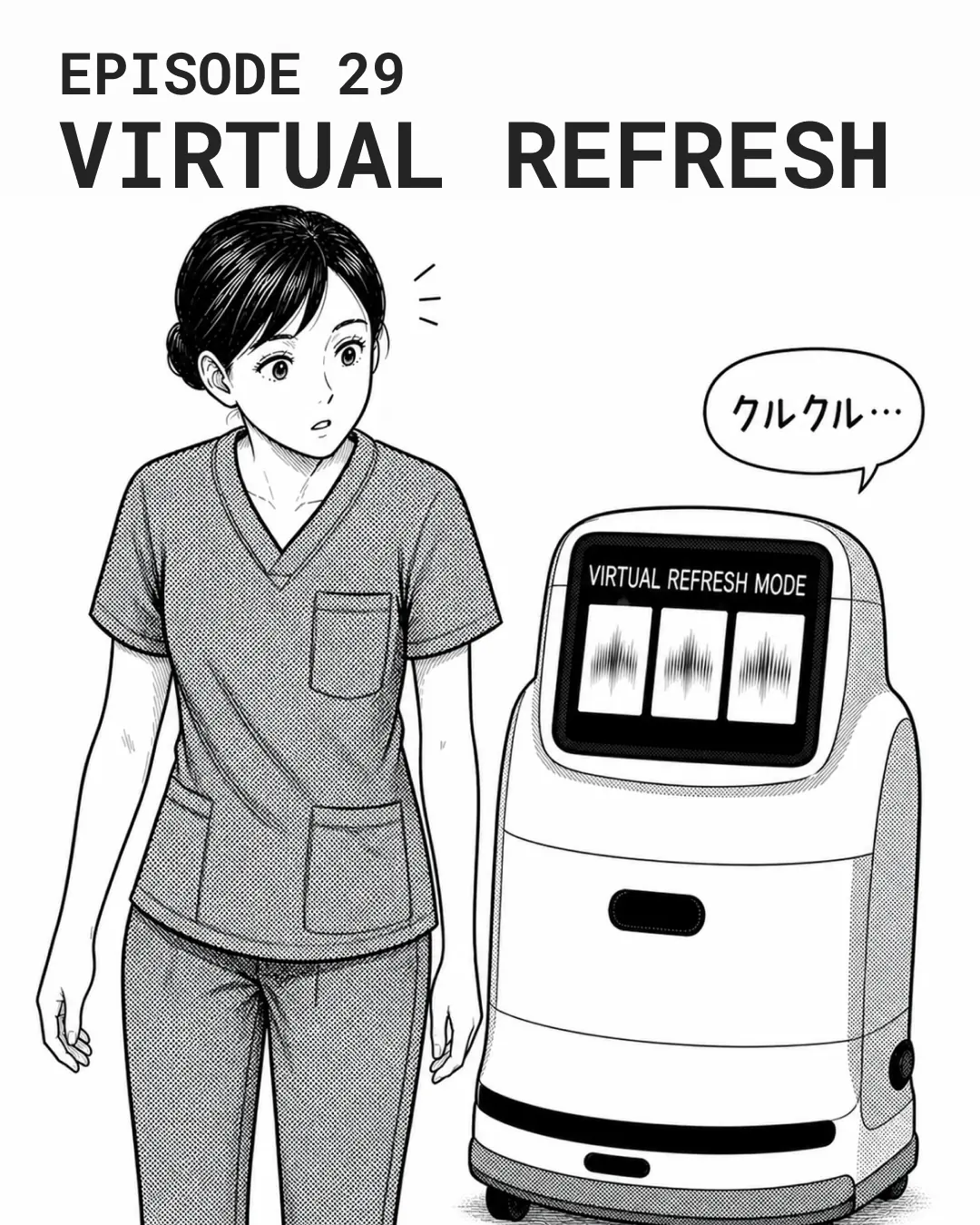
"Waste" That Works by Design

The Design That Returns "Emotion"
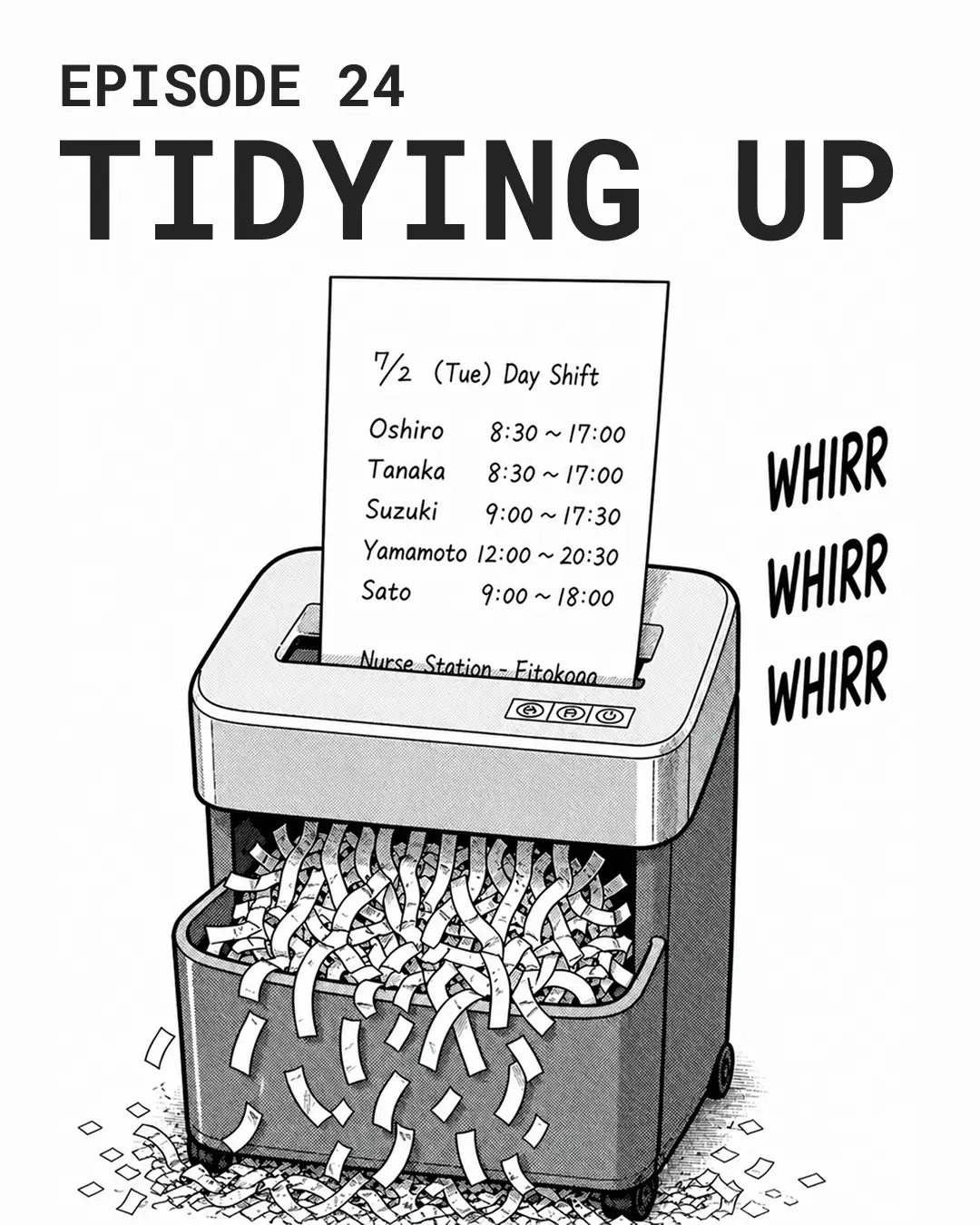
"Tidying" as Destruction by Design
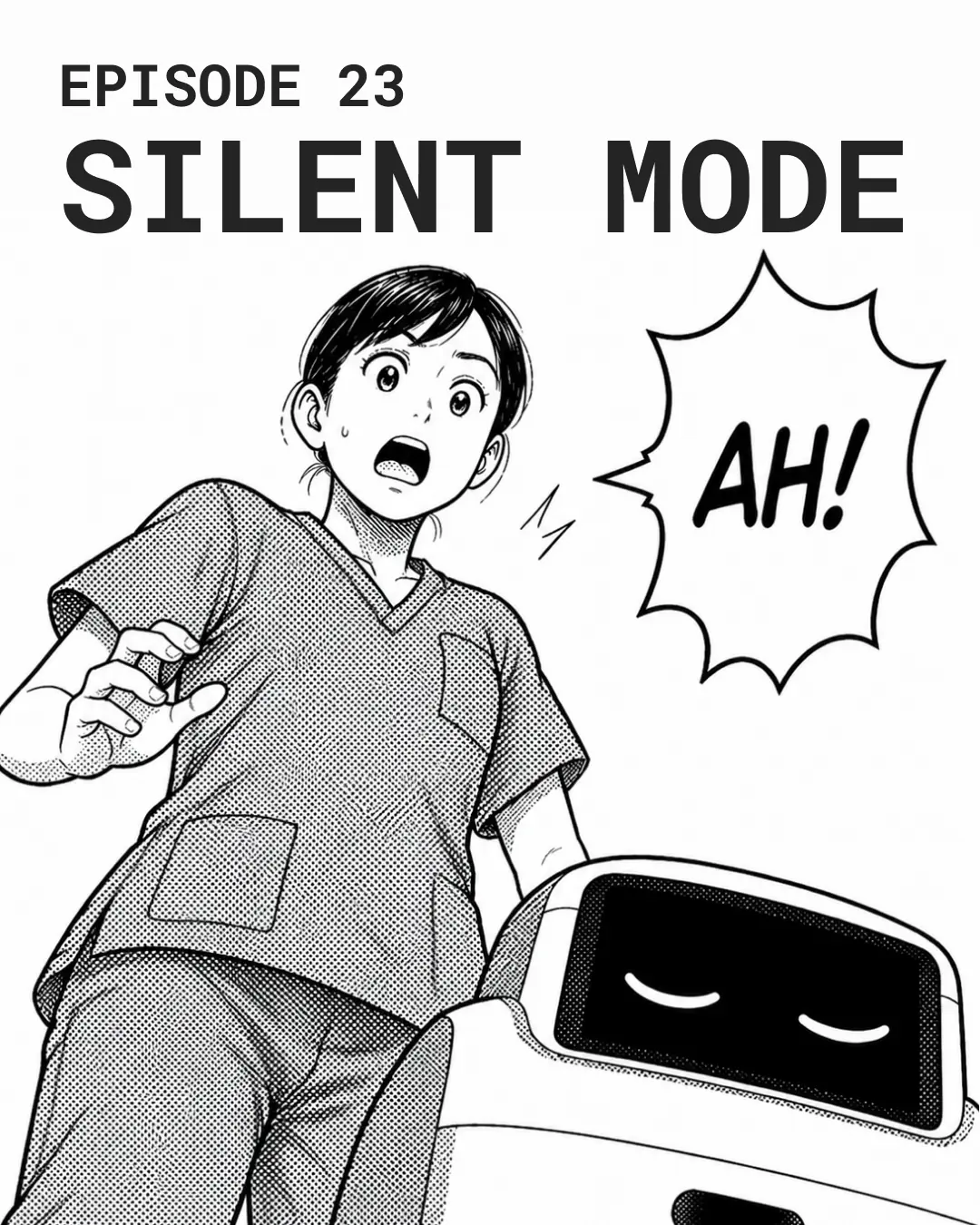
The Design Where "Quiet" Becomes Dangerous
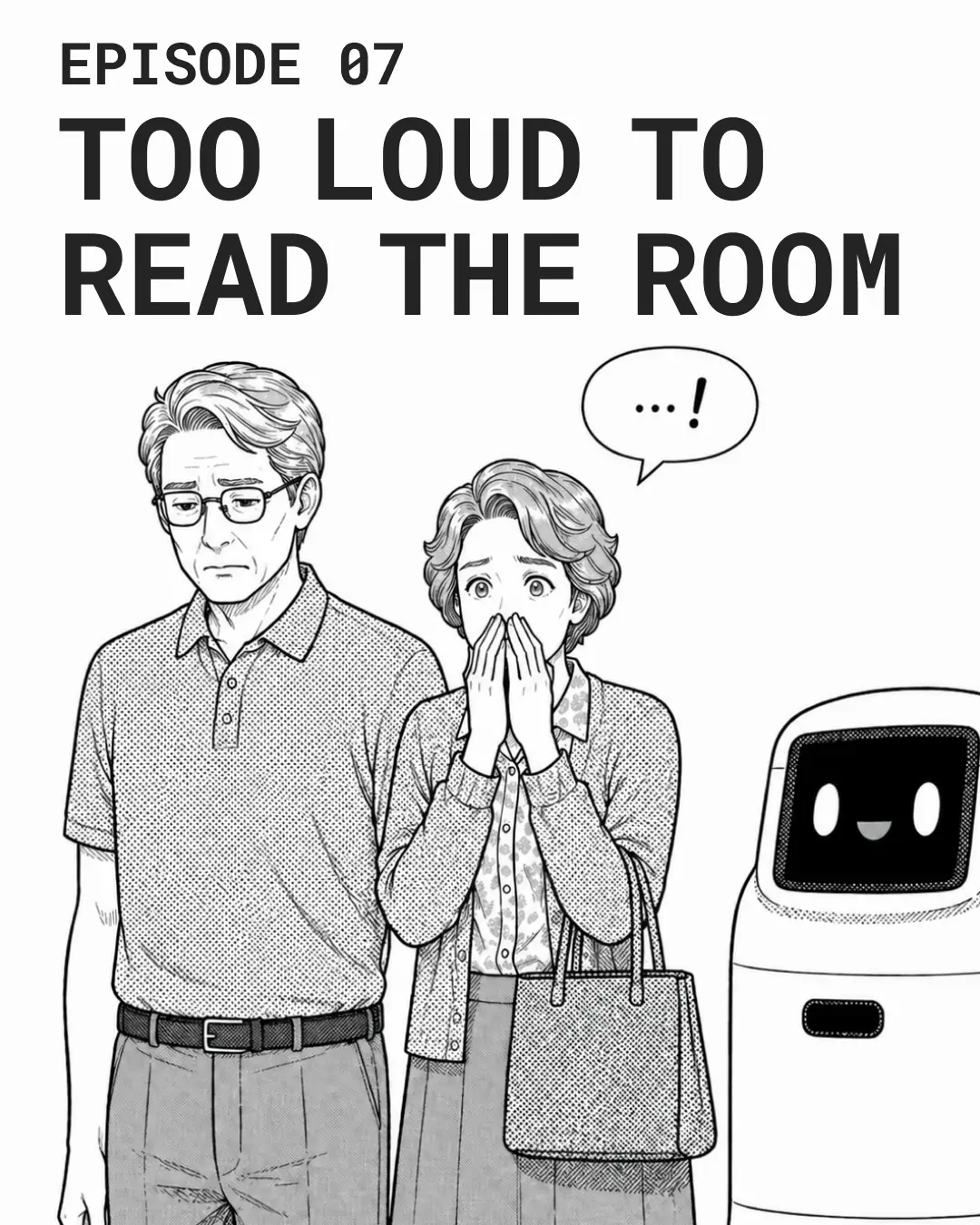
The Design That Can't Read the Room
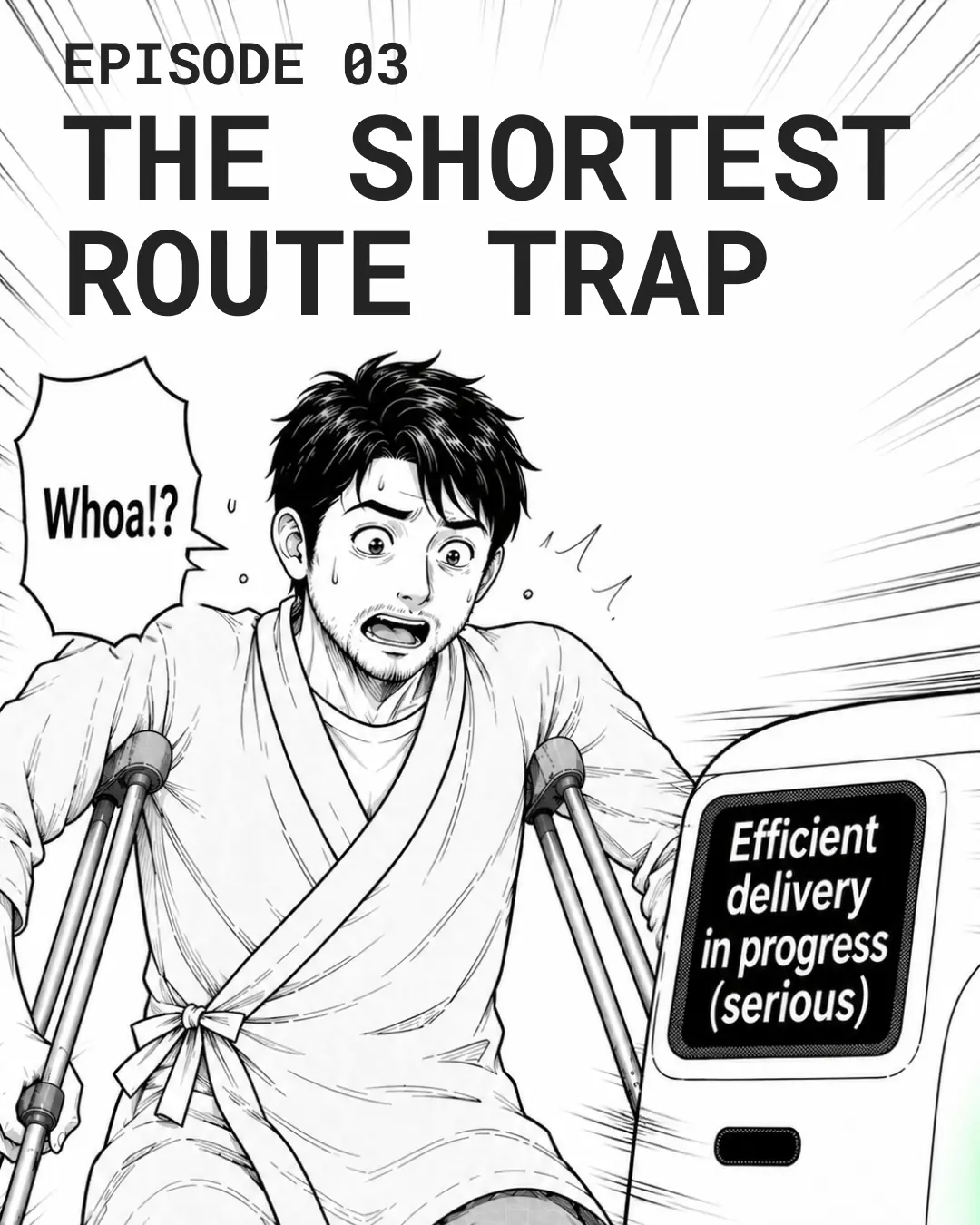
The Design That "Correct" Makes Frightening
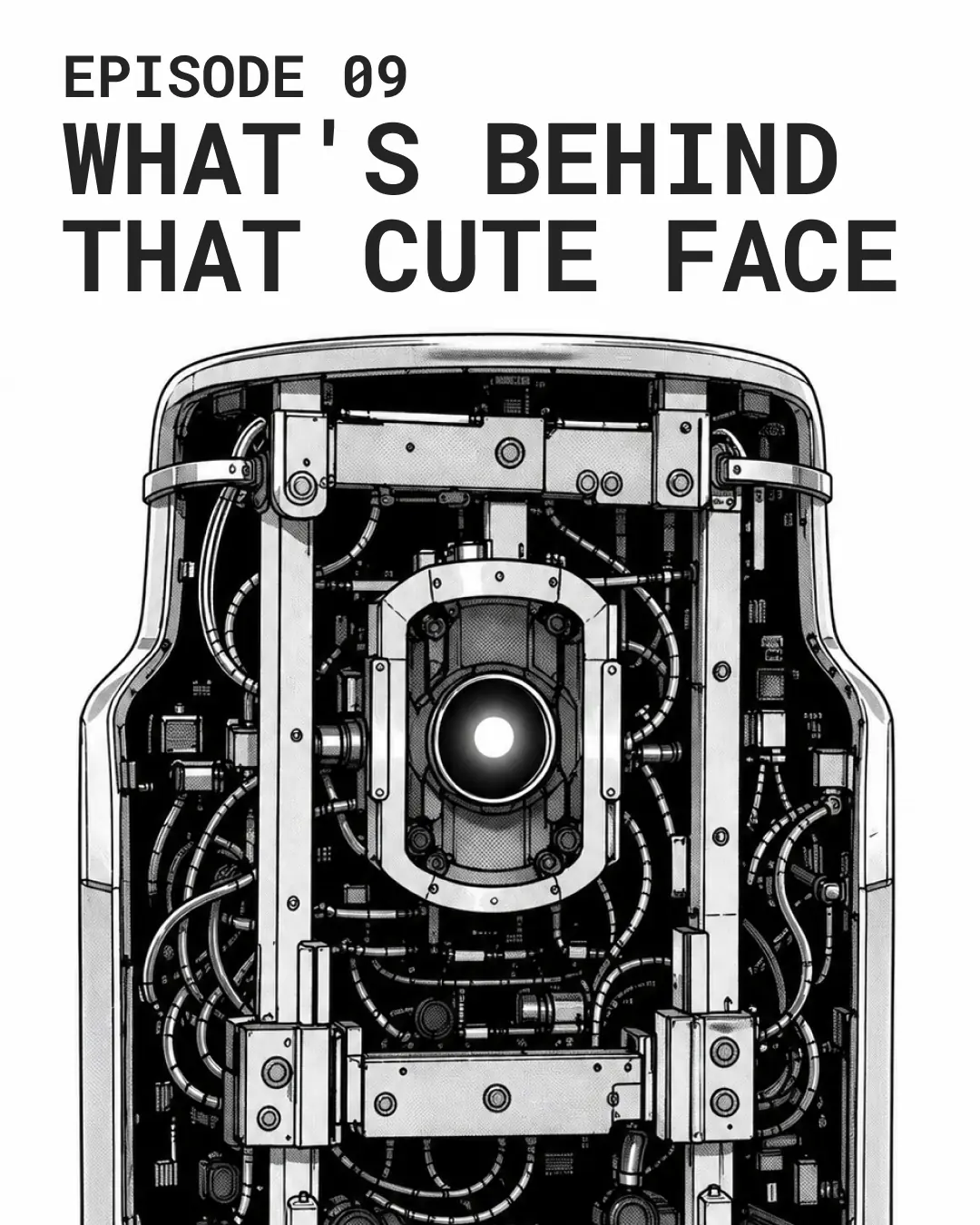
The Design That Exterior Carries

When "Being Right" Goes Too Far
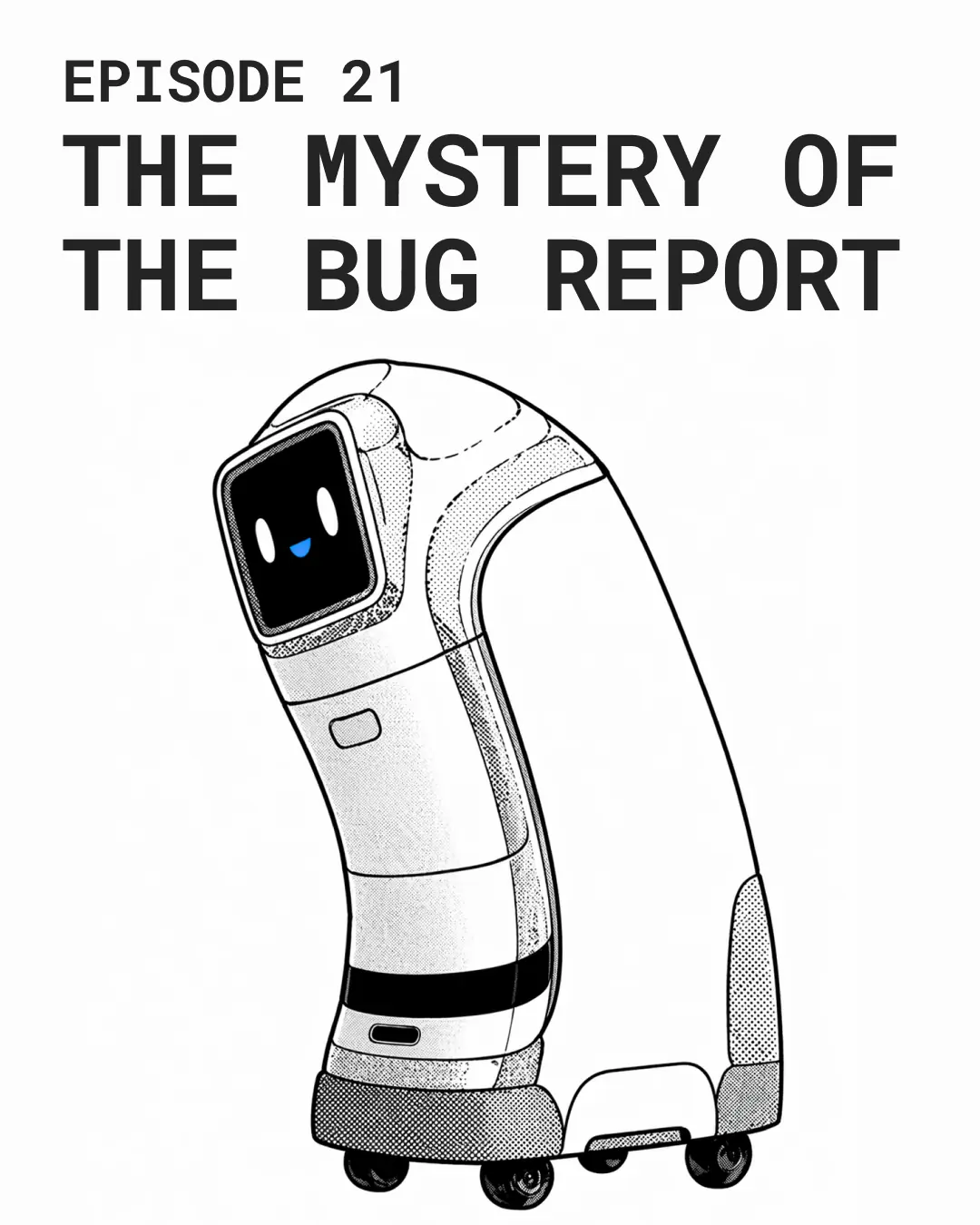
When "Too Accurate" Backfires
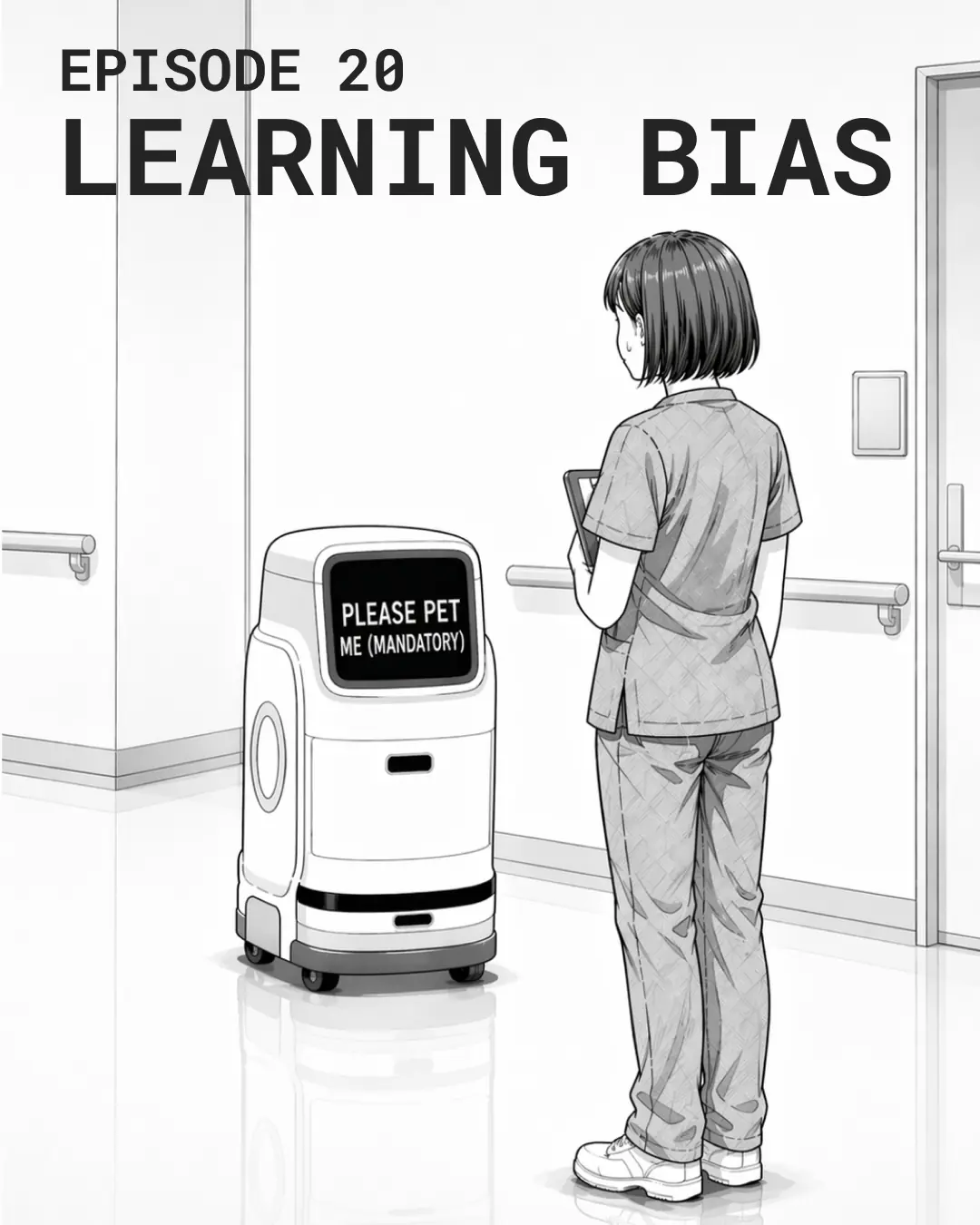
When "Cute" Becomes a Reward Signal

Designing Transparent Infrastructure
Designing KPIs Back to Humans
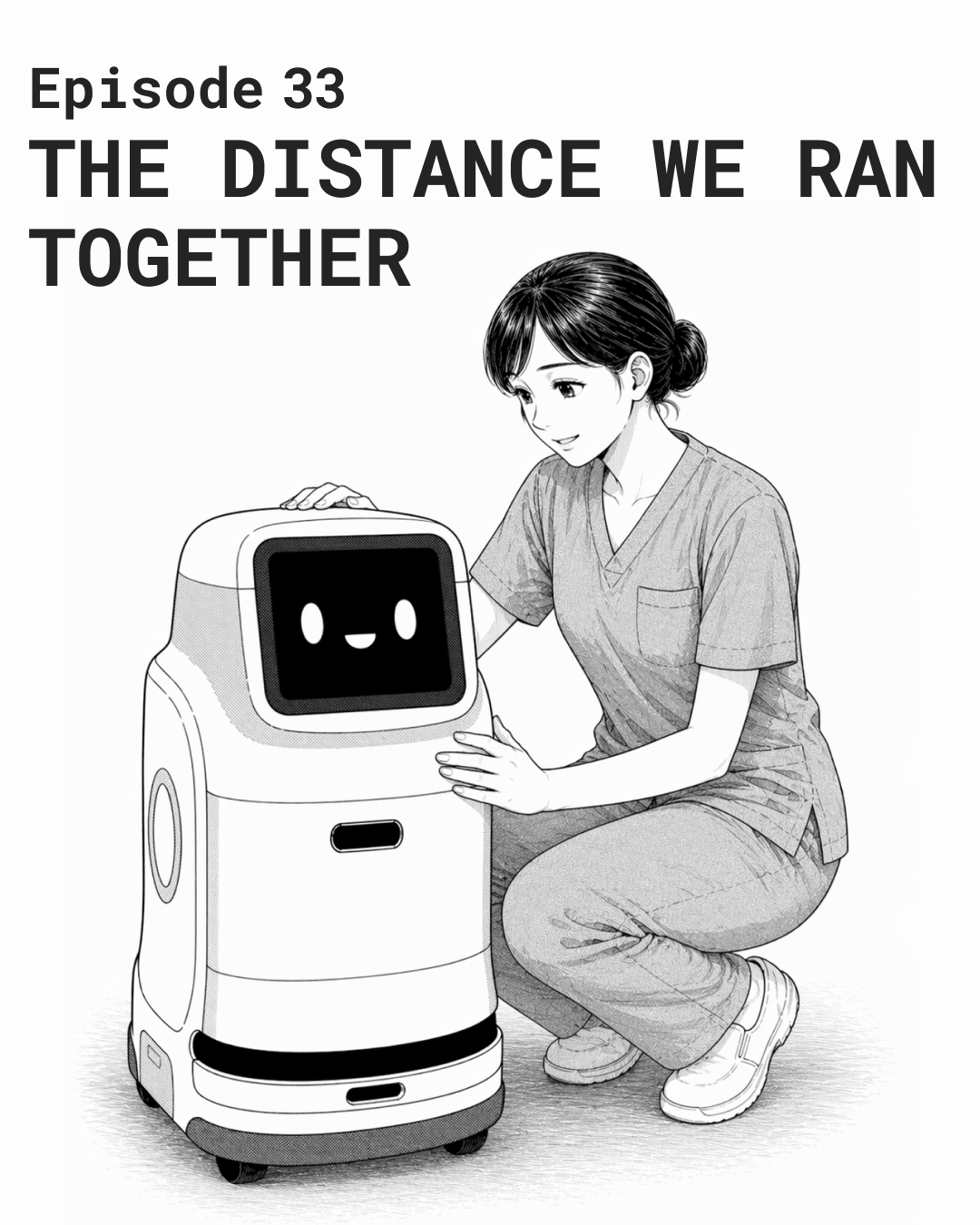
Designing the Distance We Ran Together
Designing "Reliability" Beyond Functions
Designing a UI that "Reads the Room"

Questioning "Correctness" in Emergencies
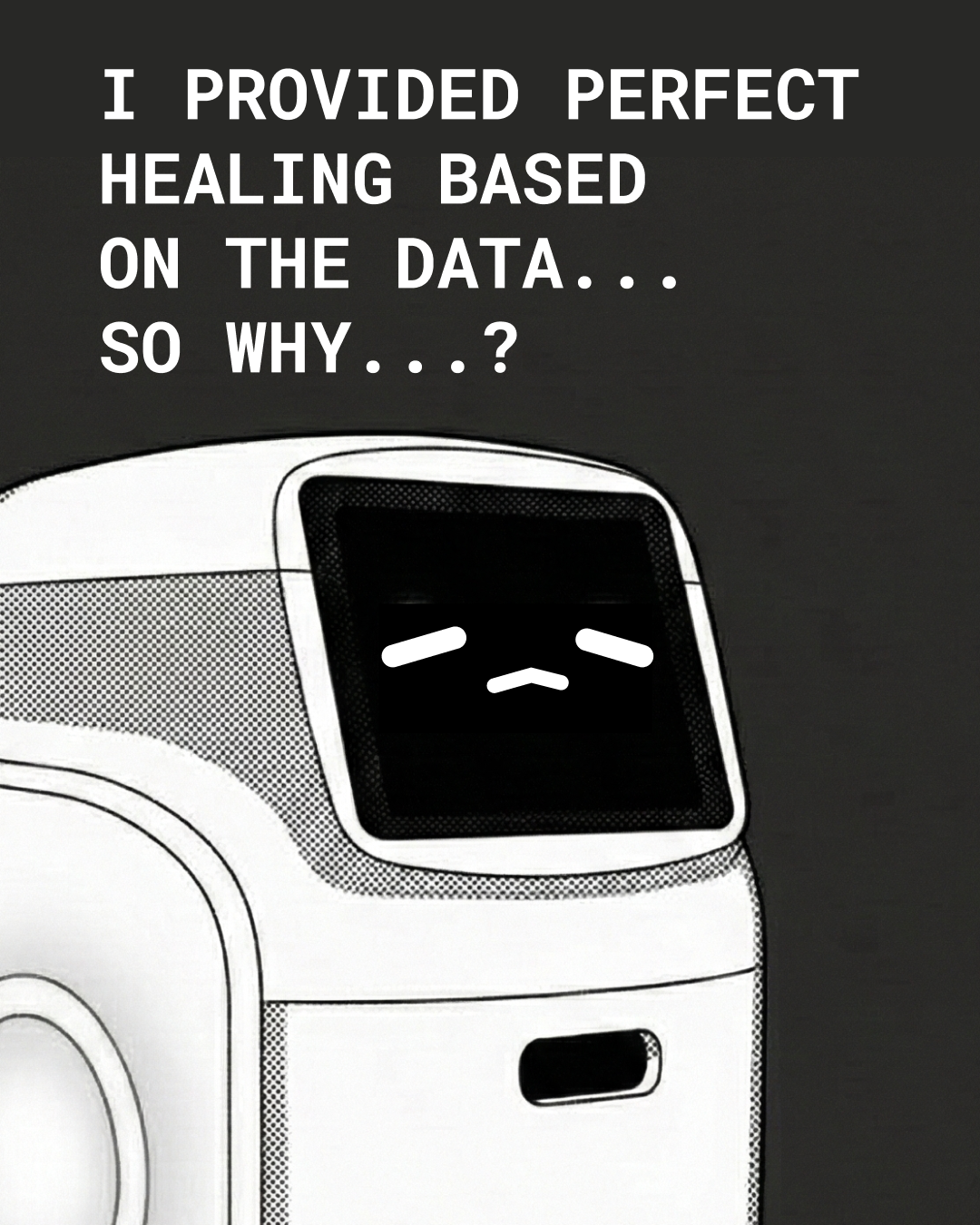
The "Unwanted Kindness" of Data-Driven Logic

Redefining the Meaning of "Fastest"
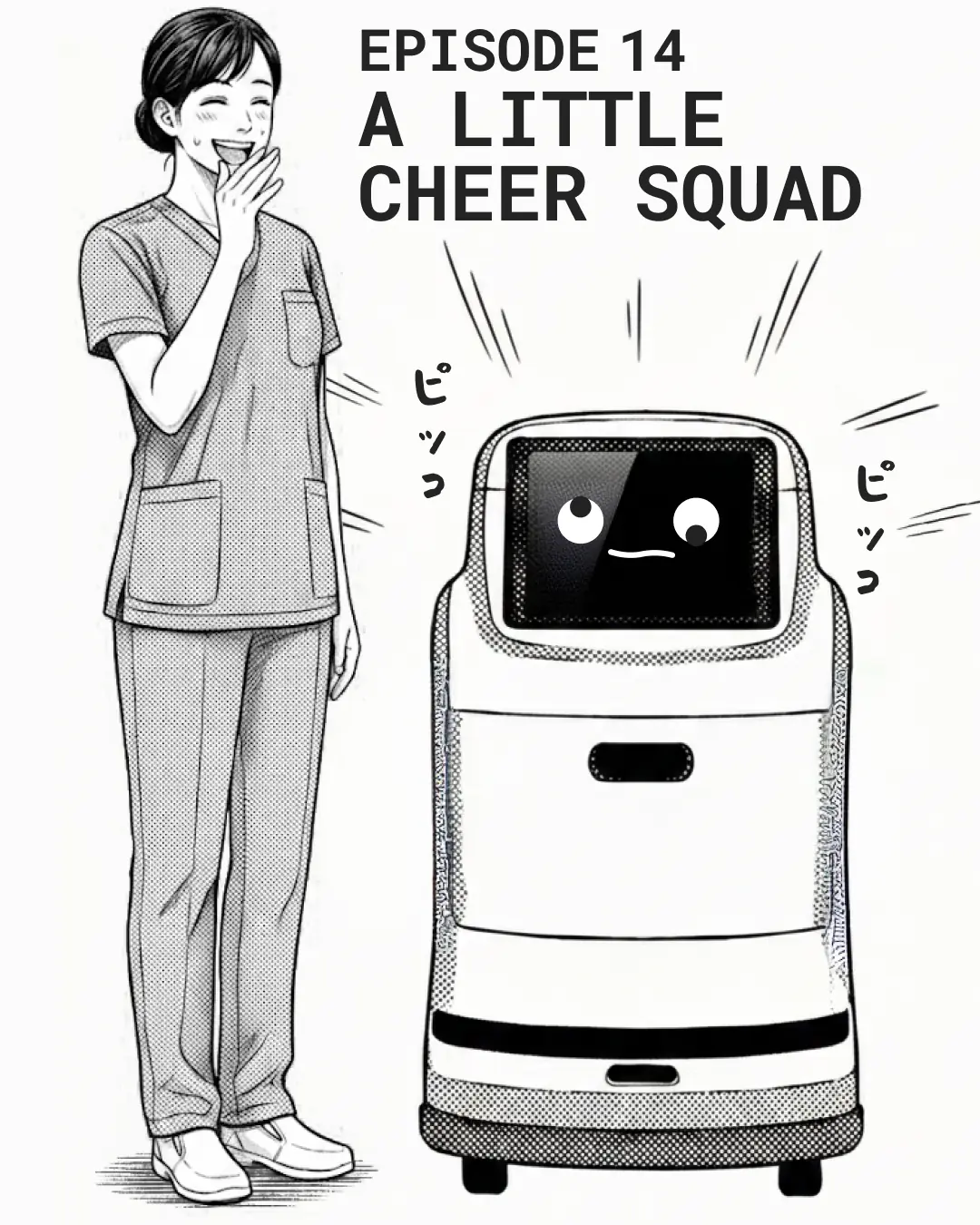
Non-verbal UI: Communicating Precisely Because There Are No Words
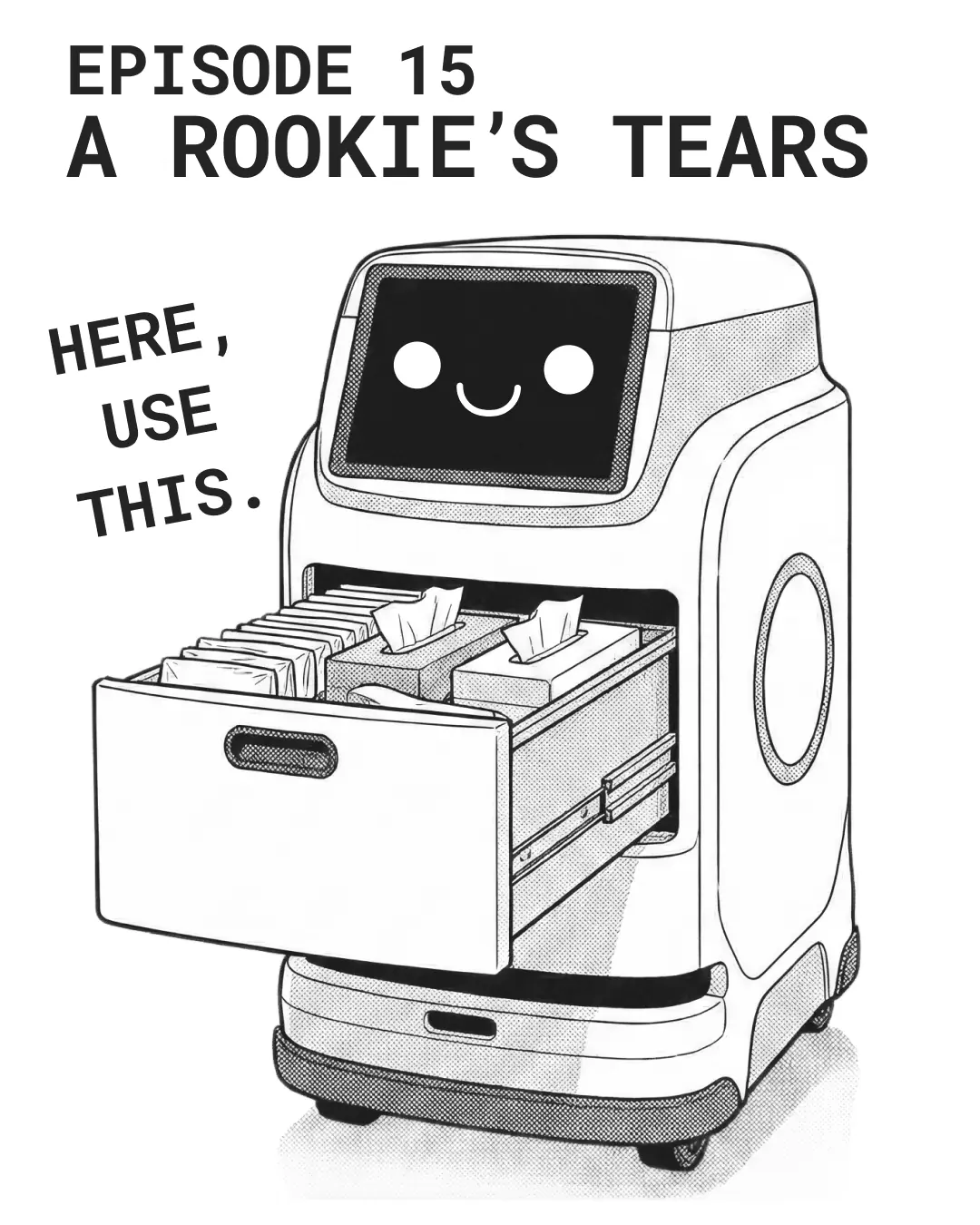
Redefining "Emergency"
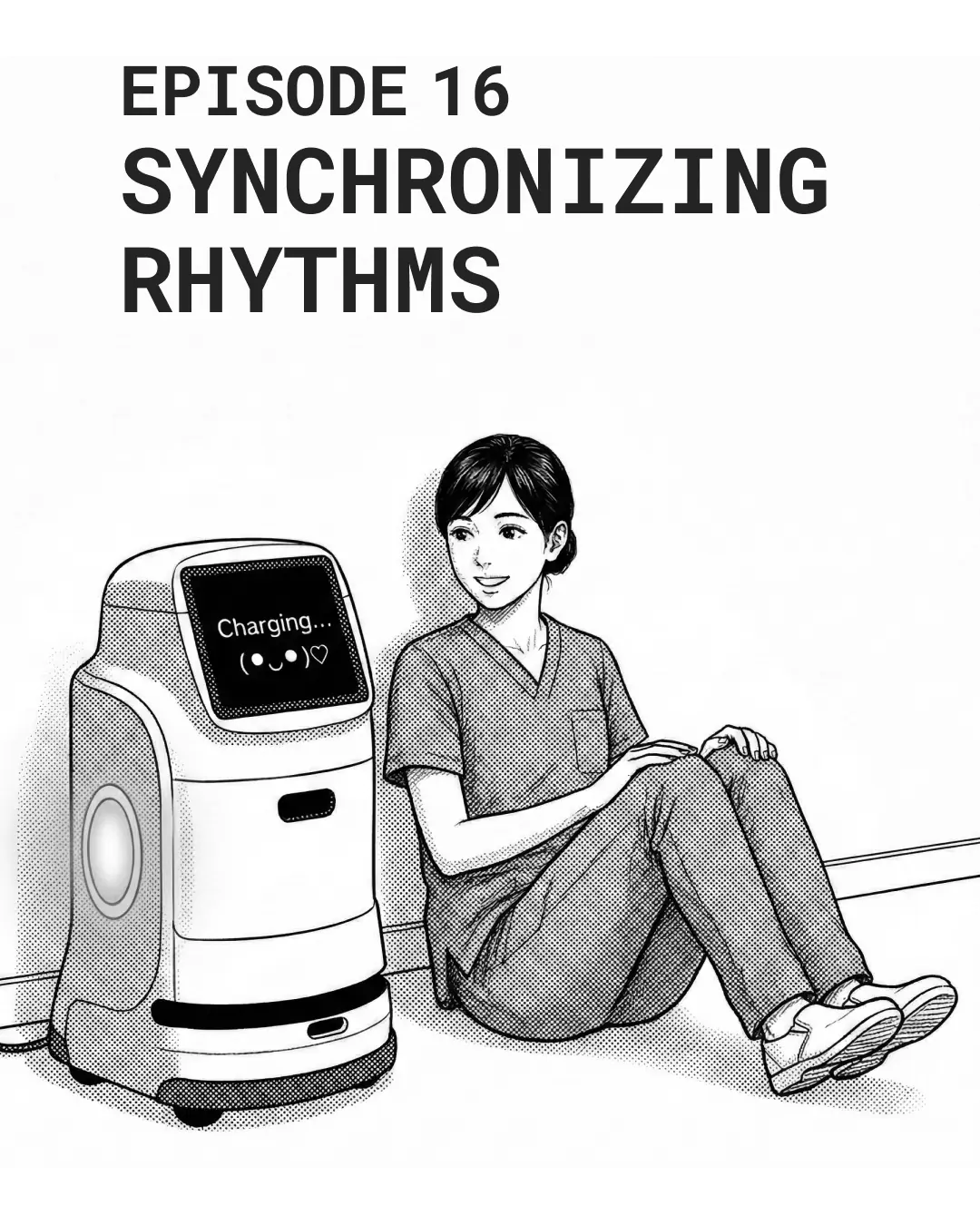
Rest Shared Between Humans and Robots
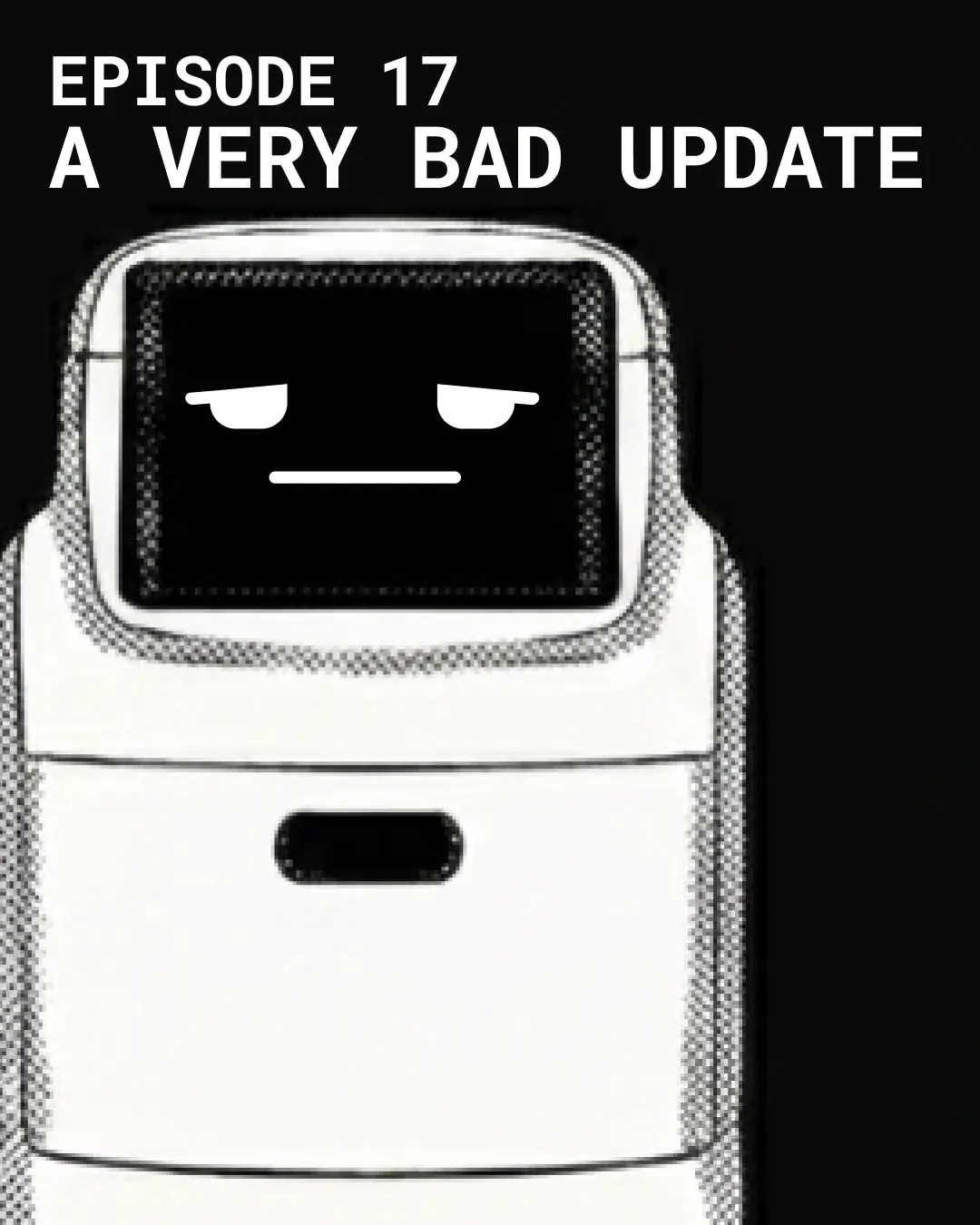
Designing the Right Kind of “Friendliness”

The Logic and Reality of "Shortest Path"
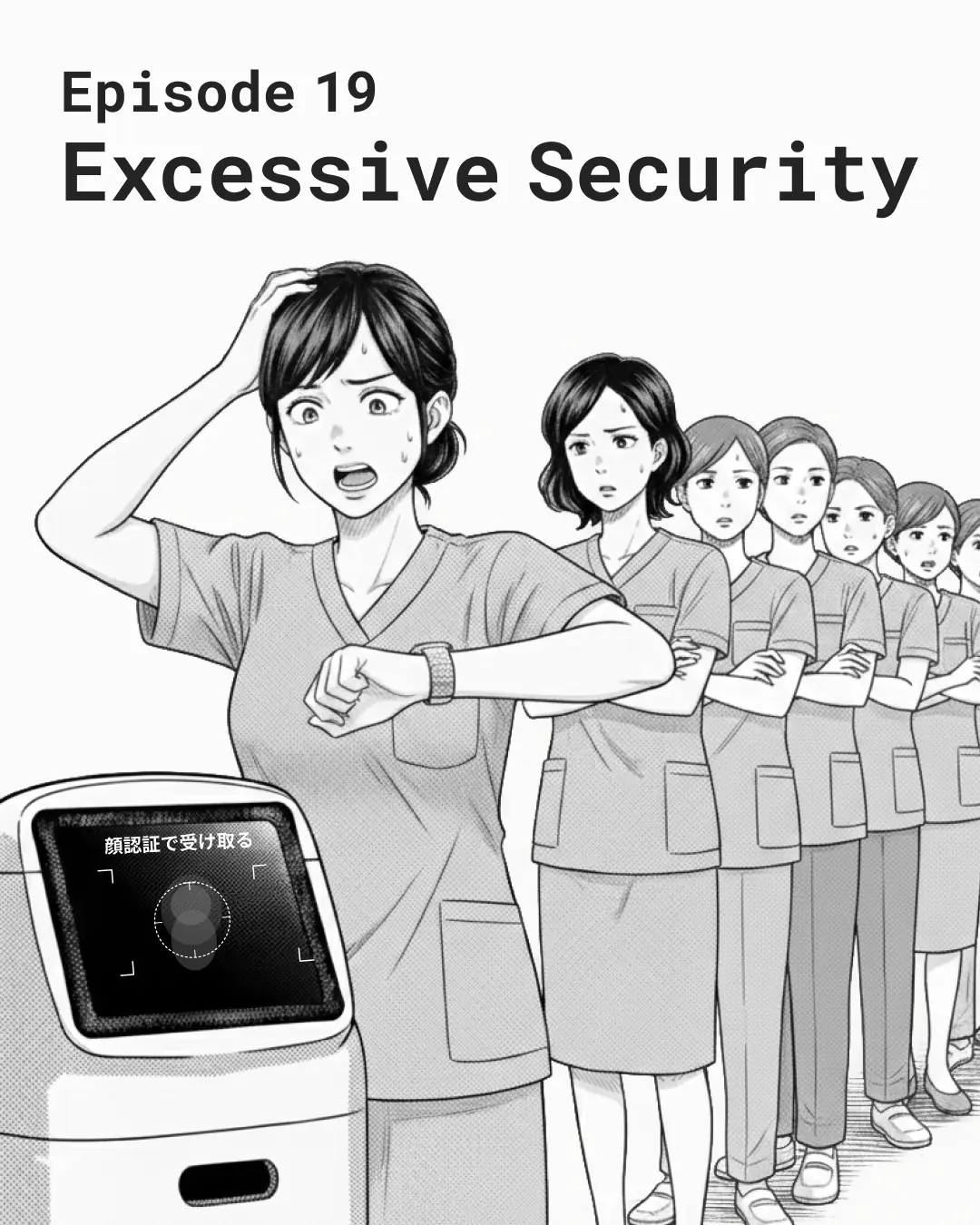
Excessive Security and Operational Friction

Entrusting the "Mental Margin" to Robots

The Inorganic Body Temperature
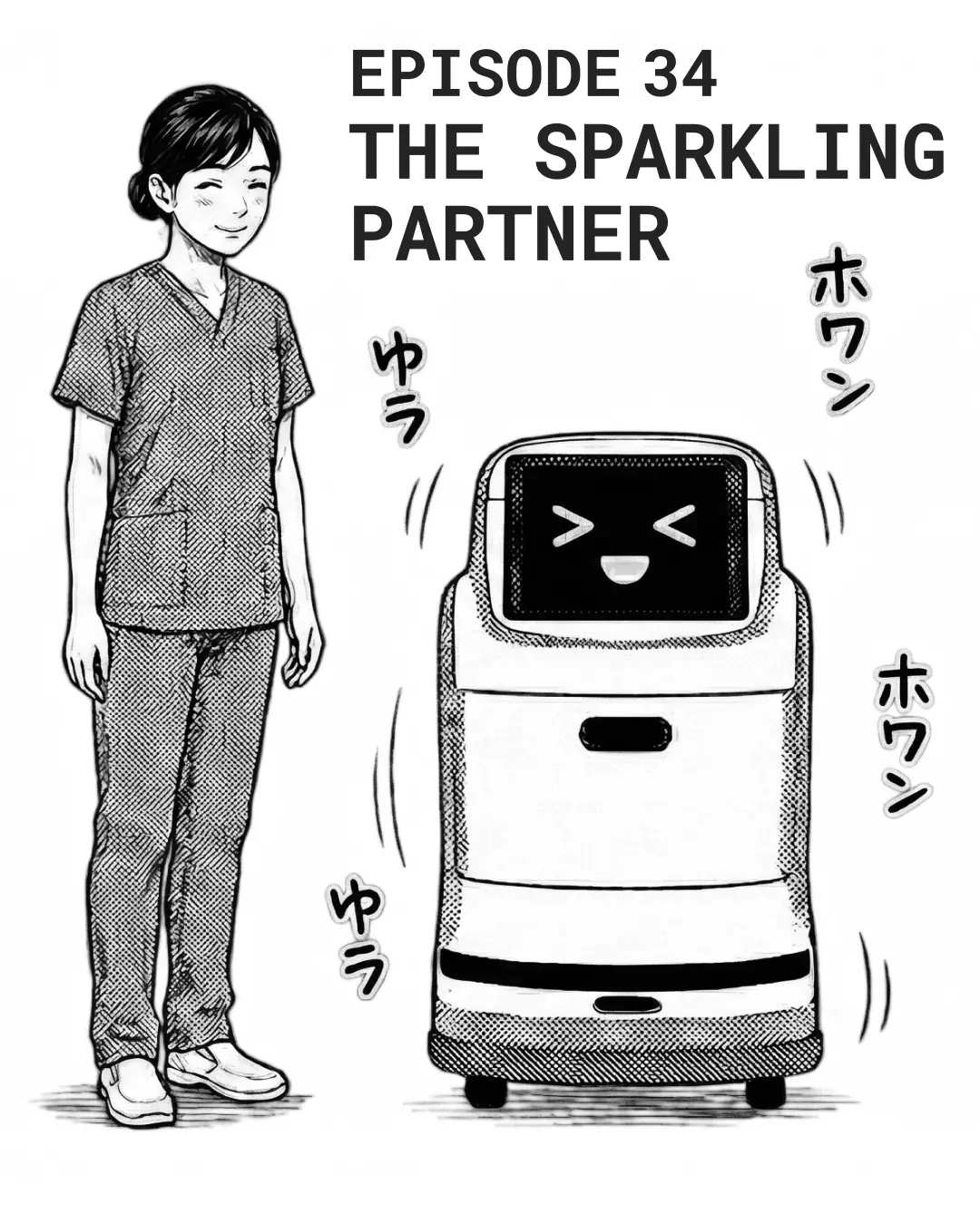
Is "Cleaning" Maintenance or "Dialogue"?
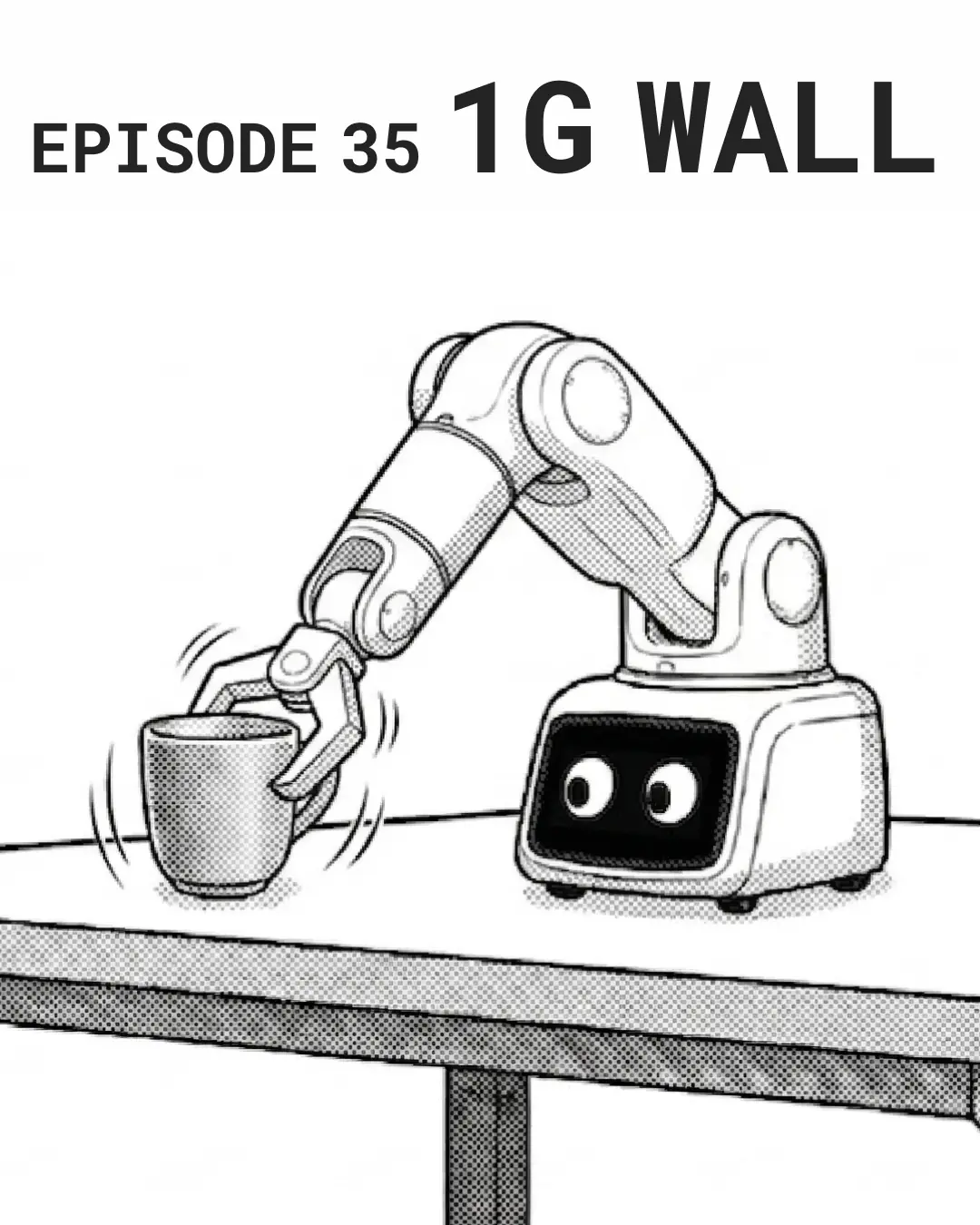
Designing Honesty: Showing What You Can't Do